The best cycling routes in Oberfrauenau
4.4
(1804)
10,038
riders
263
rides
Touring cycling routes in Oberfrauenau are set within the Bavarian Forest, Germany's largest contiguous forest area, offering a diverse landscape for cyclists. The region features dense woodlands, river valleys, and the Frauenau Drinking Water Reservoir. Elevations range from gentle slopes to more challenging climbs towards hills like Rachel and Lusen, providing varied terrain for touring cyclists.
Best touring cycling routes in Oberfrauenau
- The most popular touring cycling route is Gut Tausendbachl – Klingenbrunn Train Station loop from Klingenbrunn, a…
Last updated: June 26, 2026
5.0
(6)
37
riders
33.4km
02:39
490m
490m
Hard bike ride. Very good fitness required. Mostly paved surfaces. Suitable for all skill levels.
11
riders
15.2km
01:27
220m
220m
Moderate bike ride. Good fitness required. Mostly paved surfaces. Suitable for all skill levels.

Sign up for free
4.7
(84)
408
riders
29.1km
02:22
660m
660m
Hard bike ride. Very good fitness required. Some segments of this route may be unpaved and difficult to ride.
4.6
(48)
267
riders
Moderate bike ride. Good fitness required. Mostly paved surfaces. Suitable for all skill levels.
4.6
(18)
150
riders
17.2km
01:03
130m
130m
Easy bike ride. Great for any fitness level. Mostly paved surfaces. Suitable for all skill levels.
Get access to more routes and recommendations from other explorers.
Sign up for free
Already have an account?
Our route recommendations are based on thousands of hikes, rides, and runs completed by other people on komoot.
Start today with a free account
Your next adventure awaits.
Login or Signup
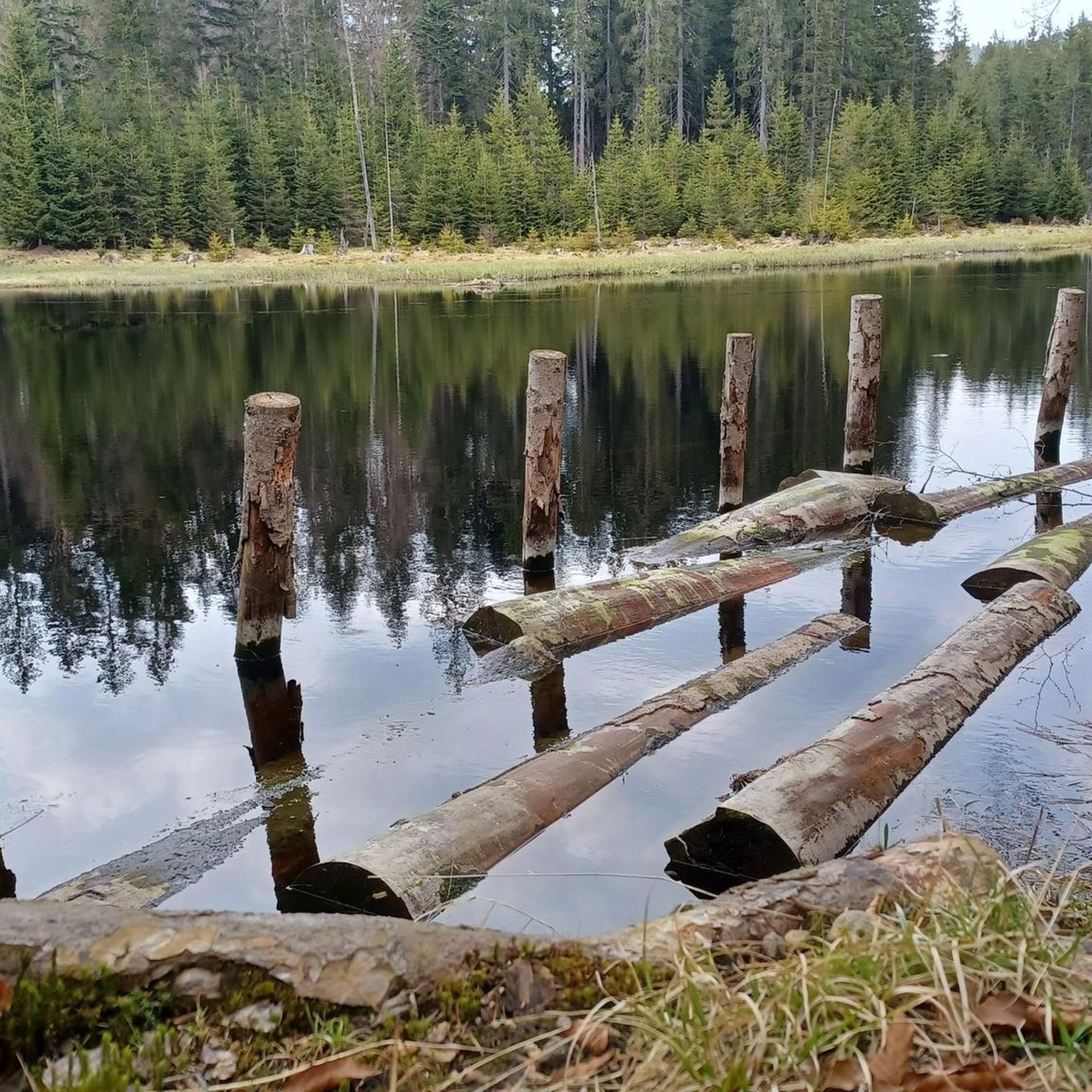
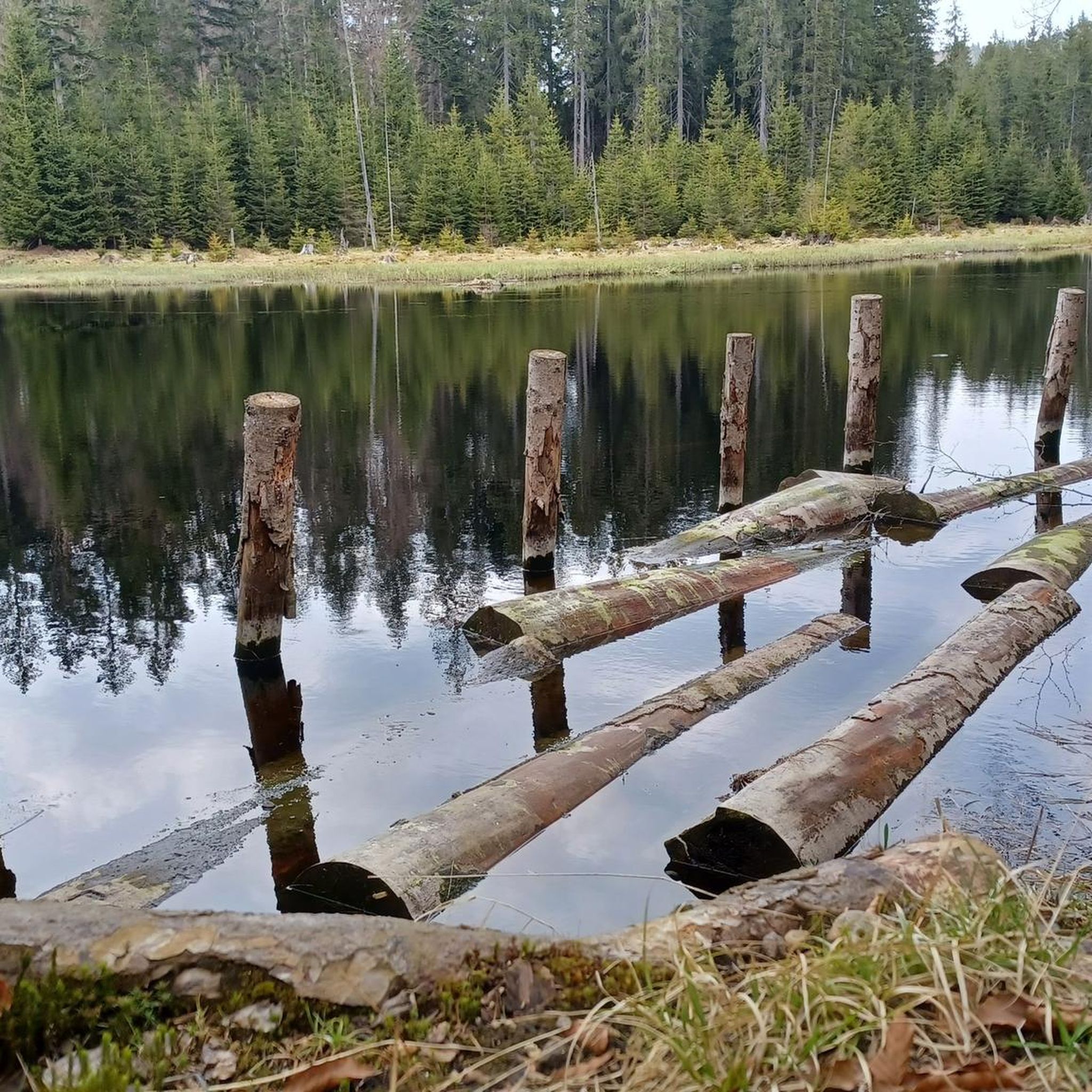
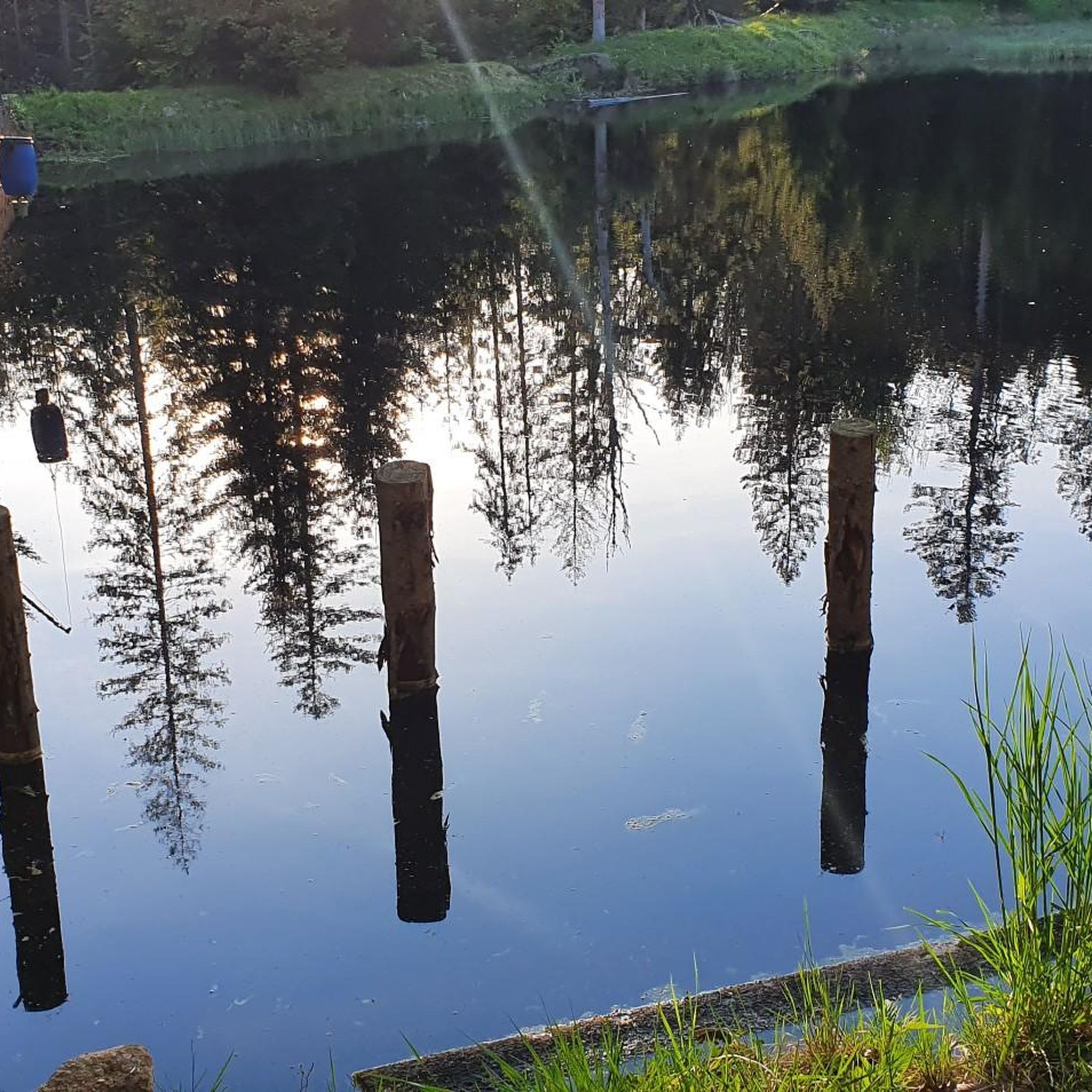

Tips from the Community

Erich Schott on the lower town square in Zwiesel is a popular meeting point in the town.
0
0

Pizzeria Cafe Dolomiti, the stone oven stop. Crispy stone-baked pizza and a cold beer make this stop particularly worthwhile after a few meters of elevation gain. The terrace invites you to continue your leisurely ride through the Zwiesel region.
0
0

In 1975, Dr. h.c. Erich Schott, of the Jena glassworks, Schott & Associates, Mainz, donated this fountain to the people of Zwiesel. The large 'Erich Schott Fountain' is located in Zwiesel's town square. Granite steps, arranged in a circle around the fountain, compensate for the uneven terrain where necessary. They are paved with cobblestones. The majority of the round fountain is also made of gray granite. The low basin walls are lined with rectangular granite tiles, both on the inside and outside. Wooden plank seating is attached to the polished stone slabs that define the wide, overhanging edge of the basin. Within the basin, surrounded by shallow water, lie two natural boulders. They encircle the central element, which consists of a steel pedestal and a large stone sphere resting upon it. Square glass stones line the equator of the sphere, from whose tops water emerges in a focused jet. https://www.kunst-niederbayern.de/walter-mauder-und-siegfried-schriml-erich-schott-brunnen.html
2
0
The impressive town hall in Zwiesel has a turbulent history. A town hall in use since at least 1535 was burned down by the Swedes in 1633, along with the market square. It was rebuilt in 1635 but burned down again in 1707, resulting in the loss of many important records. The subsequent town hall was also destroyed in the market fire of 1832. In 1838, construction began on the current town hall on the site of the previous building. It wasn't until 1844 that the building, which until then had only a temporary roof, was properly re-roofed. In 1876, the town council decided to crown the town hall with a small tower. The work was awarded to master carpenter Georg Stolka for 1100 marks. He began erecting the turret on December 18, 1876. The tower's cupola was added on December 30, 1876, by journeyman carpenter Johann Kagerbauer. In the first days of the following year, the clock and bell were opened. The bell came from the old town hall, where it had been used for many decades to signal the start of council meetings. On January 16, 1877, the tower bell of the new town hall tower was rung for the first time. The town hall clock was also set in motion that day. The town hall has three stories with five window bays each. The windows of the lower floors are round-arched, as are the three portals, which are arranged side by side and are of the same size. A stepped landing lies in front of these portals. The upper floor has rectangular windows. The windows and portals have rusticated frames, and the corner pilasters are also rusticated. The stories are separated by cornices that run below the window sills. The ground floor features ashlar masonry. In front of the central window of the first upper floor, which extends into a doorway, is a balcony supported by a volute corbel and a balustrade. The flat roof, which slopes towards the tower, rests on a corbel frieze. The tower features wooden ornaments encased in sheet metal. The slate shingles of its roof are laid in a pattern, the spire is decorated with floral ornaments, and the weathervane at the very top consists of tin flower cups. The bell, cast in Straubing in 1707, weighs approximately twenty kilograms. https://www.niederbayern-wiki.de/wiki/Rathaus_(Zwiesel)
2
0
Historic blue mailboxes, often adorned with elaborate Art Nouveau decorations, are rare but prized photographic subjects in Germany. Particularly well-known are examples in the old town of Lauenburg and in Würzburg, which are still regularly emptied and preserve a piece of postal history. While the German Federal Post Office introduced yellow mailboxes in the 1980s, these blue ones are reminiscent of the Prussian era or their special airmail functions, with the "Brilliant Blue" shade (RAL 5007) being used for airmail. This charming, historic mailbox at the Zwiesel town hall immediately reminds me of the "twins" in Lauenburg's old town. Here is a link to them: https://www.lauenburg-tourismus.de/poi/historische-briefkaesten
2
0

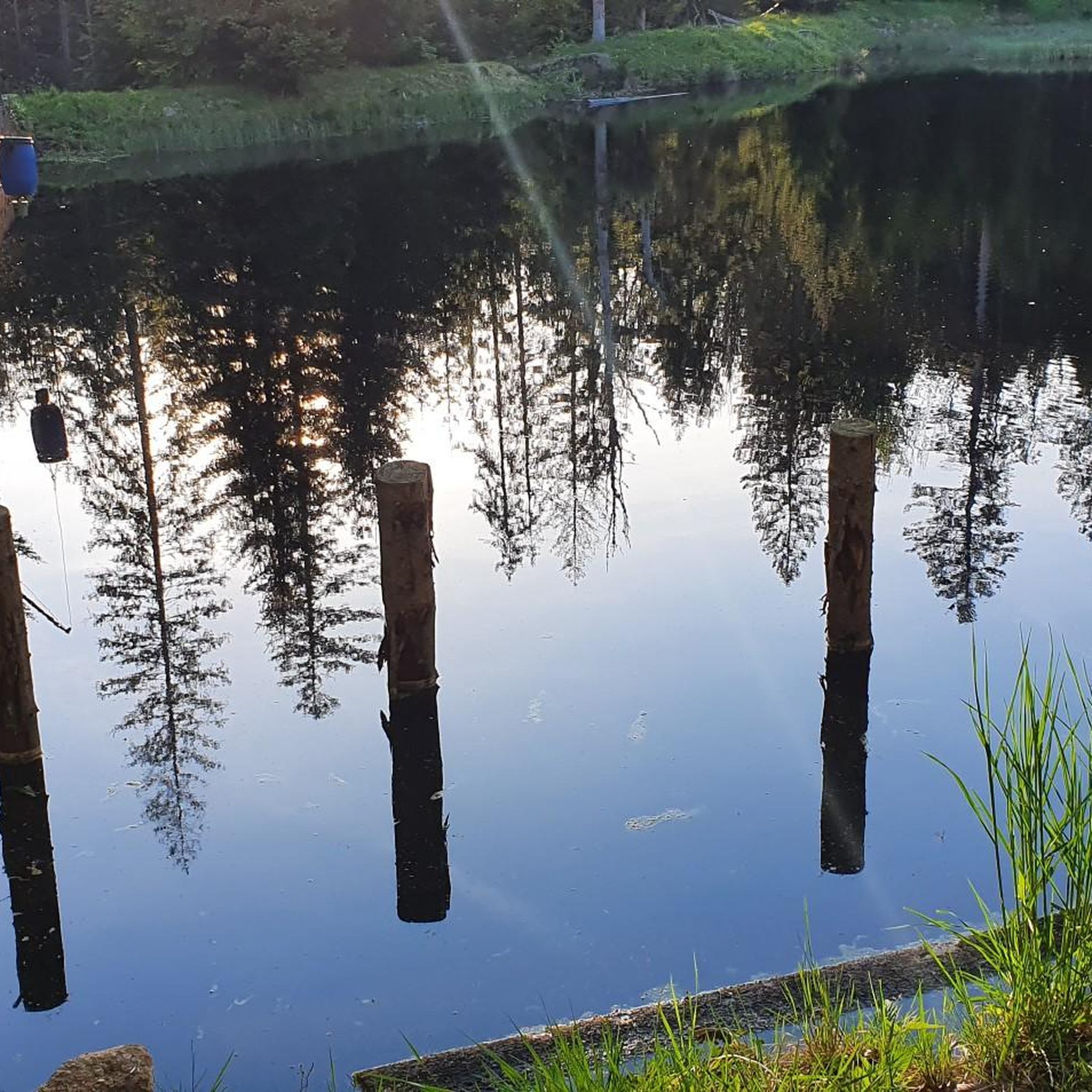
Small waterfall with a bench for resting.
1
0

Frequently Asked Questions
How many touring cycling routes are available in Oberfrauenau?
Oberfrauenau offers a wide selection of touring cycling routes, with over 270 options to explore. These routes cater to various skill levels, including 29 easy, 104 moderate, and 140 difficult trails.
What is the best time of year for touring cycling in Oberfrauenau?
The optimal season for touring cycling in Oberfrauenau and the Bavarian Forest is between late spring and early autumn (May to September). During these months, the weather is generally warm and pleasant, and the trails are vibrant with nature.
Are there any easy touring cycling routes suitable for beginners in Oberfrauenau?
Yes, there are 29 easy touring cycling routes in Oberfrauenau. A great option for a relaxed ride is the Glass Museum Frauenau – Kleiner Regen loop from Frauenau, which is 17.2 km long and takes about 1 hour 25 minutes to complete.
What kind of terrain can I expect on touring cycling routes in Oberfrauenau?
The terrain in Oberfrauenau is diverse, ranging from gentle slopes to more challenging climbs. You'll encounter dense woodlands, river valleys, and routes around the Frauenau Drinking Water Reservoir. Some trails also lead towards hills like Rachel and Lusen, offering varied elevation profiles.
Are there any circular touring cycling routes around the Frauenau Drinking Water Reservoir?
Yes, the Frauenau Drinking Water Reservoir is a popular spot for circular routes. A moderate option is the Frauenau Drinking Water Reservoir – View of the Frauenau Reservoir loop from Frauenau, which is 16.5 km long and offers scenic views around the dam.
What are some notable natural features or landmarks I can see while cycling in Oberfrauenau?
While cycling in Oberfrauenau, you can explore the stunning Bavarian Forest National Park, which features a well-signposted network of cycle paths. Highlights include the National Park Cycle Route and the National Park Cycle Path near Klingenbrunn and Seebach. You might also pass by the Altposchingerhütte, a beautiful lake.
What do other touring cyclists say about the routes in Oberfrauenau?
The touring cycling routes in Oberfrauenau are highly regarded by the komoot community, holding an average rating of 4.4 stars from over 1,400 reviews. More than 8,000 touring cyclists have used komoot to explore the region's varied terrain, often praising the extensive network and natural beauty.
Are there any challenging touring cycling routes for experienced riders?
Absolutely, Oberfrauenau offers 140 difficult touring cycling routes. For a demanding ride, consider the Gut Tausendbachl – Klingenbrunn Train Station loop from Klingenbrunn, a 33.5 km trail with significant elevation changes, typically taking around 2 hours 39 minutes.
Can I find routes that take me through forested areas?
Yes, many routes in Oberfrauenau lead through dense forested areas, characteristic of the Bavarian Forest. An example is the Cycling to the shafts route, which is 29.1 km long and navigates through beautiful woodlands.
Are there any moderate touring cycling routes with scenic views?
Yes, for a moderate ride with scenic views, you can try the Rotbachschwelle – View of Frauenau loop from Frauenau. This 13.1 km path offers picturesque vistas around the Frauenau area.
What are the main geographical features that define the cycling experience in Oberfrauenau?
The cycling experience in Oberfrauenau is defined by its location within the Bavarian Forest, Germany's largest contiguous forest area. Key features include dense woodlands, the Frauenau Drinking Water Reservoir, and the presence of hills like Rachel and Lusen, which contribute to diverse elevation profiles.
Most popular routes in Oberfrauenau
Most popular attractions in Oberfrauenau

Get inspired with the komoot mobile app


Explore more
Browse the best Cycling routes in other regions.
