The best walks and hikes in Guangopolo
3.8
(4)
15
hikers
3
hikes
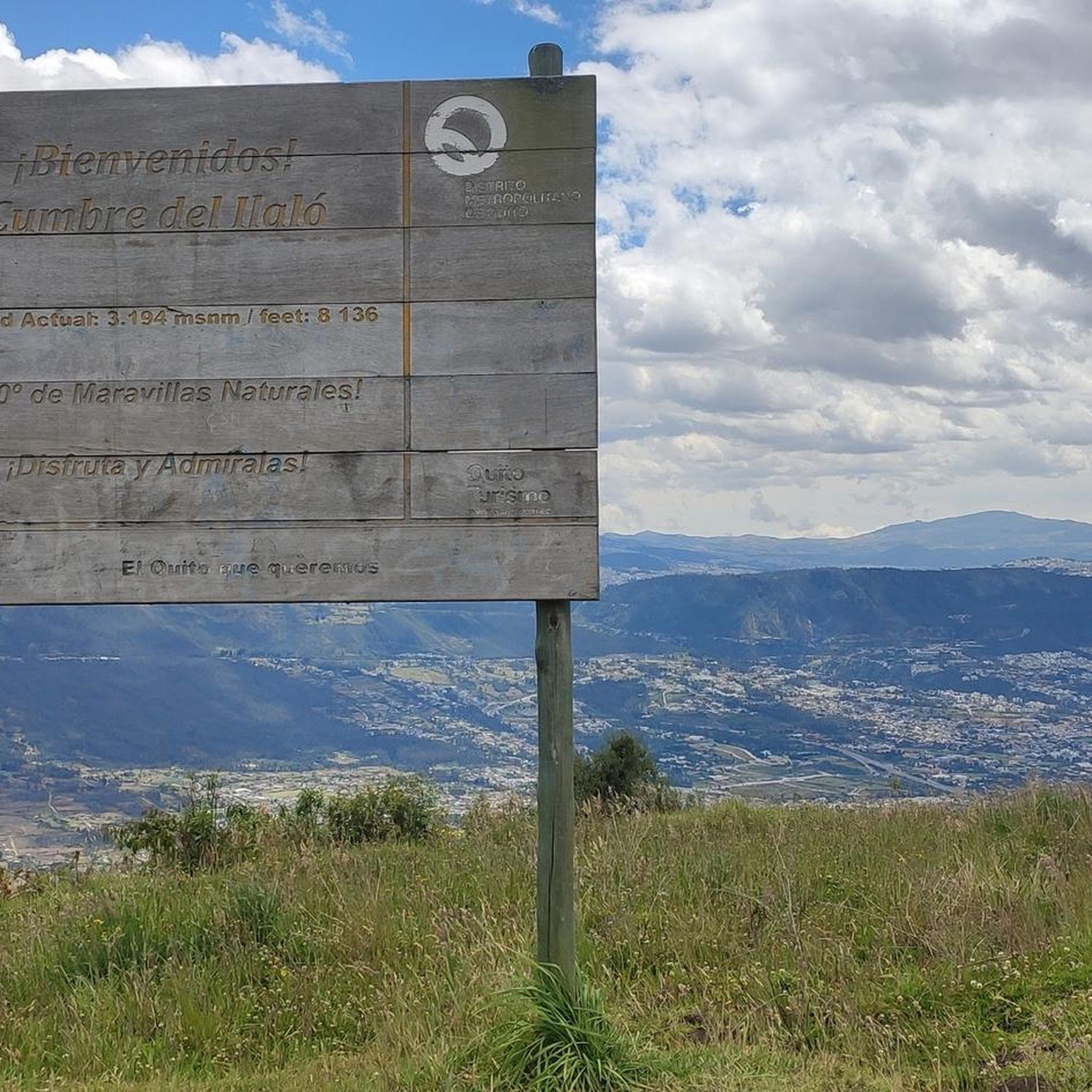
Hiking in Guangopolo offers routes through Andean landscapes near Quito, Ecuador. The region is characterized by the extinct Cerro Ilaló volcano, which features varied terrain including agricultural fields, eucalyptus forests, and dense ravines. The San Pedro River flows nearby, and the area is known for its thermal pools and hot springs. Trails traverse diverse ecosystems, from dense forests to open meadows.
Best hiking trails in Guangopolo
- The most popular hiking route is Plaza de San Francisco – Historic Courtyards of…
Last updated: July 11, 2026
3.0
(1)
7
hikers
11.4km
03:01
100m
100m
Moderate hike. Good fitness required. Easily-accessible paths. Suitable for all skill levels.
4.0
(1)
4
hikers
Moderate hike. Good fitness required. Easily-accessible paths. Suitable for all skill levels.

Sign up for free
4.5
(2)
4
hikers
Moderate hike. Good fitness required. Easily-accessible paths. Suitable for all skill levels.
Our route recommendations are based on thousands of hikes, rides, and runs completed by other people on komoot.
Start today with a free account
Your next adventure awaits.
Login or Signup



Tips from the Community

On Sunday, Quito closes one Main Street for biking and many smaller streets for walking around. There are artisans, food vendors, and all kinds of entertainment to enjoy amidst the beautiful sights of the Historic City Center
0
0

The Virgin of El Panecillo (in Spanish: Virgen del Panecillo), also known as the Virgin of Quito from the sculpture of the same name, is a monument in Quito, Ecuador. It is located on the top of the hill of El Panecillo, a loaf-shaped hill in the heart of the city and serves as a backdrop to the historic center of Quito. With a total height of 135 feet (41 meters) including the base, it is the highest statue in Ecuador and one of the highest in South America (taller than the Christ the Redeemer statue in the Brazilian city of Rio de Janeiro). It is also the tallest aluminum statue in the world. EN: https://en.wikipedia.org/wiki/Virgin_of_El_Panecillo
0
0
The Virgin of El Panecillo, also known as the Virgin of Quito due to the name of the sculpture on which it is inspired, is a monument in the city of Quito D.M., in Ecuador. It is located on the top of the El Panecillo hill, a peculiar elevation shaped like a small bread that is located in the heart of the city and serves as a backdrop to the Historic Center. At 41 meters high, if the base is added, it is the tallest statue in Ecuador and one of the tallest in South America, surpassing even the famous Christ the Redeemer in the city of Rio de Janeiro. It is also the tallest aluminum sculpture on the planet. ES: https://es.wikipedia.org/wiki/Virgen_de_El_Panecillo
0
0

he Basilica of San Francisco (Basílica de San Francisco in Spanish) is the most important part of the Franciscan monastery of El San Francisco in Quito, the capital of Ecuador. The complex at the Plaza de San Francisco in the center of the city dates back to the 16th century and with its imposing structure is the largest architectural ensemble among the historical structures of colonial Latin America. As part of the old town of Quito, it is a UNESCO World Heritage Site. The basilica belongs to the Roman Catholic Archdiocese of Quito and bears the title of a minor basilica.[1] The baroque church houses the pilgrimage destination of the Virgin of Quito, created in 1734. Source: https://de.wikipedia.org/wiki/Basilika_San_Francisco_(Quito) Admission free
0
0
The city museum is located in an old monastery and shows the history of the city from its foundation to modern times. In the past, nursing was also an important factor here in the monastery. A separate exhibition room is dedicated to this. The view into the monastery church is also very worthwhile.
0
0

You can always discover beautiful inner courtyards.
0
0
The city is not only worth seeing during the day.
0
0
A small museum dedicated to the history of cacao cultivation in Ecuador (it was the world's largest producer at the beginning of the 19th century). In addition to delicious chocolate ice cream and pastries, the museum primarily sells expensive chocolate.
2
0
Frequently Asked Questions
What kind of hiking experience can I expect in Guangopolo?
Hiking in Guangopolo offers a unique blend of Andean landscapes, centered around the extinct Cerro Ilaló volcano. You'll find varied terrain, from agricultural fields and eucalyptus forests to dense ravines and open meadows. The area is also known for its thermal pools and the scenic San Pedro River, providing diverse natural environments for exploration.
Are there any trails that lead to viewpoints with panoramic views?
Yes, many trails on Cerro Ilaló lead to excellent viewpoints. From higher elevations, you can enjoy expansive views of the surrounding Los Chillos and Tumbaco valleys. On clear days, it's possible to glimpse other prominent volcanoes like Cotopaxi, Pasochoa, Antisana, and Imbabura. A notable route leads to the Ilaló Cross, which serves as a significant viewpoint.
What are the main natural features to look out for while hiking?
The primary natural feature is Cerro Ilaló, an extinct volcano offering diverse ecosystems. You'll encounter dense forests, open meadows with wildflowers, and ravines. The San Pedro River flows nearby, and the region is also known for its thermal pools and hot springs, which can be a relaxing complement to your hike.
Are there any family-friendly walking options in Guangopolo?
For a more leisurely experience suitable for families, consider the walking trails at Balneario Rumiloma (Piscinas San Luis). This complex offers dedicated 'senderos para caminar' (walking trails) in a tranquil setting, alongside thermal swimming pools and picnic areas. These trails are less strenuous and ideal for a relaxed outdoor activity.
What do other hikers say about the trails in Guangopolo?
The hiking routes in Guangopolo are highly rated by the komoot community, with an average score of 4.3 stars from over 4 reviews. Hikers often appreciate the diverse volcanic terrain, the scenic river valleys, and the presence of thermal springs. The trails offer options for moderate ability levels, winding through forests and open areas.
Can I combine hiking with a visit to thermal springs?
Absolutely. One notable route, often referred to as 'Over Ilaló to the hot springs of La Merced,' combines pilgrimage paths and forest trails, eventually leading to a thermal spring village. Additionally, Balneario Rumiloma (Piscinas San Luis) offers thermal pools with waters emerging at 31 degrees Celsius, providing a perfect way to relax after a hike.
Are there any historical or cultural landmarks near the hiking areas?
While the hiking itself focuses on natural landscapes, the central park of Guangopolo, Parque Central de Guangopolo, offers a cultural attraction with its colonial charm and traditional architecture. For more prominent historical sites, you can explore nearby Quito, which features landmarks like the Plaza de San Francisco and the Basilica of San Francisco.
What is the typical difficulty level of hikes in Guangopolo?
The routes in Guangopolo generally cater to moderate ability levels. Trails on Cerro Ilaló can range from steep ascents, like the path to the Ilaló Cross from El Tingo, to more gentle walking paths. The terrain often includes cobblestone paths, dirt trails, and grassy areas.
What kind of wildlife might I encounter on the trails?
The diverse ecosystems of Guangopolo, including eucalyptus forests and dense ravines, provide habitats for various bird species. Hikers may often spot different types of birds, including hummingbirds, especially in the more forested sections of the trails.
How many hiking routes are available in Guangopolo?
Komoot currently features over 3 hiking routes in Guangopolo, all rated as moderate difficulty. These routes explore various aspects of the region's unique landscapes.
Are there any specific trails that are considered 'pilgrimage' routes?
Yes, some trails on Cerro Ilaló have a pilgrimage aspect. The route to the Ilaló Cross, sometimes called the 'Las Cruces Trail,' is marked by multiple crosses, suggesting its use for such journeys. Another route, 'Over Ilaló to the hot springs of La Merced,' also incorporates pilgrimage paths.
What are the common starting points for hikes on Cerro Ilaló?
A common starting point for ascending Cerro Ilaló, particularly for routes leading to the Ilaló Cross, is El Tingo. This area provides access to trails that offer challenging yet rewarding experiences with continuous scenic views.
Most popular attractions in Guangopolo

Get inspired with the komoot mobile app


Explore more
Browse the best Hikes in other regions.
