Top 12 Castles around Nieder-Olm
Best castles around Nieder-Olm are found in the surrounding region, offering a glimpse into medieval history. The area features a mix of historical sites, from fortified gatehouses to 13th-century tower castles. While Nieder-Olm itself does not host prominent castles, the nearby landscape provides a setting for exploring various ruins and preserved estates. These historical landmarks are often situated amidst natural features, providing opportunities for exploration.
Best castles around Nieder-Olm
- The most popular castles is Schwabsburg Keep, a castle that…
Last updated: May 9, 2026
Ruins of the Eleven-Thousand Maidens Tower
Highlight • Historical Site
Translated by Google •
Tip by

Königstuhl Lookout Tower
Highlight • Viewpoint
Translated by Google •
Tip by

Sign up now to discover places like this
Get recommendations on the best single tracks, peaks, & plenty of other exciting outdoor places.
Sign up for free
Schwabsburg Keep
Highlight • Castle
Translated by Google •
Tip by

Westerhaus Castle
Highlight • Castle
Translated by Google •
Tip by

Mainz Citadel (Zitadelle Mainz)
Highlight • Historical Site
Translated by Google •
Tip by

Sign up for free to discover even more castles around Nieder-Olm.
Sign up for free
Already have an account?
Start today with a free account
Your next adventure awaits.
Login or Signup
Tips from the Community

The citadel is, next to the cathedral, the most important historical building in Mainz. First fortified in 1620, the citadel took its present form on Jakobsberg hill in 1660. The citadel and its surroundings document Mainz's military history in a very small area: from the Roman war memorial "Drususstein" to the barracks buildings from the time of the Federal Fortress in the 19th century, and finally to the air-raid shelters from the Second World War. The Drusus Bastion, with its mysterious passageways, is particularly captivating. Source: http://www.festung-mainz.de/zitadelle/einfuehrung.html
0
0
The grounds of the Mainz Citadel are open year-round. The two gates to the citadel (the Commandant's Building and the bridge at Windmill Hill) are no longer closed. The citadel can therefore be visited even late in the evening. Access may be restricted only for a few specific events (such as Open Ohr). Source: http://www.festung-mainz.de/zitadelle/touristische-hinweise.html
0
0

After World War II, the French occupying forces confiscated the complex (until 1955). In the 1960s, the Mainz Commercial Vocational School was located in the citadel until its relocation to a new building on the Hartenberg. Today, the citadel belongs to the city of Mainz and houses numerous municipal offices. The Mainz Citadel has been a listed historical monument since 1907. The moat in the southern part of the citadel has been a protected landscape since the mid-1980s as an "anthropogenic biotope" of "national importance."[3] The City History Museum is now housed in Building D in front of the Drusus Stone. The citadel and its surroundings document Mainz's urban history in a very small area: from the Roman war memorial Drusus Stone to the barracks buildings from the federal fortress era in the 19th century, and on to the air-raid shelters from World War II. Since 1975, the OpenOhr Festival, a themed youth culture festival with discussion forums and workshops, cabaret, and live concerts, has taken place annually at the Mainz Citadel over the Pentecost weekend. In October 2015, the Mainz Citadel was awarded the Hague Plaque by UNESCO, designating the structure as a protected monument. In the event of damage caused by armed conflict, the International Court of Justice would assume prosecution should the German government be unable to do so.
1
0

https://www.zitadelle-mainz.de Construction of the fortified citadel began in 1620.
1
1

The keep has been preserved and can be climbed. The upper (narrow) section is a bit dark, but the climb is worth it!
3
0

The citadel was expanded from 1655 onwards as an addition to the city's fortifications. From up here on Jakobsberg hill, there is also a beautiful panoramic view over Mainz as far as the Taunus mountains.
3
0

The customs tower was built around the year 1000 as a pass barrier on the road between Mainz and Bad Kreuznach! The name goes back to a legend of Saint Ursula of Cologne! On her way back from a pilgrimage to Rome, she crossed the Selz here with her entourage of 11,000 virgins. In the hope that another 11,000 virgins would follow the same path, the Schnorressänger from Elsheim took over the sponsorship in 2006.
3
1

Definition of a citadel ("small town"): A citadel is a small, self-contained fortress, either located within a larger one or forming part of the enceinte (main line of fortifications) of the larger fortress. In the event of an enemy storming of the city, it served as a refuge for the garrison and the city's last line of defense. The citadel and its surroundings document Mainz's urban history in a very small area: from the Roman memorial Drususstein to the barracks buildings from the 19th-century period of the Federal Fortress, and on to the air-raid shelters from the Second World War. In October 2015, the Mainz Citadel received the Hague Plaque from UNESCO, which designates the structure as a protected monument.
4
0
Frequently Asked Questions
What historical castles can I explore near Nieder-Olm?
You can explore several historical sites. The Ruins of the Eleven-Thousand Maidens Tower in Elsheim is a late medieval roadblock with a fascinating legend about Saint Ursula. Another notable site is Schwabsburg Keep, offering impressive views after ascending 106 steps. While not accessible for interior tours, Burg Windeck Heidesheim is a 13th-century tower castle that has undergone extensive community-led restoration.
Are there any castles near Nieder-Olm that offer wine tastings?
Yes, Westerhaus Castle, located on the Westerberg hill, is known for its vineyards. Owned by the von Opel family since 1900, it offers wine tastings by prior arrangement. You can find more information on their dedicated website, schloss-westerhaus.de.
What kind of views can I expect from the castles in the region?
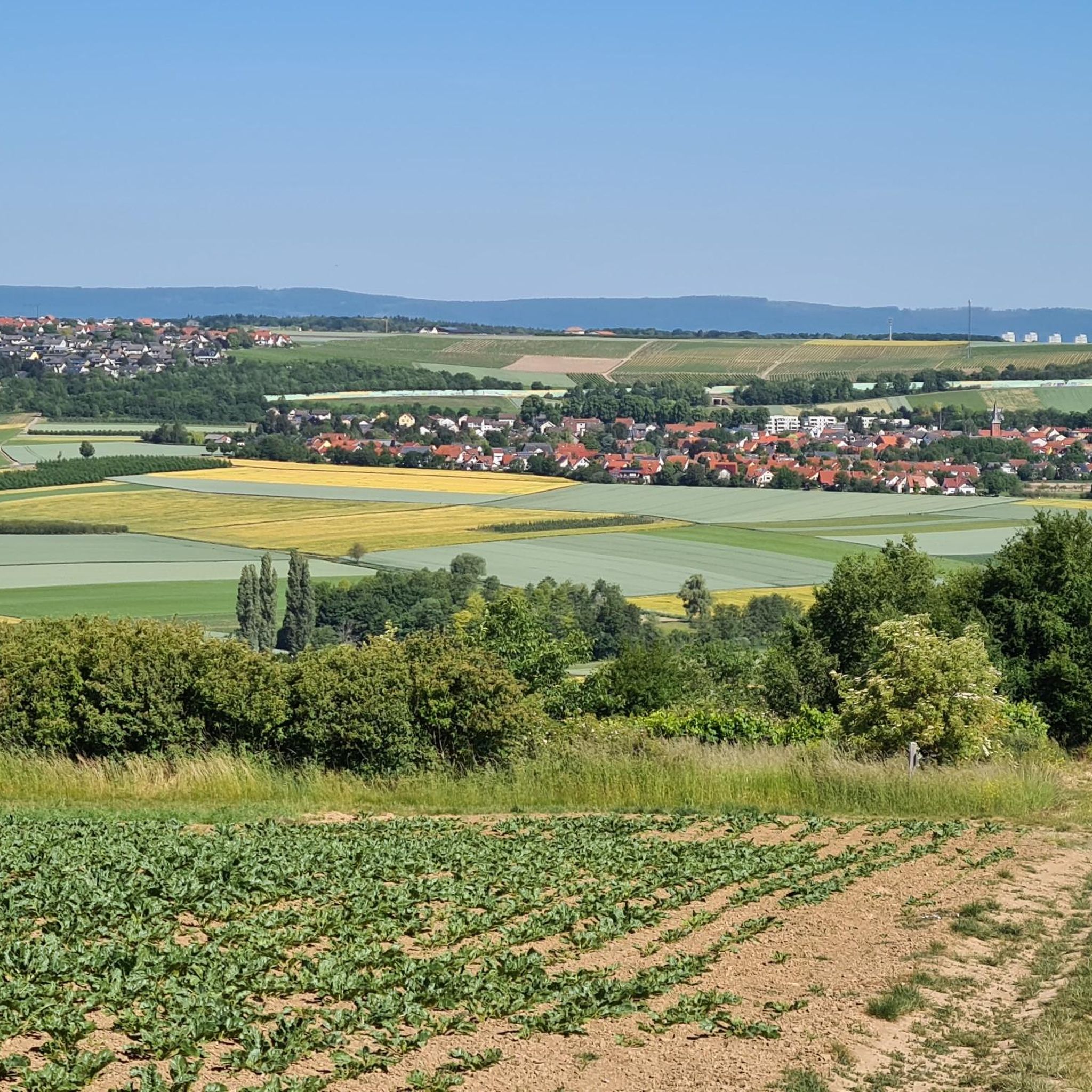
Many castles and historical sites in the Nieder-Olm region offer excellent viewpoints. For instance, Schwabsburg Keep provides impressive views of the surrounding area. Similarly, Königstuhl Lookout Tower, though not a castle, is beautifully situated and offers a wide panorama with loungers for relaxation.
Are there family-friendly castles or historical sites to visit?
Yes, several sites are considered family-friendly. The Ruins of the Eleven-Thousand Maidens Tower is a historical site with a captivating legend that can engage children. Westerhaus Castle is also listed as family-friendly, and the Königstuhl Lookout Tower offers a nice view and is suitable for families.
What outdoor activities can I do near these castles?
The region around Nieder-Olm offers various outdoor activities. You can find numerous MTB trails, road cycling routes, and running trails. For example, a road cycling route passes near the Ruins of the Eleven-Thousand Maidens Tower, and many routes offer views of the scenic landscape where castles are situated.
Are there hiking trails that incorporate castles or historical sites?
While specific hiking trails directly to every castle aren't detailed, the castles are often situated in areas with existing outdoor routes. You can find various running trails and MTB trails in the vicinity of Nieder-Olm that allow you to explore the landscape where these historical sites are located. Many of these routes offer scenic views and pass by natural features.
What is the best time of year to visit castles near Nieder-Olm?
The best time to visit is generally during the spring, summer, or early autumn months (April to October) when the weather is mild and conducive for outdoor exploration and enjoying the scenic views. During these periods, the surrounding vineyards and natural landscapes are at their most vibrant. Some sites, like Westerhaus Castle, offer wine tastings from October to December, providing a unique winter experience.
Are there any castles that are difficult to access or require a climb?
Yes, some sites involve climbs. For example, reaching the top of Schwabsburg Keep requires ascending 106 steps, which is a worthwhile effort for the impressive views. While Burg Windeck Heidesheim has had a staircase installed in its tower, the castle itself is not open for interior visits.
What do visitors enjoy most about the castles and historical sites in this region?
Visitors particularly enjoy the historical significance and the impressive views offered by many of these sites. The unique legends, such as that of the Ruins of the Eleven-Thousand Maidens Tower, add a captivating element. The community also appreciates the efforts to preserve and renovate these historical landmarks, making them interesting stops for a glimpse into medieval heritage.
Are there any hidden gems among the castles near Nieder-Olm?
While not widely known, the Burg Windeck Heidesheim could be considered a hidden gem. Although its interior is not accessible, the community's dedication to restoring this 13th-century tower castle and its historical significance as a former moated castle make it a noteworthy example of the region's medieval heritage, often overlooked by larger tourist crowds.
Can I visit the interior of all castles mentioned?
No, not all castles are fully accessible for interior visits. For instance, Burg Windeck Heidesheim, despite extensive restoration, cannot be visited inside. Schwabsburg Keep's tower is not always open, so it's advisable to check local information before planning a visit. Westerhaus Castle is a private estate, offering wine tastings by arrangement rather than general public tours.
What is the historical significance of the Ruins of the Eleven-Thousand Maidens Tower?
The Ruins of the Eleven-Thousand Maidens Tower is a late medieval roadblock, originally a fortified gatehouse with a bridge over the Selz river. Its name comes from a legend about Saint Ursula of Cologne and her entourage of 11,000 virgins, who are said to have used the old road from Mainz to Kreuznach that the tower once guarded. It offers a unique blend of history and local folklore.
Most popular routes around Nieder-Olm
Most popular attractions around Nieder-Olm

Get inspired with the komoot mobile app


Explore more
Looking for the best castles somewhere else? Discover other guides around Nieder-Olm:
