Attractions and Places To See in Chipaque - Top 20
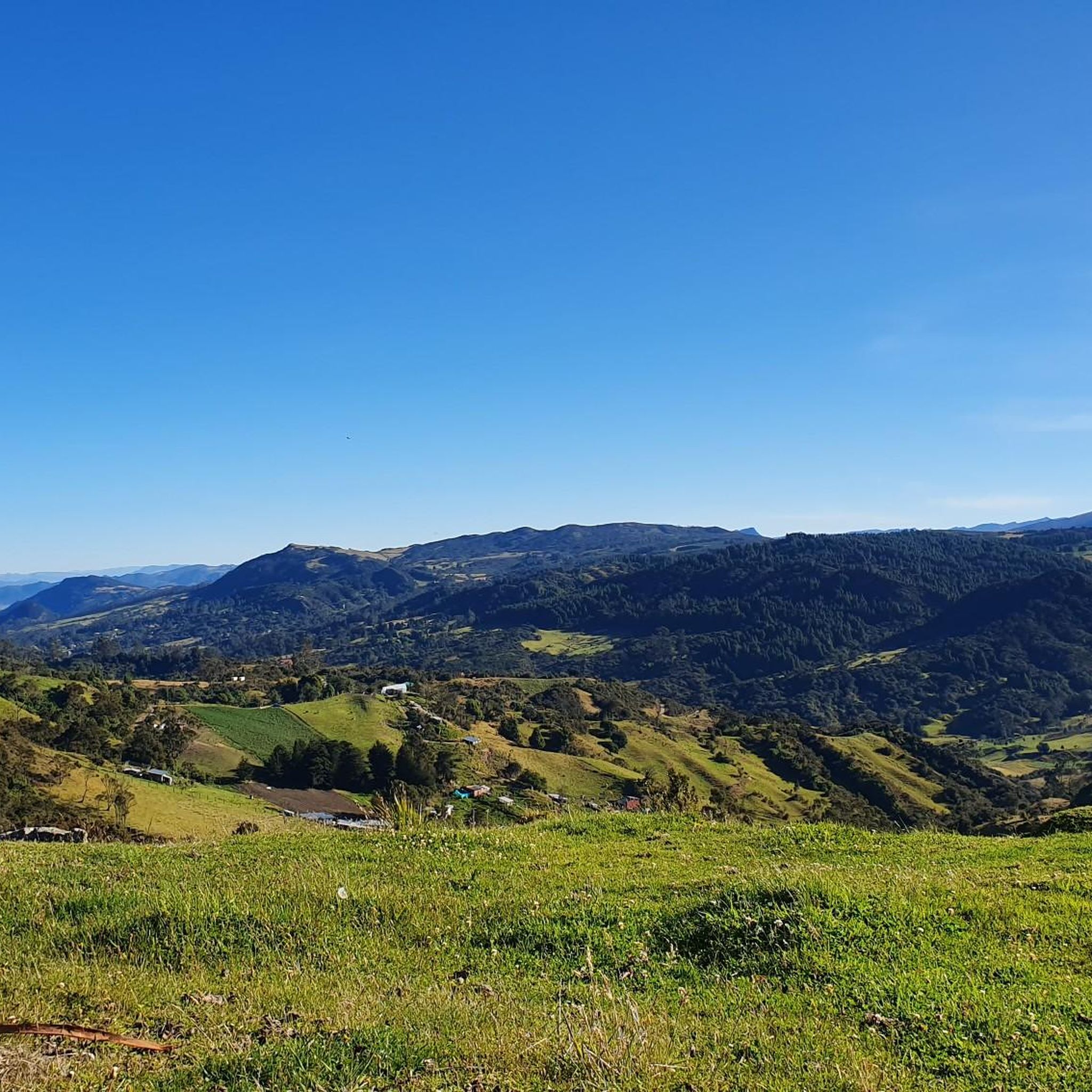
Attractions and places to see in Chipaque offer a rural experience focused on natural beauty and traditional culture. Situated in the Eastern Ranges of the Colombian Andes, this municipality is recognized as the world capital of aromatic herbs. Visitors can explore its diverse landscapes, from mountain passes to natural reserves, and experience its traditional gastronomy. Chipaque provides a tranquil escape from city life, with a focus on outdoor activities and local heritage.
Best attractions and places to see in Chipaque
…Last updated: June 21, 2026
Plaza de Bolívar, Bogotá
Highlight • Historical Site
Tip by

Alto del Boquerón
Highlight • Mountain Pass
Translated by Google •
Tip by

Sign up now to discover places like this
Get recommendations on the best single tracks, peaks, & plenty of other exciting outdoor places.
Sign up for free
Botero Museum
Highlight • Monument
Tip by
Cerro de Guadalupe and Christ the Redeemer Statue
Highlight (Segment) • Viewpoint
Tip by

Monument to Simón Bolívar
Highlight • Monument
Tip by
Sign up for free to discover even more attractions in Chipaque.
Sign up for free
Already have an account?
Start today with a free account
Your next adventure awaits.
Login or Signup
Tips from the Community

A must-see for art lovers. Stunning works by many renowned international artists. The focus is on Fernando Botero, featuring beautiful paintings and sculptures.
5
0
The government buildings and the city council are located here. However, much of it is cordoned off by police.
4
1
Simón José Antonio de la Santísima Trinidad Bolívar y Ponte(-Andrade) (y) Palacios y Blanco [siˈmɔn boˈliβaɾ], known as "El Libertador" (July 24, 1783 in Caracas, New Granada, now Venezuela; December 17, 1830 in Santa Marta, Gran Colombia, now Colombia), was a South American independence fighter and dictator. He is a national hero of several South American and Caribbean countries. He led the wars of independence against Spanish colonial rule in Venezuela, Colombia, Panama, and Ecuador. He also played a decisive role in the independence movements in Peru and Bolivia, which is named after him.
5
0

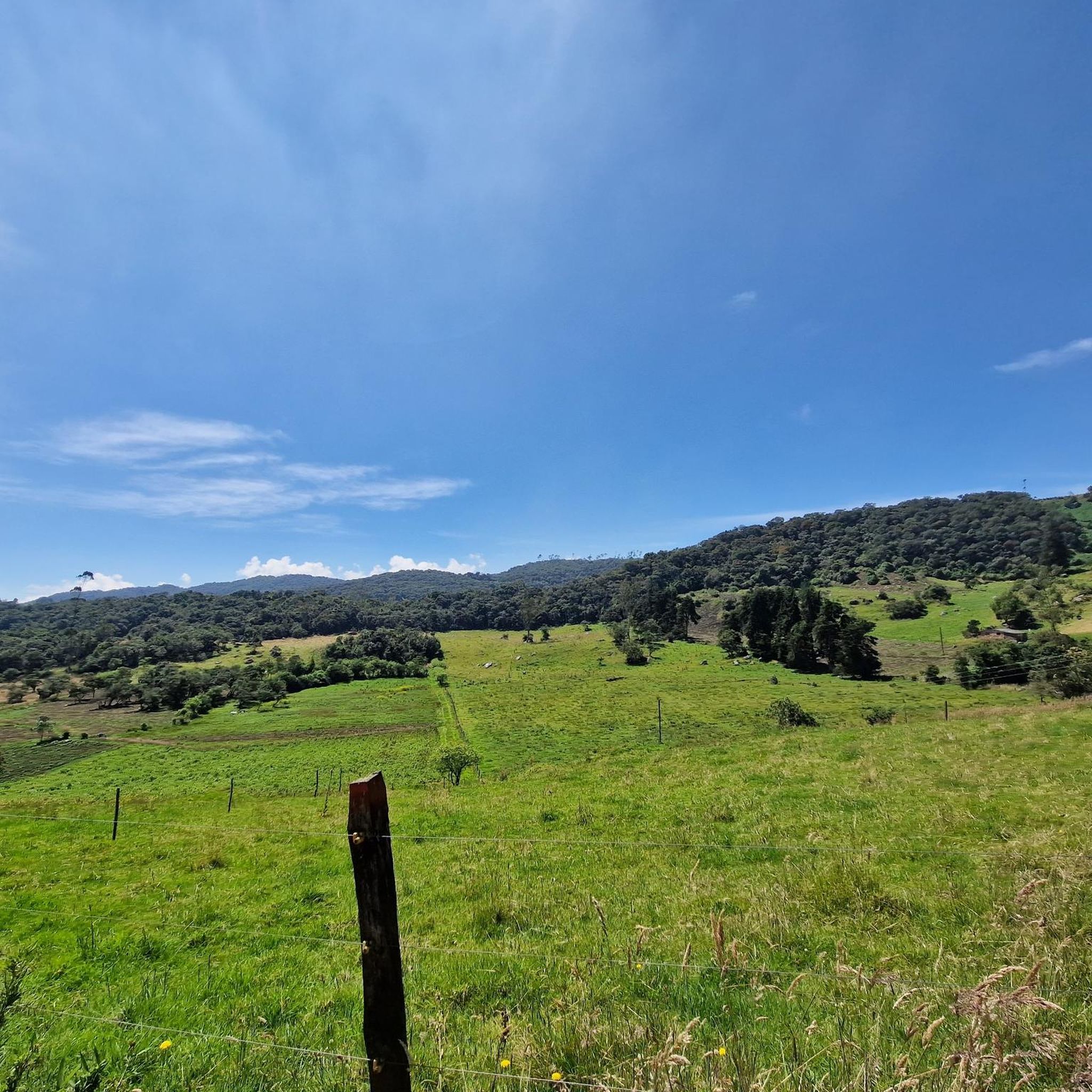
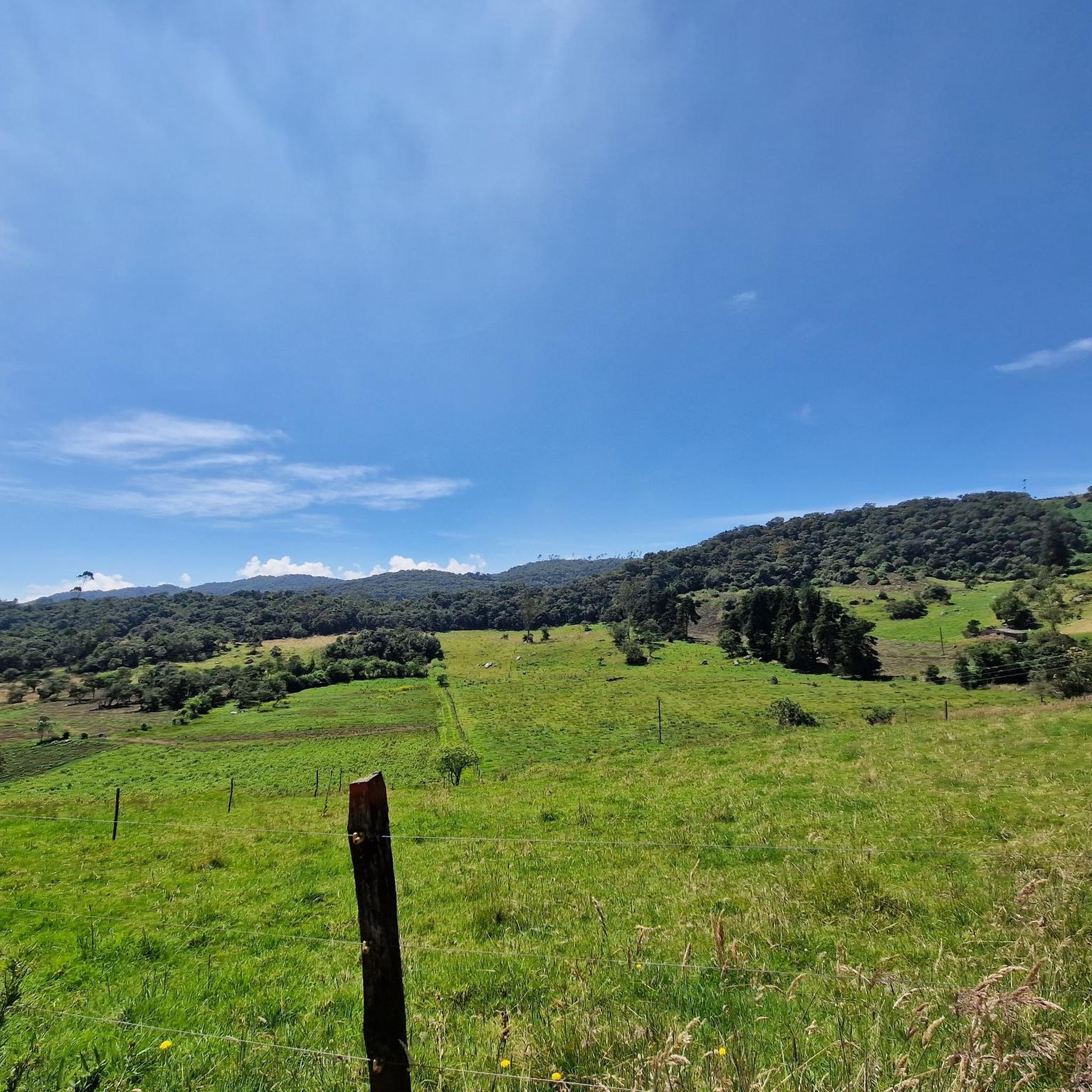
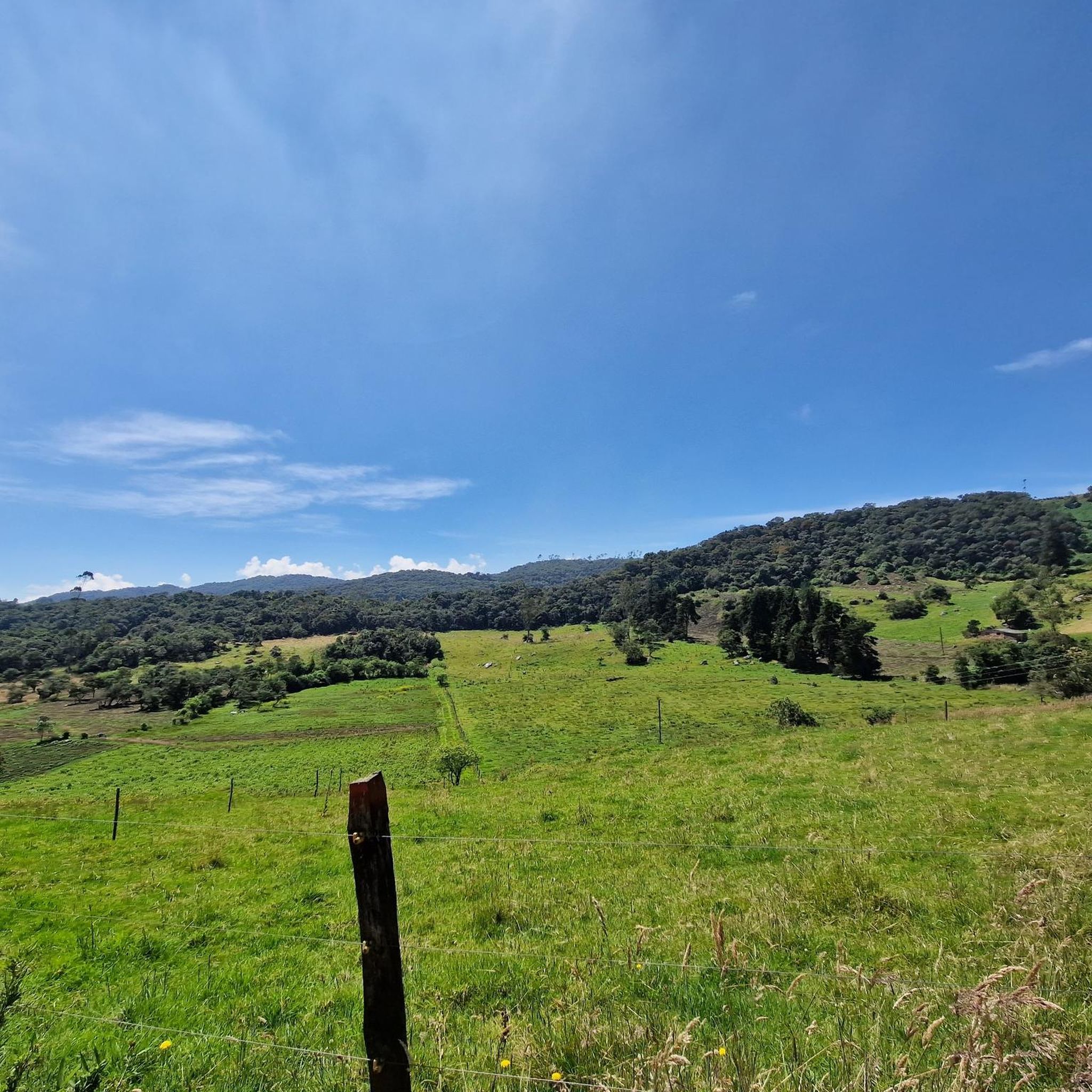
Excellent scenery, prepared for the cold.
0
0

Any cyclist passing through Bogota must do the Guadalupe climb. Great view from the top, in fact the same as from Cerro Montserrate, but without the tourists and the satisfaction of having crossed the 3000 m by bike. Very little used road with very good asphalt on a good part of the climb. The last 2 km, a little less rolling with the strongest %, but would pass without problem with 23/25 min tires. I did it by mountain bike.
0
0


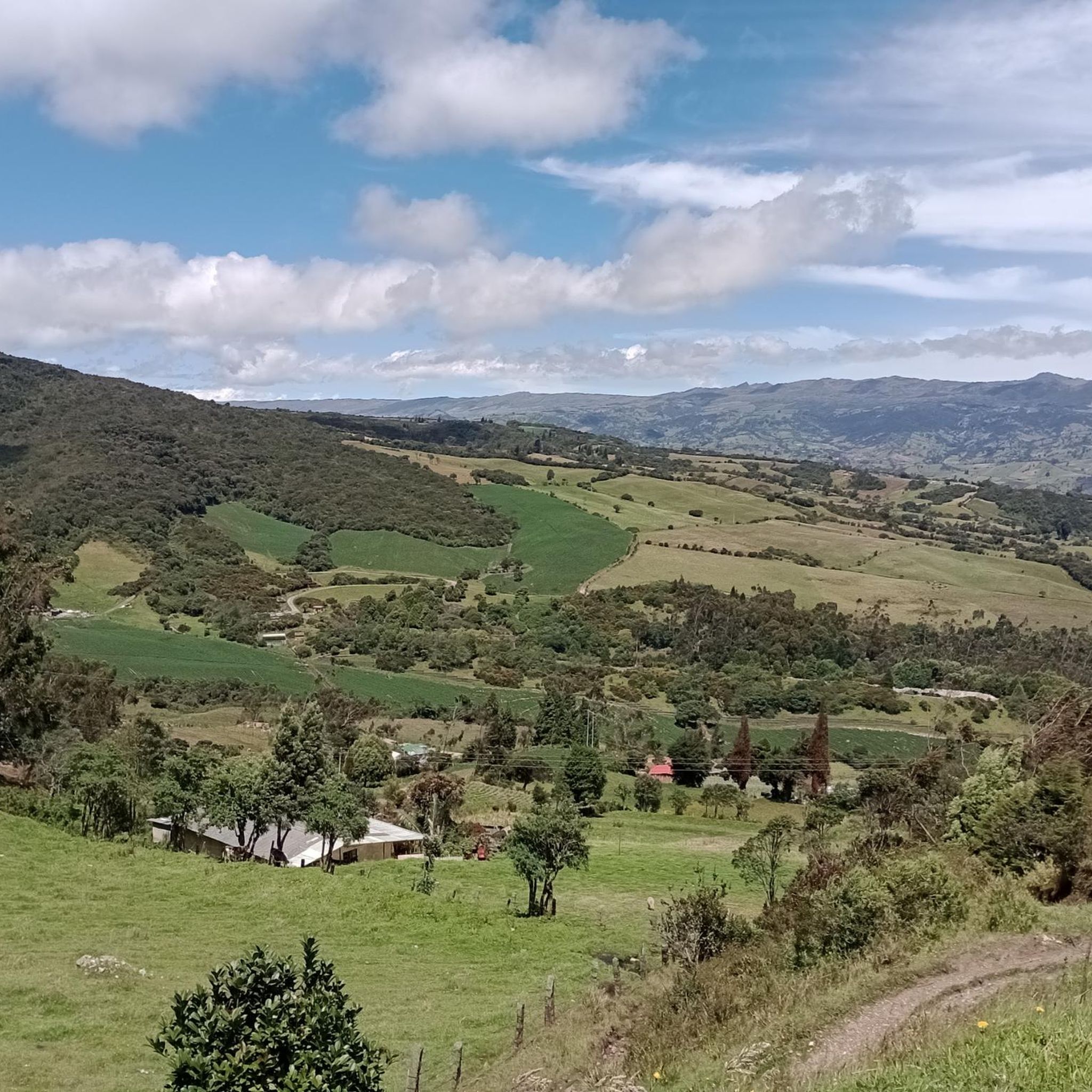
A route with a good gradient, covering Boquero (along the old road to the plain), going down the main road to the old entrance to Une, leaving on the north side of Une at the gas pump, continuing until the ascent to the path. fruticas, there you find a Y in a chasm that you take to the right side, you will find an intersection where there is a totem that indicates a route, you must take a right towards the Calderitas path, you will reach the river and begin one of the shortest ascents but strong, you will leave above the Base and if you take the path to the left you will reach the base and then to the Regadera dam, then the descent to Usme... I consider it to be a medium - high level, you should go early, bring something to fool your stomach, you can have breakfast in Plaza de Une, delicious and good price. Remember to keep these areas clean, take away the waste you generate, do not intervene with the flora or fauna of the region and thus avoid inconveniencing the people of the region... Greetings...
1
0

Plaza de Bolívar is located in the historic La Candelaria district of Bogotá, the capital of Colombia. The central square was already in use by the Musca people in pre-Columbian times. In 1539, the first church was built there, on the Plaza Mayor. Until the early 19th century, it was also known as Plaza de la Constitución, and in 1846, with the erection of a statue of Bolívar, it was renamed Plaza de Bolívar. To commemorate the 150th anniversary of Colombia's independence, it was completely redesigned as Bolívar Square in 1960. Many buildings of national importance surround the square, including the Catedral Primada de Colombia, the Palacio de Justicia, the Palacio Lievano, and the Capitolio Nacional.
3
0
Frequently Asked Questions
What kind of outdoor activities can I enjoy in Chipaque?
Chipaque offers a variety of outdoor activities, from challenging climbs to relaxing nature walks. You can explore mountain passes like Alto del Boquerón, known for its good gradients suitable for both hiking and cycling. The region also boasts numerous hiking trails through diverse topographies, including cloud forests and páramo environments. For adventure seekers, Xtreme Park Chipaque provides activities such as paragliding, quad biking, and canopy tours. You can find detailed routes for hiking and cycling in the area.
What natural wonders should I visit in Chipaque?
Chipaque is rich in natural beauty. A must-see is La Chorrera Waterfall, a striking natural spectacle with a drop of over 50 meters. For relaxation, the Thermal Springs (Aguas Calientes), such as those at Termales de El Llano, offer natural thermal waters. You can also explore the unique high-altitude ecosystem of the Páramo de Cruz Verde, home to distinct flora and fauna.
Where can I find the best panoramic views in Chipaque?
For breathtaking panoramic views, consider visiting Cerro El Mirador or Cerro de Chipaque. These elevated points offer expansive vistas of the valley and surrounding Andean landscapes, perfect for photography and enjoying the scenery. Additionally, the Catholic sanctuary of Marilandia, nestled on a mountain peak, provides incredible natural scenery alongside its spiritual significance.
What historical or cultural sites are there to explore in Chipaque?
Chipaque's rich history is evident in its cultural sites. The historic Parish Temple of Nuestra Señora del Rosario de Chipaque, dating back to 1601, is a central piece of the town's colonial heritage. The Main Park of Chipaque, with its colonial foundations and cobbled streets, forms the heart of the town. The region also holds significant Muisca heritage, with vestiges of Muisca cemeteries reflecting its pre-Hispanic past.
Are there family-friendly attractions in Chipaque?
Yes, Chipaque offers several options for families. The Main Park of Chipaque is a pleasant central area for a stroll. For a mix of art and history, the Botero Museum, though located in Bogotá, is often visited by families for its impressive art collection and free admission. Many of the natural attractions, such as the less strenuous hiking trails and the thermal springs, can also be enjoyed by families.
What is the best time to visit Chipaque for outdoor activities?
Chipaque's diverse topography means weather can vary. Generally, the dry season (typically December to March and July to August) offers more stable weather conditions, which are ideal for hiking, cycling, and exploring natural attractions like waterfalls and viewpoints. However, the region's cloud forests and páramos can experience mist and rain year-round, adding to their unique atmosphere.
What kind of traditional food and local products can I find in Chipaque?
Chipaque is renowned as the 'world capital of aromatic herbs' and boasts a rich agricultural tradition. Visitors can savor traditional Chipaqueño cuisine, including 'amasijos,' 'picadas campesinas,' sagú bread, and calabaza tamales. Restaurante Mustapán, operating since 1958, is particularly known for its traditional offerings. You'll also find local products like potatoes, long onions, beans, peas, and corn.
Are there opportunities for cycling in Chipaque?
Absolutely. Chipaque is a great destination for cyclists, offering routes with varying difficulty. The Alto del Boquerón is a popular mountain pass for those seeking challenging ascents and scenic views. You can find various cycling routes, including traffic-free options, in the Cycling in Chipaque guide, which features routes like the 'Entrenubes loop' and 'La Regadera Reservoir – Tunjuelo River loop'.
What do visitors enjoy most about Chipaque?
Visitors to Chipaque particularly enjoy the tranquil escape from city life, the stunning Andean landscapes, and the authentic rural experience. The blend of natural beauty, such as La Chorrera waterfall and the thermal springs, with rich cultural heritage, including colonial architecture and Muisca history, creates a unique and appealing destination. The traditional gastronomy and the warmth of the local community also contribute to a memorable visit.
Can I visit a significant religious site in Chipaque?
Yes, Marilandia is a significant Catholic sanctuary located on a mountain peak in Chipaque. It serves as a pilgrimage site dedicated to the Virgin Mary, offering a sacred space for prayer and reflection amidst incredible natural scenery. It's a place that combines spiritual significance with stunning views.
Are there any specific landmarks or monuments worth seeing?
Beyond the natural and cultural sites, Chipaque has several notable landmarks. The Cerro de Bochica is mentioned as a tourist site with cultural or historical significance. While not directly in Chipaque, the Plaza de Bolívar and the Monument to Simón Bolívar in nearby Bogotá are iconic historical sites that offer a glimpse into the region's broader heritage.

Get inspired with the komoot mobile app


Explore more
Still not found the Highlight you’re looking for? See guides of the top attractions in other regions:
