Top 20 Caves around Ahorntal
Best caves around Ahorntal and the surrounding Franconian Switzerland region offer a remarkable collection of geological formations. This area is known for its karst caves, which provide insights into millions of years of natural history. Visitors can explore various cave types, from dripstone caves to impressive collapse structures. The region's geology has created numerous accessible underground and open-air cave experiences.
Best caves around Ahorntal
- The most popular caves is Oswald Cave, a cave that is a passage cave on…
Last updated: September 26, 2026
Oswald Cave
Highlight • Cave
Translated by Google •
Tip by

Quackenschloss
Highlight • Cave
Translated by Google •
Tip by

Sign up now to discover places like this
Get recommendations on the best single tracks, peaks, & plenty of other exciting outdoor places.
Riesenburg Collapse Cave
Highlight • Cave
Translated by Google •
Tip by

Rock formations on the Jägersteig
Highlight • Natural Monument
Translated by Google •
Tip by

Gößweinstein Rock Trail
Highlight • Trail
Translated by Google •
Tip by

Sign up for free to discover even more caves around Ahorntal.
Already have an account?
Start today with a free account
Your next adventure awaits.
Popular around Ahorntal
Ultratrail Fränkische Schweiz – 2 Days Burgen, Wälder, Trails
Hikes for tiny boots – VGN recreational activities for families
Franconian Switzerland — on the trace of the Purity Law
Hiking around Ahorntal
Cycling around Ahorntal
Road Cycling Routes around Ahorntal
Gravel biking around Ahorntal
MTB Trails around Ahorntal
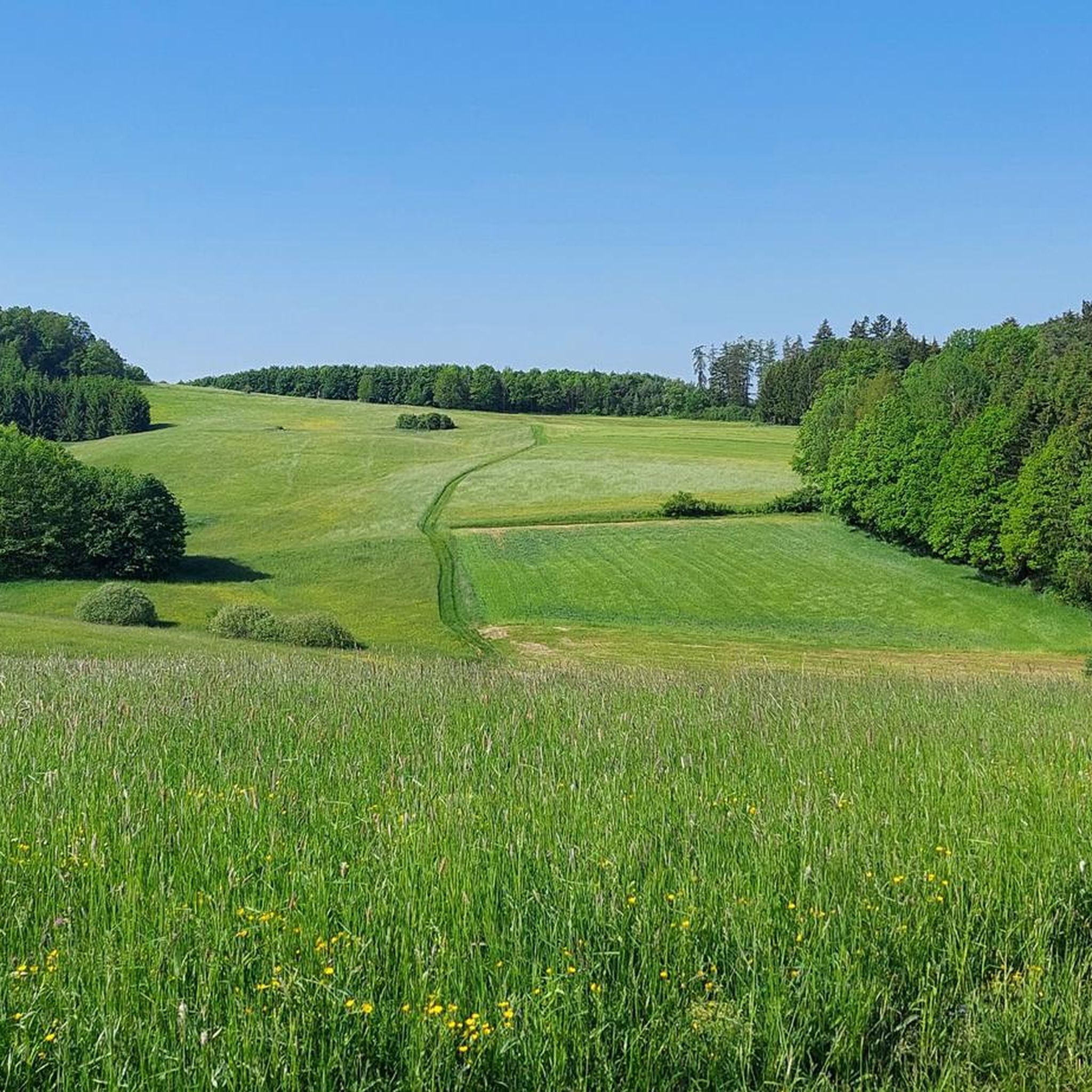
Running Trails around Ahorntal
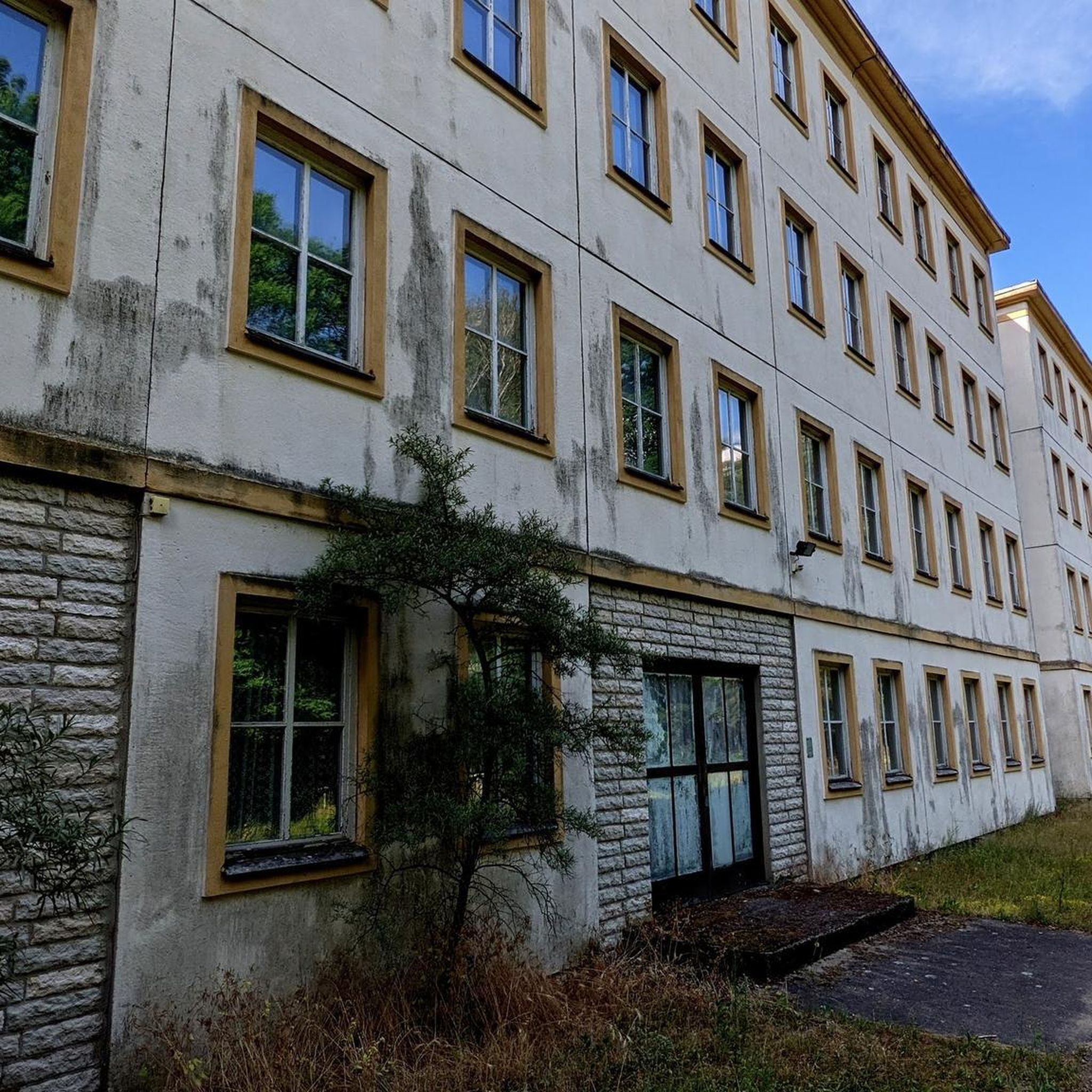
Mountain Hikes around Ahorntal
Other adventures around Ahorntal


Tips from the Community

A hiking trail that couldn't have been more beautiful... and apart from a few corners... everything was easy going
5
1

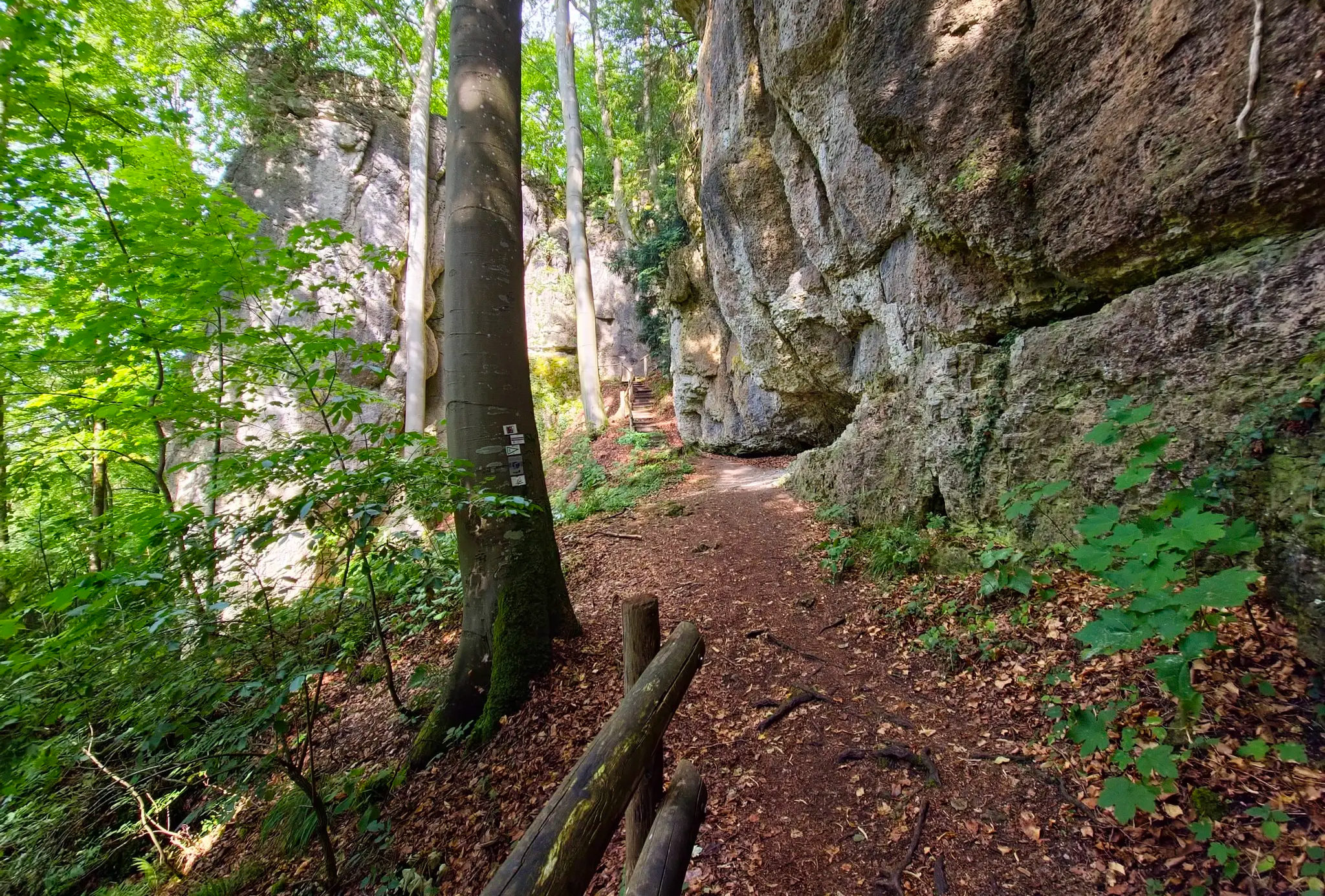
The Gößweinsteiner Felsentor fascinates visitors with its impressive size. A few steps lead up to the passage. There is a small cave in the gate to the right.
10
2
The Felsensteig is a short but spectacular path that is built into a deep, particularly impressive rocky gorge. The path can be walked without any safety measures, but you should wear good hiking boots and be sure-footed. There are several steps to climb, and in some places there are railings. This is usually not a problem for dogs either.
17
2

The Quackenschloss is a passage cave about 18 meters long. It is the remains of a very old and high-lying cave system. The rock wall has a patchy appearance due to the weathering of individual shells. The cave probably gets its name from this rock composition. The type of stone with holes in it (smokewacke) is called quacke here. The oblique oval shape of the cave is determined by two longitudinal fissures and two diagonally sloping bank joints. Two larger fissures cross the passage. One portal is about 7 meters wide and 2.5 meters high, the other, divided by a rock pillar, is about 9 meters wide and 5 meters high. The cave is registered as C 4 in the Franconian Alb Cave Register (HFA). It has been designated by the Bavarian State Office for the Environment as an important geotope (474R060)[1] and as a natural monument (ND-04580). The cave, which is easily accessible via hiking trails, is one of the most frequently visited destinations in the Franconian Jura, also because of its scenic location. There is a sport climbing area next to the cave. Source: Wikipedia
19
0
The Quackenschloss is a cave ruin, the remains of which belong to a very high (505 meters) and therefore very old cave system. The rock grotto, which is about three meters high and six meters wide, is open on two sides and can be safely entered from the east side. In the gallery cave, which takes its name from the enclosed fossils, the so-called Quacken, the remains of a 17-meter-long cave system can be explored.
17
0

Romantic, daring and different around every corner.
4
0

A sensational area. There is so much to explore. The shapes of the rocks are so versatile. With some you almost hold your breath and think stay where you are and don't fall over.
4
0

A small steep path leads to the roof of the Quakenschloss. Great view from above.
14
0
Frequently Asked Questions
What types of caves can I explore around Ahorntal?
The Ahorntal region offers a diverse range of cave experiences. You can find impressive dripstone caves like Sophienhöhle, natural karst cave ruins such as the Riesenburg Collapse Cave with its natural bridges, and passage caves like Oswald Cave and Quackenschloss. The region is rich in geological formations shaped over millions of years.
Are there any caves with significant historical or archaeological importance?
Yes, the Sophienhöhle is particularly significant. It's renowned for the display of one of the world's most complete cave bear skeletons, reconstructed from thousands of bones found within. Prehistoric pottery finds also indicate human use of its antechamber in ancient times. The Teufelshöhle also features a reconstructed cave bear skeleton.
Which caves are suitable for families with children?
Many caves in the region are family-friendly. The Quackenschloss is easily accessible via hiking trails and offers an interesting natural formation. Guided tours in developed caves like Sophienhöhle and Teufelshöhle are also great for families, providing an educational and exciting experience.
What are some unique natural features to look for in the caves?
The Sophienhöhle is famous for its stunning and diverse stalactite formations, displaying magical colors. The Riesenburg Collapse Cave showcases dramatic natural bridges and towering rock formations, remnants of a collapsed cave system. The Quackenschloss is notable for its porous 'Quacke' rock, giving it a distinctive appearance.
What is the best time of year to visit the caves around Ahorntal?
The caves can be visited year-round, but spring to autumn (April to October) is generally ideal for combining cave exploration with hiking and other outdoor activities in Franconian Switzerland. Some caves, especially developed ones like Sophienhöhle and Teufelshöhle, have regular opening hours during these months. Check specific cave opening times before your visit.
Are there hiking trails that lead to or around the caves?
Absolutely. The region is crisscrossed with hiking trails. For example, you can find routes like the 'Sophien Cave – Wiesent River loop from Burg Rabenstein' or the 'View of Rabenstein Castle – Schneiderkammer Cave loop from Oberailsfeld' which incorporate cave visits. You can explore more options on the Hiking around Ahorntal guide.
How long does it take to explore Sophienhöhle?
A guided tour through the Sophienhöhle typically lasts about 45 minutes to an hour, allowing visitors to experience its three impressive cave rooms and learn about its geological and historical significance. Special events like 'Sophie at Night' may offer a longer, more immersive experience.
Are there any caves that offer unique cultural events or experiences?
The Sophienhöhle is known for hosting concerts in its antechamber, providing a unique atmospheric backdrop for various musical genres. They also offer 'Sophie at Night' events, which include an overwhelming light show and music, allowing for an individual exploration of the cave rooms.
What should I wear when visiting the caves?
Even in summer, the temperature inside caves remains cool and constant, typically around 8-10°C (46-50°F). It's advisable to wear warm clothing, such as a jacket or sweater, and sturdy, non-slip shoes, as paths can be damp or uneven. A flashlight is recommended for undeveloped passage caves like Oswald Cave.
Can I find any therapeutic uses for the caves in the region?
Yes, the Teufelshöhle near Pottenstein offers a unique therapeutic experience. A side tunnel houses the Teufelshöhle therapy center, which utilizes the cave's pure, cool, and moist air for speleotherapy, particularly beneficial for respiratory conditions.
Are there any caves that are considered significant geotopes or natural monuments?
Yes, several caves hold such distinctions. The Riesenburg Collapse Cave is considered one of Bavaria's 100 most beautiful geotopes. The Quackenschloss and its surrounding ridge are also designated as an important geotope and natural monument.
What other outdoor activities can I combine with a cave visit in Ahorntal?
The Ahorntal region is excellent for various outdoor pursuits. Besides hiking, you can find mountain biking routes, such as those listed in the Mountain Hikes around Ahorntal guide, or enjoy running trails like those in the Running Trails around Ahorntal guide. The ridge adjacent to the Quackenschloss is also a popular sport climbing area.
Most popular routes around Ahorntal
Most popular attractions around Ahorntal

Get inspired with the komoot mobile app


Explore more
Extend your search for the best caves by checking out these guides of the top ones around Ahorntal:
