Top 7 Castles around Winnerath
Castles around Winnerath offer a journey through the rich history of the Eifel region. Winnerath is situated within this region, known for its numerous historic castles and palaces. The area provides a diverse landscape of forests and hills, characteristic of the Ahr Mountains. Visitors interested in historical architecture and medieval sites will find a variety of options in the surrounding areas.
Best castles around Winnerath
- The most popular castles is Aremberg Castle Tower, a castle that stands as an…
Last updated: October 4, 2026
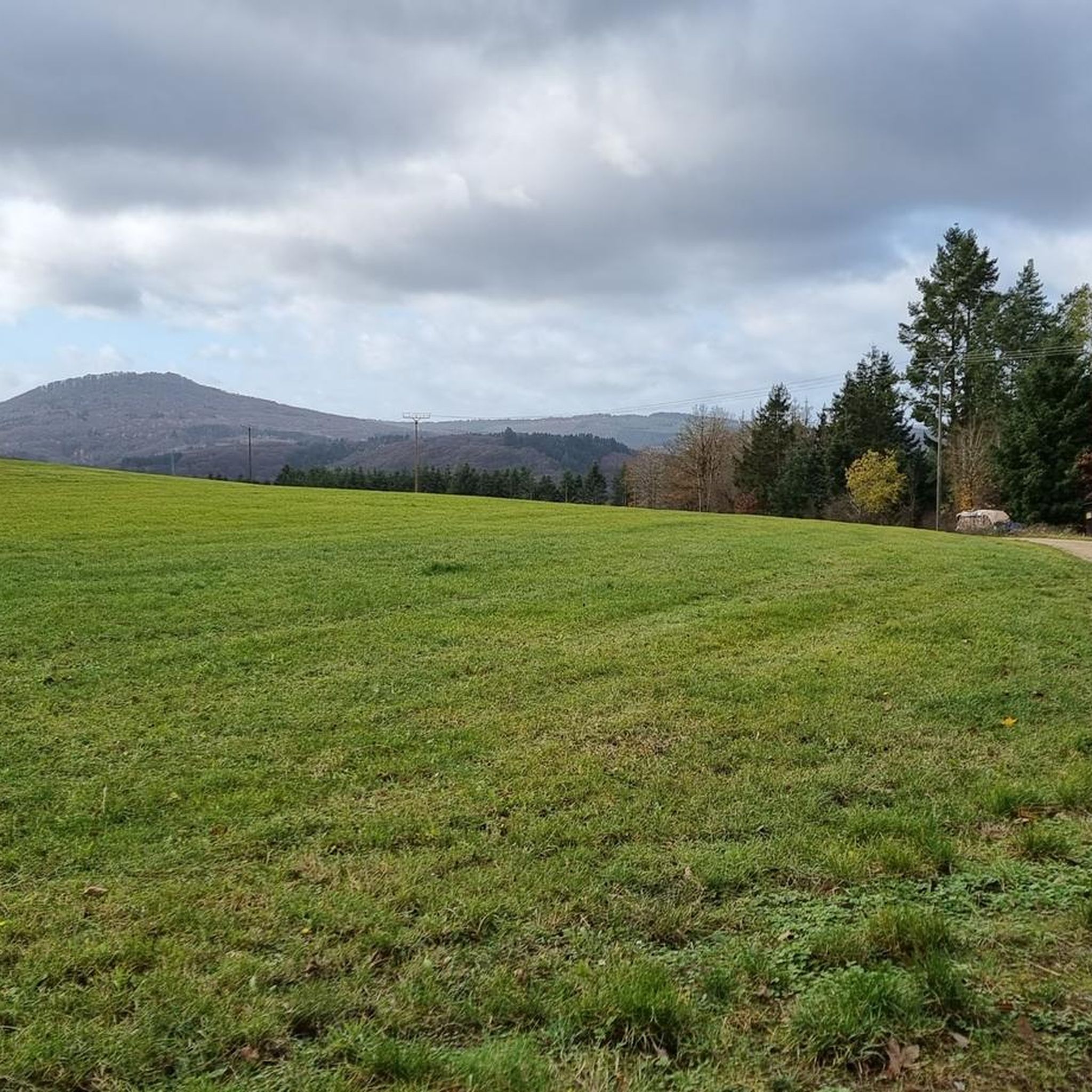
View of Nürburg Castle
Highlight • Viewpoint
Translated by Google •
Tip by

Aremberg Castle Tower
Highlight • Castle
Translated by Google •
Tip by

Sign up now to discover places like this
Get recommendations on the best single tracks, peaks, & plenty of other exciting outdoor places.
Wensburg Castle Ruins
Highlight • Castle
Translated by Google •
Tip by

Ruins of Neublankenheim Castle
Highlight • Castle
Freely accessible.
Had our snack here 🥪🥐🥖
🏰The castle stands on an elevation approx. 355 meters above NHN and thus …
Translated by Google •
Tip by

View of Neublankenheim Castle Ruins
Highlight • Viewpoint
Translated by Google •
Tip by

Sign up for free to discover even more castles around Winnerath.
Already have an account?
Start today with a free account
Your next adventure awaits.
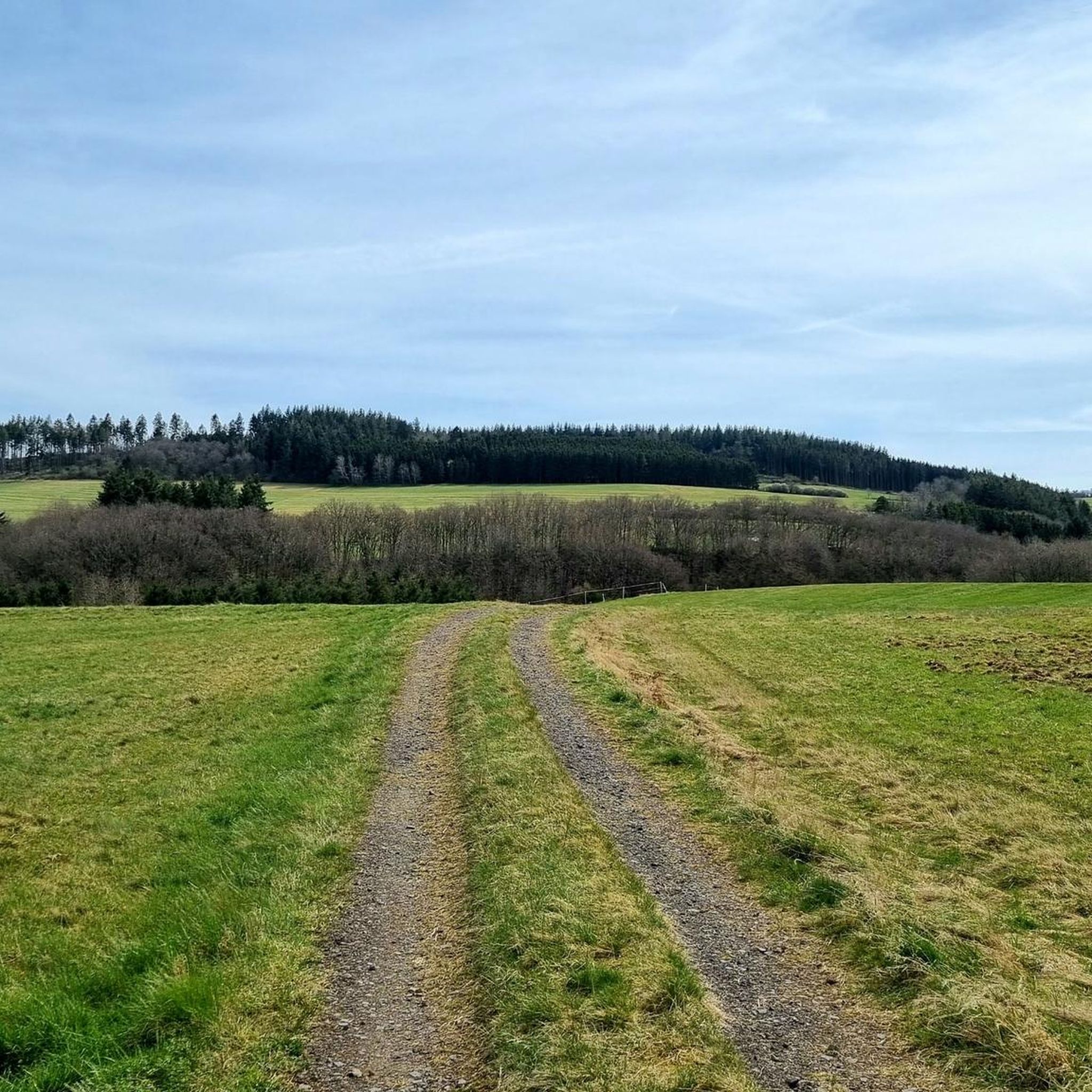
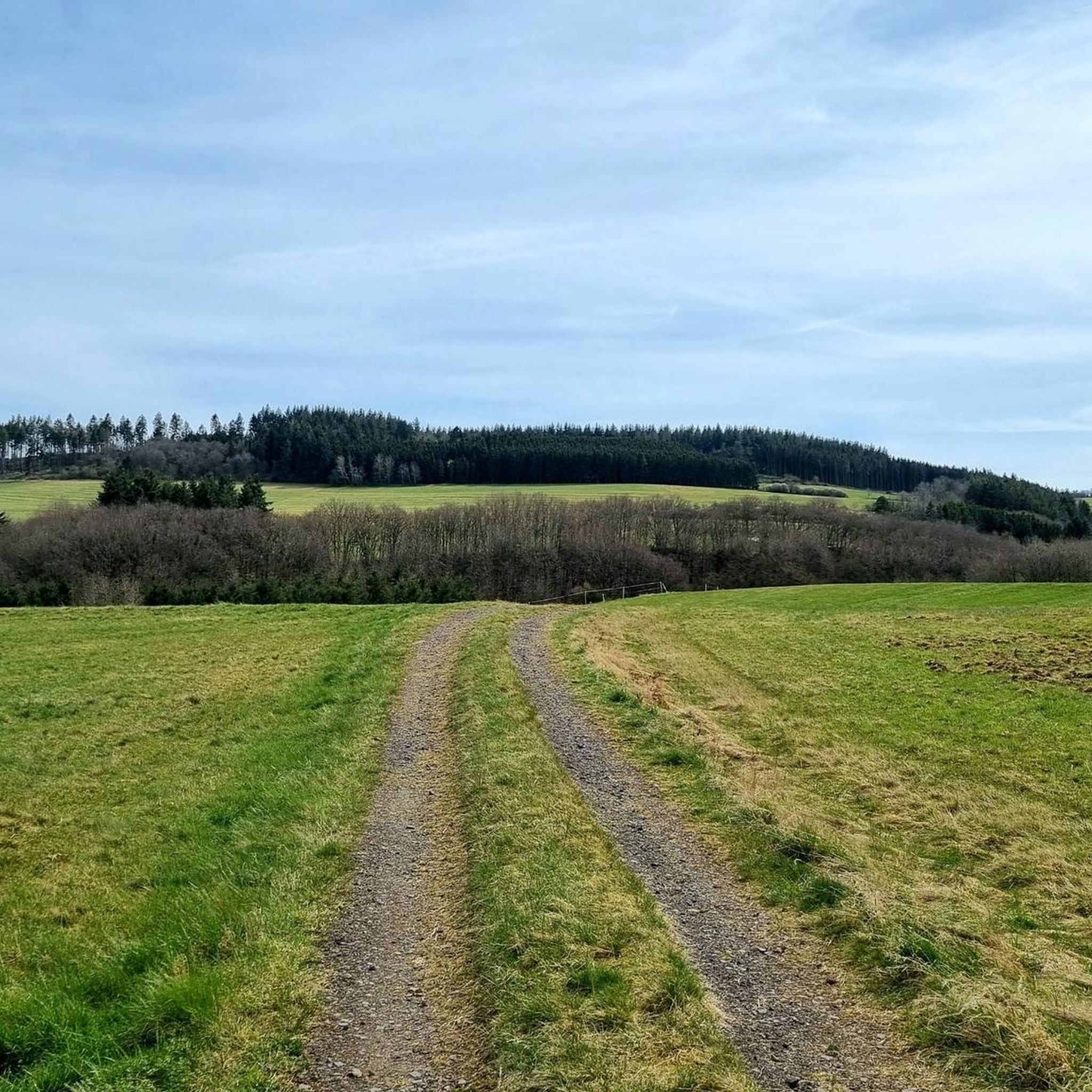
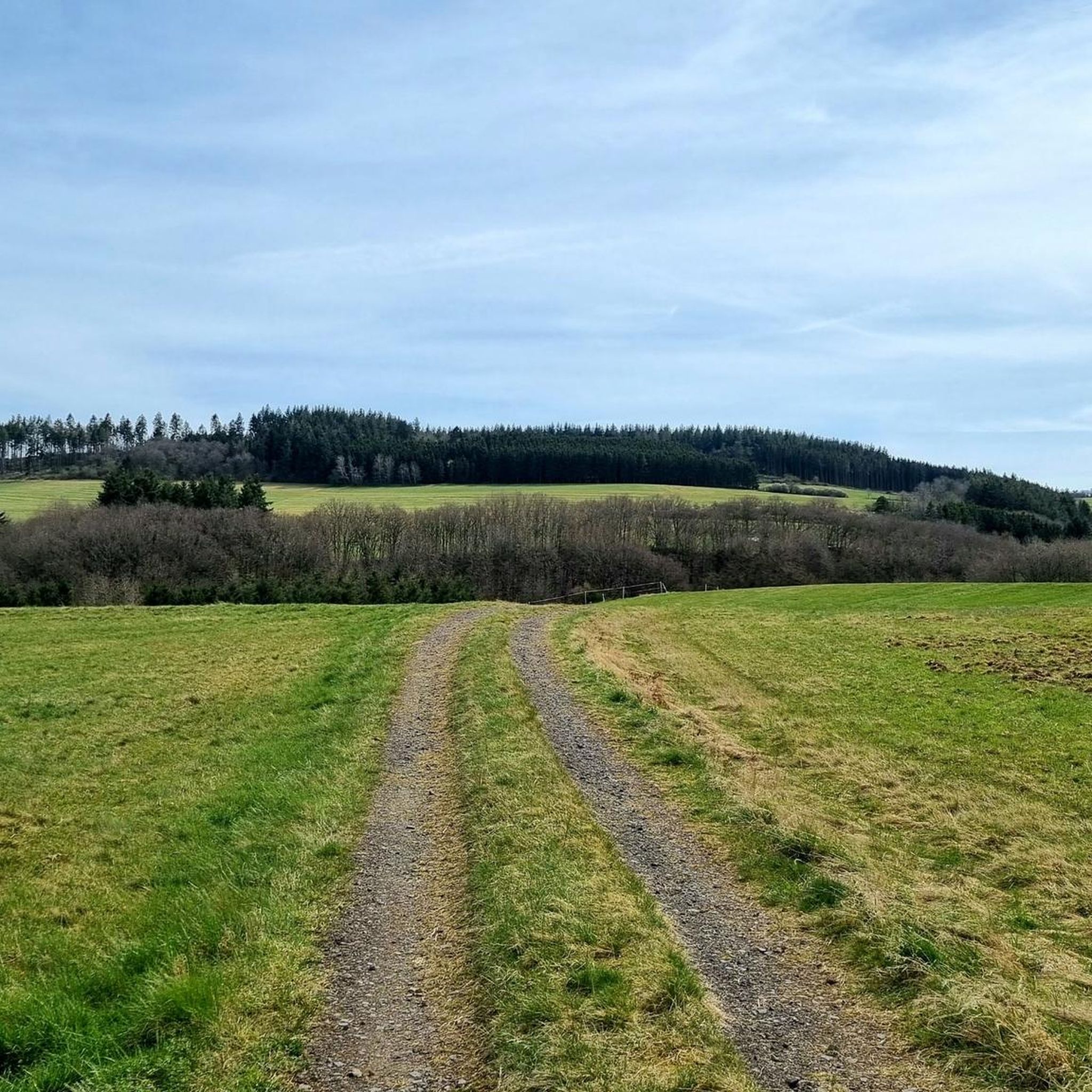
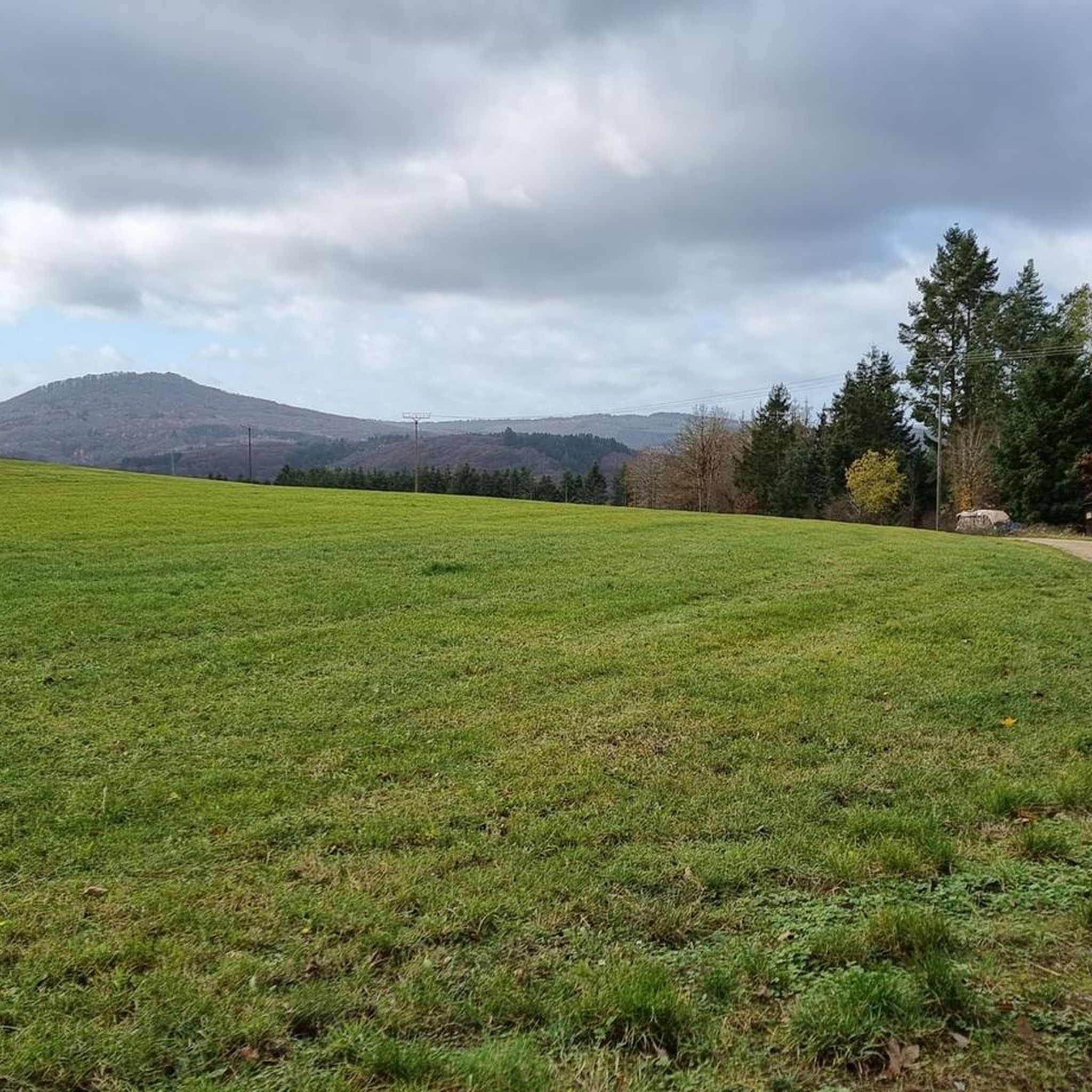
Tips from the Community

The historical origins of the castle are obscure, which is due on the one hand to the fact that no excavations have been carried out so far, and on the other hand, a confusion with Blankenheim Castle in documentary mentions cannot be ruled out. A first mention in a deed of donation from 1272 is therefore considered controversial for this castle. Rather, a document from 1341 is regarded as the oldest source for the castle, in which Margrave Wilhelm I of Jülich transferred "sine nuwe burch Blankenheym" to Gerhard V of Blankenheim as an hereditary fief. From then on, the castle (predominantly as a fief) remained in the possession of the Lords of Blankenheim and was administered, among others, by Friedrich von Blankenheim. In 1470, after several changes of ownership and inheritance disputes, the County of Blankenheim passed to Count Dietrich III of Manderscheid, while the castle was transferred to the Lords of Mirbach in the meantime. In 1521, Dietrich von Mirbach described Neublankenheim Castle as "destroyed" and asked his liege lord, Count Johann von Manderscheid, for help with the reconstruction. In the following years, the castle (apparently, no secure source findings) was not rebuilt due to its secluded location and the resulting lack of strategic importance. Around 1770, Duke Karl Maria Raimund von Arenberg acquired surrounding lands and also the castle ruins, so that the estate passed to the Duchy of Arenberg. After the occupation of the left-bank territories of the Rhine in 1794 by French revolutionary troops, the possessions of the Duchy of Arenberg also passed to the French state due to the provisions of the Peace of Lunéville. Neublankenheim Castle was auctioned and was subsequently in private ownership. The current owner is the Vulkaneifel district (formerly Daun district). Source: Wikipedia
4
0

The castle was a border castle at the time and still is today, albeit as a ruin. For its history, see https://de.wikipedia.org/wiki/Burg_Neublankenheim. The legend surrounding the castle is tragic. The count's daughter fell in love outside of her social class and was consequently locked in a tower. In the end, she starved to death in her prison. Violence against women has a long tradition...
0
0

Neublankenheim Castle, located on the edge of the Ahbach Valley, has a varied history spanning over 700 years. First mentioned in 1272, the castle passed into the possession of the Counts of Manderscheid after the Blankenheim family died out. As early as the 16th century, the castle complex began to decay until it was acquired by the Duke of Aremberg in 1769. Today, the ruins, which were extensively renovated in 2005 and 2006 and thus saved from complete decay, belong to the Vulkaneifel district.
0
0

Nice view of the Nürburg, great track
1
0
The Wensburg was probably built in the 13th century. The Wensburg was first mentioned in documents in 1401 as Haus zu Wentzbergh. The castle complex measures around 20 x 40m and is divided into two areas. The rectangular core castle area with the residential tower is clearly visible. The residential tower is around 20m high, has a base area of 9.5 x 10.7m and walls are 2.5m thick. The residential tower and most of the remaining parts of the ruins date back to the conservation efforts of Louise Scheib at the beginning of the 20th century. The owner at the time tried to preserve what had been destroyed in 1633 during the Thirty Years' War and what was demolished in 1832. In 1833, the castle chapel dedicated to Saint George was also demolished. Until 1930, the main castle was surrounded by a 7m high wall made of basalt blocks and rubble stones, which is still 3m high today. At that time, there was a battlement on the rampart. The Wensburg castle ruins are open to the public. Source: https://www.ich-geh-wandern.de/wensburg
4
0


🌲Nice photo motif in the middle of beautiful nature 🌳🎨📸 Freely accessible. Had our snack here 🥪🥐🥖 🏰The castle stands on an elevation approx. 355 meters above NHN and thus a good 20 meters above the valley floor of the Ahbach, which runs a few meters further east 🌊 near the state road 70. Extensive renovation work took place in 2004-2006.
9
0

Frequently Asked Questions
Where is Winnerath located, and what is its significance regarding castles?
Winnerath is situated within the Eifel region, which is renowned for its numerous historic castles and palaces. The area provides a diverse landscape of forests and hills, characteristic of the Ahr Mountains, offering a variety of medieval sites to explore.
What are some of the most historically significant castles in the broader Eifel region near Winnerath?
The Eifel region boasts several historically significant castles. Aremberg Castle Tower, for example, stands on the remains of a 12th-century Renaissance fortress. Further afield, Eltz Castle is famous for never having been destroyed, offering a genuine journey through eight centuries of history, while Bürresheim Castle has served as a backdrop for numerous films.
Are there any castle ruins around Winnerath that are particularly worth visiting?
Yes, the area features several impressive ruins. The Wensburg Castle Ruins, hidden in the forest southwest of Lind, offer an enchanted experience with the remains of its two gates. The Ruins of Neublankenheim Castle, with origins dating back to at least 1341, are also freely accessible and provide a great photo motif in nature.
What kind of outdoor activities can I do near the castles around Winnerath?
The region around Winnerath offers diverse outdoor activities. You can find numerous hiking trails, such as the 'Mountain trail over the Spicherley' or routes with views of the Hürstnück Ridge. There are also extensive options for MTB trails and road cycling routes, including challenging loops like the 'Wehrseifen Corner, Nürburgring' route.
Are there any castles near Winnerath that offer cultural events or museums?
Yes, Genoveva Castle in Mayen, built around 1280, houses the Eifel Museum, which includes the German Slate Mine. Its courtyard also hosts the Mayen Castle Festival, an open-air theater event, every year from June to August. Additionally, the Manderscheid Castles host a Historical Castle Festival in August, reenacting knights and rulers.
What is the best season to visit the castles around Winnerath?
The Eifel region's castles can be enjoyed throughout the year, but each season offers a different experience. Spring and summer are ideal for exploring the castle grounds and attending outdoor festivals. Autumn provides beautiful foliage, while winter can offer a serene, snow-dusted landscape, though some sites might have reduced opening hours.
Are there any castles around Winnerath that are particularly good for families?
Many castles in the Eifel region offer engaging experiences for families. While specific 'family-friendly' categories aren't listed for all, sites like Eltz Castle with its well-preserved interiors and guided tours can captivate children. The Manderscheid Castles' Historical Castle Festival in August also provides an immersive and educational experience for all ages.
Can I find good viewpoints of castles or the surrounding landscape near Winnerath?
Absolutely. The Aremberg Castle Tower, though not offering a valley view from its top, is located on the highest peak in the Ahr Mountains. The View of Nürburg Castle from Quiddelbacher Höhe provides a scenic vista of Nürburg Castle and the surrounding nature reserve. The Oberburg of Manderscheid also offers breathtaking views over Manderscheid and the Lieser Valley.
What do visitors enjoy most about the castles around Winnerath?
Visitors frequently appreciate the historical depth and natural beauty surrounding the castles. The 'enchanted' experience of ruins like Wensburg Castle Ruins and the 'beautiful sight' of the Lower Castle Gate after a climb are often highlighted. The opportunity for a 'nice photo motif in the middle of beautiful nature' at places like the Ruins of Neublankenheim Castle is also a common theme.
Are there any less crowded castle options near Winnerath for a more tranquil visit?
For a more tranquil experience, consider exploring some of the castle ruins that might be less frequented than the major tourist attractions. The Wensburg Castle Ruins and the Ruins of Neublankenheim Castle, both nestled in natural settings, offer a peaceful atmosphere for exploration away from larger crowds.
How long should I plan for a visit to a castle near Winnerath?
The duration of a visit varies greatly depending on the castle. For a site like the Aremberg Castle Tower or the Wensburg Castle Ruins, you might spend 1-2 hours exploring the ruins and surrounding area. For larger, well-preserved castles like Eltz Castle or Bürresheim Castle, especially if taking a guided tour, plan for 2-4 hours to fully appreciate the interiors and grounds.
Are there options for public transport to reach castles near Winnerath?
While Winnerath itself is a smaller municipality, the Eifel region has some public transport connections. However, many castles, especially those in more secluded natural settings, are best reached by car. For specific castles like Genoveva Castle in Mayen, public transport options to the town itself are more readily available. It's advisable to check local bus schedules for individual castle destinations.
Most popular routes around Winnerath
Most popular attractions around Winnerath

Get inspired with the komoot mobile app


Explore more
Looking for the best castles somewhere else? Discover other guides around Winnerath:
