Top 20 Caves around Hemau
Best caves around Hemau are found within the Upper Palatinate region, characterized by its limestone geology and natural formations. This area offers a range of natural features, including caves formed during the Jurassic period by water dissolving rock. The landscape around Hemau provides opportunities to explore both geological wonders and sites with historical significance. The region is known for its diverse natural monuments and historical sites.
Best caves around Hemau
- The most popular caves is Robber's Cave, a cave…
Last updated: June 24, 2026
Friedrichsruh Cave
Highlight • Cave
Translated by Google •
Tip by

Robber's Cave
Highlight • Cave
Translated by Google •
Tip by

Sign up now to discover places like this
Get recommendations on the best single tracks, peaks, & plenty of other exciting outdoor places.
Sign up for free
Klausen Caves
Highlight • Cave
Translated by Google •
Tip by

Klamm Cave near Einthal
Highlight • Cave
Translated by Google •
Tip by
Mühlbach Spring Pool
Highlight • Natural Monument
Translated by Google •
Tip by

Sign up for free to discover even more caves around Hemau.
Sign up for free
Already have an account?
Start today with a free account
Your next adventure awaits.
Login or Signup
Tips from the Community

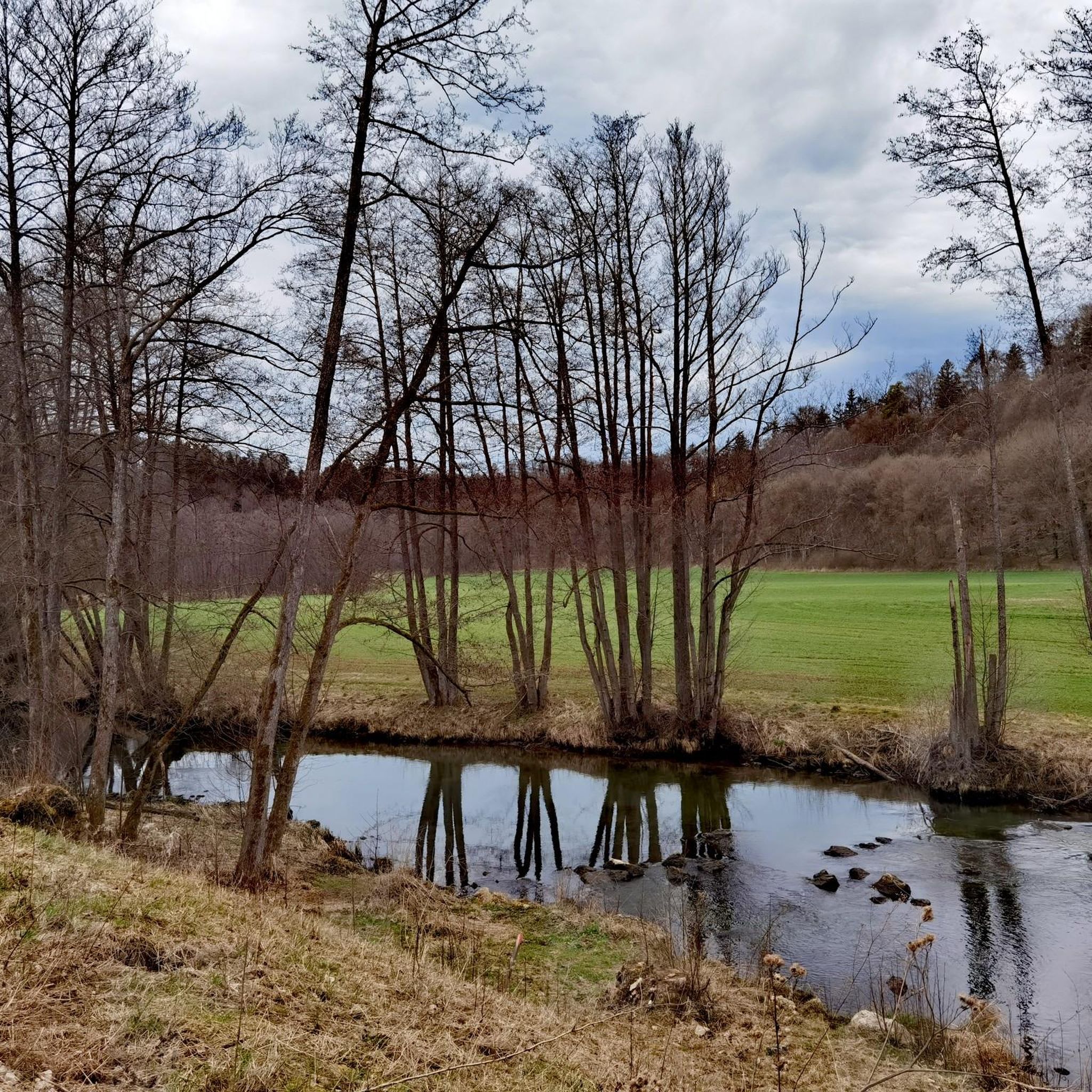
A beautiful place, very idyllic. If you walk around the outside you can see the mill wheel.
0
0


It's not far from Prunn Castle to get to the grotto. There is climbing in the grotto. If you walk a little further you will come to a very nice viewpoint. But take good care of the children.
2
0

Smaller caves can often be found in the rock.
5
0

The settlement history of the Altmühl valley began at the beginning of the last ice age, in the so-called Würm ice age, about 80,000 years ago. On the other hand, there are no archaeological finds from the oldest phase of the Paleolithic, i. H. from the Günz, Mindel or early Rißeiszeit 500,000 - 120,000 years ago, but this is more likely due to the change in river systems. The Danube flowed through the Lower Altmühltal until about 200,000 years ago. Therefore, no older finds could be deposited in caves or rock overhangs. In the Würm Ice Age, around 100,000 - 10,000 years ago, there are first indications of people who stayed in the caves or under rock protection roofs, so-called rock shelters, in the Lower Altmühl Valley. At that time the climate here is similar to that of the tundra today. The ice-free Altmühltal was a favorable hunting ground, where mammoths, rhinos, reindeer, and later also horses, bison and primal lived. The Klausen Caves are a system of several caves nested one on top of the other: Lower Klause, Klausen Niche, Middle and Upper Klause. Except for the Lower Hermitage, tools and equipment from the Old, Middle and Upper Palaeolithic periods were found in the other caves. From the Klausen niche comes z. B. a deciduous incisor of a Neanderthal. In the middle hermitage, archaeologists from the Magdalenian layer were able to salvage a single-row harpoon, bone spikes and a perforated staff made of reindeer antlers, which is decorated with fantasy creatures. A limestone slab with incised lines of a wild horse document the first art products. In 1913, archaeologists found the skeleton of a Homo sapiens. The approximately 30-year-old man died about 18,000 years ago. His dead body was wrapped in a mighty red chalk pack. Fragments of mammoth tusks lay in the area of the skull. https://www.herzstueck.bayern/ attraction/07-station-klausenhoehlen-e617ad20c7
8
1


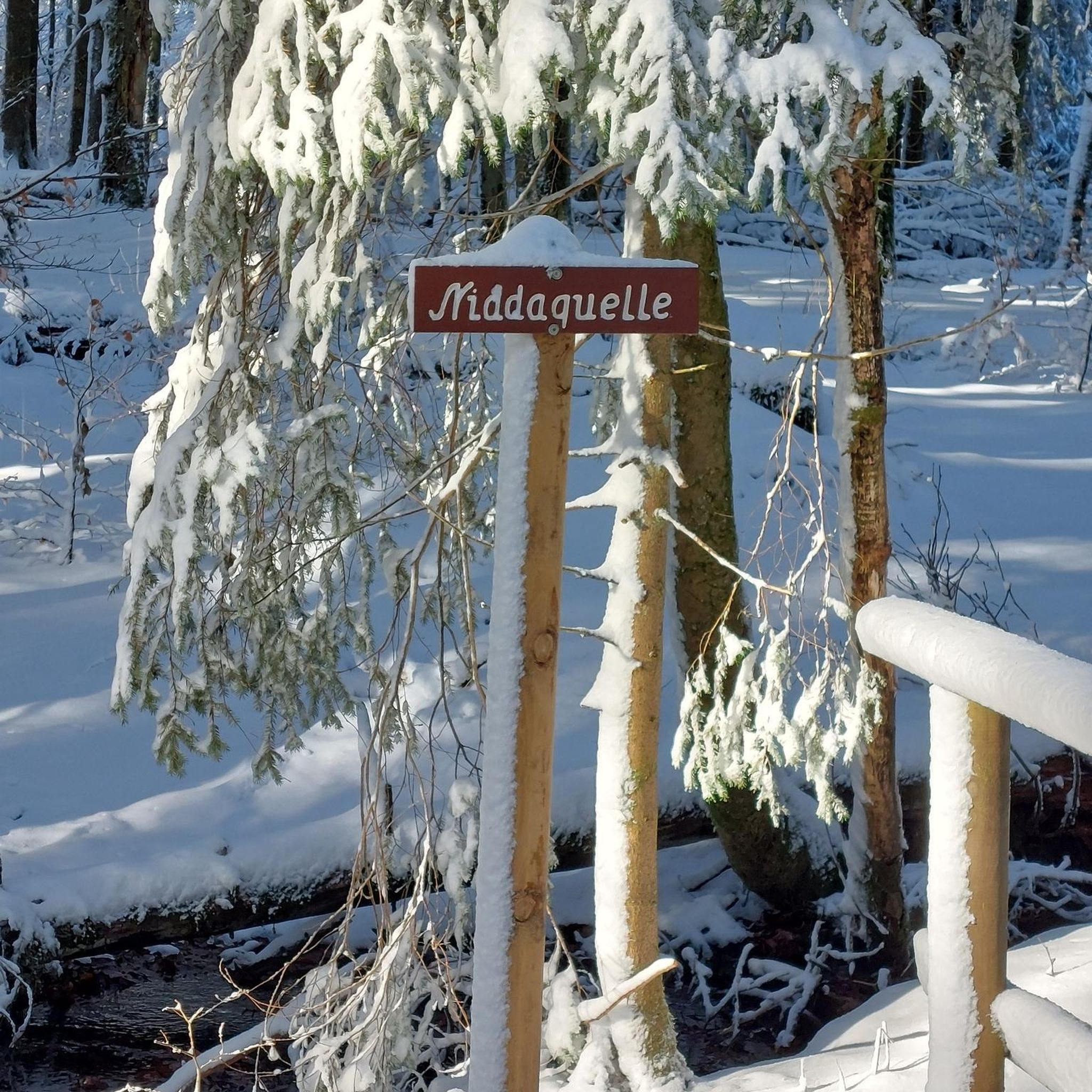
The entrance to the cave is at the source - under water
2
0

Somewhat hidden but worthwhile caves. However, it should be noted that access is closed from October 1st to April 30th to protect bats living in the caves.
2
0
Frequently Asked Questions
What are some unique historical caves to visit near Hemau?
The region around Hemau offers several caves with historical significance. The Robber's Cave, located between Etterzhausen and Penk, was likely used by the Celts and later as a strategic hiding place. The Klamm Cave near Einthal was inhabited by people in the Stone Age. Additionally, the Hiasl Cave near Hemau is known for its lore as the dwelling of a hermit for 24 years.
Are there family-friendly caves around Hemau?
Yes, several caves are suitable for families. The Klausen Caves are noted as family-friendly, and visitors enjoy the 'exciting darkness.' The Klamm Cave near Einthal is also considered very interesting for children. The Robber's Cave is publicly accessible and popular with families, though a flashlight is recommended for exploration.
What kind of geological formations can I expect to see in the caves near Hemau?
The caves in the Hemau region, formed in Jurassic limestone, showcase various geological features. The König-Otto-Tropfsteinhöhle, for example, is renowned for its impressive stalactites, stalagmites, and stalagnates, as well as sinter pools. The Robber's Cave features stalactites on its ceiling, formed by water dissolving limestone over time.
Which caves offer guided tours or more developed visitor experiences?
The König-Otto-Tropfsteinhöhle near Velburg offers guided tours through its 270 meters of accessible cave, highlighting its 'stone beauties' and the spectacular 'Advent Hall.' The Flowstone Cave Schulerloch near Essing also provides guided tours, enhanced by a projector show illustrating the cave's history.
Are there any caves near Hemau that are known for their natural beauty or impressive formations?
Absolutely. The König-Otto-Tropfsteinhöhle is considered one of the most beautiful stalactite caves in Germany, featuring a wealth of formations like stalactites, stalagmites, and sinter pools. The Flowstone Cave Schulerloch also showcases centuries-old stalactites and stalagmites, with a unique natural water basin as a highlight.
What should I wear when visiting caves in the Hemau region?
Caves generally maintain a cool, constant temperature year-round. For instance, the König-Otto-Tropfsteinhöhle is consistently 8°C, and the Flowstone Cave Schulerloch is around 9°C. It's advisable to bring a jacket or warm layers, even in summer. Comfortable, sturdy shoes are also recommended, especially for natural caves with uneven terrain.
Are there hiking trails that lead to or past caves near Hemau?
Yes, many caves are integrated into hiking routes. The Robber's Cave is located along the Jurasteig trail. You can find various hiking routes in the area, such as those listed in the Hiking around Hemau guide, which may pass by or near these natural features.
What is the best time of year to visit the caves around Hemau?
Most caves are accessible during the warmer months. However, some, like the Flowstone Cave Schulerloch, close during winter as they serve as bat habitats. For developed show caves, checking their specific opening hours is recommended. Natural, undeveloped caves like the Robber's Cave are generally accessible year-round, but conditions may vary with weather.
Are there any caves near Hemau that are accessible for visitors with limited mobility?
The König-Otto-Tropfsteinhöhle near Velburg is partially wheelchair accessible, offering a more inclusive experience for visitors with limited mobility. For other natural caves, accessibility can vary, and it's best to check specific conditions or trail information.
Where can I find parking when visiting caves near Hemau?
Parking availability varies by location. For caves like the Robber's Cave, which is along the Jurasteig trail, parking might be available at nearby trailheads or villages. For show caves like König-Otto-Tropfsteinhöhle or Flowstone Cave Schulerloch, dedicated parking facilities are typically provided. For the Hiasl Cave, it's a 15-minute walk from Landgasthof Friesenmühle, where parking may be available.
Are there any unique cave dwellings or historical shelters near Hemau?
Yes, the 'House without a Roof' in Kallmünz is a unique and still-used cave dwelling built directly into a limestone cliff face. While not a traditional natural cave for exploration, its historical and architectural curiosity makes it a noteworthy site, showcasing how humans have integrated with natural cave structures.
What other outdoor activities can I combine with a cave visit near Hemau?
The region around Hemau offers diverse outdoor activities. You can combine a cave visit with hiking, as many caves are near trails. The Friedrichsruh Cave is a popular spot for climbers. Additionally, you can explore cycling routes in the area, as detailed in the Cycling around Hemau guide, or even mountain hikes from the Mountain Hikes around Hemau guide.
What makes the <a href="https://www.komoot.com/highlight/942705" target="_blank" rel="noopener">Friedrichsruh Cave</a> special?
The Friedrichsruh Cave is a relatively large grotto, approximately 12 meters high and 18 meters wide, featuring a bench for visitors to sit and enjoy the surroundings. It's also a popular spot for climbers, making it an interesting place to observe outdoor sports enthusiasts.
Most popular routes around Hemau
Most popular attractions around Hemau

Get inspired with the komoot mobile app


Explore more
Extend your search for the best caves by checking out these guides of the top ones around Hemau:
