Attractions and Places To See in Foresta Demaniale Del Marganai - Top 17
Best attractions and places to see in Foresta Demaniale Del Marganai, located in Sardinia, Italy, encompass a vast forest area known for its diverse landscape and historical significance. This region features mountainous terrain with peaks up to 1,000 meters, ancient limestone and schist rocks, and lush forests. Numerous streams crisscross the area, which is home to various wildlife. The Foresta Demaniale Del Marganai overview reveals a blend of natural beauty and ancient cultural sites, making it a notable destination for exploration.
Best attractions and places to see in Foresta Demaniale Del Marganai
- The most popular attractions is Antas Nuragic Village, a historical_site that served as a sanctuary for heroic cults dating back to 1200 BC. This archaeological area highlights the region's ancient past and its significance in the history of the Fluminese area.
- Another must-see spot is The Temple of Antas, a historical_site and man_made_monument. This Punic-Roman temple was dedicated to the Sardinian god Sid Babay Addir and was later adopted by the Romans due to the area's rich mineral deposits.
- Visitors also love Su Mannau Cave, a cave and historical_site. This extensive karst cave system is among the oldest in the world and features an archaeological hall used as an ancient underground temple.
- Foresta Demaniale Del Marganai is known for its historical sites, natural features, and outdoor activities. Visitors can explore ancient ruins, diverse landscapes, and marked trails for trekking and mountain biking.
- The attractions in Foresta Demaniale Del Marganai are appreciated by the komoot community, with 16 highlights, 20 photos, and 39 upvotes.
Last updated: July 2, 2026
Antas Nuragic Village
Highlight • Historical Site
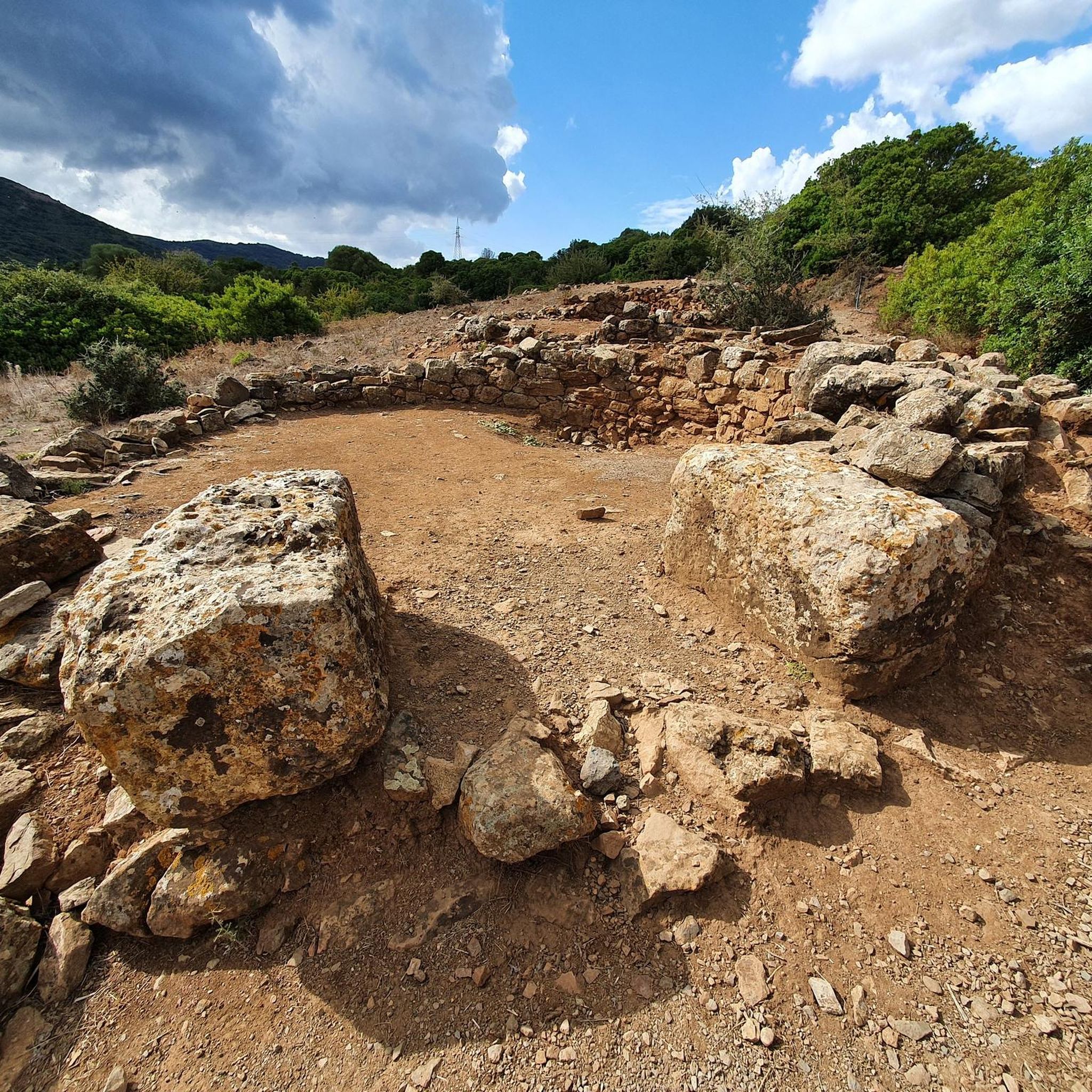
The archaeological area of Antas plays a fundamental role in the history of the Fluminese area and the island: starting from the Nuragic age, it was the site of a sanctuary where the rites and festivals of a heroic cult took place. The village from 1200 BC Chr. (Bronze Age) was never interested in in-depth research, but was only brought to light during the excavation campaign in 1966/67.
It highlighted the ruins of circular rooms built of small stones cemented with mortar and clay and covered by a conical roof made of branches and twigs; Among the finds were artifacts and ceramics, iron tips and blades, molten lead, glassworking slag and obsidian. The small village, surrounded by a curvilinear wall, was partially adapted in late Roman times. Four Roman Cassone tombs have been discovered between the wall and the houses, which are currently covered by vegetation
The huts flank a path that connects the mining areas of the Iglesiente to the west coast and passes through the nearby Grotta di Su Mannau, a place dedicated to the worship of water and a fundamental station from the sea to the hinterland. On the path, which is later called the Ancient Roman Road, you can see the forced cuts in the rocks that allow the passage of drawn wagons. The path reached in a short time (approx. The first part of the cave, which is called the archaeological space, was for a long time a real underground temple dedicated to the water cult, a symbol of female fertility and identified in the mother goddess, the bearer of the Hundreds of still visible fragments of votive lamps underline their religious use. "
Source: startuno.it/villaggio-nuragico-antas
Translated by Google •
Tip by

The Temple of Antas
Highlight • Historical Site
Translated by Google •
Tip by

Sign up now to discover places like this
Get recommendations on the best single tracks, peaks, & plenty of other exciting outdoor places.
Sign up for free
Su Mannau Cave
Highlight • Cave
Translated by Google •
Tip by

Roman Quarry I
Highlight • Historical Site
The limestone is porous, with a not very fine structure. In fact, parts of the temple were plastered after the laying.
The work was carried out with a hammer and chisel, while the transport was probably carried out with ox carts. In the quarries, the cutting lines used to mine the limestone blocks are still clearly visible. "
Source: startuno.it/cave-romane-antas
Translated by Google •
Tip by
Mine Entrance
Highlight • Structure
Tip by

Sign up for free to discover even more attractions in Foresta Demaniale Del Marganai.
Sign up for free
Already have an account?
Start today with a free account
Your next adventure awaits.
Login or Signup
Popular around Foresta Demaniale Del Marganai
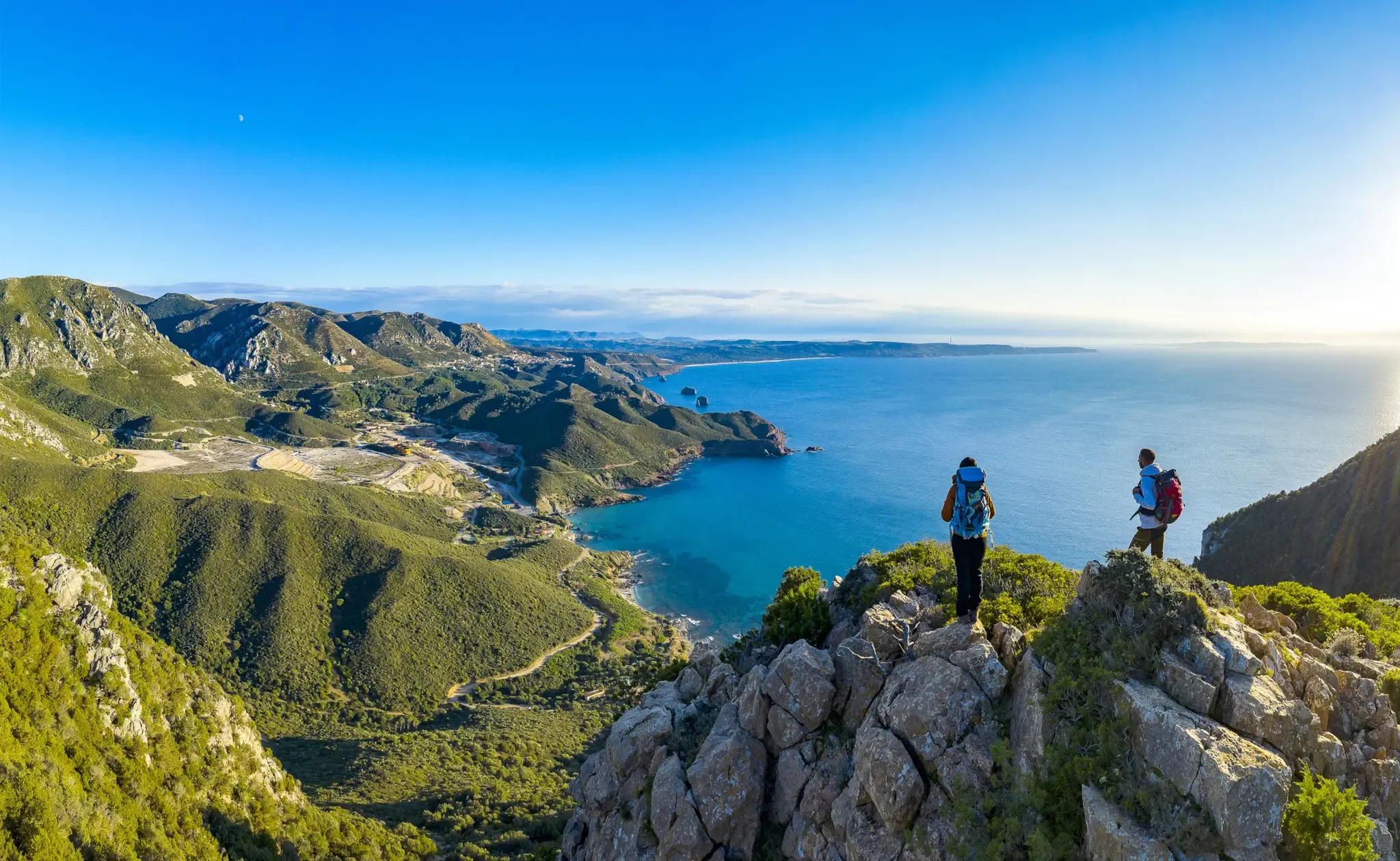
Cammino Minerario di Santa Barbara – memories of ancient Sardinia
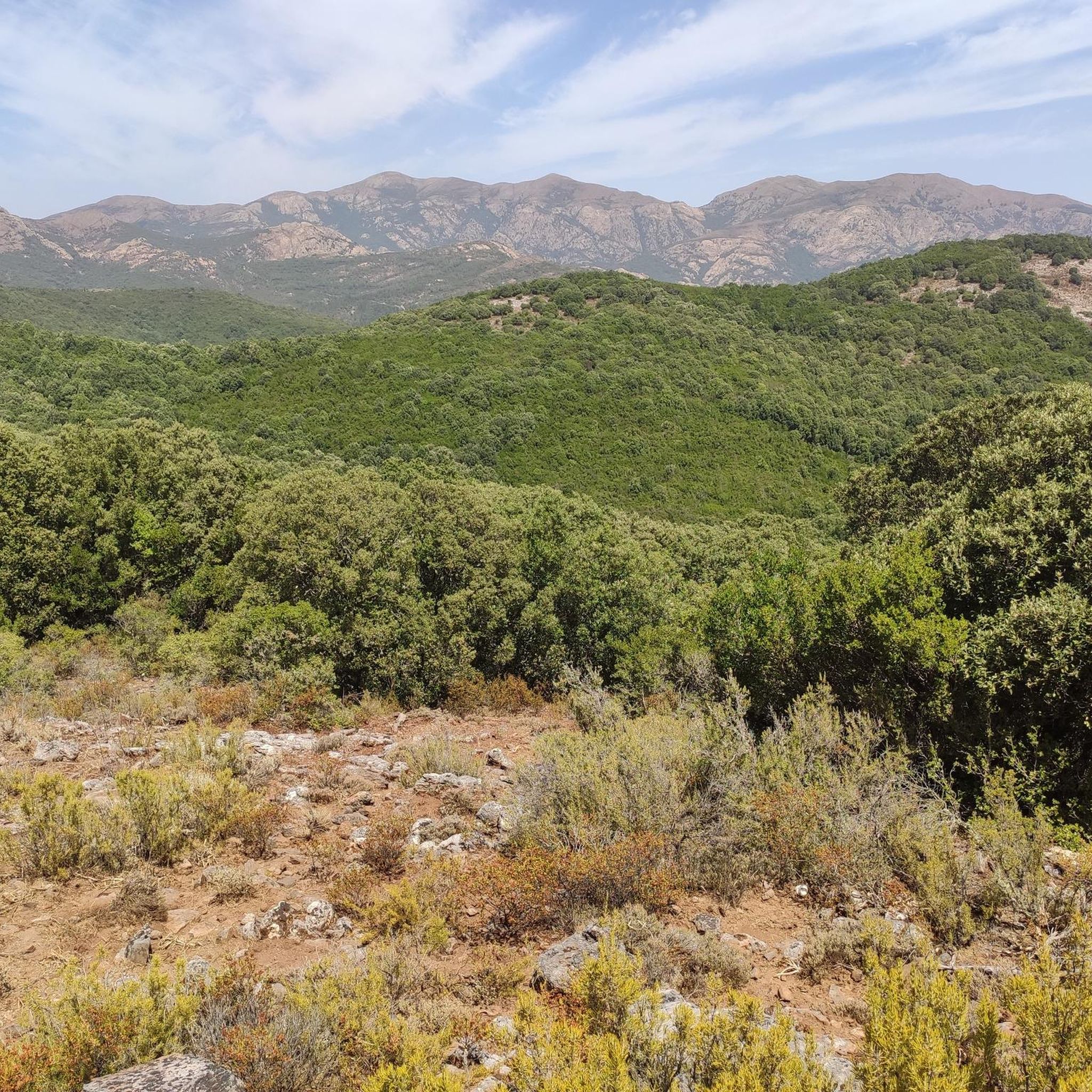
Hiking in Foresta Demaniale Del Marganai
MTB Trails in Foresta Demaniale Del Marganai
Cycling in Foresta Demaniale Del Marganai
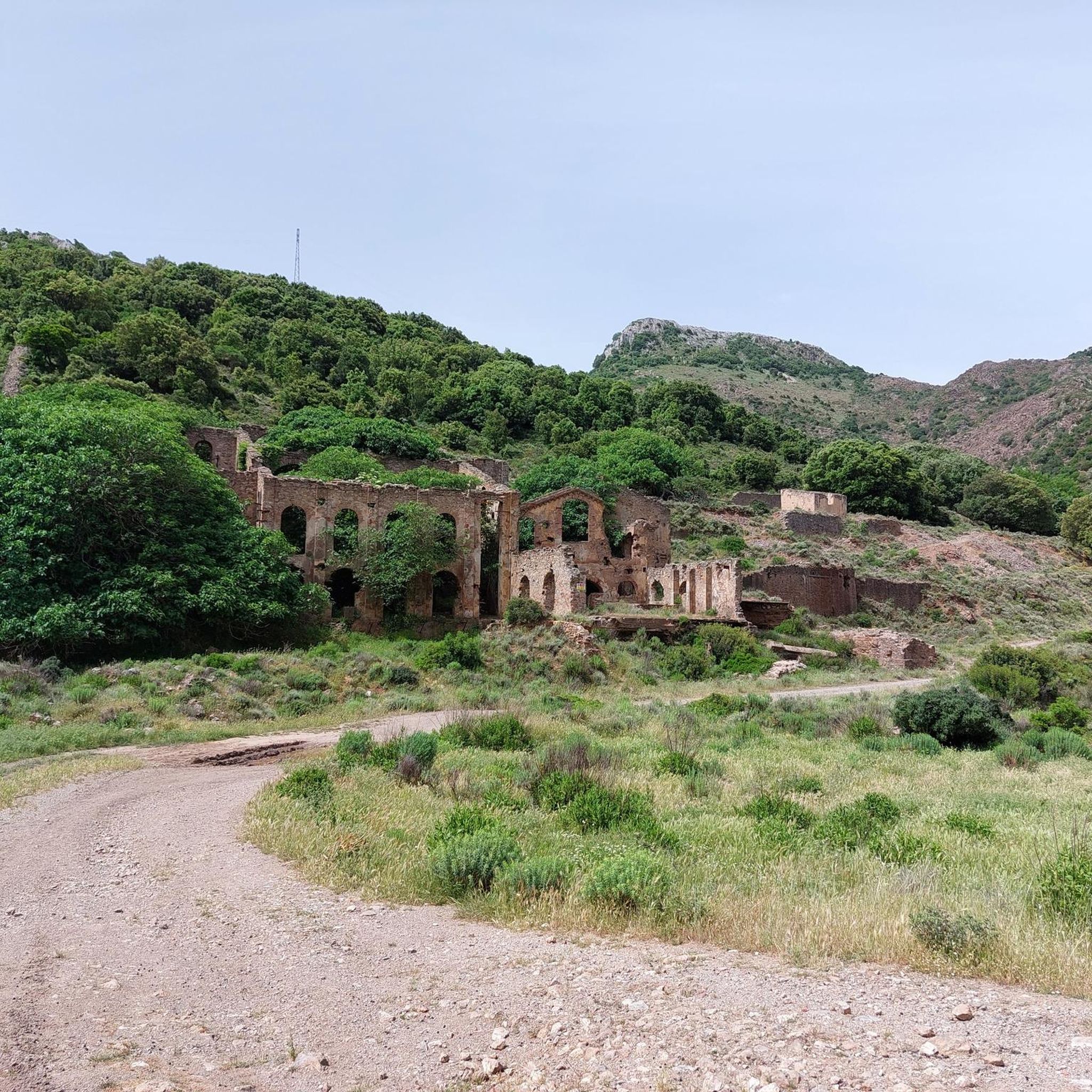
Running Trails in Foresta Demaniale Del Marganai
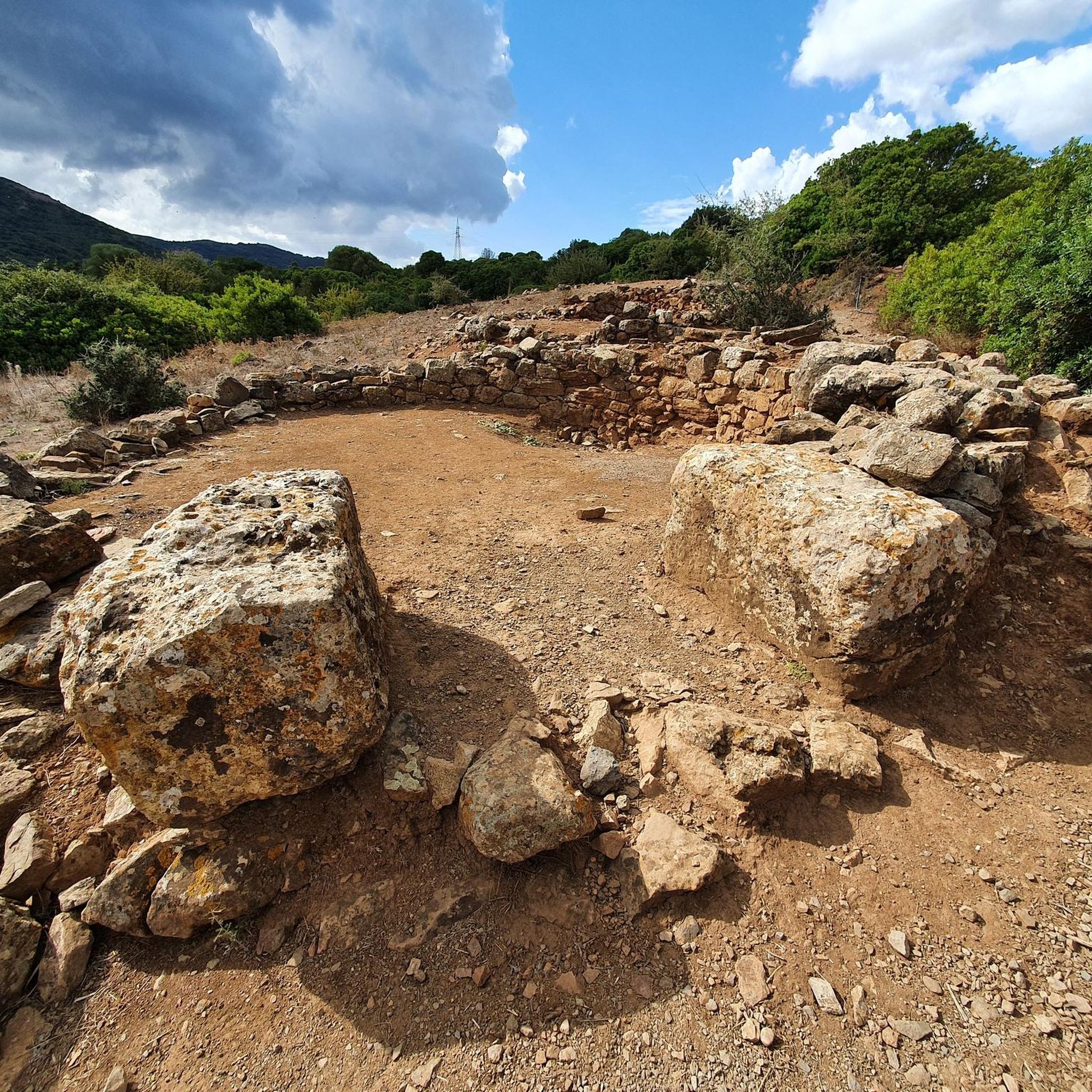
Road Cycling Routes in Foresta Demaniale Del Marganai
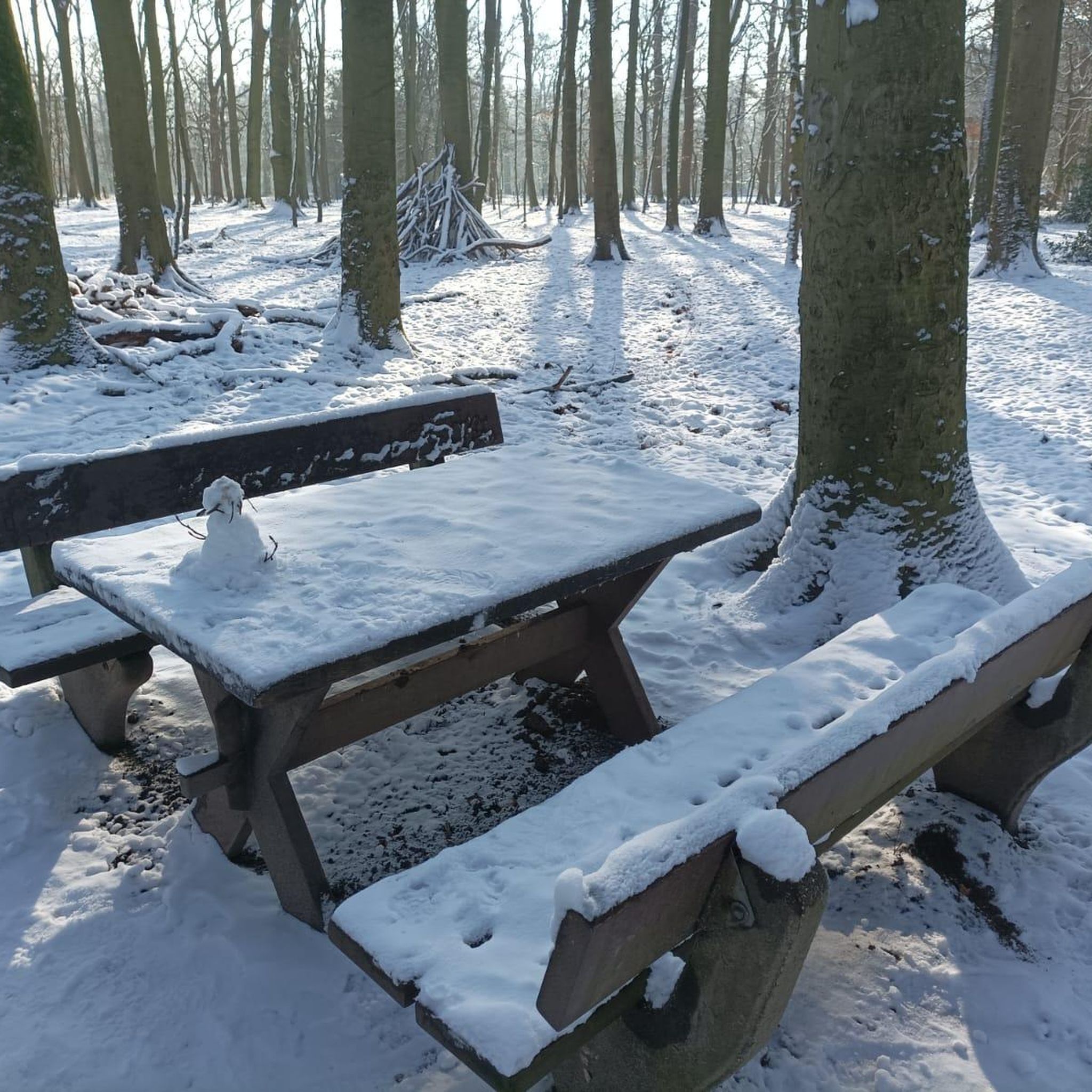
Gravel biking in Foresta Demaniale Del Marganai
Other adventures in Foresta Demaniale Del Marganai

Tips from the Community

The Nuragic village can also be reached via the hiking trail to the left of the parking lot. The gate is only there because of the wild boars, you can open the knot, go through and close it again
0
0

The Su Mannau Caves, near Fluminimaggiore, are a unique feature of their extensive cave system, among the oldest in the world. With its two branches, they are also of great archaeological and speleological interest. The right-hand section consists of an extensive karst complex of Cambrian origin and extends over several levels. Some are higher and already fossilized, others deeper and still active. The right-hand branch was formed by the Rapido River and consists of numerous and varied passages and halls, which are the most interesting sight in the cave. The first hall is of great historical importance, not least because of its connections to the nearby Punic-Roman temple of Antas. A must-see!
0
0
In a lush valley around Iglesias lies one of Sardinia's most important Roman monuments. Originally a nuragic sanctuary, it was also used during the Carthaginian and Punic-Hellenistic periods. Built from local limestone, the sanctuary is nestled in a picturesque valley in the Fluminimaggiore area.
4
0

The Temple of Antas stands in the splendid Antas Valley, a natural amphitheater intertwined with over three thousand years of history. The Nuragic people practiced rituals and burials here since the Bronze Age, followed by the Carthaginians, who erected a sanctuary dedicated to the god Sid Addir Babay, and finally by the Romans, who in the 2nd century AD rebuilt the temple in honor of Sardus Pater Babai, the patron deity of the Sardinian people. Find all the information on opening hours and tickets on the website: https://startuno.it/.
1
0
The Su Mannau Cave is one of the most spectacular karst caves in Sardinia. It extends for approximately 8 kilometers, although the accessible section is limited to a 500-meter path through walkways, rooms, ponds, and underground waterfalls. The first part of the visit leads to the archaeological hall, an ancient underground temple used as a water cult in the pre-Nuragic era, connected to the nearby Temple of Antas. Continuing, you enter a living environment, where stalactites, stalagmites, and alabaster flows are reflected in the clear water, home to the Stenasellus nuragicus, a tiny crustacean unique in the world. The cave is open for guided tours year-round: information and hours at https://www.sumannau.it/
0
0

Beautiful 4-hour hike, the landscapes are magnificent
0
0

Great climb up there and a beautiful view.
0
0
The stretch from km 2.8 to 3.6 is difficult to walk as there is no visible path and you have to climb your own path between the boulders along the wire mesh fence (forest clearing). Crawling is the only correct word for it! The rest of the route is very worthwhile!
0
0
Frequently Asked Questions
What historical and cultural sites can I explore in Foresta Demaniale Del Marganai?
The region is rich in history. You can visit the ancient Antas Nuragic Village, an archaeological area dating back to 1200 BC that served as a sanctuary. Nearby, explore The Temple of Antas, a Punic-Roman temple dedicated to the Sardinian god Sid Babay Addir. Don't miss the Roman Quarry I, where you can still see the cutting lines from ancient hammer and chisel work used to build the temple.
Are there any notable natural landmarks or caves to visit?
Yes, the area features several impressive natural sites. The Su Mannau Cave is one of the largest and most beautiful karst caves in the Iglesiente Mountains, with an archaeological hall used as an ancient underground temple. Additionally, the Grotta di San Giovanni is a unique natural tunnel that once featured a carriageway.
What kind of wildlife can I expect to see in Foresta Demaniale Del Marganai?
The forest is home to diverse wildlife, including wild boars, wild cats, hares, and foxes. Efforts have been made to reintroduce Sardinian deer and mouflon in certain areas. Birdwatchers might spot peregrine falcons and, more rarely, golden eagles soaring above.
What outdoor activities are available near these attractions?
Foresta Demaniale Del Marganai is ideal for outdoor sports. You can find numerous marked trails for trekking and mountain biking. For specific routes, explore options like cycling tours, waterfall hikes, and MTB trails in the region.
Are there family-friendly options for visitors with children?
Absolutely. Many historical sites like The Temple of Antas and Su Mannau Cave are considered family-friendly. For nature lovers, the Giardino Botanico Linasia showcases the forest's plant life, and the Giardino delle Farfalle (Garden of Butterflies) offers a fascinating journey into the world of lepidoptera, both great for families.
What is the best time of year to visit Foresta Demaniale Del Marganai?
The region offers diverse experiences throughout the year. For hiking and exploring natural features, spring and autumn generally provide pleasant temperatures. The numerous streams and lush forests are particularly vibrant during these seasons. Summers can be warm, ideal for enjoying the cooler cave environments, while winters offer a different, quieter perspective of the mountainous terrain.
What kind of terrain and elevation can I expect on trails in the forest?
The forest features a mountainous terrain with peaks ranging from 200 to 1,000 meters. Trails often traverse ancient limestone and schist rocks, offering varied difficulty levels. You'll encounter lush forests of holm oaks and pines, alongside dense Mediterranean scrub, with numerous streams crisscrossing the landscape.
Are there any botanical gardens or unique plant life to see?
Yes, the Giardino Botanico Linasia is dedicated to showcasing the immense floristic heritage of Foresta Demaniale Del Marganai. It presents a wide array of the forest's native plant life, allowing visitors to appreciate the region's biodiversity.
Can I find easy walks or trails suitable for beginners?
While some routes can be challenging due to the mountainous terrain, the forest offers various marked trails. It's advisable to check specific trail descriptions for difficulty ratings. Many areas provide opportunities for long walks, and you can often find easier sections suitable for beginners or those looking for a leisurely stroll amidst nature.
What do visitors enjoy most about Foresta Demaniale Del Marganai?
Visitors frequently appreciate the blend of natural beauty and historical significance. The ancient archaeological sites like the Antas Nuragic Village and The Temple of Antas are highly rated. The extensive cave systems, such as Su Mannau Cave, are also a major draw, offering unique underground exploration.
Are there any specific viewpoints or scenic spots in the forest?
Monte Nipis, reaching an altitude of 1009 meters, offers impressive views and is a prominent part of the forest's rugged northern section. The numerous streams like Sarmentus, Sa Duchessa, and Oridda also create picturesque spots throughout the forest.
Most popular routes in Foresta Demaniale Del Marganai
Most popular attractions in Foresta Demaniale Del Marganai

Get inspired with the komoot mobile app


Explore more
Still not found the Highlight you’re looking for? See guides of the top attractions in other regions:
