Top 20 Castles around Selfkant
Best castles around Selfkant are primarily found in the neighboring Dutch province of Limburg, as Selfkant itself is the westernmost point of Germany. This unique geographical position means the region offers access to historical sites just across the border. The area is characterized by its proximity to the Netherlands, providing a blend of German and Dutch cultural landscapes. Visitors can explore a variety of historical structures within a short distance.
Best castles around Selfkant
- The most popular castles is Wijnandsrade…
Last updated: May 9, 2026
Terborgh Castle
Highlight • Castle
Translated by Google •
Tip by

Driveway to Kasteel Terborgh
Highlight • Castle
In het TROOR van de BOKKERIJDERS
Terborgh Castle
Terborgh Castle, probably one of the oldest castle grounds in the province of Limburg, formed one of the new centres …
Translated by Google •
Tip by

Sign up now to discover places like this
Get recommendations on the best single tracks, peaks, & plenty of other exciting outdoor places.
Sign up for free
Wijnandsrade Castle
Highlight • Castle
Translated by Google •
Tip by
Historic Center of Stevensweert
Highlight • Historical Site
Translated by Google •
Tip by
Montfort Castle
Highlight • Castle
Translated by Google •
Tip by
Sign up for free to discover even more castles around Selfkant.
Sign up for free
Already have an account?
Start today with a free account
Your next adventure awaits.
Login or Signup
Popular around Selfkant
2-Country Route – Cycling from Germany to Netherlands
The way is the goal – Lower Rhein Route
Landscape in transition – international cycling on the Green Route
Hiking around Selfkant
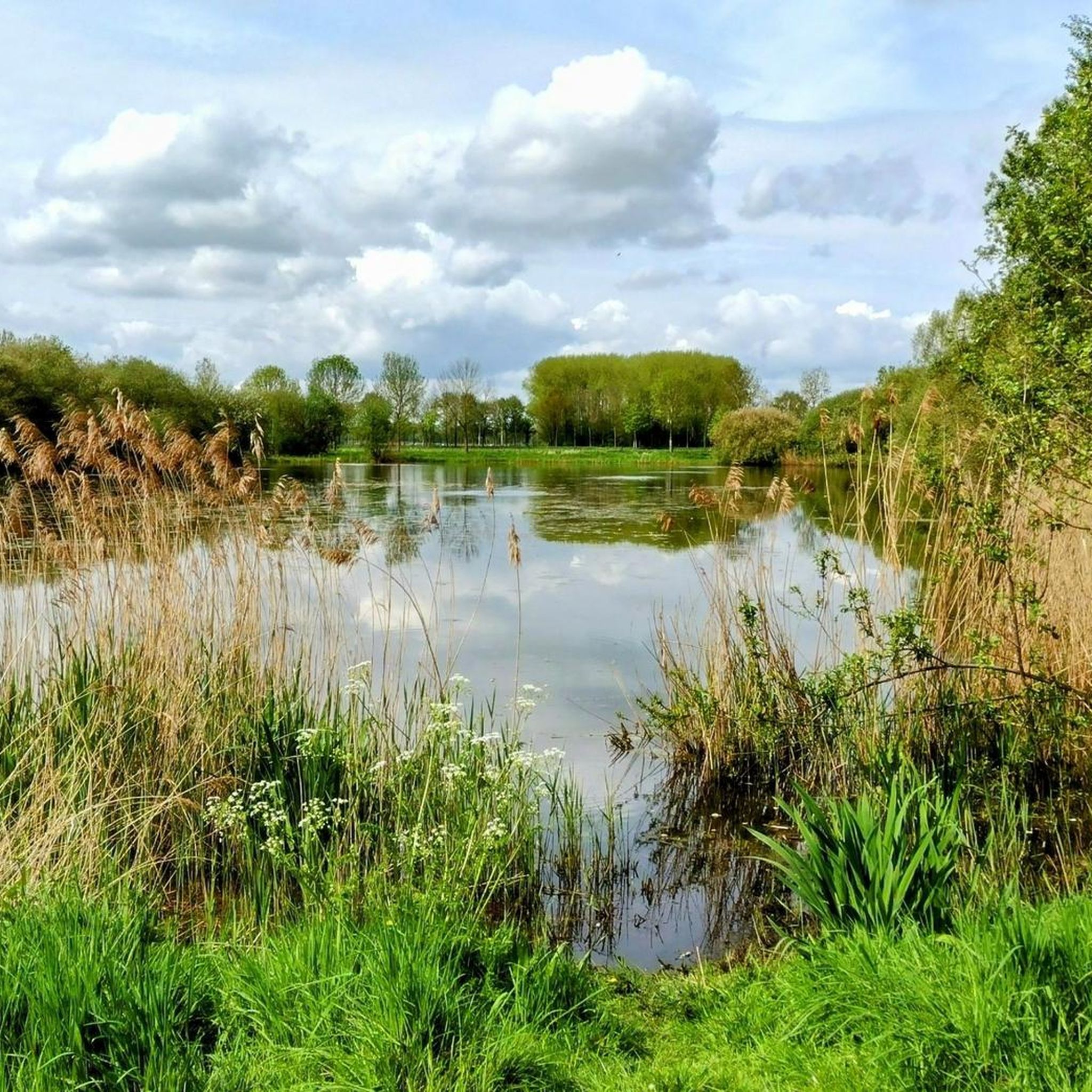
Cycling around Selfkant
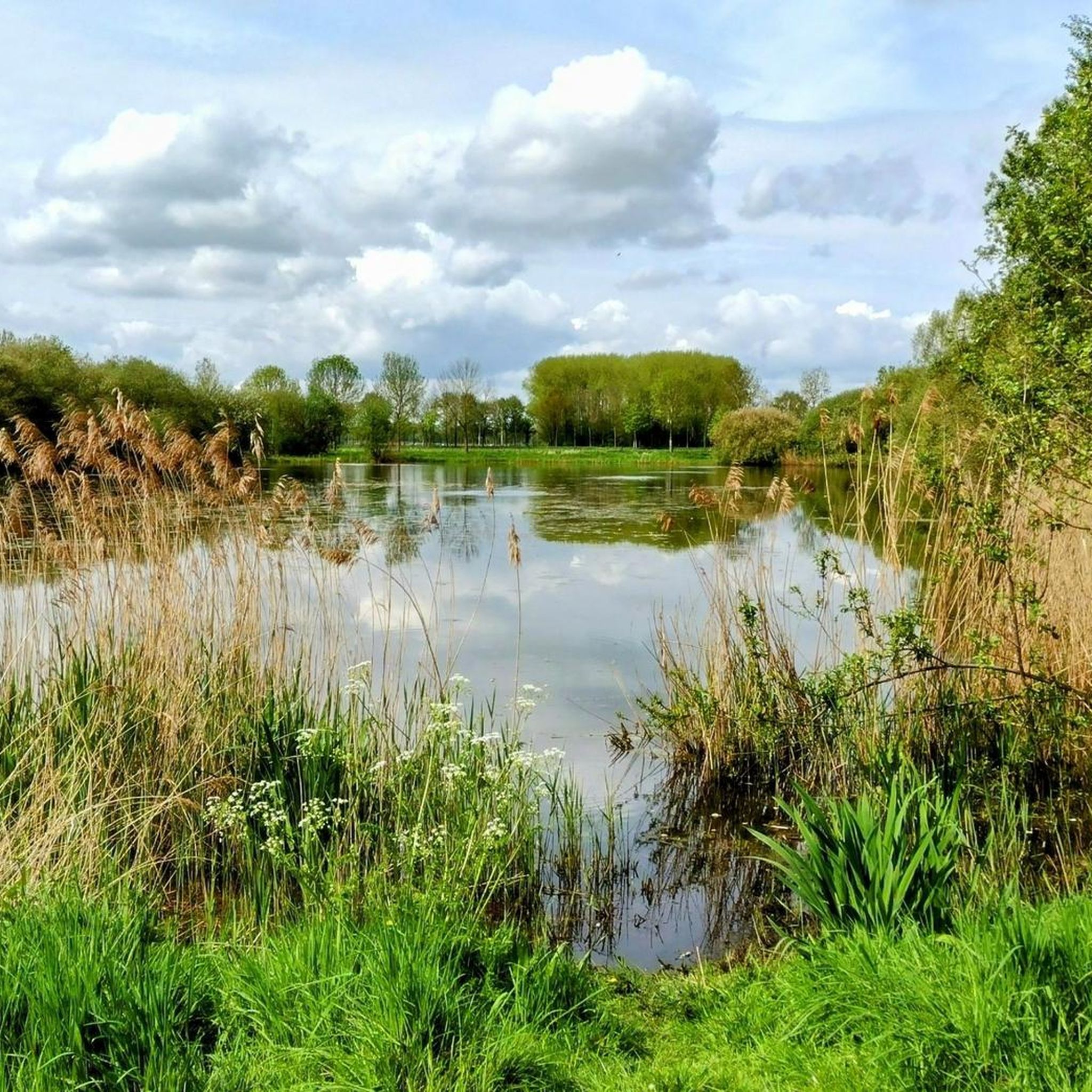
Road Cycling Routes around Selfkant
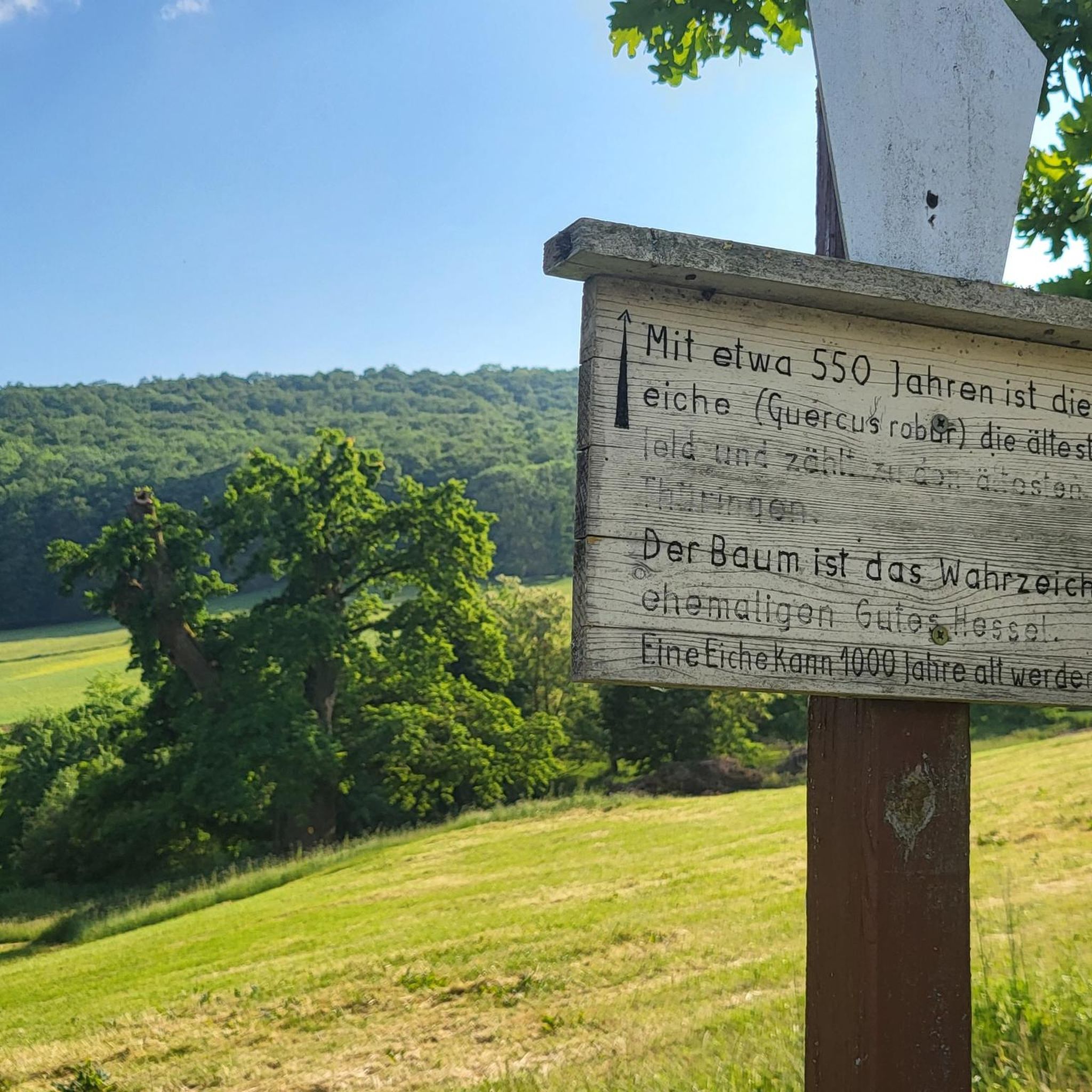
Gravel biking around Selfkant
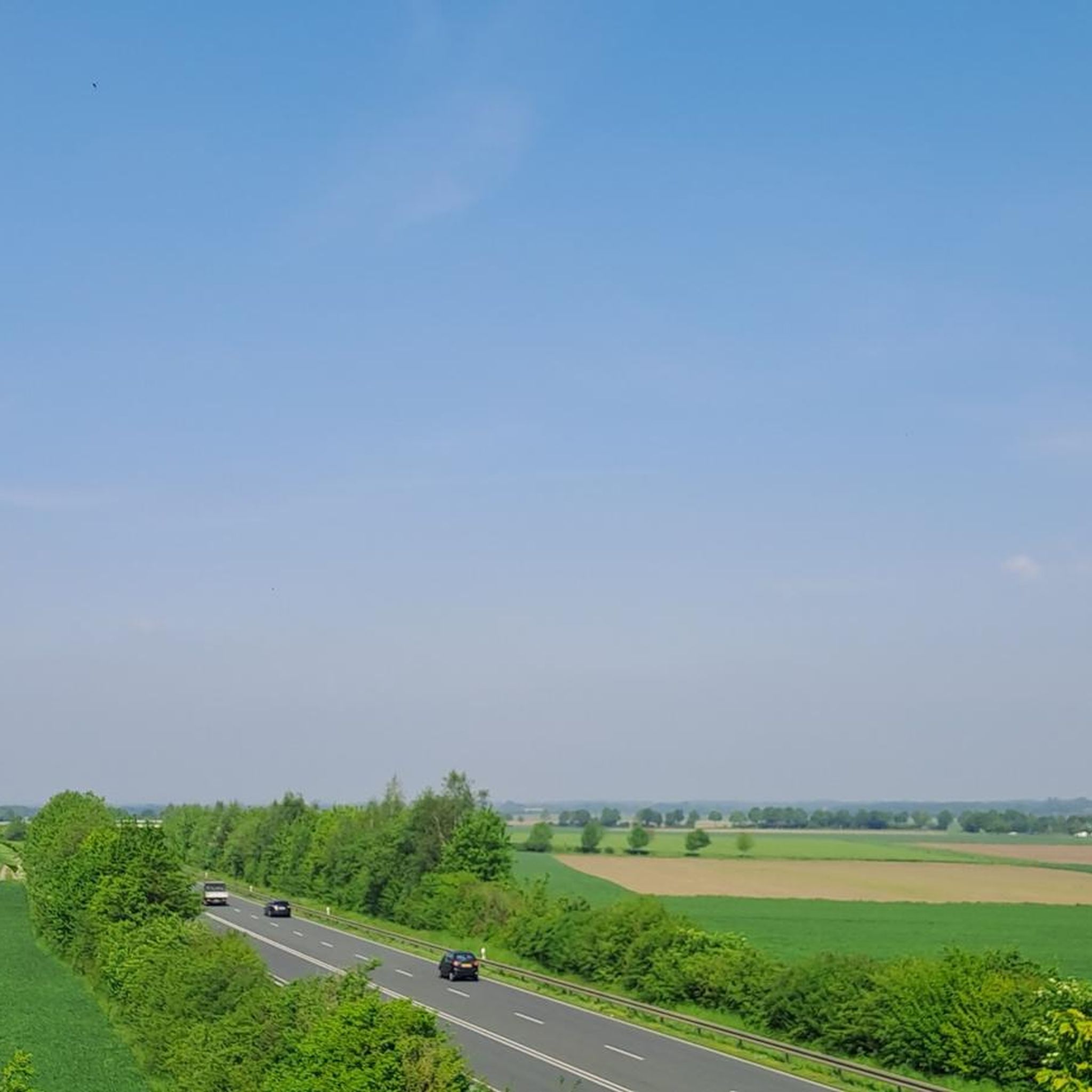
Running Trails around Selfkant
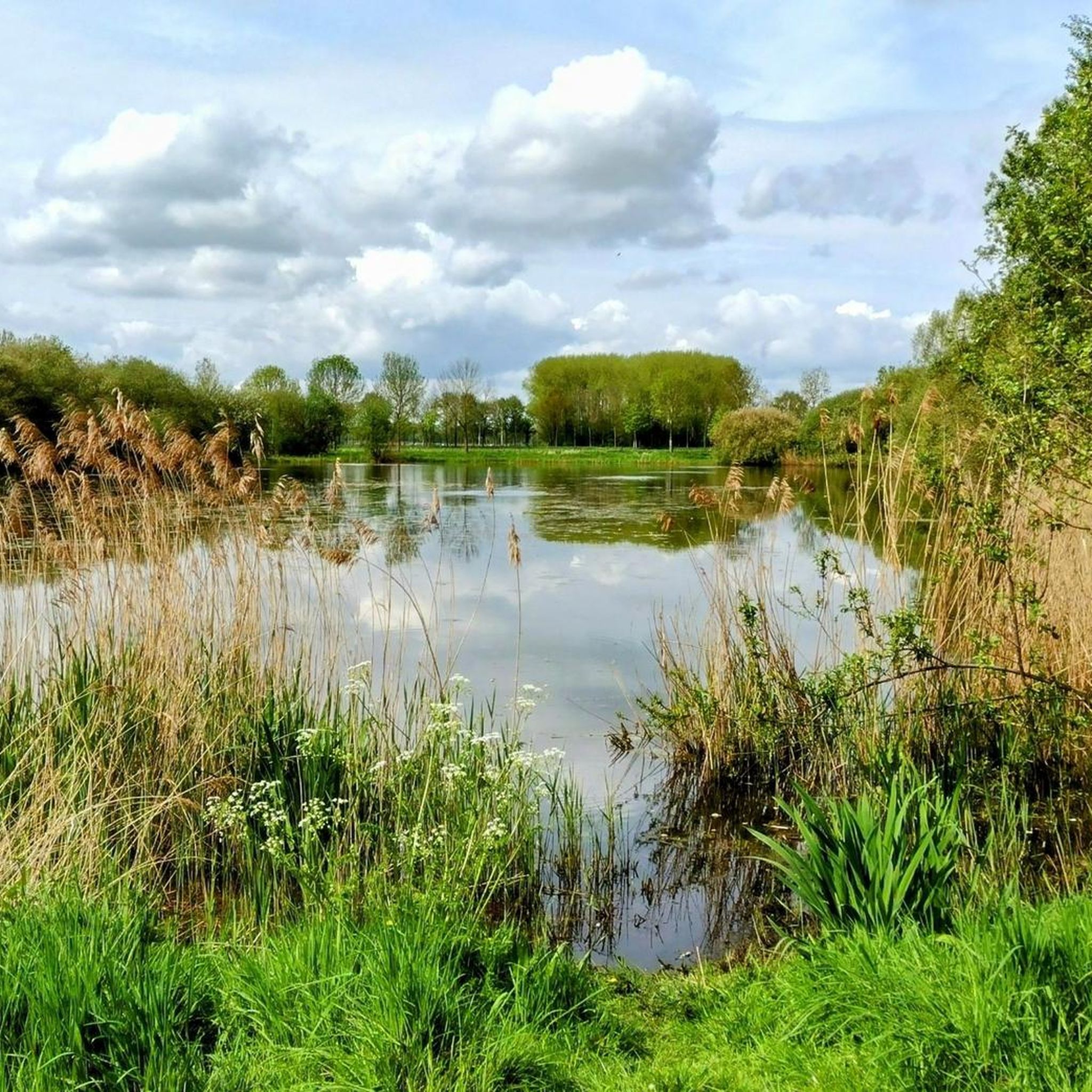
MTB Trails around Selfkant


Tips from the Community

The driveway to Terborgh Castle leads visitors along a stately path into the Geleenbeek Valley. Flanked by tall trees and bordered by greenery, the avenue emphasizes the historic allure of the castle that has dominated the valley since the Middle Ages. As the cobblestones or gravel crunch underfoot or underfoot, the silhouette of the castle and its outbuildings unfolds at the end of the avenue. The driveway not only provides access to the castle but also an atmospheric transition from the village and countryside to the tranquil world around Terborgh.
0
0

The present castle is a building partially surrounded by a moat and consists of three wings around a courtyard. The oldest part is the west wing, originally a fortified house, built between 1554 and 1563 by the brothers Wilhelm and Werner von dem Bongart. This wing contains the original Knights' Hall with a 16th-century fireplace. The south wing and the east wing were built between 1717 and 1719 on the orders of Baron Joseph Clemens von dem Bongart. Around 1726, the entrance gate was raised and in 1775 a domed tower with a lantern was added. Above the entrance gate in the center of the south façade is the coat of arms of the Barony of Von dem Bongart.
3
0

Text board: In het TROOR van de BOKKERIJDERS Terborgh Castle Terborgh Castle, probably one of the oldest castle grounds in the province of Limburg, formed one of the new centres of power in the region from the Eleventh Century onwards. The lordship of Schingen had the high jurisdiction and therefore handled criminal cases itself. The court of aldermen was located in the castle, where a large number of gang members were interrogated, tortured and sentenced. The castle dungeons, where the accomplices of the Gangs of the Bokkerijders were locked up, are still located to the right under the entrance gate. Due to a lack of sufficient prison space, Joannes Catsbergh jr., alias Henske va Nagelbeck, was locked up in the great hall of the castle. Despite the heavy block on his body, he managed to move to the adjacent chapel and walked on ecclesiastical immunity, hoping to escape death in this way. However, this immunity was not granted to him. On January 28, 1751, Geerlingh Daniëls from Wolfhagen died here in the castle dungeon, regarded by the judiciary as one of the leaders of the gangs during the first and second periods.
1
0


Here is a driveway with old trees or a bridge over the water before you reach the building in the courtyard
0
0

A beautiful driveway for parking the car along Terborg Castle.
0
0

In the inner courtyard there is a fine brasserie, very suitable for a break.
14
0
During the Eighty Years' War, the original village of Stevensweert was expanded into a fortified town by the Spanish in 1633. An earthen wall with seven bastions and five ravelins was built. Part of Stevensweert is under town protection. The fortifications can still be seen in the city's unique street pattern. Be sure to take a look at the Stevensweert-Ohé en laak regional museum. In 2007, the reconstruction of a small part of the fortifications began based on historical maps of a bastion, a rave line and the associated north side of Stevensweert.
17
0
Frequently Asked Questions
What kind of castles can I expect to find around Selfkant?
The Selfkant region, being Germany's westernmost point, offers access to a variety of historical castles primarily located just across the border in the Dutch province of Limburg. You'll find impressive ruins like Montfort Castle, restored castle farms such as Terborgh Castle, and even fortified towns like the Historic Center of Stevensweert. These sites range from medieval strongholds to more modern castle estates.
Are there family-friendly castles to visit near Selfkant?
Yes, several castles in the vicinity are suitable for families. Montfort Castle, for example, hosts events like 'Dag van het Kasteel' (Castle Day) which are geared towards families, and its visitor center offers insights into its history. The ruins themselves provide an engaging backdrop for exploration. Wijnandsrade Castle also offers a pleasant setting for a family outing with its brasserie.
Which castles offer dining or refreshment options?
You'll find several options for refreshments. Wijnandsrade Castle features a fine brasserie in its inner courtyard, perfect for a break. Terborgh Castle has a gasterij (inn/restaurant) and is located right next to a bicycle road, making it a great stop for cyclists. Montfort Castle also has a castle terrace that is open in good weather, serving coffee and local treats.
Can I explore castle ruins in the Selfkant area?
Absolutely. Montfort Castle is an impressive ruin, once one of the largest castles in the Netherlands, with restored towers and cellars that visitors can explore. Kasteel Millen, located right on the Dutch-German border, is another significant ruin with a 14th-century donjon and sections of its original ring wall still standing after restoration efforts.
Are there castles with significant historical stories or legends?
Yes, the region is rich in history. Terborgh Castle is particularly known for its connection to the 'Bokkerijders' gang, with dungeons where members were imprisoned and interrogated. Montfort Castle has a long history dating back to 1260, playing a crucial role in the Duchy of Guelders and even serving as a film set for historical stories.
What outdoor activities can I do near these castles?
Many castles are integrated into beautiful natural landscapes, offering opportunities for outdoor activities. Montfort Castle is a starting point for various walking and cycling routes through surrounding natural estates. Terborgh Castle is located next to a bicycle road and offers fishing in its moats. For more general outdoor activities, you can explore nearby routes like the 'Westernmost Point of Germany – Chapel 't Hout loop' for hiking or the 'Old Meuse – View of the Meuse River loop' for cycling. Find more inspiration on easy hikes, cycling tours, and hiking trails around Selfkant.
Are there any castles that are particularly good for cycling enthusiasts?
Yes, Terborgh Castle is an excellent stop for cyclists, as it's situated right next to a bicycle road and offers dining and refreshment options. Montfort Castle also serves as a starting point for cycling routes through the surrounding natural areas. Kasteel Millen is part of a bicycle and car itinerary network focused on 'Castles and Fortifications in the Eu-region Meuse-Rhine'.
What makes Kasteel Montfort a unique visit?
Montfort Castle stands out as one of the largest and oldest castle ruins in the Netherlands, dating back to 1260. Its unique elements include the atmospheric 14th-century eastern cellars, the ability to 'creep into the prison dungeon in the White Tower,' and the innovative design of its main tower, Grauwert. It also offers panoramic views and a visitor center detailing its rich history. You can find more details at visitzuidlimburg.com.
What is the historical significance of Kasteel Terborgh?
Terborgh Castle is considered one of the oldest castle grounds in Limburg, serving as a center of power from the 11th century. It held high jurisdiction and is infamous for its dungeons, where members of the 'Bokkerijders' gang were imprisoned, interrogated, and sentenced. The castle's history offers a fascinating glimpse into medieval justice and local legends. For more information, visit visitzuidlimburg.com.
Is Kasteel Millen worth visiting, given its location?
Kasteel Millen offers a unique historical perspective, particularly due to its location directly on the Dutch-German border. While its visitor center is minimal, the charm of the restored ruin, including a 14th-century donjon and sections of its original walls, makes it a worthwhile visit for those interested in the region's past and the evolution of defensive architecture. It's a testament to the turbulent history of border regions.
Are there any castles that offer guided tours?
Yes, guided tours are available at some locations. At Terborgh Castle, guided tours by the 'castle lord' are offered a few times a week, highlighting the dungeons and chapel. Montfort Castle also offers the possibility to visit with a guide, providing deeper insights into its history.
Can I find accommodations near these castles?
While many castles are historical sites, some offer unique accommodation experiences. For instance, some buildings at Terborgh Castle now function as holiday apartments and guesthouses, allowing visitors to stay within the historical ambiance. Additionally, the surrounding Selfkant region and nearby Dutch towns offer various lodging options.
Most popular routes around Selfkant
Most popular attractions around Selfkant

Get inspired with the komoot mobile app


Explore more
Looking for the best castles somewhere else? Discover other guides around Selfkant:
