The best cycling routes around Selfkant
4.5
(266)
1,499
riders
125
rides
Touring cycling around Selfkant offers a relaxed experience across a well-developed cycle path network in Germany's westernmost region. The landscape features rolling hills, green meadows, picturesque streams, and varied forest areas, providing scenic views. Cyclists can explore the Meuse River loop and the extensive heath landscapes of the Teverener Heide nature reserve. The region's terrain is mostly paved, making it suitable for various fitness levels.
Best touring cycling routes around Selfkant
- The most popular touring cycling route is Old Meuse…
Last updated: May 11, 2026
4.7
(30)
148
riders
54.3km
03:07
110m
110m
Moderate bike ride. Good fitness required. Mostly paved surfaces. Suitable for all skill levels.
5.0
(17)
84
riders
28.6km
01:50
70m
70m
Easy bike ride. Great for any fitness level. Mostly paved surfaces. Suitable for all skill levels.

Sign up for free
4.5
(12)
54
riders
37.9km
02:10
70m
70m
Moderate bike ride. Good fitness required. Mostly paved surfaces. Suitable for all skill levels.
4.5
(11)
49
riders
45.9km
02:42
180m
170m
Moderate bike ride. Good fitness required. Mostly paved surfaces. Suitable for all skill levels.
4.3
(8)
58
riders
Easy bike ride. Great for any fitness level. Mostly paved surfaces. Suitable for all skill levels.
Get access to more routes and recommendations from other explorers.
Sign up for free
Already have an account?
Our route recommendations are based on thousands of hikes, rides, and runs completed by other people on komoot.
Start today with a free account
Your next adventure awaits.
Login or Signup
Popular around Selfkant
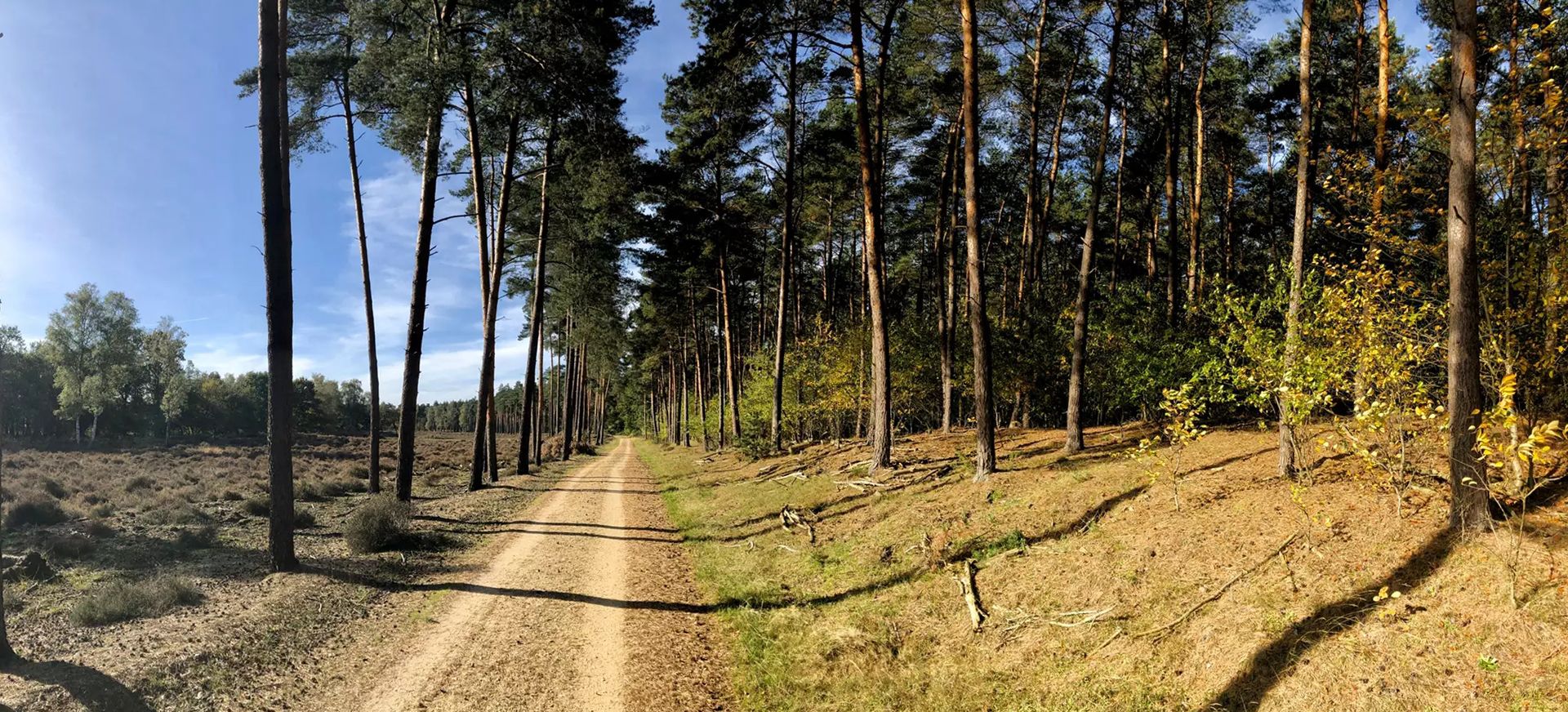
2-Country Route – Cycling from Germany to Netherlands
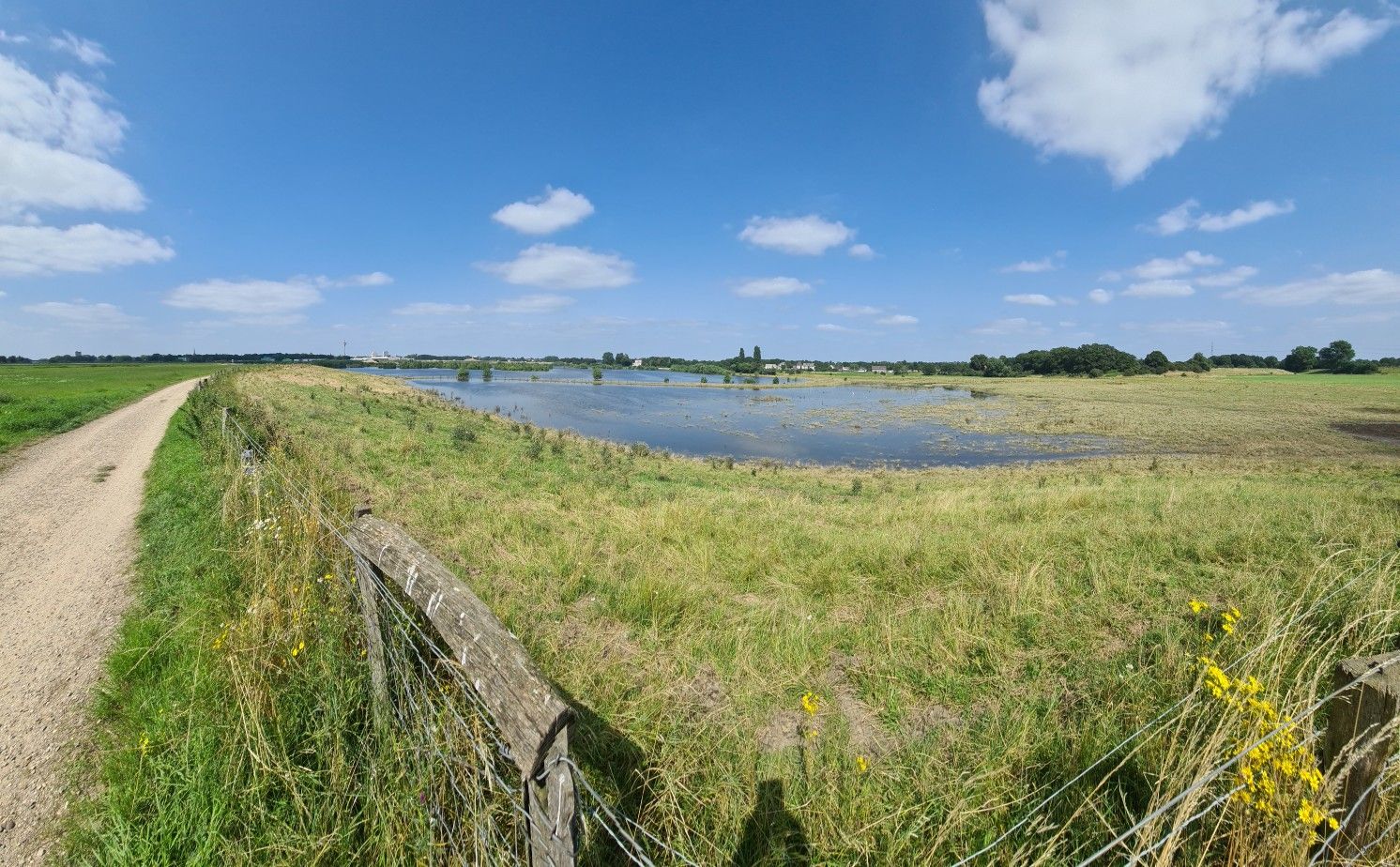
The way is the goal – Lower Rhein Route
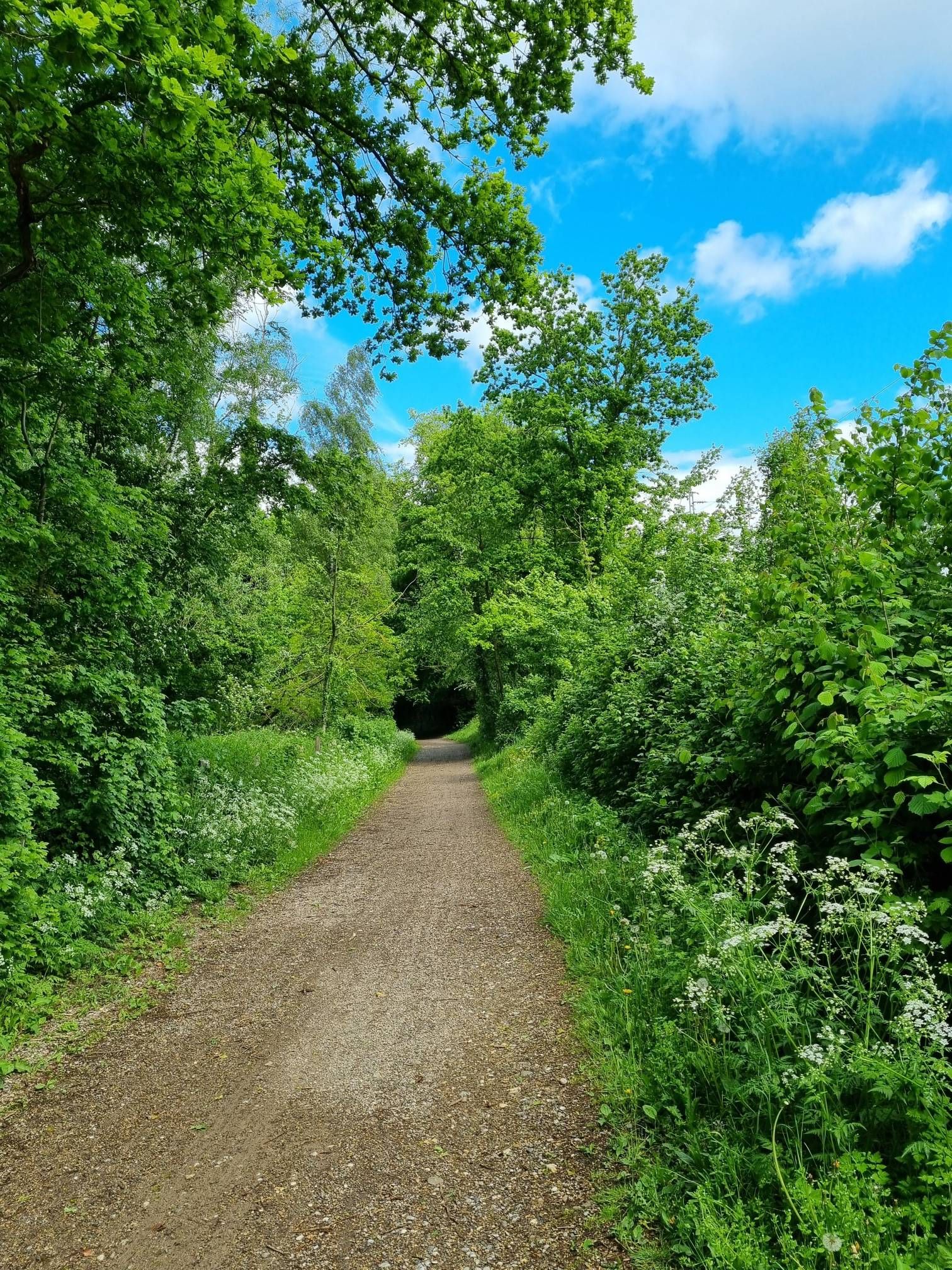
Landscape in transition – international cycling on the Green Route
Hiking around Selfkant
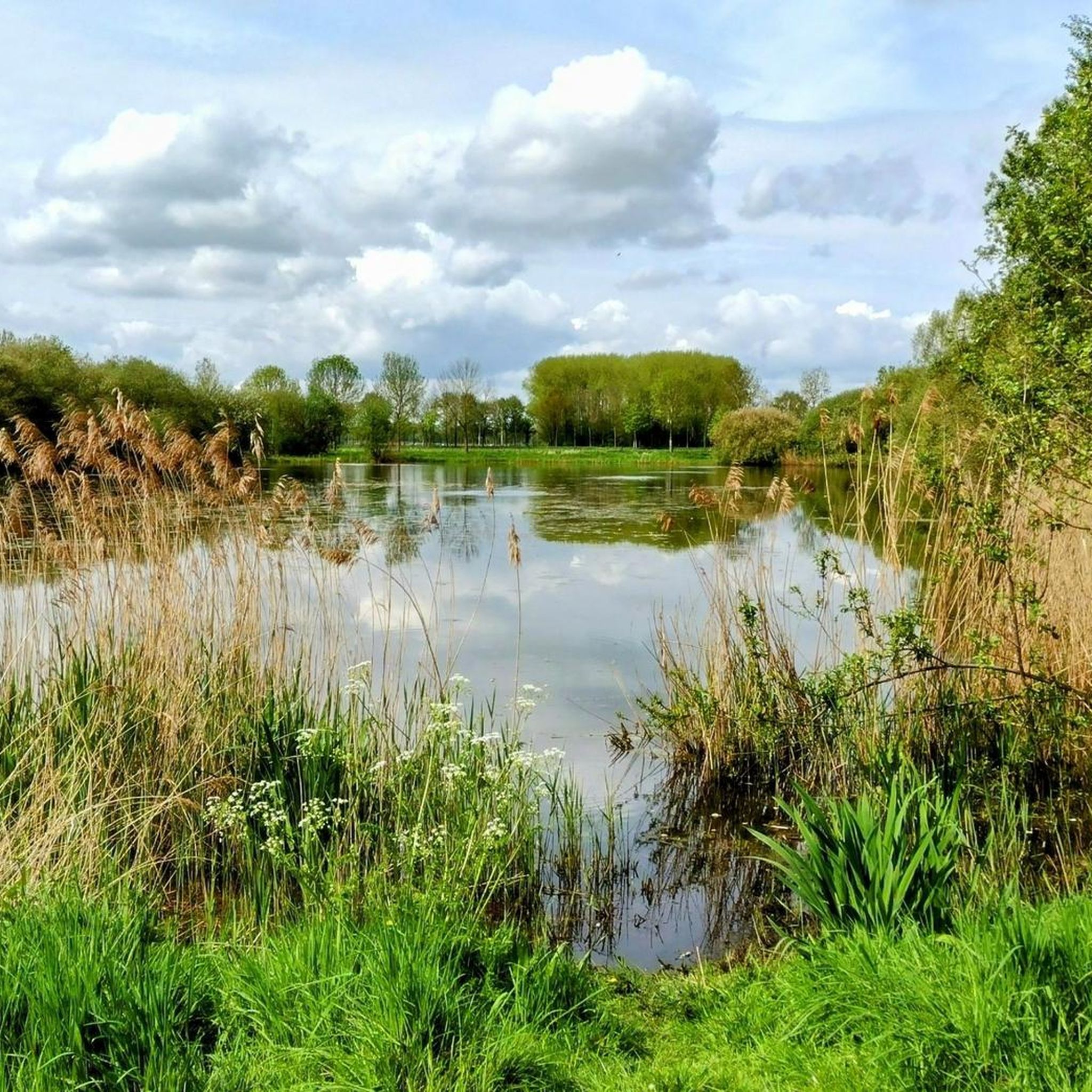
Road Cycling Routes around Selfkant
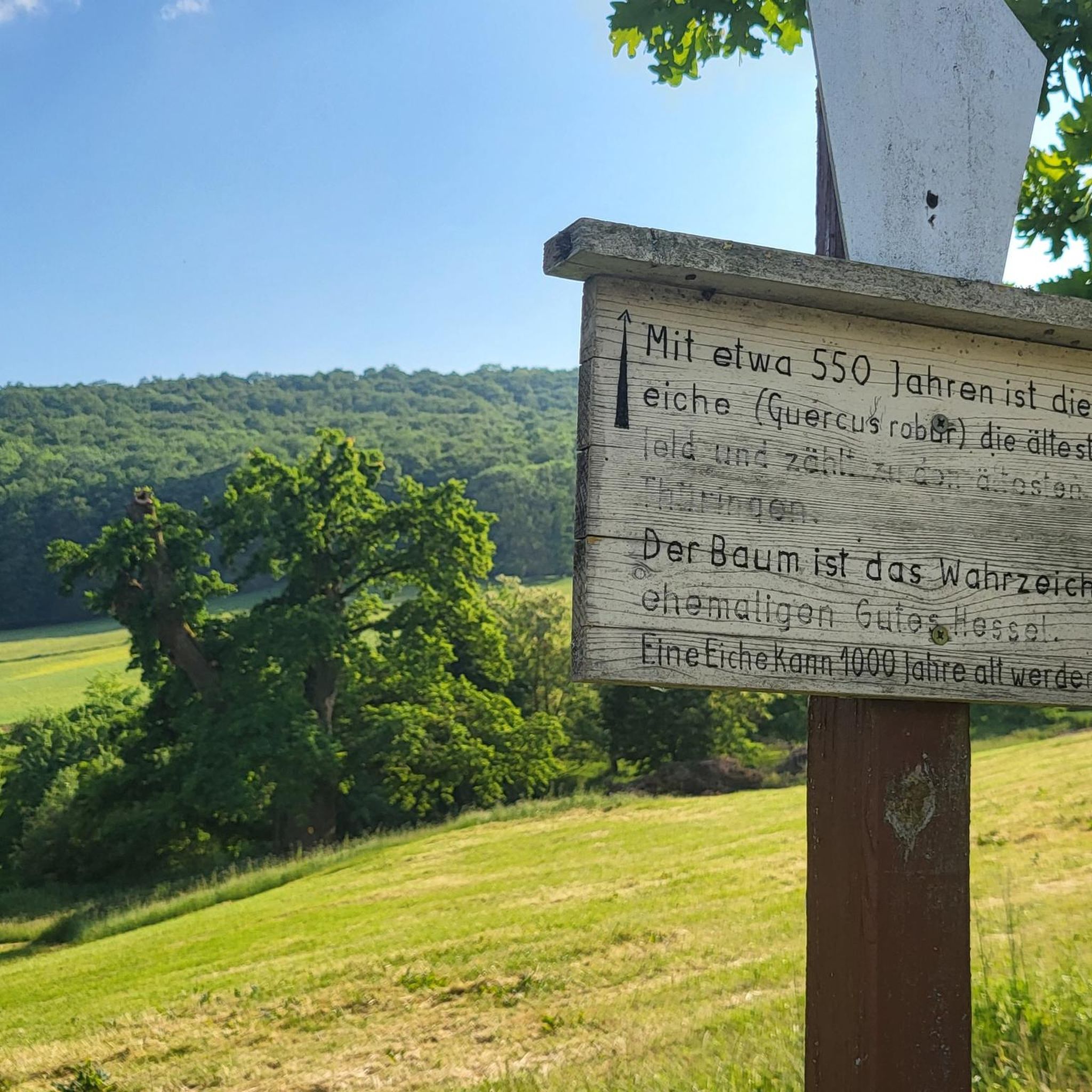
Gravel biking around Selfkant
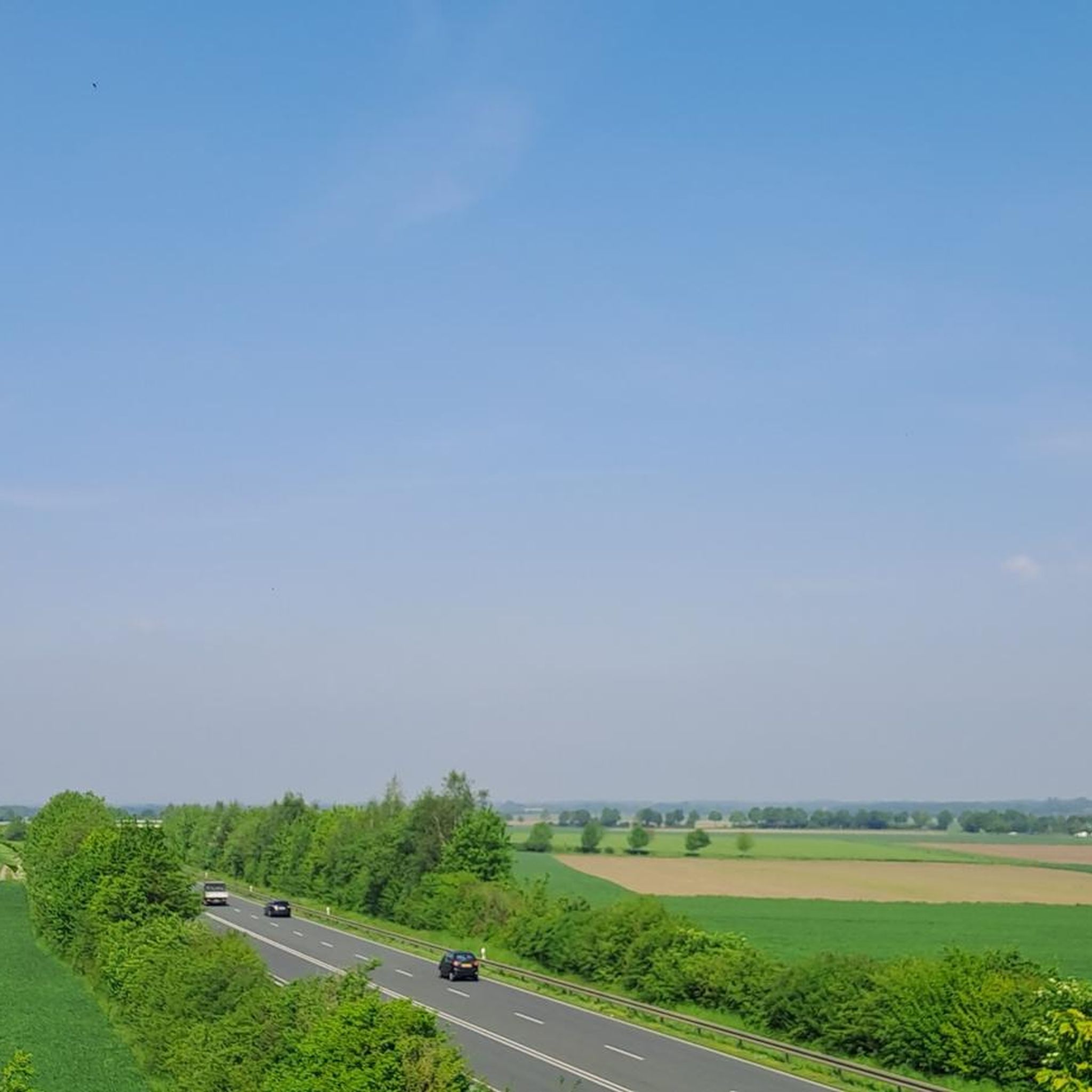
Running Trails around Selfkant
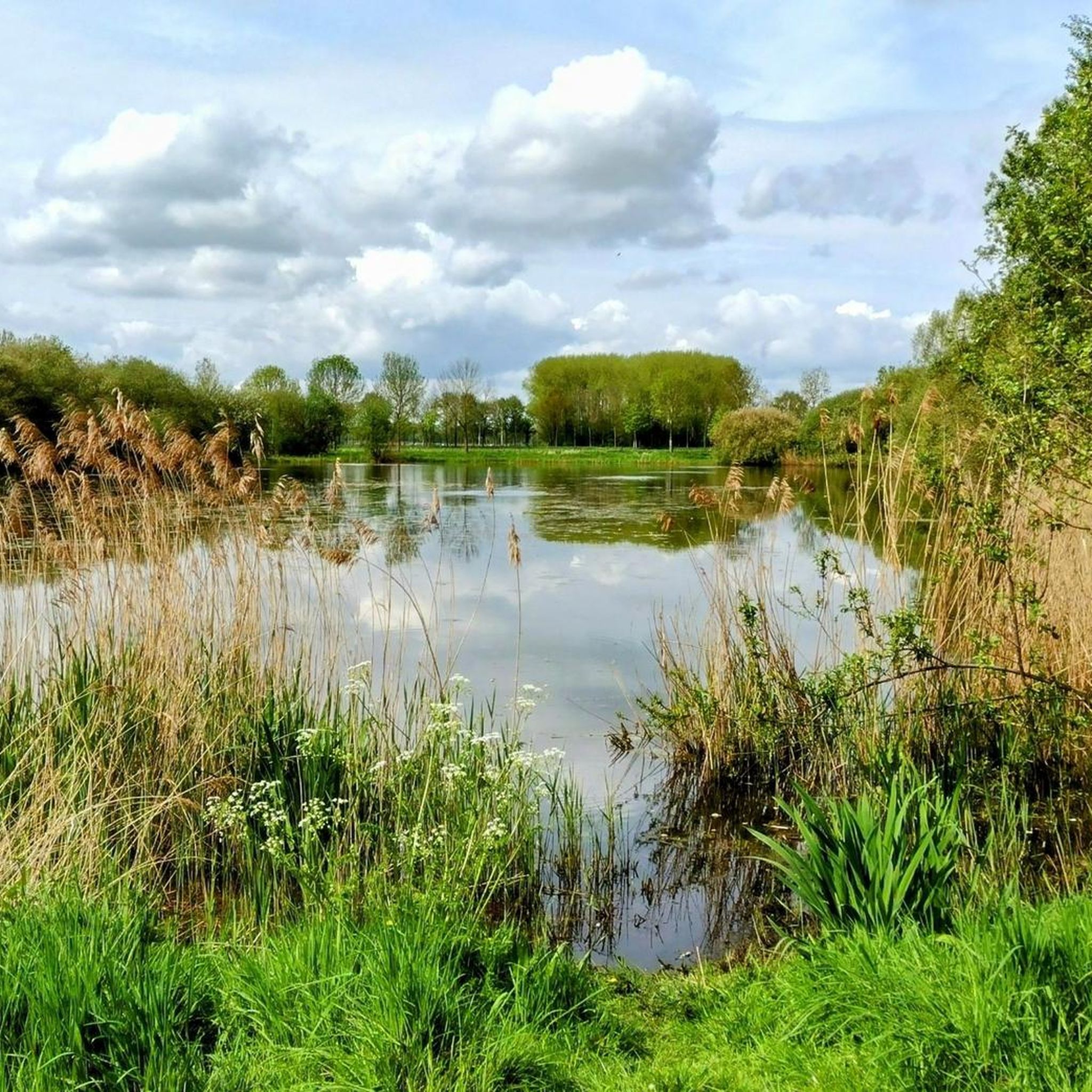
MTB Trails around Selfkant


Tips from the Community

From the bridge, you have a great view of the canal.
0
0

Near Dilsen-Stokkem (Belgium), in the cross-border nature reserve along the Meuse Valley around the De Wissen Visitor Center and the Negenoord-Kerkeweerd nature reserve, you'll regularly encounter Konik horses in the open floodplains and grasslands, along with other large grazers such as Galloway cattle. These horses are not domesticated pets, but are part of a consciously implemented nature management program aimed at keeping the river landscape as naturally dynamic and biodiverse as possible. The Konik horses here live freely in the floodplains and river landscapes year-round. Their presence is functional: grazing, they cut down the grass and maintain open grasslands. In places where cattle primarily keep shrubs and young trees short, the horses also ensure that herbs, flowers, and short grass are preserved. This combination allows these large grazers to create a diverse patchwork of open areas, coarse grasses, herb-rich thickets, and vegetated edges—exactly what many plant and animal species need to thrive. In the area around Stokkem, you often hear from local guides like the MaasVerkenner that you'll almost always see these horses during a walk, especially on the paths around the old Meuse branches and small lakes of Negenoord. These grazers are an important part of the river landscape experience, and they naturally regulate grazing management, allowing the landscape to develop into a rich ecosystem with countless bird species, insects, and plants that are rare elsewhere in Limburg. Hikers and nature lovers can often observe the Konik horses from the trails around De Wissen and the breeding banks of the Meuse. Because they are wild animals, it is advised to always keep a distance, not feed them, and not disturb their natural behavior. If you're lucky, you might see them grazing peacefully in the morning light or among colorful, herbaceous meadows—an impressive example of how nature management and ecology go hand in hand in this part of the Meuse Valley.
1
0

Even climb this bridge was raised a few years ago for shipping
0
0

Please note: only cash payments are possible here!
2
0

I am looking for a group of people with electric bicycles who would like to cycle with me in the Limburg region.
0
0

The Basilica of Saint Amelberg was built in the mid-11th century in the late Ottonian style. Before the year 1000, a small hall church already stood on the site of the current basilica. 7th-century sarcophagi were also found there. Many saints, such as King Zwentibold and Amelberga, whose unique (typically Maasland) shrine can be admired in the treasury, were buried here. Textiles and silverware dating back over a thousand years are preserved in the treasury. You will also find the Gospels from around 1020, one of the oldest books in the Netherlands. For more information or to book a tour, visit https://www.museumstiftsusteren.nl/ If the basilica is closed, you can also view it digitally by scanning the QR codes at the church entrance. Source: https://www.hetsmalstestukjenederland.nl/locaties/amelbergabasiliek-susteren-6124f947e58aa07a1c2e958f
3
0


Great natural landscape and beautiful cycle paths
2
0
Frequently Asked Questions
What kind of terrain can I expect when touring cycling in Selfkant?
Selfkant offers a relaxed cycling experience with a well-developed cycle path network. The landscape features rolling hills, green meadows, picturesque streams, and varied forest areas. Most routes have mostly paved surfaces, making them suitable for various fitness levels.
How many touring cycling routes are available in Selfkant?
There are over 130 touring cycling routes available in Selfkant. The majority, around 90 routes, are classified as easy, with 33 moderate and 10 difficult options, catering to a wide range of abilities.
What natural features and landmarks can I see along the cycling routes in Selfkant?
Cyclists can enjoy scenic views of the Meuse River loop and explore the extensive heath landscapes of the Teverener Heide Nature Reserve. Other notable natural areas include the Rodebachtal, Tüdderner Venn, and the cross-border nature reserves near Dilsen-Stokkem where wild Konik horses and Galloway cattle graze. You might also encounter the Brunssummerheide Nature Reserve and the Molenplas Tree Monument.
Are there any circular touring cycling routes in Selfkant?
Yes, Selfkant offers several circular routes. For example, the IJzerenbosch Forest – Maas River Dike Cycling Path loop from Saeffelen is a popular moderate option. Another is the View of Roermolen – Gangelt Wildlife Park loop from Nieuwstadt, which is an easy route.
What is the best time of year to go touring cycling in Selfkant?
The best seasons for cycling in Selfkant are spring and summer. During these months, the mild temperatures and blooming nature create an ideal environment for extended tours, allowing you to fully enjoy the region's picturesque landscapes.
Are there any family-friendly touring cycling routes in Selfkant?
Yes, with 90 easy routes and mostly paved surfaces, Selfkant is very suitable for family cycling. The relaxed cycling experience away from heavy traffic makes it safe and enjoyable for all ages. Consider routes that pass through historic villages or near attractions like the Gangelt Wildlife Park for added interest.
Can I find cafes or places to rest along the cycling routes?
Absolutely. Many routes in Selfkant pass by designated 'lucky spots' with inviting benches, perfect for a pause. Additionally, numerous cafes with outdoor seating are found along the routes, offering ideal spots for a relaxing break and refreshments.
What do other touring cyclists enjoy most about cycling in Selfkant?
The area is highly rated by the komoot community, with an average score of 4.5 stars from over 300 reviews. Reviewers often praise the well-developed cycle path network, the idyllic landscape with rolling hills and green meadows, and the relaxed, traffic-free cycling experience.
Are there any cross-border cycling opportunities from Selfkant?
Yes, Selfkant's unique location allows for exciting '2-Country' and even '3-Country' cycling routes. These routes link Germany with the Netherlands and Belgium, providing diverse landscapes and cultural experiences as you cycle across borders.
Where can I find parking for cycling routes in Selfkant?
While specific parking locations vary by route, the well-developed infrastructure of Selfkant means that starting points for many routes, especially those near villages like Tüddern or Saeffelen, typically offer convenient parking options for cyclists.
Are there any routes that offer views of the Meuse River?
Yes, several routes provide beautiful views of the Meuse River. A popular choice is the Old Meuse – View of the Meuse River loop from Tüddern. Another option is the Maaswerken at Illikhoven – View of the Meuse loop from Tüddern, which also offers scenic river vistas.
Are there any routes that include historic villages?
Many routes in Selfkant allow you to explore the region's rich history. The municipality includes ancient German villages such as Millen, Hillensberg, and Tüddern. Cycling along the Millener Bach stream, for instance, showcases a picturesque historic watermill ensemble.
Most popular routes around Selfkant
Most popular attractions around Selfkant

Get inspired with the komoot mobile app


Explore more
Browse the best Cycling routes in other regions.
