The best traffic-free bike rides around Selfkant
4.6
(311)
1,666
riders
77
rides
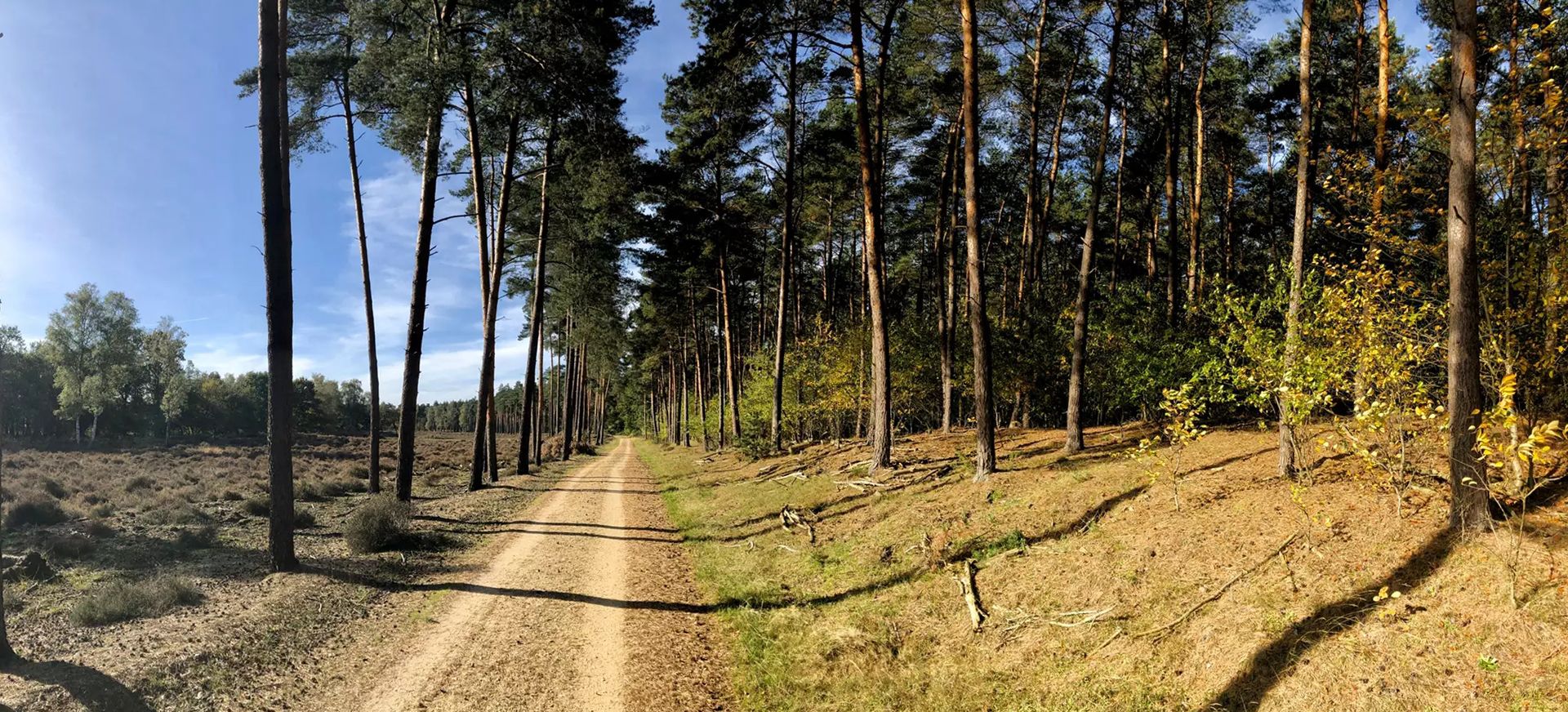
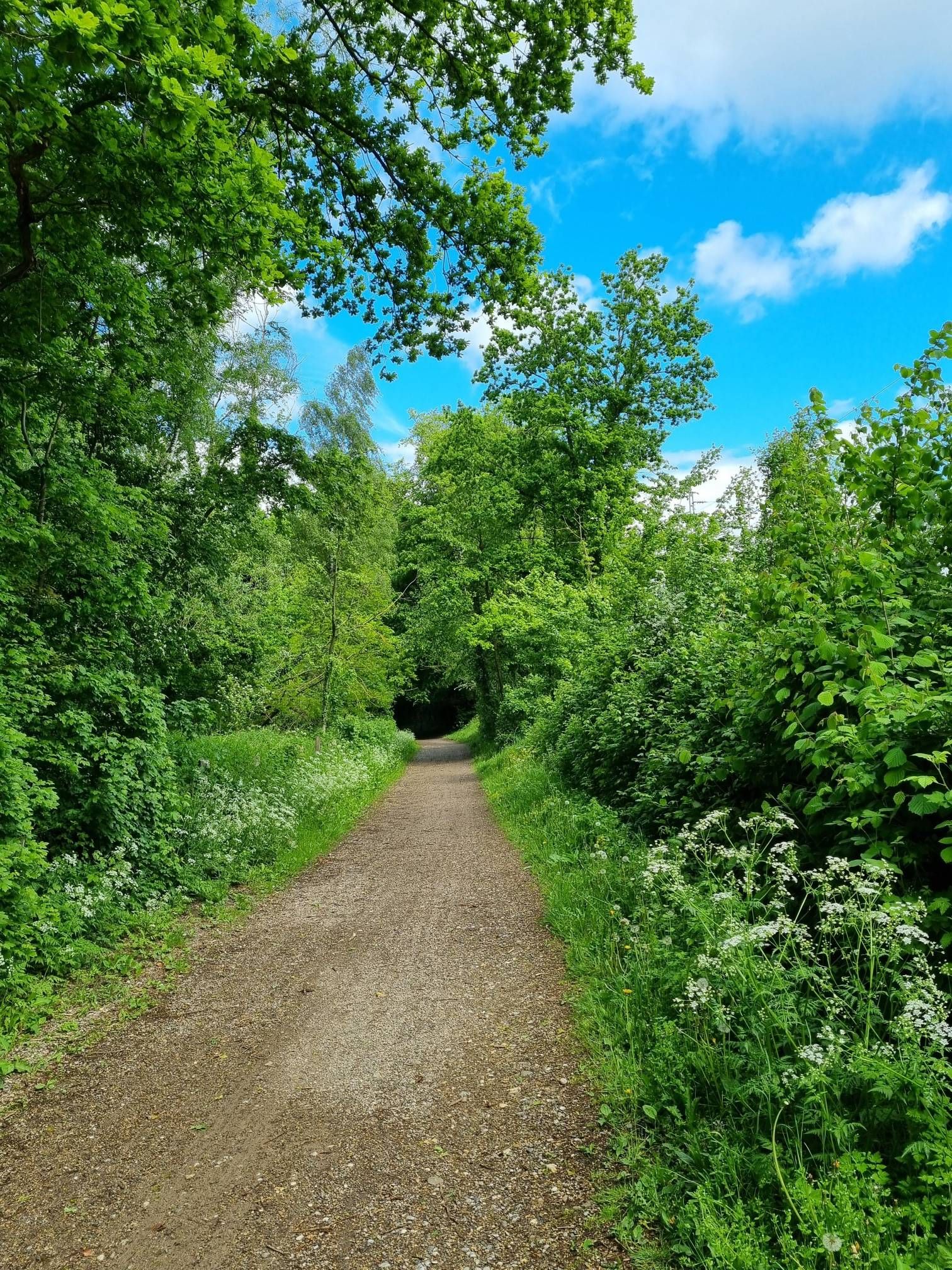
No traffic touring cycling routes around Selfkant are characterized by largely flat to gently rolling terrain and green meadows, making the region suitable for cyclists of all fitness levels. The area's proximity to the Dutch border allows for cross-border cycling experiences, connecting to the Limburg cultural landscape. Significant natural features include the Teverener Heide nature reserve and picturesque views of the Meuse River. Routes also lead along small streams and through diverse forest landscapes.
Best no traffic touring cycling routes…
Last updated: September 30, 2026
4.7
(40)
176
riders
54.3km
03:07
110m
110m
Moderate bike ride. Good fitness required. Mostly paved surfaces. Suitable for all skill levels.
5.0
(17)
83
riders
28.6km
01:50
70m
70m
Easy bike ride. Great for any fitness level. Mostly paved surfaces. Suitable for all skill levels.

4.4
(14)
59
riders
45.8km
02:42
170m
170m
Moderate bike ride. Good fitness required. Mostly paved surfaces. Suitable for all skill levels.
4.7
(22)
50
riders
Moderate bike ride. Good fitness required. Mostly paved surfaces. Suitable for all skill levels.
3.0
(1)
31
riders
53.6km
03:14
380m
380m
Hard bike ride. Good fitness required. You may need to push your bike for some segments of this route.
Get access to more routes and recommendations from other explorers.
Already have an account?
Our route recommendations are based on thousands of hikes, rides, and runs completed by other people on komoot.
Start today with a free account
Your next adventure awaits.


Tips from the Community

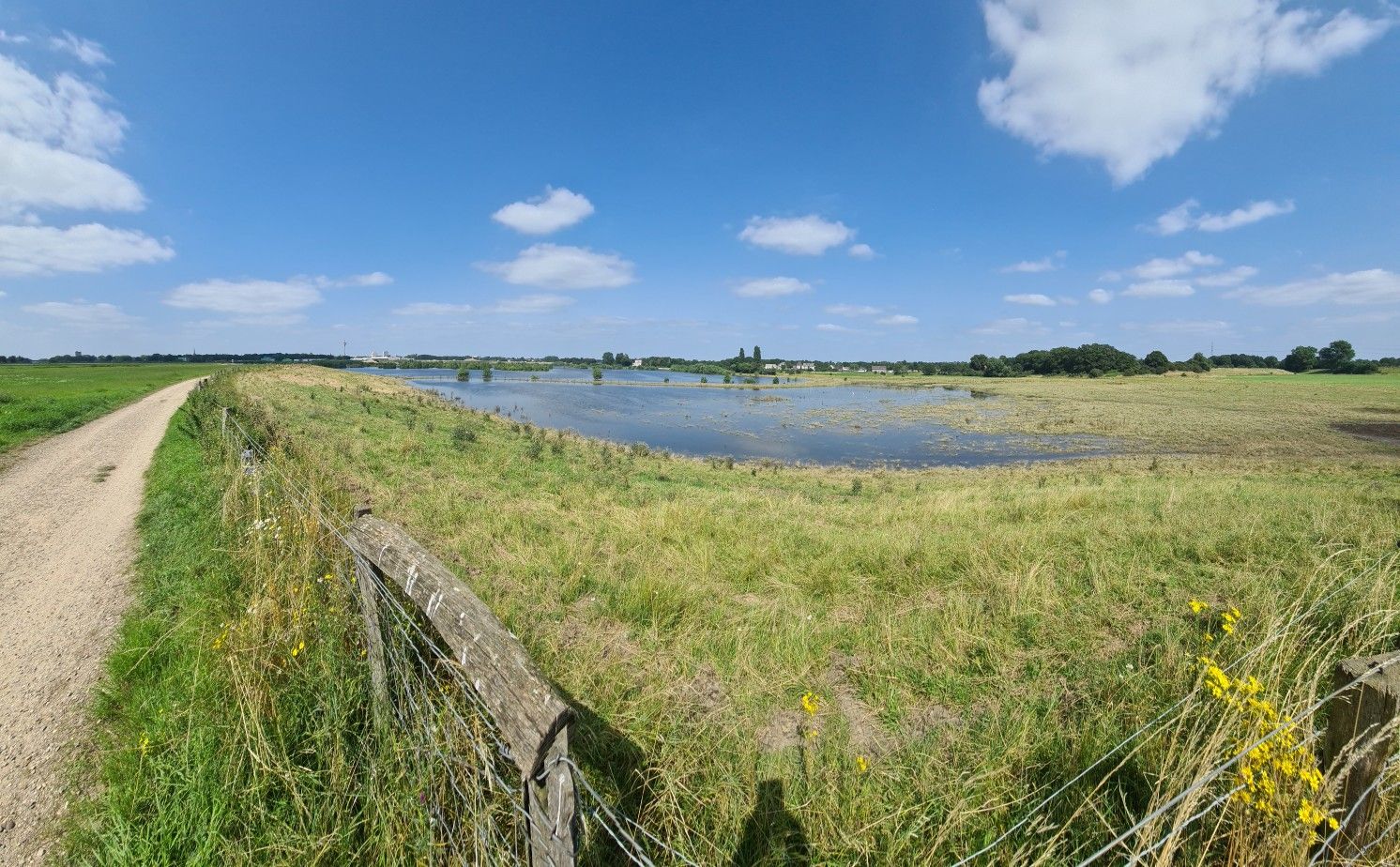
It is good cycling on the paved towpaths along the Meuse.
0
0

At the Van Tienhovenmolen, everything revolves around traditional milling. This authentic windmill is still used to process various types of grain into high-quality flour. Our products are available not only at the mill but also for delivery to local shops and businesses in the surrounding area. Due to work on the mill, the shop and webshop will be closed from July 19 to August 13, 2026.
9
0

The nature reserves in the cross-border River Park Maasvallei are managed by Natuurmonumenten and Staatsbosbeheer on the Dutch side, and by Limburgs Landschap and Natuurpunt on the Flemish side. To keep the rugged river nature in check and simultaneously introduce variation and dynamism to the landscape, they use large grazers. Without management, the areas would quickly become overgrown and dense with forest. Along the Maas, you almost exclusively see Galloway cattle and Konik horses. As permanent maintenance workers, they roam through the nature reserves. They graze, prune, fertilize, break open the soil with their hooves, and spread seeds via their coats and droppings. This keeps open spaces and allows a varied and rich landscape full of life to develop. Both the Galloways and the Koniks roam the areas year-round. They are strong, robust breeds built to live outdoors year-round without assistance. They are hardy, self-sufficient, and flexible. They adapt their coat, behavior, and digestion according to the conditions of the season. They find their own food and brave wind, rain, snow, and sunshine.
3
0

From the bridge, you have a great view of the canal.
0
0
A small chapel in the middle of a crossroads
3
0

Near Dilsen-Stokkem (Belgium), in the cross-border nature reserve along the Meuse Valley around the De Wissen Visitor Center and the Negenoord-Kerkeweerd nature reserve, you'll regularly encounter Konik horses in the open floodplains and grasslands, along with other large grazers such as Galloway cattle. These horses are not domesticated pets, but are part of a consciously implemented nature management program aimed at keeping the river landscape as naturally dynamic and biodiverse as possible. The Konik horses here live freely in the floodplains and river landscapes year-round. Their presence is functional: grazing, they cut down the grass and maintain open grasslands. In places where cattle primarily keep shrubs and young trees short, the horses also ensure that herbs, flowers, and short grass are preserved. This combination allows these large grazers to create a diverse patchwork of open areas, coarse grasses, herb-rich thickets, and vegetated edges—exactly what many plant and animal species need to thrive. In the area around Stokkem, you often hear from local guides like the MaasVerkenner that you'll almost always see these horses during a walk, especially on the paths around the old Meuse branches and small lakes of Negenoord. These grazers are an important part of the river landscape experience, and they naturally regulate grazing management, allowing the landscape to develop into a rich ecosystem with countless bird species, insects, and plants that are rare elsewhere in Limburg. Hikers and nature lovers can often observe the Konik horses from the trails around De Wissen and the breeding banks of the Meuse. Because they are wild animals, it is advised to always keep a distance, not feed them, and not disturb their natural behavior. If you're lucky, you might see them grazing peacefully in the morning light or among colorful, herbaceous meadows—an impressive example of how nature management and ecology go hand in hand in this part of the Meuse Valley.
2
0
Hidden in the gentle rolling hills of South Limburg lies the Mariakapel of Kelmond, a small but meaningful chapel that has been a place of peace, faith, and reflection for generations for residents and passers-by alike. Surrounded by greenery, country lanes, and the open landscape, this place exudes a modest simplicity that perfectly suits its spiritual function. The chapel was erected as an expression of popular devotion, a tradition deeply rooted in Limburg. Such Marian chapels often arose out of gratitude, for protection, or as a pilgrimage site for those seeking support in difficult times. This chapel too grew into a place of silence where one lights a candle, prays, or simply comes to oneself. Architecturally, the chapel is modest but characterful: a classic brick building with a gable roof, a niche with a statue of Mary, and often accompanied by a small bench or floral offering. Inside, a serene silence prevails, broken only by the whisper of the wind or the singing of birds outside. The chapel's location makes it extra special. From here, you look out over rolling fields and orchards, while walking and cycling routes regularly visit this spot as a resting point. The contrast between the open landscape and the seclusion of the chapel enhances the feeling of tranquility. The Mariakapel of Kelmond is not a grand monument, but that is precisely what makes it so powerful: a modest beacon of silence, a place where landscape and faith meet, and where time seems to stand still for a moment. 🌿🕯️
4
0

A beautiful castle to visit.
2
0
Frequently Asked Questions
How many no-traffic touring cycling routes are available in Selfkant?
Selfkant offers a wide selection of no-traffic touring cycling routes, with over 70 options available. These routes cater to various preferences, from easy to more challenging rides, ensuring there's something for every touring cyclist.
Are there easy no-traffic touring cycling routes suitable for beginners in Selfkant?
Yes, Selfkant is known for its largely flat to gently rolling terrain, making it ideal for less experienced cyclists. Over 50 of the available no-traffic touring routes are rated as easy, perfect for a relaxed ride through picturesque landscapes.
Are the no-traffic touring cycling routes in Selfkant suitable for families with children?
Absolutely. The gentle terrain and dedicated cycle paths make many routes in Selfkant very family-friendly. The absence of traffic ensures a safer and more enjoyable experience for all ages. Consider routes that pass through charming villages for convenient stops.
Can I bring my dog on the no-traffic touring cycling routes in Selfkant?
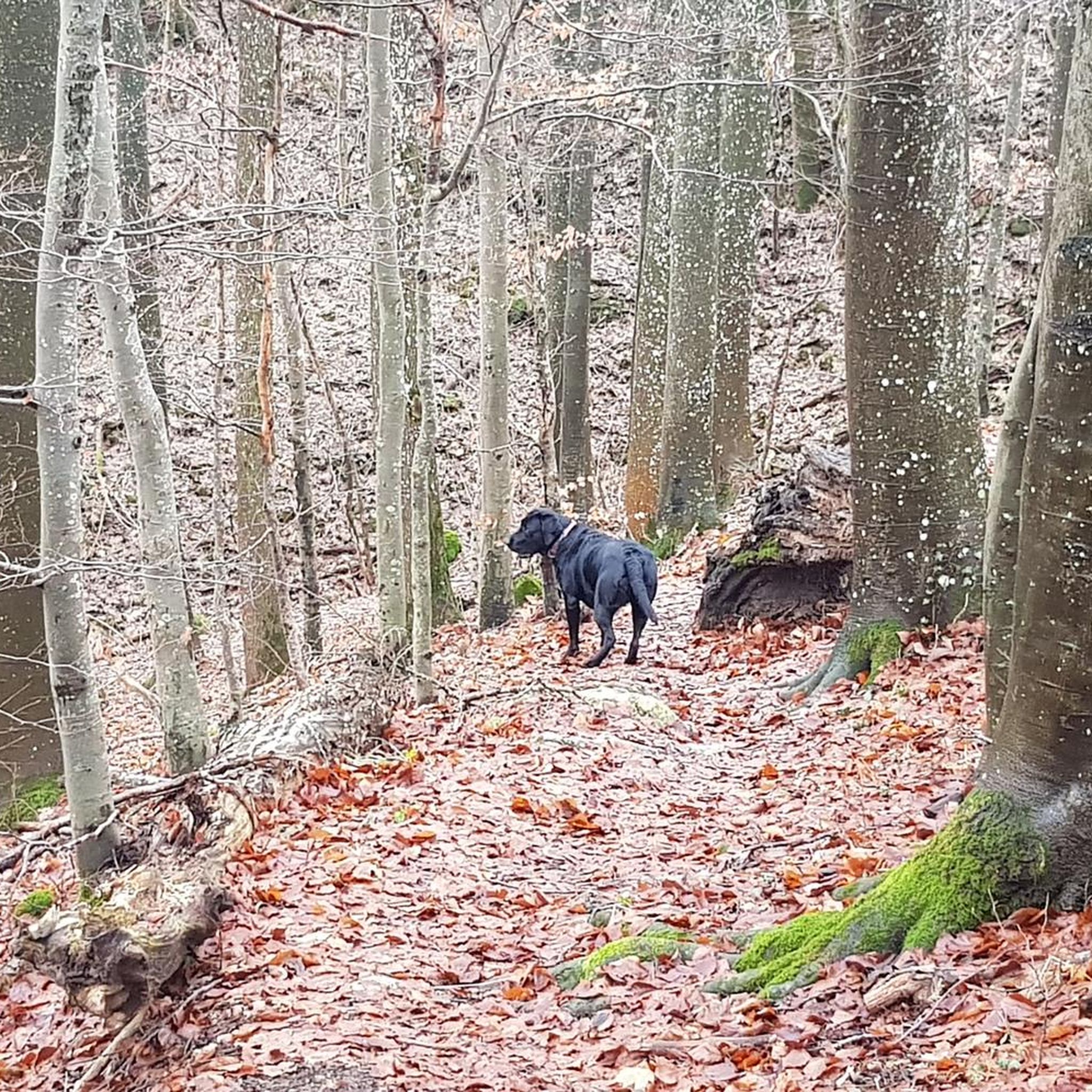
Many of the no-traffic touring cycling routes in Selfkant are suitable for cycling with dogs, especially those that traverse open landscapes and nature reserves like the Teverener Heide. Always ensure your dog is on a leash and respect local regulations, particularly in protected areas.
What kind of landscapes can I expect on these no-traffic routes?
You can expect diverse and idyllic landscapes, ranging from flat to gently rolling hills, green meadows, and picturesque streams. Many routes offer views of the Meuse River and lead through forest landscapes, providing a varied and scenic cycling experience.
Are there any circular no-traffic touring cycling routes in Selfkant?
Yes, many of the no-traffic touring cycling routes in Selfkant are designed as loops, allowing you to start and end at the same point. An example is the Old Meuse – View of the Meuse River loop from Selfkant, which offers scenic river views.
What interesting landmarks or attractions can I see along the no-traffic touring cycling routes?
Selfkant's routes often pass through charming ancient villages and offer glimpses of historical sites. You might encounter the historic watermill ensemble along the Millener Bach stream. For natural beauty, consider routes near the Teverener Heide Nature Reserve or those with views of the Meuse River.
What do other touring cyclists enjoy most about touring cycling in Selfkant?
The area is highly rated by the komoot community, with an average score of 4.5 stars. Reviewers often praise the well-developed, traffic-free cycle paths, the peaceful natural scenery, and the opportunity to explore charming villages and cross-border landscapes into the Netherlands.
Are there opportunities to cross into the Netherlands on these routes?
Yes, Selfkant's location directly on the Dutch border allows for unique cross-border cycling experiences. Several routes connect to the Limburg cultural landscape, offering international routes and the chance to visit attractions like the Sint-Amelbergabasiliek in Susteren.
Where can I find parking or access these routes via public transport?
While specific parking details vary by route, many routes start from villages with public parking facilities. For public transport, regional bus services connect Selfkant's villages, though checking schedules and bike transport options in advance is recommended. The well-developed cycle junction system makes navigation easy once you've arrived.
What is the best time of year to enjoy no-traffic touring cycling in Selfkant?
The spring and autumn months generally offer the most pleasant conditions for touring cycling in Selfkant, with mild temperatures and beautiful scenery. Summer is also popular, but it's advisable to start earlier in the day to avoid the midday heat. The region's flat terrain makes it accessible for much of the year.
Are there any routes that offer views of the Meuse River?
Yes, several no-traffic touring cycling routes in Selfkant provide picturesque views of the Meuse River. For example, the IJzerenbosch Forest – Maas River Dike Cycling Path loop from Saeffelen offers extensive views along the river dike.
Most popular routes around Selfkant
Most popular attractions around Selfkant

Get inspired with the komoot mobile app


Explore more
Browse the best Cycling routes in other regions.
