The best walks and hikes around Barsinghausen
4.6
(4838)
17,933
hikers
428
hikes
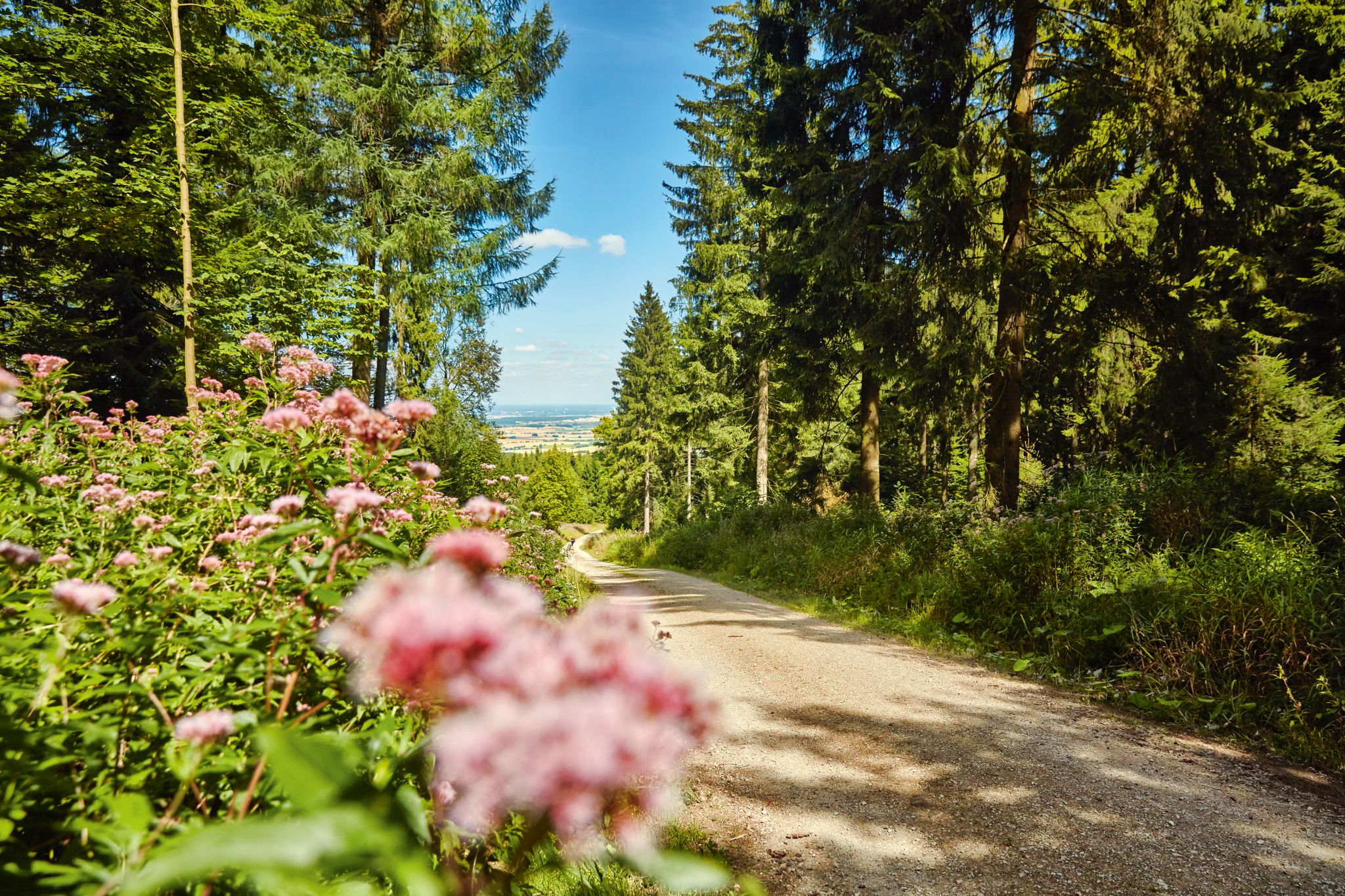
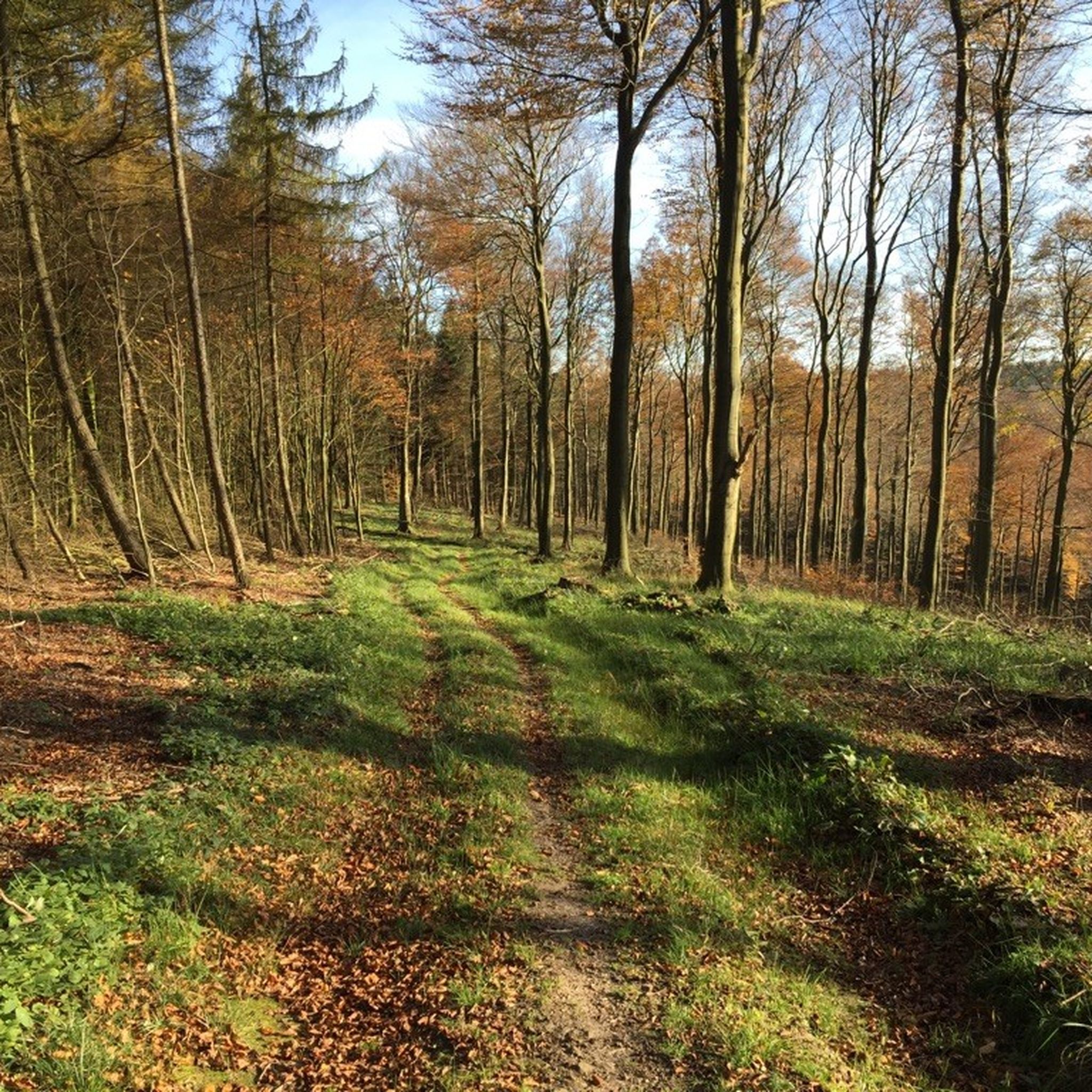
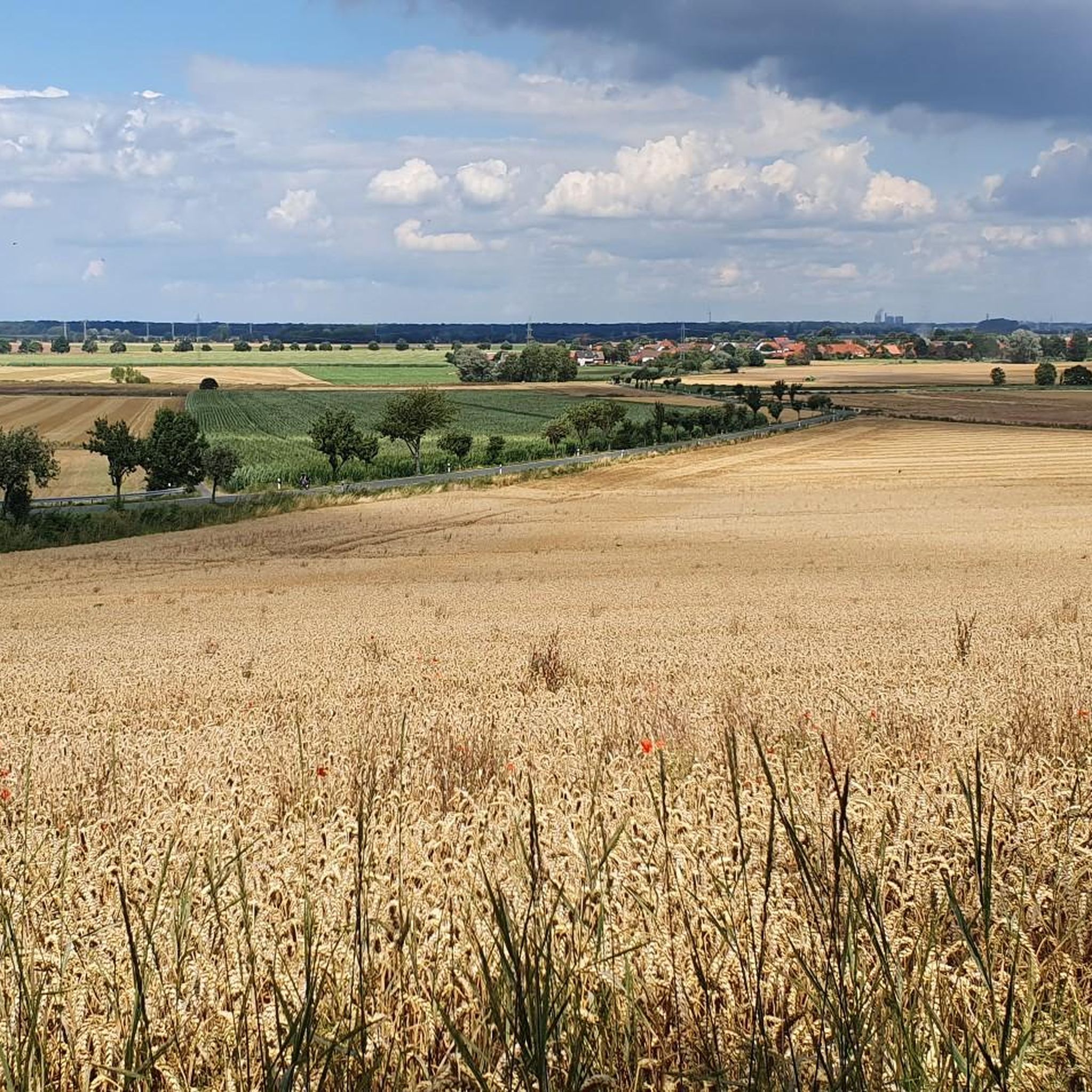
Hiking around Barsinghausen offers a diverse landscape characterized by the Deister hills, which form the northernmost outpost of Germany's low mountain ranges. The region features extensive beech, oak, and spruce forests, along with picturesque river landscapes such as the Leine and Ihme. Barsinghausen is situated within the scenic Deister-Süntel Valley, providing varied terrain for outdoor activities.
Best hiking trails around Barsinghausen
- The most popular hiking route is Black gold in the Deister – Fuchsbachtal Deister coal trail, a 5.97…
Last updated: June 26, 2026
4.3
(115)
463
hikers
9.61km
02:42
200m
200m
Moderate hike. Good fitness required. Easily-accessible paths. Suitable for all skill levels.
4.7
(316)
854
hikers
13.5km
03:54
340m
340m
Moderate hike. Good fitness required. Easily-accessible paths. Suitable for all skill levels.

Sign up for free
4.7
(299)
904
hikers
Moderate hike. Good fitness required. Easily-accessible paths. Suitable for all skill levels.
4.7
(266)
862
hikers
15.8km
04:29
340m
340m
Moderate hike. Good fitness required. Easily-accessible paths. Suitable for all skill levels.
4.7
(177)
570
hikers
8.49km
02:19
130m
130m
Moderate hike. Good fitness required. Easily-accessible paths. Suitable for all skill levels.
Get access to more routes and recommendations from other explorers.
Sign up for free
Already have an account?
Our route recommendations are based on thousands of hikes, rides, and runs completed by other people on komoot.
Start today with a free account
Your next adventure awaits.
Login or Signup
Other adventures around Barsinghausen

Tips from the Community

Unfortunately, direct access to the meadows is not possible
0
0
Somewhat unusual rest stop bench at the crossroads, really for relaxing
0
0
Short, but sweaty climb on the Calenberger Weg
0
0
Even in the rain, still a beautiful view
0
0

The Nienstedter Blick lies above this rock formation and can be reached via a small path on the left.
1
0
The Schwedenfindling or also Deisterfindling is a glacial erratic that was found in 2012 in the Deister near Egestorf. In 2020, it was designated as a natural monument under the designation „Deister- or Schwedenfindling“. The unusual altitude of 365 m above sea level at the find spot is of scientific importance. It proves that the Deister, contrary to previous assumptions, was glaciated up to its ridge during at least one of the last three ice ages. Glacial erratics are not transported this far on the surface of glaciers. A glacier thickness of at least 50 m would have been required to transport such a heavy erratic. Therefore, it is assumed that the glacier crossed the mountains, which are a maximum of 405 m high. Gradient calculations result in an ice cover of up to 500 m for present-day Hanover. Source: https://de.wikipedia.org/wiki/Schwedenfindling
1
0
A small, stony path leads left past the hut to the Alte Taufe, about 100 m away.
1
0
The „Schweden-Findling“ (Swedish Boulder) was found in 2012 by a member of the Natural History Society of Hannover under the root plate of a spruce that had fallen in winter, at an altitude of 365 m above sea level. It weighs 100 kg and has the dimensions 55 x 37 x 34 cm. Its dimensions are not comparable to spectacular finds in the wider area, which were made at much lower altitudes. An example is the boulder found in 2013 near Ostermunzel (municipality of Barsinghausen) at an altitude of about 60 m above sea level, made of Scandinavian gneiss, which weighs 27.5 tons and has a circumference of approx. 10 m. You can reach the Schweden-Findling by walking about 1.5 km along the road and footpath that leads from the car park at Nienstedter Pass to the Nordmannsturm. The boulder and an information board are located directly by the path. From there, it is just under 500 m to the Nordmannsturm. The Schweden-Findling was unequivocally identified by glacial erratic experts as Hardeberga sandstone, a very dense and hard sandstone from the region of Scania in southern Sweden. The Hardeberga deposits were formed about 540 million years ago in the Cambrian period. These deposits have become very strongly consolidated and are much harder than the comparatively weakly consolidated, much younger sandstones from the Cretaceous period that form the Deister. Source: https://schwedenfindling.n-g-h.org/
1
0
Frequently Asked Questions
What kind of hiking terrain can I expect around Barsinghausen?
Barsinghausen is nestled between the Deister hills and the foothills of the Weserbergland, offering diverse terrain. You'll find extensive beech, oak, and spruce forests, rolling hills, and tranquil river valleys along the Leine or Ihme. The Deister hills, in particular, provide numerous trails, some leading through dense forests and others offering panoramic views from higher points.
Are there easy hiking trails suitable for beginners or casual walkers?
Yes, Barsinghausen offers a good selection of easy trails. Out of over 400 routes, more than 270 are classified as easy, making them perfect for beginners, families, or those looking for a relaxed stroll. These routes often feature gentle gradients and well-maintained paths.
What are some notable landmarks or viewpoints I can discover while hiking?
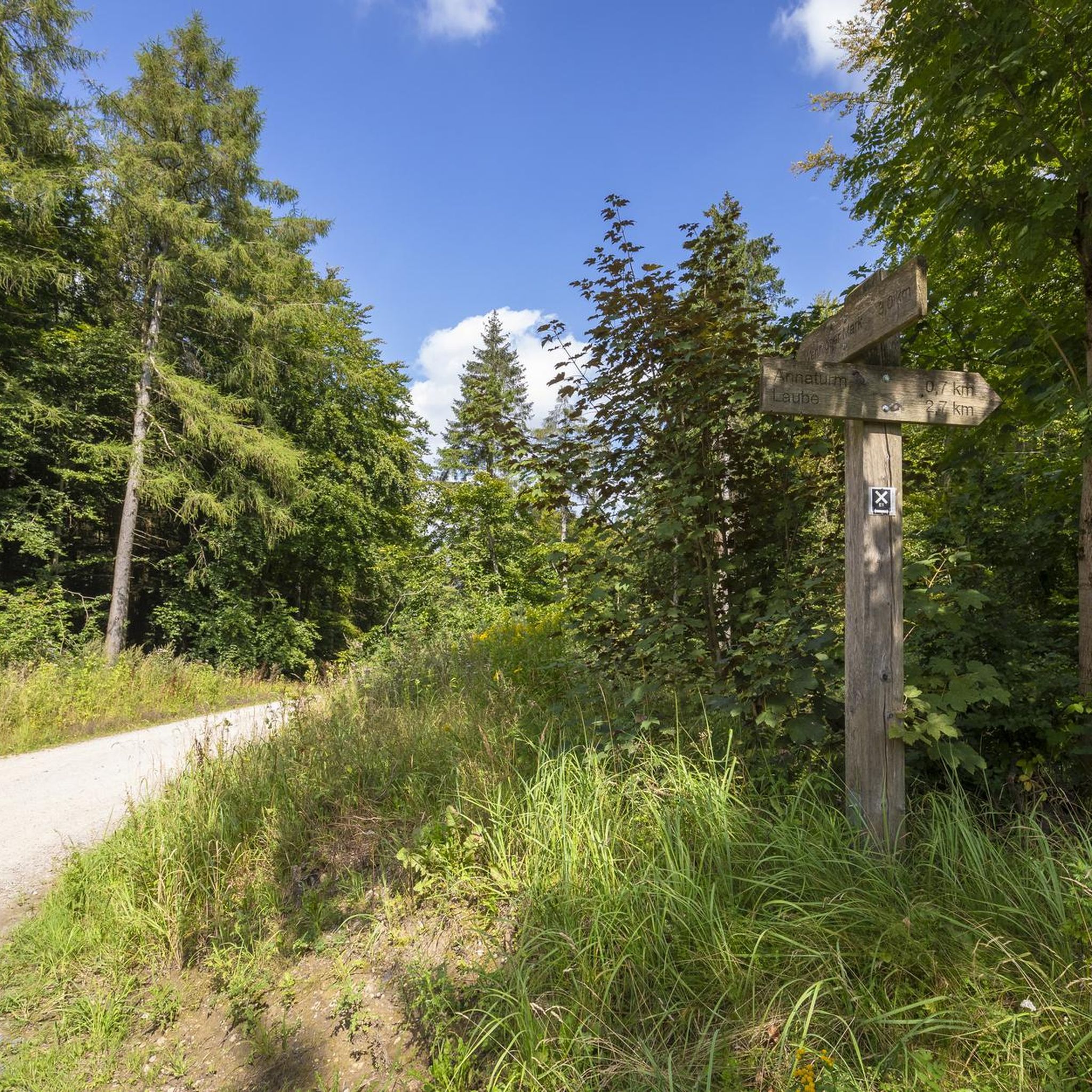
The region is rich in interesting sights. You can visit the Annaturm or Nordmannsturm, both offering excellent panoramic views and featuring forest inns. The Wennigsen Waterwheels are a charming attraction, and the Old Baptismal Font is a unique natural monument. You can also explore sites related to the area's mining history, such as those found on the Black gold in the Deister – Fuchsbachtal Deister coal trail.
Are there any circular hiking routes in Barsinghausen?
Many of the hiking routes around Barsinghausen are designed as circular loops, allowing you to start and end at the same point. For example, the View of Rodenberg – Belvedere Tower (Strutzberg Tower) loop from Barsinghausen is a popular circular trail that takes you through the Deister hills.
Can I hike with my dog in Barsinghausen?
Generally, the forests and trails around Barsinghausen are dog-friendly. It's always recommended to keep your dog on a leash, especially in nature reserves or near wildlife, and to clean up after them. There are plenty of paths suitable for walks with your canine companion.
Are there family-friendly hiking options available?
Yes, Barsinghausen is a great destination for families. The 'Forest Spirits' Adventure Trail is specifically designed for children, offering an engaging way to explore nature. Many of the easy trails are also suitable for families with younger children, providing accessible and enjoyable outdoor experiences.
What is the best time of year to go hiking in Barsinghausen?
The best seasons for hiking in Barsinghausen are spring and autumn. In spring, the natural landscapes are particularly vibrant with new growth. Autumn transforms the region into a colorful spectacle of golden leaves, making it a beautiful time to explore the trails. The climate during these seasons is generally mild and pleasant for outdoor activities.
Where can I find refreshments or places to eat along the trails?
Several forest inns and restaurants are conveniently located along popular hiking routes. You can stop for a break at the Annaturm Forest Inn, the Nordmannsturm forest restaurant, or the Mooshütte Forest Inn. These spots offer welcoming stops for refreshments and meals.
How can I get to the trailheads in Barsinghausen?
Barsinghausen is accessible by public transport, with an S-Bahn station that can serve as a starting point for various hikes. Many trailheads also offer parking facilities for those arriving by car. Specific parking information can often be found on individual route descriptions.
What do other hikers enjoy most about hiking in Barsinghausen?
The hiking routes in Barsinghausen are highly rated by the komoot community, with an average score of 4.6 stars from nearly 4,000 reviews. Hikers often praise the diverse landscapes, the well-maintained trails through dense forests, and the rewarding panoramic views from the Deister hills. The variety of routes, from easy walks to more challenging ascents, is also frequently highlighted.
Are there any challenging hikes for experienced trekkers?
While many routes are moderate or easy, Barsinghausen does offer some more challenging options. There are 19 routes classified as difficult, featuring steeper ascents and longer distances. These trails often lead to the highest points in the Deister, providing a good workout and impressive vistas.
Most popular routes around Barsinghausen
Most popular attractions around Barsinghausen

Get inspired with the komoot mobile app


Explore more
Browse the best Hikes in other regions.
