Attractions and Places To See in San Jacinto Wilderness - Top 14
Best attractions and places to see in San Jacinto Wilderness include a diverse array of natural features and cultural sites. This "sky island" mountain range in Southern California spans varied ecosystems, from arid desert to sub-alpine forests. The region is characterized by towering peaks, extensive trail systems, and unique desert oases. It also holds cultural significance with sites important to the Cahuilla Native American people.
Best attractions and places to see in San Jacinto Wilderness
- The most popular attractions is…
Last updated: July 7, 2026
Tahquitz Peak
Highlight • Summit
Tip by

Humber Park
Highlight • Parking
Tip by
Sign up now to discover places like this
Get recommendations on the best single tracks, peaks, & plenty of other exciting outdoor places.
Sign up for free
Suicide Rock
Highlight • Summit
Tip by

Fuller Ridge Campground
Highlight • Rest Area
Tip by
Apache Spring Junction
Highlight • Trail
Tip by
Sign up for free to discover even more attractions in San Jacinto Wilderness.
Sign up for free
Already have an account?
Start today with a free account
Your next adventure awaits.
Login or Signup

Other adventures in San Jacinto Wilderness

Tips from the Community


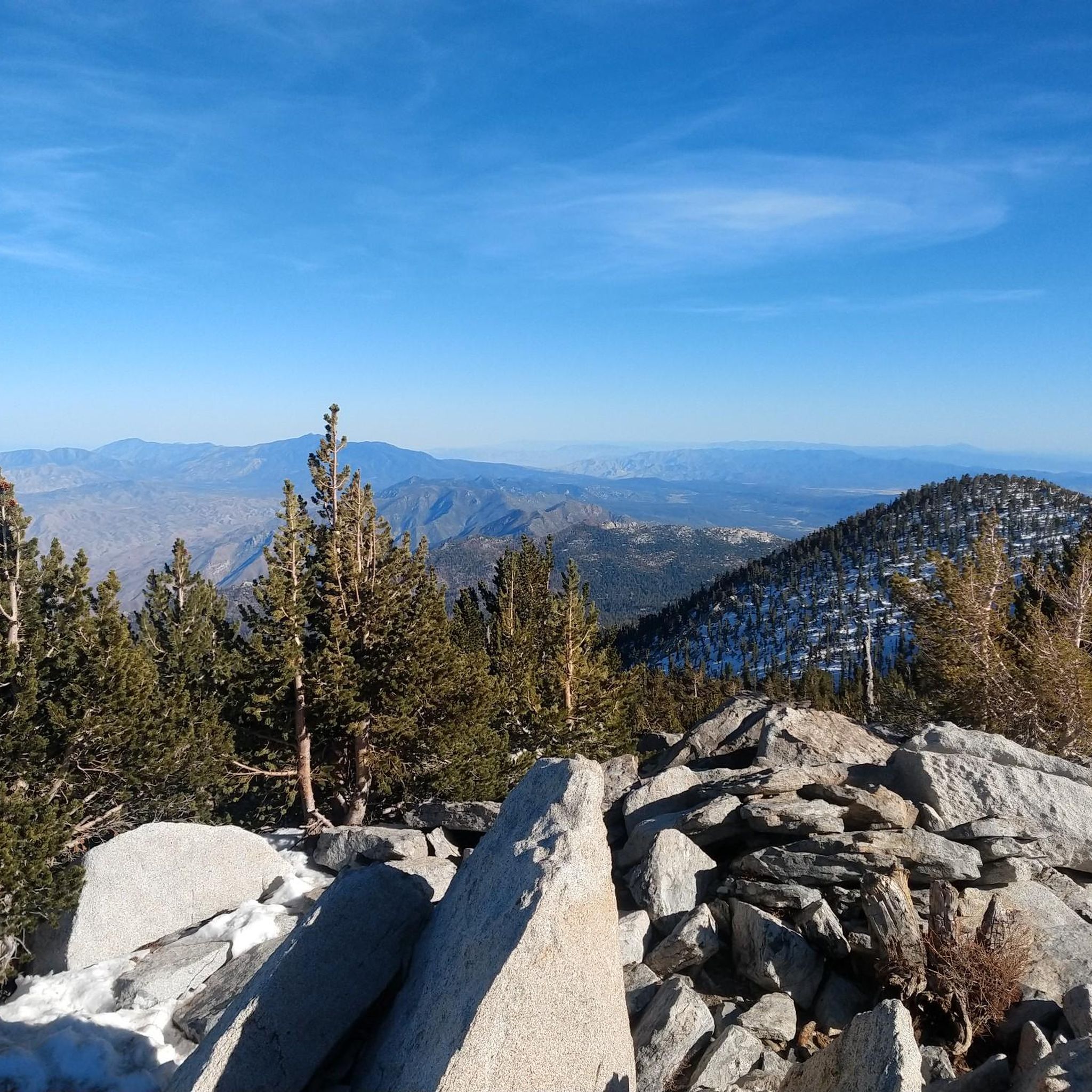
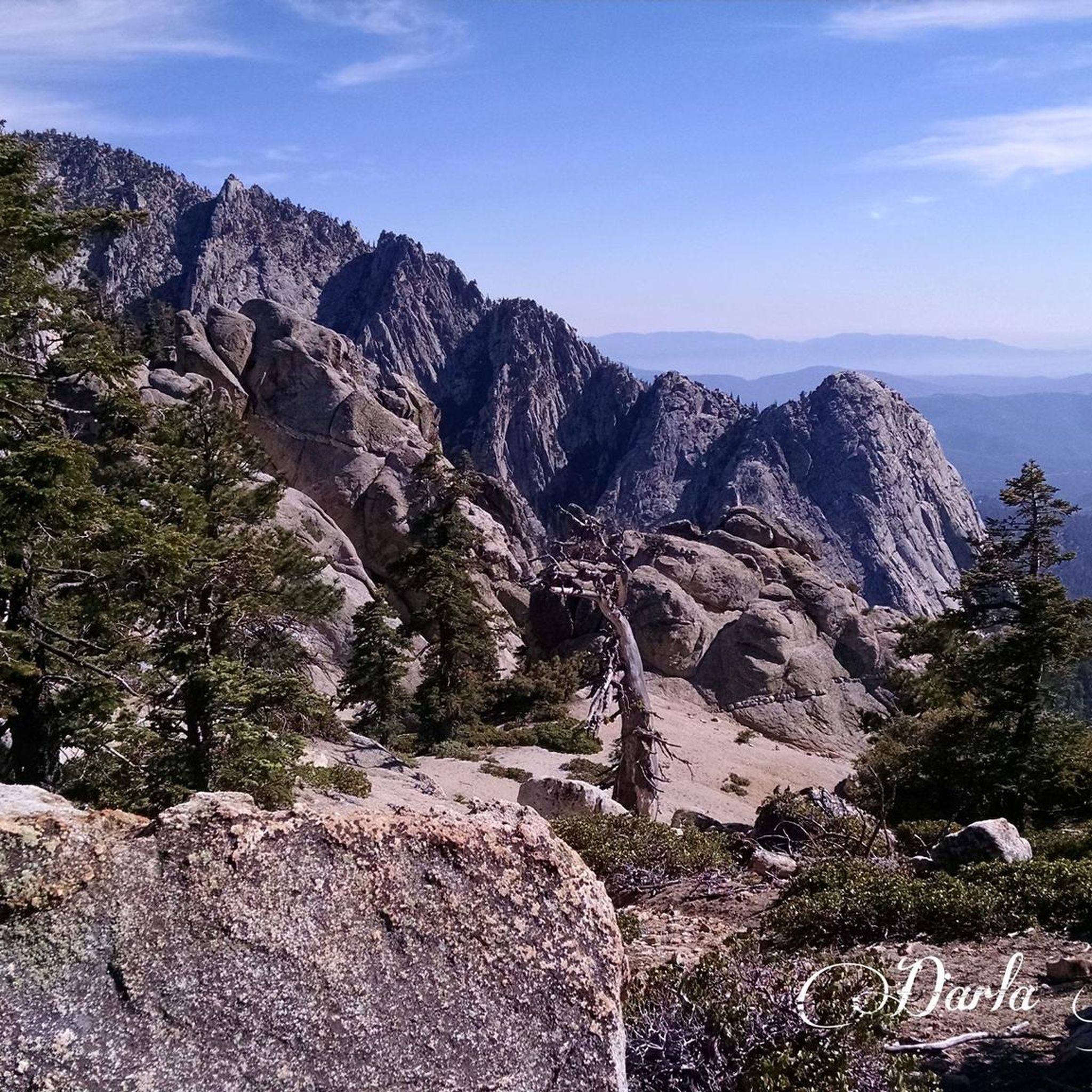
After the climb, hikers are greeted with a large slab of granite with 360 views of the surrounding mountains. Swing by the San Jacinto Ranger Station office to grab a simple permit to hike.
0
0
This structure sits on Tahquitz Peak, at an elevation of 8,846 feet. The fire lookout was built in 1937, and is the highest lookout tower in the San Bernardino National Forest. It is maned by volunteers!
0
0

Fuller Ridge is a primitive campground with two picnic benches and spots to pitch a huge number of tents. There is no water, so bring enough.
4
0
Humber Park is the closest portal into the San Jacinto Wilderness from Idyllwild. There is a large parking lot and restrooms, but no water.
5
1
Tahquitz Peak is a great hiking destination with picture postcard views to the southeast and the Salton Sea. It got its name from a Native American legend saying that a demon wanted to possess the area. When the demon was killed, the spirit escaped and is now living in a cave in the San Jacinto Wilderness. San Bernadino National Forest operates the seasonal fire lookout at the summit of Tahquitz Peak which is mainly staffed by volunteers and is also the highest within the National Forest. The trail up to the mountain can be very dangerous in winter conditions, so bring proper gear. You need to obtain a free of charge wilderness permit from the Ranger Station in Idyllwild or call (909) 382-2921.
5
0
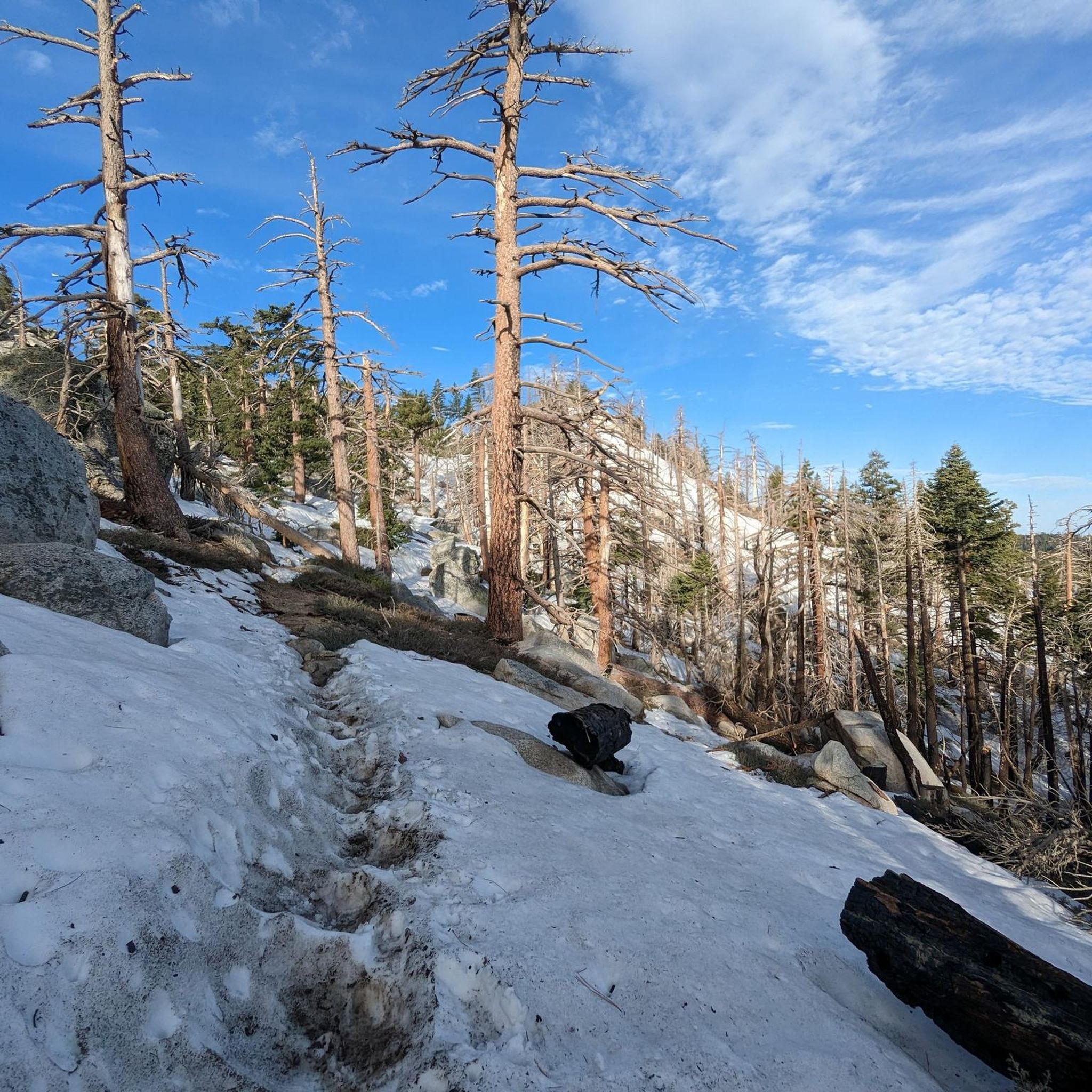
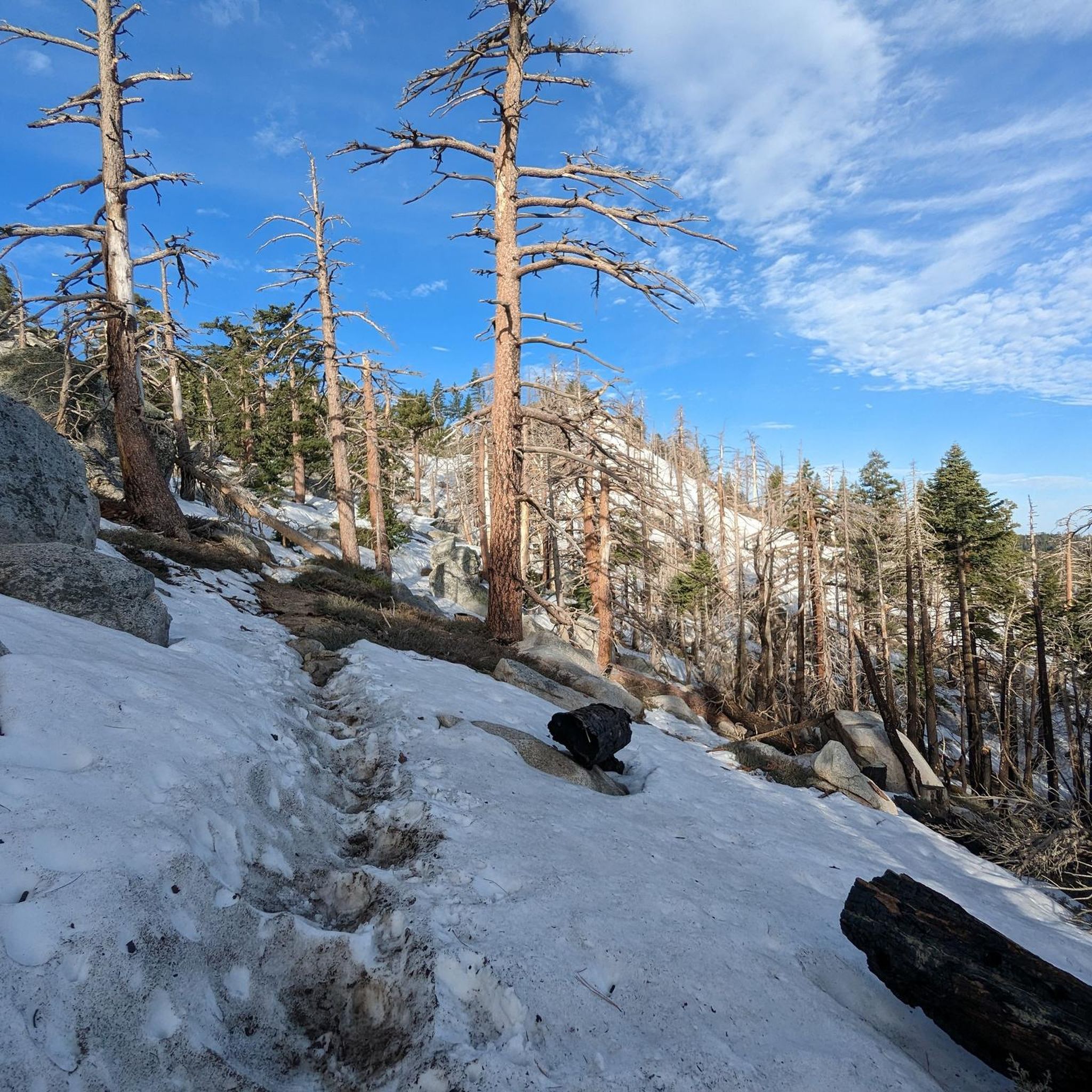
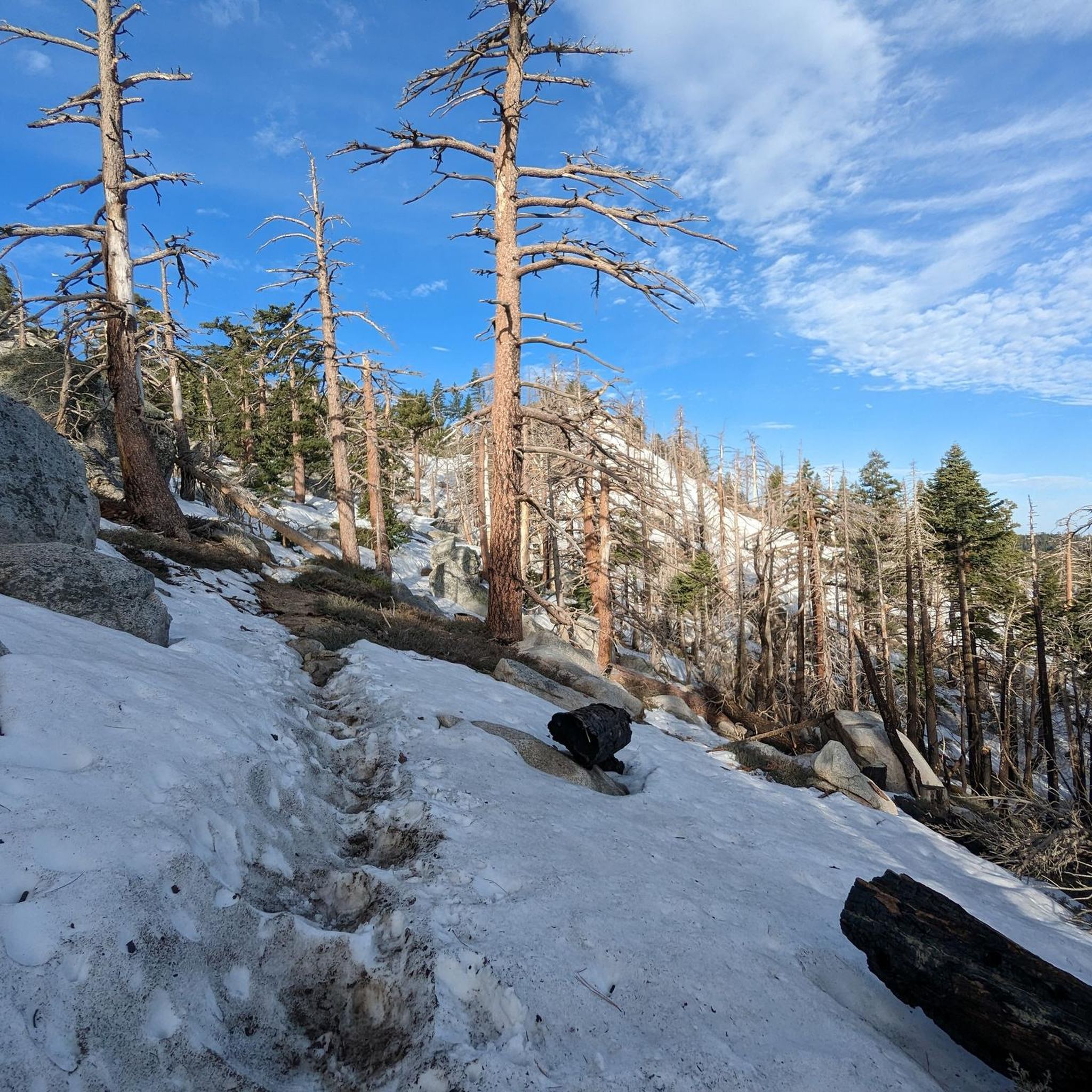
A side trail leads to Apache Spring that might be the only water source along the stretch. There is also a VERY sketchy part ahead of the PCT. Be sure to bring microspikes if you hike here in spring since the trail is likely to be icy. A hiker slipped in late March 2020 and died, so be extra careful.
5
1
Frequently Asked Questions
What are some popular hiking trails in San Jacinto Wilderness?
The San Jacinto Wilderness offers a variety of trails for all skill levels. Popular options include the 4.5-mile loop hike to Round Valley, which features an alpine meadow and a historic ranger station. For more challenging routes, consider the trails leading to Tahquitz Peak or Suicide Rock. You can find more detailed information on various running and hiking trails in the area, including the Ernie Maxwell Scenic Trail and the San Jacinto Peak loop, on our dedicated guide pages for Running Trails in San Jacinto Wilderness and Easy Hikes in San Jacinto Wilderness.
Do I need permits for hiking in San Jacinto Wilderness?
Yes, day-use permits are required for hiking in the wilderness areas. You can typically obtain these free of charge from the Ranger Station in Idyllwild. For specific trails like those leading to Tahquitz Peak or Suicide Rock, you will need to acquire a simple permit from the San Jacinto Ranger Station office.
Where can I find the best viewpoints in San Jacinto Wilderness?
For expansive views, head to Tahquitz Peak, which offers stunning vistas towards the southeast and the Salton Sea. The summit of Suicide Rock also provides 360-degree views of the surrounding mountains after a climb. Additionally, the Palm Springs Aerial Tramway Mountain Station, situated at 8,516 feet, offers observation decks with panoramic views of the desert floor and surrounding mountains.
Are there family-friendly activities or trails in San Jacinto Wilderness?
While many trails are challenging, there are options for families. The Palm Springs Aerial Tramway offers a unique experience for all ages, leading to the Mountain Station with access to easy nature trails. The Discovery Nature Trail is another suitable option. For a convenient starting point with facilities, Humber Park provides a large parking lot and restrooms, serving as a gateway to various trails, some of which are less strenuous. You can explore more easy hiking options on our Easy Hikes in San Jacinto Wilderness guide.
Are there opportunities for rock climbing in the San Jacinto Wilderness?
Yes, the San Jacinto Wilderness is renowned for its exceptional rock-climbing areas. Lily (Tahquitz) Rock offers routes up to 1,000 feet, while Suicide Rock provides routes up to 400 feet. These are popular spots for climbers seeking a challenge amidst beautiful mountain scenery.
What cultural or historical sites can I visit in the San Jacinto Wilderness?
The region is rich in cultural and historical significance. You can explore sites important to the Cahuilla Native American people, particularly within the Indian Canyons, which also feature large systems of native fan palm oases. Near San Jacinto Peak, there's a historic stone shelter built by the Civilian Conservation Corps (CCC) in the 1930s. The San Jacinto Museum, located on the grounds of the Francisco Estudillo Heritage Park, showcases the natural and human history of the San Jacinto Valley, including local Indian relics and pioneer artifacts.
When is the best time to visit San Jacinto Wilderness?
The San Jacinto Wilderness offers diverse experiences depending on the season. Spring and fall generally provide pleasant temperatures for hiking. Summer can be hot at lower elevations but cooler in the higher alpine regions. Winter brings snow to the peaks, making some trails dangerous and requiring proper gear, especially for destinations like Tahquitz Peak. The Palm Springs Aerial Tramway operates year-round, offering access to the mountain station regardless of the season.
Are there any accessible attractions in San Jacinto Wilderness?
The Palm Springs Aerial Tramway provides an accessible way to experience the San Jacinto Wilderness, transporting visitors to the Mountain Station at 8,516 feet. At the top, there are observation decks, restaurants, and a natural history museum, all of which are generally accessible. Some of the shorter, paved paths around the Mountain Station may also be suitable for those with mobility considerations.
Where can I park when visiting attractions or trailheads?
A primary parking area is Humber Park, which serves as the closest entry point into the San Jacinto Wilderness from Idyllwild. It offers a large parking lot and restrooms. For those accessing the Palm Springs Aerial Tramway, there is ample parking available at its base station in Palm Springs.
Does the Pacific Crest Trail pass through San Jacinto Wilderness?
Yes, a significant 28-mile section of the Pacific Crest Trail (PCT) traverses the San Jacinto Wilderness. This offers adventurous hikers a challenging and scenic opportunity to cross the mountain range. Be aware that parts of the PCT in this area, such as near Apache Spring Junction, can be very challenging, especially in winter conditions, and may require microspikes.
What unique natural features can I expect to see?
The San Jacinto Wilderness is a 'sky island' with dramatically varied ecosystems. You can find towering peaks like San Jacinto Peak, extensive trail systems, and unique desert oases. Palm Canyon is particularly notable for its dozens of tall palm trees, creating one of the largest systems of native fan palm oases in the United States. The region also features alpine meadows, montane wet valleys, and the dramatic 9,000-foot drop of the range's northeast face.
Are there camping facilities available in the wilderness?
Yes, there are camping options. For example, Fuller Ridge Campground is a primitive campground offering spots for tents, though it lacks water facilities, so you'll need to bring your own. Always check for current regulations and permit requirements before planning an overnight stay.
What is the Palm Springs Aerial Tramway?
The Palm Springs Aerial Tramway is the world's largest rotating aerial tramcar, offering a unique ride into the San Jacinto Wilderness from Palm Springs. It transports visitors to the Mountain Station at 8,516 feet, where you'll find observation decks, restaurants, a natural history museum, and access to numerous hiking trails.
Most popular routes in San Jacinto Wilderness
Most popular attractions in San Jacinto Wilderness

Get inspired with the komoot mobile app


Explore more
Still not found the Highlight you’re looking for? See guides of the top attractions in other regions:
