The best running trails in Theodore Roosevelt Wilderness
9
runners
17
runs
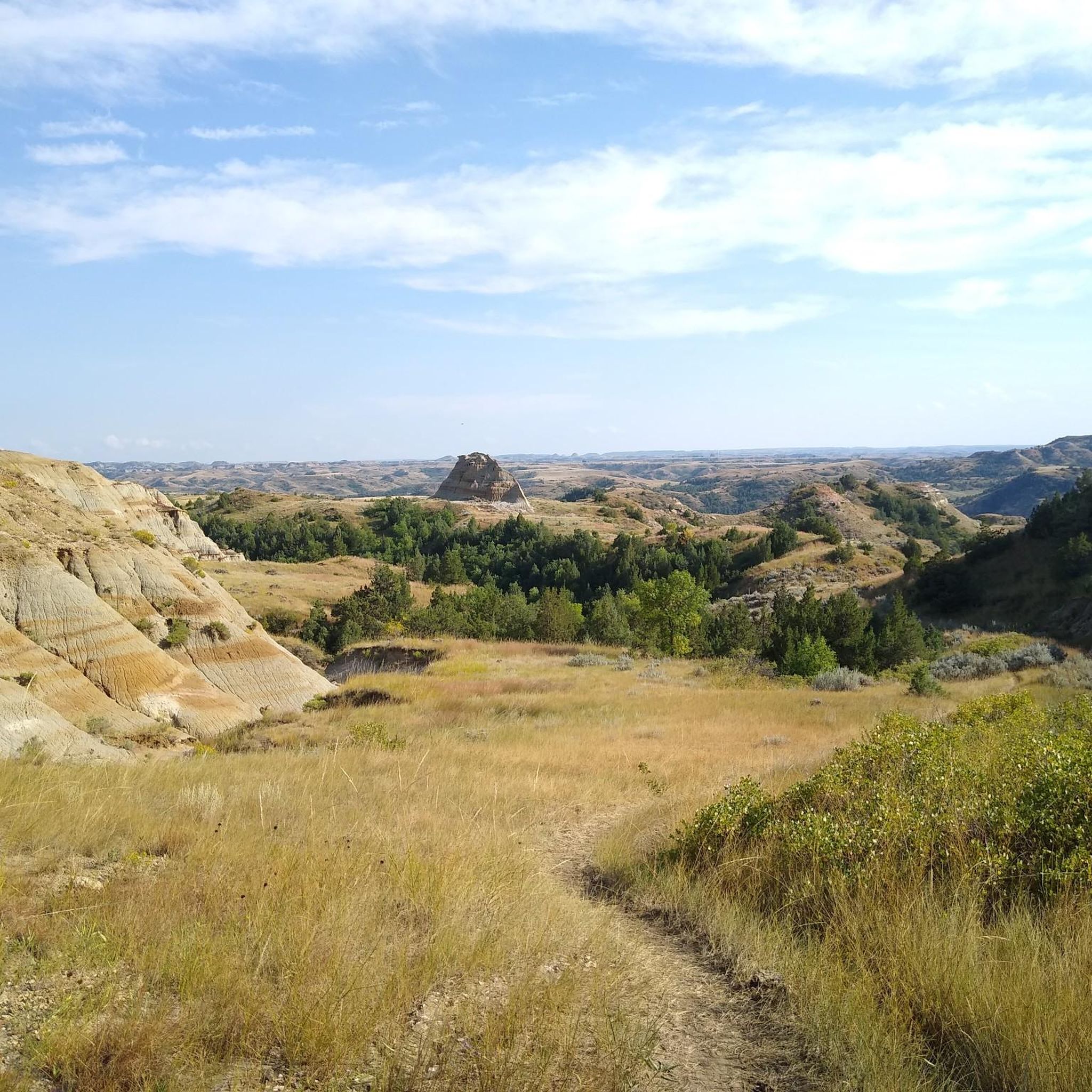
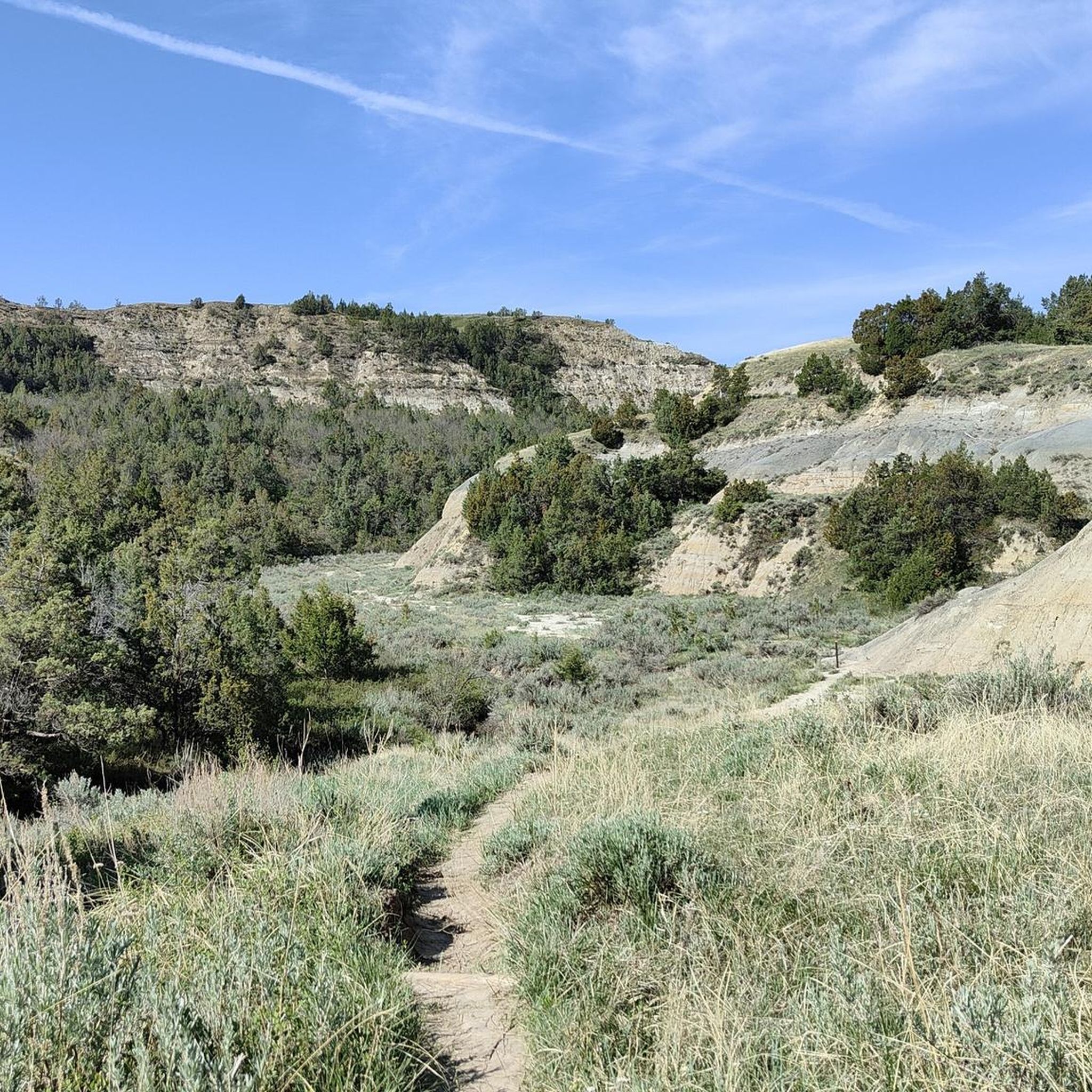
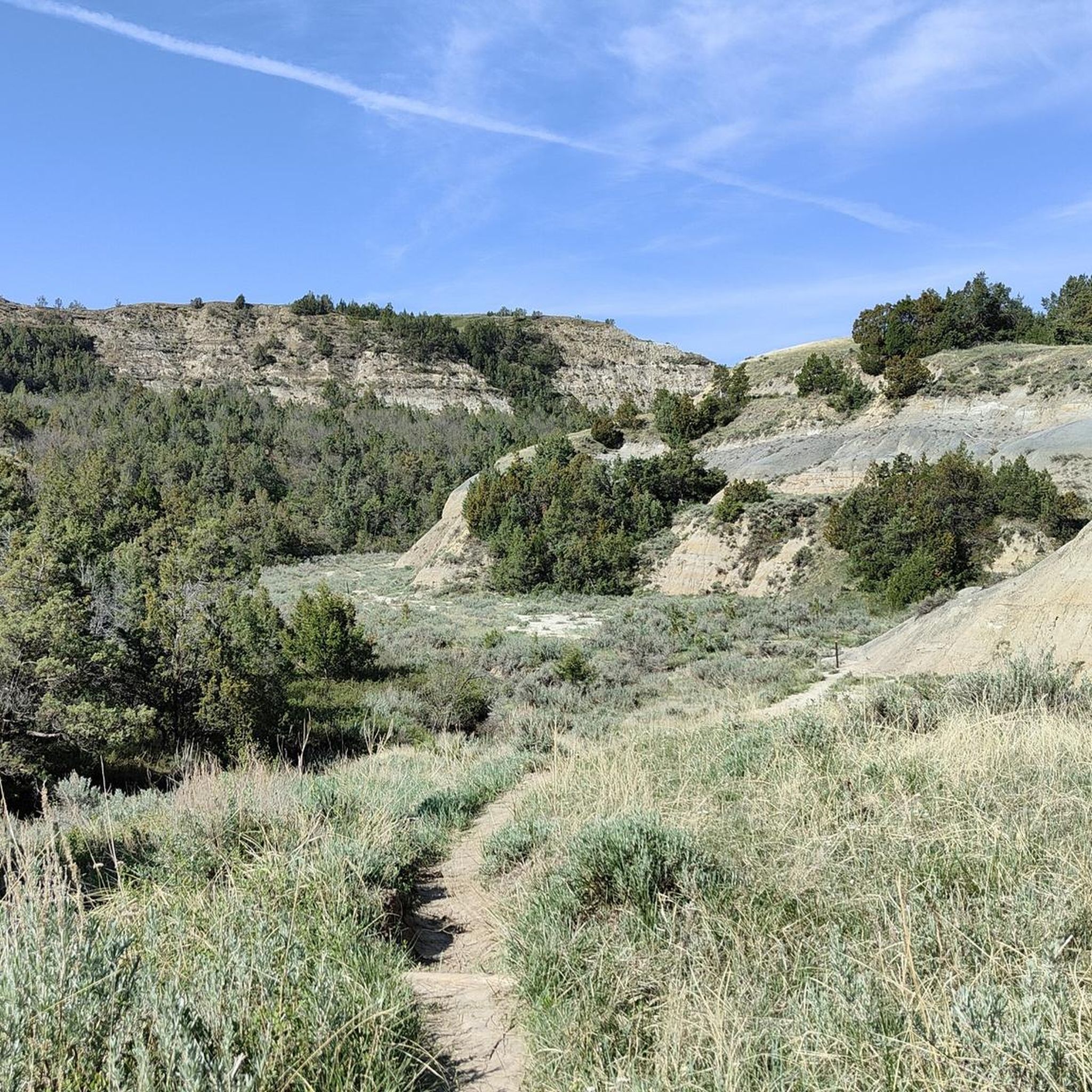
Jogging routes in Theodore Roosevelt Wilderness traverse a landscape defined by dramatic Badlands topography, deeply eroded terrain, and distinctive rock formations. The Little Missouri River winds through the park, contributing to diverse ecosystems that include floodplains and vast grasslands, forming the largest protected prairie in the U.S. Runners will encounter sharp ridges, multi-hued buttes, and areas of petrified wood, offering varied scenery across the extensive trail system.
Best jogging routes in Theodore Roosevelt Wilderness
- The most popular jogging route is Big Plateau and Ekblom Trail Loop, a 5.1 miles (8.3 km) trail that takes 53 minutes to complete. This moderate loop provides expansive views across the Badlands landscape and is known for potential bison sightings.
- Another top favourite among local runners is Caprock Coulee Trail, a moderate 4.0 miles (6.5 km) path. This route leads through both wooded areas and exposed sections, offering badlands views and opportunities for wildlife viewing.
- Local runners also love the Petrified Forest Loop, a 10.3 miles (16.6 km) trail leading through areas featuring petrified wood and varied Badlands terrain, often completed in about 1 hour 46 minutes.
- Jogging in Theodore Roosevelt Wilderness is defined by Badlands topography, extensive grasslands, and the winding Little Missouri River. The network offers options for different ability levels, from moderate loops to more challenging long-distance paths.
- The guide includes highly-rated routes that showcase the best of the region's landscape. More than 7 runners have used komoot to explore Theodore Roosevelt Wilderness's varied terrain.
Last updated: July 7, 2026
2
runners
8.28km
00:53
130m
130m
Moderate run. Good fitness required. Mostly paved surfaces. Suitable for all skill levels.
2
runners
6.52km
00:50
130m
130m
Moderate run. Good fitness required. Mostly paved surfaces. Suitable for all skill levels.

Sign up for free
1
runners
17.9km
01:55
230m
230m
Hard run. Very good fitness required. Mostly paved surfaces. Suitable for all skill levels.
3.98km
00:31
80m
80m
Easy run. Great for any fitness level. Mostly paved surfaces. Suitable for all skill levels.
9.47km
01:01
150m
150m
Moderate run. Good fitness required. Mostly paved surfaces. Suitable for all skill levels.
Get access to more routes and recommendations from other explorers.
Sign up for free
Already have an account?
Our route recommendations are based on thousands of hikes, rides, and runs completed by other people on komoot.
Start today with a free account
Your next adventure awaits.
Login or Signup
Other adventures in Theodore Roosevelt Wilderness

Tips from the Community

This nature trail (part of the overall Caprock Coulee loop) doesn't have much elevation gain, so it makes a great warm-up or a short run in and of itself. It's very popular with hikers, though, so your best chance of an uninterrupted run is getting out here early or late, or maybe during the week. Keep an eye out for wildlife, including bison, which are fast and dangerous — you don't want to end up running sprints with one of those behind you.
0
0
This wild, remote-feeling trail takes you through a little bit of everything that makes Theodore Roosevelt National Park special, from open prairie to deep canyons and sagebrush terraces. Keep an eye out for wildlife as large as bison or as small as prairie dogs, and make sure to give them plenty of room.
1
0
There's a prairie dog town right about here, but the "town" is actually a series of underground tunnels — so you're best off watching for the prairie dogs themselves, which look much like fat little squirrels with short, stubby tails. Often, the easiest way to spot them is by watching for movement when they dash for the cover of one of their many burrow entrances, or listen for their chirping alarm calls. You might see lots of other wildlife here too, drawn by the prairie dogs.
1
0

Buffalo Gap Trail is a 19-mile trail that runs through the hills and grasslands of Theodore Roosevelt National Park. It was developed as a mountain bike trail, but is popular with trail runners and hikers as well.
0
0
The Ekblom Trail connects the Maah Daah Hey Trail to the Big Plateau Trail. It is a great way to extend your run and join two popular routes. There is a stream crossing, so you should get information about the water level at the visitor's center.
0
0

Most of the Big Plateau Trail runs over (surprise!) a big plateau with grasslands. This means little elevation changes on most of the trail. The only elevation changes are at the start and the end of the trail, going up and down the canyons. It's never a certainty, but the big plateau is known for big herds of bison hanging out. A river crossing is mandatory to make it out to both Big Plateau and Lone Tree Spring Loop Trail. Check-in with the visitor center about water depth and safety measures.
0
0
At the end of Scenic Drive, there is a view point of the beautiful landscape below. You get a view of the national park with its grasslands and the badlands.
0
0
The Upper Caprock Coulee trail continues where the Caprock Coulee Nature Trail stops. After a short but steep climb from the nature trail, you'll find yourself in the quietest section of the Caprock Coulee Loop and views start to open up over the badlands.
1
0
Frequently Asked Questions
How many running routes are available in Theodore Roosevelt Wilderness?
The Theodore Roosevelt Wilderness offers over 15 running routes, catering to various fitness levels. You'll find a mix of easy, moderate, and difficult trails to explore the unique Badlands landscape.
What kind of terrain can I expect on the jogging trails in Theodore Roosevelt Wilderness?
The trails primarily feature the dramatic Badlands topography, with deeply eroded terrain, sharp ridges, and distinctive rock formations. You'll also encounter vast grasslands and areas along the Little Missouri River. Many trails are singletrack of compacted clay and sand, offering a unique running experience.
Are there any easy running routes suitable for beginners in Theodore Roosevelt Wilderness?
Yes, there are several easy running routes. While specific easy routes aren't detailed in the guide, the park offers trails for all levels. For example, a shorter, more accessible 0.8-mile section of the Caprock Coulee Trail, known as the Caprock Coulee Nature Trail, has less elevation change and might be suitable for a gentler run.
What are some notable natural features or landmarks I might see while running in the park?
While running, you can expect to see colorful badlands, petrified wood, and multi-hued buttes. The Petrified Forest Loop specifically leads through areas featuring petrified wood. You might also encounter viewpoints like Riverbend Overlook or View from Sperati Point, offering sweeping views of the Badlands.
Are there any long-distance running paths for experienced trail runners?
Yes, for long-distance runners, the park is home to sections of the 96-mile Maah Daah Hey Trail. This extensive trail connects all three units of the park and is largely a singletrack of compacted clay and sand, making it ideal for extended runs across spectacular prairie.
Can I expect to see wildlife while jogging in Theodore Roosevelt Wilderness?
Absolutely. Theodore Roosevelt Wilderness is known for its abundant wildlife. Runners often report sightings of bison, wild horses, elk, bighorn sheep, and prairie dogs. Routes like the Big Plateau and Ekblom Trail Loop and the Painted Canyon Trail are particularly noted for wildlife viewing opportunities.
Are there any circular running routes in the park?
Yes, many routes in Theodore Roosevelt Wilderness are loops. A popular option is the Big Plateau and Ekblom Trail Loop, which is a moderate 5.1-mile (8.3 km) circular path offering expansive views and potential bison sightings.
What is the best time of year to go running in Theodore Roosevelt Wilderness?
The best time to visit for running is generally during the spring and fall when temperatures are milder. Summers can be hot, and winters can bring snow and ice, affecting trail conditions. Always check current weather and trail conditions before heading out.
Are there any running routes that offer panoramic views of the Badlands?
Many routes provide stunning views. The Big Plateau and Ekblom Trail Loop offers expansive views across the Badlands landscape. Additionally, the Painted Canyon Overlook, accessible from the Painted Canyon Trail, provides sweeping panoramic vistas.
What are the typical distances and durations for running routes in this area?
Running routes in Theodore Roosevelt Wilderness vary in length. You can find moderate loops around 4-5 miles (6.5-8 km) that take about 50 minutes to an hour, such as the Caprock Coulee Trail. Longer, more challenging routes like the Petrified Forest Loop can be over 10 miles (16 km) and take closer to two hours.
Are there any specific considerations for running in winter in Theodore Roosevelt Wilderness?
Winter running in the park can be challenging due to snow and ice, which can make trails slippery or impassable. It's crucial to check current trail conditions and weather forecasts before planning a winter run. Appropriate gear for cold weather and traction devices for footwear are highly recommended.
Where can I find parking for the running trails?
Many trailheads in Theodore Roosevelt National Park have designated parking areas. For example, the Painted Canyon Trail can be accessed from the Painted Canyon Visitor Center, which offers parking. The South Unit also features a 36-mile Scenic Loop Drive and the North Unit a 14-mile Scenic Byway, both providing access to various trailheads and parking.
Most popular routes in Theodore Roosevelt Wilderness
Most popular attractions in Theodore Roosevelt Wilderness

Get inspired with the komoot mobile app


