The best walks and hikes in Flemish Brabant
4.4
(14108)
93,335
hikers
11,210
hikes
Hiking trails in Flemish Brabant traverse a varied landscape characterized by ancient forests, expansive heathlands, and tranquil river valleys. The region features gently rolling hills, particularly in areas like the Pajottenland, and significant woodlands such as the Sonian Forest and Meerdaal Forest. Hikers can explore diverse natural features, including alluvial alder forests, fens, and marshlands, alongside picturesque countryside. This terrain offers a range of experiences from easy strolls to more demanding routes.
Best hiking trails in Flemish Brabant
- The most popular hiking route is Reebok hike - Hallerbos, an easy 4.4 miles (7.2 km) trail that takes about 1 hour 55 minutes to complete. This route explores the famous Hallerbos, known for its ancient beech trees and seasonal bluebell display.
- Another top favourite among local hikers is Averbode Forest and Heath Loop, a moderate 5.0 miles (8.0 km) path. This trail leads through a diverse landscape of forests, fens, marsh, and heathland.
- Local hikers also love the Thick Oak Walk, a 7.9 miles (12.7 km) trail leading through woodlands and countryside, often completed in about 3 hours 19 minutes.
- Hiking in Flemish Brabant is defined by ancient forests, river valleys, and gently rolling hills, with a network of routes offering options for various ability levels.
- The routes in Flemish Brabant are highly rated by the komoot community with an average score of 4.4 stars from over 19,000 reviews. More than 134,000 hikers have used komoot to explore Flemish Brabant's varied terrain.
Last updated: October 10, 2026
4.4
(214)
894
hikers
11.4km
02:53
10m
20m
Moderate hike. Good fitness required. Easily-accessible paths. Suitable for all skill levels.
4.7
(190)
781
hikers
7.15km
01:55
80m
80m
Easy hike. Great for any fitness level. Easily-accessible paths. Suitable for all skill levels.

4.6
(166)
707
hikers
12.7km
03:20
100m
100m
Moderate hike. Good fitness required. Easily-accessible paths. Suitable for all skill levels.
4.6
(102)
517
hikers
8.02km
02:03
30m
30m
Hike 5.0 miles (8.0 km) through Gerhagen nature reserve's fens, forests, and heathland, enjoying quiet trails and viewpoints.
4.3
(115)
427
hikers
10.2km
02:41
80m
80m
Moderate hike. Good fitness required. Easily-accessible paths. Suitable for all skill levels.
4.6
(82)
303
hikers
23.5km
06:12
200m
260m
Hard hike. Very good fitness required. Easily-accessible paths. Suitable for all skill levels.
4.5
(117)
469
hikers
8.59km
02:17
90m
90m
Moderate hike. Good fitness required. Easily-accessible paths. Suitable for all skill levels.
4.7
(86)
300
hikers
13.2km
03:28
100m
100m
Hike the 8.2-mile MTB Huldenberg Green Loop Trail, a moderate route through rolling fields and woodlands, offering views of Leefdaal Castle.
4.6
(78)
297
hikers
11.5km
03:04
130m
130m
Moderate hike. Good fitness required. Easily-accessible paths. Suitable for all skill levels.
4.7
(55)
250
hikers
6.26km
01:38
40m
40m
Easy hike. Great for any fitness level. Easily-accessible paths. Suitable for all skill levels.
Get access to more routes and recommendations from other explorers.
Already have an account?
Our route recommendations are based on thousands of hikes, rides, and runs completed by other people on komoot.
Start today with a free account
Your next adventure awaits.
Popular around Flemish Brabant
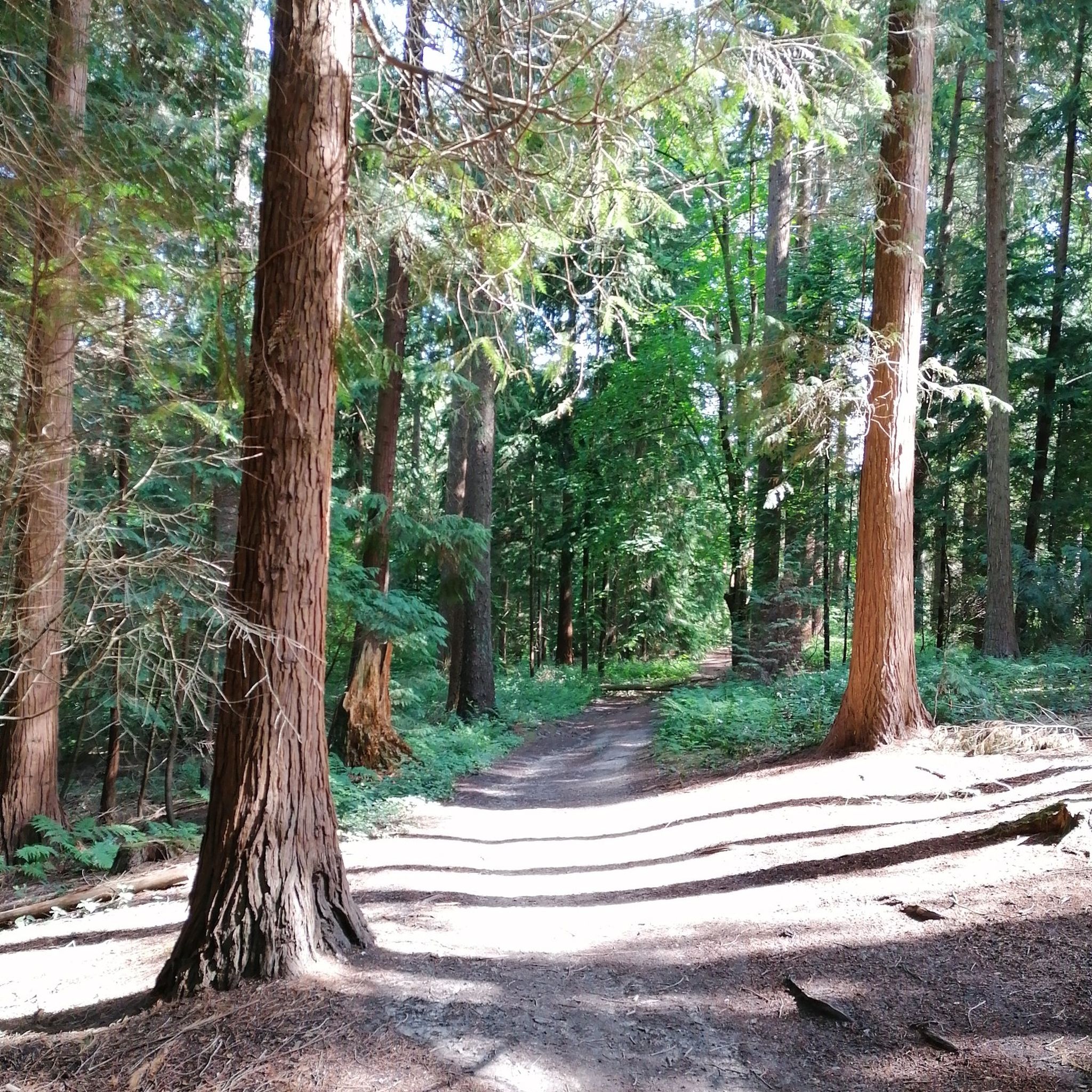
Hiking around Leuven
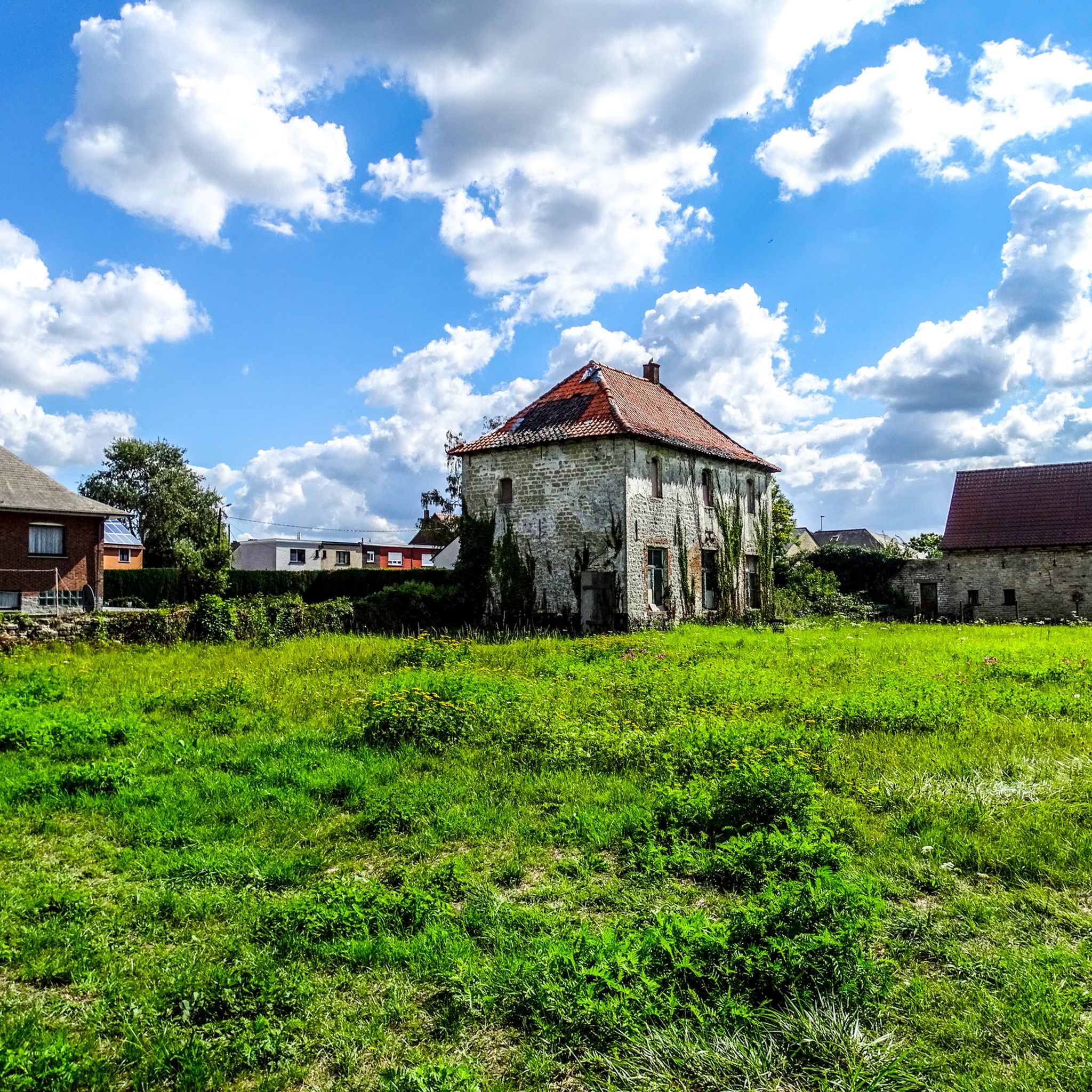
Hiking around Halle-Vilvoorde
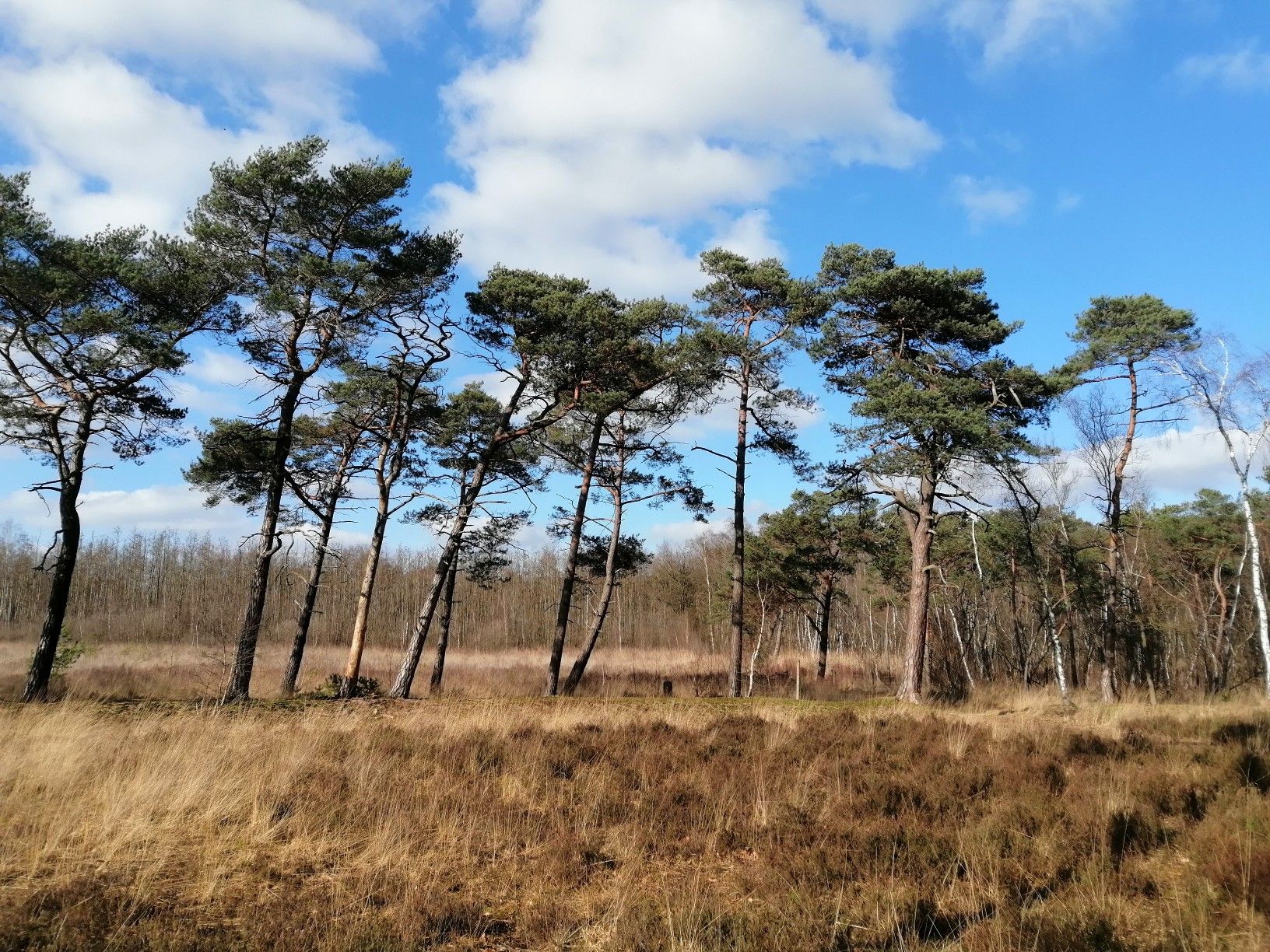
From Flanders to the Ardennes — GR 5 in Belgium
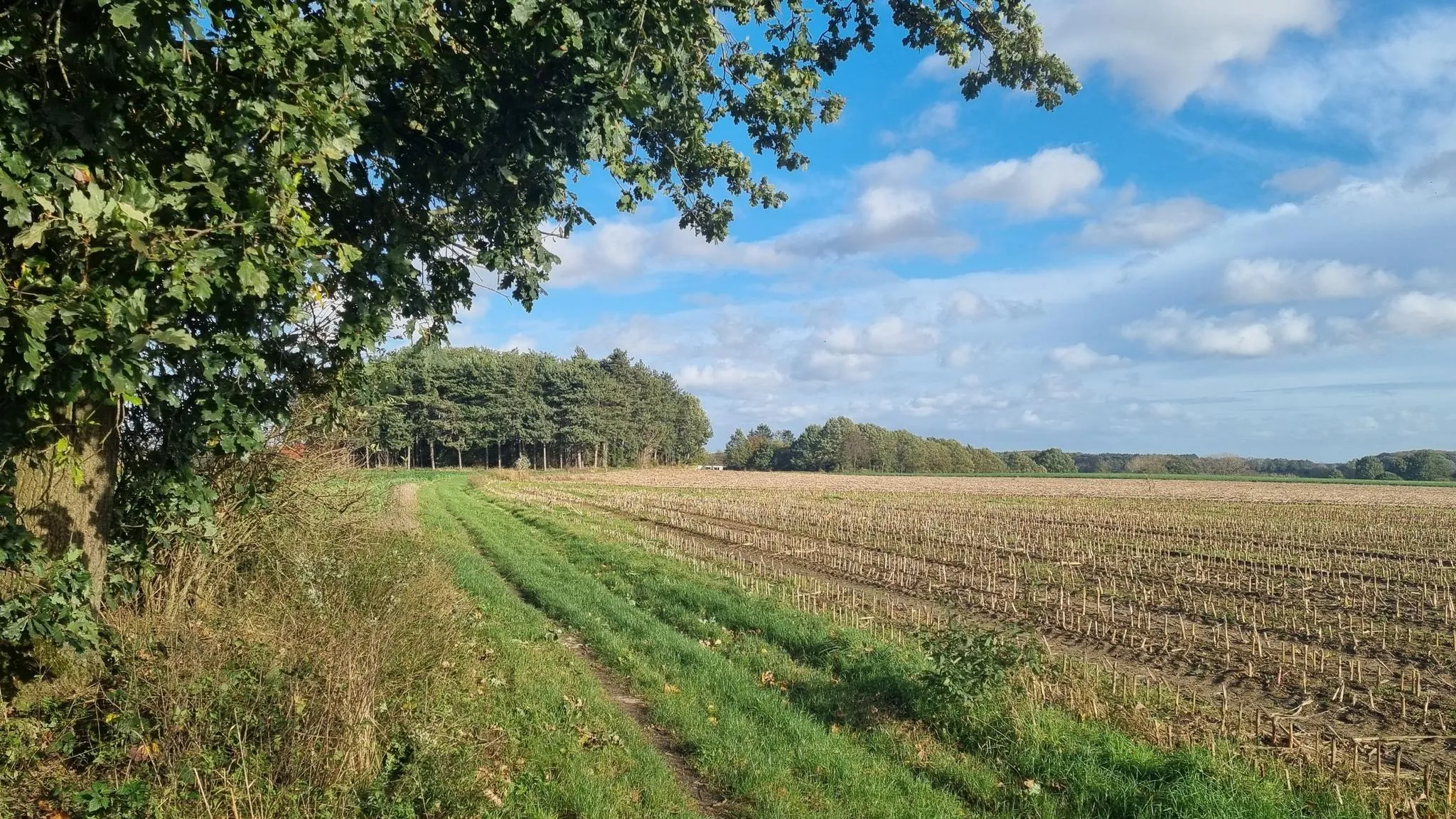
Streek-GR Hageland – Hollow roads and endless fields
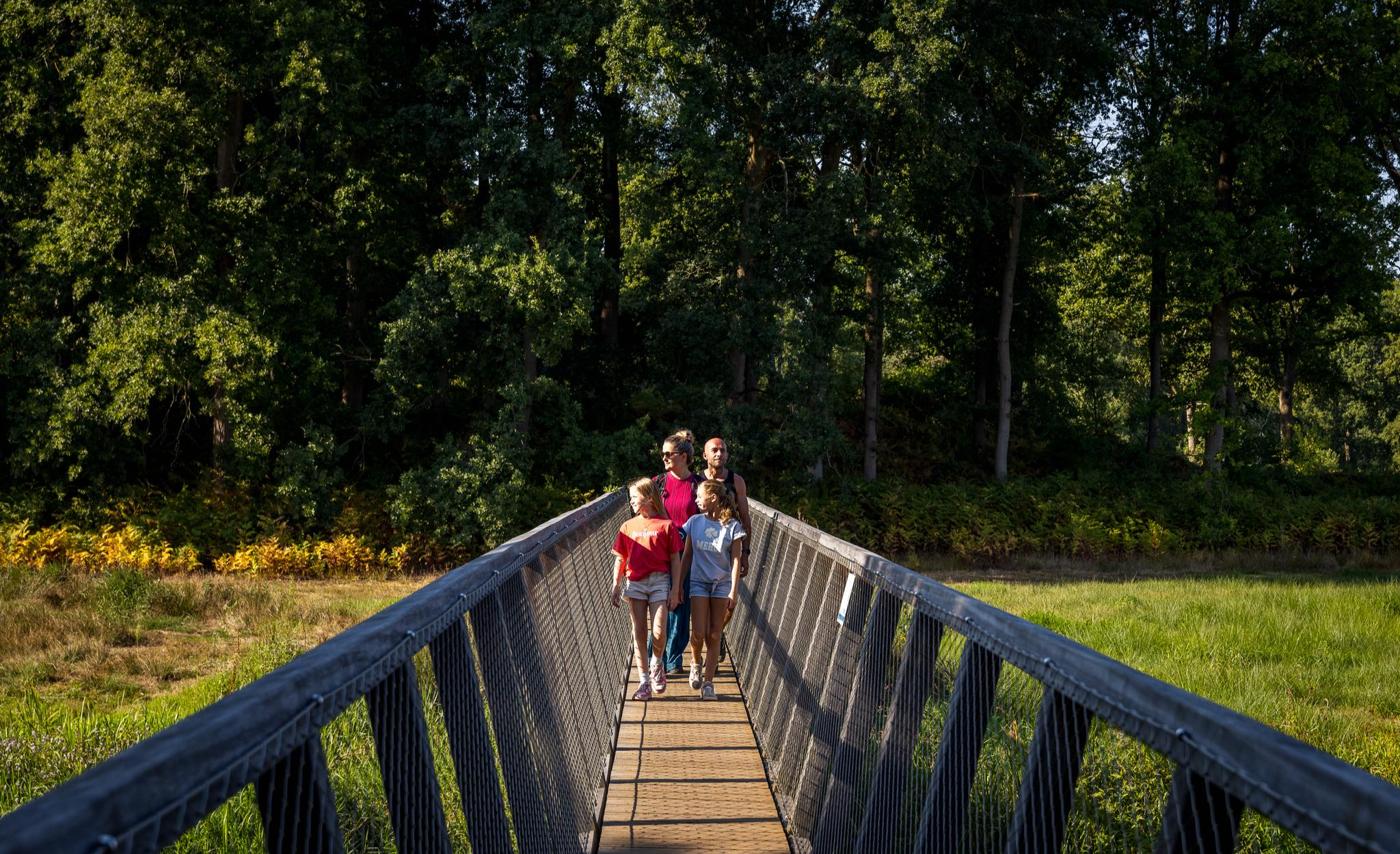
Flanders’ Finest Hiking Routes
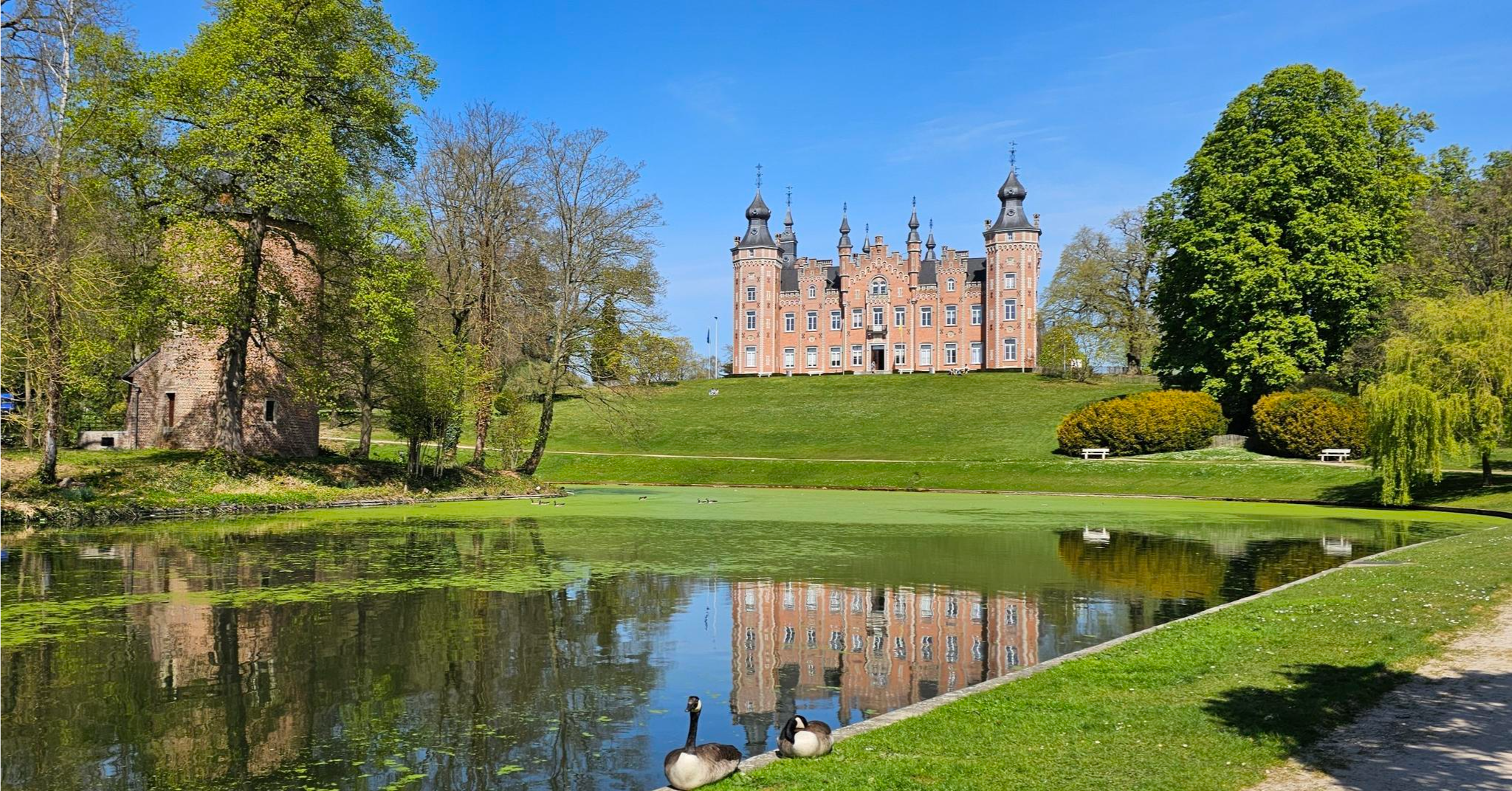
Tour around Brussels – Streek-GR Groene Gordel
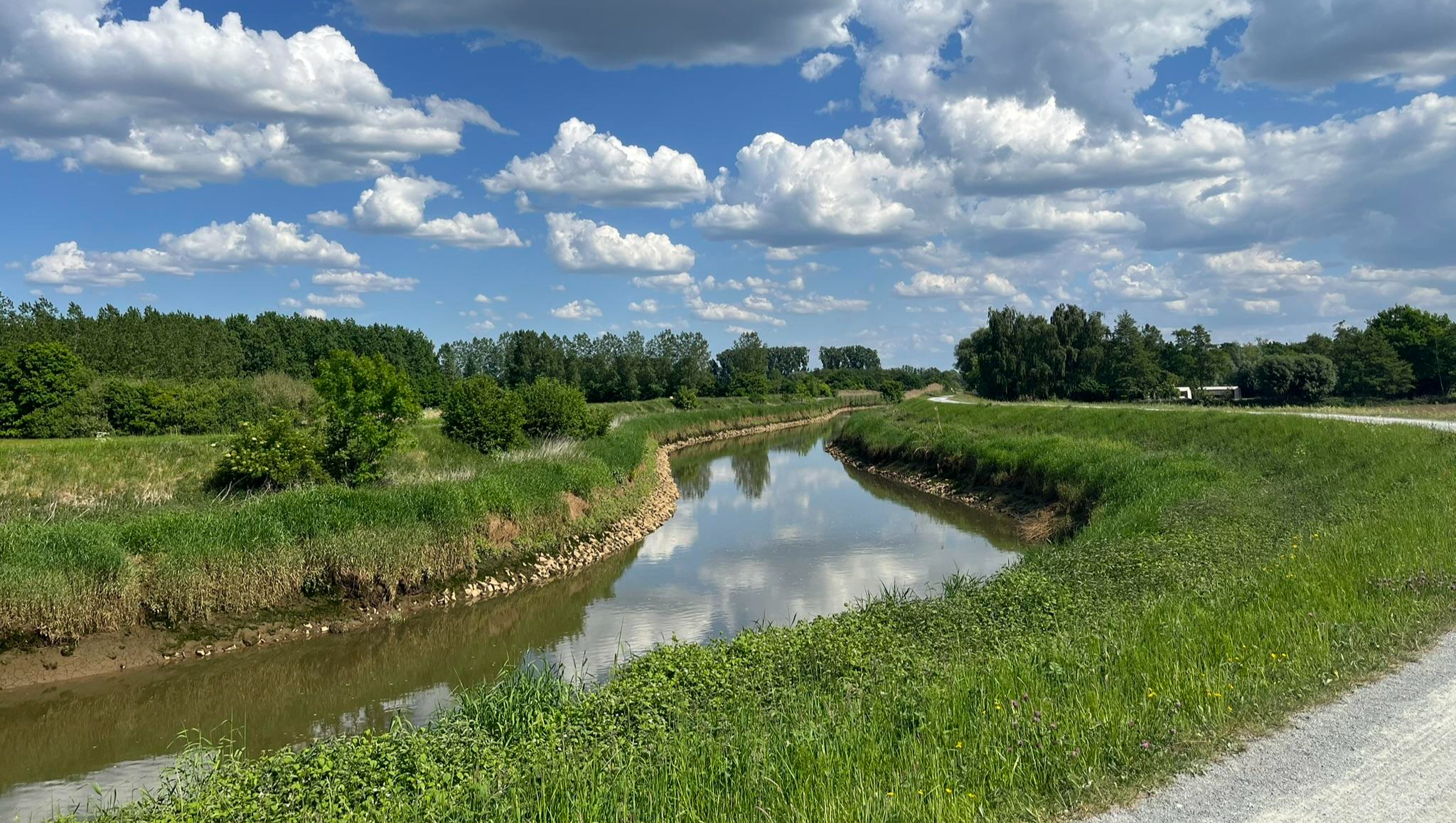
Through the valley of the Dijle – Streek-GR Dijleland
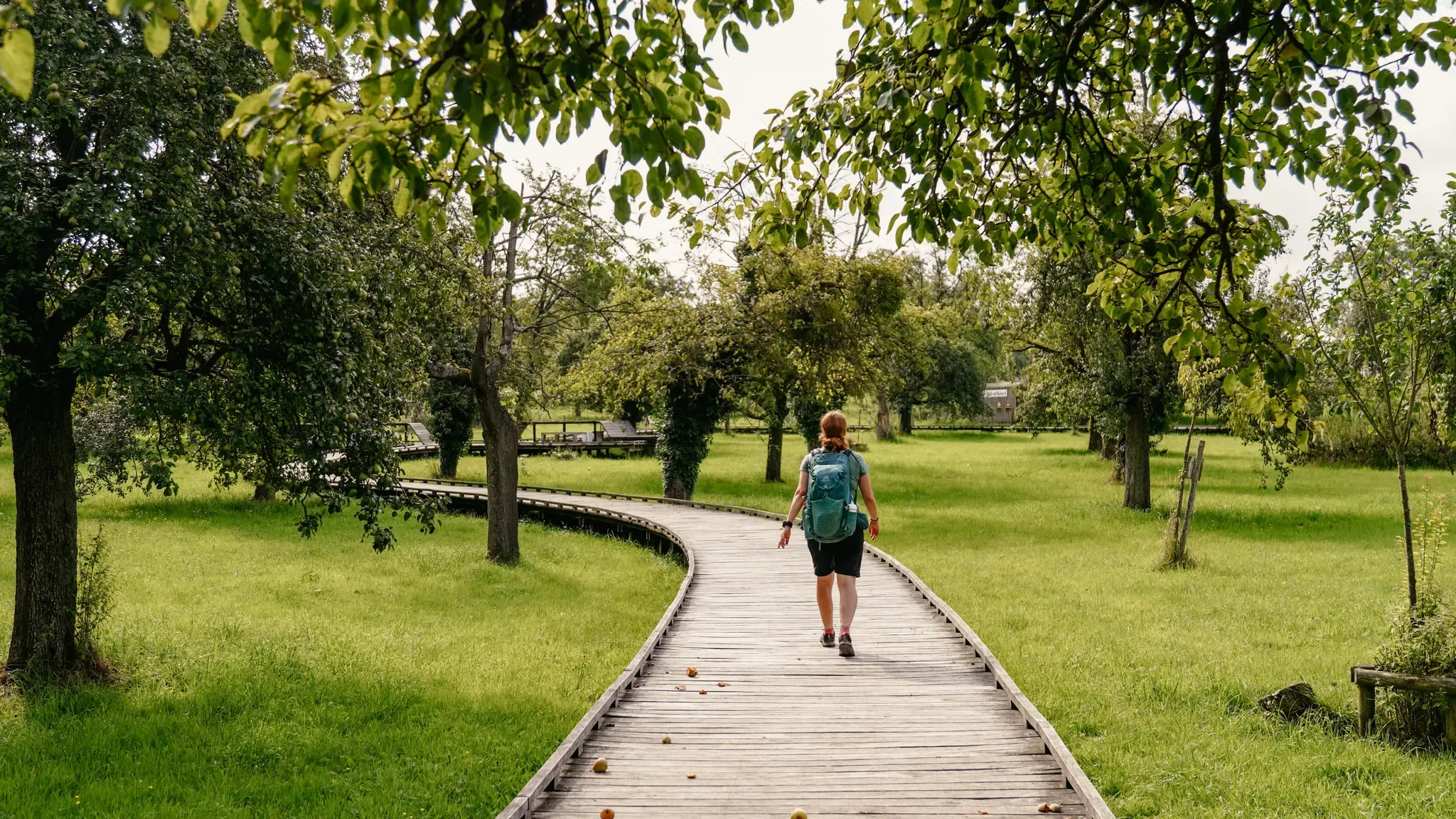
Hiking in Flanders – between dunes, forest and the scenic Meuse
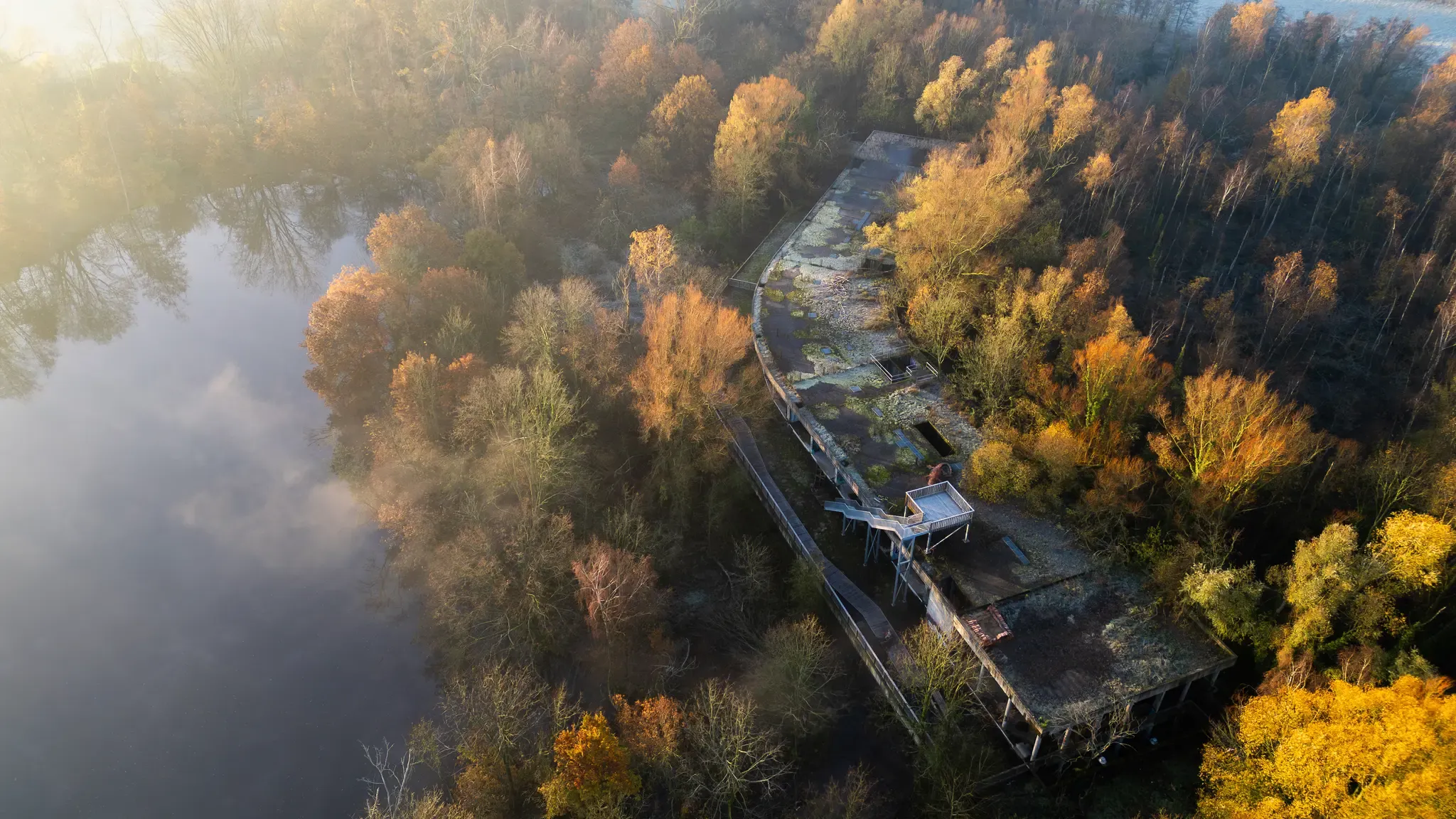
Treinstappers – from station to station in Flanders
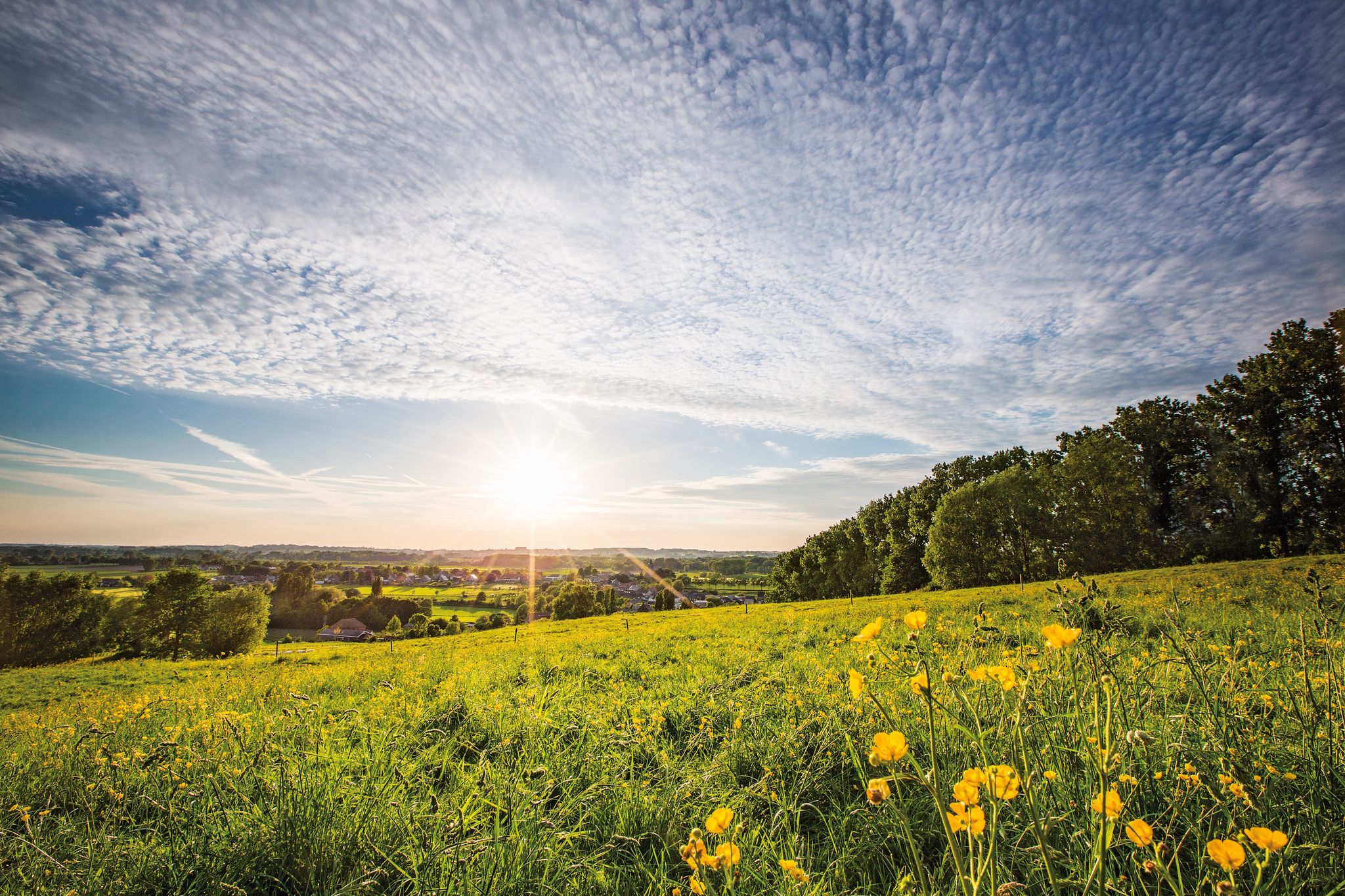
Belgium's best – the most beautiful hiking routes in Flanders
Other adventures in Flemish Brabant


Tips from the Community

At the intersection of Kanseliersdreef and Godendreef in the Mollendaalbos, you will find Den Dikken Eik on a small path named - how could it be otherwise - the Dikke Eikdreef. With a trunk circumference of 5.46m, Den Dikken Eik is the heaviest tree in the Meerdaalwoud. In 1995, a pencil-thin rod of wood was drilled into the core of the tree to count the annual rings: at that time, there were 320. Today, there are 351. Quite an age, therefore.
2
0
Strategically located picnic spot with - as the name of the avenue already reveals - a clear view of the straight avenue.
2
0


The most visible of Dzia's works at the station. Look for the others too. For those who don't know Dzia: some time ago an article appeared in OKV (Openbaar Kunstbezit Vlaanderen) with a photo of a work here at the station and the following description of Dzia: "Dzia is also passionate about animals. He mainly depicts wild animals. Foxes and birds seem to be recurring favorites. His unique style creates a mosaic of colors that follows the contours and shapes of the animal. In his more recent work, he adds tonal shading within each defined area, enhancing a sense of volume. His work tries to give animals a place back in an urban environment. The locations of his murals are carefully chosen and he positions his colorful animals in such a way that a playful interaction with the surroundings is created." And you can find that 40-page dossier on street art in Flemish cities at https://www.okv.be/sites/default/files/2020-09/Street%20art%20in%20Vlaamse%20steden.pdf
4
0
A series of beautiful works by Dzia that have been there for a while, see: https://www.ringtv.be/cultuur-beeldende-kunst/graffitikunstenaar-smukt-treinstation-groenendaal-op The colourful birds are however a bit newer, see: https://www.instagram.com/p/DKKVbl6oZ5M/ And if you are in Groenendaal and like Dzia's work, also check out what he did with the ecoduct: https://www.werkenaandering.be/nl/lees-mee/nieuws/beestige-graffiti-kleurt-ecoduct-groenendaal For those who don't know Dzia: some time ago an article appeared in OKV (Openbaar Kunstbezit Vlaanderen) about street art in Flemish cities with a photo of a work that you find here at the station and the following description of Dzia: "Dzia is also passionate about animals. He mainly depicts wild animals. Foxes and birds seem to be recurring favourites. His unique style creates a mosaic of colours that follow the contours and shapes of the animal. In his more recent work, he adds tonal shading within each defined area, which enhances the sense of volume. His work tries to give animals a place in an urban environment again. The locations of his murals are carefully chosen and he positions his colourful animals in such a way that a playful interaction with the environment arises." And this 40-page dossier on street art in Flemish cities can be found at: https://www.okv.be/sites/default/files/2020-09/Street%20art%20in%20Vlaamse%20steden.pdf
7
0
The Groenendaal station and its associated shelter were built in the typical "national" station style between 1893 and 1896, in this case a rather luxurious execution due to the abundant use of natural stone and great attention to detail. This can possibly be explained by the great attraction of Groenendaal to the Brussels bourgeoisie as an ideal starting point for a forest walk combined with a restaurant visit, but also by the figure of Leopold II, who was reportedly directly involved in the design and was a regular visitor to the Groenendaal racecourse (1889). The Groenendaal station, near the Zoniënwoud, is the only station building on the Brussels-Luxembourg line in Flemish territory. This railway line was built between 1847 and 1857 by the "Grande Compagnie du Luxembourg", which also had the management concession. Inventory of Immovable Heritage: Groenendaal station with shelter, https://id.erfgoed.net/erfgoedobjecten/200186
7
0
Some former bunkers of the KW line have been repurposed as overwintering spots for bats. And this applies to this one too. The municipality of Haacht was and still is one of the most active in managing these and other remnants of the war. For those who follow the KW line in detail: you will also find it on the map with all constructions, at https://www.regionalelandschappen.be/kw-linie There it is described as type P 41 second-line defense.
6
0
Frequently Asked Questions
What kind of terrain can I expect when hiking in Flemish Brabant?
Flemish Brabant offers a varied landscape, from ancient forests like the Hallerbos and Meerdaal Forest to expansive heathlands and tranquil river valleys. You'll find gently rolling hills, particularly in areas like the Pajottenland, alongside unique natural features such as alluvial alder forests, fens, and marshlands. Many paths are well-maintained, but some routes might include deeper forest paths or sunken lanes.
Are there many easy hiking trails suitable for beginners or casual walkers?
Yes, Flemish Brabant has a wide selection of easy trails. Over 6,300 routes are classified as easy, making them perfect for beginners or those looking for a relaxed stroll. An example is the Hyacinth walk (6.3 km) - Hallerbos, which offers a gentle experience through the famous forest.
Can I find circular hiking routes in Flemish Brabant?
Many hiking trails in Flemish Brabant are designed as circular routes, allowing you to start and end at the same point without retracing your steps. The Averbode Forest and Heath Loop is a great example, taking you through diverse landscapes in a convenient loop.
What are some notable natural attractions or landmarks to see while hiking?
Flemish Brabant is rich in natural beauty and historical sites. You can explore the majestic beech trees of the Sonian Forest, witness the bluebell carpet in the Hallerbos during spring, or discover the unique alluvial alder forest of the Walen Forest. Other highlights include the Dyle river area, the five freshwater ponds of the Zoet Water Walk, and the boardwalks around Flanders' largest natural inland lake at Het Vinne Provincial Domain. You might also encounter historical sites like Horst Castle or the historic Park Cerckel: Historic Gate, Grotto, and Iron Bridge.
Are there family-friendly hiking options in Flemish Brabant?
Absolutely. Many trails in Flemish Brabant are suitable for families, often incorporating playgrounds or engaging natural elements. The region offers accessible paths and shorter routes that are perfect for children. Look for trails that pass through forests or near ponds for an engaging outdoor experience.
Is Flemish Brabant a good destination for dog-friendly walks?
Yes, Flemish Brabant is generally very welcoming for dog walkers. Many forests and nature reserves have designated paths where dogs are allowed, often on a leash. Always check local signage for specific rules in nature reserves, but you'll find plenty of open spaces and woodland trails to enjoy with your canine companion.
When is the best time of year to go hiking in Flemish Brabant?
Flemish Brabant offers beautiful hiking experiences year-round. Spring is particularly magical, especially for witnessing the famous bluebells in the Hallerbos. Autumn brings vibrant colors to the forests, making it another popular season. Summer is ideal for longer days and exploring river valleys, while winter offers peaceful, crisp walks through the woodlands.
How accessible are the hiking trails by public transport?
Many hiking areas in Flemish Brabant are accessible by public transport, particularly those closer to towns and cities. Some routes, like the Treinstapper from Groenendaal to Halle, are specifically designed to connect train stations, making them convenient for car-free exploration. It's always advisable to check local bus and train schedules for specific trailheads.
What do other hikers enjoy most about hiking in Flemish Brabant?
The komoot community highly rates hiking in Flemish Brabant, with an average score of 4.4 stars from over 19,000 reviews. Hikers frequently praise the region's diverse landscapes, from ancient forests to tranquil river valleys, and the well-maintained network of trails. The opportunity to discover hidden natural gems and historical sites is also a common highlight.
Are there any long-distance hiking routes in the region?
For those seeking longer adventures, Flemish Brabant features three regional Grand Route Paths (GRs): the Hageland, Dijleland, and Green Belt routes. These are loop-shaped walks spanning hundreds of kilometers, offering extensive exploration of the region's diverse landscapes. The Green Belt, in particular, provides surprisingly natural spots surrounding the Brussels-Capital Region.
Can I combine hiking with cultural or historical experiences?
Yes, Flemish Brabant seamlessly blends hiking with cultural and historical elements. Many trails pass by historic castles, such as Horst Castle, or through charming historic town centers like Zoutleeuw. You can also find routes that lead to abbeys, like the Abbey of Park near Leuven, offering a rich experience beyond just nature.
Are there opportunities to spot wildlife while hiking?
Flemish Brabant's diverse natural areas, including the Sonian Forest, Meerdaal Forest, and the National Park Brabantse Wouden, provide excellent opportunities for wildlife spotting. Hikers often report seeing various bird species, roe deer, and even beavers in certain areas. The Het Vinne Provincial Domain, with its large inland lake, is a haven for waterfowl.
Most popular routes in Flemish Brabant
Most popular attractions in Flemish Brabant

Get inspired with the komoot mobile app


Didn’t find what you were looking for?
Check out more Hikes throughout Flemish Brabant below and find the perfect route in your destination.
Explore more
Browse the best Hikes in other regions.
