Attractions and Places To See in Albania - Top 20
Best attractions and places to see in Albania include a diverse landscape of ancient ruins, Ottoman-era cities, and rugged natural features. The country features a long coastline along the Adriatic and Ionian Seas, alongside significant mountain ranges like the Albanian Alps. Visitors can explore historical sites, national parks, and unique geological formations. Albania offers a variety of experiences across its varied terrain.
Best attractions and places to see in Albania
- The most popular attractions is Valbona Pass, a mountain…
Last updated: October 9, 2026
Valbona Pass
Highlight • Mountain Pass
Translated by Google •
Tip by

Grunas Waterfall
Highlight • Waterfall
Showing Translation
Tip by

Sign up now to discover places like this
Get recommendations on the best single tracks, peaks, & plenty of other exciting outdoor places.
Blue Eye (Syri i Kaltër) Waterfall
Highlight • Waterfall
Showing Translation
Tip by
Thethi Church
Highlight • Religious Site
Showing Translation
Tip by
Bar on the way to Valbona Pass
Highlight • Mountain Hut
Translated by Google •
Tip by

Red Bridge on the Way to Grunas Waterfall
Highlight • Bridge
Showing Translation
Tip by
Skanderbeg Monument, Skanderbeg Square
Highlight • Monument
Translated by Google •
Tip by

Berat Castle
Highlight • Castle
Translated by Google •
Tip by
Et'hem Bey Mosque and Tirana's Clock Tower
Highlight • Religious Site
Translated by Google •
Tip by

Gjirokastër Castle
Highlight • Castle
Translated by Google •
Tip by

Sign up for free to discover even more attractions in Albania.
Already have an account?
Start today with a free account
Your next adventure awaits.
Popular around Albania
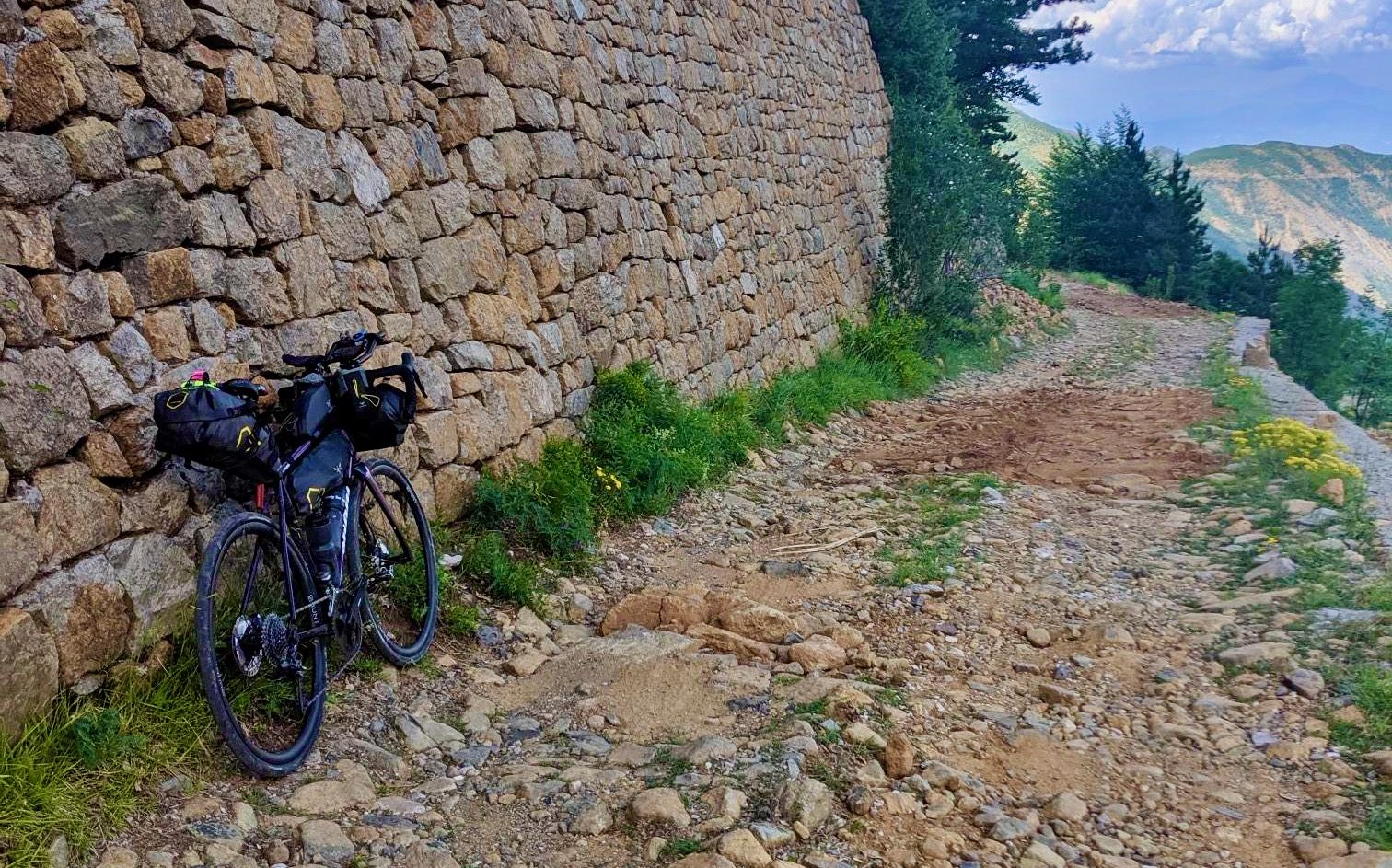
Traversing the Dinaric Alps — bikepacking from the mountains to the sea
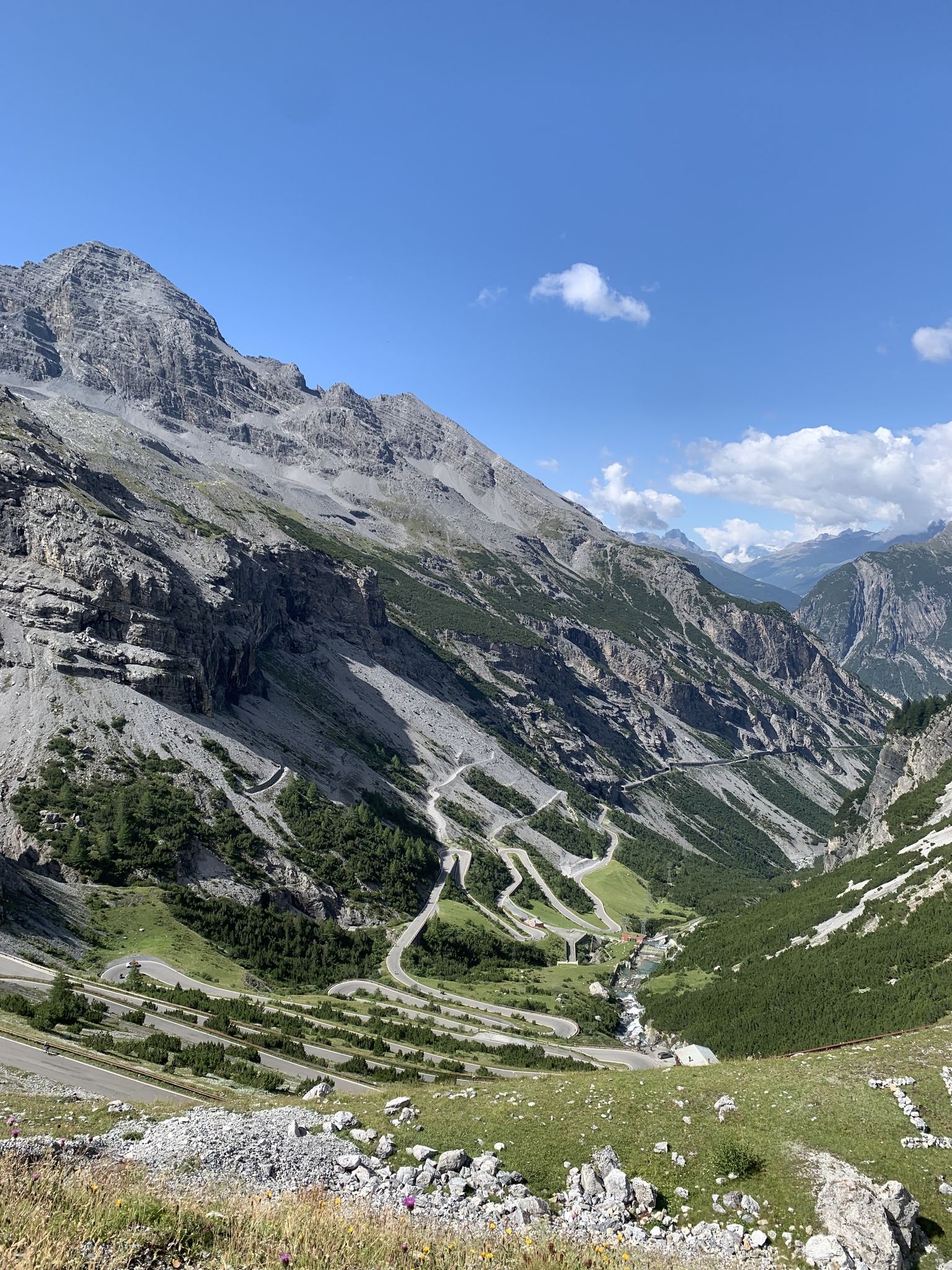
Transcontinental Race No9 2023
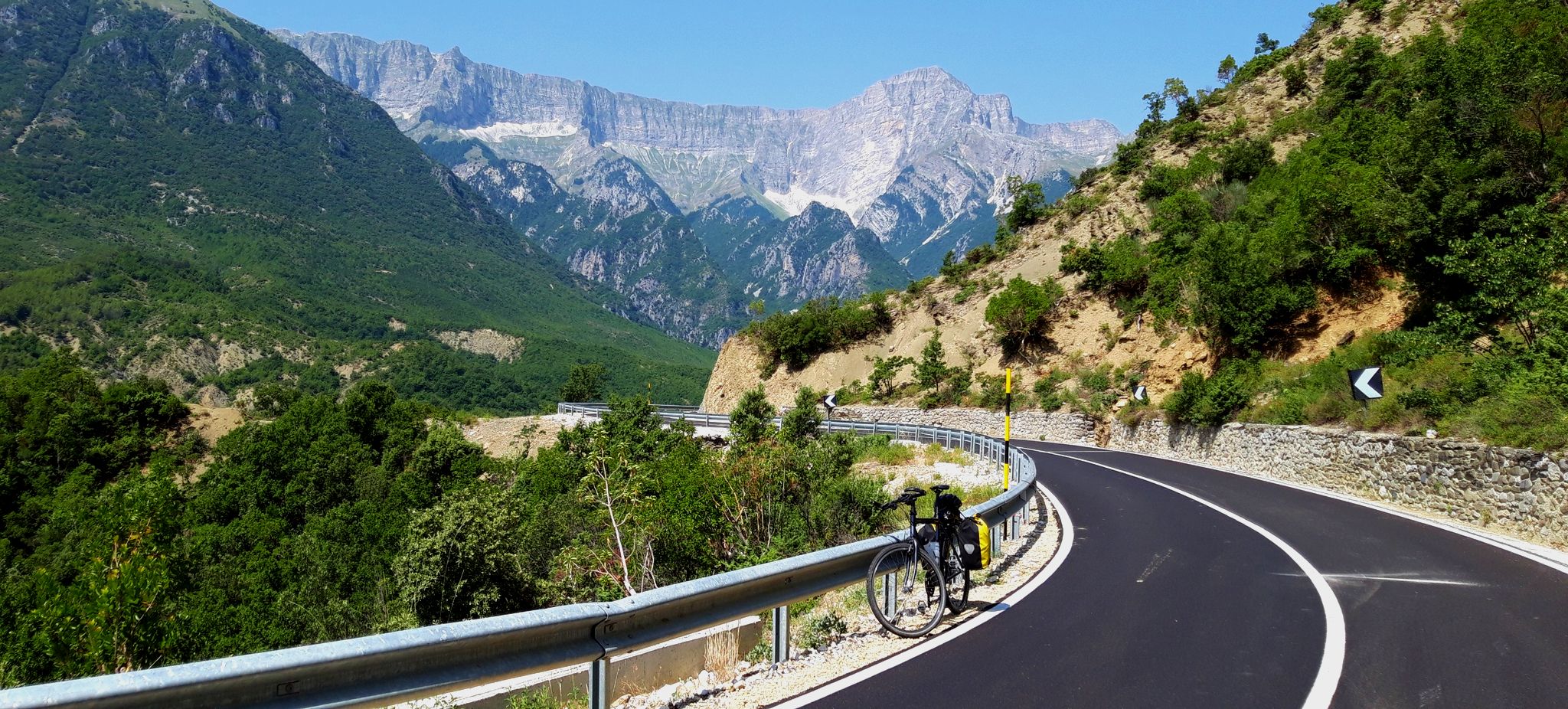
Balkan cycling adventure – Dubrovnik to Corfu
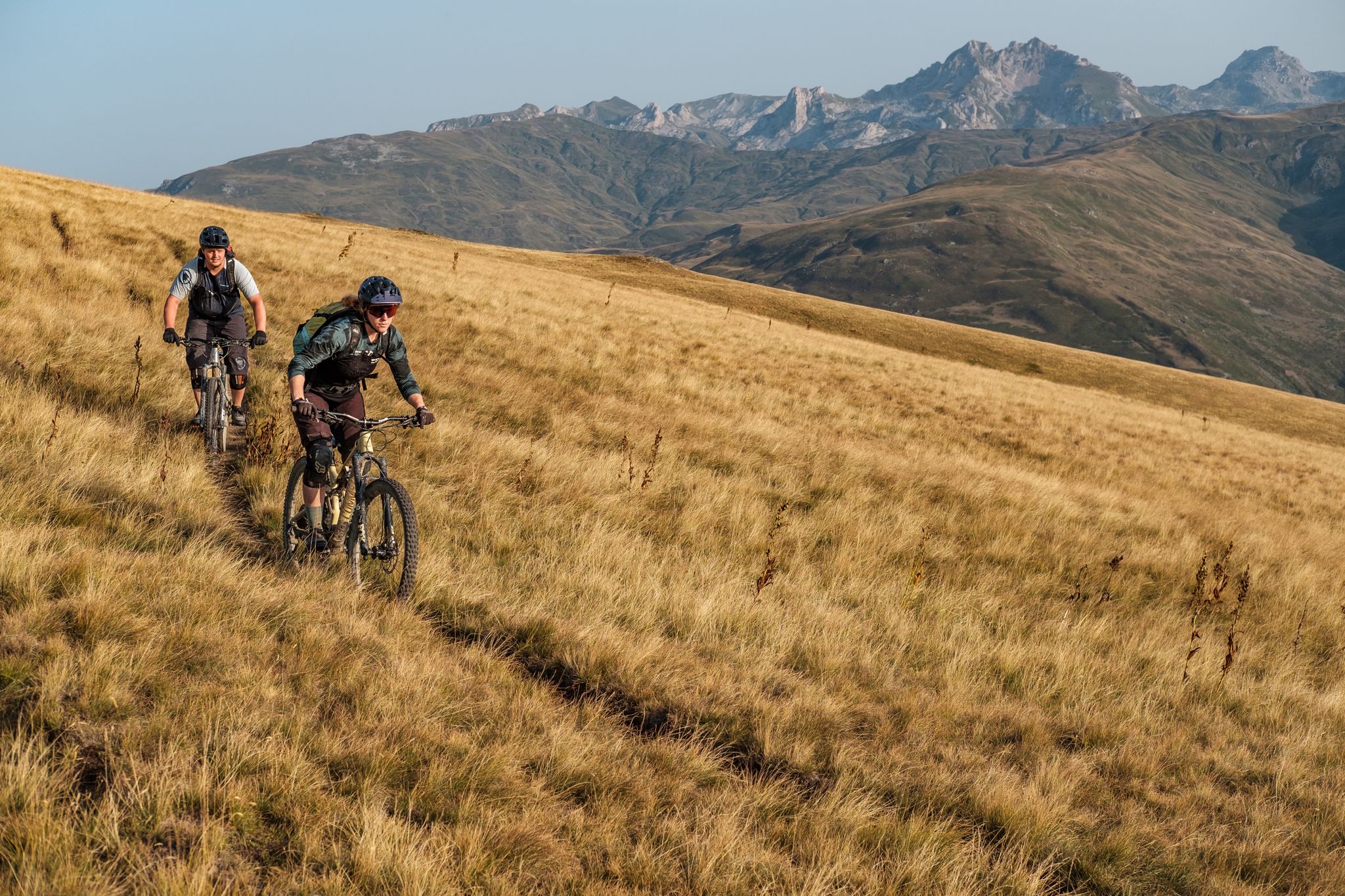
Explorer Trip through Kosovo and Albania
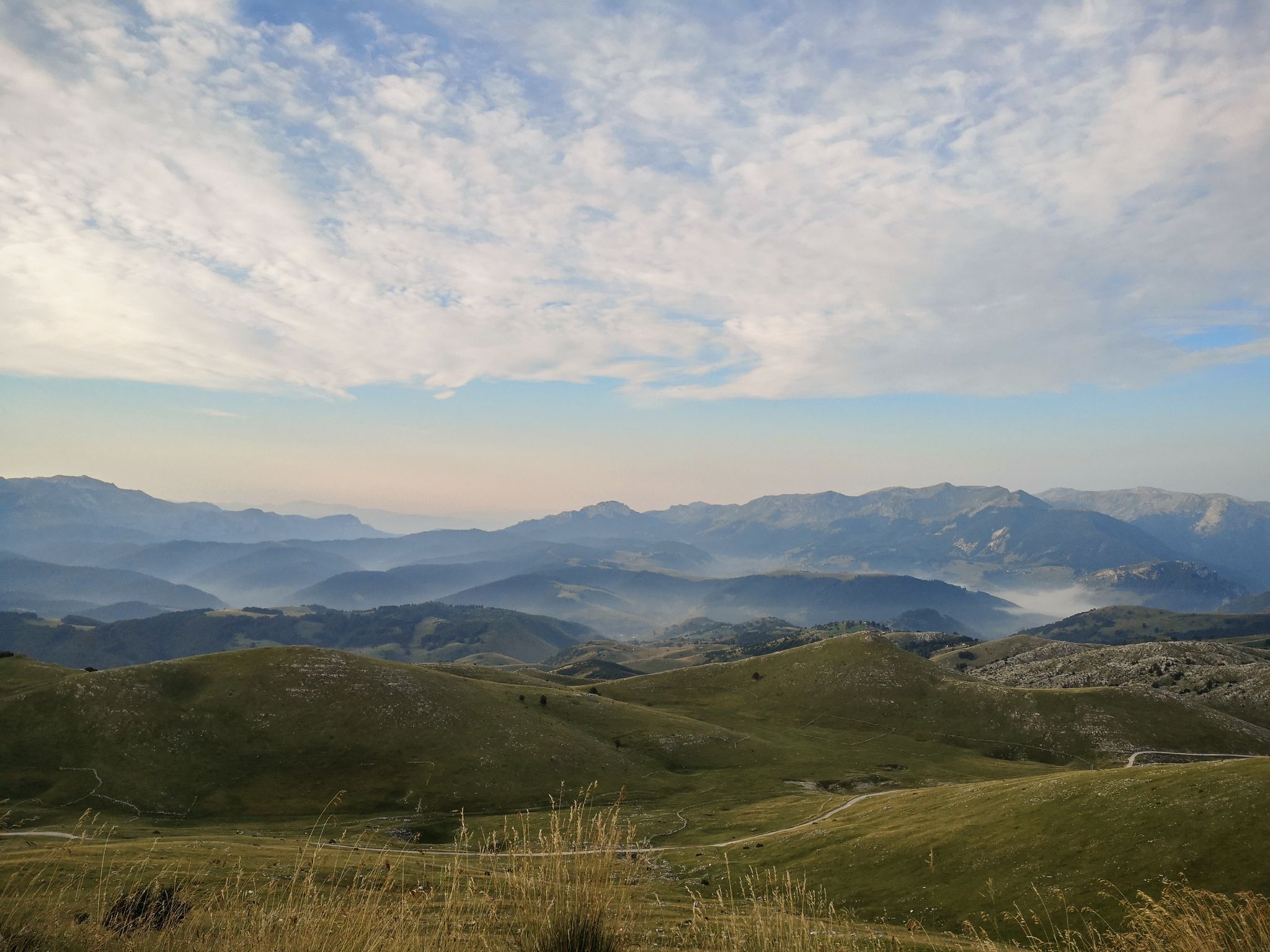
As we wrote history – the Transcontinental Race #TCRN06
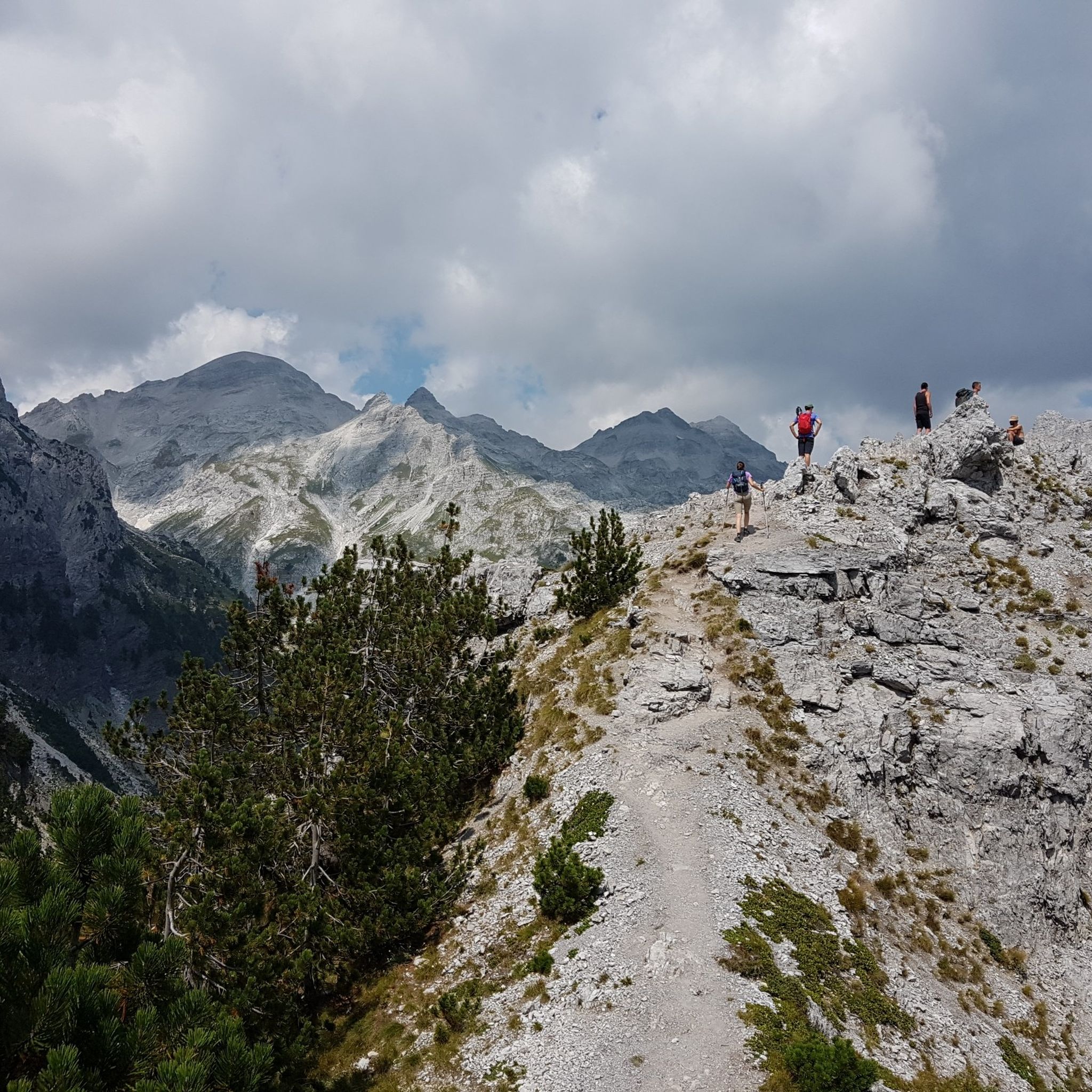
Hiking in Albania
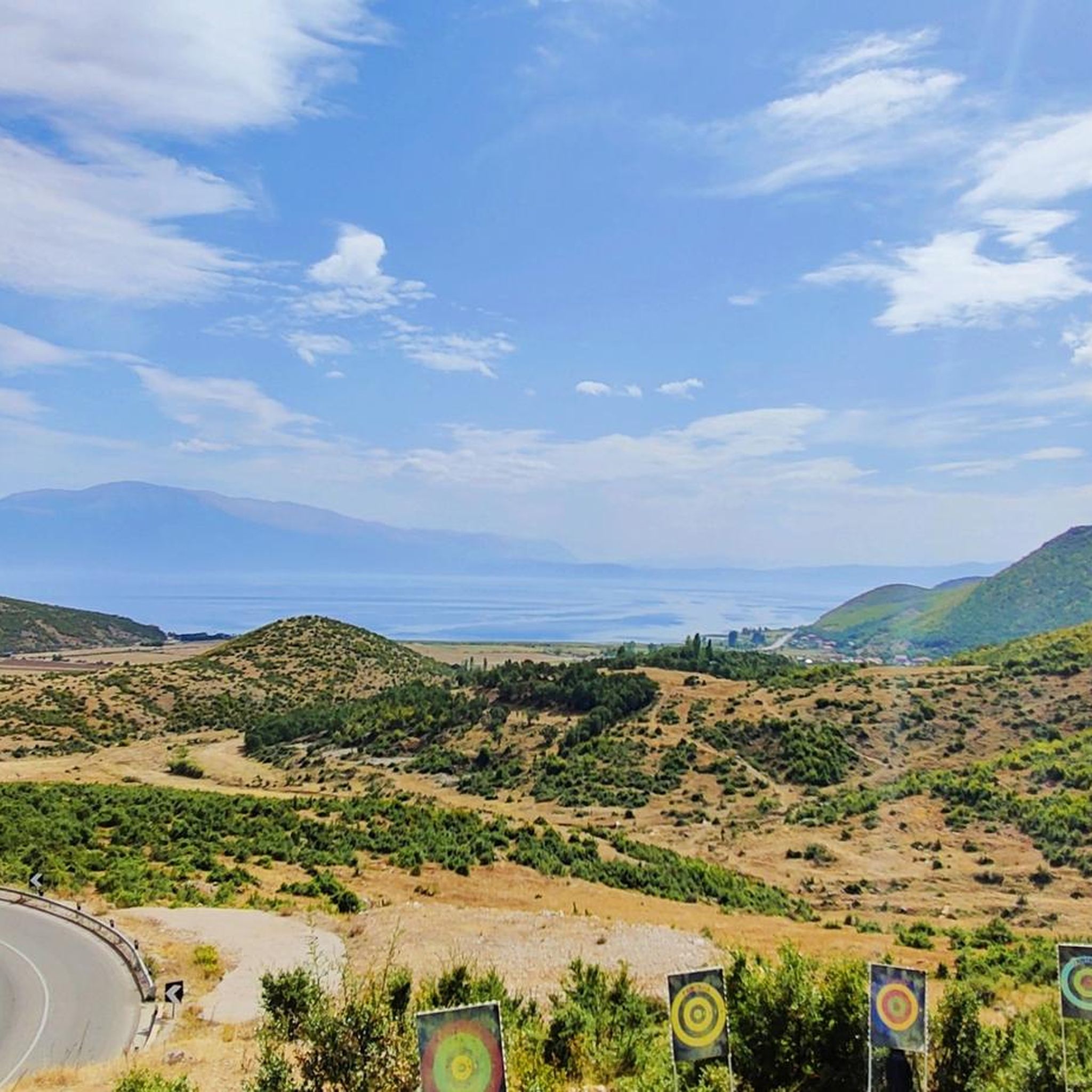
Cycling in Albania
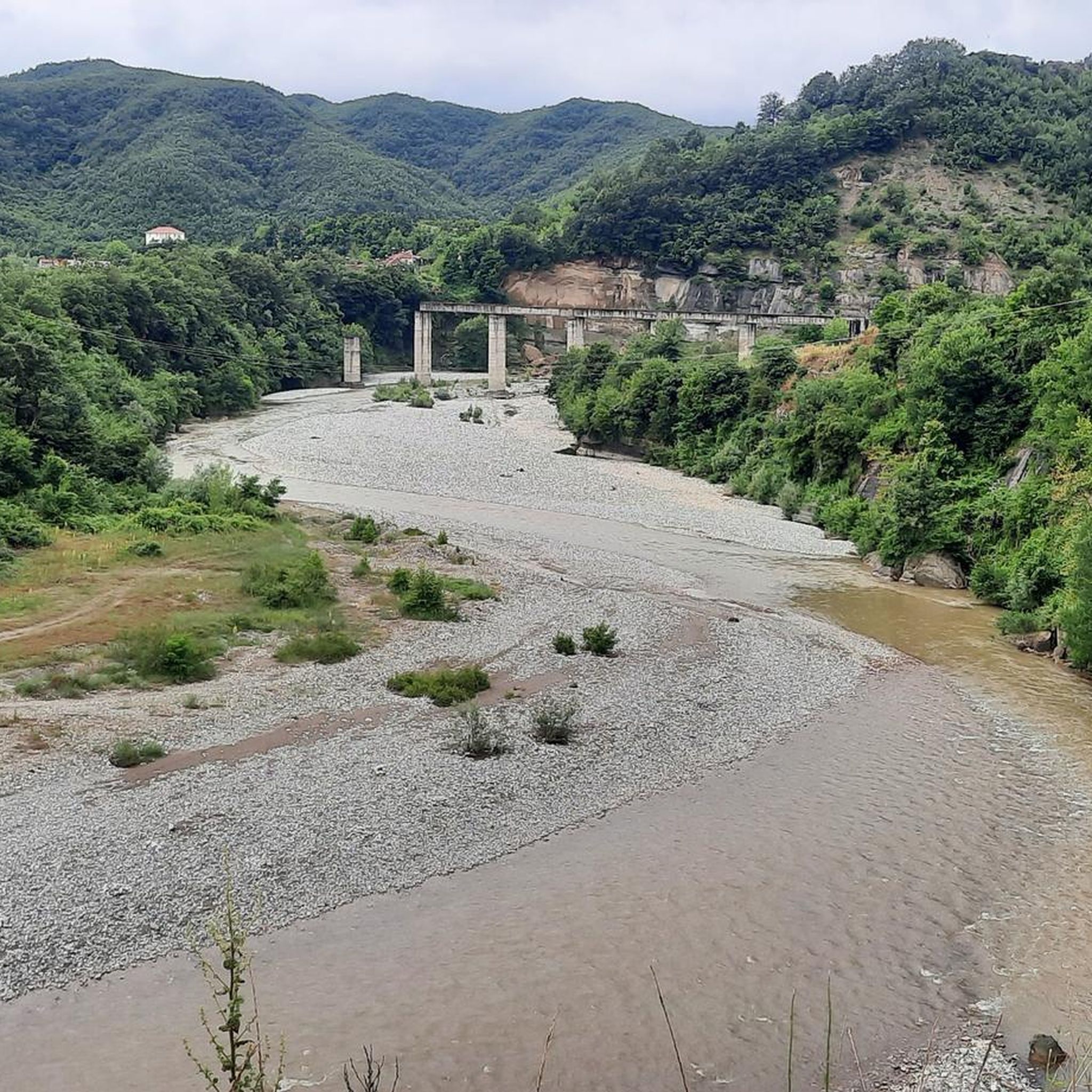
Running Trails in Albania
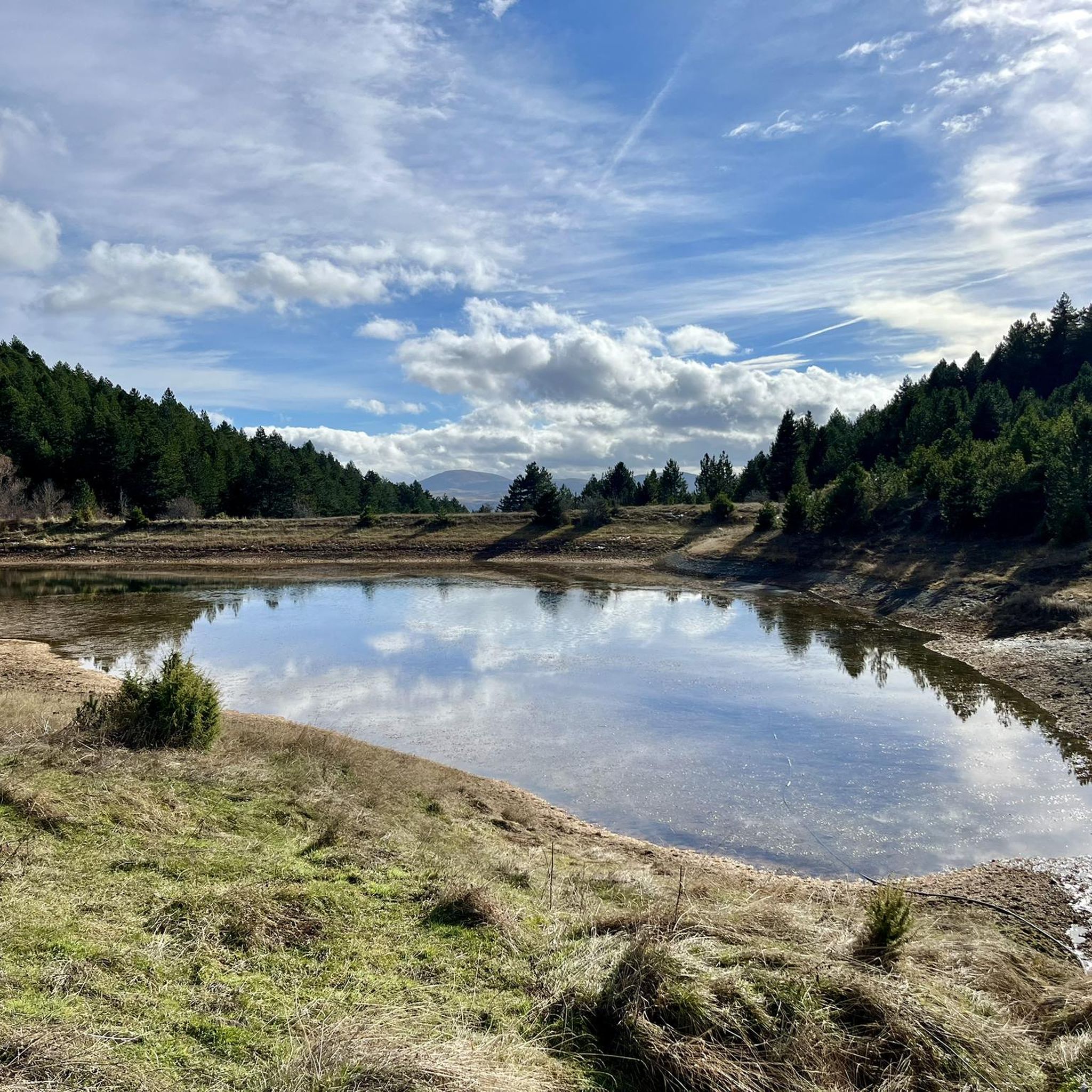
Road Cycling Routes in Albania
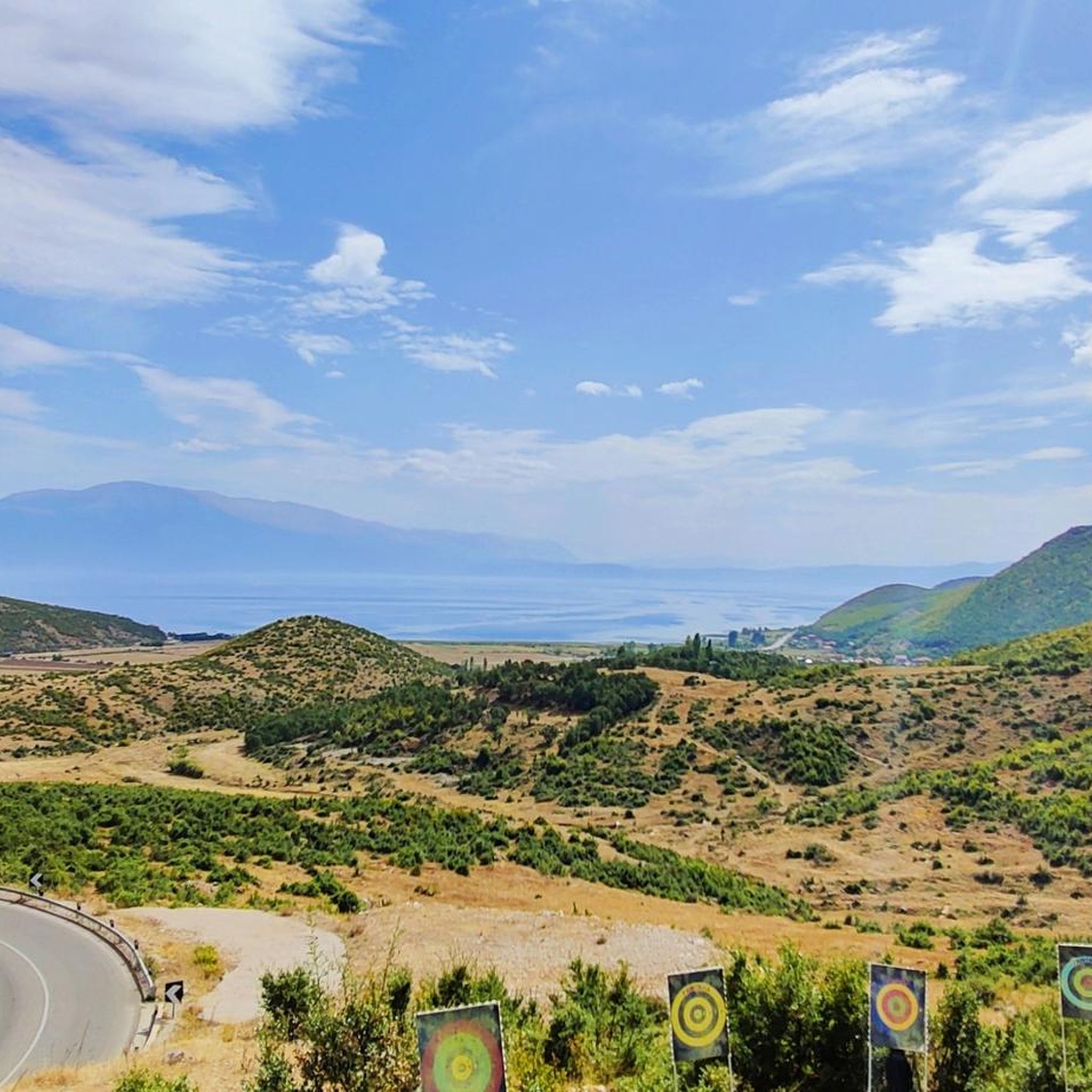
MTB Trails in Albania
Other adventures in Albania


Tips from the Community

Equestrian statue of Gjergj Kastrioti Skënderbeu, the 15th-century leader who united the Albanian principalities and managed to halt the Ottoman advance for decades. The monument was erected in 1968 to commemorate 500 years after his death and forms the symbolic center of Tirana. The powerful pose, the helmet with a goat's head, and the elevated silhouette in the square emphasize his role as a national icon.
2
0
Next to the mosque stands Tirana's 35 m high clock tower, also known as Kulla e Sahatit, which you can climb for a view over the square.
6
0
The 19th-century Et'hem Bey Mosque is one of Tirana's most recognizable landmarks, especially for its idyllic landscape presentation of forests and waterfalls painted and engraved both inside and out. This is not the way mosques are normally decorated, nor was it permitted in Islamic art. Besides its architectural beauty, the mosque also holds historical significance in the resistance against religious oppression.
6
0
In the heart of the valley stands the stone church of Theth, built in 1892 as a meeting place for the mountain community. During the atheistic period 1967–1990 it was closed and transformed into a health and maternity post, a role it fulfilled for decades. After the fall of the regime, the church regained its original function. The wooden roof and slender tower stand out sharply against the peaks of the Accursed Mountains, while inside the same simplicity and silence reign again — a place where tradition, landscape, and mountain tranquility meet.
7
0
Idyllic, picturesque place. Worth the hike. The restaurant upstairs offers a pleasant break and is the ideal photo spot.
6
0
Deep in the valley of Theth lies the Blue Eye: a clear blue spring that forms in a natural pool between limestone and moss. The water comes directly from an underground karst spring and remains ice-cold, even in the middle of summer. Around the pool are smooth rocks, small waterfalls, and turquoise streams that together form one of the most photogenic spots in Theth National Park. The path to it winds along the river, through narrow passages and over wooden bridges, until you reach the pool where light and water create an almost surreal color.
6
0
Narrow, powerful waterfall dropping 25–30 meters down a vertical limestone wall on the west flank of the Theth Valley. The source lies directly above the fall, fed by a high-altitude karst spring and meltwater, ensuring the water remains clear and cold even in summer. Since 2002, the waterfall has been an official nature monument. The path to it is short but steep, with wet, slippery stones and a river crossing that can be challenging in rain. Its location — wedged between rocks and greenery — makes this one of Theth's most characterful spots.
6
1
Red pedestrian bridge over the Shala River, a landmark on the trail to Theth's Blue Eye. The metal structure with wooden planks marks the transition from the village path to the mountain trail, contrasting sharply with the valley's greenery. Graffiti and stickers tell the story of passing hikers — a living trace in a rugged landscape where nature and human presence subtly touch.
5
0
Frequently Asked Questions
What are some of Albania's most impressive natural attractions?
Albania boasts diverse natural beauty. You can explore the enchanting Blue Eye (Syri i Kaltër) Waterfall, known for its vibrant blue spring, or the rugged Grunas Waterfall. The Albanian Alps offer stunning landscapes, including the scenic Valbona Pass with extensive valley views. Other notable natural features include Valbona Valley National Park, Theth National Park, and the dramatic Osum Canyon.
Which historical sites and castles should I visit in Albania?
Albania is rich in history. Don't miss Gjirokastër Castle, an imposing 12th-century structure offering panoramic city views and housing a weapons collection. Berat Castle is another must-see, a large, partially inhabited citadel with stone streets and Byzantine churches. Other significant sites include Butrint National Park with its ancient ruins, Krujë Castle, and the Amphitheatre of Durrës.
Are there good hiking opportunities in Albania?
Yes, Albania offers excellent hiking, especially in its mountainous regions. The hike from Valbona to Theth, crossing the Valbona Pass, is particularly popular and scenic. You can find various trails, from moderate to difficult, in areas like Valbona Valley National Park and Theth National Park. For more detailed routes, explore the Hiking in Albania guide.
What are some family-friendly attractions in Albania?
Many attractions cater to families. The Thethi Church area is considered family-friendly, as is Et'hem Bey Mosque and Tirana's Clock Tower. Exploring the ancient ruins of Butrint National Park or the unique architecture of Berat and Gjirokastër can also be engaging for families. The natural springs like the Blue Eye (Syri i Kaltër) Waterfall offer a refreshing experience.
When is the best time to visit Albania?
The best time to visit Albania largely depends on your planned activities. For hiking in the Albanian Alps and exploring national parks, late spring (May-June) and early autumn (September-October) offer pleasant temperatures. For enjoying the Albanian Riviera's beaches, the summer months (July-August) are ideal, though they can be crowded. Cities like Tirana, Berat, and Gjirokastër can be visited comfortably in spring, autumn, or even milder winter months.
What should I know if I plan to hike the Valbona Pass?
The Valbona Pass is a challenging but rewarding hike. Visitors recommend bringing plenty of water, as sources are scarce after the last café before the summit. A sun hat is also advisable due to sun exposure. The path can be very busy in summer, and while steep in parts, the extensive views of the Valbona valley are well worth the effort. There's a bar on the way to the pass for a break.
Are there any wheelchair-accessible sights in Albania?
In Tirana, Skanderbeg Square is noted as wheelchair accessible, offering a central point to experience the city's vibrant atmosphere. While many historical sites and natural attractions in Albania involve uneven terrain or stairs, efforts are being made to improve accessibility in urban areas.
What are the differences between Berat and Gjirokastër for tourists?
Both Berat and Gjirokastër are UNESCO World Heritage sites renowned for their unique Ottoman architecture. Berat, known as the 'City of a Thousand Windows,' features white houses stacked on hillsides and the impressive Berat Castle. Gjirokastër, the 'Stone City,' is characterized by its distinctive stone architecture and cobbled streets, dominated by the monumental Gjirokastër Castle. Berat offers a more open, 'windowed' aesthetic, while Gjirokastër presents a more rugged, 'stone' feel. Both provide deep historical insights.
What kind of outdoor activities can I do near the attractions?
Beyond hiking, you can find various outdoor activities. Near the Blue Eye (Syri i Kaltër) Waterfall, there are easy hiking routes like the 'Bistrica Reservoir – View of the Vjosa River loop'. In the Tirana area, you can find moderate running trails, such as the 'Lake view loop'. The Osum Canyon offers opportunities for whitewater rafting. For more specific routes, check out the Easy hikes in Albania and Running Trails in Albania guides.
What do visitors enjoy most about Albania's attractions?
Visitors frequently praise the breathtaking natural beauty, from the vibrant blue waters of the Blue Eye (Syri i Kaltër) Waterfall to the extensive views from Valbona Pass. The rich history and unique architecture of sites like Gjirokastër Castle and Berat Castle are also highly appreciated. Many enjoy the sense of discovery and the welcoming atmosphere, often highlighting the stunning photo opportunities and the chance to immerse themselves in both ancient and modern Albanian culture.
Can I visit ancient ruins in Albania?
Absolutely. Albania is home to several significant ancient ruins. Butrint National Park, a UNESCO World Heritage Site, features ruins dating back to the 7th century BC, including a Greek theater, Roman villas, and a Christian basilica. The archaeological site of Apollonia also offers extensive ruins of an ancient city. Additionally, the Amphitheatre of Durrës is one of the largest and best-preserved Roman amphitheaters in the Balkans.
What are some notable religious sites to visit?
Albania has a rich religious heritage. The Et'hem Bey Mosque in Tirana is a beautiful example of Ottoman architecture. Within Berat Castle, you can find numerous Byzantine churches and ruins from different eras. The Thethi Church in the Albanian Alps is another picturesque and historically significant religious building.
Most popular routes in Albania
Most popular attractions in Albania

Get inspired with the komoot mobile app


Didn’t find what you were looking for?
Are you keen on exploring more awesome places nearby? Browse our guides:
Explore more
Still not found the Highlight you’re looking for? See guides of the top attractions in other regions:
