The best waterfall hikes and walks in Albania
4.3
(15880)
90,917
hikers
25
hikes
Waterfall hiking trails in Albania traverse a diverse landscape, from rugged mountain ranges to deep river valleys and pristine coastlines. The country is characterized by jagged limestone peaks, alpine meadows, and dense forests, particularly in the Albanian Alps. These natural features create numerous opportunities for exploring cascades and streams. The varied terrain offers a range of elevations and environments for hikers.
Best waterfall hiking trails in Albania
- The most popular waterfall hiking route is Grunas Waterfall – Theth Canyon loop from Thethi National Park, a 12.2 miles (19.6 km) trail that takes 6 hours 45 minutes to complete. This difficult route explores the dramatic Grunas Waterfall and the surrounding canyon.
- Another top favourite among local hikers is View of the Theth Valley – Clear Pool Near Blue Eye loop from Shalë, a difficult 3.7 miles (5.9 km) path. This trail leads to the Clear Pool and the Blue Eye, known for its vibrant blue waters.
- Local hikers also love the View of the Theth Valley – Grunas Waterfall loop from Thethi National Park, a 5.0 miles (8.0 km) trail leading through the Theth Valley, often completed in about 2 hours 54 minutes.
- Hiking in Albania is defined by rugged mountain ranges, deep river valleys, and alpine meadows. The network offers options for different ability levels, from easy walks to challenging mountain ascents.
- The routes in Albania are highly rated by the komoot community with an average score of 4.3 stars from over 9800 reviews. More than 57000 hikers have used komoot to explore Albania's varied terrain.
Last updated: October 12, 2026
4.7
(1095)
4,980
hikers
Hard hike. Very good fitness required. Sure-footedness, sturdy shoes and alpine experience required.
4.7
(456)
2,977
hikers
5.76km
02:03
200m
200m
Hard hike. Good fitness required. Sure-footedness, sturdy shoes and alpine experience required.

4.5
(478)
2,037
hikers
Moderate hike. Good fitness required. Mostly accessible paths. Sure-footedness required.
4.7
(337)
2,113
hikers
7.60km
02:44
280m
280m
Hard hike. Good fitness required. Sure-footedness, sturdy shoes and alpine experience required.
4.6
(152)
1,041
hikers
10.9km
04:03
350m
350m
Moderate hike. Good fitness required. Mostly accessible paths. Sure-footedness required.
Get access to more routes and recommendations from other explorers.
Already have an account?
Our route recommendations are based on thousands of hikes, rides, and runs completed by other people on komoot.
Start today with a free account
Your next adventure awaits.
Popular around Albania
Waterfall hikes in Shkodër
Waterfall hikes in Kukës

Waterfall hikes in Gjirokastër

Waterfall hikes in Berat
Traversing the Dinaric Alps — bikepacking from the mountains to the sea
Transcontinental Race No9 2023
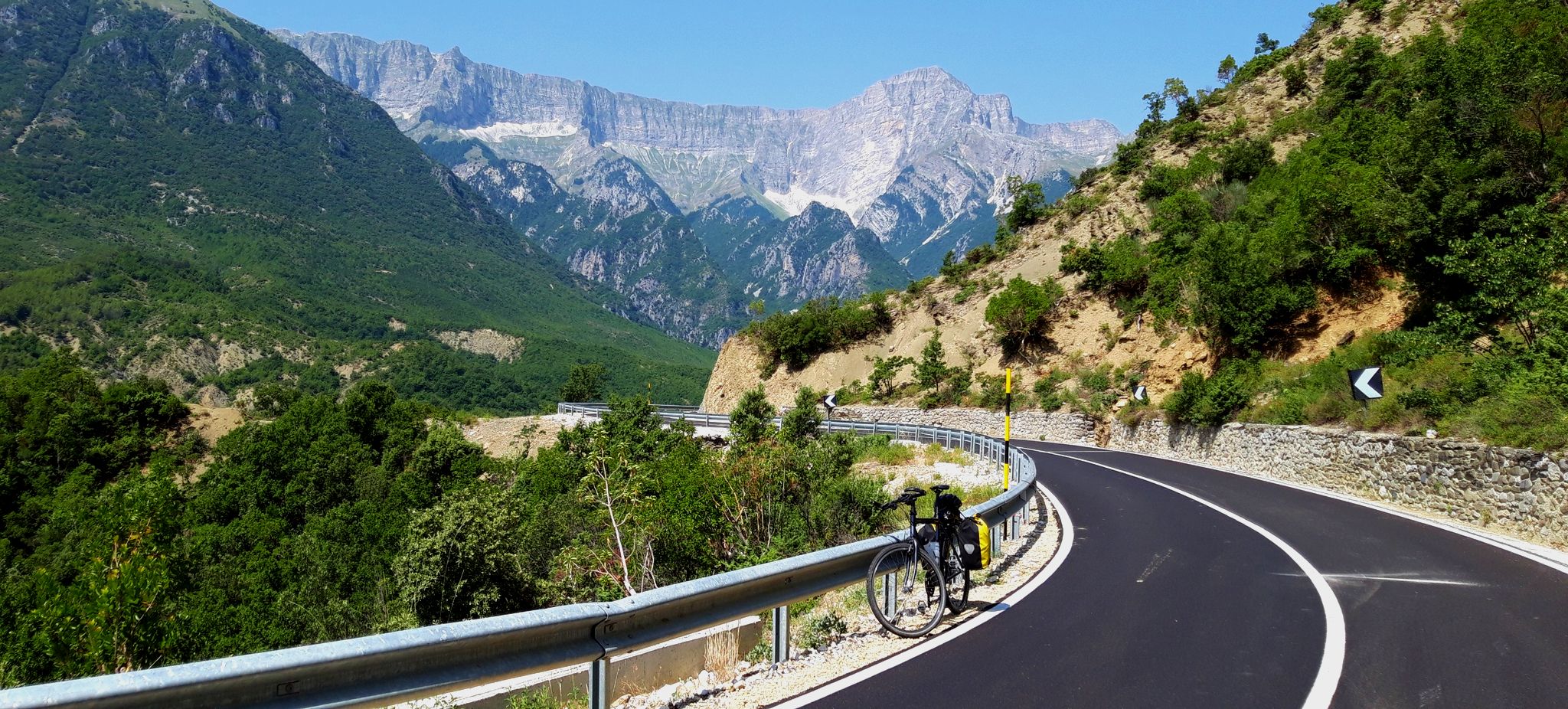
Balkan cycling adventure – Dubrovnik to Corfu
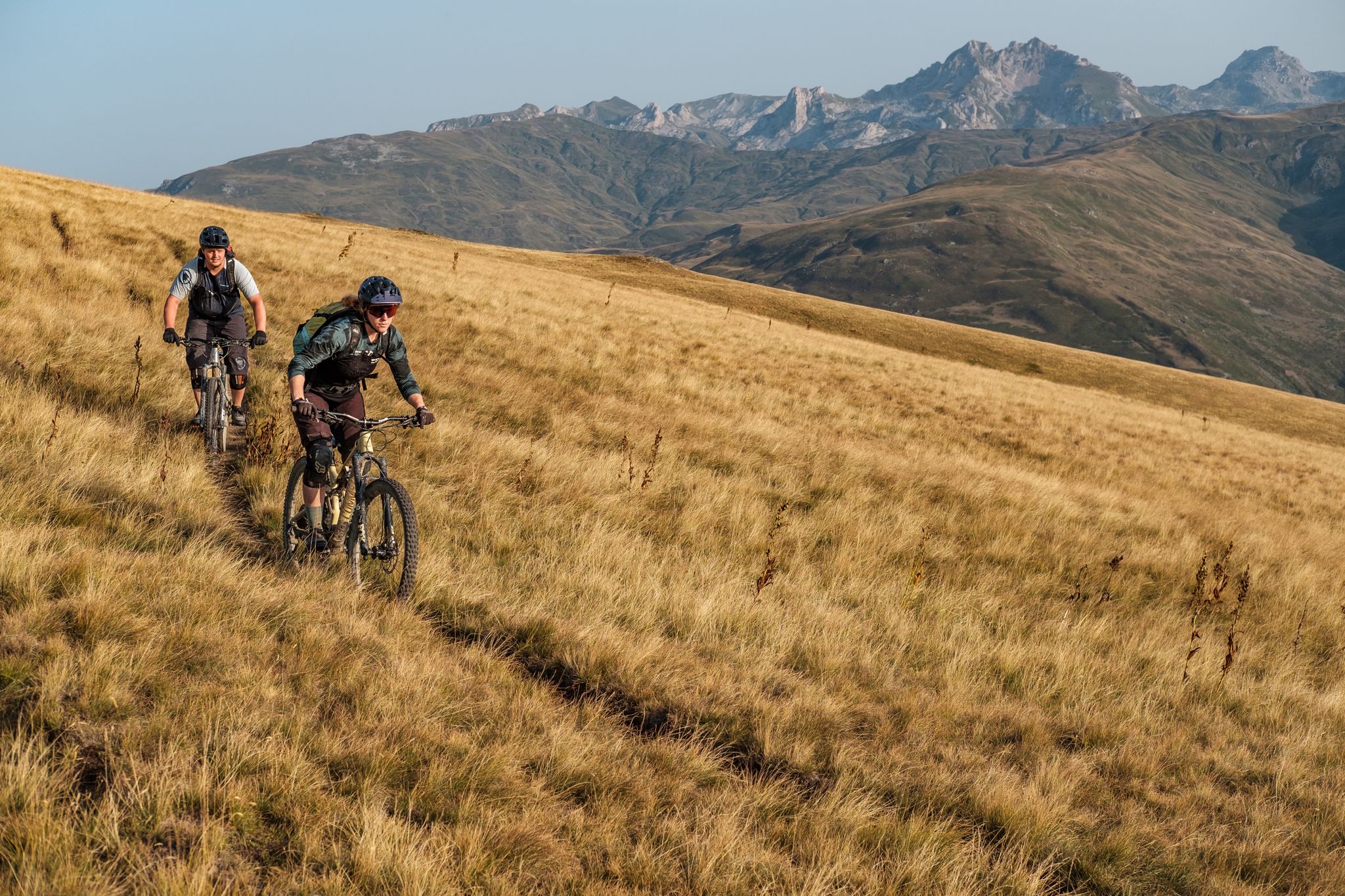
Explorer Trip through Kosovo and Albania
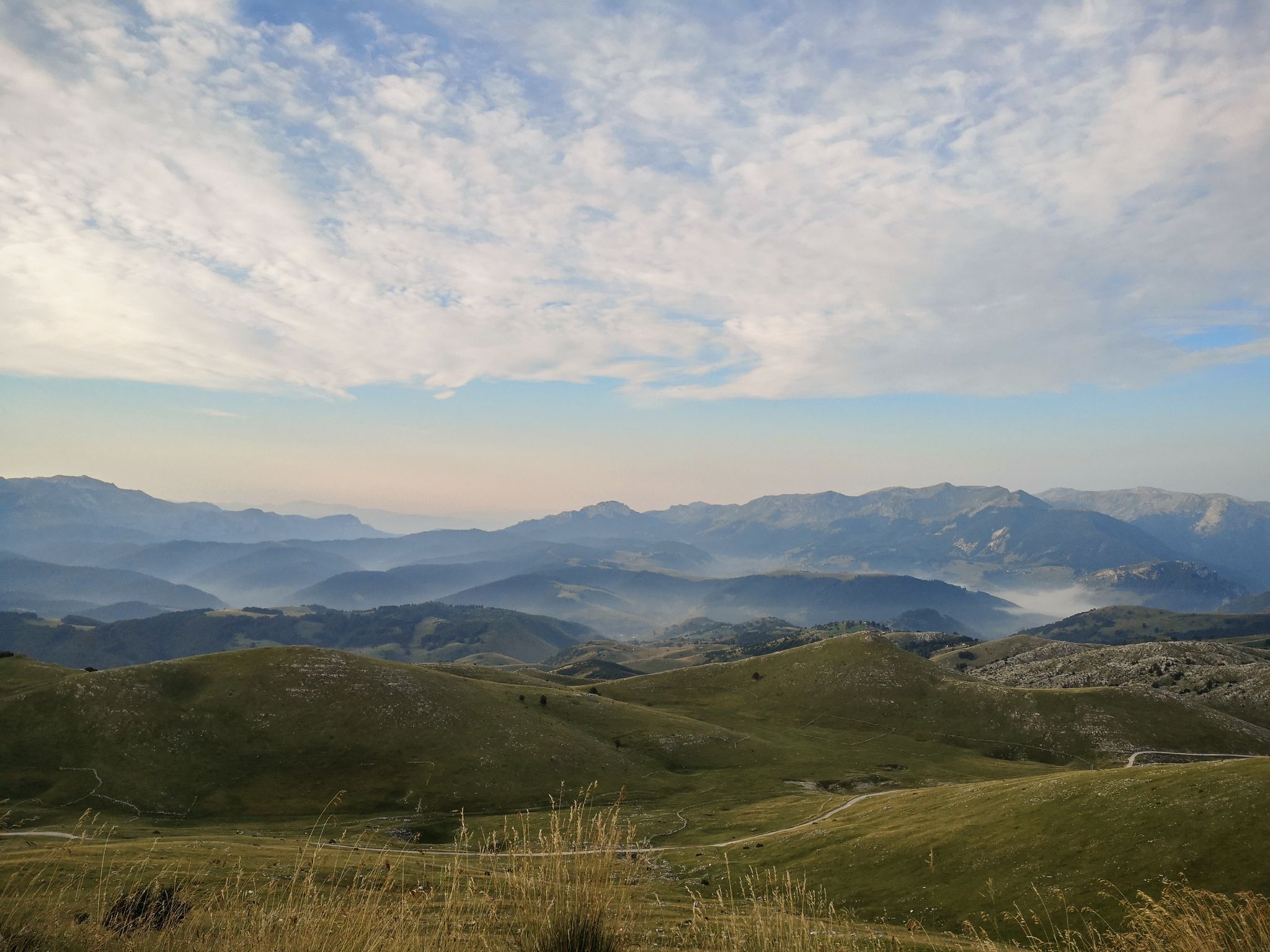
As we wrote history – the Transcontinental Race #TCRN06
Other adventures in Albania


Tips from the Community

Behind the church we walk in a southeasterly direction through fields and meadows and arrive at a path flanked by trees and a wall. On the left is the Ethnographic Museum on a rock. We climb to the right over the wooden ladder, however, towards the path along the river. Before restaurant Shpella we turn left and walk straight towards the 'refuge tower'. The *Kulla e Ngujimit* is a multi-story stone tower where men threatened with blood revenge could seek refuge.
7
0
In the heart of the valley stands the stone church of Theth, built in 1892 as a meeting place for the mountain community. During the atheistic period 1967–1990 it was closed and transformed into a health and maternity post, a role it fulfilled for decades. After the fall of the regime, the church regained its original function. The wooden roof and slender tower stand out sharply against the peaks of the Accursed Mountains, while inside the same simplicity and silence reign again — a place where tradition, landscape, and mountain tranquility meet.
7
0
A narrow wooden suspension bridge spans the turquoise water of the Blue Eye River. The planks wobble slightly under your feet, while the crystal-clear water flows over the stones beneath you. On both sides of the bridge lie rocks and trees that filter the light into a green-blue spectacle — a natural photo spot where hikers pause for the view.
6
0
Idyllic, picturesque place. Worth the hike. The restaurant upstairs offers a pleasant break and is the ideal photo spot.
6
0
Deep in the valley of Theth lies the Blue Eye: a clear blue spring that forms in a natural pool between limestone and moss. The water comes directly from an underground karst spring and remains ice-cold, even in the middle of summer. Around the pool are smooth rocks, small waterfalls, and turquoise streams that together form one of the most photogenic spots in Theth National Park. The path to it winds along the river, through narrow passages and over wooden bridges, until you reach the pool where light and water create an almost surreal color.
6
0
You will encounter this rather elongated, popular pool before you reach Blue eye. Another 5' walk.
6
0
The Grunas-kloof forms a narrow limestone passage through which the river cuts with force. Between the rock walls, the water plunges in a series of small waterfalls, the highest of which — the Grunas waterfall — drops over 25 meters. The gorge is located at an altitude of about 900 m, surrounded by dense beech forests and steep mountain flanks. The path to it follows old shepherd routes and offers ever-new views of the blue-green water winding through the rocks.
6
0
Deep in the Albanian Alps, the Shalë River carves a narrow, green valley out of the limestone. The water remains strikingly clear and light blue, even in the shadow of the steep walls. Along the riverbed, boulders, still pools, and small rapids alternate. The landscape feels untouched and photogenic at the same time: a place where light, water, and stone constantly create new compositions.
6
0
Frequently Asked Questions
How many waterfall hiking trails are available in Albania?
Albania offers a diverse selection of waterfall hiking trails, with over 20 routes currently available on komoot. These trails range from easy walks to challenging mountain ascents, catering to various fitness levels and preferences.
What is the best time of year to go waterfall hiking in Albania?
The best time for waterfall hiking in Albania is generally from late spring to early autumn (May to October). During these months, the weather is more stable, trails are clear of snow, and water levels in the waterfalls are typically good. The Albanian Alps, where many waterfalls are found, are particularly stunning in summer with lush greenery and wildflowers.
Are there any easy waterfall hikes suitable for beginners or families?
Yes, there are easy options for those looking for a more relaxed experience. For example, the Bogova Waterfall – Bogova Waterfall loop from Bogovë is an easy 4.6 km path that takes around 1 hour 20 minutes to complete, perfect for families or beginners. This trail leads to the beautiful Bogova Waterfall in southern Albania.
What are some of the most notable waterfalls to visit in Albania?
Albania is home to several stunning waterfalls. The Grunas Waterfall in Theth National Park is a prominent feature, often explored via routes like the View of the Theth Valley – Grunas Waterfall loop. Another famous spot is the Blue Eye (Syri i Kaltër) Waterfall near Theth, known for its vibrant blue waters, which can be reached on the View of the Theth Valley – Clear Pool Near Blue Eye loop. The Osumi Canyon in southern Albania also features magnificent waterfalls, especially during rafting season.
Are there any challenging waterfall hikes for experienced trekkers?
Absolutely. For experienced trekkers, the Grunas Waterfall – Theth Canyon loop from Thethi National Park is a difficult 19.6 km trail that takes nearly 7 hours to complete, exploring the dramatic Grunas Waterfall and its surrounding canyon. Another challenging option is the View of the Theth Valley – Clear Pool Near Blue Eye loop from Shalë, a difficult 5.9 km path leading to the Blue Eye.
Can I find circular waterfall hiking routes in Albania?
Yes, many waterfall trails in Albania are designed as circular routes, allowing you to start and end at the same point. Examples include the Grunas Waterfall – View of the Theth Valley loop from Nderliza, a moderate 11.2 km trail, and the easy Bogova Waterfall – Bogova Waterfall loop from Bogovë.
What kind of natural features and landmarks can I expect to see along these trails?
Beyond the waterfalls themselves, you'll encounter a rich tapestry of natural beauty. The trails often traverse rugged mountain ranges, deep river valleys, and alpine meadows, particularly in the Albanian Alps. You might also see impressive canyons, such as the Grunas Canyon, and enjoy panoramic views of valleys like Theth. Notable landmarks include the Valbona Pass and the unique Thethi Church.
Are there any places to stay or eat near the waterfall hiking areas?
Yes, especially in popular hiking regions like Theth and Valbona. You'll find various guesthouses and huts that offer accommodation and meals. For instance, near the Valbona Pass, there's a Bar on the way to Valbona Pass and a Wooden Cabin Bar in Valbona Valley National Park. In more remote areas, guesthouses like Guesthouse Bashkimi, Dobërdol provide essential services for hikers.
What do other hikers say about the waterfall trails in Albania?
The waterfall trails in Albania are highly regarded by the komoot community, boasting an average rating of 4.3 stars from over 9800 reviews. Hikers frequently praise the stunning natural beauty, the pristine and untouched landscapes, and the authentic experience of exploring Albania's rugged mountains and valleys.
Is wild swimming possible at any of the waterfalls?
Yes, some waterfalls and natural pools in Albania offer opportunities for wild swimming, particularly during warmer months. The Blue Eye (Syri i Kaltër) near Theth is famous for its icy, vibrant blue waters, making it a popular spot for a refreshing dip. Always exercise caution and check local conditions before swimming in natural bodies of water.
Are the waterfall trails in Albania dog-friendly?
Many trails in Albania, especially in national parks and rural areas, are generally dog-friendly. However, it's always advisable to check specific park regulations or trail information beforehand. Keep your dog on a leash, especially in areas with wildlife or livestock, and ensure they are capable of handling the terrain and distance of your chosen hike.
How accessible are the waterfall hiking trails by public transport?
Accessibility by public transport varies across Albania. While major towns and national parks like Theth and Valbona have some public transport links (often furgons or minibuses), reaching the exact trailheads can sometimes require additional local transport or a taxi. Planning ahead and checking local schedules is recommended, especially for more remote waterfall locations.
Most popular routes in Albania
Most popular attractions in Albania

Get inspired with the komoot mobile app


Didn’t find what you were looking for?
Check out more Hikes throughout Albania below and find the perfect route in your destination.
Explore more
Browse the best Hikes in other regions.
