Top 20 Castles around Wiesenfelden
Best castles around Wiesenfelden offer a blend of historical architecture and natural surroundings. The region is home to several historic sites, including Schloss Wiesenfelden, which dates back to the 12th century and now houses an environmental information center. Visitors can explore sites with centuries of history, tracing the lineage of noble families and appreciating the local ecosystems. The area provides opportunities to discover both medieval ruins and well-preserved structures.
Best castles around Wiesenfelden
- The most popular castles is Brennberg Castle…
Last updated: July 1, 2026
Brennberg Castle
Highlight • Castle
You should climb the steps to the watch tower, from there you have a magnificent view of Brennberg and the surrounding area
Translated by Google •
Tip by

Heilsberg Castle Ruins
Highlight • Castle
Translated by Google •
Tip by
Sign up now to discover places like this
Get recommendations on the best single tracks, peaks, & plenty of other exciting outdoor places.
Sign up for free
Sengersberg Castle Ruins
Highlight • Castle
Translated by Google •
Tip by

Wörth an der Donau Castle
Highlight • Castle
Translated by Google •
Tip by

Falkenstein – Castle Park, Ruins, and Knight’s Feast
Highlight • Castle
Translated by Google •
Tip by

Sign up for free to discover even more castles around Wiesenfelden.
Sign up for free
Already have an account?
Start today with a free account
Your next adventure awaits.
Login or Signup
Popular around Wiesenfelden
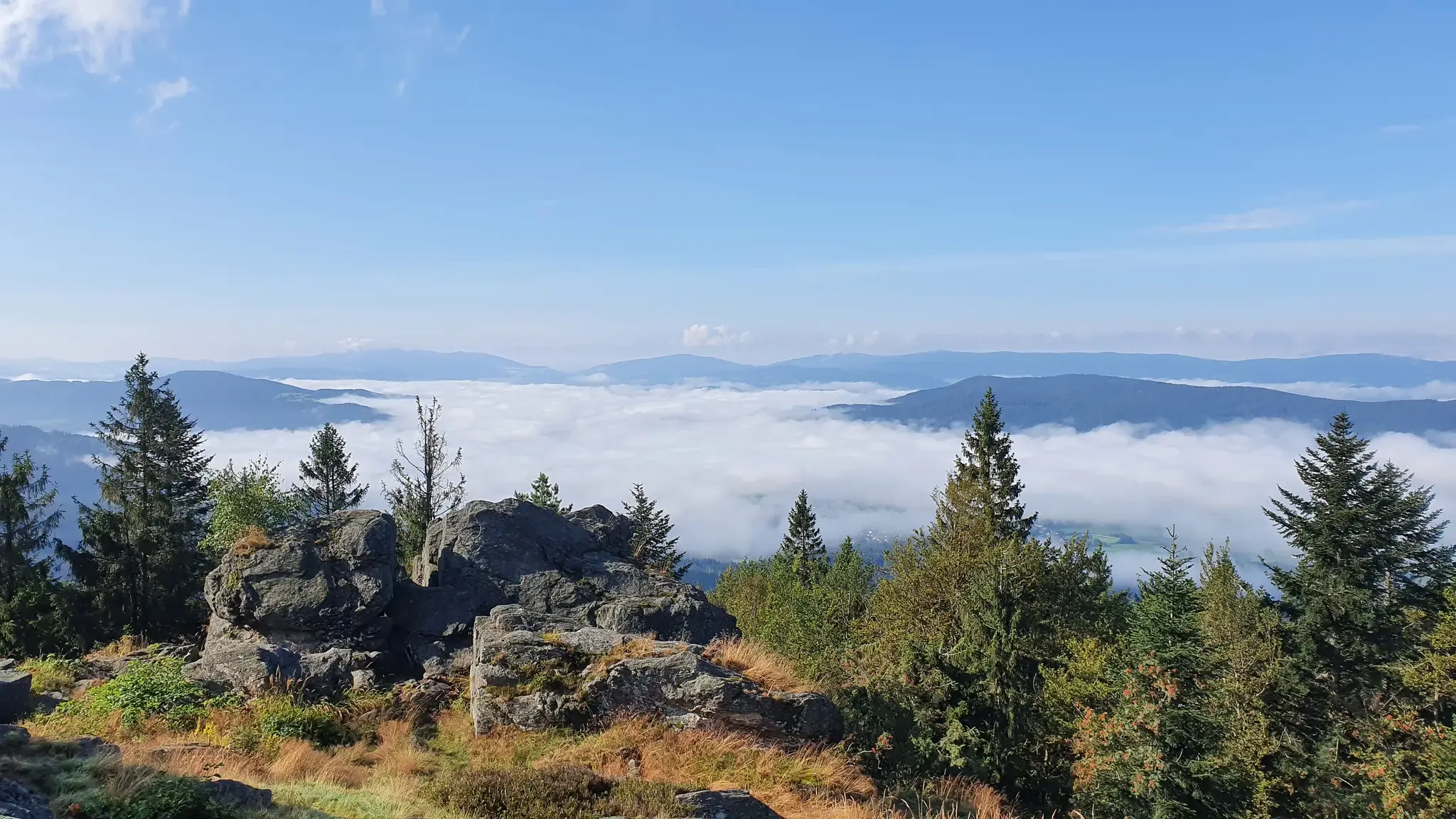
The Goldsteig – 38 stages between Upper Palatinate and Passau
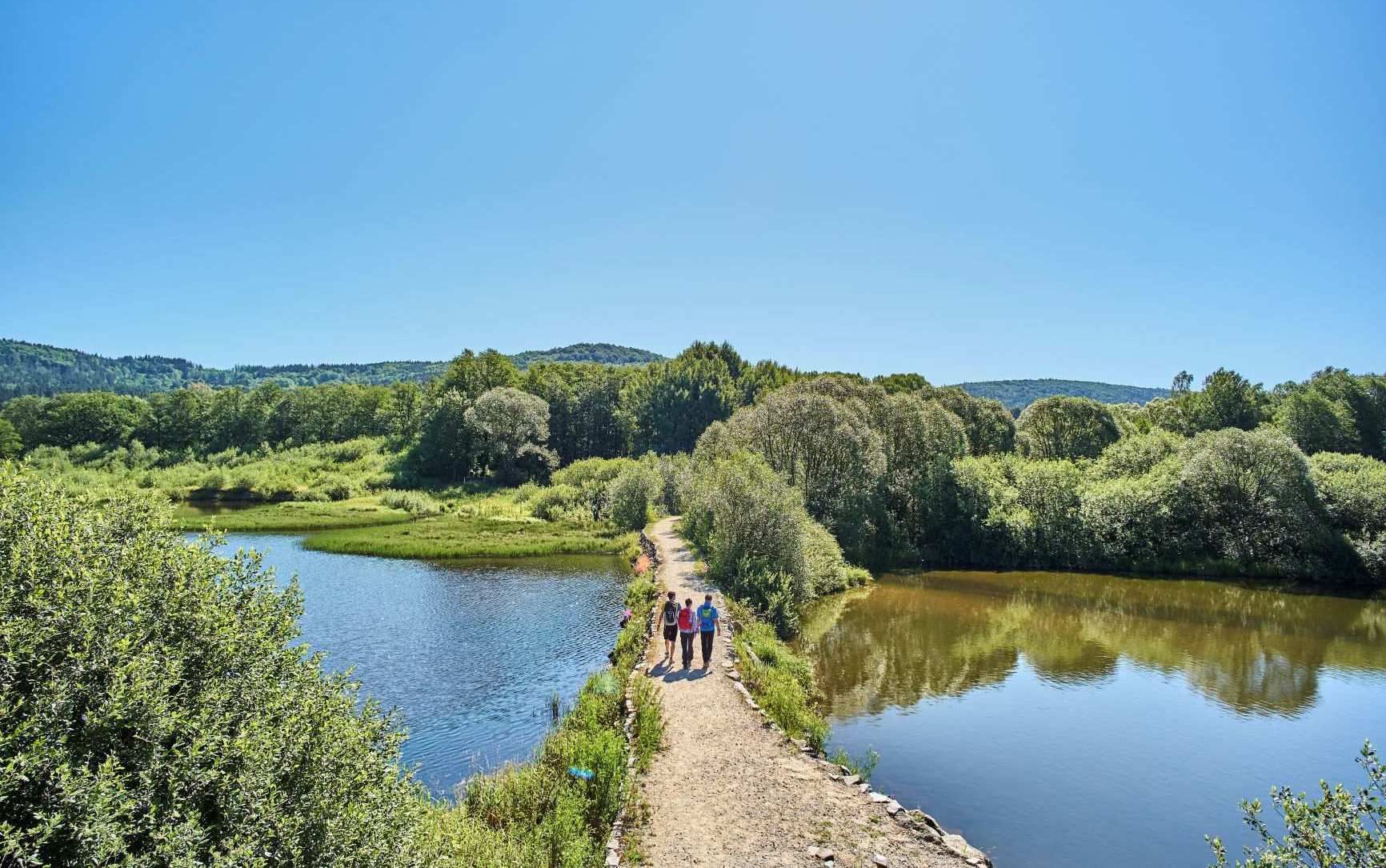
The best of the Goldsteig in Eastern Bavaria – 6 scenic hikes
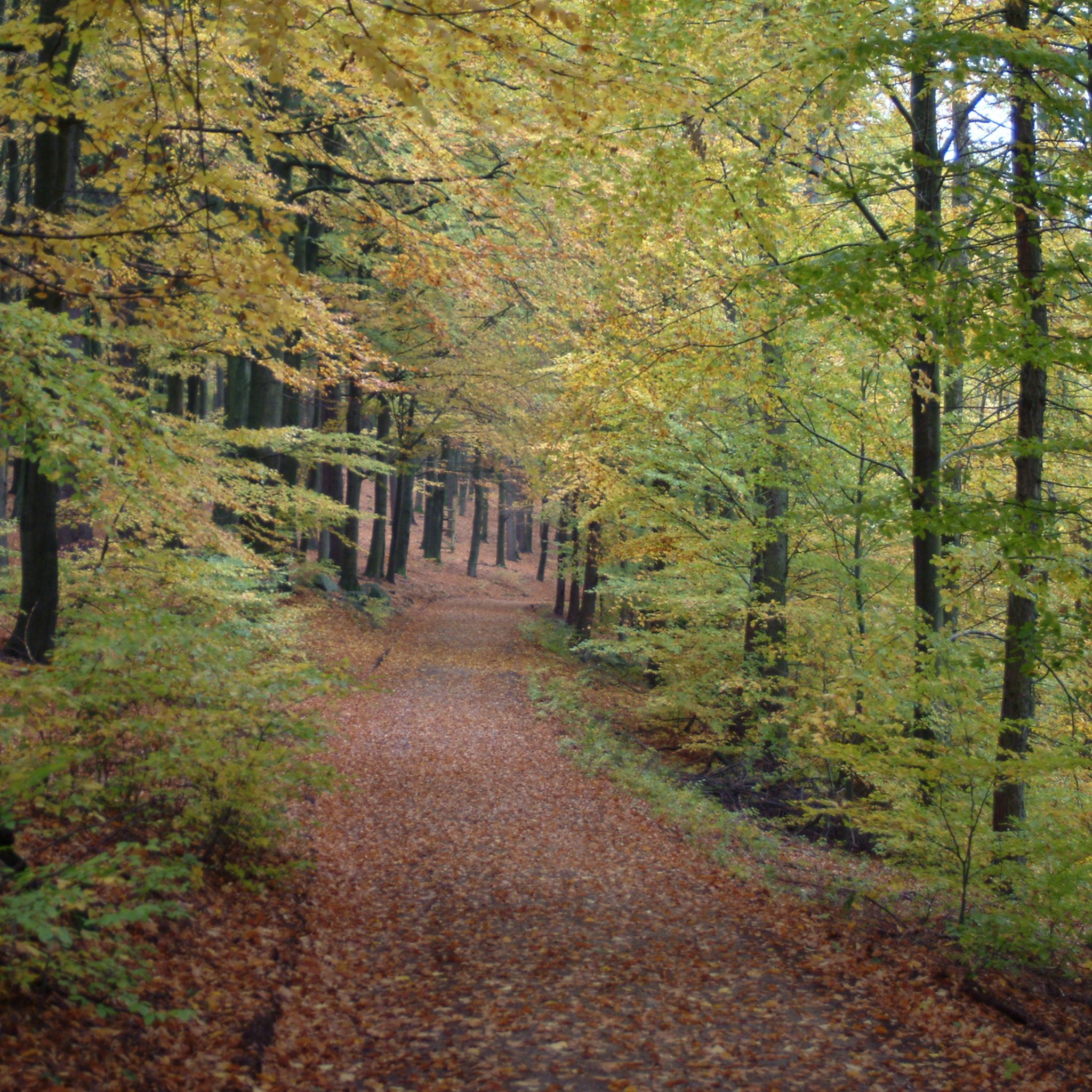
Hiking around Wiesenfelden
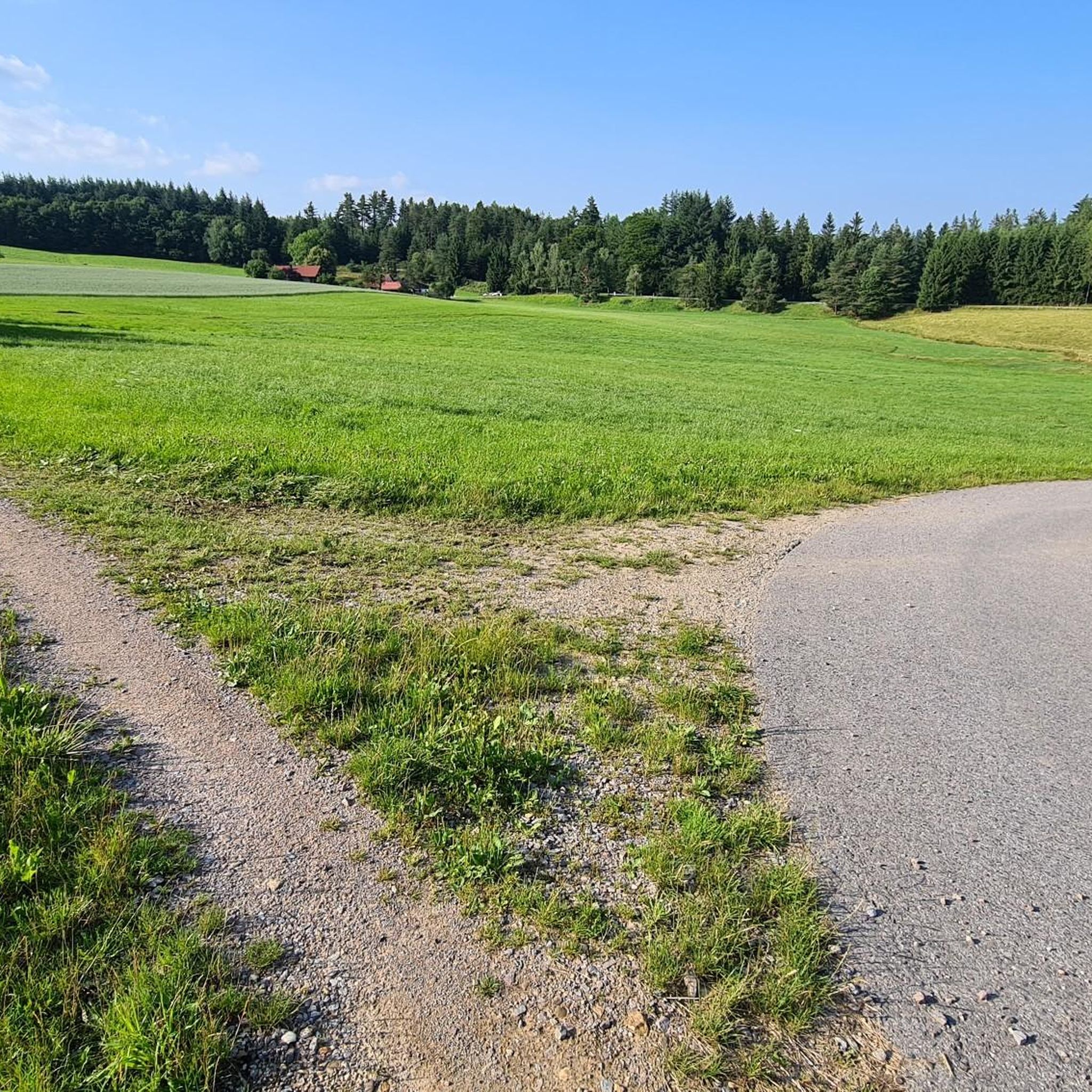
MTB Trails around Wiesenfelden
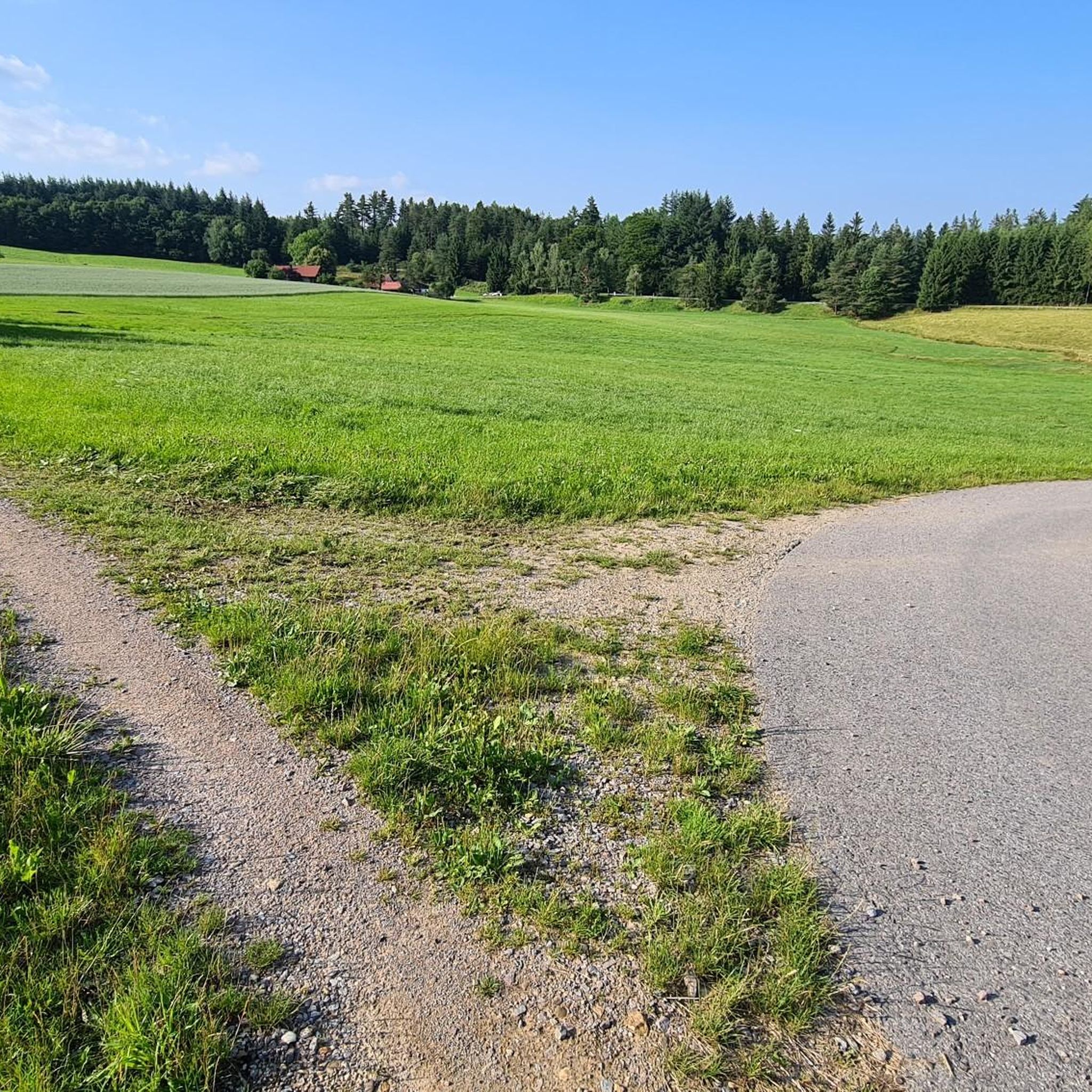
Cycling around Wiesenfelden
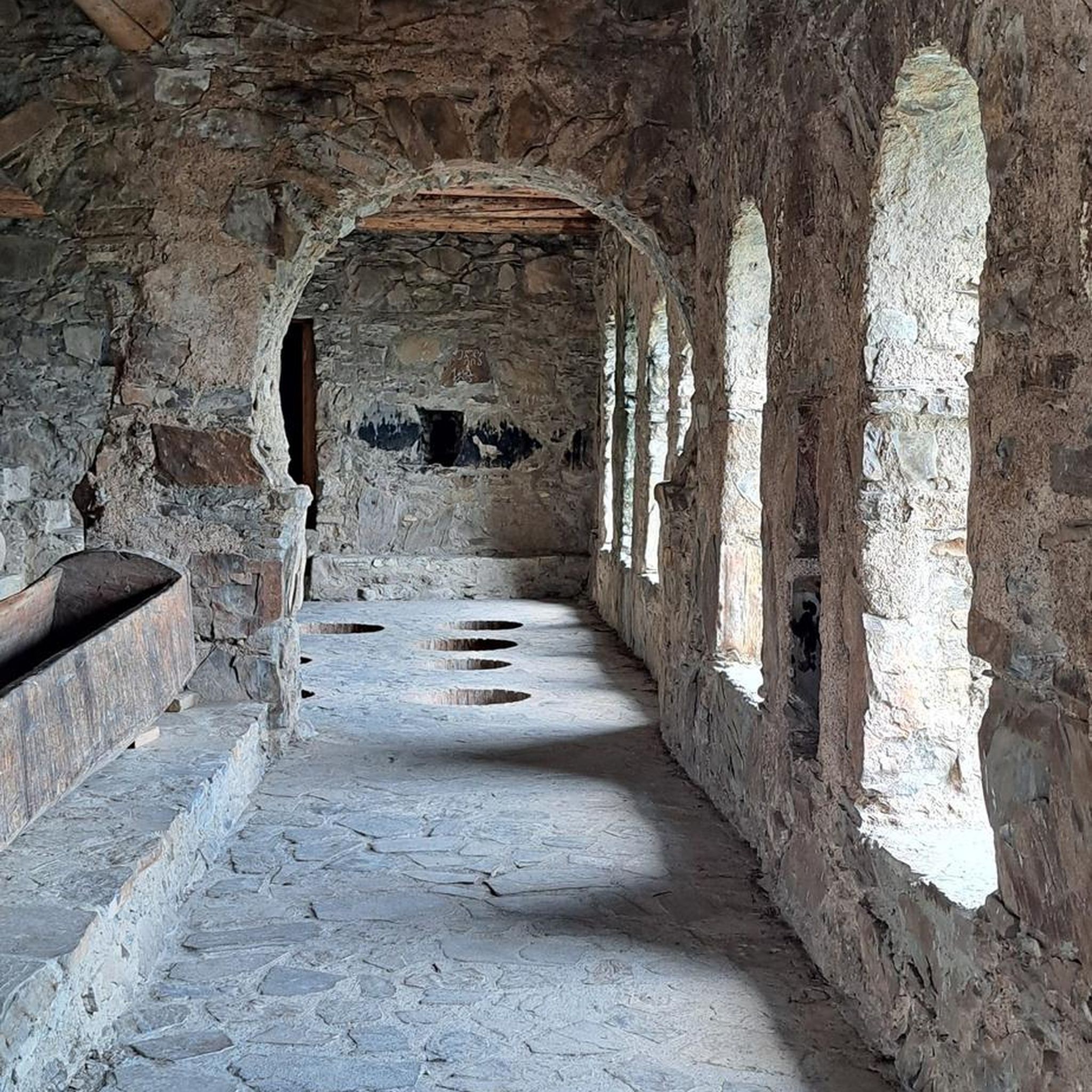
Gravel biking around Wiesenfelden
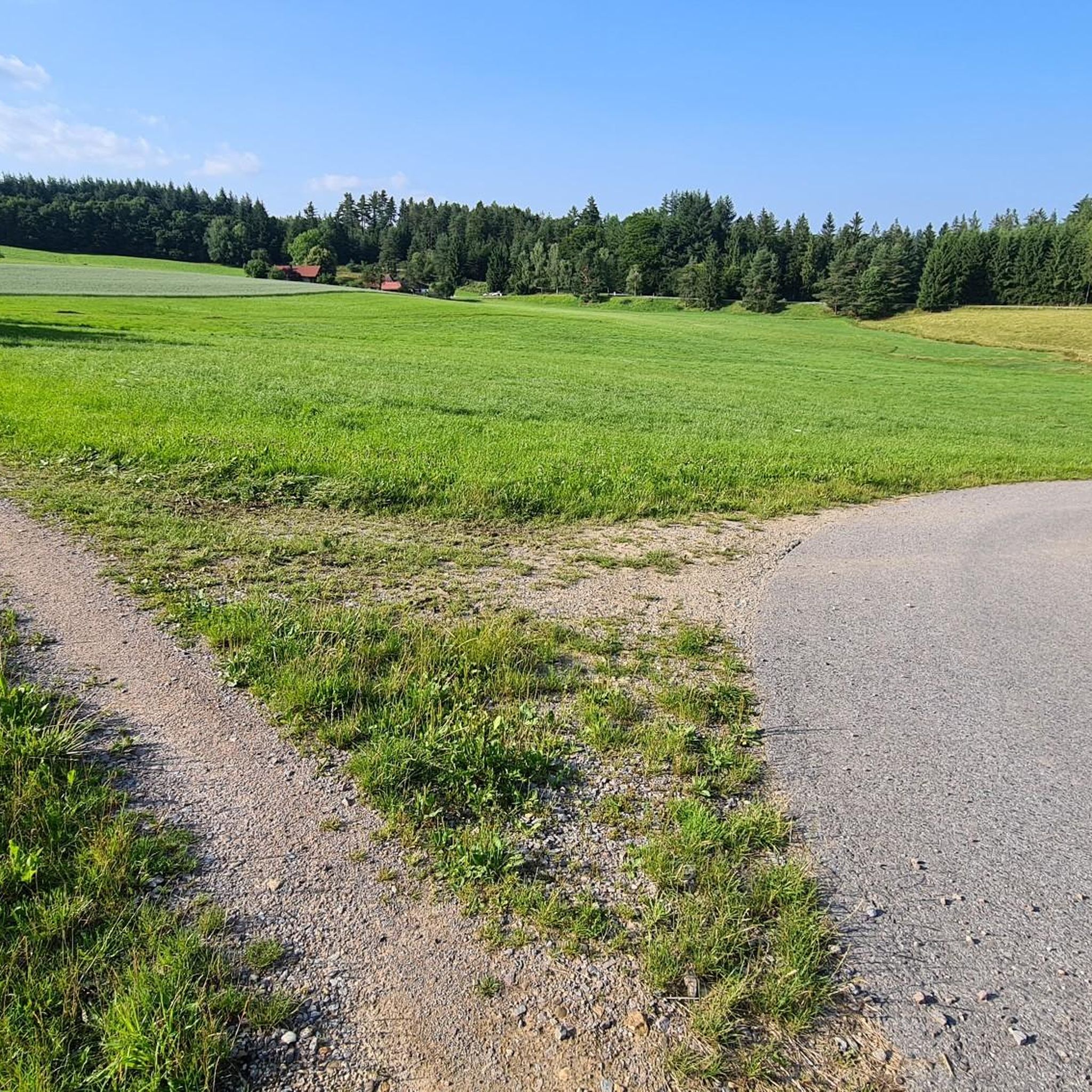
Road Cycling Routes around Wiesenfelden
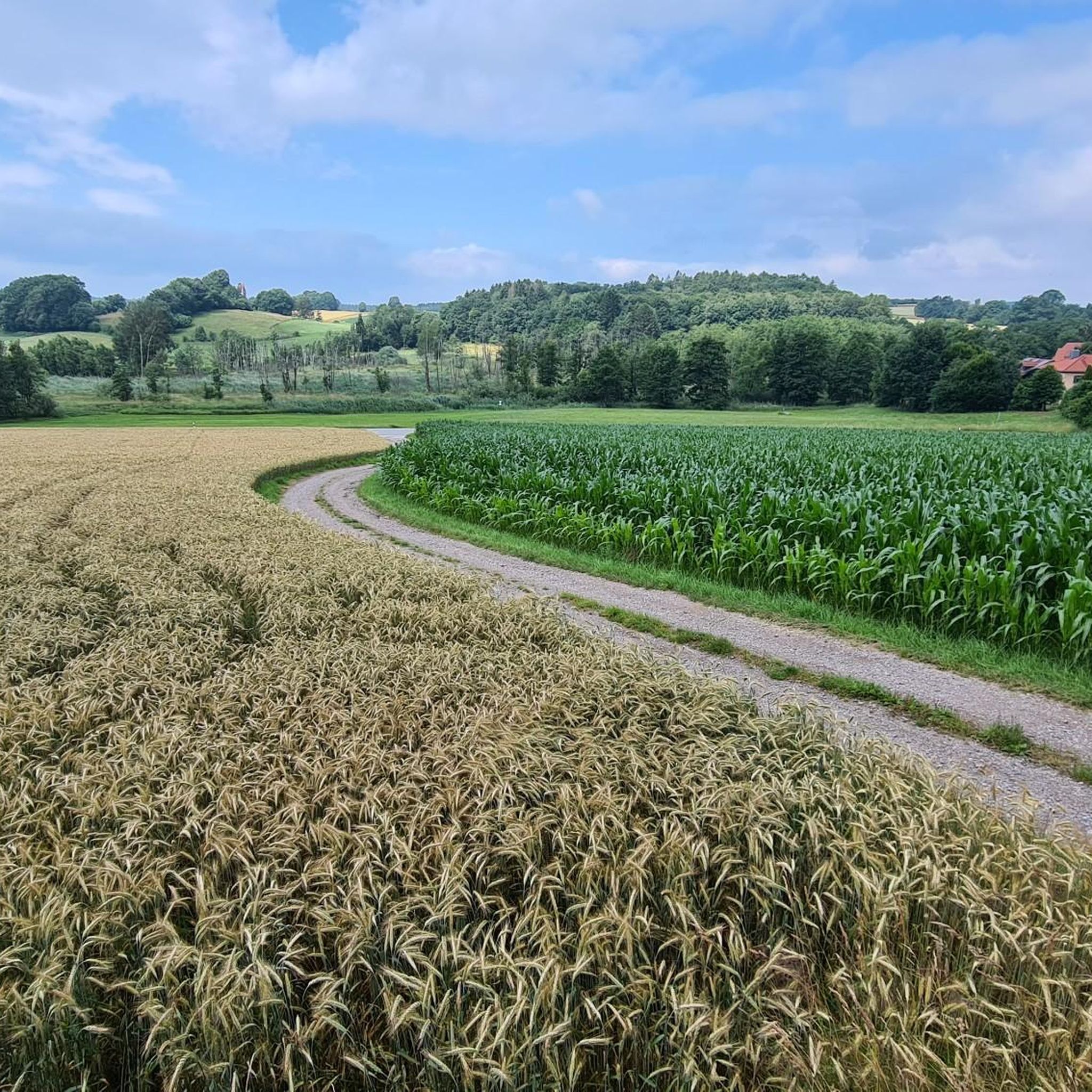
Running Trails around Wiesenfelden


Tips from the Community

Great place, in some places you can still see castle walls.
0
0


Few remains of the ruins, but very beautiful and photogenic.
0
0

Super beautiful, but also very strenuous uphill
0
0

Beautiful place with a summit cross, the climb is not entirely without danger, there is a fall protection secured with a chain. The ruins are very overgrown and can hardly be really seen anymore.
0
1

Heilsberg Castle Ruins In the last third of the 12th century, Ulrich and Wernhardus from Heilsberg appeared in documents for the first time. Since Ulrich's successor Ekbert, they were also vassals of Eggmühl and fiefs of the Bavarian duke. They were thus in the middle of the power struggle between the Wittelsbach dukes and the Regensburg bishops. In a contract, Duke Ludwig of Kelheim had to give up a castle that was already under construction near Heilsberg, which the Heilsbergers were obviously supposed to receive as a fief. Over the course of the 13th century, Ekbert and his son Ulrich repeatedly tried to use their bailiwick rights to alienate property from the bishop. The bishop accused them of forcing their subjects to perform unjust feudal labor in order to illegally expand their castle. In addition, the Heilsbergers had bloody feuds with the Paulsdorfers and with Konrad von Hohenfels. In the first third of the 14th century, the male line of Heilsberg died out, followed by a series of owners, including the powerful Upper Palatinate knightly family of Notthafft. It was not until around 1500 that the Wittelsbachs were finally able to take over the Heilsberg domain, and in 1505 it was assigned to the Palatinate-Neuburg line. The castle was probably already abandoned in the 16th century, and on Apian's map of 1568 it is already marked as a ruin. A local support group has recently been working to save the ruins. The most striking remains of the castle are the keep, which dates from around 1200 and has a side length of 7.5 meters with 2.5 m thick walls. This is evidenced by its masonry, which consists of smooth blocks and humped blocks with 5 to 10 centimetre wide edges; the ring wall fragment with the archway is so deep in the ground that it is almost impossible to date it. Among the later extensions to the castle that are known to have been made, there is also a new gate in 1498. In 1474, a new bridge and a new gate were built. In 1498, the castle was repaired after a fire, and work on the bower, the new parlor and the stables is known to have been carried out. Recently, the keep has been secured and renovated at great expense, and the buried interior of the tower has also been uncovered. The extremely deep, almost circumferential moat separates the castle grounds from the Heilsberg plateau on two sides. Source: Extracts from www.burgenseite.de / www./burgen/detail/burgruine-heilsberg/178
4
0

Somehow a mystical-looking place
0
0

Hello! Only a few walls can be seen from the Sengersberg ruins. There is a cross on the summit. To get to this you need a good surefootedness and grip. The ascent and descent is secured by stable and securely fastened chains. Thanks to the forest club! Nevertheless, I had to pull myself up on this one. And the view was only clear to the north, otherwise overgrown. The hike over the Sengersberg is still recommended.
1
0
Frequently Asked Questions
What makes Schloss Wiesenfelden a unique castle to visit?
Schloss Wiesenfelden offers a unique blend of history and nature. Originally mentioned in 1105, it now houses an Environmental Information Center and a natural history museum. Visitors can explore its 900-year history, learn about local ecosystems, and appreciate the 'wild nature' philosophy promoted by the center. It's an ideal spot for those interested in both historical architecture and environmental education.
Are there any castles around Wiesenfelden that offer panoramic views?
Yes, several castles provide excellent viewpoints. Brennberg Castle offers a magnificent view of Brennberg and the surrounding area from its watch tower. Falkenfels Castle also serves as a viewpoint, and the challenging ascent to Sengersberg Castle Ruins rewards with a view to the north from its summit cross.
Which castles are suitable for families with children?
Brennberg Castle is listed as family-friendly, offering an accessible ruin to explore. Schloss Wiesenfelden, with its Environmental Information Center and natural history museum, also provides educational and engaging programs for different age groups, making it a great family destination.
Can I find places to eat or drink at or near the castles?
Yes, Falkenfels Castle features a restaurant and a cafe, making it a convenient stop for refreshments. While other castles might not have direct catering, you can often find cafes and pubs in the nearby villages.
What kind of historical significance do the castles in the Wiesenfelden region hold?
The castles around Wiesenfelden boast centuries of history, tracing the lineage of various noble families. Schloss Wiesenfelden, for instance, has a documented history dating back to 1105 and has been home to families like the Haybeck and Nothafft. Heilsberg Castle Ruins and Brennberg Castle also have origins in the 11th and 12th centuries, reflecting the region's rich medieval past and power struggles.
Are there hiking or cycling routes that pass by these castles?
Yes, the Wiesenfelden area offers various outdoor activities. For cycling, you can find routes like the 'Neukirchen Castle – Falkenfels Castle loop from Wiesenfelden' which passes by Falkenfels Castle. You can explore more options on the Cycling around Wiesenfelden guide. For mountain biking, there are trails in the vicinity, detailed in the MTB Trails around Wiesenfelden guide. While specific hiking routes directly from castles aren't always listed, many castles are integrated into local trail networks.
What is the best time of year to visit the castles around Wiesenfelden?
The castles can be visited year-round, but spring and autumn offer pleasant temperatures for exploring the outdoor ruins and surrounding nature. Summer is also popular, especially for combining castle visits with outdoor activities. Visiting in winter can offer a unique, serene experience, though some facilities or access might be limited depending on weather conditions.
Are there any castles that are freely accessible?
Yes, the outer areas of Falkenfels Castle are freely accessible. Brennberg Castle is also a ruin that can be visited free of charge at any time. For other castles like Wörth an der Donau Castle, access to the interior might be restricted to guided tours.
What natural features can I expect to see near the castles?
The region around Wiesenfelden is known for its natural beauty. Schloss Wiesenfelden, in particular, highlights local ecosystems through its environmental center, focusing on features like 'pond habitats' and local wildlife. Many castle ruins, such as Sengersberg Castle Ruins, are nestled within forests, offering a blend of historical exploration and natural scenery.
What do visitors enjoy most about the castles in the Wiesenfelden area?
Visitors frequently appreciate the blend of historical significance and natural surroundings. The community has shared over 700 photos and given more than 400 upvotes for the castles. Highlights like Brennberg Castle are praised for their beautiful ruins and magnificent views, while Heilsberg Castle Ruins are noted for their striking keep and historical atmosphere.
Is there public transport available to reach the castles?
While specific public transport routes directly to every castle might be limited, Wiesenfelden itself is connected. For detailed information on reaching individual castles, it's advisable to check local transport schedules or consider driving, as many castles are situated in more rural settings.
Are there any castles that also serve as accommodation?
Yes, Falkenfels Castle operates as a castle hotel in addition to its restaurant and cafe, offering a unique opportunity to stay within a historic setting.
Most popular routes around Wiesenfelden
Most popular attractions around Wiesenfelden

Get inspired with the komoot mobile app


Explore more
Looking for the best castles somewhere else? Discover other guides around Wiesenfelden:
