Top 13 Castles around Eibenstock
Best castles around Eibenstock are found within the scenic Erzgebirge region, characterized by its rolling hills and historical significance. The area offers a blend of natural landscapes and cultural heritage, with various historical fortifications and ruins. Visitors can explore sites that reflect centuries of regional history, from medieval settlements to more recent architectural landmarks. The terrain around Eibenstock provides diverse settings for these historical locations.
Best castles around Eibenstock
- The most popular castles is Schwarzenberg Castle, a castle that…
Last updated: November 20, 2026
Schwarzenberg Castle
Highlight • Castle
Translated by Google •
Tip by

Rodewisch Castle Island
Highlight • Castle
Translated by Google •
Tip by

Sign up now to discover places like this
Get recommendations on the best single tracks, peaks, & plenty of other exciting outdoor places.
St. George's Church (Schwarzenberg)
Highlight • Religious Site
The church history in Schwarzenberg is probably almost as old as the castle, which was built around …
Translated by Google •
Tip by

Falkenstein Castle Rock
Highlight • Viewpoint
Story:
stadt-falkenstein.de/freizeit-tourismus/sehenswuerdheiten/schlossfelsen
Translated by Google •
Tip by

Balcony of the Ore Mountains (Frankonia Cable Car Mountain Station Viewpoint)
Highlight • Viewpoint
Showing Translation
Tip by

Sign up for free to discover even more castles around Eibenstock.
Already have an account?
Start today with a free account
Your next adventure awaits.
Popular around Eibenstock
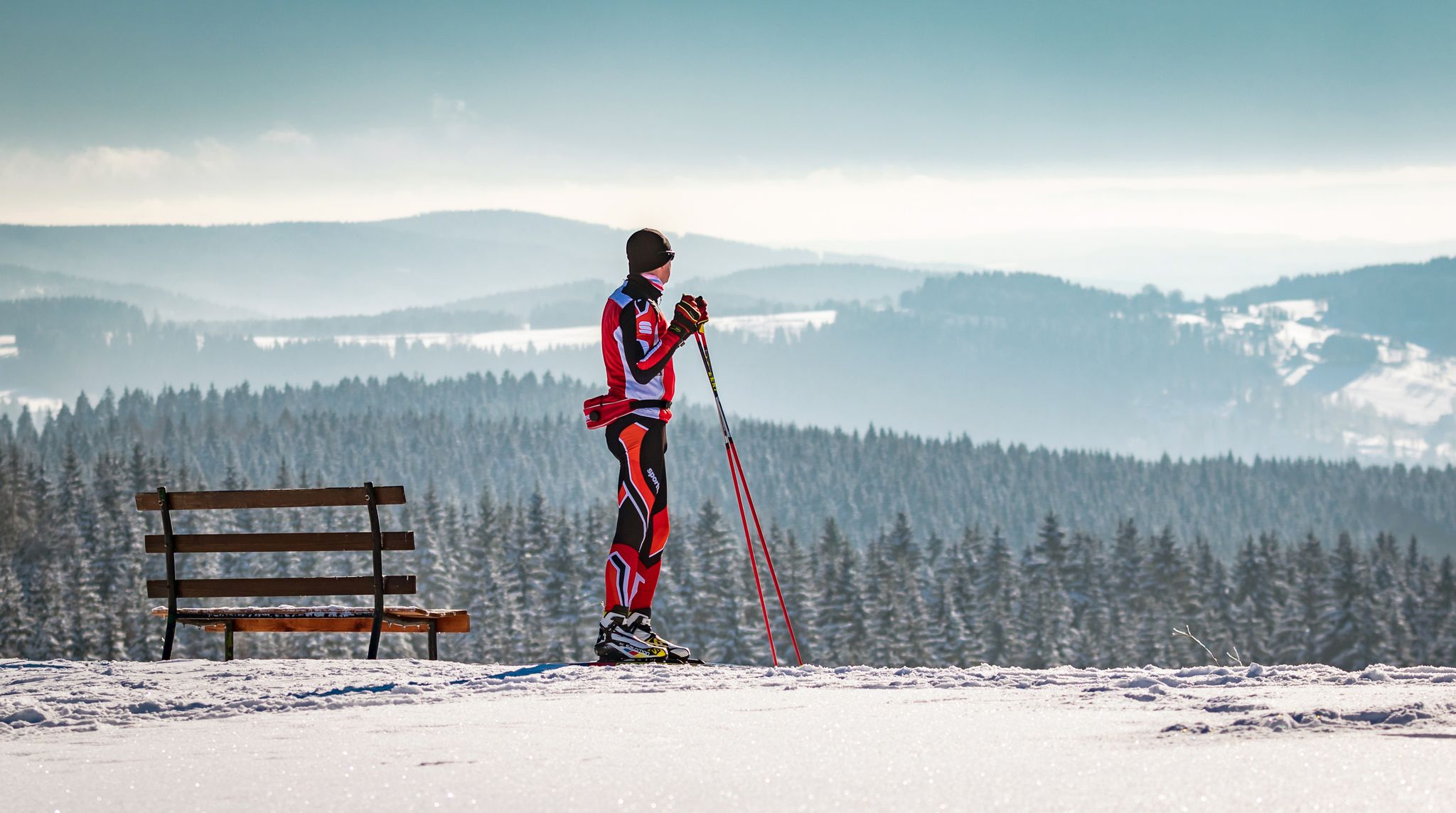
Let it flow! Cross-country skiing in the Ore Mountains

The Stoneman Trail in the Ore Mountains
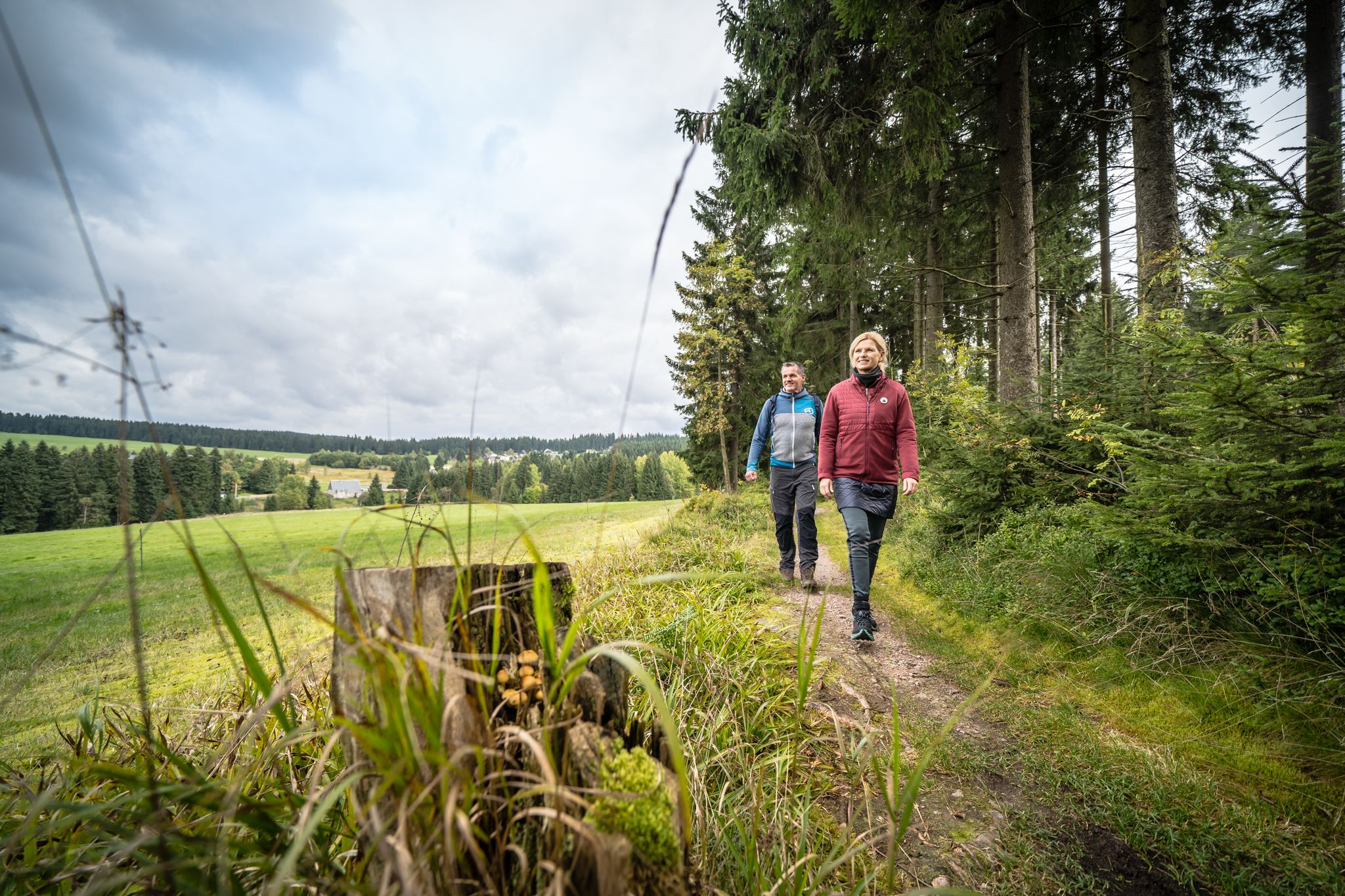
Hiking with heart in the Ore Mountains
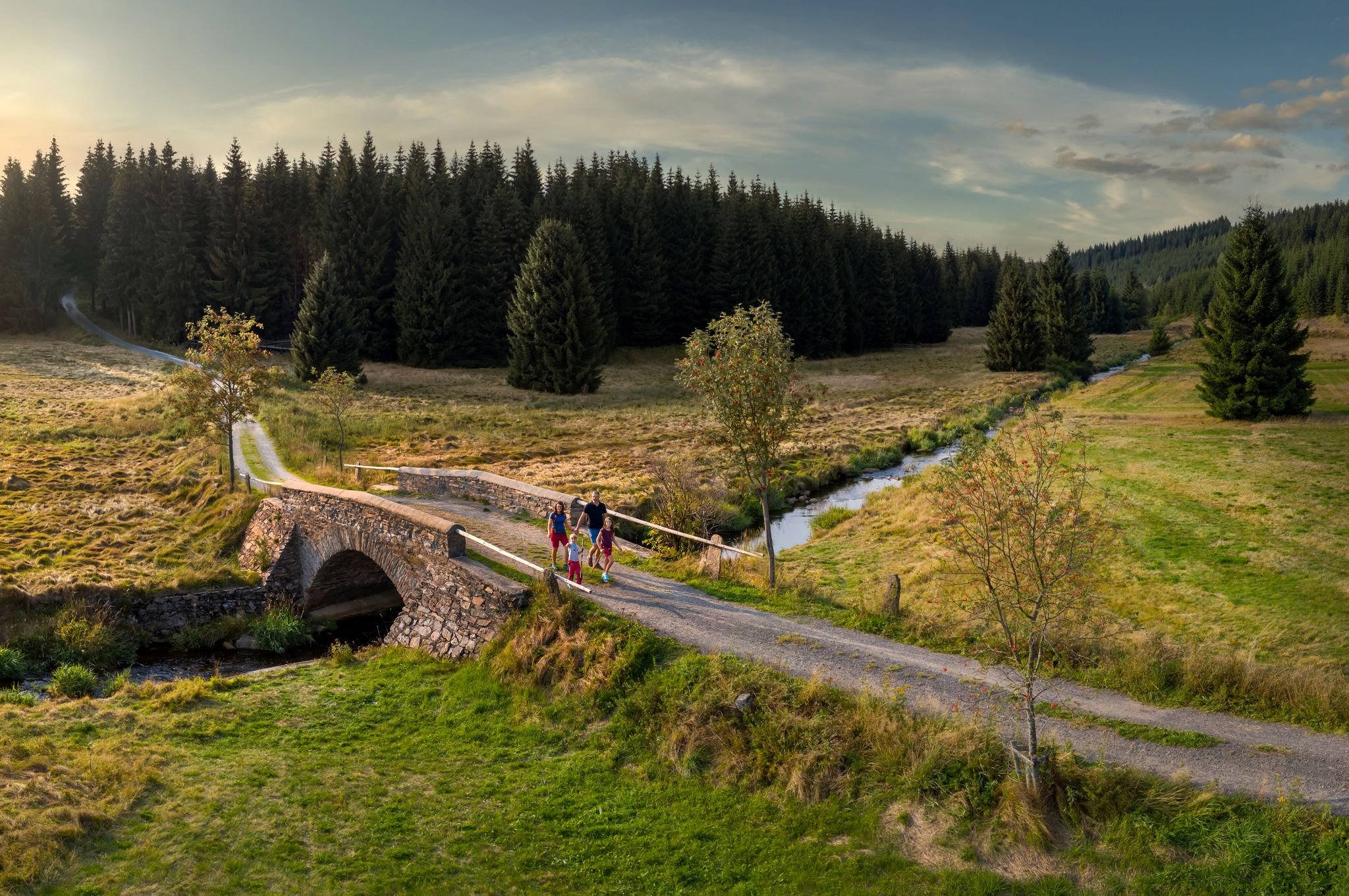
‘Good luck’ in the hiking paradise of the Ore Mountains
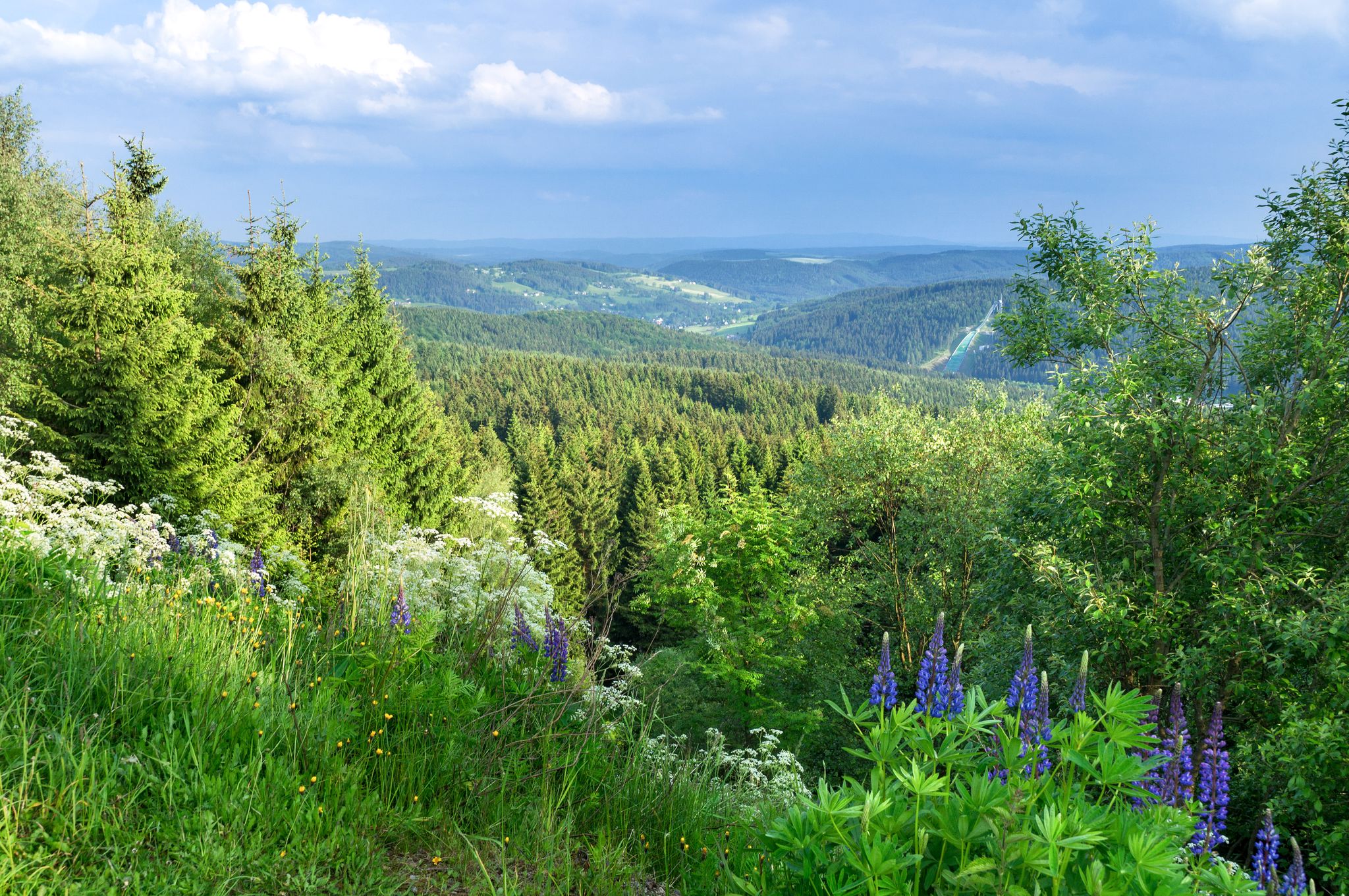
History meets nature – Erzgebirge-Vogtland Ridge Trail
Germany's roaring waterfalls
Zwei Tage raus! – Rad-Micro-Adventures in Sachsen
Digitale Wandernadel
Der Kammweg Erzgebirge-Vogtland aus Sicht einer Bloggerin
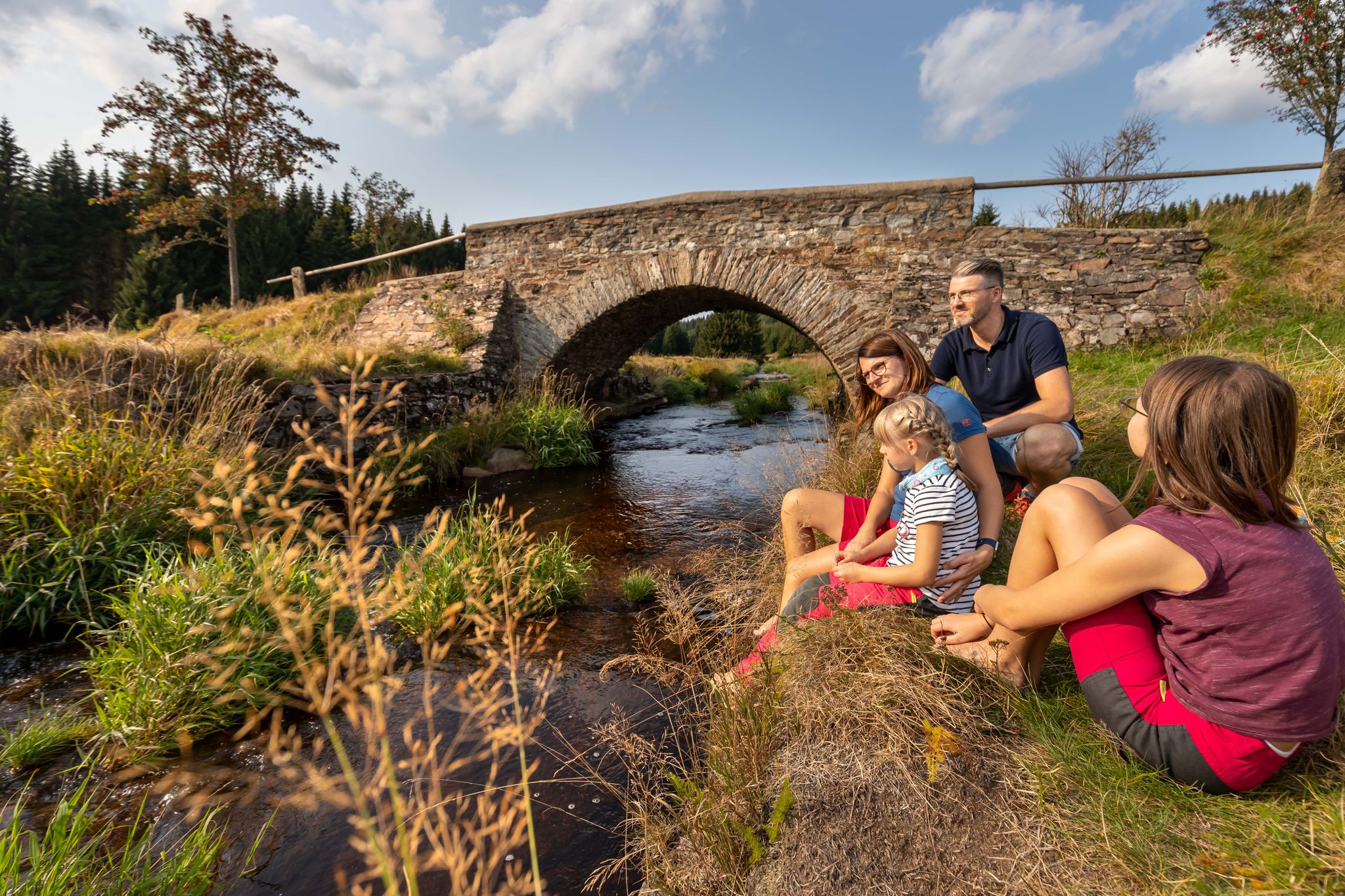
Wandertouren - Für kleine Wanderfreunde
Other adventures around Eibenstock


Tips from the Community

The last stop on the rock circuit is the rock in the middle of the city. You can climb it via a staircase and enjoy a magnificent panoramic view of the city, church, and town hall.
0
0
In the middle of the city, there's a rock to climb. You should do that, too. It offers a beautiful view of the city and the countryside.
0
0

The Trützschlers had the castle built around 1600 at the foot of the small "fortified castle" located on the neighboring rock. It was expanded and remodeled over the following centuries. On August 12, 1859, it burned down and was rebuilt in a modified form. In 1926, the family sold their ancestral home to the town, and since 1930, the building has housed the Falkenstein Local History Museum and the savings bank. The Vogtland Savings Bank, as the owner, had the building renovated and remodeled between 1992 and 1997. https://stadt-falkenstein.de/freizeit-tourismus/sehenswuerdigkeiten/schloss-falkenstein
0
0

The Evangelical Lutheran St. George's Church in Schwarzenberg/Erzgebirge is an outstanding example of Baroque sacred architecture and, together with the neighboring castle, dominates the cityscape of the old town. **History and Construction** The origins of the parish date back to the 12th century. The present church was built between 1690 and 1699 according to plans by the Lößnitz master builder Johann Georg Roth, as the previous church on the lower market square had become too small and dilapidated. Half of the building site was donated by the Saxon Elector Johann Georg III and the other half by Balthasar Lehmann, the Schwarzenberg Oberzehnder. Construction was carried out by master mason Johann Georg Pauli and master carpenter Samuel Georg. The church, designed as a transverse church, was consecrated on October 22, 1699. **Architecture and Furnishings** The interior of the church impresses with its cantilevered wooden ceiling, added in 1728 and considered a technical masterpiece with a clear width of 34 × 18 meters. The Baroque furnishings include a magnificently carved altar, an artfully wrought choir screen from 1721, crafted by the Schwarzenberg master blacksmith Zacharias Georgi, as well as a Baroque pulpit and a surrounding gallery with numerous boxes. **Music and Organ** St. George's Church is an important center of sacred music. In 1993, a new organ by the Hermann Eule company from Bautzen was installed. It has 39 stops on slider chests and is based on historical models. Concerts are held here regularly, including the "Music Summer in St. Georgen" concert series and the internationally renowned Erzgebirge Music Festival. **Current Condition** Despite its structural integrity, the church is showing signs of age-related damage. Cracks in the masonry and leaky windows are endangering the building's structure. Parts of the gallery had to be closed off in 2018 due to the risk of falling. A comprehensive renovation is necessary to preserve the church as a spiritual and cultural center.
3
0

Last remnant of the Frankonia cable car (mountain station), it was a freight-only cable car in Beierfeld. It connected the Zwönitz–Scheibenberg railway line with Frankonia AG, then by far the largest industrial company in Beierfeld. The location of the Beierfeld station on the Zwönitz–Scheibenberg line, opened in 1900, was extremely unfavorable for Beierfeld. Due to the steep gradient of the access road to the town, shipping goods was particularly difficult. Therefore, among other things, the construction of a trackless railway or a purely freight railway to Schwarzenberg station was considered, but these variants failed as early as the planning phase. After the company's bankruptcy, the operation of the cable car was completely discontinued. By 1934, the cable car had been completely dismantled; today, only the foundations of some masts remain. The remains of the mountain station now serve as the AP "Balcony of the Ore Mountains".
1
0
The Frankonia-Seilbahn was a cable car solely for freight transport in Beierfeld. It connected the Zwönitz–Scheibenberg railway line with Frankonia AG, which was by far the largest industrial enterprise in Beierfeld at the time. The location of Beierfeld station on the Zwönitz–Scheibenberg line, opened in 1900, was extremely unfavorable for Beierfeld. Due to the steep gradient of the access road to the town, the dispatch of goods in particular proved difficult. Therefore, among other things, the construction of an trackless railway or a pure freight railway to Schwarzenberg station was considered, but these variants failed as early as the planning phase. Due to the First World War, there was a shortage of horses for freight purposes. The situation became increasingly difficult, especially for Frankonia AG, which produced military supplies, as urgently needed goods deliveries accumulated at Beierfeld station. (https://www.wikiwand.com/de/Frankonia-Seilbahn)
2
0

A landmark of the city of Schwarzenberg, visible from afar.
8
0

It's worth a trip here, but it's very busy on the Advent weekends🙈
4
0
Frequently Asked Questions
What historical fortifications or ruins can I explore near Eibenstock?
While Eibenstock itself doesn't have many standing castles, you can visit the Teufelsschloss (Devil's Castle) or Ringwall von Blauenthal. These are the remains of a medieval hilltop castle, dating from the late 12th century, offering a glimpse into the region's early history. It features remnants of an oval-shaped facility and a moat carved into the rock.
What are some prominent castles in the wider Eibenstock region?
For more substantial castle experiences, consider visiting Schwarzenberg Castle, a former Saxon electoral hunting lodge with a rich history. Further afield, you'll find Burg Stein in Hartenstein, a largely late Romanesque complex with a museum, and Burg Scharfenstein in Drebach, one of Saxony's oldest continually inhabited lordly seats, featuring a diverse castle museum.
Are there family-friendly castles to visit near Eibenstock?
Yes, several castles offer family-friendly experiences. Rodewisch Castle Island is a popular destination with the "Museum Göltzsch," a rustic island snack bar, and boat rentals. It also hosts various events like concerts and Christmas markets. Schwarzenberg Castle also houses a city museum and occasionally hosts family-friendly events.
Can I combine a castle visit with outdoor activities like hiking or cycling?
Absolutely! The region around Eibenstock is excellent for combining historical exploration with outdoor adventures. Many castles are situated amidst scenic landscapes. For cycling, you can explore routes like the 'Information Point Mulderadweg – Bockau Railway Tunnel loop' or the 'Glück Auf Tower – Reservoir Loop' from Eibenstock. Find more options in the Cycling around Eibenstock guide. For running, consider trails like the 'Eibenstock Reservoir – Viewpoint over Eibenstock Reservoir loop' from Eibenstock, detailed in the Running Trails around Eibenstock guide.
Where can I find scenic viewpoints of castles or the surrounding area?
For stunning views, head to the Castle Tower (Auerbach Castle), a 43-meter-high lookout tower offering a comprehensive all-round view. The View of Schwarzenberg, the castle and St. George's Church from Galgenberg provides a picturesque panorama of Schwarzenberg Castle and its historic town. Additionally, the Falkenstein Castle Rock offers a great view from its platform.
What is the best time of year to visit the castles around Eibenstock?
The spring and autumn months are generally ideal for visiting castles in the Eibenstock region. The weather is pleasant for exploring both indoor and outdoor castle grounds, and the natural scenery is particularly beautiful. Summer also offers good conditions, though it can be busier. Some castles, like Rodewisch Castle Island, host special events and Christmas markets in winter, offering a unique seasonal experience.
Are there any castles that offer a glimpse into medieval life and history?
Yes, Burg Stein in Hartenstein is an excellent example. Its largely unaltered rooms allow visitors to experience the confined and dark atmosphere of a medieval defensive structure. The museum within the castle showcases historical weapons, armor, and legal antiquities, providing deep insights into medieval life and justice. Burg Scharfenstein also highlights authentic architecture from medieval "Ur-Burgen" (original castles).
What kind of events or activities can I expect at the castles?
Castles in the region often host a variety of events. For instance, Rodewisch Castle Island is known for musical meetings, concerts, an annual wine festival, and a Christmas market. Schwarzenberg Castle occasionally holds concerts in its ballroom. Many castles also feature museums that offer educational programs and exhibits.
Is there a castle that is particularly well-preserved or restored?
Schwarzenberg Castle is noted for being a great restored castle. It received its current form through a conversion into a Saxon electoral hunting lodge between 1555 and 1558 and has seen further careful restoration over the centuries. Burg Stein in Hartenstein is also well-preserved, maintaining much of its original late Romanesque structure.
What makes Burg Scharfenstein a unique castle to visit?
Burg Scharfenstein in Drebach is unique as one of Saxony's oldest continually inhabited and vibrant lordly seats for over 750 years. Its authentic architecture showcases life from medieval "Ur-Burgen" (original castles), and its castle museum offers a diverse and engaging experience for all ages. The castle is also associated with legends of the famous poacher Karl Stülpner.
Are there any castles that are also museums?
Yes, several castles in the region house museums. Schwarzenberg Castle contains the museum of the city of Schwarzenberg. Rodewisch Castle Island features the "Museum Göltzsch." Burg Stein in Hartenstein has a museum showcasing historical weapons, armor, and legal antiquities. Burg Scharfenstein also hosts a comprehensive castle museum.
What kind of facilities can I find at castles in the Eibenstock area?
Facilities vary by castle. At Rodewisch Castle Island, you'll find a rustic island snack bar and boat rental. Many castles, especially those with museums, offer visitor services like restrooms and gift shops. Some, like the one associated with the Castle Tower (Auerbach Castle), have restaurants nearby where you can enjoy a meal in a pleasant atmosphere.
Most popular routes around Eibenstock
Most popular attractions around Eibenstock

Get inspired with the komoot mobile app


Explore more
Looking for the best castles somewhere else? Discover other guides around Eibenstock:
