Top 20 Castles around Crailsheim
Best castles around Crailsheim are found in the surrounding Hohenlohe region, an area characterized by its river valleys, such as the Jagst, and agricultural plateaus. Crailsheim itself has limited remaining castle structures, but the nearby towns offer well-preserved medieval architecture and historic sites. The region provides a blend of natural landscapes and cultural heritage, with many sites showcasing centuries of history.
Best castles around Crailsheim
- The most popular castles is Medieval Old Town of Vellberg, a historical site that features significant castle-like elements within its historic town center. This medieval gem is encircled by a formidable town wall with bastions, towers, and gates.
- Another must-see spot is View of Schloss Kirchberg, a viewpoint overlooking a significant and well-preserved former princely Hohenlohe castle. This castle, originally medieval, was transformed into a Renaissance palace and later saw Baroque additions.
- Visitors also love Rechenberg Castle, a well-preserved castle dating back to the Staufer period. It boasts a keep, curtain wall, and defensive towers, surrounded by a moat.
- Crailsheim is known for medieval castles, Renaissance palaces, and fortified old towns. The region offers a variety of historical structures, from ruins to well-preserved complexes, providing diverse exploration opportunities.
- The castles around Crailsheim are appreciated by the komoot community, with over 850 upvotes and more than 490 photos shared across various highlights.
Last updated: June 23, 2026
Historic Old Town of Kirchberg an der Jagst
Highlight • Historical Site
Translated by Google •
Tip by

Vellberg Old Town
Highlight • Historical Site
Translated by Google •
Tip by

Sign up now to discover places like this
Get recommendations on the best single tracks, peaks, & plenty of other exciting outdoor places.
Sign up for free
Medieval Old Town of Vellberg
Highlight • Historical Site
Translated by Google •
Tip by

Vellberg Castle and the historic town wall
Highlight • Castle
Excerpt from the tourist description of the medieval town of Vellberg:
(tourismus-bw.de/stadt/vellberg-9e290192c0)
The lovingly restored half-timbered houses characterize the old town. The well-preserved, partially walkable underground battlement is unique in southern Germany.
The primal tortoise
During excavations in the quarry in Vellberg-Eschenau, the fossil of a 240 million year old tortoise - the oldest tortoise in the world - was discovered. As a result of this sensational find, a 6 km long themed circular route and a new exhibition area have been created in the Natural History and Local History Museum. Cycling and hiking trails invite you to explore the Bühlertal.
modern art
Experience modern art in the open air on the sculpture trail. From July to October there is also an annually changing exhibition in the street gallery.
Translated by Google •
Tip by

Rechenberg Castle
Highlight • Castle
The first evidence of the castle dates back to 1229. Until 1405, the Knights of Rechenberg are documented as servants and stewards of the Counts of Oettingen. The castle was sold to the burgraves of Nuremberg and passed through several hands in 1409 to the Wollmershausen line, who received the entire Rechenberg domain from Ellwangen in 1429 to teach. The Adelmann family owned the small castle in the middle of the 15th century. In 1526, Ellwangen bought back the Rechenberg domain and sold part of it to the Steinhäuser von Neidenfels family. Under this name, the building was converted from a castle to a palace, triggered by the emperor granting it a high court in 1538. In the course of 1571, Rechenberg Castle was extended to include the front building.
Today, Rechenberg Castle in the idyllic district of Schwäbisch Hall is privately owned and can only be viewed from the outside.
Source: hohenlohe-schwaebischhall.de/Attraktion/schloss-rechenberg-2
Translated by Google •
Tip by

Sign up for free to discover even more castles around Crailsheim.
Sign up for free
Already have an account?
Start today with a free account
Your next adventure awaits.
Login or Signup
Popular around Crailsheim
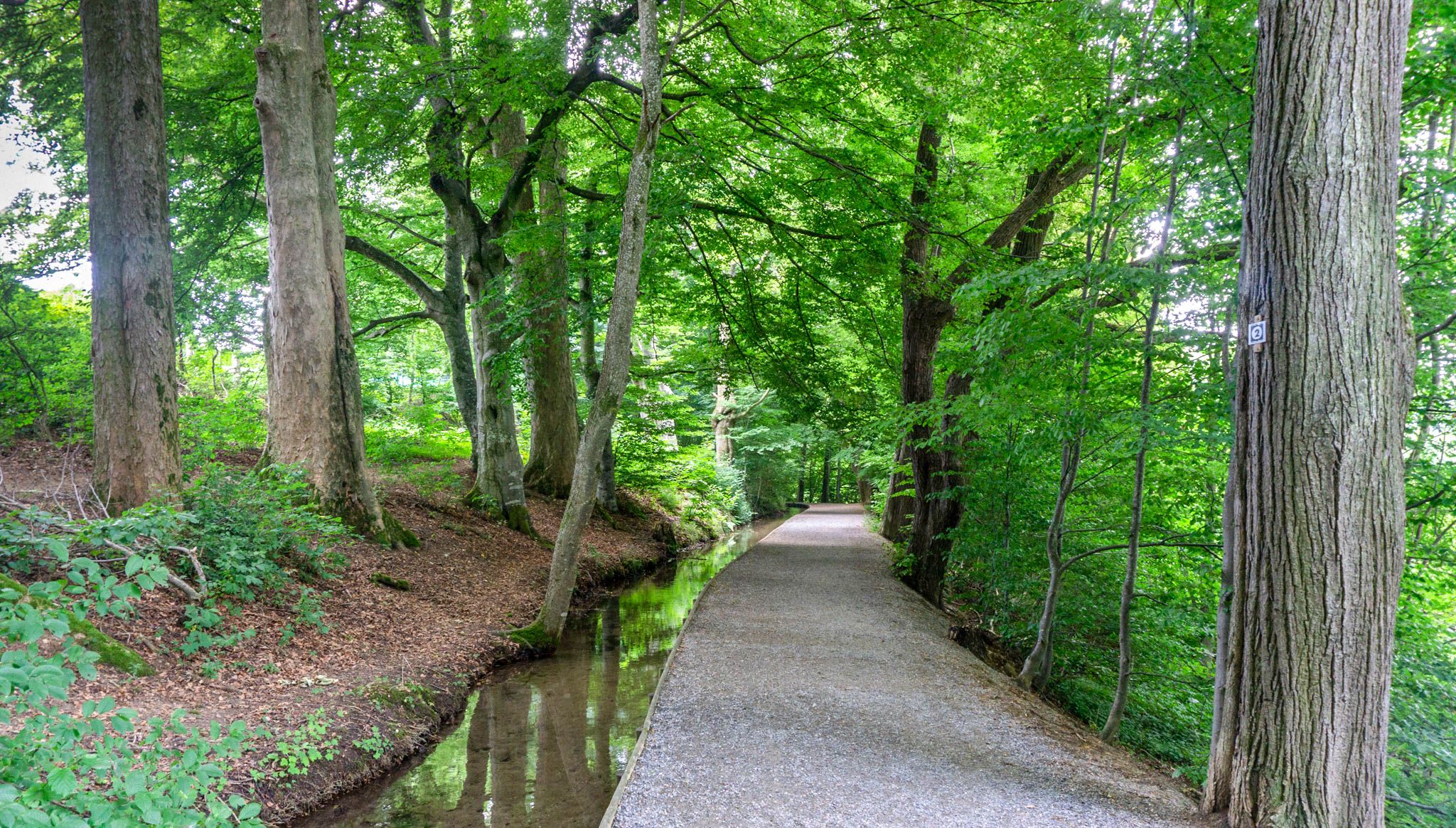
Main-Danube-Lake Constance Trail – Along iconic waters
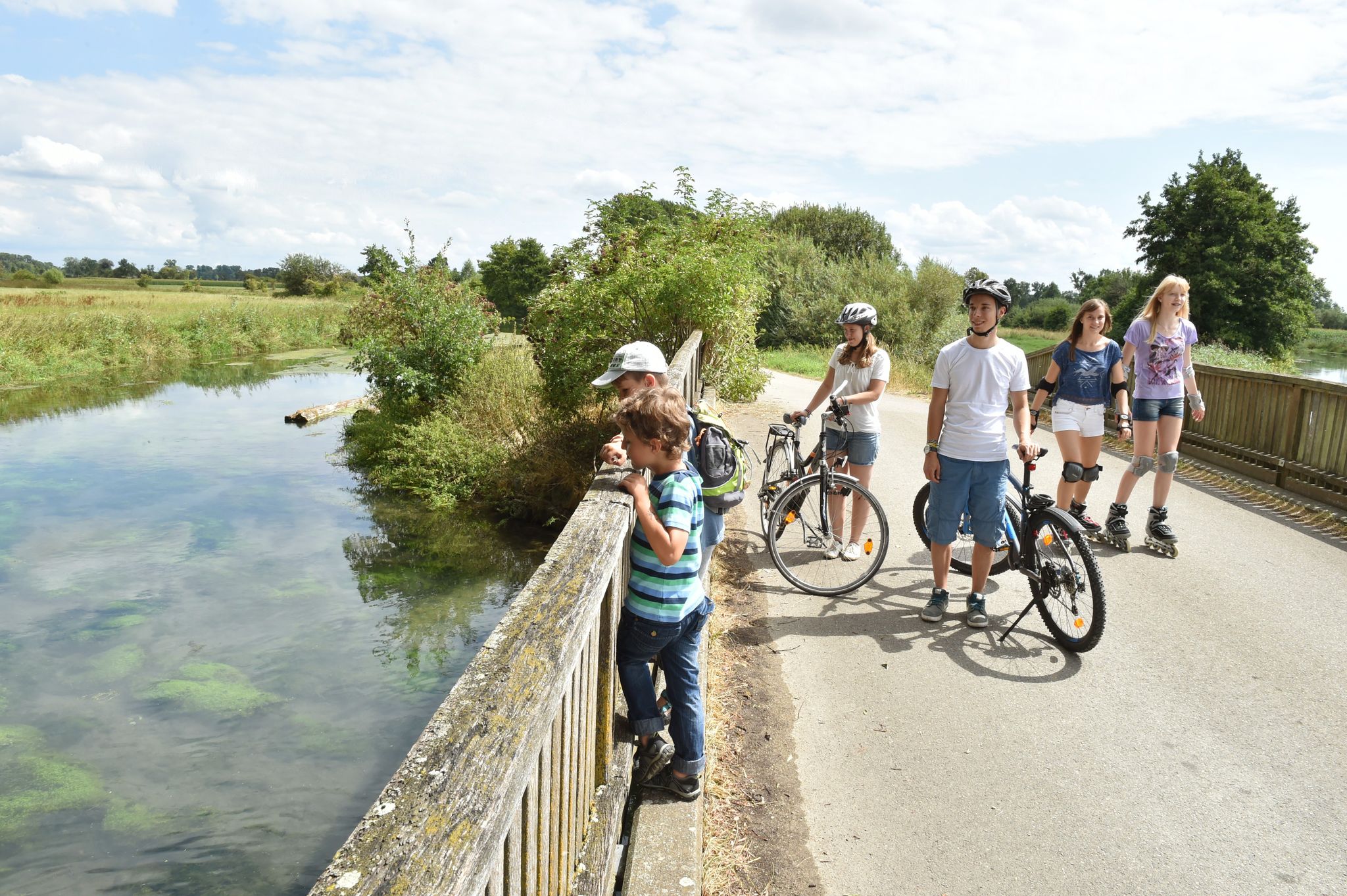
Germany's Hohenlohe-Ostalb Cycle Route – From idyllic valleys to the Swabian Alb
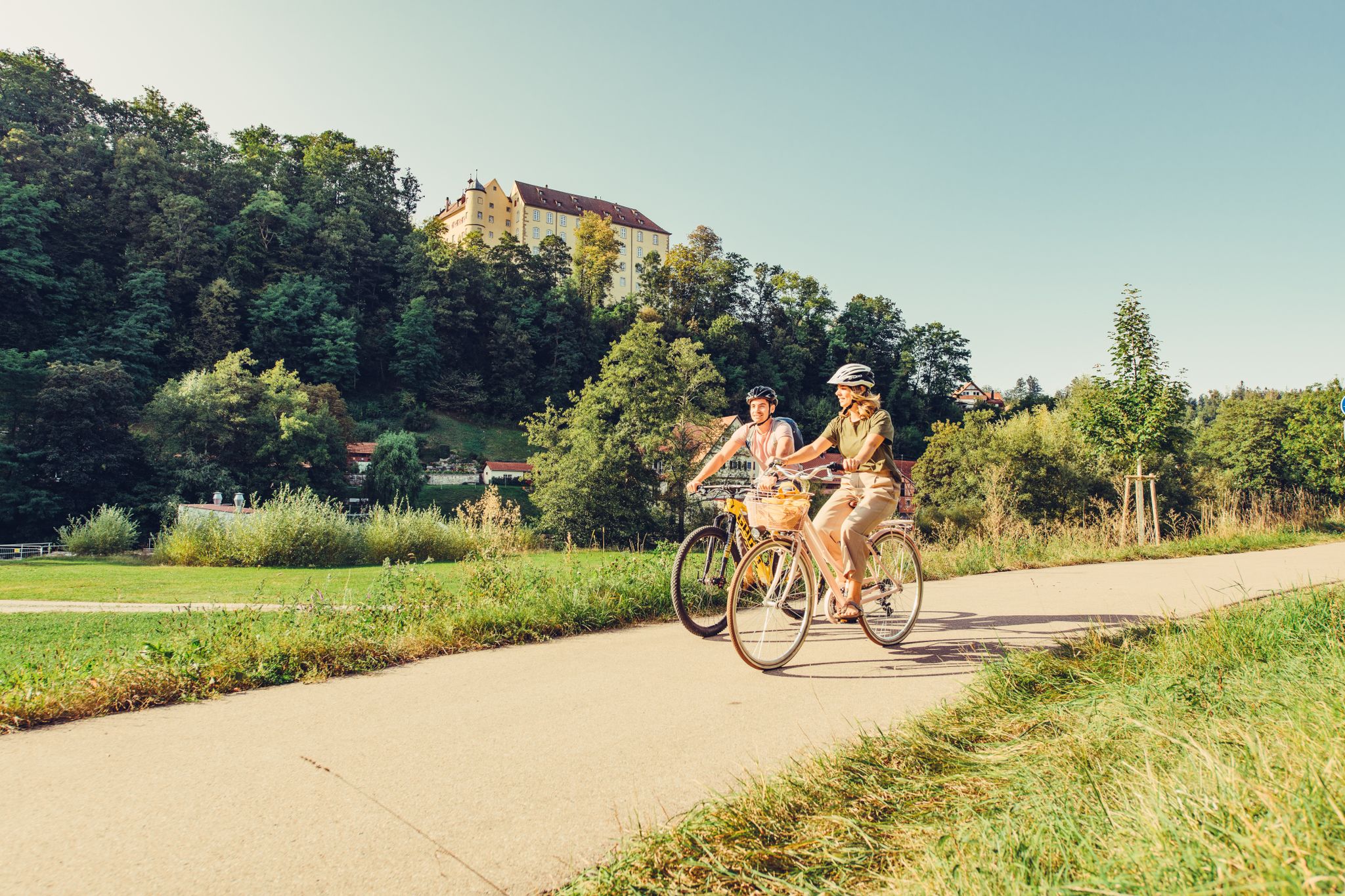
6 stages on the Kocher-Jagst cycle path through southern Germany
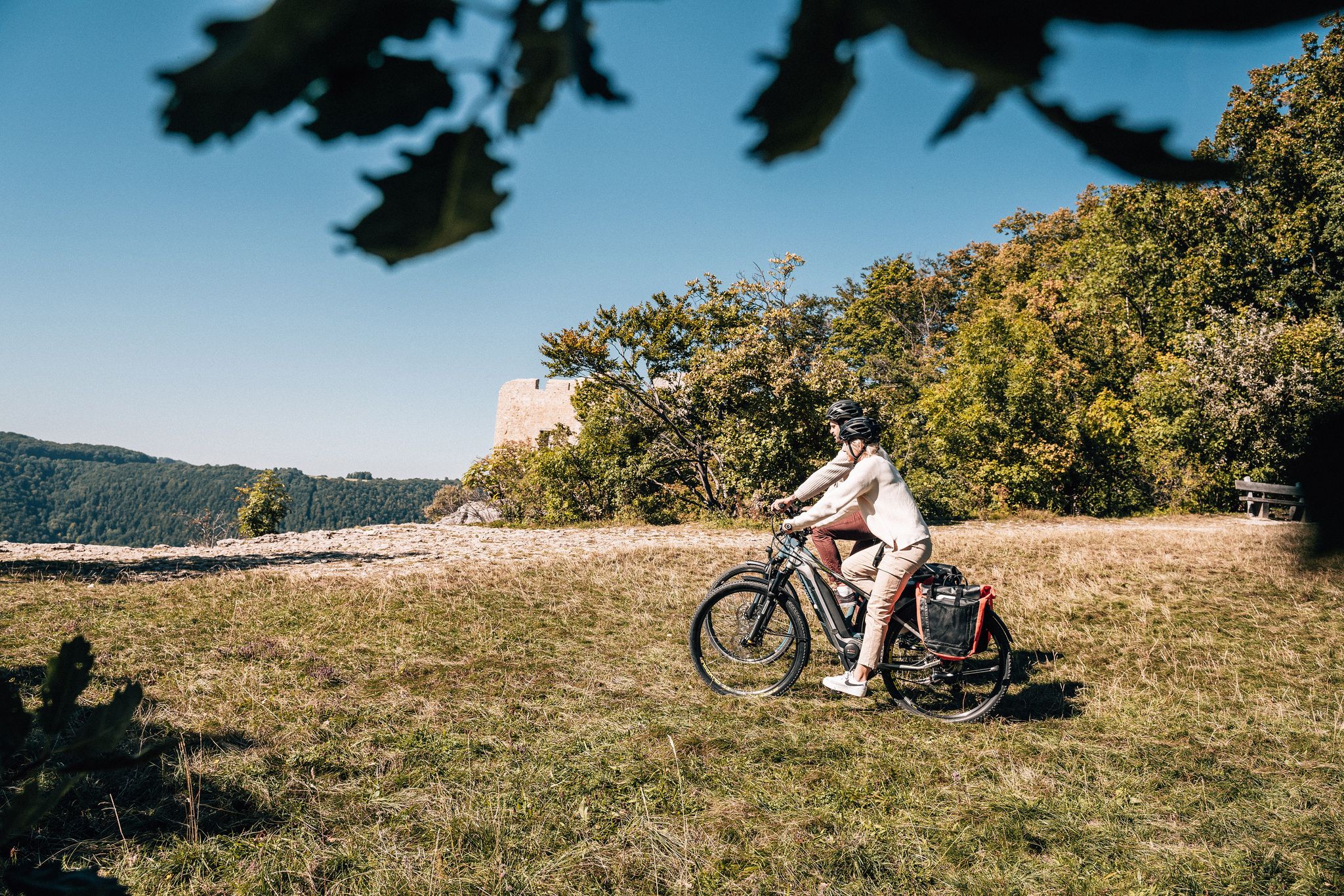
Breathe in the mountain air – long-distance cycle paths in the Swabian Alb
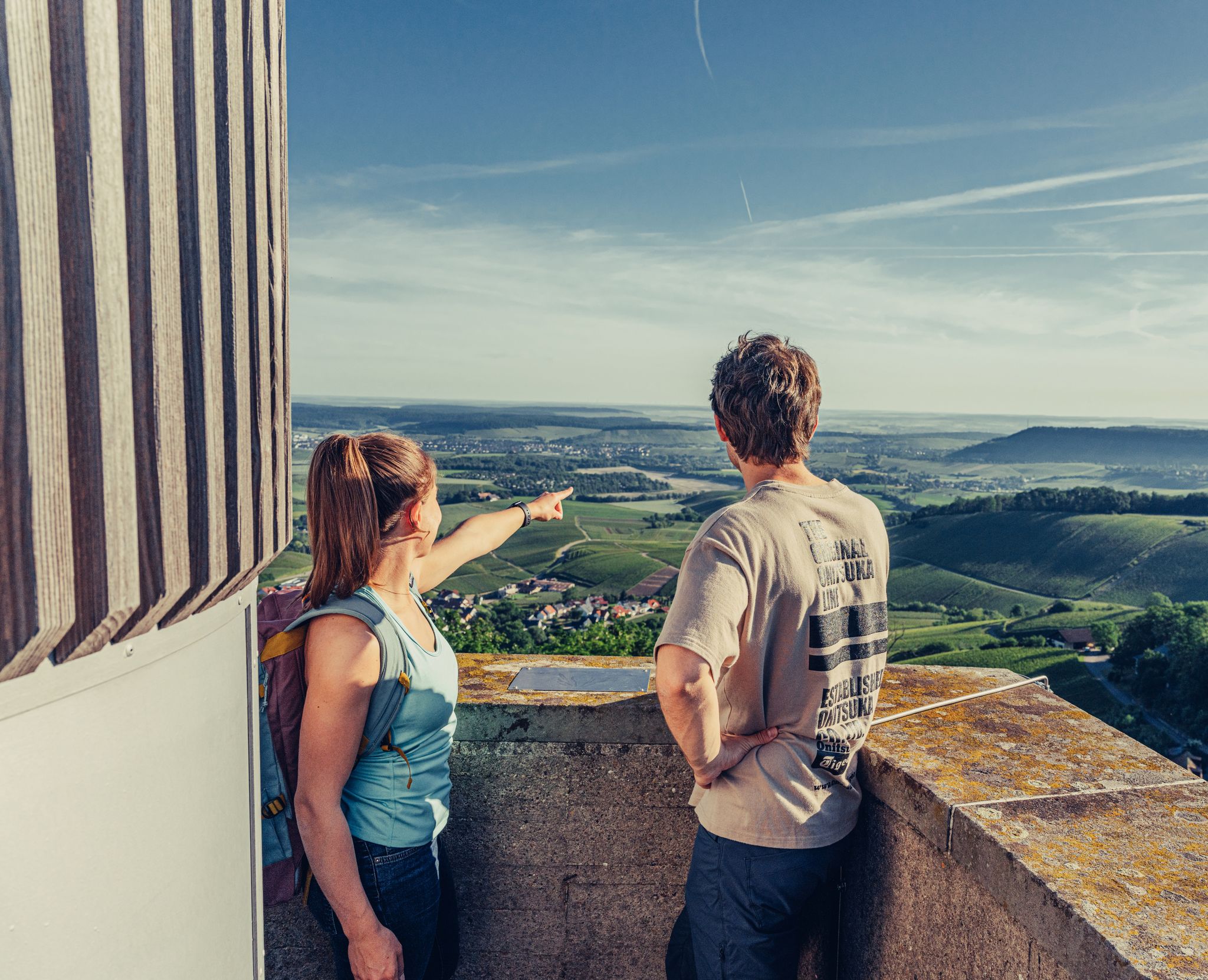
Ride to the most beautiful viewpoints in northern Baden-Württemberg
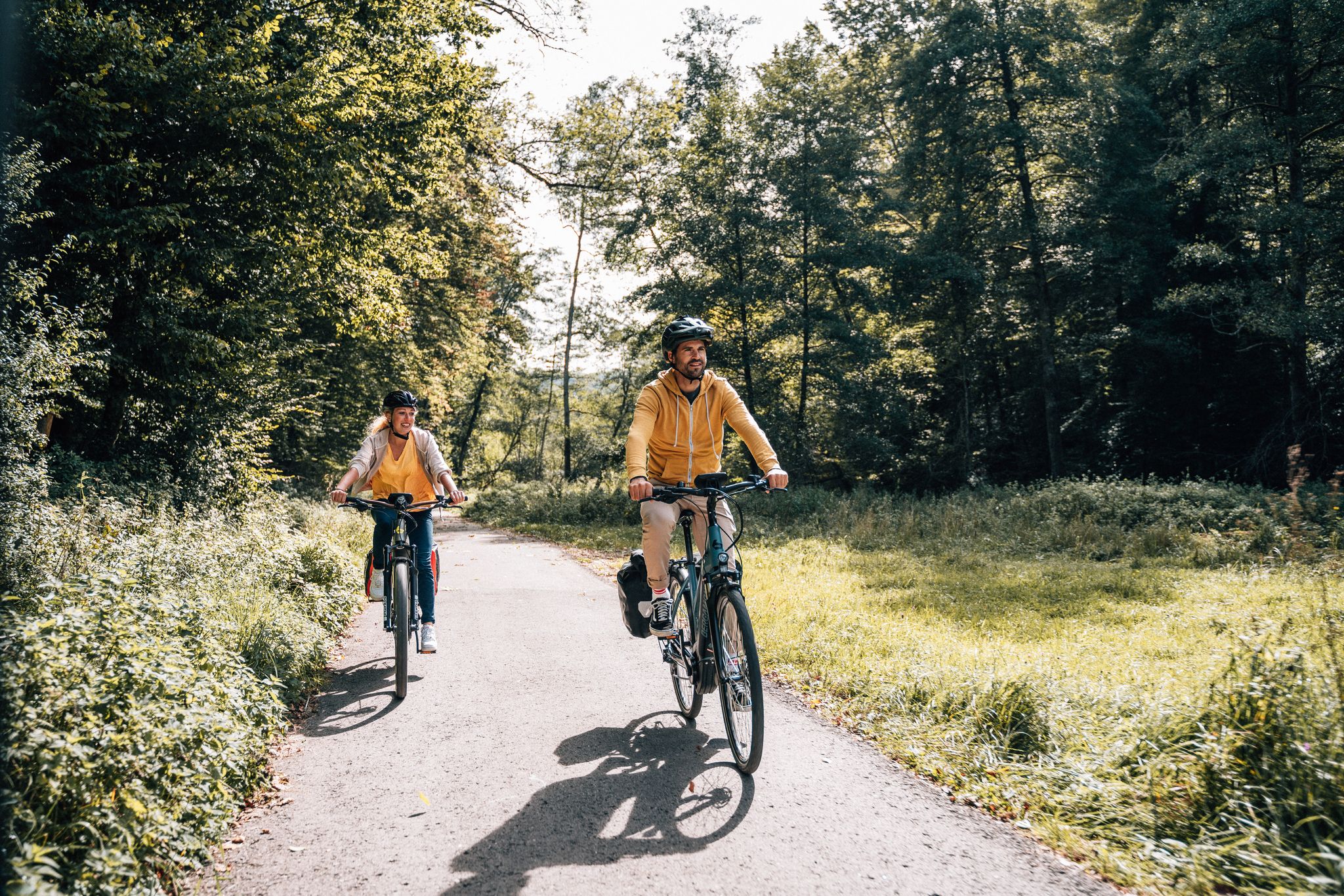
Cycle touring trio in the Swabian Alb
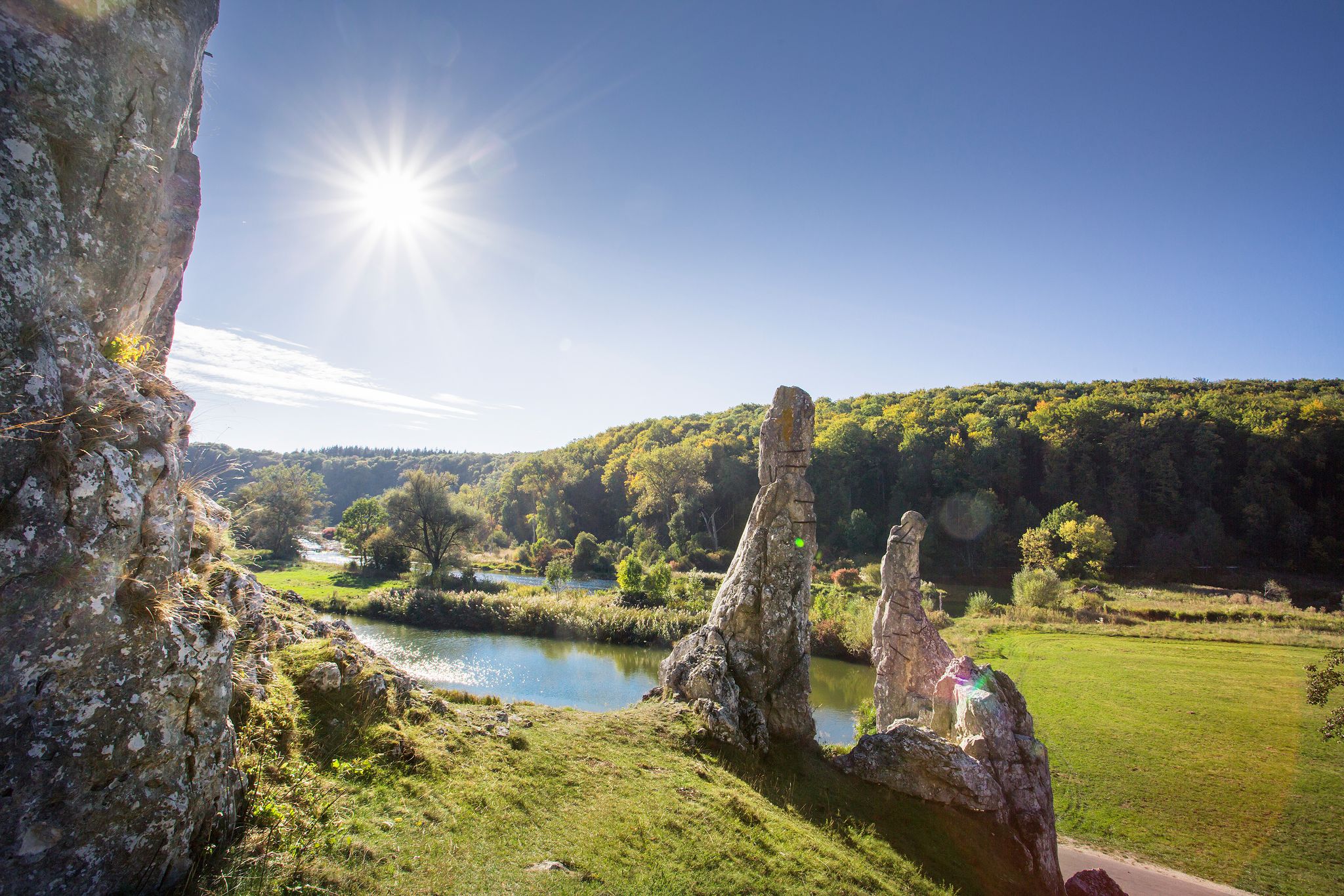
Picturesque valleys on Germany’s Württemberg Valley Cycle Path
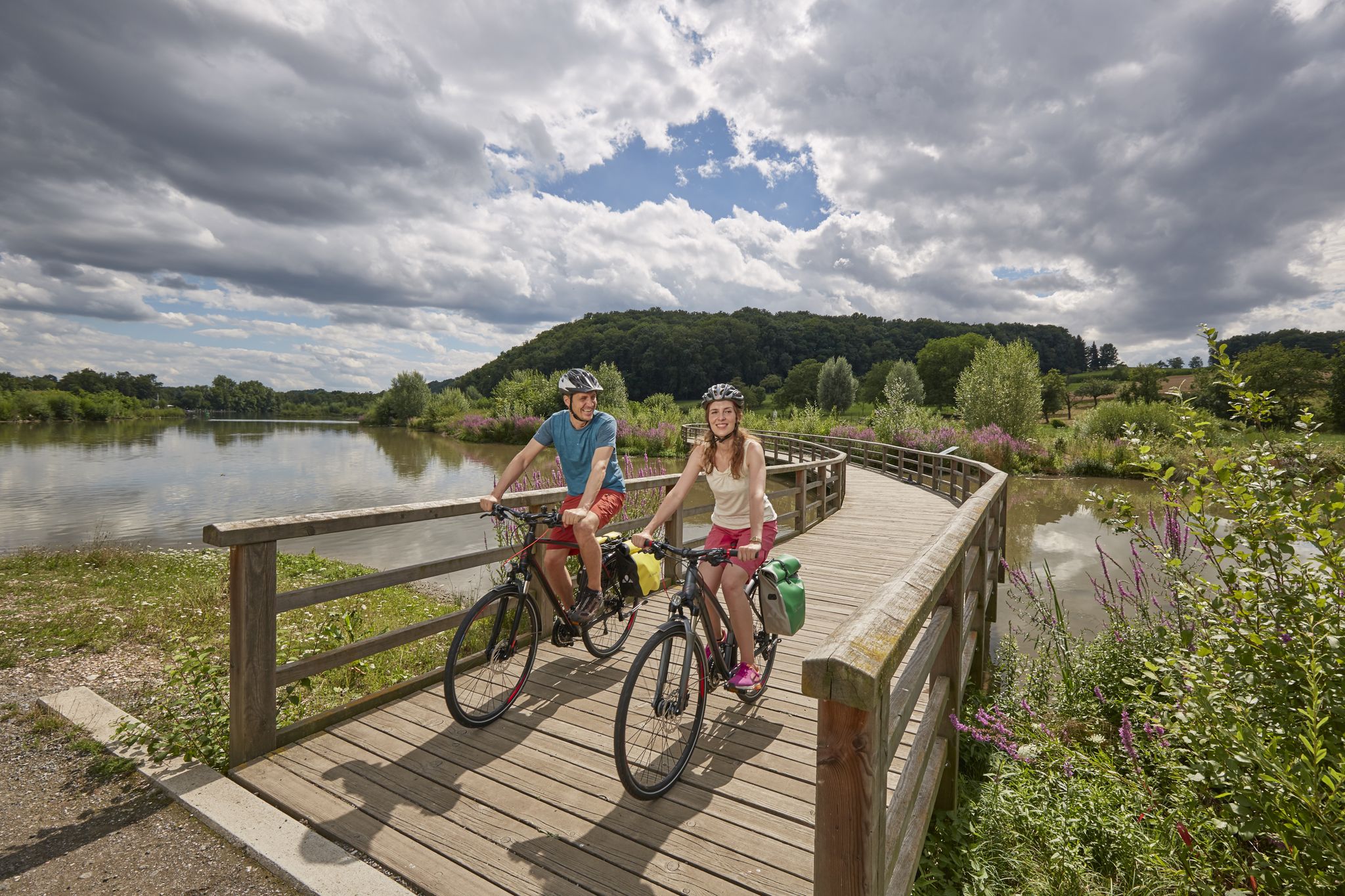
Long-distance cycle routes in Baden-Württemberg – endless rivers and lakes
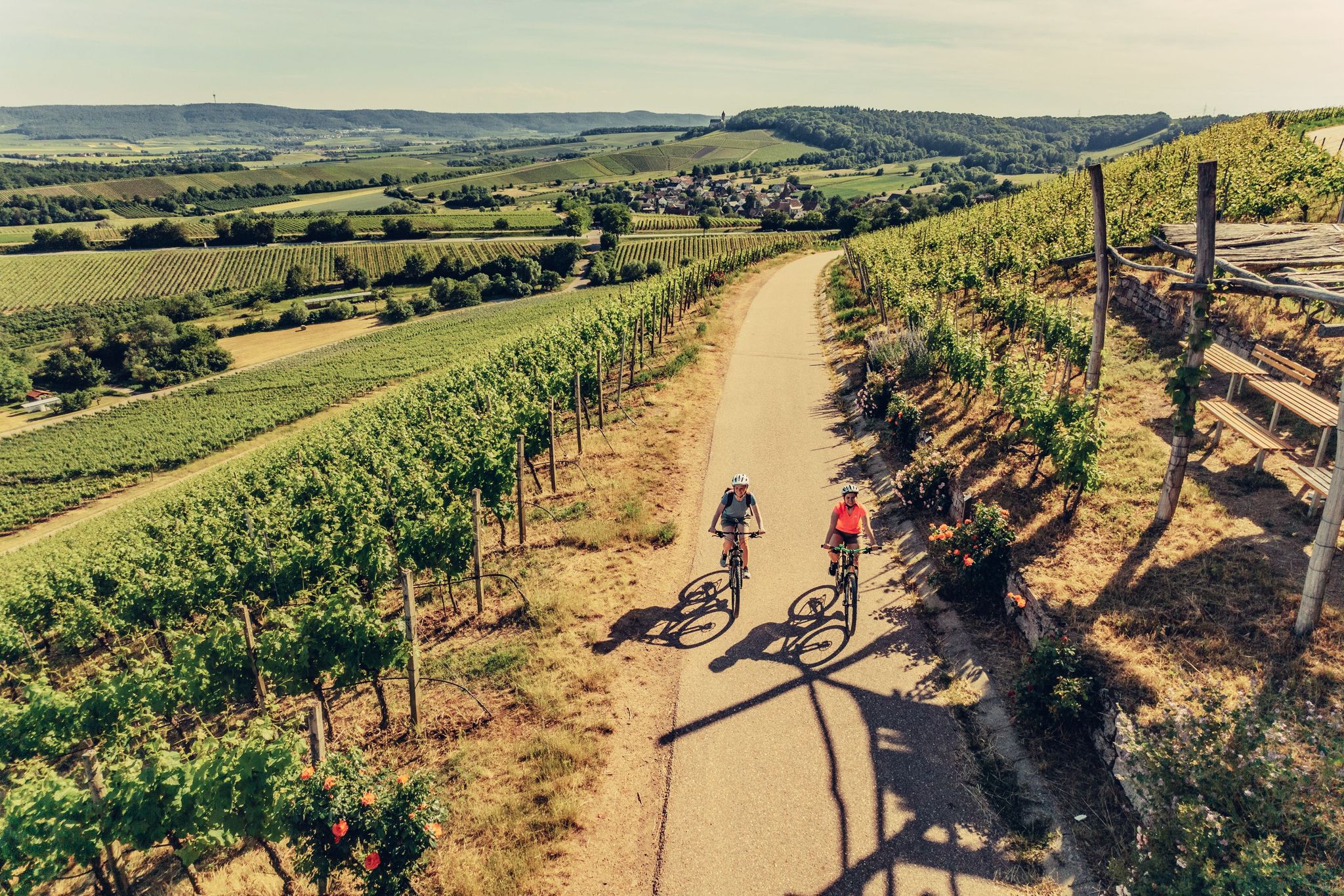
E-bike day Tours along the Tauber, Kocher, Jagst and Neckar rivers
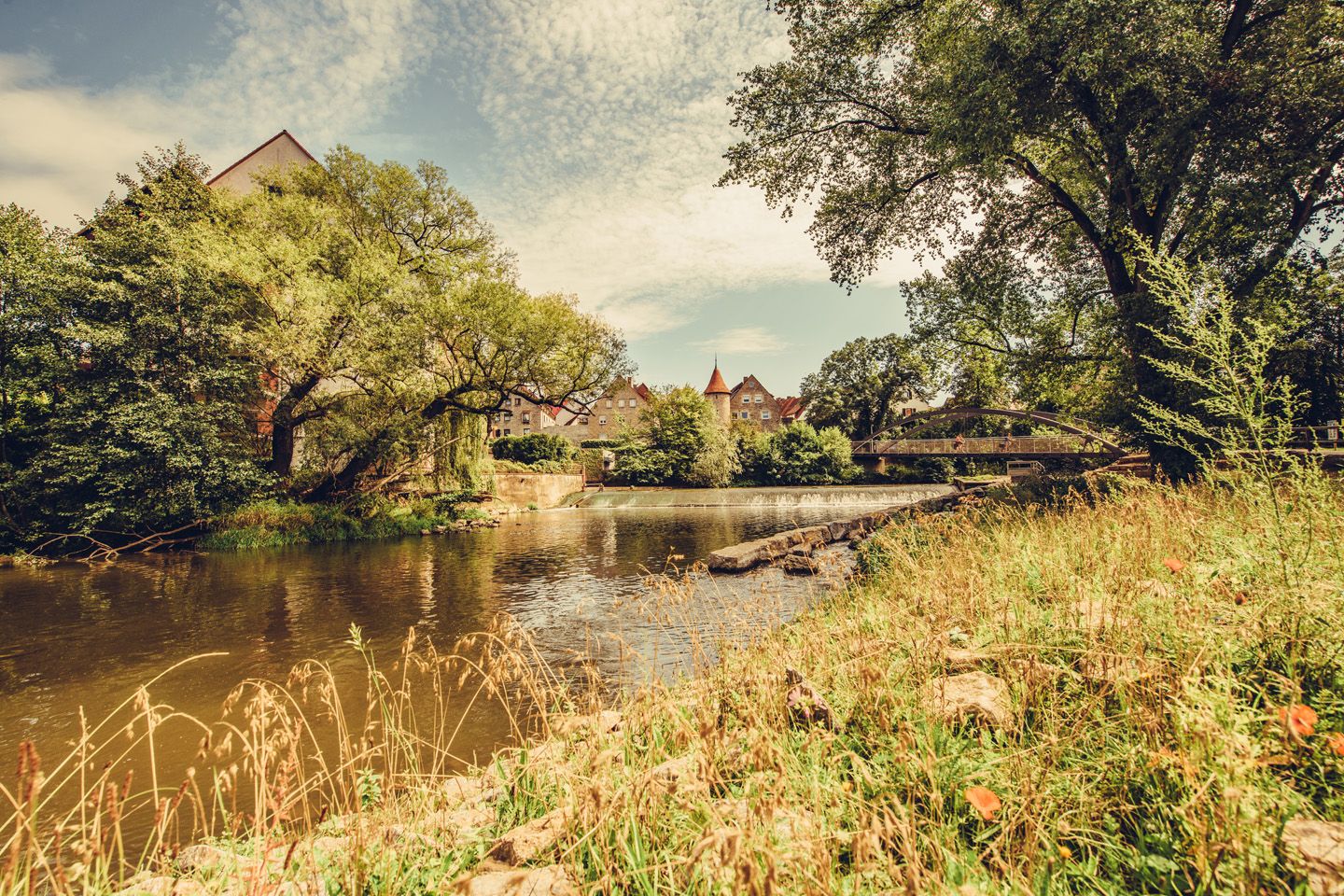
Relaxed river riding in Germany – Kocher-Jagst Cycle Path
Other adventures around Crailsheim


Tips from the Community

Very beautiful old town with historic buildings.
0
0

Beautiful castle, great location
1
0


Vellberg Castle, well preserved, with a museum of prehistory, my home town, it's worth a visit for all those who no longer have something like that.
3
1

The castle was probably completed in 1227. In 1538 it was structurally expanded and added to by Heinrich Steinhäuser and after the expansion it was referred to as a palace, as was often the case in the 16th century. Source: wikipedia
3
0
The complex consists of a palace, the south building, built in 1571, and the well-preserved ring wall with the defensive towers. The overall condition of the complex is well preserved. The floor plan corresponds to that of a moated castle. It is surrounded by a moat, which is still very well preserved towards the town. Access to the castle is now via a stone bridge. It is assumed that the access was previously made of wood and provided with a drawbridge. The castle is surrounded by a ring wall, on the southwest side of which there is a round defensive tower and on the north side another smaller one. The south building leans against the large defensive tower. The palace is in the eastern part of the castle. This consists of a stone ground floor with two upper floors. This was later extended by a half-timbered floor with a steep roof. There is space for three more floors in the roof. Source: wikipedia
3
0

Rechenberg Castle, originally known as Burg Rechenberg, is a castle from the Staufer period on the Mühlweiher above the Rechenberger Rot on a promontory near Rechenberg, a district of the municipality of Stimpfach in the district of Schwäbisch Hall in Baden-Württemberg
1
2

Rechenberg Castle is located in the district of Rechenberg in the rural town of Stimpfach. The first evidence of the castle dates back to 1229. Until 1405, the Knights of Rechenberg are documented as servants and stewards of the Counts of Oettingen. The castle was sold to the burgraves of Nuremberg and passed through several hands in 1409 to the Wollmershausen line, who received the entire Rechenberg domain from Ellwangen in 1429 to teach. The Adelmann family owned the small castle in the middle of the 15th century. In 1526, Ellwangen bought back the Rechenberg domain and sold part of it to the Steinhäuser von Neidenfels family. Under this name, the building was converted from a castle to a palace, triggered by the emperor granting it a high court in 1538. In the course of 1571, Rechenberg Castle was extended to include the front building. Today, Rechenberg Castle in the idyllic district of Schwäbisch Hall is privately owned and can only be viewed from the outside. Source: https://www.hohenlohe-schwaebischhall.de/Attraktion/schloss-rechenberg-2/
4
0
Frequently Asked Questions
Which castles around Crailsheim offer the most comprehensive historical experience?
For a deep dive into centuries of history and diverse architectural styles, Schloss Kirchberg an der Jagst is highly recommended. It evolved from a medieval castle into a Renaissance palace with Baroque additions. You can explore its Knights' Hall, Rococo Hall, and castle museum. The Medieval Old Town of Vellberg also offers an immersive experience with its extensive town walls, towers, and two castles within the town.
Are there any well-preserved medieval towns with castle elements near Crailsheim?
Yes, the Medieval Old Town of Vellberg is a medieval gem near Schwäbisch Hall. It's encircled by formidable town walls with bastions, towers, and gates. Within the town, you'll find the Upper Castle (Oberes Schloss) and the Lower Castle (Unteres Schloss), offering a complete historical town experience.
What outdoor activities can I do near these castles?
The region around Crailsheim offers various outdoor activities. You can find numerous cycling routes, including those around the Jagst River, in the Cycling around Crailsheim guide. For hikers, there are easy trails like the Crailsheim Planetary Trail, detailed in the Easy hikes around Crailsheim guide. Gravel biking options are also available, with routes extending towards Dinkelsbühl, as seen in the Gravel biking around Crailsheim guide.
Are there family-friendly castles or historical sites to visit?
Absolutely. The Medieval Old Town of Vellberg is considered family-friendly, offering an engaging historical exploration with its walls and towers. Schloss Kirchberg an der Jagst also welcomes families, with its museum and historical grounds. Even the remnants of Burg Schönebürg in Crailsheim serve as a forest recreation area with a playground, making it suitable for families.
Can I visit Rechenberg Castle, and what makes it unique?
Rechenberg Castle is a well-preserved Staufer-era castle that was rebuilt into a palace in the 16th century. It features a keep, curtain wall, and defensive towers, surrounded by a moat. While it is privately owned and primarily viewable from the outside, its impressive architecture and historical significance make it a worthwhile stop for its unique glimpse into medieval and Renaissance fortifications.
What is the best time of year to visit the castles around Crailsheim?
The castles and historical sites around Crailsheim are generally enjoyable throughout the year. Spring and autumn offer pleasant temperatures for exploring the outdoor grounds and medieval towns like Vellberg. Autumn also provides beautiful scenic views with changing foliage. Summer is ideal for enjoying outdoor cafes and events, while some castles might offer special winter events or views, though access to certain areas might be limited.
Are there any castle ruins or only well-preserved structures?
The region offers a mix. While places like Schloss Kirchberg an der Jagst and Rechenberg Castle are well-preserved, Crailsheim itself has Burg Schönebürg, which is mostly in ruins. These remnants are historically significant and now serve as a forest recreation area, allowing visitors to imagine its past importance.
What kind of natural features or viewpoints can I find near these castles?
Many castles are situated in scenic locations. Schloss Kirchberg an der Jagst, for example, is located on a mountain spur above the Jagst river valley, offering picturesque views. The Medieval Old Town of Vellberg is also set on a rock, providing a charming historic atmosphere and views of the surrounding area.
Is public transport available to reach the castles?
While specific direct public transport routes to every castle might vary, Crailsheim itself is connected by regional transport. For places like Schloss Kirchberg an der Jagst, you can often reach the nearby town by bus or train and then walk or take a short taxi ride. It's advisable to check local bus schedules for the specific castle you plan to visit.
Are there cafes or accommodation options near the castles?
Yes, especially in the more developed historical towns. The Old Town of Vellberg has several good restaurants and cafes. Schloss Kirchberg an der Jagst features a castle cafe, and parts of the castle have been used as a biohotel, offering accommodation. Crailsheim itself also provides various dining and lodging options.
What are the historical origins of the Crailsheim region's castles?
The castles in the Crailsheim region often have deep roots, dating back to the Staufer period or even earlier. For instance, Rechenberg Castle has evidence from 1229, and Schloss Kirchberg an der Jagst originated as a medieval castle around 1240. These structures were often built to secure important routes or as residences for local nobility, evolving through different architectural periods like Renaissance and Baroque.
Most popular routes around Crailsheim
Most popular attractions around Crailsheim

Get inspired with the komoot mobile app


Explore more
Looking for the best castles somewhere else? Discover other guides around Crailsheim:
