Top 13 Castles in the Tuxer Alps
Castles in the Tuxer Alps region offer a historical dimension to the alpine landscape. While the Tuxer Alps are primarily known for natural features, hiking trails, and an alpine environment, several notable castles and fortresses are located in the broader Tyrol region. These sites provide insights into the area's history and architecture. The region's natural beauty complements the historical exploration of these fortifications.
Best castles in the Tuxer Alps
- The most popular castles is Ambras Castle, Innsbruck, a castle…
Last updated: July 1, 2026
Freundsberg Castle
Highlight • Castle
Translated by Google •
Tip by

Ambras Castle, Innsbruck
Highlight • Castle
Ambras Castle, Innsbruck, is one of Austria's most important sights and the top day trip destination in Tyrol.
Visit the world's first museum preserved in its original …
Translated by Google •
Tip by

Sign up now to discover places like this
Get recommendations on the best single tracks, peaks, & plenty of other exciting outdoor places.
Sign up for free
Schloss Ambras Castle Park, Innsbruck
Highlight • Historical Site
During the lifetime of Archduke Ferdinand II, Ambras Castle included a large forest area.
The grounds, which slope steeply to the east and today, …
Translated by Google •
Tip by
Matrei Trautson Castle
Highlight • Castle
Translated by Google •
Tip by

Rottenburg Castle Ruins
Highlight • Castle
Translated by Google •
Tip by

Neurettenberg Castle Ruins
Highlight • Castle
Translated by Google •
Tip by

Arnholz Castle
Highlight • Castle
Translated by Google •
Tip by

Friedberg Castle
Highlight • Castle
Translated by Google •
Tip by

Forest trails around Ambras Castle
Highlight • Forest
Tip by

View of Schloss Tratzberg
Highlight • Viewpoint
Translated by Google •
Tip by

Sign up for free to discover even more castles in the Tuxer Alps.
Sign up for free
Already have an account?
Start today with a free account
Your next adventure awaits.
Login or Signup
Popular around Tuxer Alps
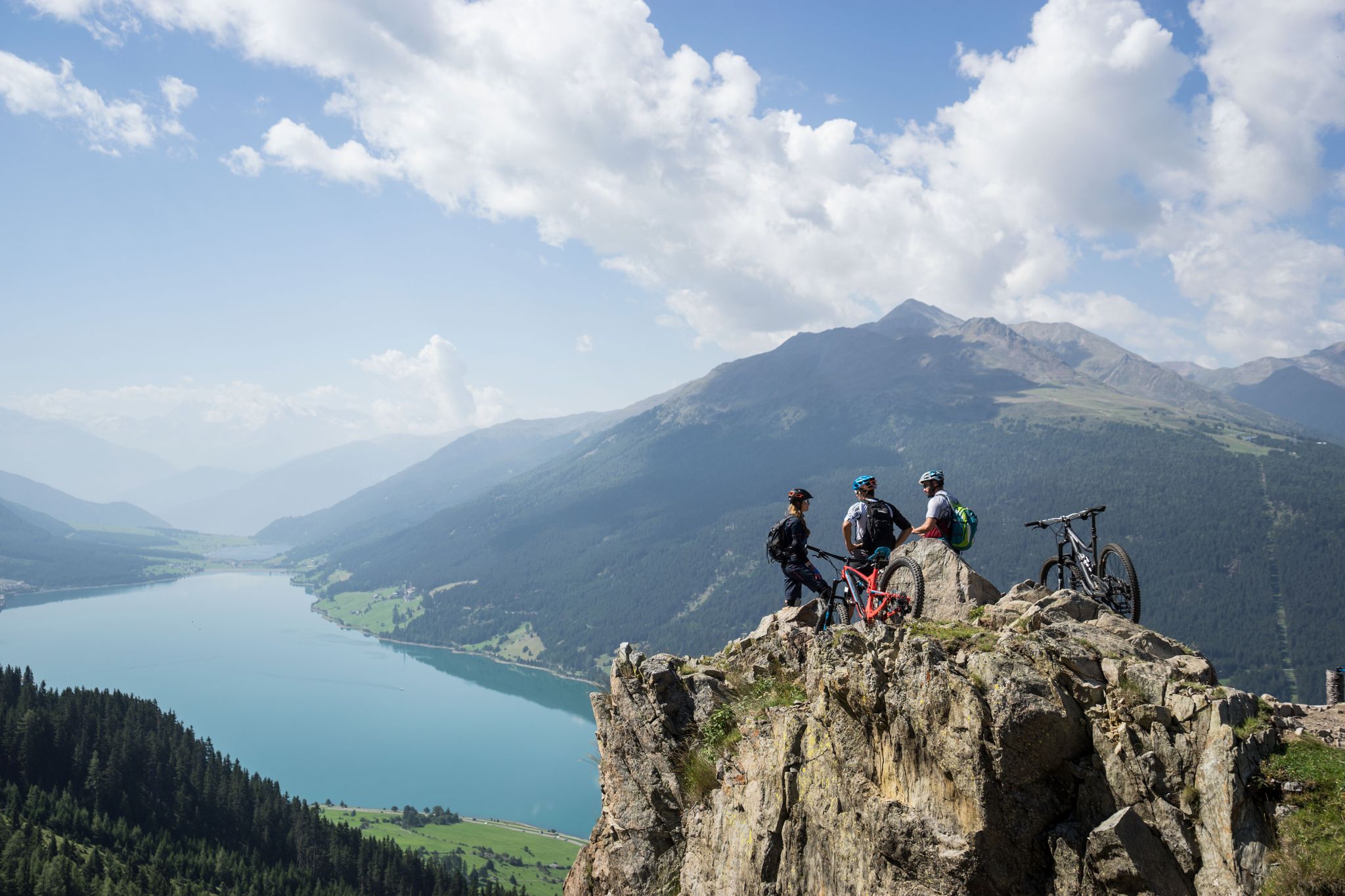
High into the Tyrolean mountain world – mountain biking in Tyrol
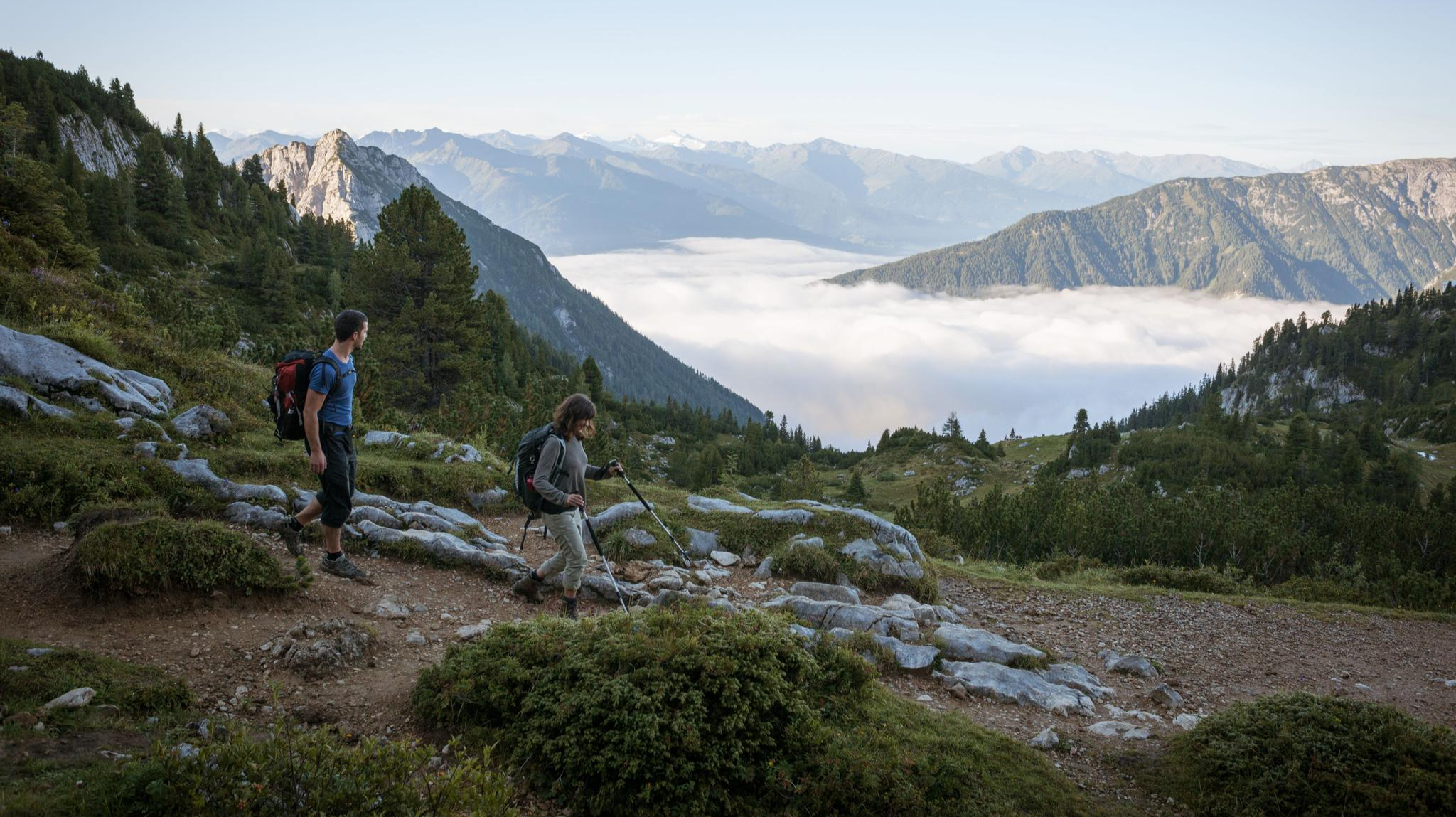
Eagle Walk – Majestic hiking along Tirol's trail
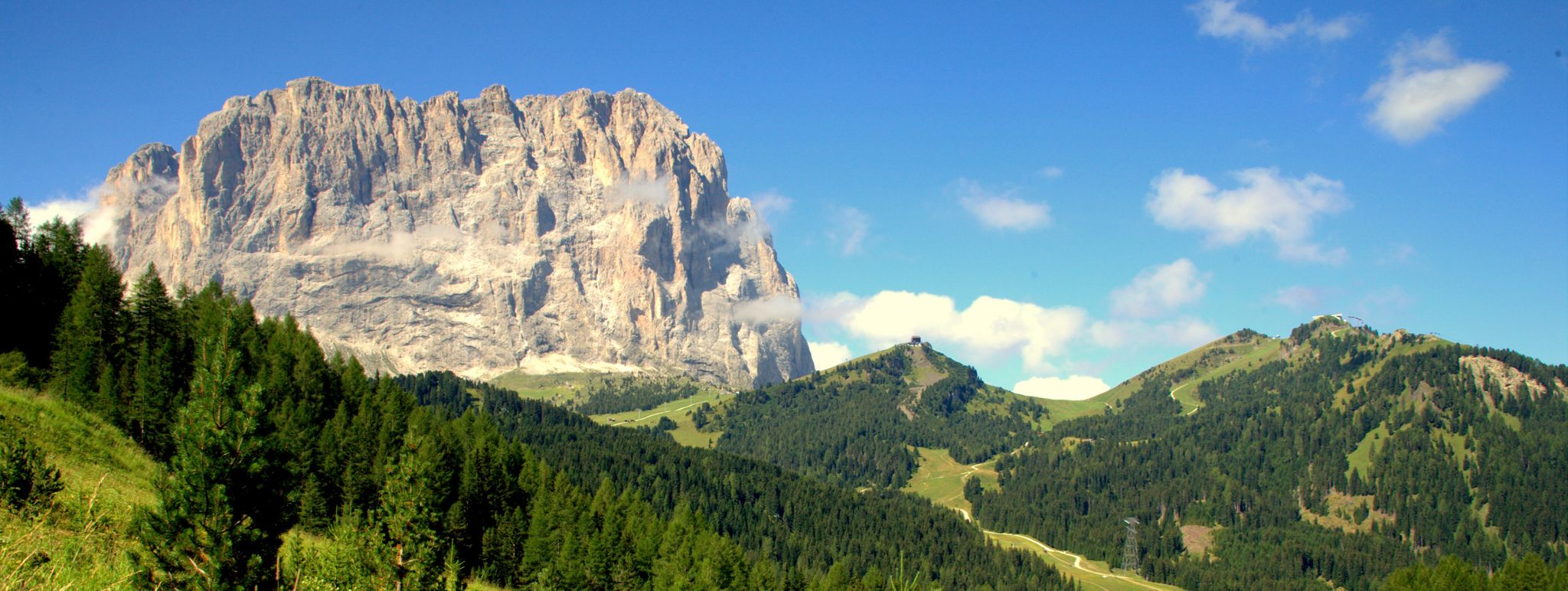
Via Venezia Alpina – hiking across the Alps to the Adriatic Sea
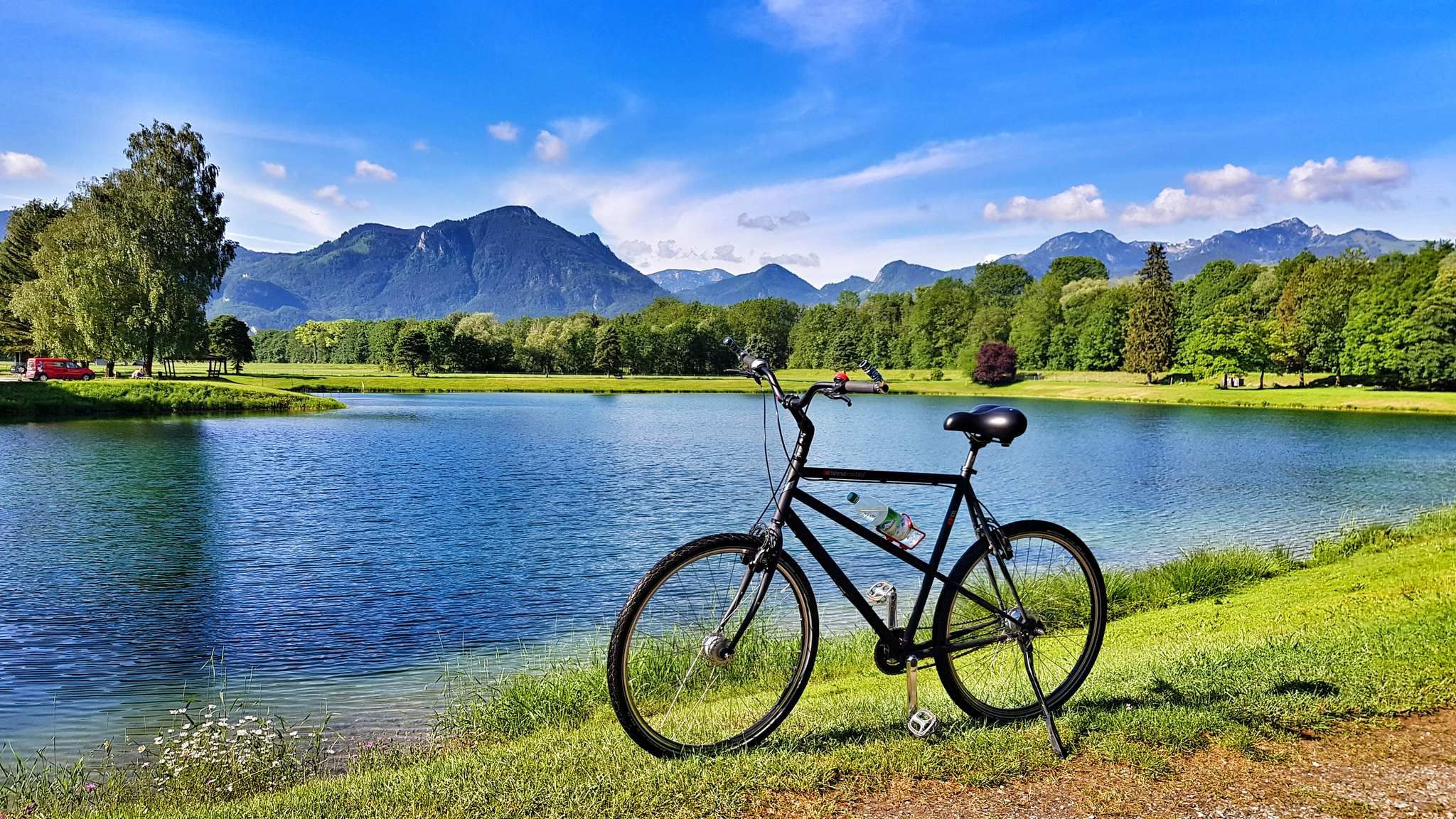
The Inn Cycle Path – From a babbling brook to a mighty river
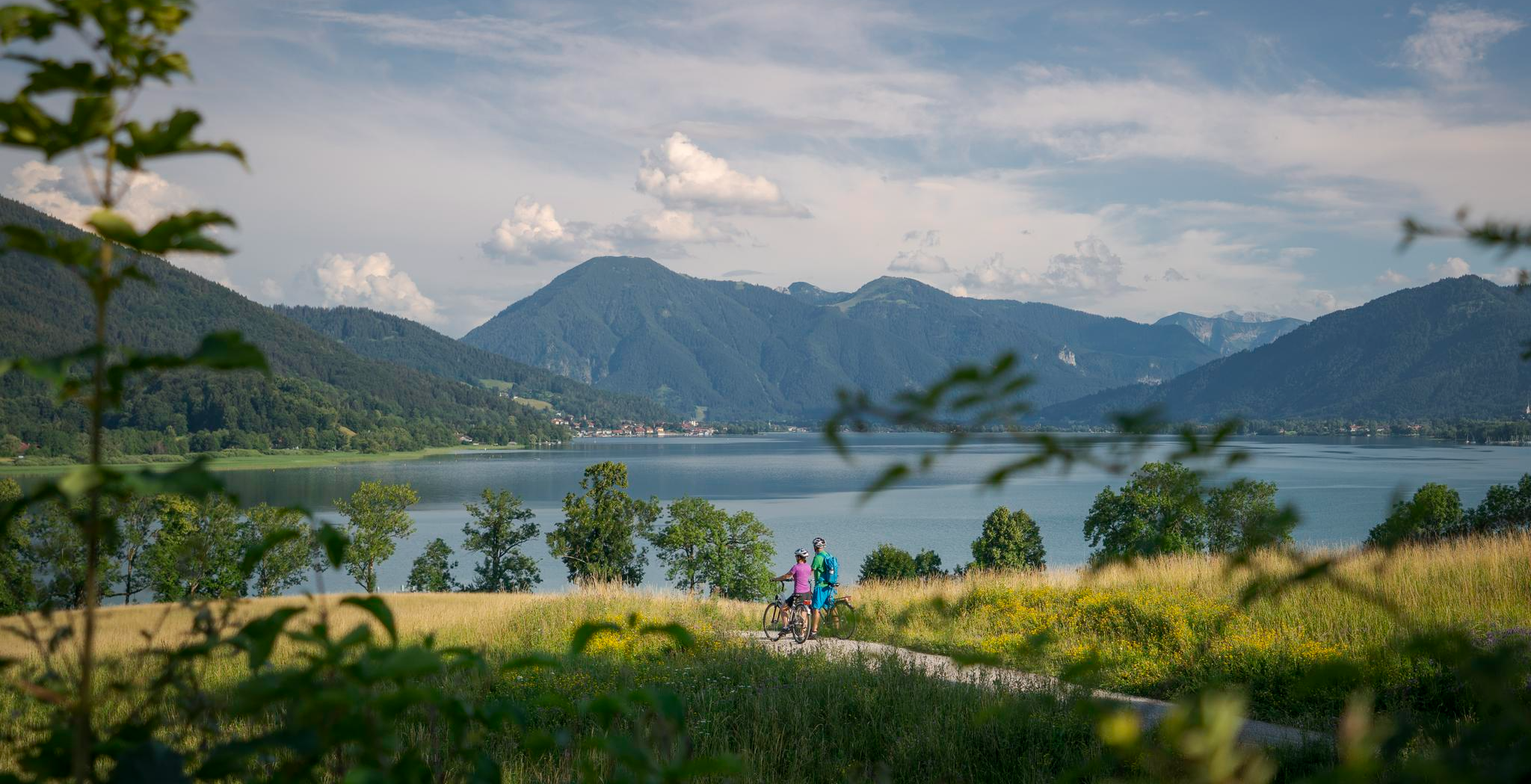
The Munich-Venice Long-Distance Cycle Path – A beautiful Alps crossing
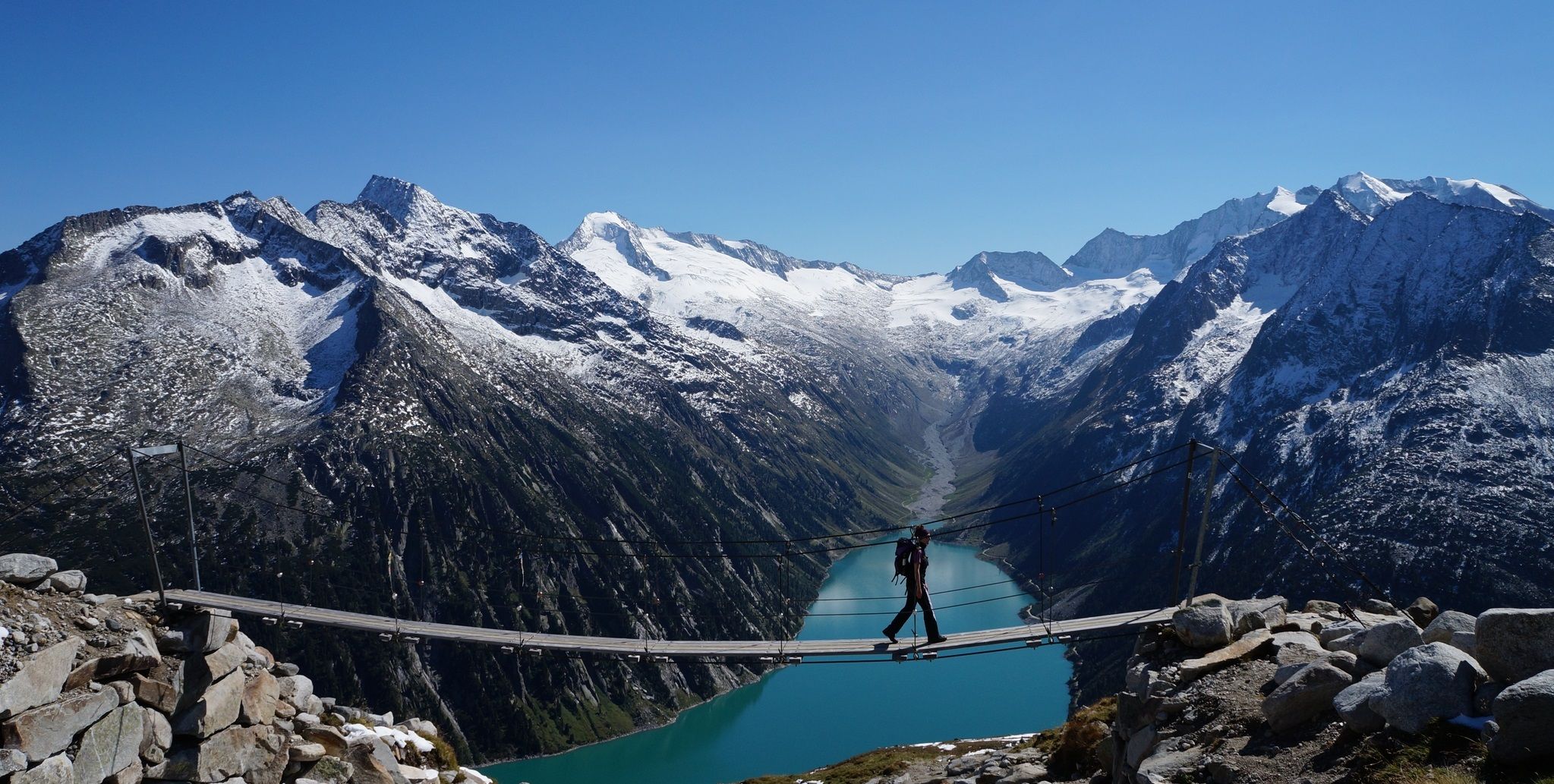
The Peter Habeler loop — an alpine trail around the Olperer
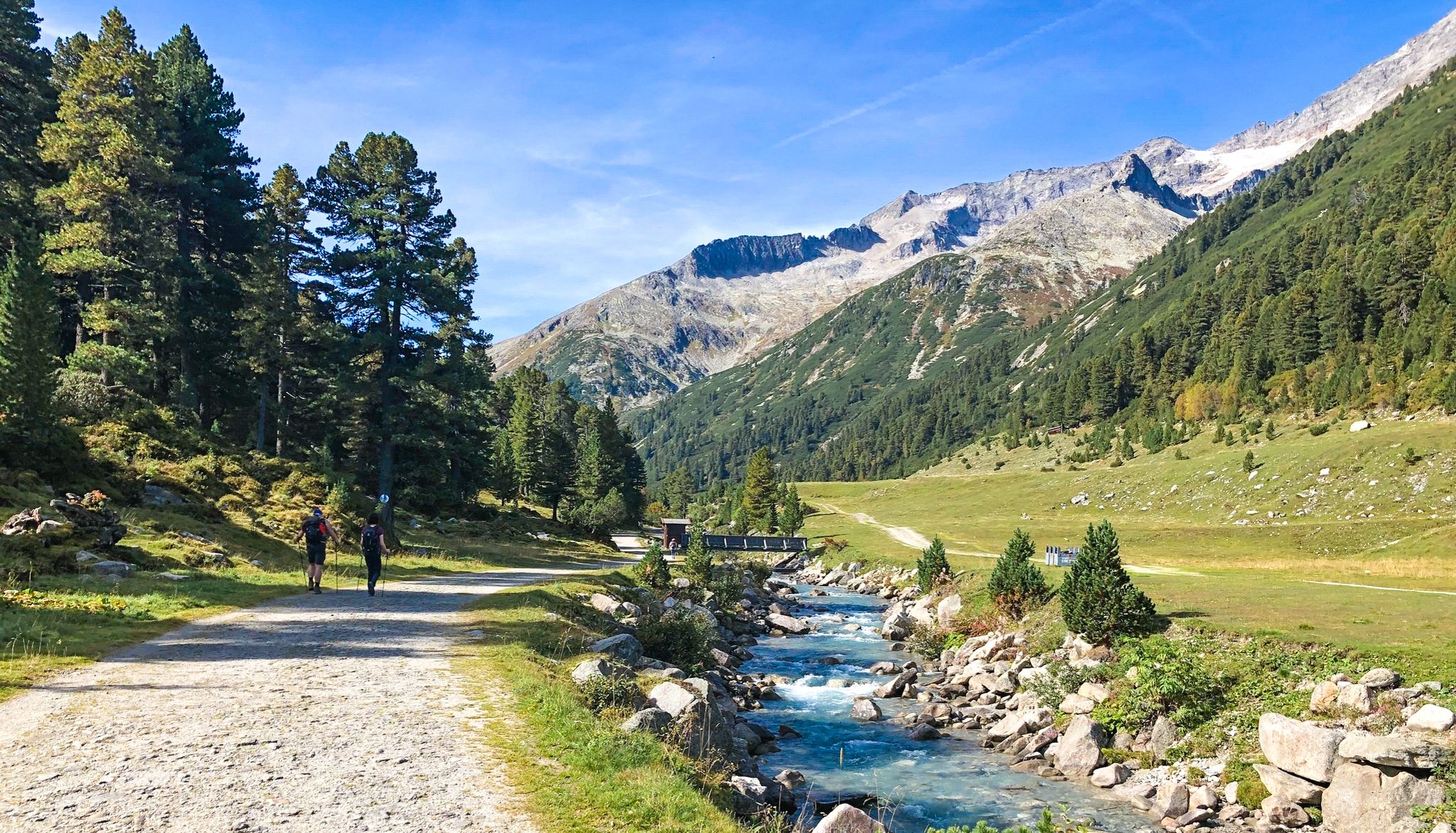
Alpine crossing for pleasure hikers – 7 stages from Lake Tegernsee to Sterzing
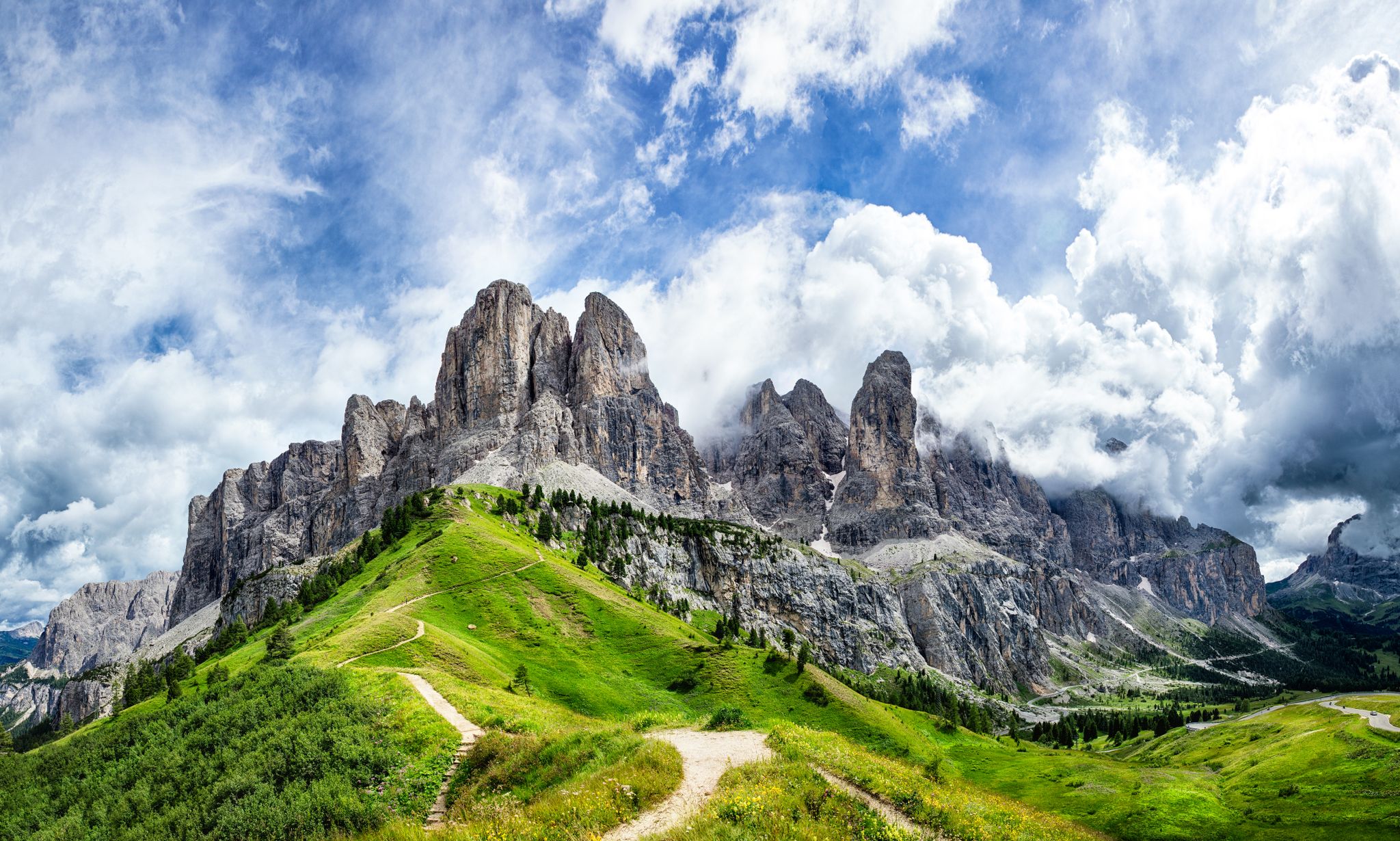
The "Dream Path" hiking trail – From Munich to Venice in 28 stages
From Alm to Alm – superb hikes in the Hall-Wattens Region
The most beautiful autumn hikes in Hall-Wattens
Other adventures in the Tuxer Alps


Tips from the Community

Closed to visitors from November
2
0
A very well-maintained park; today I was lucky and was able to observe two free-roaming peacocks there.
2
0

The World's First Museum / The History of Ambras Castle Ambras Castle is located on the southern outskirts of Innsbruck, the Tyrolean capital. Records of Ambras date back to the 10th century, spelled "Amras" or "Omras." In the High Middle Ages, it was the seat of the Upper Bavarian Counts of Andechs. The property then passed into the possession of the Tyrolean sovereigns through inheritance. The medieval character of the castle is still clearly evident in the structure of the upper castle. In 1564, Ambras Castle became the residence of the Tyrolean sovereign, Archduke Ferdinand II, who moved there with his young family, his wife Philippine, and their two sons, Andreas and Karl. The so-called upper castle was converted and expanded into a residential building in the Renaissance style. The impressive Spanish Hall and extensive gardens were created below the residential building as new buildings. Text / Source: Ambras Castle Innsbruck, Schlossstraße 20, 6020 Innsbruck https://www.schlossambras-innsbruck.at/das-schloss-entdecken/das-schloss#:~:text=Schloss%20Ambras%20liegt%20am%20s%C3%BCdlichen%20Stadtrand%20der%20Tiroler
16
0
Palace Park - Ambras Castle, Innsbruck During the lifetime of Archduke Ferdinand II, Ambras Castle included a large forest area. The grounds, which slope steeply to the east and today, with their cliffs, ravines, bridges, and an artificial waterfall, are reminiscent of their original state, served as a game park. The palace also boasted a richly landscaped park, completed in 1574, with fish ponds, bird aviaries, and private garden houses in the pleasure gardens. Remaining features from this period include the spacious Bacchus Grotto, carved into the rock, where the Archduke's guests were once welcomed with the famous Ambras drinking games, as well as a stair tower in the Keuchengarten, the former structure of which has been partially reconstructed. The hydroelectric "circulating table" and the ball game house south of the Spanish Hall are no longer preserved. Under Archduke Karl Ludwig, who used Ambras Castle as a summer residence, the western part of the park was transformed into a landscaped garden starting in 1855, and the Keuchengarten received a swimming pool. Text / Source: Ambras Castle Innsbruck, Schlossstraße 20, 6020 Innsbruck https://www.schlossambras-innsbruck.at/das-schloss-entdecken/orte-im-schloss/schlosspark
16
0
The World's First Museum / The History of Ambras Castle Ambras Castle is located on the southern outskirts of Innsbruck, the Tyrolean capital. Records of Ambras date back to the 10th century, spelled "Amras" or "Omras." In the High Middle Ages, it was the seat of the Upper Bavarian Counts of Andechs. The property then passed into the possession of the Tyrolean sovereigns through inheritance. The medieval character of the castle is still clearly evident today in the fabric of the upper castle. In 1564, Ambras Castle became the residence of the Tyrolean sovereign, Archduke Ferdinand II, who moved in with his young family, his wife Philippine, and their two sons, Andreas and Karl. The so-called upper castle was converted and expanded in the Renaissance style to create a residential area. The impressive Spanish Hall and extensive gardens were created below the residential building as new buildings. Text / Source: Ambras Castle Innsbruck, Schlossstraße 20, 6020 Innsbruck https://www.schlossambras-innsbruck.at/das-schloss-entdecken/das-schloss#:~:text=Ambras Castle is located on the southern outskirts of the Tyrolean town, and is the seat of the Upper Bavarian Counts of Andechs.
17
0
Ambras Castle, Innsbruck Ambras Castle, Innsbruck, is one of Austria's most important sights and the top day trip destination in Tyrol. Visit the world's first museum preserved in its original location and embark on a journey back 450 years. Text / Source: Ambras Castle, Innsbruck, Schlossstraße 20, 6020 Innsbruck https://www.schlossambras-innsbruck.at/
17
0

Take the time to explore the little pathways around the castle. There is a beautiful little stream, winding pathways and lush trees
0
0

The ascent to the castle is currently closed due to forestry work
0
0
Frequently Asked Questions
Where are the main castles located in relation to the Tuxer Alps?
While the Tuxer Alps are known for their alpine environment, traditional large castles are primarily found in the broader Tyrol region, accessible from the Tuxer Alps. These include sites like Ambras Castle, Innsbruck, Freundsberg Castle near Schwaz, and Tratzberg Castle in the Inn Valley.
What types of historical experiences do the castles in the Tyrol region offer?
The castles offer a diverse range of historical experiences. You can explore well-preserved Renaissance residences like Tratzberg Castle with its richly furnished rooms and interactive tours, or delve into military history at Kufstein Fortress. Freundsberg Castle provides insights into the cultural and economic development of the 'silver city' of Schwaz, while Hasegg Castle in Hall in Tirol focuses on medieval town planning and the history of coinage.
Are there family-friendly castles to visit near the Tuxer Alps?
Yes, several castles are great for families. Ambras Castle, Innsbruck, is considered a top day trip destination and is family-friendly. Tratzberg Castle offers a special fairy tale tour led by a castle ghost and an eventful ride on the 'Tratzberg Express,' along with virtual reality journeys through time, making it highly engaging for children.
What are the public transport options for reaching these castles?
While specific public transport details for each castle from the Tuxer Alps vary, the broader Tyrol region is well-connected. For example, Innsbruck, where Ambras Castle is located, is easily accessible by bus and train. Many castles offer parking facilities for those traveling by car, such as Tratzberg Castle which has dedicated parking.
What is the best time of year to visit the castles?
The best time to visit the castles is generally during the warmer months, from spring to autumn, when all facilities are typically open, and the weather is pleasant for exploring the grounds and surrounding areas. Some castles, like Kufstein Fortress, also host events during the summer. While some may have limited winter hours, checking individual castle websites for opening times is recommended.
Can I find hiking trails near the castles?
Yes, several castles are situated in scenic areas with nearby hiking opportunities. For instance, Rottenburg Castle Ruins are part of a circular hiking trail offering great views of the Inn Valley. Freundsberg Castle is accessible via a short climb, and the area around Ambras Castle includes forest trails. For more general hiking in the region, you can explore guides like Hiking in the Tuxer Alps.
Are there any castles with particularly good viewpoints?
Absolutely. Freundsberg Castle, perched high above Schwaz, offers a wonderful view of the Inn Valley. Similarly, Rottenburg Castle Ruins provide excellent views of the Inn Valley and the surrounding landscape. Kufstein Fortress also boasts panoramic views of the area.
What outdoor activities can I combine with a castle visit?
Given the proximity of these castles to the Tuxer Alps, you can easily combine historical exploration with outdoor activities. Hiking is a popular choice, with options ranging from easy trails to more challenging routes. You can find various hiking routes in guides like Easy hikes in the Tuxer Alps. Gravel biking is also an option, with routes available in guides such as Gravel biking in the Tuxer Alps.
Which castle offers a unique interactive experience?
Tratzberg Castle stands out for its unique interactive experience. It combines well-preserved Renaissance interiors with modern features, including virtual reality journeys through time that allow visitors to experience historical events 'live.' This makes it a captivating visit for all ages.
Are there any castles that focus on specific historical aspects like coinage?
Yes, Hasegg Castle with its Mint Tower in Hall in Tirol is particularly focused on the history of coinage. It houses a coin museum and provides insights into the significant role the castle played in the region's minting history, offering a unique perspective on medieval economics.
What do visitors appreciate most about the castles in this region?
Visitors often appreciate the rich history and well-preserved architecture of these sites. The interactive elements at places like Tratzberg Castle are highly praised, as are the stunning views from castles such as Freundsberg Castle and Rottenburg Castle Ruins. The opportunity to combine cultural exploration with the natural beauty of the Tyrolean landscape is also a significant draw.
Most popular routes in the Tuxer Alps
Most popular attractions in the Tuxer Alps

Get inspired with the komoot mobile app


Explore more
Looking for the best castles somewhere else? Discover other guides in the Tuxer Alps:
