Top 10 Castles in the Stubai Alps
Castles in the Stubai Alps are predominantly found in the surrounding Tyrolean and South Tyrolean regions, which are easily accessible from the valley. The Stubai Alps are known for their natural landscapes, offering extensive opportunities for hiking and skiing. While the valley itself features historical monuments like traditional farms and chapels, grand castles open to the public are located nearby. This region provides a blend of alpine scenery and historical exploration.
Best castles in the Stubai Alps
- The most popular…
Last updated: May 11, 2026
Hofburg, Innsbruck (Imperial Palace)
Highlight • Castle
In 1500 the Hofburg Innsbruck was completed under Emperor Maximilian I (1459-1519). It already had the same dimensions as today and was captured by Albrecht Dürer as a …
Translated by Google •
Tip by

Reifenegg Castle Ruins
Highlight • Castle
Translated by Google •
Tip by

Sign up now to discover places like this
Get recommendations on the best single tracks, peaks, & plenty of other exciting outdoor places.
Sign up for free
Mentlberg Castle and Mentlberg Chapel
Highlight • Castle
Translated by Google •
Tip by

Wolfsthurn Castle
Highlight • Castle
Translated by Google •
Tip by

Schneeberg Castle
Highlight • Castle
Translated by Google •
Tip by

View from Jaufenburg Castle (Castel Giovo)
Highlight • Castle
Translated by Google •
Tip by

Martinsbühel Castle
Highlight • Castle
Tip by

Start today with a free account
Your next adventure awaits.
Login or Signup
Popular around Stubai Alps
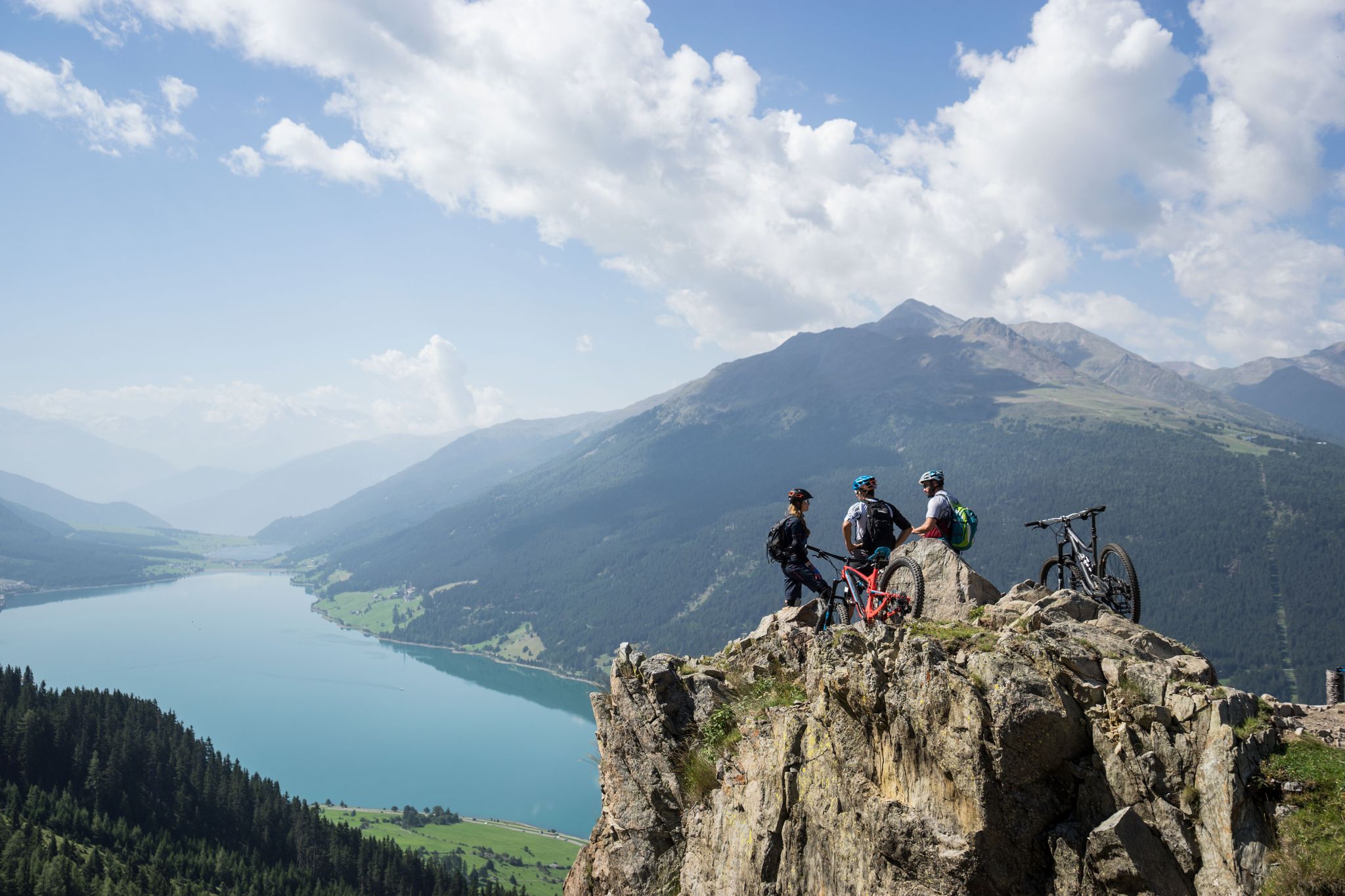
High into the Tyrolean mountain world – mountain biking in Tyrol
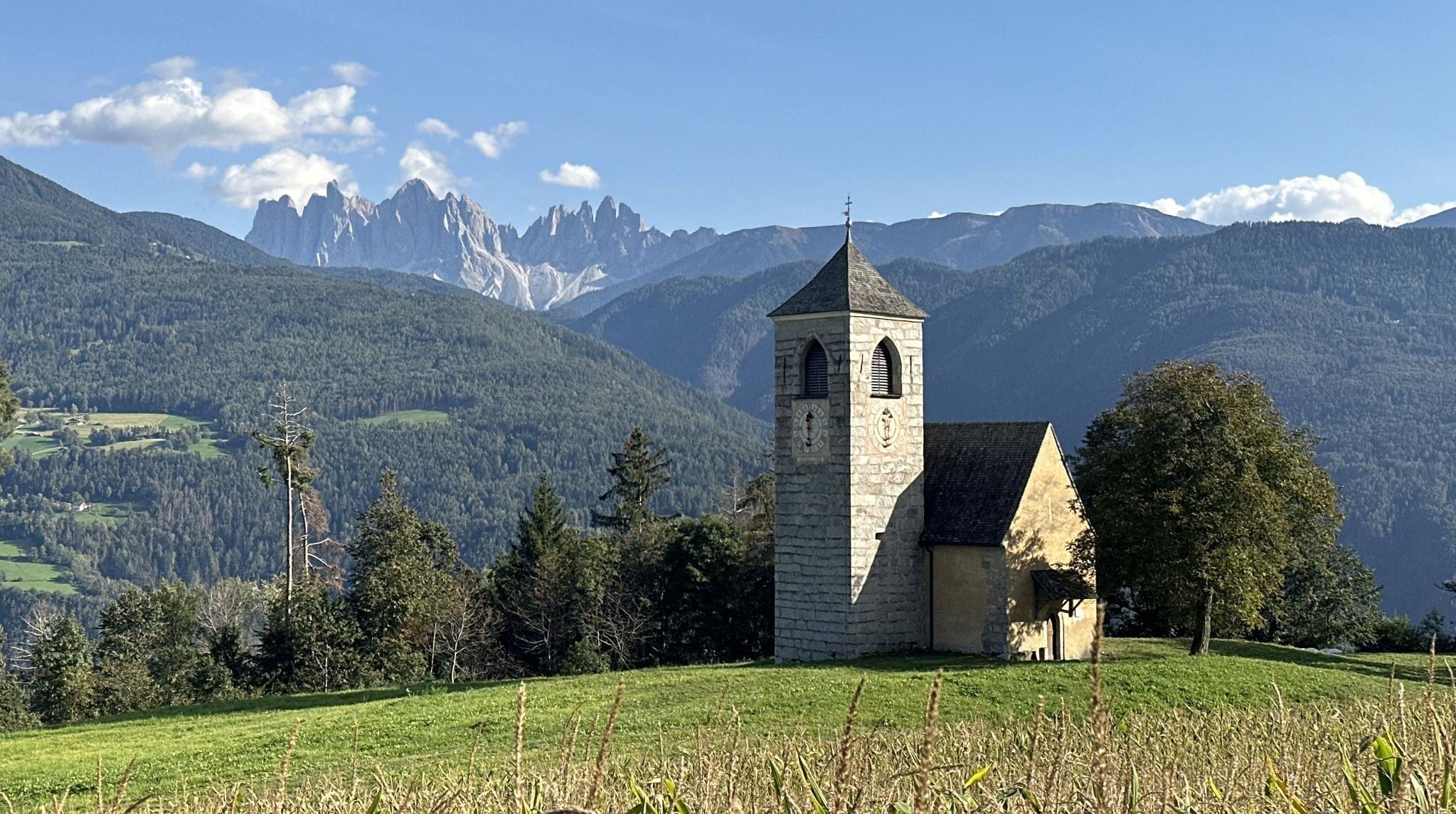
Via Romea Germanica – History, nature and spirituality
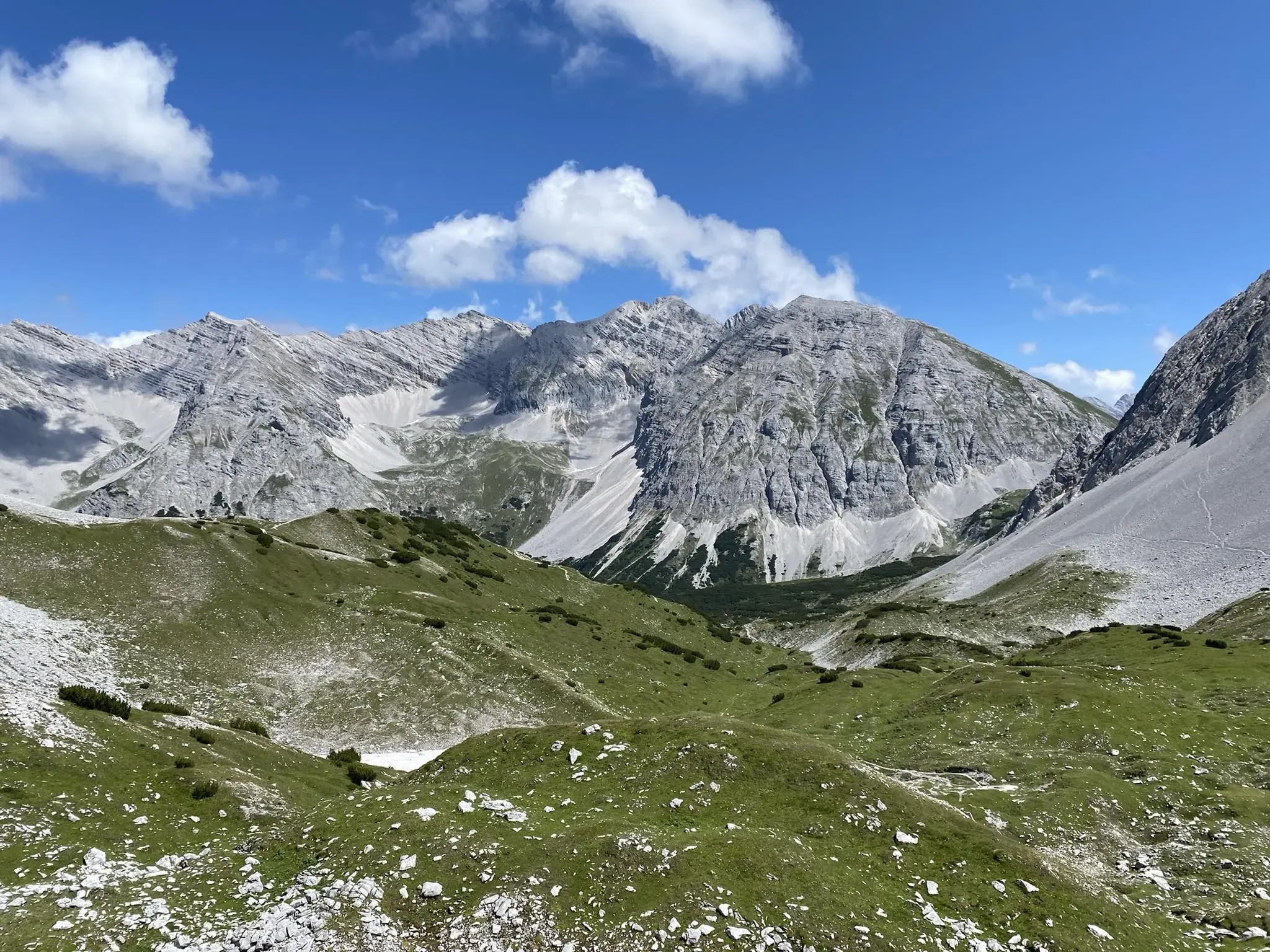
Karwendel crossing – Innsbruck to Sylvensteinspeicher
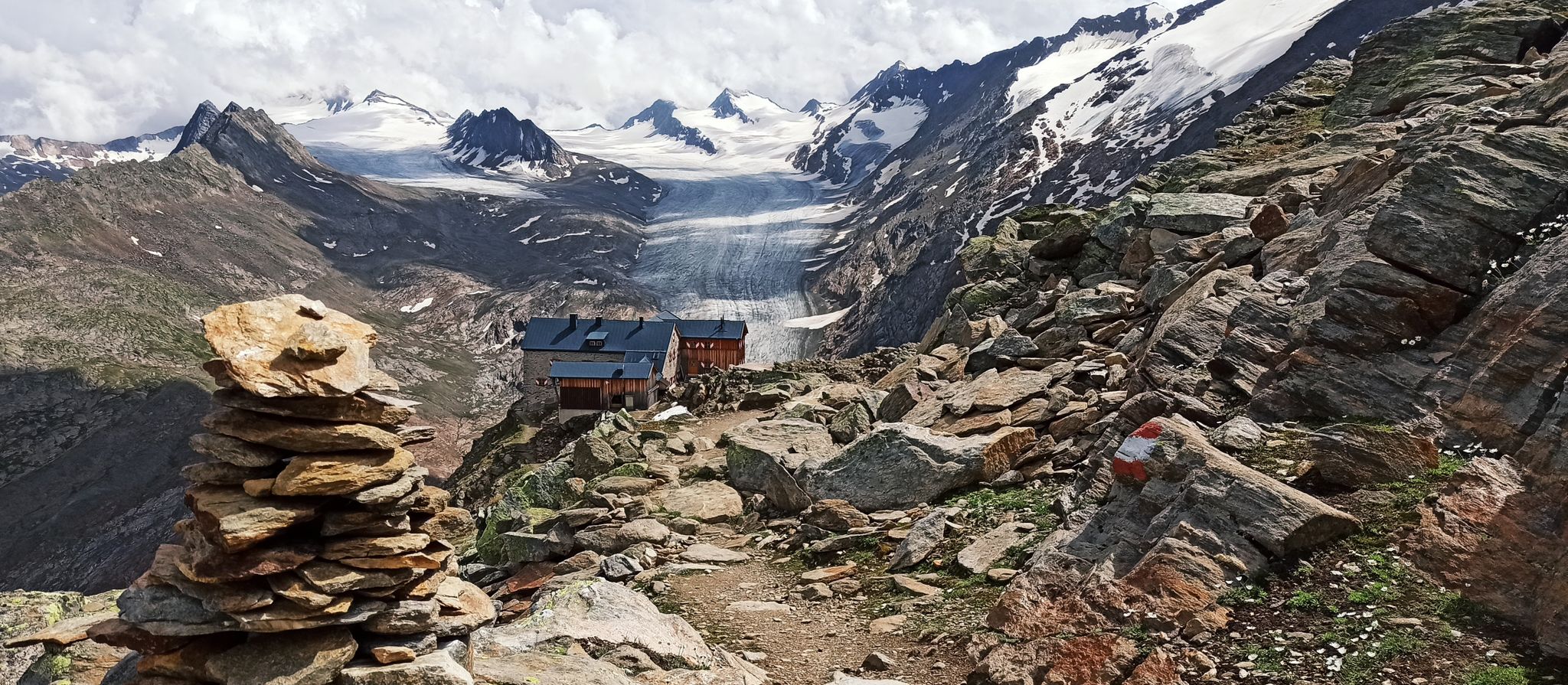
L1 from Garmisch to Brescia – Far from the classic Alpine crossings
The Inn Cycle Path – From a babbling brook to a mighty river
The Munich-Venice Long-Distance Cycle Path – A beautiful Alps crossing
4 romantic huts high above the Ötztal
The Pfunderer High Route – Alpine. Solitary. Breathtaking.
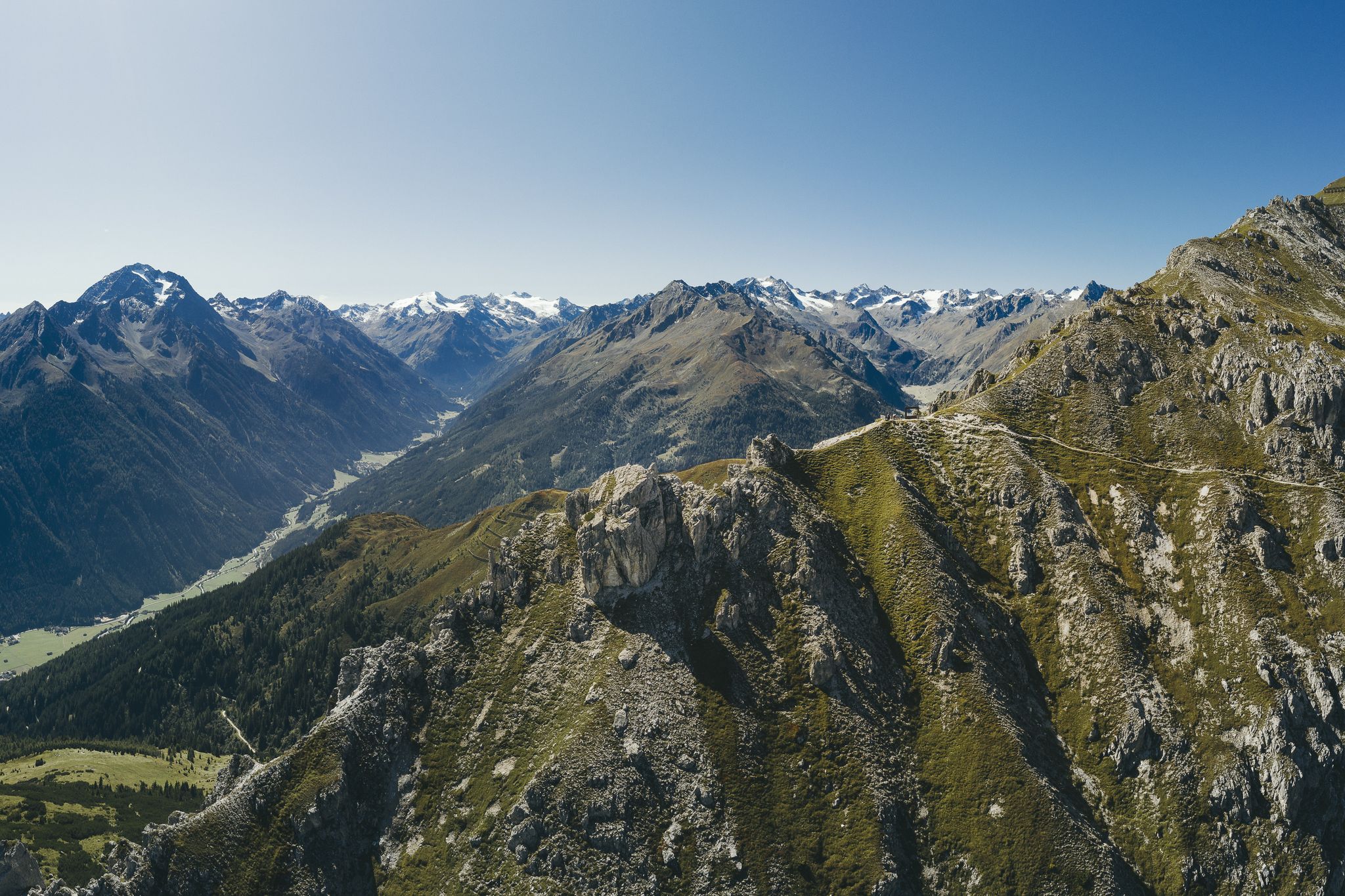
Hiking up high with the Stubai cable cars
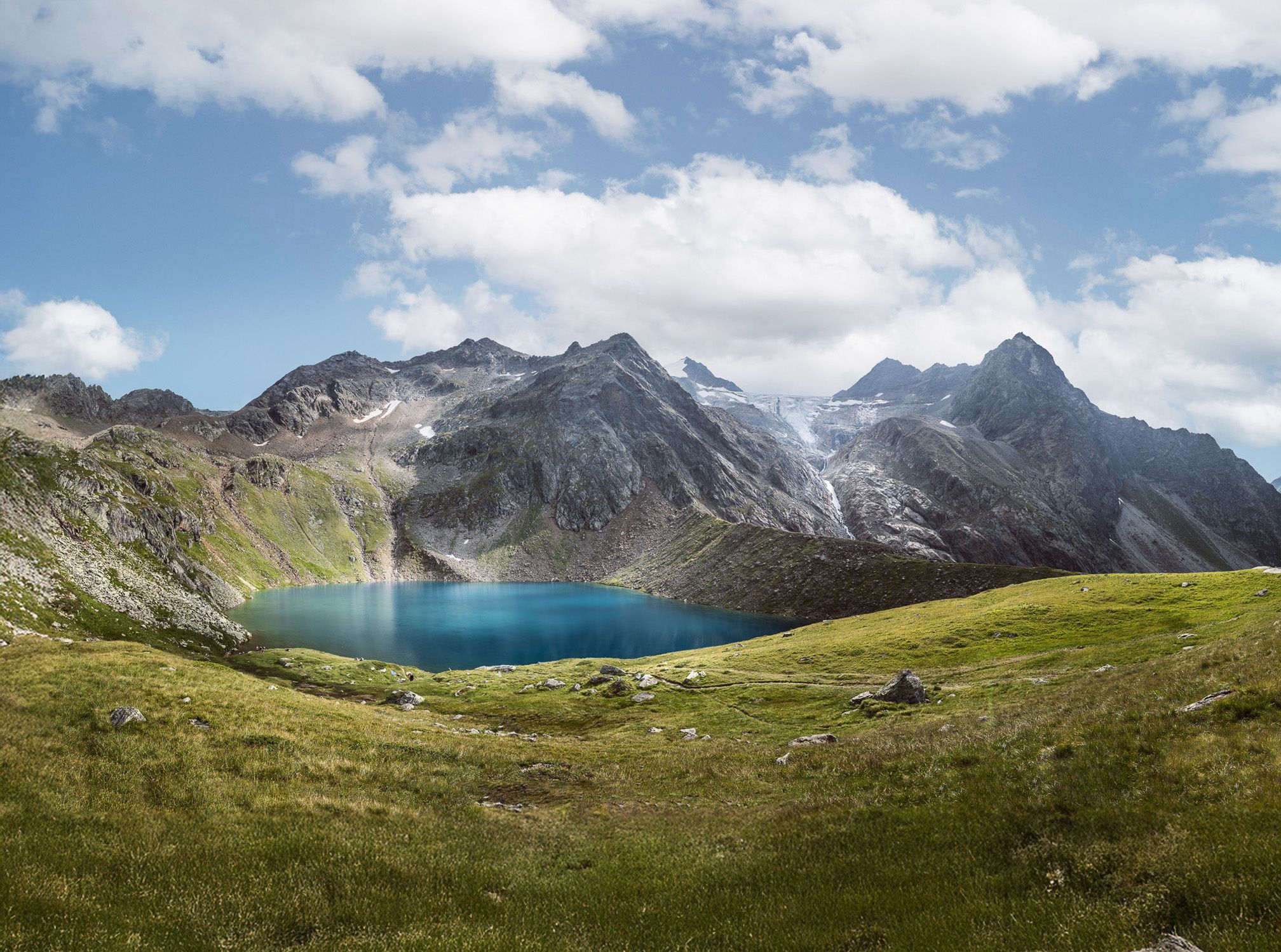
Stubai's mountain lakes – hiking to Tyrol's alpine gems
Other adventures in the Stubai Alps


Tips from the Community

Innsbruck's Hofburg, often referred to as the Tyrolean sister of Vienna's magnificent House of Habsburg, is a fascinating piece of history. The era of Maria Theresa, in particular, left its mark here and should not be ignored by anyone interested. Those familiar with the history of the dynasty can better understand the significance of this place. Admittedly, there are palaces in Austria that exude more glamour. But the Hofburg has its own special charm. The magnificent halls, large-format paintings, and breathtaking frescoes tell stories from times long past and invite you to immerse yourself deeply in history. The private chambers of Empress Elisabeth and Emperor Franz Joseph are particularly fascinating. Although the Empress rarely stayed here, her name still attracts many visitors. And the Hofburg's location is simply impressive – located in the heart of Innsbruck, it blends harmoniously into the cityscape. The exhibition can be explored at a leisurely pace without a guided tour, offering the opportunity to linger in the historic setting and absorb the atmosphere. A visit that brings history to life!
5
1


Schneeberg Castle was first mentioned in documents in 1297. Parts of the defensive wall and the striking round tower still exist from this period. In 1571, the medieval complex was converted into a Renaissance castle. A devastating fire destroyed it in 1771, and the ruins were then converted into a castle-like residence. Today it is privately owned and can only be viewed from the outside.
2
0
The Hofburg in Innsbruck is a residence built and inhabited by the Habsburgs. Members of the imperial family used the castle until the end of the monarchy in 1918.
5
0

The old ruins of the JAUFENBURG were lovingly restored and made accessible to visitors. On Mondays between 10:00 a.m. and 1:00 p.m., the small four-story museum with lots of information about the history of the former castle and the Jaufer area is open free of charge. Small mini tours included. If you like, you can also donate one or two euros.
0
0

IMPERIAL HOFBURG In 1500 the Hofburg Innsbruck was completed under Emperor Maximilian I (1459-1519). It already had the same dimensions as today and was captured by Albrecht Dürer as a watercolor. You can see a late Gothic inner courtyard with a covered staircase, the coat of arms tower and the women's chambers, called "Frauenzimmer". There was a large reception room, which was designed as a hall with columns and vaults and is now known as the "Gothic Cellar". A "Kürnstube" in which Maximilian's hunting trophies were housed, a "Silverkammer" (treasury) and a banquet hall (with depictions of Hercules) have also been preserved. The "racing ground" in front of the Hofburg served as a tournament venue for the sports-loving emperor. Almost 250 years later, Maria Theresa (1717-1780) visited the Imperial Hofburg Innsbruck and felt that it was no longer up to date. Since 1665 there were no more Tyrolean sovereigns and the governors, who now ruled Tyrol on behalf of the Emperor, lived on the first floor (Lieutenancy). The state rooms on the second floor, which were reserved for the Imperial Family, remained uninhabited. The ruler ordered a renovation in the Viennese late baroque style and sent her best artists to Innsbruck: Konstantin von Walter and Nicolaus Parcassi. Martin van Meytens and his school as well as Franz Anton Maulbertsch were commissioned to furnish the interior. The renovation work was interrupted by the Seven Years' War and lasted until the 1870s. Text / Source: INNSBRUCK TOURISM https://www.innsbruck.info/gehenswuerdigkeiten/sightseeing/historical-buildings/detail/infrastructure/kaiserliche-hofburg-innsbruck.html
21
0


An old ruin in the middle of the forest, the walls of a tower are still standing. You can go inside. The place is beautiful in the forest. There are beautiful views along the way
2
0
Frequently Asked Questions
Where are the main castles located in relation to the Stubai Alps?
While the Stubai Valley itself is known for its natural beauty, the grand castles open to the public are predominantly found in the surrounding Tyrolean and South Tyrolean regions. These areas are easily accessible from the Stubai Valley, allowing you to combine alpine scenery with historical exploration.
Which castles are most popular with visitors?
Among the most popular castles are View from Jaufenburg Castle (Castel Giovo), which has been lovingly restored and features a small museum. Another highly regarded site is Hofburg, Innsbruck (Imperial Palace), a significant historical site where you can explore a late Gothic courtyard and the 'Frauenzimmer' (women's chambers). Reifenegg Castle Ruins also draws visitors with its rich history and views of the surrounding mountains.
Are there any family-friendly castles to visit?
Yes, Wolfsthurn Castle in South Tyrol is highly recommended for families. It houses the South Tyrol Museum of Hunting and Fishing, and a 'forest and water' theme path is located right by the castle, offering an engaging experience for children.
What kind of historical sites can I expect to see?
The region offers a diverse range of historical sites. You can explore a beautifully preserved Baroque castle at Wolfsthurn Castle, the impressive Imperial Palace in Innsbruck (Hofburg), and various castle ruins like Reifenegg Castle Ruins, which once controlled the Jaufenpass. Some castles, like Jaufenburg Castle, have been restored and offer museums detailing their history.
Can I visit Martinsbühel Castle?
Martinsbühel Castle is a renovated hilltop castle situated near Zirl. While it's a notable historical landmark, its accessibility for interior visits may vary. The exterior and its strategic location on a low hill, important in the Middle Ages, are certainly worth seeing.
What is the history behind Schneeberg Castle?
Schneeberg Castle was first documented in 1297 as a medieval complex. It was later converted into a Renaissance castle in 1571. Although much of it was destroyed by fire in 1771, the ruins were transformed into a castle-like residence. Today, it is privately owned and can only be viewed from the outside.
Are there any castles with good viewpoints?
Yes, View from Jaufenburg Castle (Castel Giovo) offers excellent views. Similarly, Reifenegg Castle Ruins provides beautiful vistas of the surrounding mountains, having been built to control the way over the Jaufenpass.
What outdoor activities can I do near these castles?
The Stubai Alps region offers extensive opportunities for outdoor activities. You can find numerous routes for gravel biking, cycling, and road cycling. Many of these routes pass through scenic areas close to historical sites, allowing you to combine your visit with an active adventure.
What do visitors enjoy most about the castles in this region?
Visitors appreciate the blend of historical exploration with the stunning alpine scenery. They enjoy the well-preserved architecture, the rich history embedded in each structure, and the unique cultural experiences, such as the museum at Wolfsthurn Castle. The opportunity to explore medieval complexes, historical residences, and cultural museums within these structures is highly valued.
Is Mentlberg Castle open to the public?
Mentlberg Castle and Mentlberg Chapel are very well maintained from the outside, with a nice, well-kept small park. While the exterior and grounds are accessible and pleasant for viewing, public access to the interior of the castle may be limited as it appears to be private property. The chapel, however, might offer more opportunities for interior visits.
Are there any castles that are ruins?
Yes, the region features several castle ruins that offer a glimpse into the past. Reifenegg Castle Ruins is a notable example, with a rich history and strategic location. While Jaufenburg Castle (Castel Giovo) was once a ruin, it has been lovingly restored and made accessible to visitors, offering a blend of historical preservation and modern accessibility.
Most popular routes in the Stubai Alps
Most popular attractions in the Stubai Alps

Get inspired with the komoot mobile app


Explore more
Looking for the best castles somewhere else? Discover other guides in the Stubai Alps:
