Top 20 Gorges in the Stubai Alps
Best canyons in the Stubai Alps are located within a majestic mountain range southwest of Innsbruck, Austria, characterized by impressive gorges and canyon-like formations. The region's unique geology, shaped by ancient glaciers and powerful rivers, has created notable canyons and via ferratas. These formations offer diverse experiences for hikers and nature enthusiasts. The area features a variety of water-carved landscapes, from narrow gorges to wide waterfalls.
Best canyons in the Stubai Alps
- The most popular canyons is Passer Gorge Trail…
Last updated: May 19, 2026
Passer Gorge Trail
Highlight • Trail
Translated by Google •
Tip by

Passer Gorge
Highlight • Gorge
Translated by Google •
Tip by

Sign up now to discover places like this
Get recommendations on the best single tracks, peaks, & plenty of other exciting outdoor places.
Sign up for free
Mooser Dam Pedestrian Bridge
Highlight • Bridge
Translated by Google •
Tip by
Gilfenklamm Trail
Highlight (Segment) • Gorge
Translated by Google •
Tip by

Stieber Waterfall
Highlight • Waterfall
Translated by Google •
Tip by

Burkhard Gorge
Highlight (Segment) • Gorge
Translated by Google •
Tip by

Wild Water Trail – Ruetz Cataract
Highlight • Waterfall
Translated by Google •
Tip by

Ruetz Waterfall
Highlight • Waterfall
Translated by Google •
Tip by

Suspension bridge over the Ötztaler Ache
Highlight • Bridge
Translated by Google •
Tip by

View of the Stuller Waterfalls
Highlight • Waterfall
Translated by Google •
Tip by

Sign up for free to discover even more gorges in the Stubai Alps.
Sign up for free
Already have an account?
Start today with a free account
Your next adventure awaits.
Login or Signup
Popular around Stubai Alps
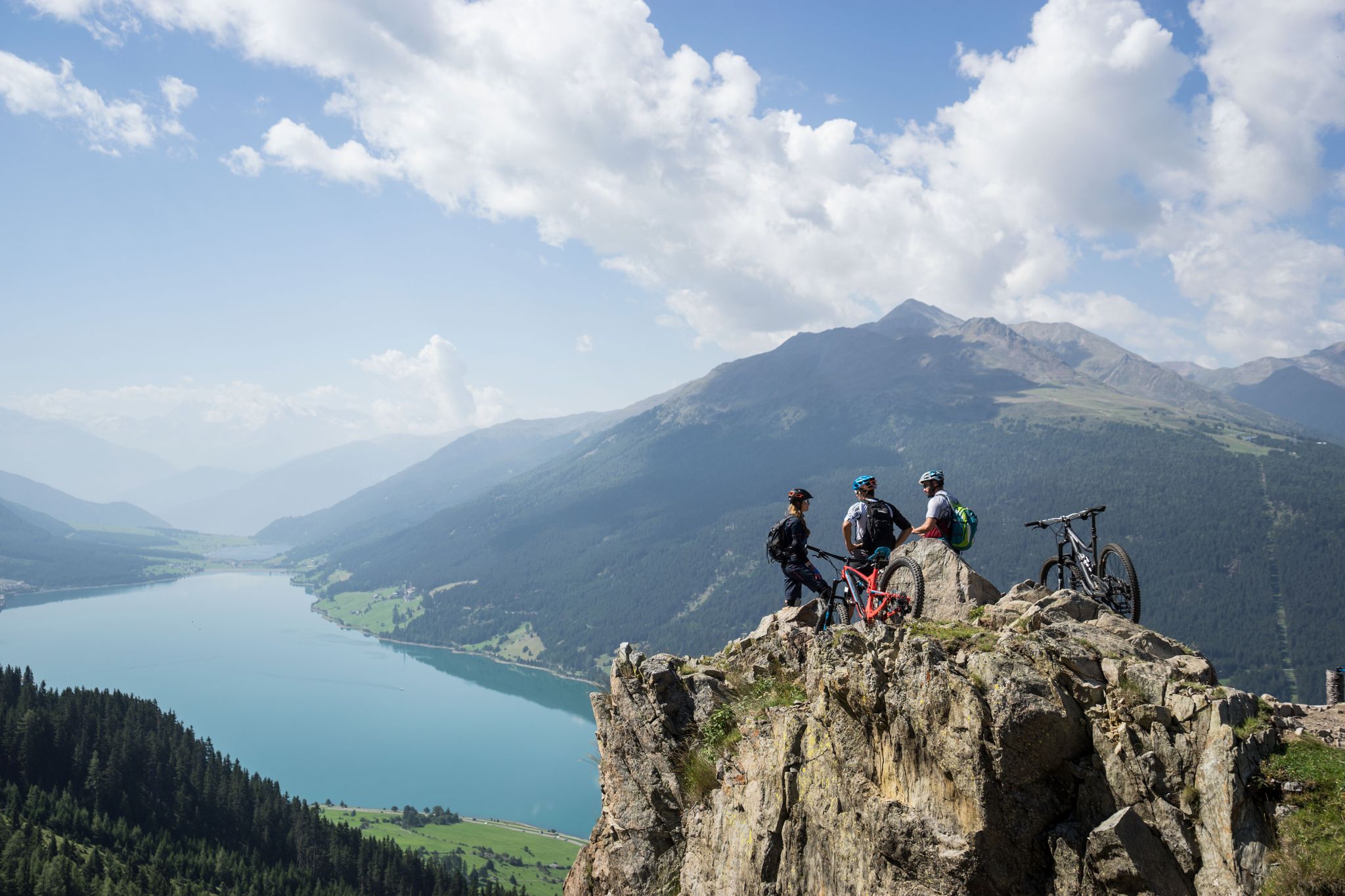
High into the Tyrolean mountain world – mountain biking in Tyrol
Via Romea Germanica – History, nature and spirituality
Karwendel crossing – Innsbruck to Sylvensteinspeicher
L1 from Garmisch to Brescia – Far from the classic Alpine crossings
The Inn Cycle Path – From a babbling brook to a mighty river
The Munich-Venice Long-Distance Cycle Path – A beautiful Alps crossing
4 romantic huts high above the Ötztal
The Pfunderer High Route – Alpine. Solitary. Breathtaking.
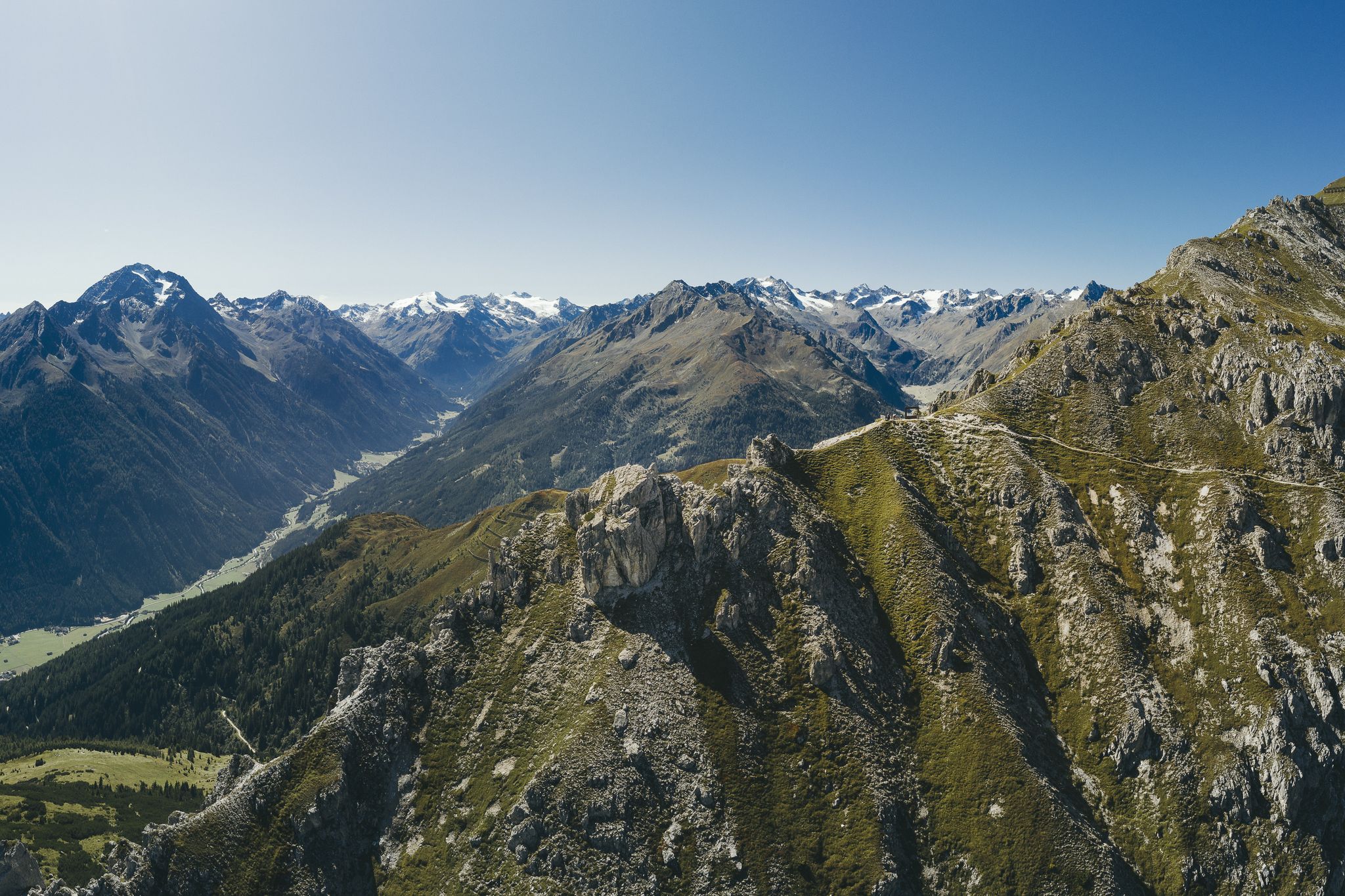
Hiking up high with the Stubai cable cars
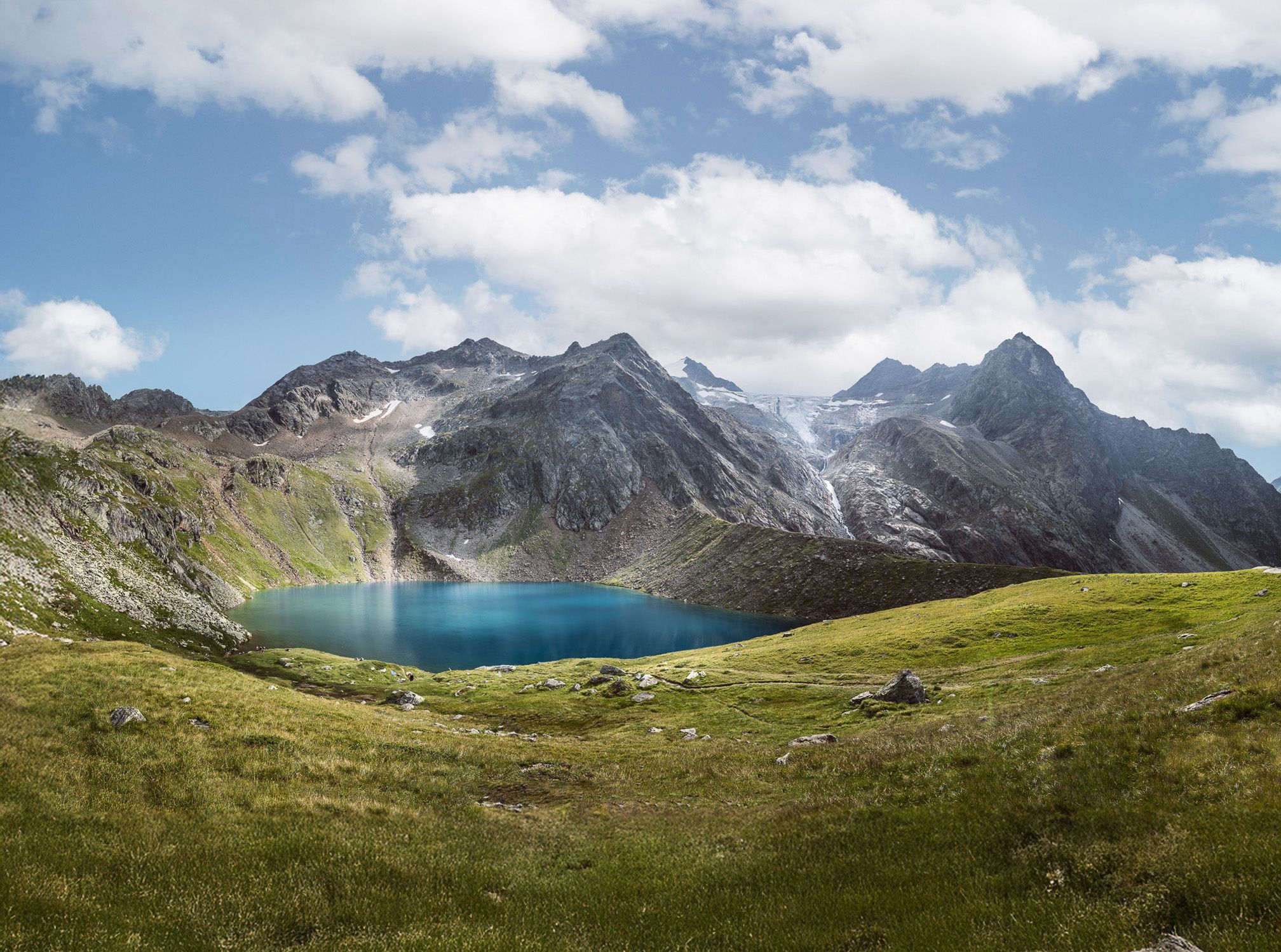
Stubai's mountain lakes – hiking to Tyrol's alpine gems
Other adventures in the Stubai Alps


Tips from the Community

From the Mining Museum in Maiern, the gorge is a 45-minute hike away. It's well worth the effort!
2
0


The waterfall is still very gigantic now in spring.
1
0

Suspension bridge with a great view of the Ötztaler Ache. It wobbles a bit, but not too badly. You should still be free from vertigo, though, as you can look down through the railings from a lofty height onto the roaring river.
7
0

Also worth seeing in winter.
0
0

A wobbly but well-secured suspension bridge with a view down to the Ötztaler Ache.
3
0

Between Moso and San Leonardo in Passiria, the Passirio stream (Passer in German) forms a suggestive gorge near the hamlet of Plata. From here you can see it from above, while you can walk on an iron footbridge. It is a very suggestive walkway.
2
1
Frequently Asked Questions
What are some unique natural features to see in the canyons of the Stubai Alps?
The Stubai Alps region offers diverse natural features. For instance, the Gilfenklamm Trail (Stanghe Gorge) is unique as it's Europe's only gorge carved entirely into white marble. You can also experience the sheer power of water at the Grawa Waterfall, the widest curtain-style waterfall in the Eastern Alps, which is part of the Wilde Wasser Weg. The Stieber Waterfall also presents an impressive natural spectacle as the Pfelderer Bach rushes into the gorge.
Are there family-friendly canyon experiences in the Stubai Alps?
Yes, several canyon areas are suitable for families. The Passer Gorge is known as a family-friendly natural monument with wonderful views from its bridges. The Gilfenklamm Trail is also well-maintained and accessible for both young and old, featuring secure footbridges and stairs. Additionally, the Wild Water Trail – Ruetz Cataract is another family-friendly option.
What is the best time of year to visit the canyons in the Stubai Alps?
The best time to visit the canyons and gorges in the Stubai Alps is generally from spring to autumn. During early summer, when the snow melts, the waterfalls and torrents are particularly powerful and impressive, as seen in the Gilfenklamm Trail. Some waterfalls, like the Stieber Waterfall, are accessible from March to November, offering a long season for exploration.
What kind of hiking trails can I find near the canyons?
You'll find a variety of hiking trails near the canyons. The Passer Gorge Trail features spectacular metal walkways that allow close proximity to the powerful Passer River. The Gilfenklamm Trail offers a 2.5 km path through white marble formations. The Burkhardklamm has a panoramic trail (path no. 9) that follows an old carrier trail through coniferous forests. For a longer experience, the Wilde Wasser Weg (Wild Water Trail) in the Upper Stubai Valley follows the Ruetz River, passing numerous waterfalls and streams.
Are there any challenging via ferratas with canyon-like features in the Stubai Alps?
Yes, the Stubai Alps offer several challenging via ferratas that traverse steep, rocky terrain with gorge-like characteristics. Options include the Edelweiß Klettersteig, the Fernau Via Ferrata (difficulty C, with two D sections) and the even more demanding Fernau Express Via Ferrata (difficulty E) near the Stubai Glacier. The Ilmspitze Via Ferrata is also considered one of Austria's most beautiful and interesting, with exposed passages and 'Dolomite-style' rock.
What are the options for canyoning in the Stubai Alps region?
While the Stubai Alps offer many gorges for hiking, the Auerklamm in the neighboring Ötztal is renowned as Tyrol's most famous canyoning route. Although primarily a canyoning destination, a hiking trail runs alongside it, allowing visitors to observe the sport and experience the rugged beauty of the gorge with its waterfalls and dramatic drops.
How accessible are the canyon trails by public transport or car parking?
Many canyon trails in the region are accessible. For instance, the Passer Gorge Trail can be reached from Moos in Passeier, and visitors often use the 240 bus for return trips. The Gilfenklamm Trail has an entrance in Stange (3 km from Vipiteno), with parking available. It's always advisable to check specific trailheads for detailed parking and public transport information.
What other outdoor activities can I do near the canyons in the Stubai Alps?
Beyond exploring the canyons, the Stubai Alps offer a wide range of outdoor activities. You can find challenging mountain hikes, including routes to summits like Zuckerhütl or Elfer. There are also numerous waterfall hikes, such as the Grawa Alm to Sulzenau glacier lake. For cyclists, the region provides excellent gravel biking routes like the Stubai Cycle Trail.
Are there any historical aspects or old trails in the canyons?
Yes, some trails have historical significance. The Burkhardklamm, for example, features parts of its panoramic trail that follow an old carrier trail from the turn of the century. This adds a historical dimension to the natural beauty of the gorge, allowing visitors to walk paths used by previous generations.
What do visitors particularly enjoy about the canyons in the Stubai Alps?
Visitors frequently praise the impressive natural spectacles, such as the thundering torrents and waterfalls found in places like the Gilfenklamm Trail. The unique steel constructions and walkways, especially along the Passer Gorge Trail, are also highly appreciated for providing close-up views of the powerful rivers and rock formations. Many also enjoy the accessibility and family-friendly nature of several trails, making them suitable for a wide range of visitors.
Can I find viewpoints that offer panoramic views of the canyons?
Absolutely. Many canyon trails and nearby areas offer excellent viewpoints. The Passer Gorge provides wonderful views from its bridges. The Gilfenklamm Trail offers dramatic views of cascading waterfalls, and the Burkhardklamm has a panoramic trail. Additionally, via ferratas like those on the Elfer massif provide stunning panoramic views of the Stubai Valley and surrounding Alps.
Are there any gorges that are wheelchair accessible?
While many gorges involve stairs and uneven terrain, the Ruetz Waterfall is noted as being wheelchair accessible, offering an opportunity for more visitors to experience the beauty of the water-carved landscapes in the region.
Most popular routes in the Stubai Alps
Most popular attractions in the Stubai Alps

Get inspired with the komoot mobile app


Explore more
Already discovered everything in this region? See additional gorges in the Stubai Alps for your next adventure:
