Top 20 Natural Monuments in the Munich Backyard Mountains
Best natural monuments in the Munich Backyard Mountains are found within the picturesque Bavarian Alps and their foothills, easily accessible from Munich. This region is characterized by majestic peaks, crystal-clear lakes, and dramatic gorges. These natural features provide diverse opportunities for outdoor exploration. The area offers a wealth of natural monuments for visitors to discover.
Best natural monuments in the Munich Backyard Mountains
- The most popular natural monuments is Partnach Gorge, a gorge that features dramatic wooden walkways carved into steep rock walls. This 700-meter-long gorge is a national monument known for its powerful waterfalls and unique echo chamber effect.
- Another must-see spot is View of Lake Eibsee, a viewpoint offering views of a lake at the foot of the Zugspitze. Visitors can expect crystal-clear, emerald-green waters contrasting with surrounding forests and mountains, featuring eight tiny islands.
- Visitors also love Leutasch Gorge Panoramic Bridge, a bridge offering an impressive nature experience. This technically advanced way allows visitors to be close to the gorge, providing great views.
- Munich Backyard Mountains is known for gorges, lakes, and viewpoints. The region offers a variety of natural monuments to see and explore, from dramatic rock formations to serene alpine waters.
- The natural monuments in the Munich Backyard Mountains are appreciated by the komoot community. With more than 8000 upvotes and over 9000 photos, these natural attractions are popular among outdoor enthusiasts.
Last updated: September 29, 2026
Partnach Gorge
Highlight (Segment) • Gorge
Translated by Google •
Tip by

Waterfall in Partnach Gorge
Highlight • Gorge
Translated by Google •
Tip by

Sign up now to discover places like this
Get recommendations on the best single tracks, peaks, & plenty of other exciting outdoor places.
Neuschwanstein Castle
Highlight • Castle
Showing Translation
Tip by

Leutasch Gorge Panoramic Bridge
Highlight • Bridge
Translated by Google •
Tip by

Höllental Gorge
Highlight (Segment) • Gorge
In the snow-free period, around mid-May to the end of October, the gorge is open 24 hours a day. Please don't forget to bring appropriate clothing, as it is quite humid in the gorge and even in summer the temperatures are sometimes cool. The Höllentalangerhütte at an altitude of 1,387 meters invites you to stop off afterwards. You can also stay overnight here. There are drying rooms for clothes if it gets too wet. From the Höllentalangerhütte, further climbs are possible, for example to the Alpspitze, the Matheisenkar or even to the Zugspitze. Information at: grainau.de/hoellentalklamm.
Translated by Google •
Tip by

Hintersee east shore
Highlight • Lake
Translated by Google •
Tip by

Waterfall in Höllentalklamm
Highlight • Waterfall
Translated by Google •
Tip by

Lake Seebensee
Highlight • Lake
Translated by Google •
Tip by

Klammweg
Highlight (Segment) • Gorge
Translated by Google •
Tip by

Entrance to the Partnach Gorge
Highlight • Gorge
Translated by Google •
Tip by

Sign up for free to discover even more natural monuments in the Munich Backyard Mountains.
Already have an account?
Start today with a free account
Your next adventure awaits.
Popular around Munich Backyard Mountains
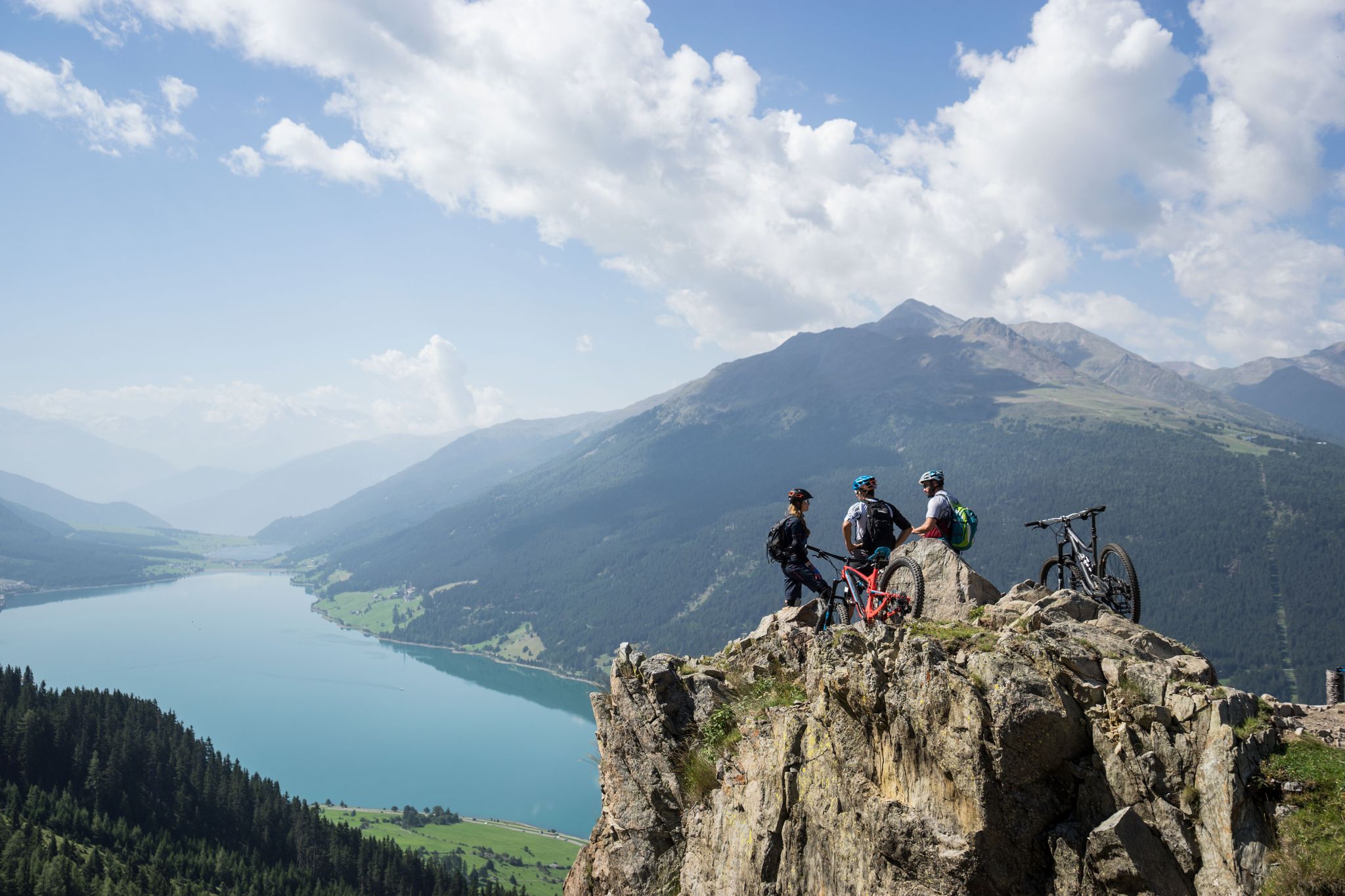
High into the Tyrolean mountain world – mountain biking in Tyrol
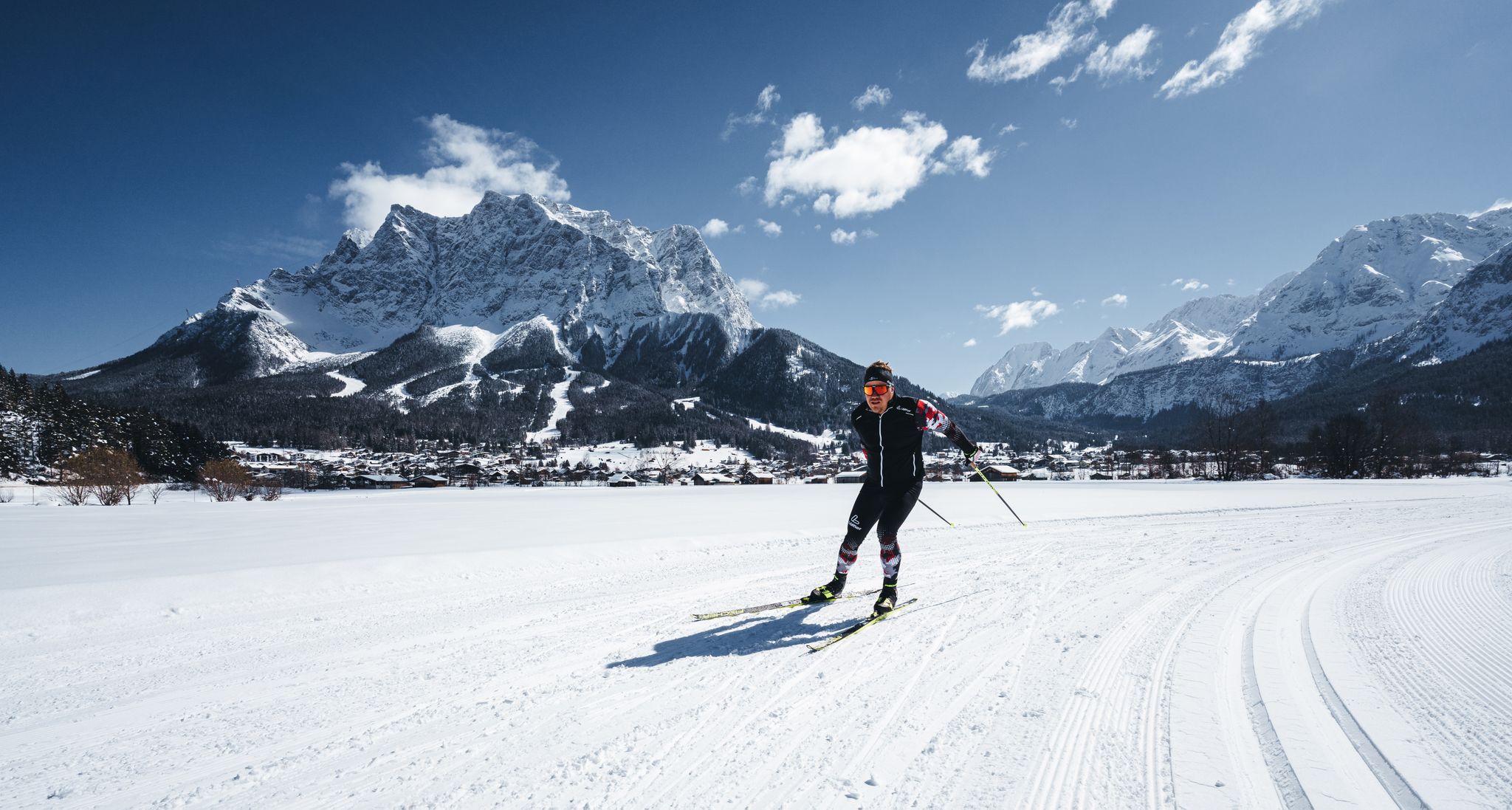
Glide and enjoy – cross-country skiing in the Tyrolean Zugspitz Arena
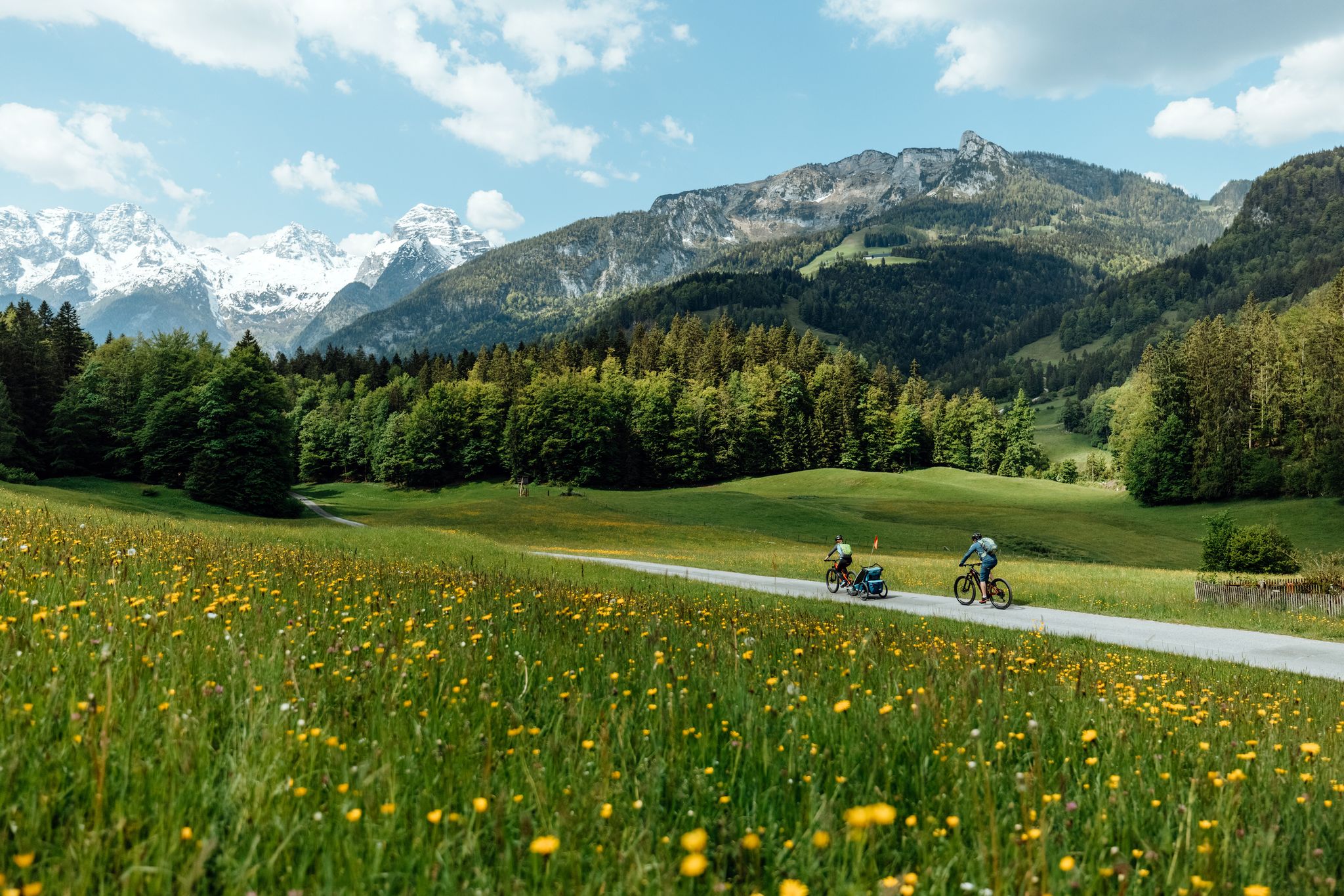
Biking with kids in Salzburg's Saalach Valley
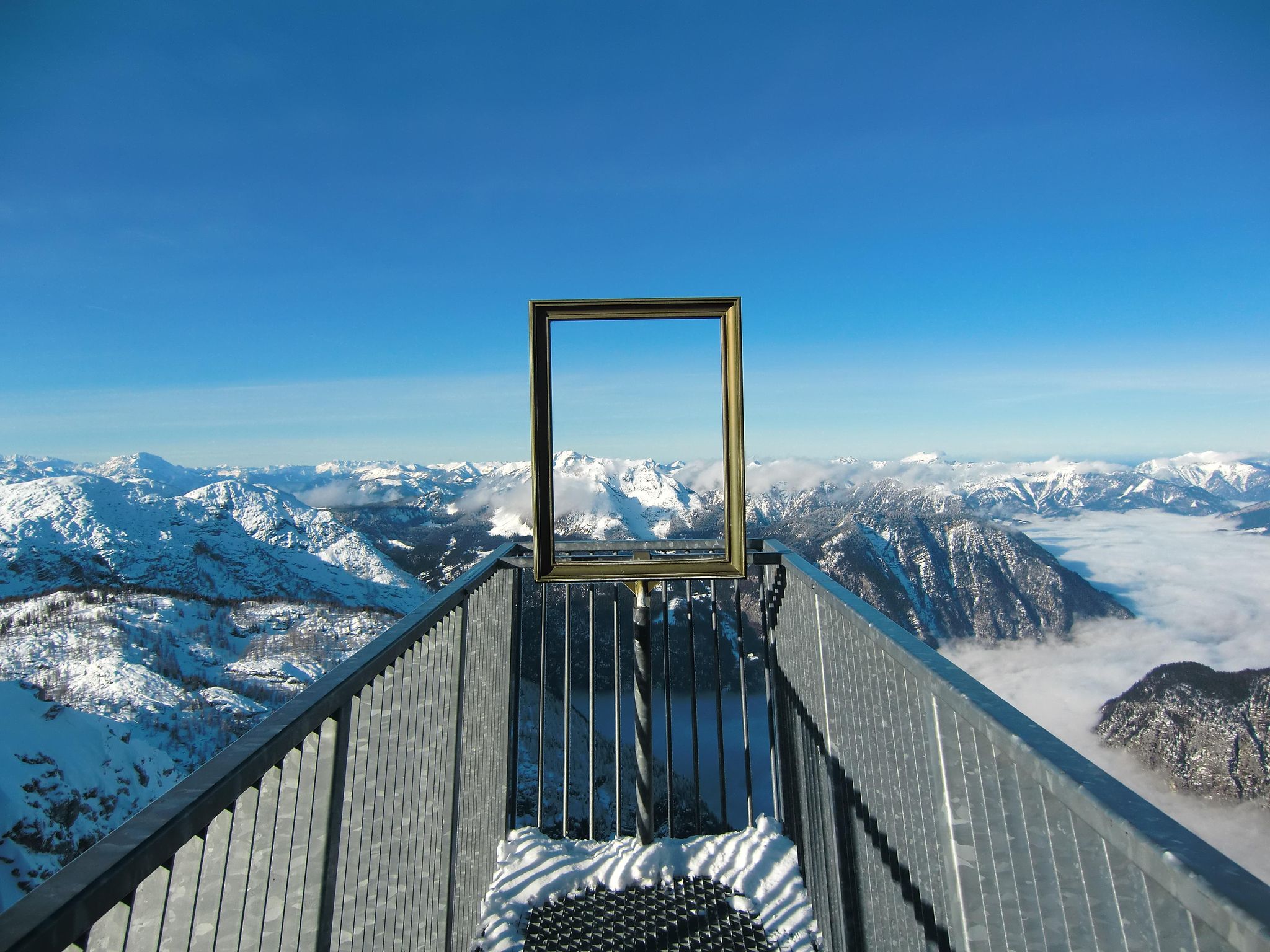
#Winterlove — 14 tips for your winter adventure in Austria
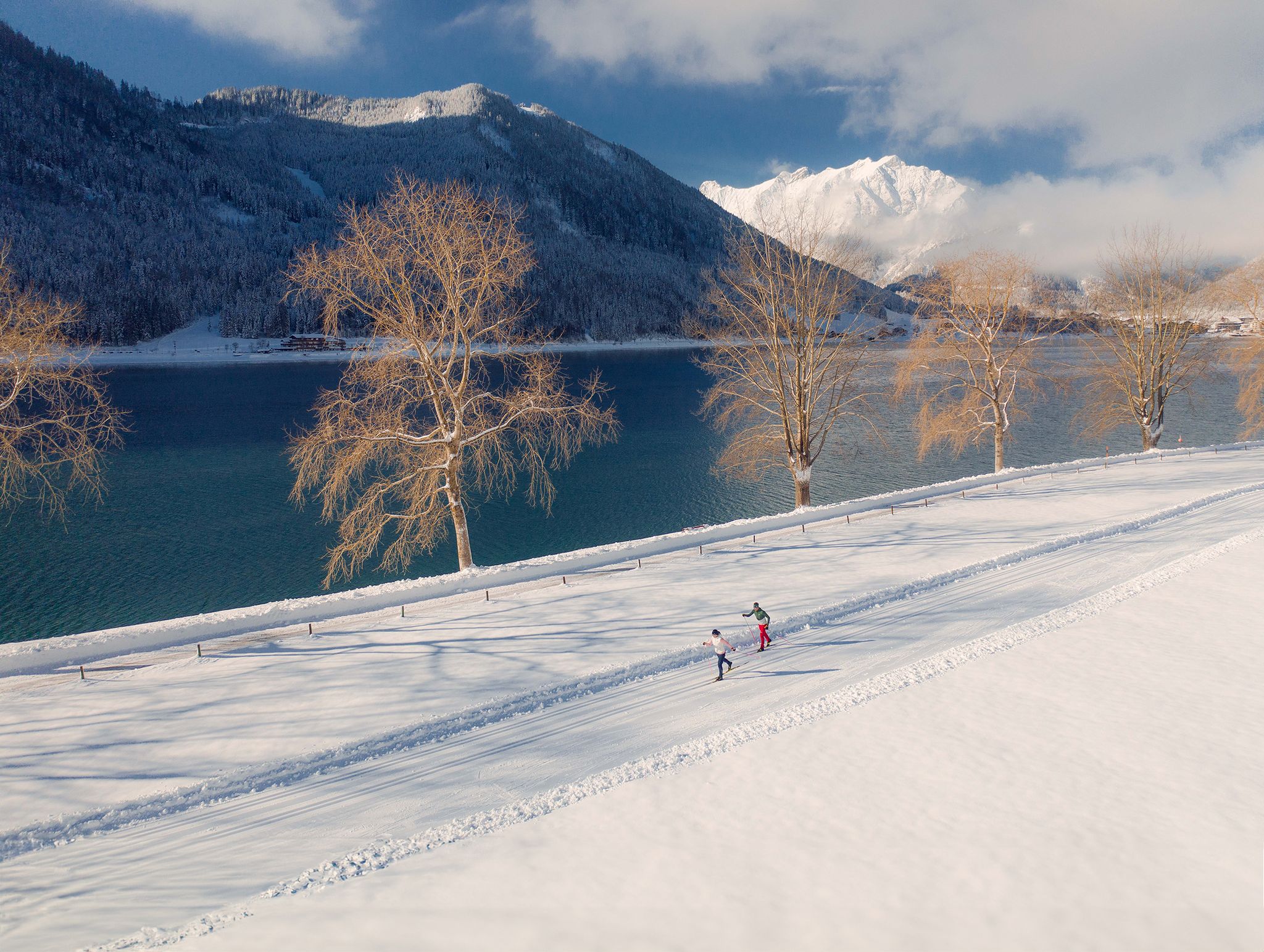
Winter magic at Lake Achen in Austria – a paradise for cross-country skiers
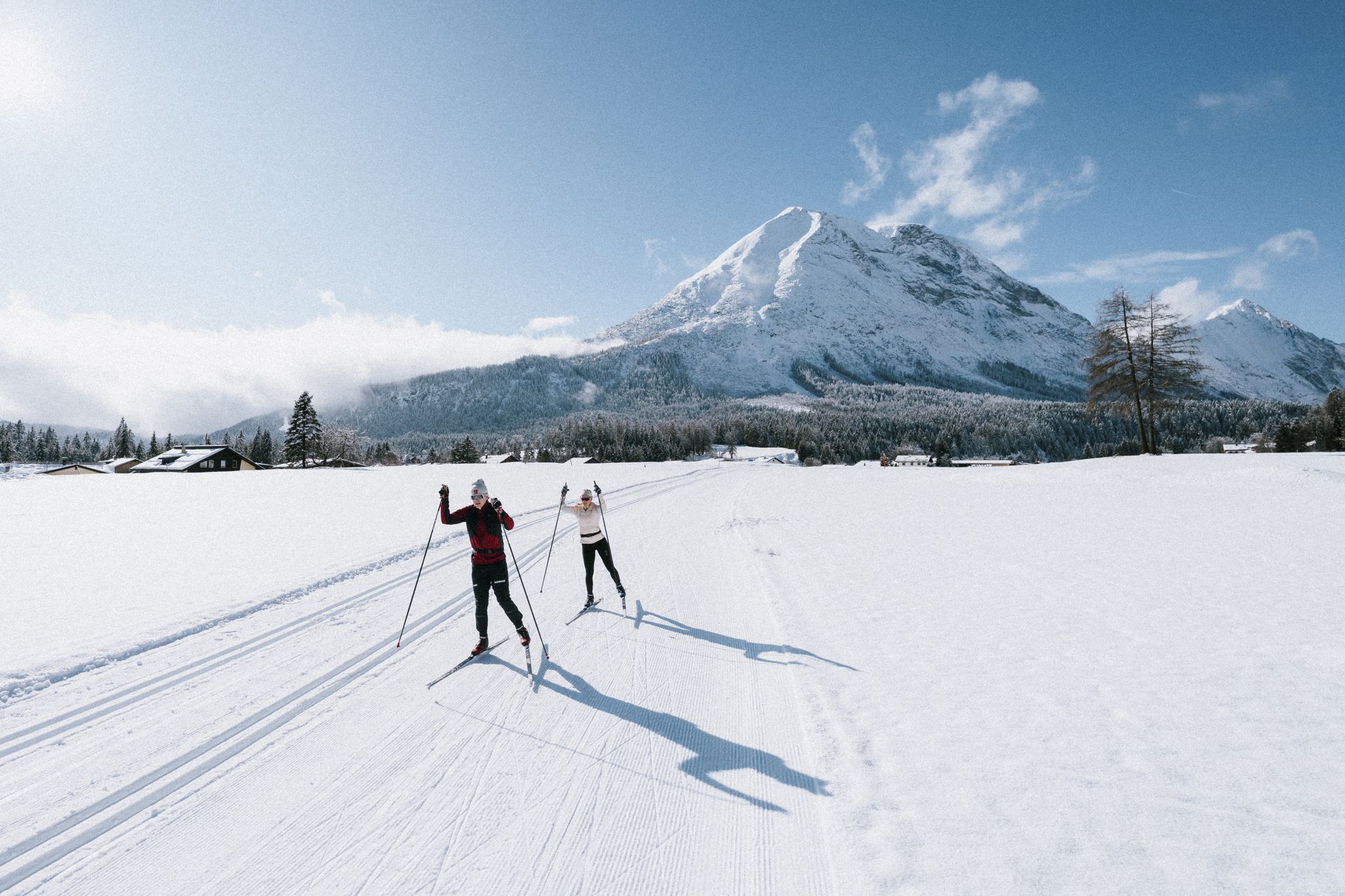
World class ski trails – cross-country winter in Austria’s Seefeld
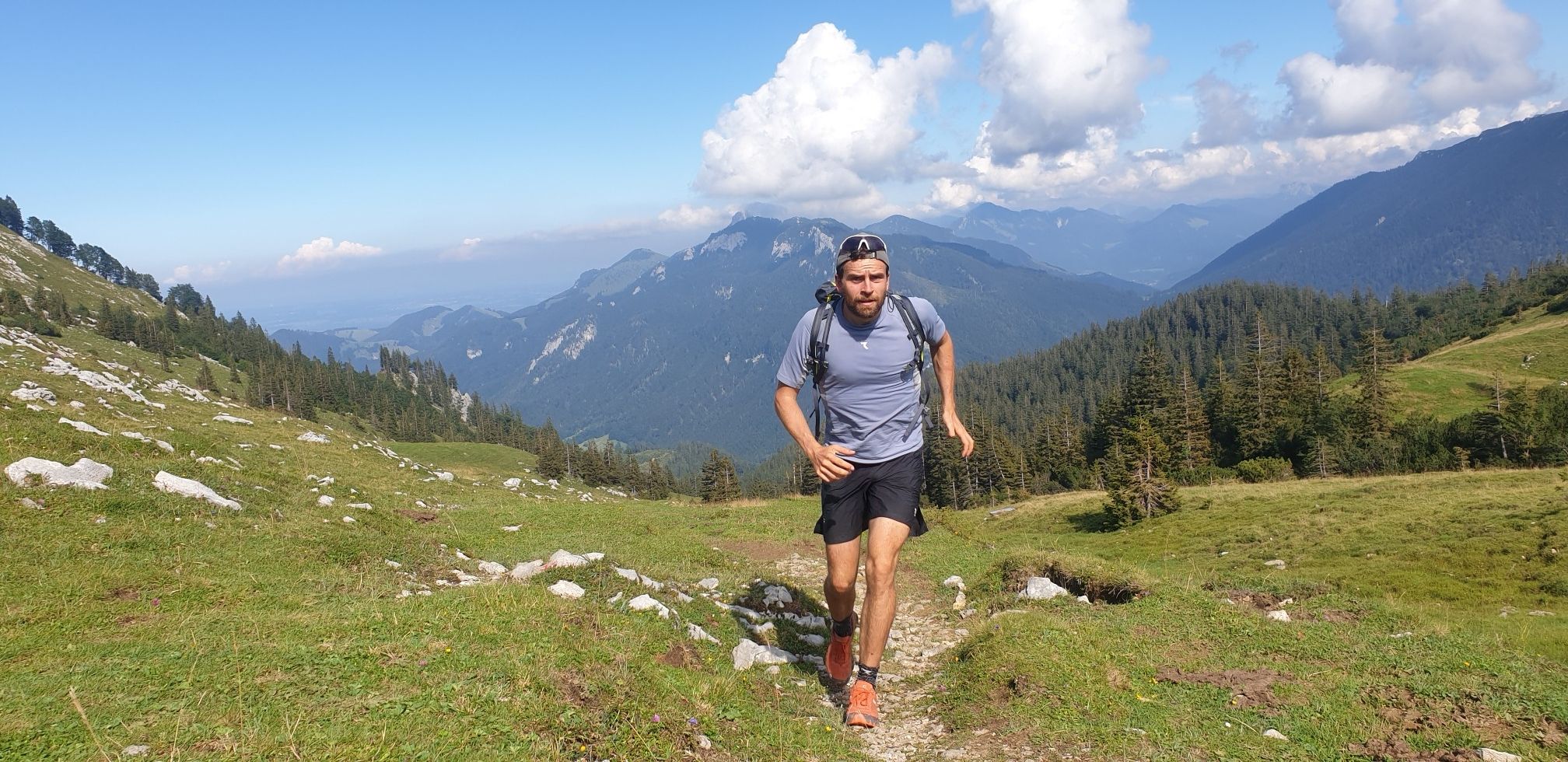
Triathlon around Germany
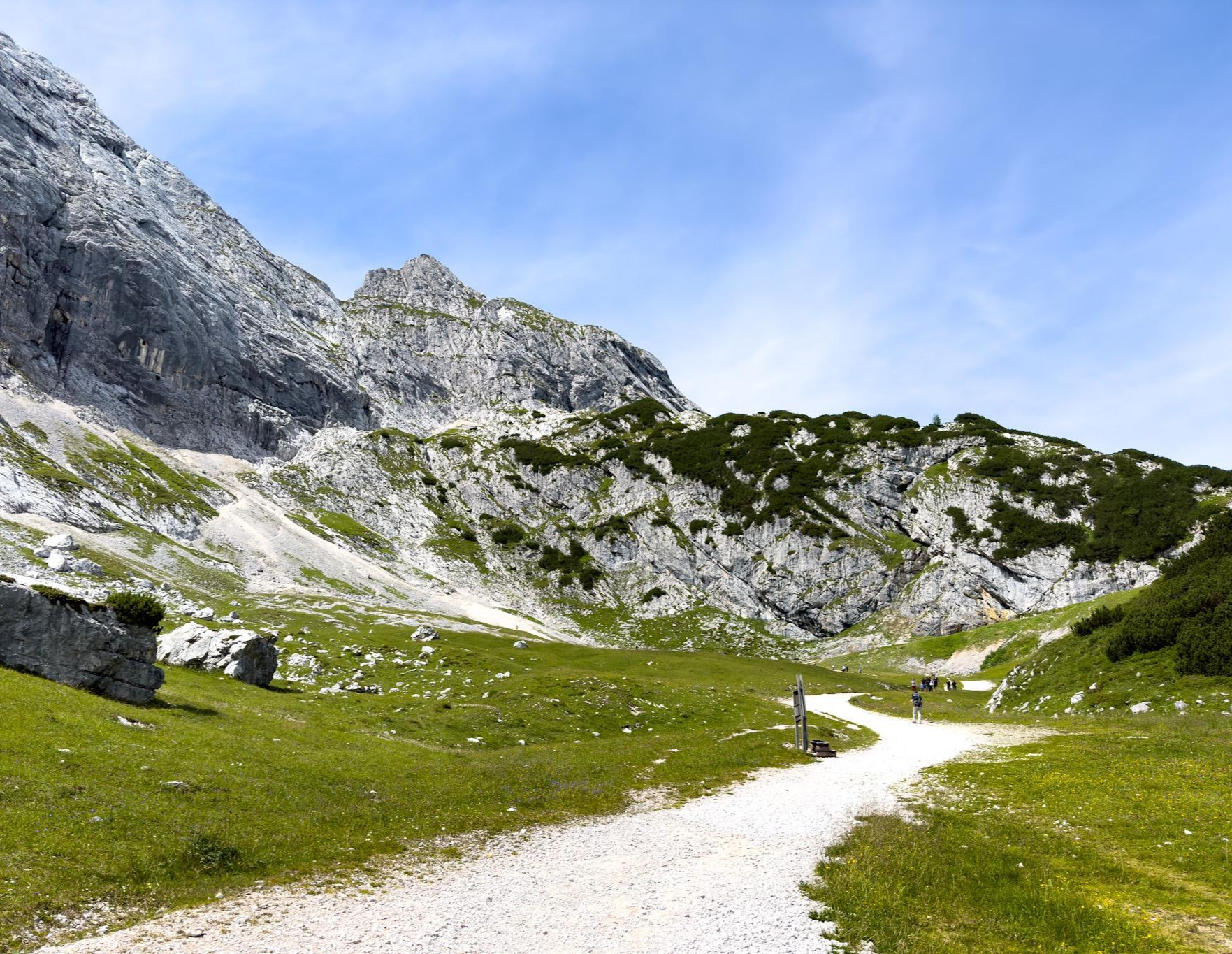
Zugspitz Ultratrail – experience Germany's highest mountain over 3 days
Karwendel crossing – Innsbruck to Sylvensteinspeicher
Starkenberg Panorama Trail – Lakes, gorges and noble paths
Other adventures in the Munich Backyard Mountains


Tips from the Community

The interior design of Neuschwanstein Castle features the recurring element of the soaring swan. This symbolizes purity and is the heraldic animal of the Counts of Schwangau, to which Ludwig II belonged. This bird can be seen everywhere, on the faucets, stained-glass windows, and even on the roof of the royal carriage.
16
0

Force of nature and man becomes very small
11
0
The waterfalls are very impressive
5
0


From 1910 to 1912, the Partnach Gorge, which is up to 80 meters deep, was opened up for tourism under the most difficult conditions and at great financial expense.
11
0

The sign above the entrance to the gorge, a popular photo motif, shows the time it was opened up in the years 1910-1920.
13
0

Lower entrance to the gorge. here you can buy the tickets
12
0

Frequently Asked Questions
What are some of the most popular natural monuments in the Munich Backyard Mountains?
The region offers a variety of stunning natural monuments. Among the most popular are the dramatic Partnach Gorge with its carved walkways and powerful waterfalls, the picturesque View of Lake Eibsee at the foot of the Zugspitze, and the impressive Leutasch Gorge Panoramic Bridge, offering unique views into the gorge.
Are there family-friendly natural monuments in the Munich Backyard Mountains?
Yes, many natural monuments are suitable for families. The Partnach Gorge is an accessible and immersive experience for all ages. The View of Lake Eibsee and its surrounding trails are also very popular with families, as is the Leutasch Gorge Panoramic Bridge, which offers an exciting yet safe way to experience the gorge.
What kind of natural features can I expect to see in the Munich Backyard Mountains?
You'll encounter a diverse range of natural features. The region is characterized by majestic peaks like the Zugspitze and Watzmann, crystal-clear alpine lakes such as Eibsee and Walchensee, and dramatic gorges like the Partnach Gorge and Höllental Gorge. Expect powerful waterfalls, ancient rock formations, and lush forests.
What outdoor activities can I do near these natural monuments?
The Munich Backyard Mountains offer extensive opportunities for outdoor activities. You can enjoy various forms of cycling, including touring and road cycling, with routes like the 'Salvenradrunde' or 'Around the Salve and the Kaiser'. For those who prefer hiking, there are numerous mountain hikes, such as 'Up the Notkarspitze' or 'Crossing Hochplatte'. You can find more details on these activities in our guides for Cycling in the Munich Backyard Mountains, Road Cycling Routes in the Munich Backyard Mountains, and Mountain Hikes in the Munich Backyard Mountains.
Are there any challenging natural monuments for experienced hikers?
Yes, for experienced hikers, the Höllental Gorge offers a more challenging and adventurous experience with its dramatic rock and water landscape, leading towards the Zugspitze. The Watzmann massif in Berchtesgaden National Park also presents significant challenges for mountaineers, though its beauty can be appreciated from the valley.
What is the best time to visit the natural monuments in the Munich Backyard Mountains?
The best time to visit depends on the experience you seek. Summer offers lush greenery, refreshing waters for swimming in lakes like Eibsee and Walchensee, and ideal conditions for hiking. Autumn provides stunning foliage, particularly around Eibsee. In winter, gorges like Partnachklamm transform into magical ice landscapes, offering a unique, less crowded experience. Some attractions, like the Höllental Gorge, are typically open from mid-May to late October.
Can I find natural monuments with water activities like swimming or boating?
Absolutely. Walchensee, known as the 'Bavarian Caribbean' for its turquoise waters, is perfect for swimming, windsurfing, kitesurfing, and diving. Eibsee also offers opportunities for swimming, sunbathing, and renting paddleboards or pedal boats. The clear, refreshing waters of these alpine lakes are a major draw during warmer months.
Are there any natural monuments that offer panoramic views?
Many natural monuments in the region provide breathtaking panoramic views. Germany's highest mountain, the Zugspitze, offers unparalleled 360-degree views of approximately 400 peaks across four countries. The View of Lake Eibsee provides iconic vistas of the lake with the Zugspitze in the background. Ascending Herzogstand near Walchensee also rewards visitors with stunning views of both Walchensee and Kochelsee.
What makes the Partnach Gorge a unique natural monument?
The Partnach Gorge is unique due to its 700-meter-long path of wooden walkways carved directly into steep rock walls, through which the Partnach river thunders. It features powerful waterfalls, underground water basins, and millennia-old rock formations. It's also known for its distinct echo chamber effect and transforms into a magical ice world in winter.
What do visitors enjoy most about the natural monuments in the Munich Backyard Mountains?
Visitors frequently praise the immersive natural experiences and stunning scenery. For instance, the tour around Lake Eibsee is often described as a 'must' for its beauty, especially in autumn. The Leutasch Gorge Panoramic Bridge is highlighted as an 'impressive nature experience' and 'great for the whole family'. The Höllental Gorge is noted for its 'unforgettable natural spectacle' and 'many waterfalls, small tunnels and passages'.
Are there any natural monuments with historical significance?
While primarily natural, some sites have historical context. The Partnach Gorge has been a national monument since 1912. The Watzmann mountain is steeped in local legend, with its distinctive shape giving rise to tales of a cruel king and his family turned to stone. The Zugspitze also hosts Germany's highest church, Maria Heimsuchung.
Can I find natural monuments that are less crowded?
While popular spots can get busy, visiting during off-peak times or seasons can offer a more tranquil experience. For example, the View of Lake Eibsee is recommended to be visited 'during the week and when there are no more holidays' to avoid crowds. Winter visits to places like the Partnach Gorge can also be less crowded and offer a unique, magical atmosphere.
Most popular routes in the Munich Backyard Mountains
Most popular attractions in the Munich Backyard Mountains

Get inspired with the komoot mobile app


Explore more
Extend your search for the best caves by checking out these guides of the top ones in the Munich Backyard Mountains:
