The best cycling routes around Dürnbucher Forst
4.5
(4821)
26,117
riders
783
rides
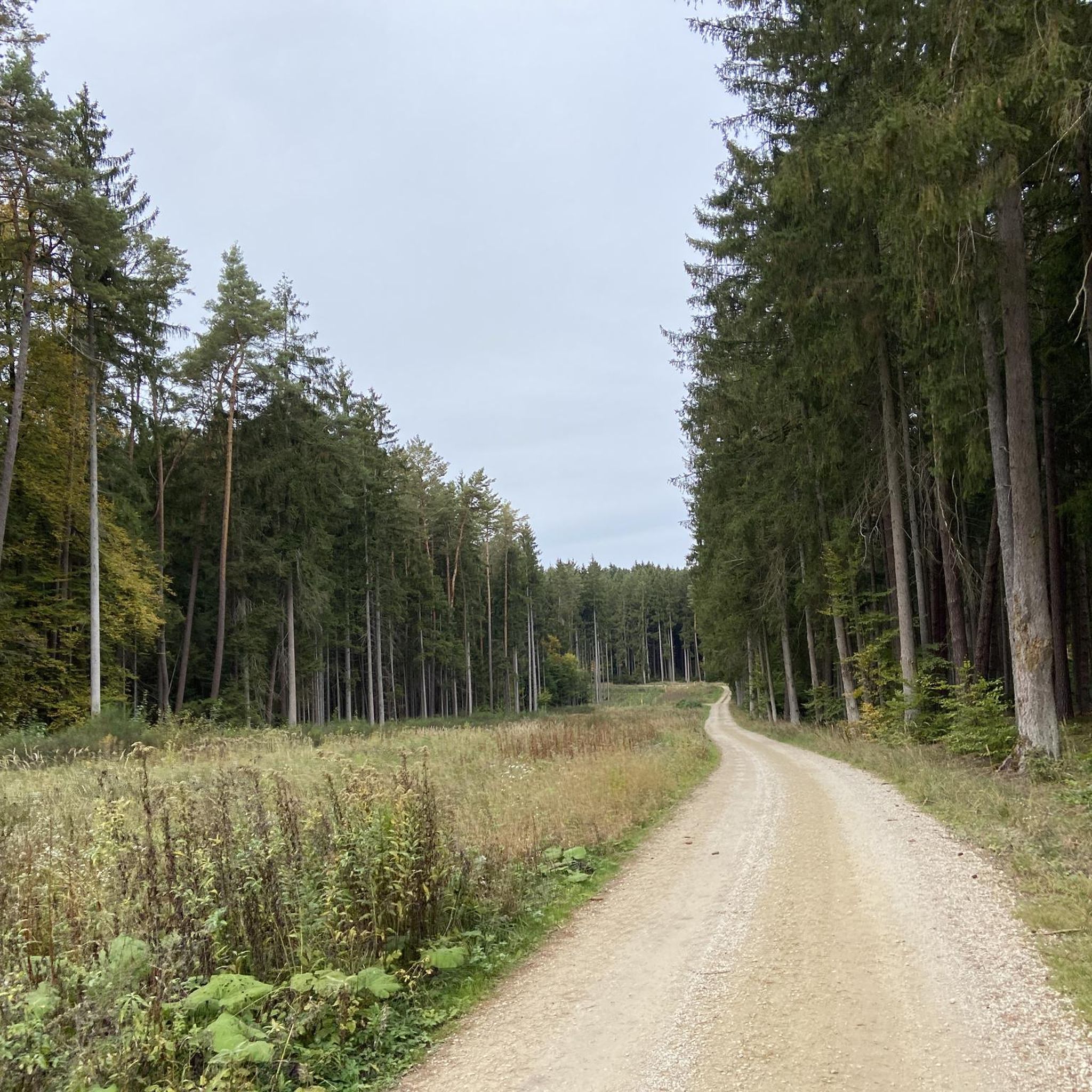
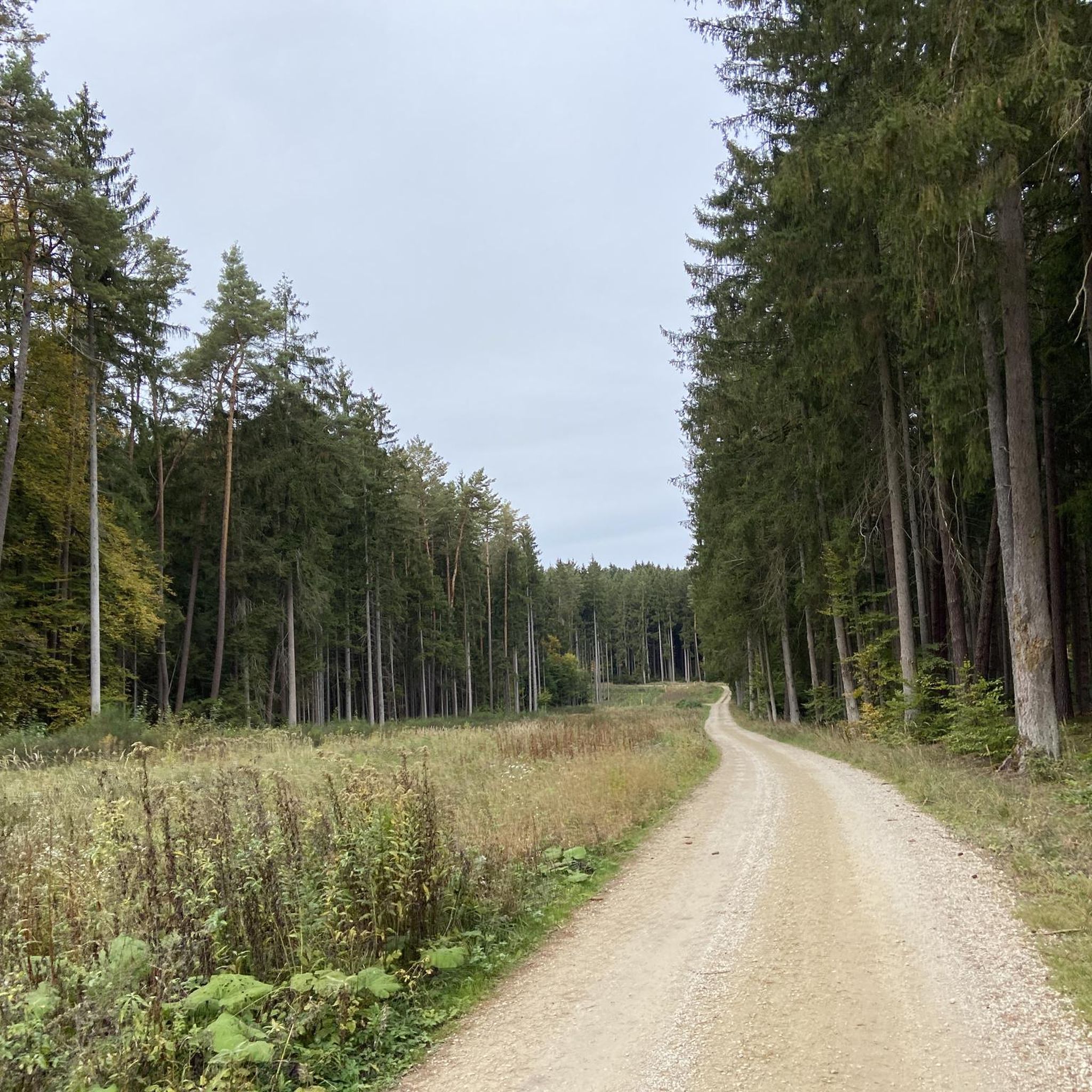
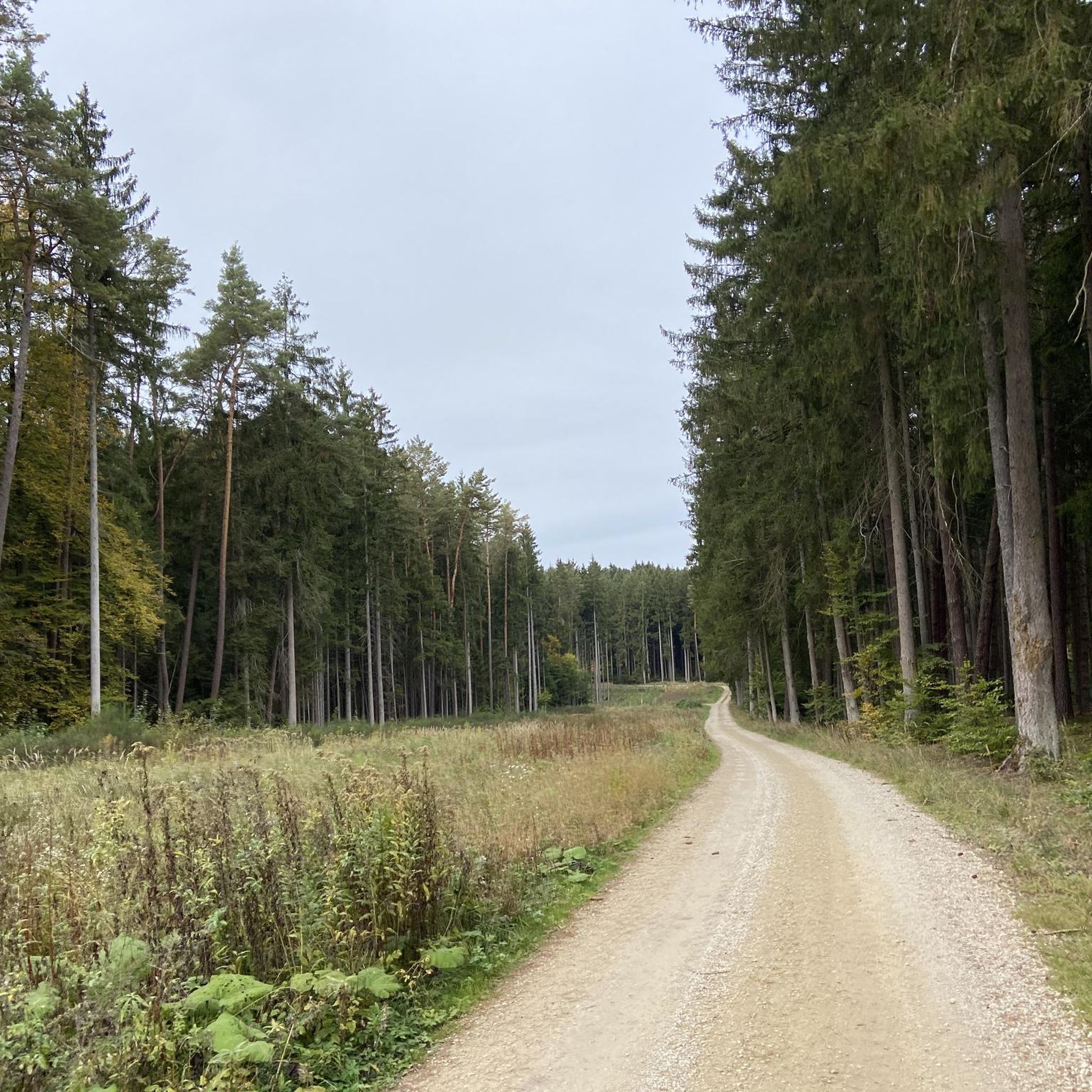
Touring cycling around Dürnbucher Forst is characterized by its extensive, contiguous forest cover, which forms a prominent part of the Danube-Isar hill country. The landscape features a mix of coniferous and mixed forests, with elevations ranging from 350 to 450 meters above sea level. Edges of the forest open to agricultural fields and green spaces, and unique inland dunes can be found in the north. Water features like ponds and streams are present in the western and southern parts of…
Last updated: October 1, 2026
4.5
(24)
146
riders
Hard bike ride. Very good fitness required. You may need to push your bike for some segments of this route.
4.7
(39)
212
riders
45.3km
02:44
200m
200m
Moderate bike ride. Good fitness required. Mostly paved surfaces. Suitable for all skill levels.

4.0
(8)
38
riders
Easy bike ride. Great for any fitness level. Mostly paved surfaces. Suitable for all skill levels.
4.4
(14)
80
riders
Easy bike ride. Great for any fitness level. Mostly paved surfaces. Suitable for all skill levels.
34
riders
Easy bike ride. Great for any fitness level. Mostly paved surfaces. Suitable for all skill levels.
Get access to more routes and recommendations from other explorers.
Already have an account?
Our route recommendations are based on thousands of hikes, rides, and runs completed by other people on komoot.
Start today with a free account
Your next adventure awaits.

Tips from the Community

Great path next to the Abens
0
0

Pretty spot in the middle of Vohburg
0
0

The Kuchlbauer Tower is an architectural project by Friedensreich Hundertwasser. With its 35 meters height, it is a beacon of Bavarian beer.
1
0


The square is named after Spiritual Councilor Ulrich Steinberger (1825–1904). He was a formative figure in the region, served as a pastor, and was primarily known as the founder of the St. Josef monastery in Zangberg. His commitment was dedicated to education and social support throughout his life.
0
0

Market town of Mainburg, the first documented mention of Schleißbach in 825 and the construction of the Veste Mainburg around 1220 by Count Meinhard III of Rottenegg
0
0

I recommend stopping off for an ice cream or coffee at the Dolce Vita ice cream parlor in Neustadt an der Donau.
0
0
Frequently Asked Questions
What kind of terrain can I expect when touring cycling in Dürnbucher Forst?
Dürnbucher Forst offers a varied landscape for touring cyclists. You'll find extensive, contiguous forest cover, primarily coniferous trees like pines and spruces, interspersed with beech and mixed forests. The elevation ranges from 350 to 450 meters above sea level. The edges of the forest open up to agricultural fields and green spaces, and unique inland dunes can be found in the north near Siegenburg. The region features both paved asphalt routes and forest trails, catering to different cycling preferences.
How many touring cycling routes are available in Dürnbucher Forst?
There are over 740 touring cycling routes available in Dürnbucher Forst. These routes cater to various skill levels, with more than 400 easy routes, over 250 moderate routes, and more than 80 difficult routes to explore.
Are there any easy touring cycling routes suitable for beginners or families?
Yes, Dürnbucher Forst has many easy routes perfect for beginners or families. One excellent option is the Cycle Path Along Mauerer See – Hop Fields Path loop from Münchsmünster, an easy 14.0-mile (22.5 km) path that offers pleasant views of hop fields and water features. Another easy route is the Neustadt Town Hall loop from Mühlhausen, which is 5.9 miles (9.4 km) long and leads through agricultural fields and village surroundings.
What are some notable natural features or landmarks to see along the cycling routes?
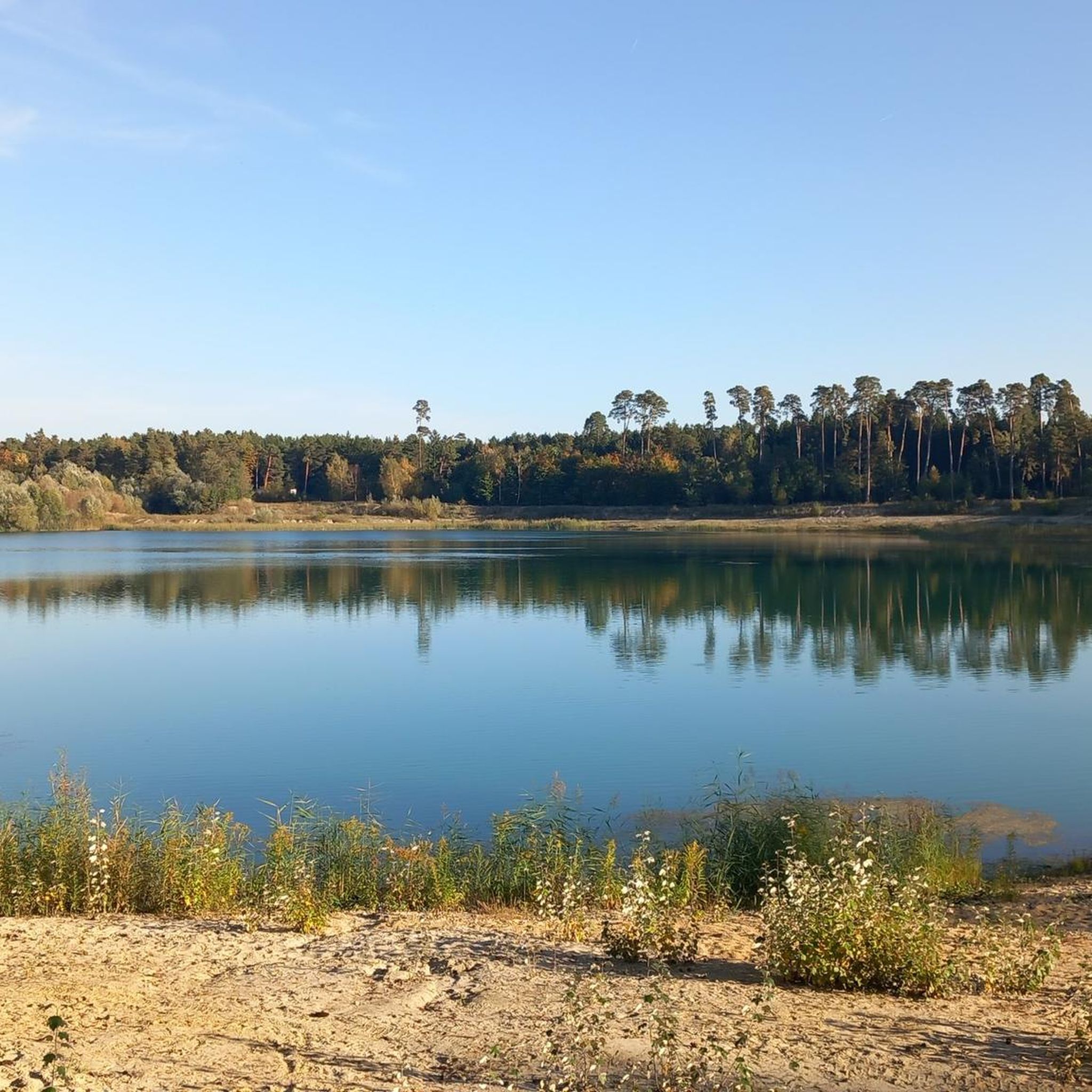
While cycling, you can encounter several interesting natural features and landmarks. The western part of the forest features a larger pond area, and the south includes the 260-hectare Forstmoos with extensive litter meadows. You might also spot unique inland dunes in the north near Siegenburg. For specific points of interest, consider visiting Old Danube Oxbow, Pförring or Maurer See. The Old Town of Vohburg an der Donau and its Castle Gate are also worth exploring.
What do other touring cyclists say about the routes in Dürnbucher Forst?
The touring cycling routes in Dürnbucher Forst are highly regarded by the komoot community, holding an impressive average rating of 4.5 stars from over 3700 reviews. Cyclists often praise the diverse landscapes, from dense forests to open fields and unique inland dunes, as well as the well-maintained paths suitable for various cycling styles.
Are there any circular touring cycling routes in the area?
Yes, many of the touring cycling routes in Dürnbucher Forst are designed as loops, offering convenient circular tours. For example, the Chapel of Umbertshausen – Maria Hilf Chapel loop from Münchsmünster is a moderate 18.1-mile (29.2 km) route that navigates through varied forest and open landscapes, providing a great circular experience.
Can I find places to eat or rest along the cycling routes?
Yes, there are options for breaks and refreshments. The Birkenheide Beer Garden is a popular spot with ample bicycle parking, perfect for a break. You can also find amenities in nearby towns like Vohburg an der Donau, Manching, and Geisenfeld, which offer cafes, pubs, and restaurants.
What is the best time of year to go touring cycling in Dürnbucher Forst?
Dürnbucher Forst is enjoyable for touring cycling throughout much of the year. Spring and autumn offer pleasant temperatures and beautiful scenery with changing foliage. Summer is also popular, especially with the shade provided by the extensive forest cover. Always check local weather conditions before heading out.
Are there any historical sites or cultural attractions nearby that I can visit?
Absolutely. Beyond the natural beauty, you can explore historical sites such as the Old Town of Vohburg an der Donau and its impressive Castle Gate. The Roman Fort Abusina (Römerkastell Abusina) is another significant historical landmark in the vicinity.
Are there any routes that offer a mix of forest and open landscapes?
Many routes in Dürnbucher Forst provide a diverse cycling experience. For instance, the Rest Area at Wittmann Chapel – Neustadt Town Hall loop from Mühlhausen, an easy 10.7-mile (17.2 km) route, takes you through a mix of forested areas and more open agricultural fields, offering varied scenery.
Is Dürnbucher Forst suitable for e-bike touring?
Yes, Dürnbucher Forst is well-suited for e-bike touring. The region's extensive cycling network includes both paved and forest trails, making it accessible for e-bikes. Amenities like beer gardens with e-bike charging stations are also available, enhancing the e-cycling experience.
What kind of wildlife might I encounter while cycling in Dürnbucher Forst?
Dürnbucher Forst is home to diverse wildlife. You might encounter deer along the paths, and the forest's moist valleys are habitats for amphibians like the common toad and palmate newt. The rare Bechstein's bat also resides here. While cycling, keep an eye out for these creatures, especially in quieter areas.
Most popular routes around Dürnbucher Forst
Most popular attractions around Dürnbucher Forst

Get inspired with the komoot mobile app


Explore more
Browse the best Cycling routes in other regions.
