Top 20 Caves in Italy
Caves in Italy present a diverse range of subterranean landscapes, from extensive karstic systems to captivating sea grottoes. These natural formations offer insights into geological processes and, in some cases, prehistoric human activity. Italy's varied topography, including its mountainous regions and extensive coastline, contributes to the formation of numerous cave types. Many of these sites are accessible for exploration, showcasing unique rock formations and aquatic features.
Best caves in Italy
- The most popular caves is Uzzo Cave, a cave that features an imposing entrance. This site contains petrified bones, indicating its historical use as a resting and living place.
- Another must-see spot is Cala Luna, a beach with numerous small caves. Visitors can find shelter in the shade of these caves or explore the crystal clear waters.
- Visitors also love Caves Along the Ascent to La Rocca, a series of caves found along a trail. These caves are part of a historical site and offer an intermediate to challenging exploration experience.
- Italy is known for its karstic caves, sea grottoes, and historical cave sites. These include systems with impressive stalactite and stalagmite formations, as well as caves with archaeological significance.
- The caves in Italy are appreciated by the komoot community, with more than 1000 photos and over 800 upvotes across various highlights.
Last updated: September 26, 2026
St. Peter's Basilica
Highlight • Religious Site
Translated by Google •
Tip by

Ponale Trail View of Lake Garda
Highlight • Viewpoint
Translated by Google •
Tip by

Sign up now to discover places like this
Get recommendations on the best single tracks, peaks, & plenty of other exciting outdoor places.
Cala Luna
Highlight • Beach
The beauty of this bay is beyond compare. Here you can find shelter in the shade of one of the numerous caves or immerse yourself in the crystal clear waters, a true treasure of Sardinia. At the end of the bay, an oasis invites you to stop for a snack in the kiosk or for a picnic. Also watch out for bold goats grazing on the steep slopes!
If the walk back seems too challenging, you can always take a boat back to Cala Gonone or Cala Fuili.
Translated by Google •
Tip by

Uzzo Cave
Highlight • Cave
Translated by Google •
Tip by

Bike path around Lake Iseo
Highlight • Cycleway
Translated by Google •
Tip by

Caves Along the Ascent to La Rocca
Highlight • Cave
Translated by Google •
Tip by

Counterfeiters' Cave
Highlight • Cave
Translated by Google •
Tip by

Suspension bridge over the Gravina
Highlight • Bridge
Translated by Google •
Tip by

Punta Chiappa Battery
Highlight • Historical Site
Translated by Google •
Tip by

Varone Waterfall and Botanical Garden
Highlight • Waterfall
It is inside a private natural park with an entrance fee (currently €6 per person, there are discounts for families and groups). Risk of crowding in summer and on public holidays
Translated by Google •
Tip by

Sign up for free to discover even more caves in Italy.
Already have an account?
Start today with a free account
Your next adventure awaits.
Popular around Italy
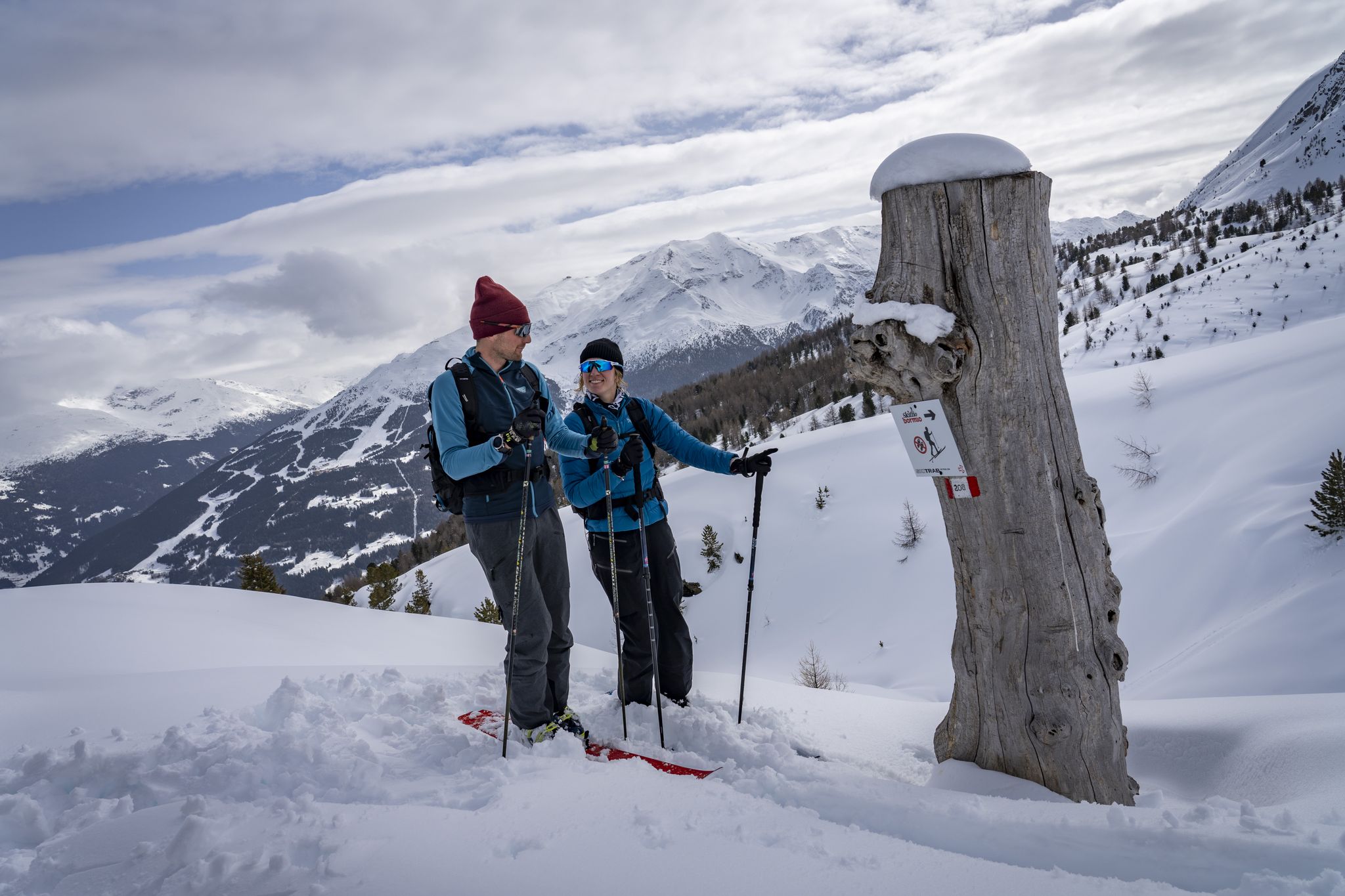
Stelvio Natural Skimo Trails – ski mountaineering adventures in Bormio
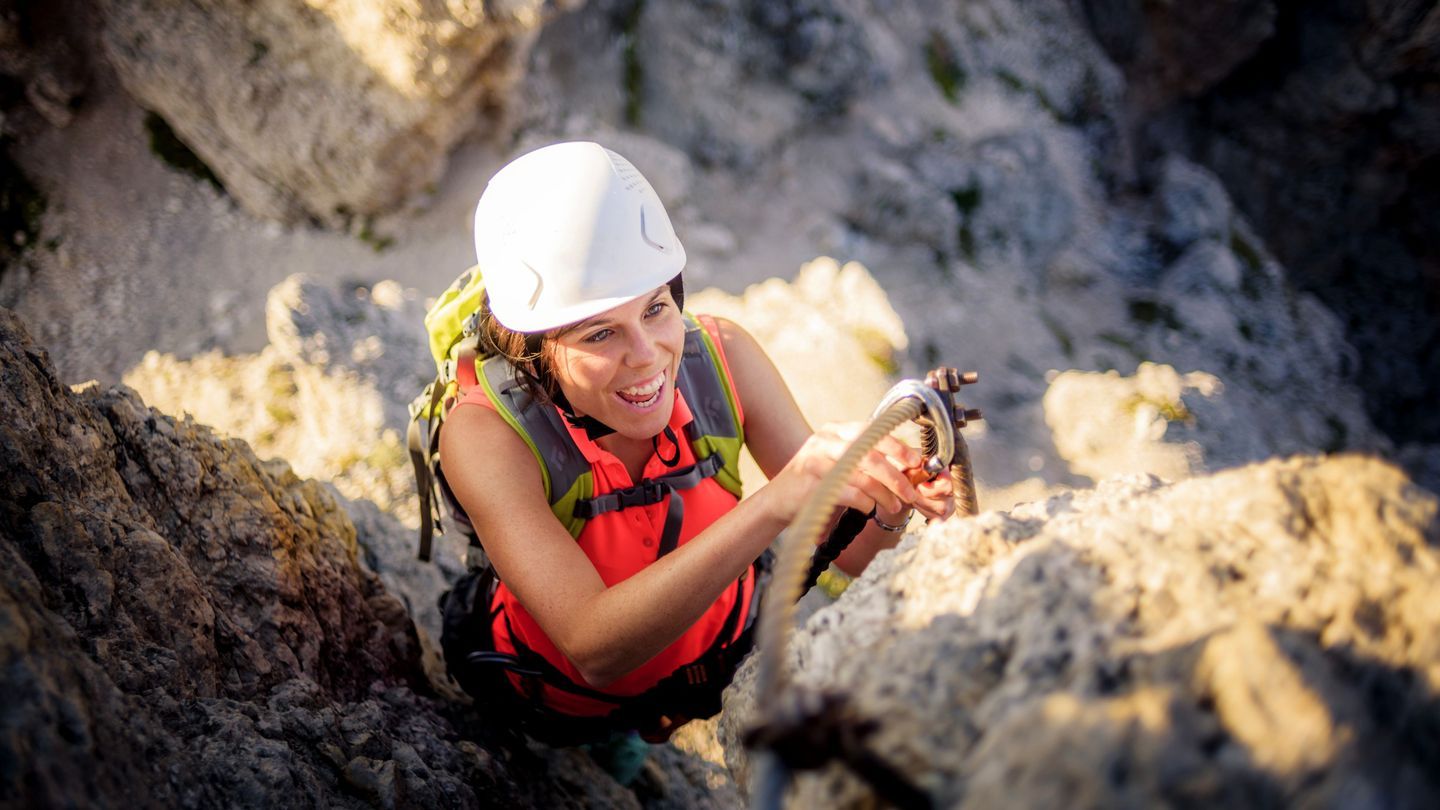
Via ferratas in Val Gardena – Dolomites
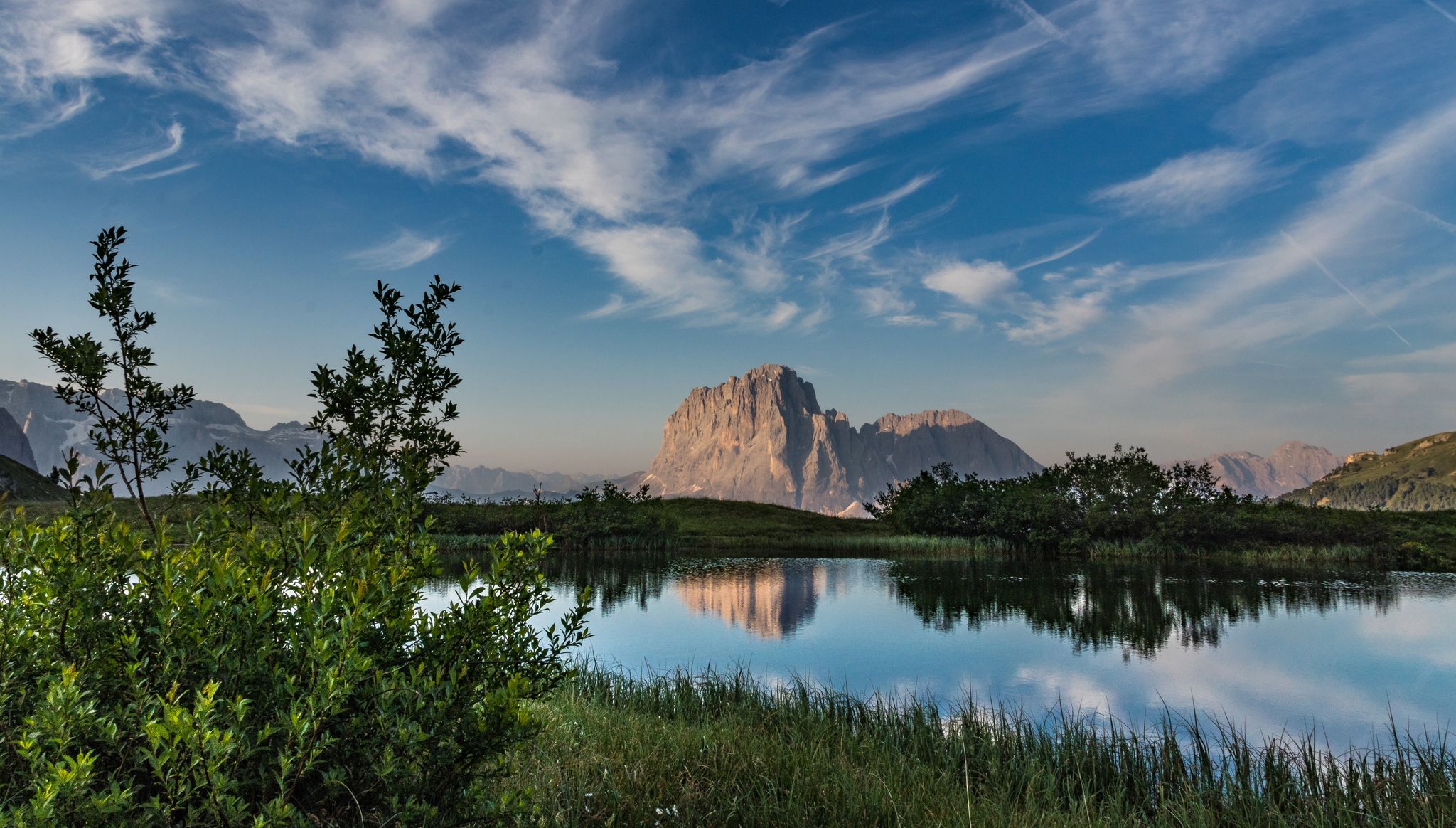
Secret Dolomites - beautiful spring in Val Gardena
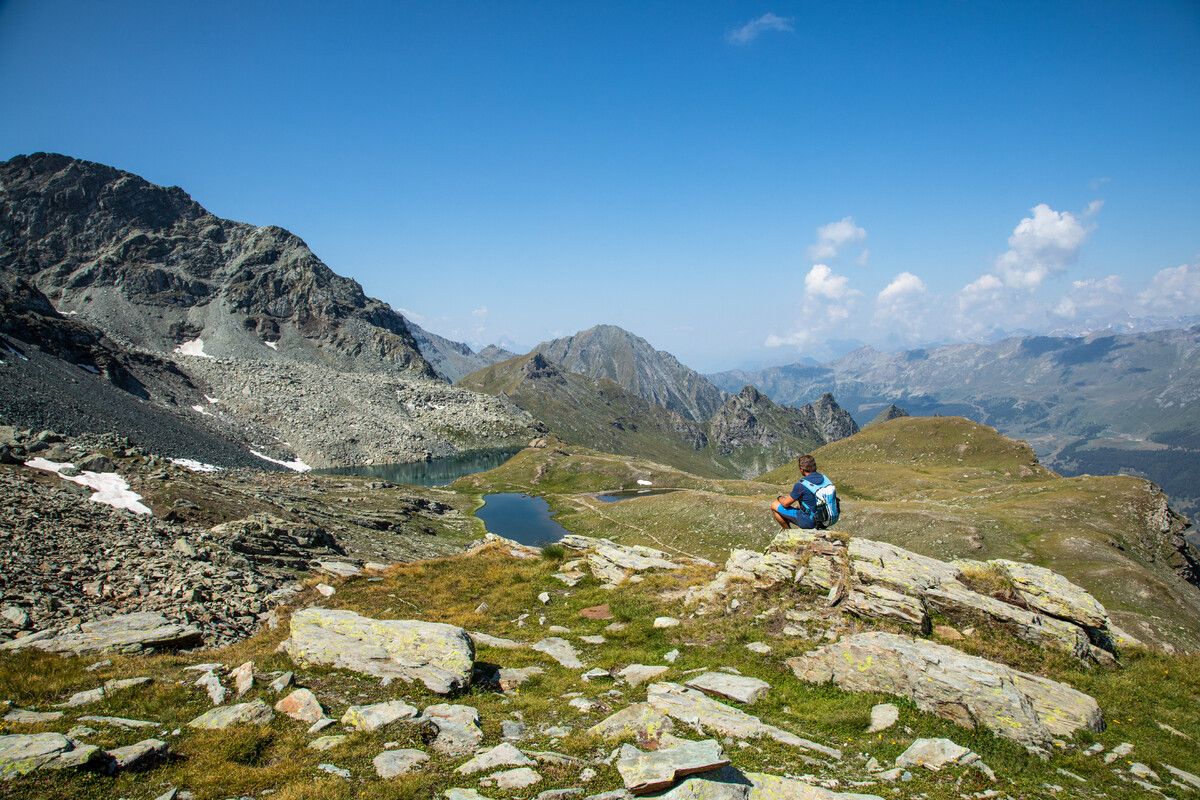
Alta Via n. 1 of the Aosta Valley — a walk among Italian giants
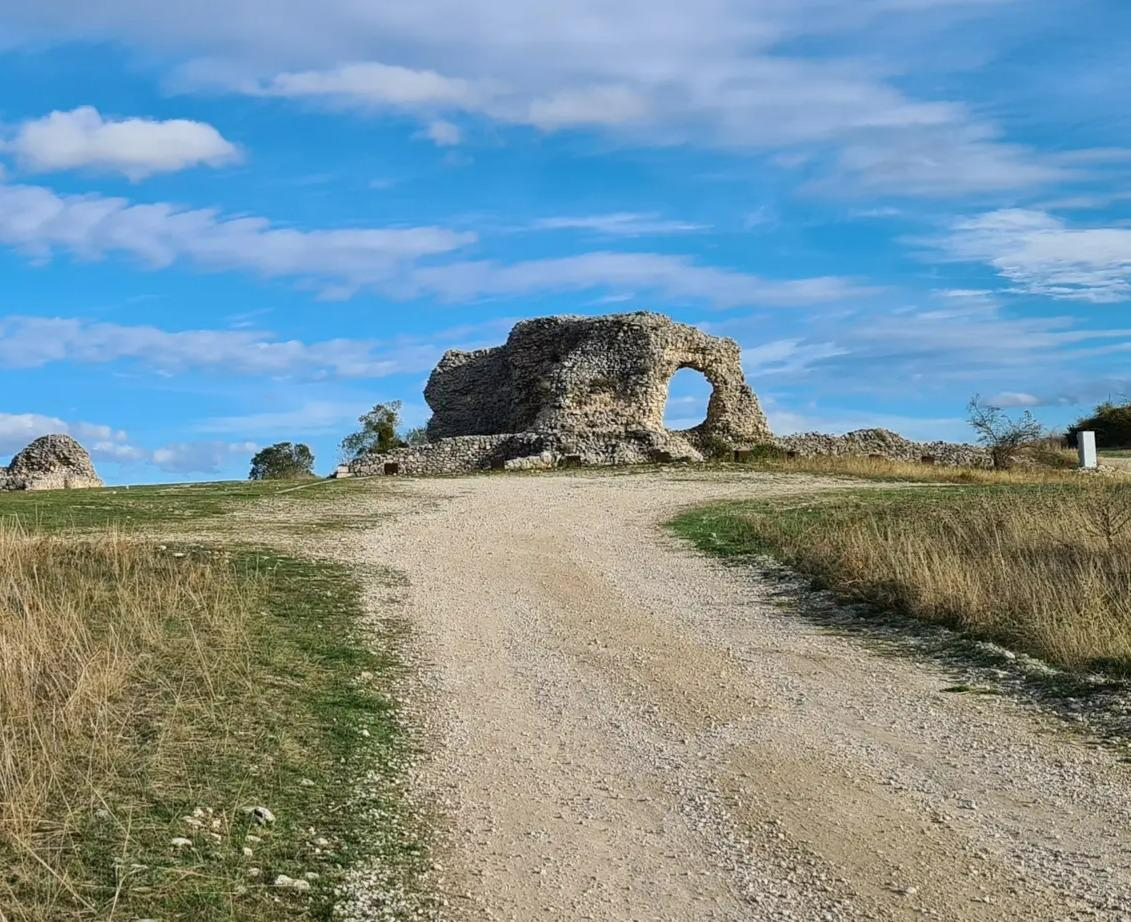
Tratturo Magno – On the roads of transhumance
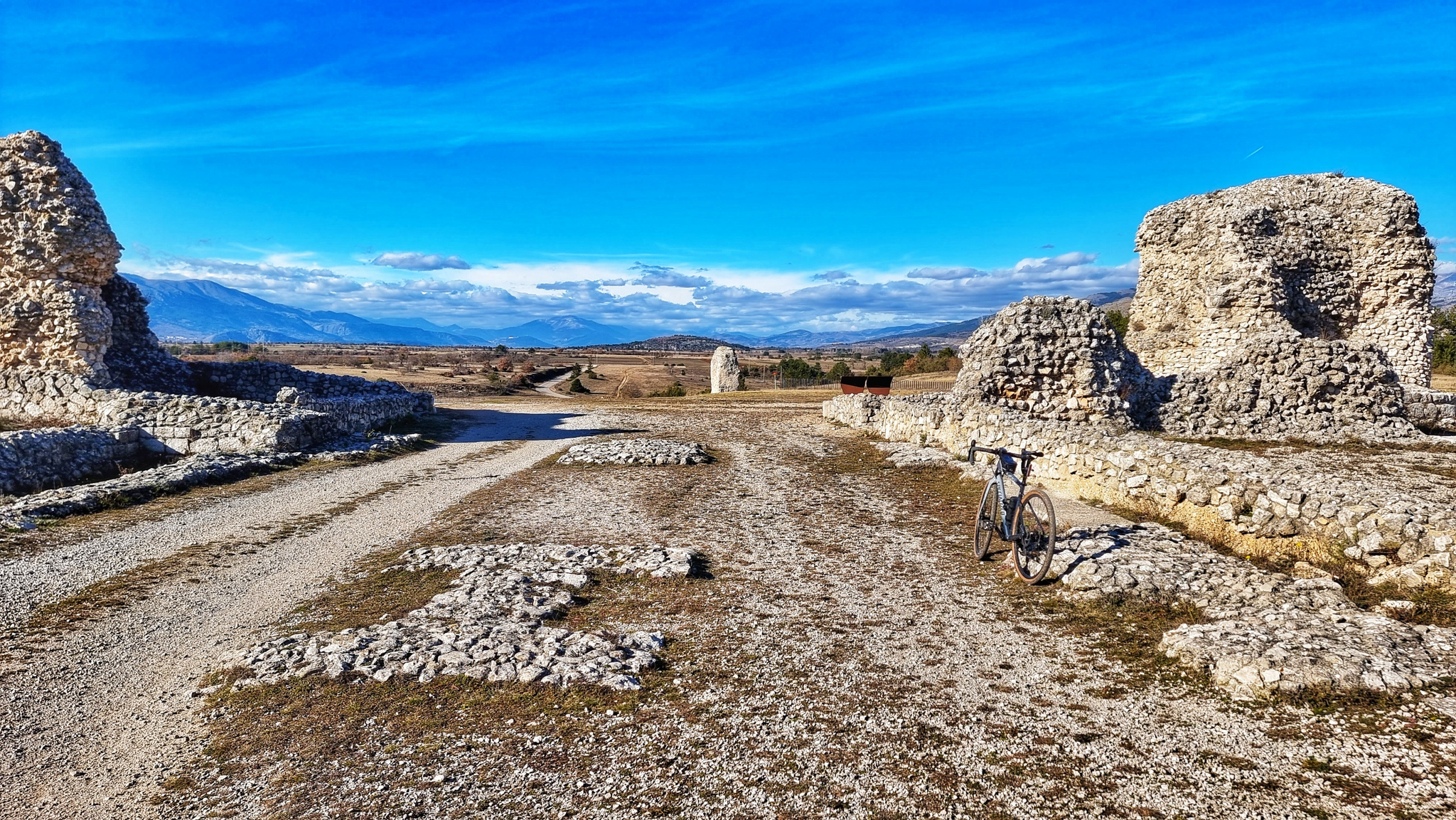
The Tratturo Magno – From the Apennines to the TavoIiere, 300 kilometers
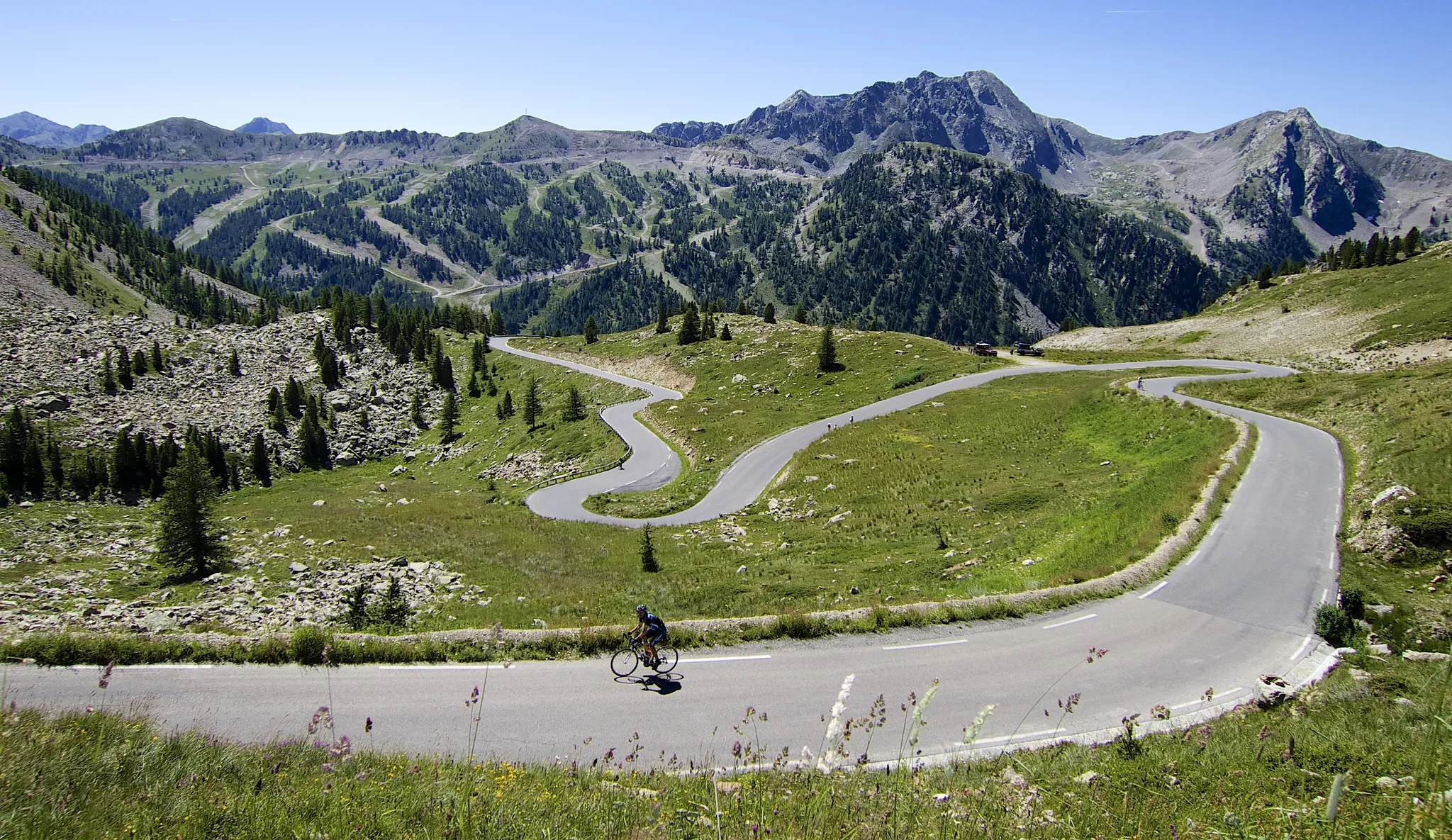
Haute Route Alps 2025 — Assaulting the Alps
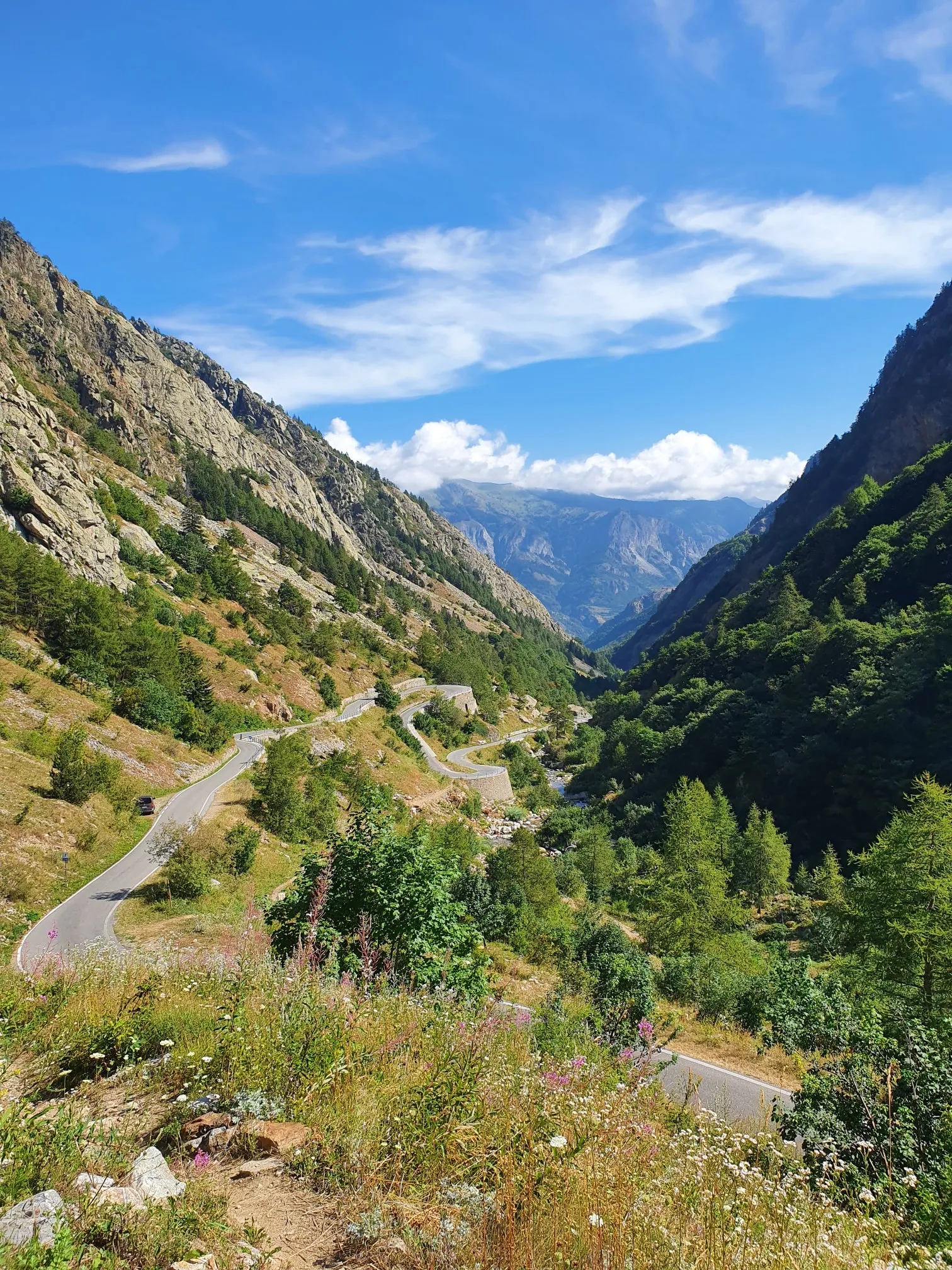
In the footsteps of the pilgrims in Valle Stura
Historic and spiritual trails in the province of Torino
Piemont's Via Francigena
Other adventures in Italy


Tips from the Community

You have to do it once ... and once you've done it, you can't get enough of it ;-)
2
0

exaggeratedly panoramic... not to be missed
1
0

The hike is completely overcrowded, and you're charged twice. You pay €9 at the parking lot and then another €5 per person. There's almost no shade anywhere, and the small swimming coves are completely overcrowded.
0
0

bike path along the lake
6
0

St. Peter's Square and St. Peter's Basilica are two of the most iconic sites in the Vatican and in Christianity. Designed by Gian Lorenzo Bernini between 1656 and 1667, St. Peter's Square is famous for its impressive colonnade that symbolises the arms of the Church extended to welcome the faithful.
13
0

More information about opening times etc. can be found here: https://www.cascata-varone.com/de/ Make sure you take a rain jacket with you... no one comes out dry here 😜😂! We were there at the end of October and were glad to have a change of clothes in the car 😉. Definitely a welcome refreshment in the summer ☀️
6
1

It is located between the Museum of Peasant Civilization of the Zingaro Nature Reserve and the Museum of Weaving of the Nature Reserve
0
1

The hike to Uzzo Cave in the Riserva Naturale Orientata dello Zingaro offers you an impressive mix of history and nature. This prehistoric site is not only a visual highlight, but also archaeologically significant - finds from the cave indicate human presence around 10,000 years ago. As soon as you enter the shaded area of the cave, the cool air offers a welcome respite after an intense hike under the Sicilian sun. The rocky landscape around the cave is just as fascinating as the cave itself - buried fossils and petrified bones tell of a distant past when this cave was used as both a shelter and a resting place. Here you can enjoy the peace and quiet and reflect on the people who lived here many millennia ago. Tip: Be sure to pay attention to local regulations as you are in a protected area and respect nature.
0
1
Frequently Asked Questions
What are some of Italy's most famous cave systems?
Italy is home to several renowned cave systems. Among the most impressive are the Uzzo Cave, known for its imposing entrance and historical significance, and the extensive Grotte di Frasassi in Marche, which features vast chambers like the Ancona Abyss. Other notable sites include the Grotta di Castellana in Puglia, famous for its stunning formations, and the Grotta Gigante near Trieste, one of the world's largest show caves.
Are there any historically significant caves in Italy?
Yes, Italy has several caves with rich historical and archaeological importance. The Uzzo Cave contains petrified bones, indicating its use as a resting and living place in ancient times. The Grotta dell'Addaura in Sicily is significant for its prehistoric cave-wall engravings dating back 14,000 to 8,000 years. Additionally, the Grotta del Bue Marino in Sardinia holds petroglyphs and evidence of use by the Neolithic Ozieri culture.
What unique geological features can be found in Italian caves?
Italian caves showcase a variety of unique geological features. The Grotte di Frasassi are famous for their spectacular stalagmites and stalactites with descriptive names like Niagara Falls and Organ Pipes. The Grotta di Ispinigoli in Sardinia boasts one of Europe's tallest stalactite-stalagmite columns, measuring approximately 38 meters. Sea caves like the Blue Grotto and Grotta dello Smeraldo are known for their brilliant blue and emerald-green luminescence, respectively, caused by sunlight filtering through underwater openings.
Which Italian caves are easily accessible for visitors?
Many Italian caves are set up for easy visitor access. Show caves like Grotte di Frasassi, Grotta di Castellana, and Grotta Gigante offer guided tours on well-maintained paths. Sea grottoes such as the Blue Grotto, Grotta dello Smeraldo, and Grotta di Nettuno are typically accessed by small boats, though Neptune's Grotto also has a 654-step staircase option. Cala Luna, a beach with numerous small caves, is accessible on foot or by boat, offering easy exploration.
Are there family-friendly caves to visit in Italy?
Several Italian caves are suitable for families. Many of the major show caves, such as Grotte di Frasassi and Grotta di Castellana, offer guided tours that are engaging for all ages. The Varone Waterfall and Botanical Garden also features a cave-like experience. Sea grottoes like the Blue Grotto and Grotta dello Smeraldo provide a magical boat ride experience that children often enjoy.
What kind of experiences do Italian caves offer?
Italian caves offer diverse experiences, from geological exploration to historical insights. You can take guided tours through vast subterranean systems, marvel at stunning stalactite and stalagmite formations, or enjoy boat trips into sea grottoes with unique light effects. Some caves, like Grotta del Vento, offer various exploration routes for different levels of adventure, including options for more extensive spelunking. Others, such as the Caves Along the Ascent to La Rocca, provide an intermediate to challenging exploration experience as part of a historical site.
Can I go hiking or cycling near Italian caves?
Yes, many cave regions in Italy offer excellent opportunities for outdoor activities. For instance, you can find numerous MTB trails in Italy, with routes like the Riva del Garda - Lake Ledro MTB Route. Road cycling enthusiasts can explore routes such as the Sella loop and 4 passes. If you prefer hiking, there are many waterfall hikes in Italy, including the Climb to Lake Loie passing through Lillaz Waterfalls. You can find more details on these activities in the MTB Trails in Italy, Road Cycling Routes in Italy, and Waterfall hikes in Italy guides.
What do visitors enjoy most about Italian caves?
Visitors frequently express awe at the natural beauty and unique formations within Italian caves. The crystal-clear waters and shade offered by caves at Cala Luna are highly appreciated. The impressive size and historical significance of sites like Uzzo Cave also leave a lasting impression. The blend of geological wonder, historical intrigue, and the opportunity for adventure makes these destinations highly valued.
Are there any caves in Italy that are part of larger natural parks?
Yes, some significant Italian caves are located within protected natural areas. The Grotte di Frasassi, for example, are situated within the Gola della Rossa e di Frasassi Natural Park, offering a broader natural context for exploration. This integration often means visitors can combine a cave tour with other outdoor activities or enjoy the surrounding landscapes.
Can I find caves with underground water features in Italy?
Absolutely. Many Italian caves feature impressive underground water elements. The Grotta del Vento in Tuscany is known for its underground chambers and a waterfall. Sea grottoes like the Blue Grotto, Grotta dello Smeraldo, and Grotta di Nettuno are defined by their interaction with the sea, creating stunning aquatic environments and unique light phenomena. The Grotta del Bue Marino also features a magical sea cave system.
What is the best time of year to explore Italian caves?
Many Italian caves, especially the show caves, are open year-round, making them a good option regardless of the season. Sea grottoes, however, are highly dependent on calm sea conditions for access, so spring, summer, and early autumn generally offer the best chances for boat tours. Visiting during the shoulder seasons (spring and autumn) can also provide a more pleasant experience with fewer crowds and comfortable temperatures for any outdoor activities combined with cave visits.
Most popular routes in Italy
Most popular attractions in Italy

Get inspired with the komoot mobile app


Didn’t find what you were looking for?
Discover more caves in Italy region by region:
Explore more
Extend your search for the best caves by checking out these guides of the top ones in Italy:
