Top 20 Castles in the Weser Uplands
Best castles in the Weser Uplands offer a blend of historical architecture and natural landscapes. The region, characterized by its uplands and river valleys, features a diverse collection of castles, from grand residences to medieval ruins. These sites provide insights into centuries of history and culture within the scenic Weserbergland. Many are situated along hiking and cycling routes, making them accessible for exploration.
Best castles in the Weser Uplands
- The most popular castles is The Falkenburg, a castle that…
Last updated: October 10, 2026
Historic Old Town of Hann. Münden
Highlight • Historical Site
Translated by Google •
Tip by

The Falkenburg
Highlight • Castle
Translated by Google •
Tip by

Sign up now to discover places like this
Get recommendations on the best single tracks, peaks, & plenty of other exciting outdoor places.
View of the ruins of Polle Castle
Highlight • Viewpoint
Translated by Google •
Tip by

Corvey Abbey (UNESCO World Heritage Site)
Highlight • Historical Site
Translated by Google •
Tip by

Polle Ferry and the Castle Ruins
Highlight • Bridge
Translated by Google •
Tip by

Bückeburg Castle
Highlight • Castle
Translated by Google •
Tip by

View of Schloss Fürstenberg
Highlight • Viewpoint
Translated by Google •
Tip by

Schaumburg
Highlight • Castle
Showing Translation
Tip by

Iburg castle ruins
Highlight • Castle
Translated by Google •
Tip by

View of Schloss Hehlen across the Weser
Highlight • Viewpoint
Translated by Google •
Tip by

Sign up for free to discover even more castles in the Weser Uplands.
Already have an account?
Start today with a free account
Your next adventure awaits.
Popular around Weser Uplands
Hiking Germany's Hermannsweg – In the footsteps of the Cheruscan
Loccum-Volkenroda pilgrim's way – From monastery to monastery
11 Hessen trails – criss-cross through the countryside
Frau Holle Trail – Nature and fairytales, eight stages
Berlin-Hameln Cycle Route – From West to East
Hike the Fairy Tale Route – Enchanting days in Germany
Hansa Trail in 6 stages – Hills and fun in Germany's Lipper Bergland
Römer‑Lippe Route – Water and history – 6 days
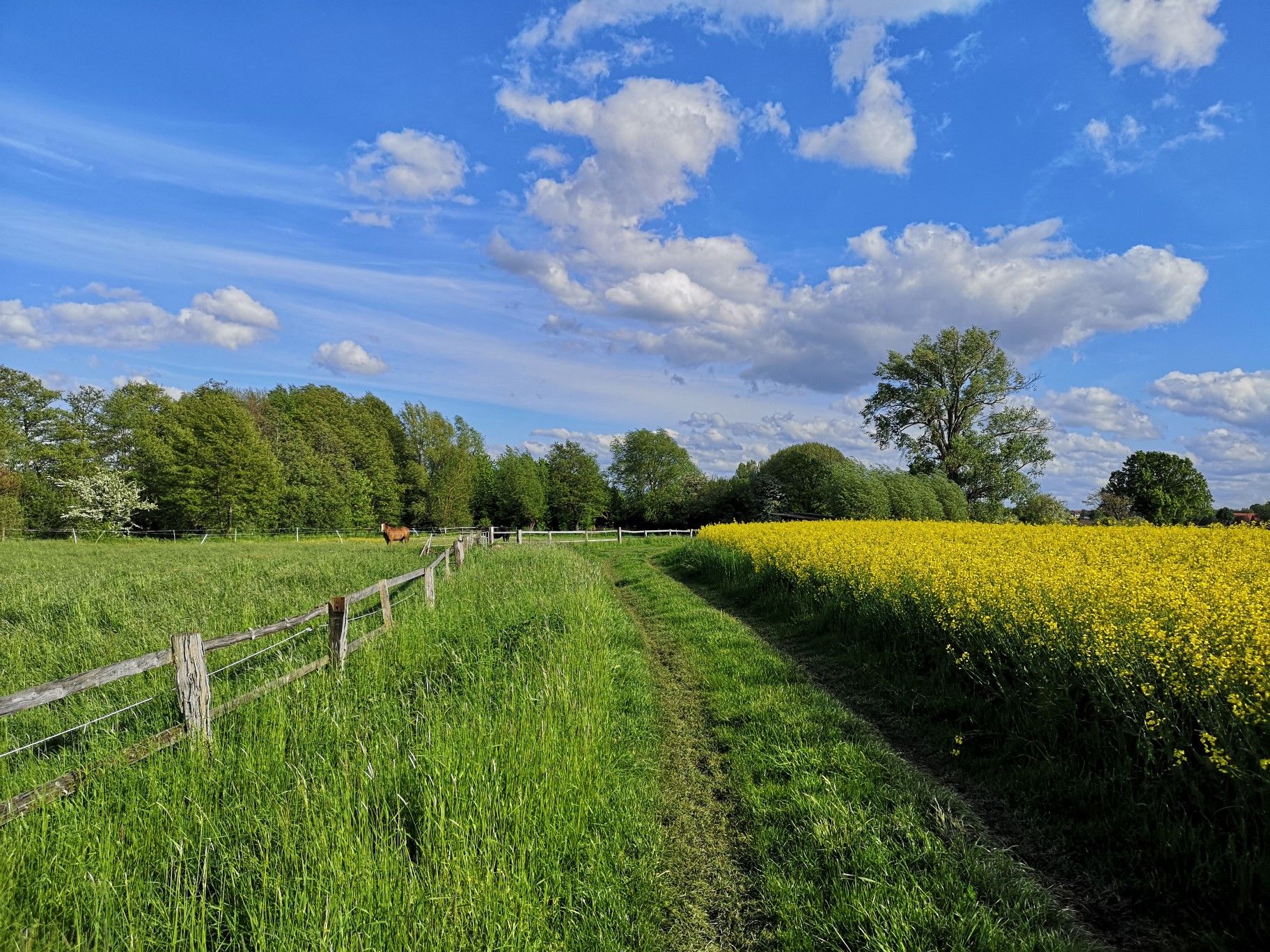
Hiking on Germany's Bückeberg Trail – Gentle hills and green forests
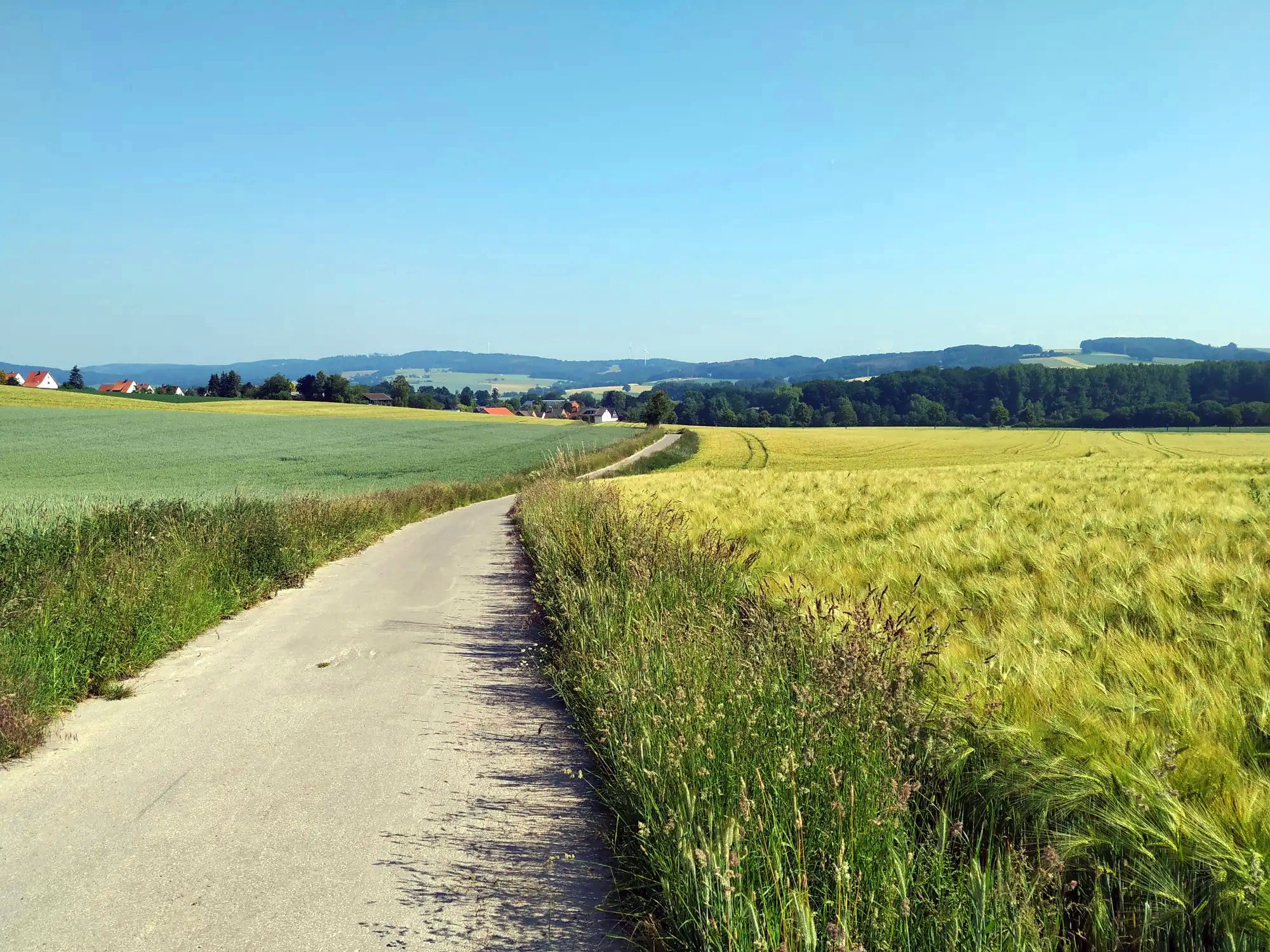
Hellweg-Weser railway cycle route – Ride through western Germany
Other adventures in the Weser Uplands


Tips from the Community

Given that the castle has been left to decay since 1444, there are still a surprising number of remains left. The Bad Driburg local history association has described and commented on it in detail.
6
0

Is worth a trip. Especially the porcelain factory
6
0

Even if you've been here before, it's always worth a visit. A magical place.
5
0

Worthwhile excursion destination, numerous information boards explaining the castle complex
9
1

An eye-catcher on the Weser Cycle Path
7
0

The striking rocky outcrop above the Weser as a ridge of the Kathagenberg appears in the sources as early as 1130 under the name "Vorstenberch" (Forstinberg). At what point in time a castle was first erected here to secure the military route and the Weser border across from Brunsburg and the town of Höxter on the other side of the Weser is unclear. The Fürstenberg came to the Principality of Brunswick-Wolfenbüttel around 1300 as a fief of the Corvey Monastery and was first mentioned in a document in 1355.
12
0

The castle looks dreamy in the landscape. The opposite side of the Weser is worth taking a good photo of.
8
0
There are some castles along the way, but rarely a ruin. It catches the eye and you have a good view of it from the opposite side.
13
0
Frequently Asked Questions
What are some of the most historically significant castles in the Weser Uplands?
The Weser Uplands are rich in history. Bückeburg Castle has been continuously inhabited by the princely family of Schaumburg-Lippe for over 700 years. Corvey Baroque Palace, originally a monastery, is a UNESCO World Heritage Site with a medieval west face. Hämelschenburg Palace is a prime example of Weser Renaissance architecture, owned by the von Klencke Guelph noble family for generations.
Which castles in the Weser Uplands are particularly family-friendly?
Many castles in the Weser Uplands offer family-friendly experiences. Bückeburg Castle features the Princely Riding Academy, which can be exciting for children. The grounds of Pyrmont Castle serve as a cultural hub with open-air events, and the nearby Palm Garden is a pleasant area for families. The ruins of Polle Castle are also noted as family-friendly, often associated with the fairy tale of Cinderella.
Are there opportunities for outdoor activities like hiking or cycling near the castles?
Yes, the Weser Uplands offer numerous outdoor activities around its castles. You can find various hiking routes, including mountain hikes and waterfall hikes, as well as gravel biking trails. For example, the Mountain Hikes in the Weser Uplands guide includes routes like the 'Falkenburg Castle Ruins – Hermannsdenkmal loop'. The Corvey Baroque Palace is conveniently located along the Weser Cycle Route, and Ludwigstein Castle is popular with hikers and cyclists on the Werra-Burgen-Steig.
What kind of natural features or viewpoints can I expect to find around the castles?
The castles are often set amidst beautiful natural landscapes. Schaumburg offers stunning views into the Weser valley. The Falkenburg, a ruin on a hilltop, provides panoramic views. Corvey Baroque Palace's tower offers beautiful views of the Weser River. Many castles, like Iburg castle ruins, are nestled within forests and offer scenic viewpoints.
What is the best time of year to visit the castles in the Weser Uplands?
The Weser Uplands are beautiful year-round, but spring and autumn are particularly popular for outdoor activities and castle visits due to pleasant weather and vibrant scenery. Summer offers many open-air events at places like Pyrmont Castle. Some castles, like Bückeburg Palace, host special events such as the 'Weihnachtszauber' (Christmas magic) festival in winter, offering a unique experience.
Can I find food and drink options at or near the castles?
Yes, several castles and their vicinities offer dining options. Bückeburg Castle has a beer garden in its park. Hämelschenburg Palace also has a cafe. Corvey Baroque Palace features its own wine tavern. Pyrmont Castle hosts the Kaffeehaus im Schloss café with views of the Palm Garden. Additionally, many towns near the castles, such as the Historic Old Town of Hann. Münden, offer various restaurants and cafes.
Are there any castles known for unique architectural styles in the region?
The Weser Uplands are renowned for their diverse architectural styles. Hämelschenburg Palace is considered a jewel of the Weser Renaissance. Schlosshotel Münchhausen is a striking 16th-century moated castle in Renaissance style. Corvey Baroque Palace showcases Baroque architecture, while Marienburg Castle is a notable example of historicist architecture.
Which castles offer notable cultural events or special attractions?
Many castles serve as cultural venues. Bückeburg Castle is home to the Princely Riding Academy and hosts the annual 'Weihnachtszauber' festival. Schlosshotel Münchhausen hosts culinary and cultural events, including the Schwöbber Cultural Summer. Pyrmont Castle's grounds are a cultural hub for the spa town of Bad Pyrmont, hosting various open-air events. Bevern Castle functions as a cultural venue with exhibitions, concerts, and classical piano evenings.
Are there any castle ruins that are particularly interesting to explore?
Yes, the region has fascinating castle ruins. The Falkenburg is a significant ruin that was once one of the largest medieval dynastic castles in Westphalia, now beautifully restored and open for exploration. Iburg castle ruins offer extensive information boards that help visitors visualize its past, including castle walls, a keep, and a chapel.
How accessible are the castles in the Weser Uplands by public transport or car?
Accessibility varies by castle. Many castles are reachable by car, often with parking facilities like at Bückeburg Castle. For public transport, some castles are integrated into regional networks; for instance, Corvey Baroque Palace has its own jetty, making it accessible via the Weser River. Ludwigstein Castle, now a youth hostel, is popular with hikers and cyclists, suggesting good access via trails.
Are there any castles that offer accommodation?
Yes, Schlosshotel Münchhausen is a striking 16th-century moated castle that now operates as a hotel, offering a unique overnight experience. Ludwigstein Castle, a late medieval knight's castle, has been rebuilt and now serves as a youth hostel, particularly popular with hikers and cyclists.
What makes Corvey Baroque Palace a UNESCO World Heritage Site?
Corvey Baroque Palace is recognized as a UNESCO World Heritage Site primarily for its Carolingian Westwork, which is one of the few surviving examples of Carolingian architecture. This medieval west face of its church is a particular highlight, offering a unique glimpse into early medieval European art and architecture.
Can I visit a castle that is still inhabited?
Yes, Bückeburg Castle has been continuously inhabited since its construction. It is the headquarters of the princely house of Schaumburg-Lippe, and Alexander Prince of Schaumburg-Lippe currently resides there. Visitors can explore its grounds, including Germany's only riding school and a large castle park.
Most popular routes in the Weser Uplands
Most popular attractions in the Weser Uplands

Get inspired with the komoot mobile app


Explore more
Looking for the best castles somewhere else? Discover other guides in the Weser Uplands:
