Top 20 Caves in the Weser Uplands
Best caves in the Weser Uplands are found within a region characterized by picturesque landscapes and significant karst features. This area, known for its geological formations, offers a diverse range of underground experiences. Visitors can explore natural caves, historical adits, and unique geological phenomena. The Weser Uplands provides opportunities to delve into Earth's history and observe natural processes.
Best caves in the Weser Uplands
- The most popular caves is Rothestein Cave, a cave that offers an exciting cave feeling…
Last updated: October 9, 2026
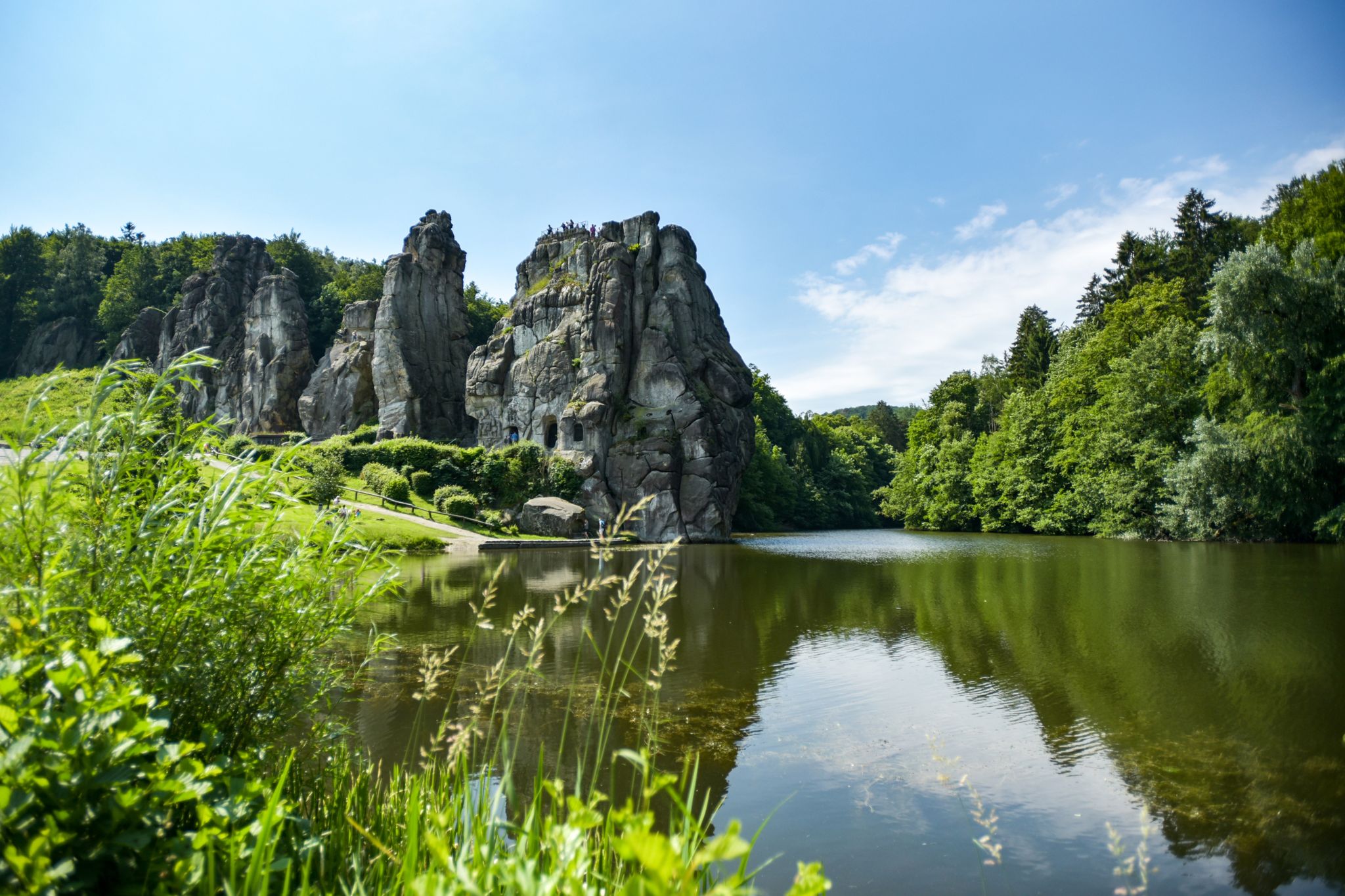
Crucifixion Relief and Grotto at the Externsteine
Highlight • Monument
Translated by Google •
Tip by

Lippold's Cave
Highlight • Cave
About an hour west of Alfeld, at the village of Brunkensen, lies the Lippoldshöhle. It consists of several rooms, one of which is called the kitchen, another is …
Translated by Google •
Tip by

Sign up now to discover places like this
Get recommendations on the best single tracks, peaks, & plenty of other exciting outdoor places.
Rothestein Cave
Highlight • Cave
Translated by Google •
Tip by

Bielstein Gorge
Highlight • Gorge
Translated by Google •
Tip by

Pyrmont Castle
Highlight • Castle
Translated by Google •
Tip by

Feggendorfer Adit
Highlight • Historical Site
Translated by Google •
Tip by

Rocky gorge at the Mordkopf
Highlight • Gorge
Translated by Google •
Tip by

Hohlstein Cave
Highlight • Cave
Translated by Google •
Tip by

Schillat Cave
Highlight • Cave
Translated by Google •
Tip by

Former Kleinenbremen Quarry
Highlight • Historical Site
Translated by Google •
Tip by

Sign up for free to discover even more caves in the Weser Uplands.
Already have an account?
Start today with a free account
Your next adventure awaits.
Popular around Weser Uplands
Hiking Germany's Hermannsweg – In the footsteps of the Cheruscan
Loccum-Volkenroda pilgrim's way – From monastery to monastery
11 Hessen trails – criss-cross through the countryside
Frau Holle Trail – Nature and fairytales, eight stages
Berlin-Hameln Cycle Route – From West to East
Hike the Fairy Tale Route – Enchanting days in Germany
Hansa Trail in 6 stages – Hills and fun in Germany's Lipper Bergland
Römer‑Lippe Route – Water and history – 6 days
Hiking on Germany's Bückeberg Trail – Gentle hills and green forests
Hellweg-Weser railway cycle route – Ride through western Germany
Other adventures in the Weser Uplands


Tips from the Community

The former open-cast mine of the Kleinenbremen mine can be visited and is even part of the marked mining educational trail. From here, you can also enter the underground tunnels with a guided tour.
0
0

The Rothestein Cave is a special highlight here. It's open from April to September. The climb is probably not suitable for everyone. Maybe I'm too tall for it. 😅
5
0
The story of the Rothestein Cave is interesting and exciting!
5
0
The largest cave in Lippe is the Hohlsteinhöhle, which is 47 m high and 185 m long. A cave beetle that does not exist anywhere else in the world has also lived here since the last ice age. 👍
9
0
The Bielstein Gorge is a fantastic natural spectacle. It's definitely worth a visit!
10
0

The Descent from the Cross - relief is one of the most significant medieval works. It is carved into sandstone and, at 4.80 × 3.70 m, is the largest relief in the entire northwestern European region.
4
0

History Count Friedrich VI of Spiegelberg, who had been sovereign of the County of Pyrmont since 1525, built a fortress with a residential building on top in the valley of Pyrmont between 1526 and 1536. As early as 1512, he had the ancestral seat of the Counts of Spiegelberg in Coppenbrügge converted into a contemporary fortress based on the Italian model. He used the experience he gained to build a fortress in Pyrmont as well. The almost square complex covered four and a half hectares and was surrounded by a 30 to 40 meter wide moat, a moat. The earth that accrued when digging the moat was piled up to build the castle wall with casemates incorporated into it. In the north, where the fortress was most vulnerable to attack, a small stone corner bastion was built. The entrance to the fortress was only accessible via a wooden drawbridge and the entrance tunnel was.
8
0

Directly adjacent to the spa park is the Bad Pyrmont moated castle (or vice versa?!) The castle, which still exists today, dates back to the 18th century and was the summer residence of the Counts of Waldeck-Pyrmont.
4
0
Frequently Asked Questions
What are some of the most unique caves to visit in the Weser Uplands?
The Weser Uplands offer several unique underground experiences. The Schillat Cave in Hessisch Oldendorf is Germany's northernmost stalactite cave, featuring impressive formations and a 45-meter glass elevator descent. Another unique site is the Dunsthöhle in Bad Pyrmont, a rare natural phenomenon where carbon dioxide gas emanates, offering fascinating scientific demonstrations. You can learn more about its history and unique properties on Wikipedia.
Are there family-friendly caves in the Weser Uplands?
Yes, several caves are suitable for families. The Schillat Cave is an accessible show cave with guided tours and educational exhibits, making it great for all ages. The Feggendorfer Adit offers a hands-on mining experience with guided tours, which can be very engaging for children.
What kind of natural formations can I expect to see in the Weser Uplands caves?
The Weser Uplands are known for their karst features. In caves like Schillat Cave, you'll find impressive stalactites, stalagmites, sparkling crystals, and glowing stones. Other natural caves in the region, such as the Bielstein Gorge, showcase unique geological structures formed over millennia.
What historical insights do the caves in the Weser Uplands offer?
Many caves in the region have rich histories. Lippold's Cave is associated with local legends of a robber. Rothestein Cave has archaeological significance, with findings from the Bronze Age suggesting ancient cultic acts. The Feggendorfer Adit provides a glimpse into historical mining practices in the region.
Can I combine a cave visit with hiking in the Weser Uplands?
Absolutely. The Weser Uplands offer numerous hiking opportunities that can be combined with cave exploration. For example, Lippold's Cave is often mentioned in local hiking routes. You can find various trails, including easy hikes, in the region by exploring Easy hikes in the Weser Uplands.
Are there any caves in the Weser Uplands that are accessible for visitors with mobility considerations?
The Schillat Cave is designed with accessibility in mind, featuring a glass elevator that descends 45 meters into the cave, making it suitable for visitors with mobility considerations.
What is the best time of year to visit the caves in the Weser Uplands?
Some caves have seasonal access. For instance, Rothestein Cave is typically open from April 1st to September 30th, as it serves as a wintering ground for bats outside of these months. It's always advisable to check the specific opening hours for each cave before planning your visit.
Are dogs allowed in the caves of the Weser Uplands?
Policies regarding dogs vary by cave. Show caves like Schillat Cave generally do not permit dogs inside due to the sensitive environment and guided tour settings. For natural caves or those accessible via hiking trails, it's best to check local regulations or contact the specific site beforehand.
Can I find accommodation or cafes near the caves in the Weser Uplands?
Yes, many cave locations are situated near towns or tourist areas that offer amenities. For example, the Schillat Cave has a cafe and beer garden on site. Bad Pyrmont, home to the Dunsthöhle, is a spa town with various accommodation and dining options. You can often find cafes and pubs in the villages surrounding other cave sites.
What are some other outdoor activities I can do near the caves in the Weser Uplands?
Beyond hiking, the Weser Uplands offer diverse outdoor activities. You can explore cycling routes, such as those found in Cycling in the Weser Uplands, or even more challenging mountain hikes detailed in Mountain Hikes in the Weser Uplands. Many of these routes pass by or are close to various natural features and caves.
What makes the Bielstein Gorge and its cave system significant?
The Bielstein Gorge contains the Bielsteinhöhle, which is considered one of the most significant caves in East Westphalia. This cave system is designated as a natural monument and serves as crucial wintering quarters for bats, meaning public access is generally restricted to protect its delicate ecosystem.
Do I need special equipment or permits to visit caves in the Weser Uplands?
For managed show caves like Schillat Cave, no special equipment is needed beyond comfortable shoes. For natural caves like Lippold's Cave, a flashlight is recommended, and some crawling may be required. Access to certain caves, especially those designated as natural monuments or bat habitats, may be restricted or require permits, so it's always best to check in advance.
Most popular routes in the Weser Uplands
Most popular attractions in the Weser Uplands

Get inspired with the komoot mobile app


Explore more
Extend your search for the best caves by checking out these guides of the top ones in the Weser Uplands:
