Top 16 Castles around Lake Starnberg
Castles around Lake Starnberg offer a glimpse into Bavaria's rich history and royal connections. Nestled in Bavaria, Germany, the region features several historically significant castles and a unique island villa. These structures blend medieval fortification architecture with Renaissance elements, often providing views of the lake. The area is known for its cultural heritage and natural beauty, making it a notable destination for historical exploration.
Best castles around Lake Starnberg
- The most popular castles is Höhenried Castle, a castle that features a beautifully landscaped castle avenue in its park. It is known for its Christmas markets and scenic surroundings.
- Another must-see spot is Possenhofen Castle, a castle and historical site. Visitors can appreciate its beautiful exterior and expansive gardens, which were once home to Empress Elisabeth of Austria.
- Visitors also love Seeseiten Castle, a castle with a prime location on the lake. It is considered a gem, admired from a distance for its impressive architecture.
- Lake Starnberg is known for medieval castles, Renaissance complexes, and royal villas. The variety of castles to see and explore offers insights into different historical periods and architectural styles.
- The castles around Lake Starnberg are appreciated by the komoot community, with more than 1700 upvotes and over 150 photos shared.
Last updated: June 24, 2026
View of Lake Starnberg and the Alps
Highlight • Viewpoint
Nice here.😉
Translated by Google •
Tip by

Possenhofen Castle
Highlight • Castle
Translated by Google •
Tip by

Sign up now to discover places like this
Get recommendations on the best single tracks, peaks, & plenty of other exciting outdoor places.
Sign up for free
Höhenried Castle
Highlight • Castle
Translated by Google •
Tip by

Seeseiten Castle
Highlight • Castle
Translated by Google •
Tip by

Seeburg Castle on Lake Starnberg
Highlight • Castle
Translated by Google •
Tip by

Sign up for free to discover even more castles around Lake Starnberg.
Sign up for free
Already have an account?
Start today with a free account
Your next adventure awaits.
Login or Signup
Popular around Lake Starnberg
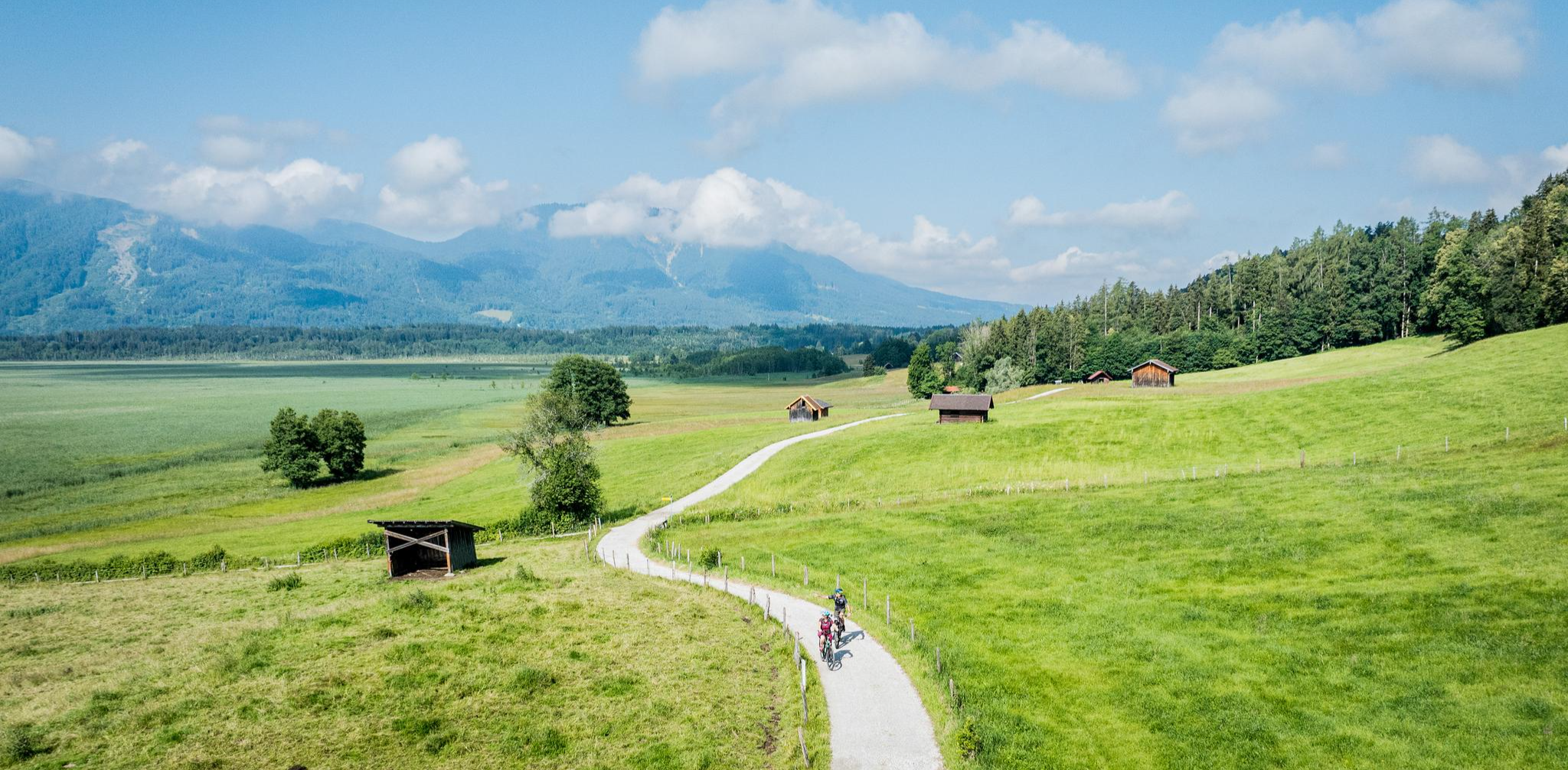
Art and nature by bike – from Munich to the edge of the Alps
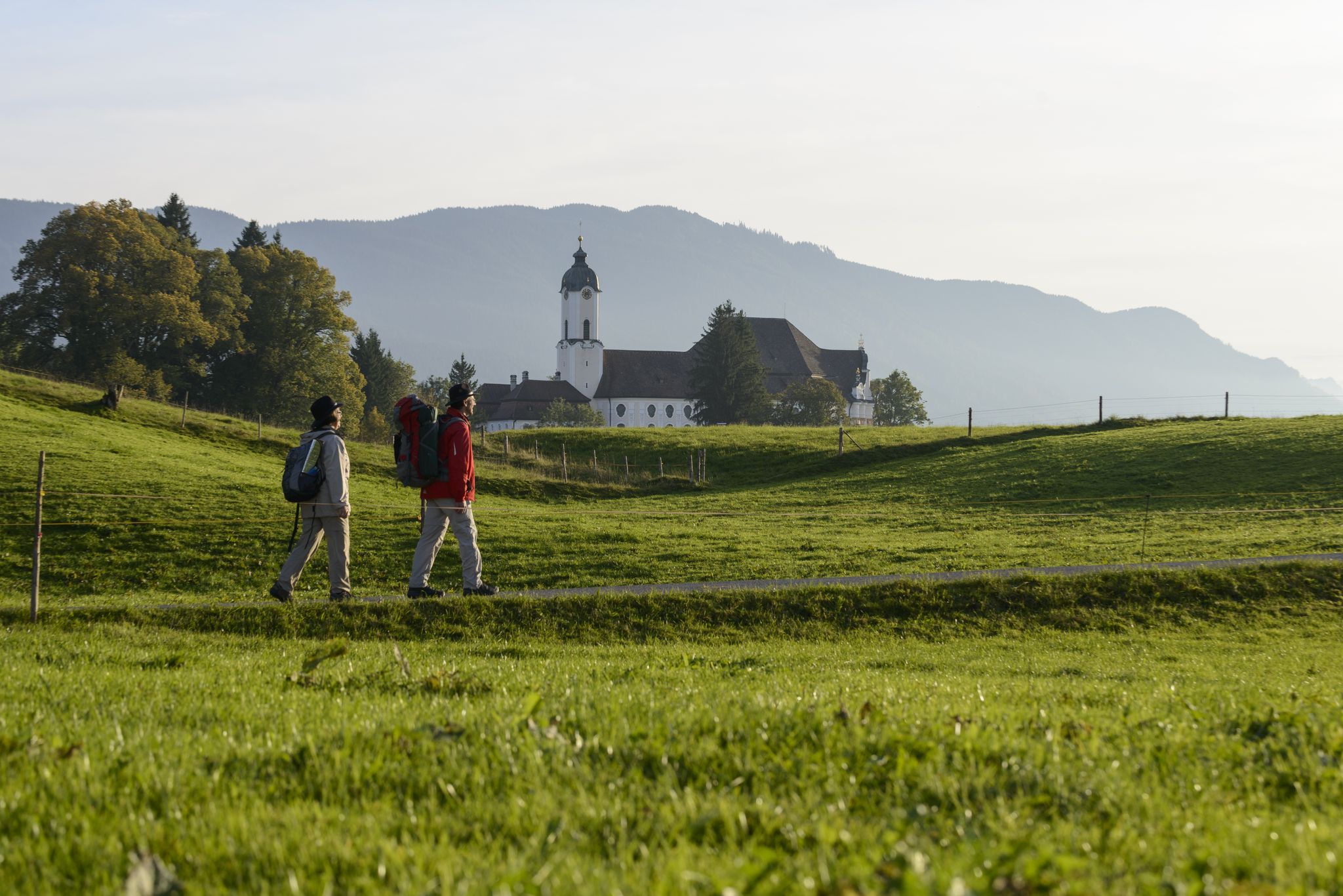
König-Ludwig-Weg: On the trails of Bavaria's fairytale König
Hike the King Ludwig Trail – in the footsteps of a Bavarian king
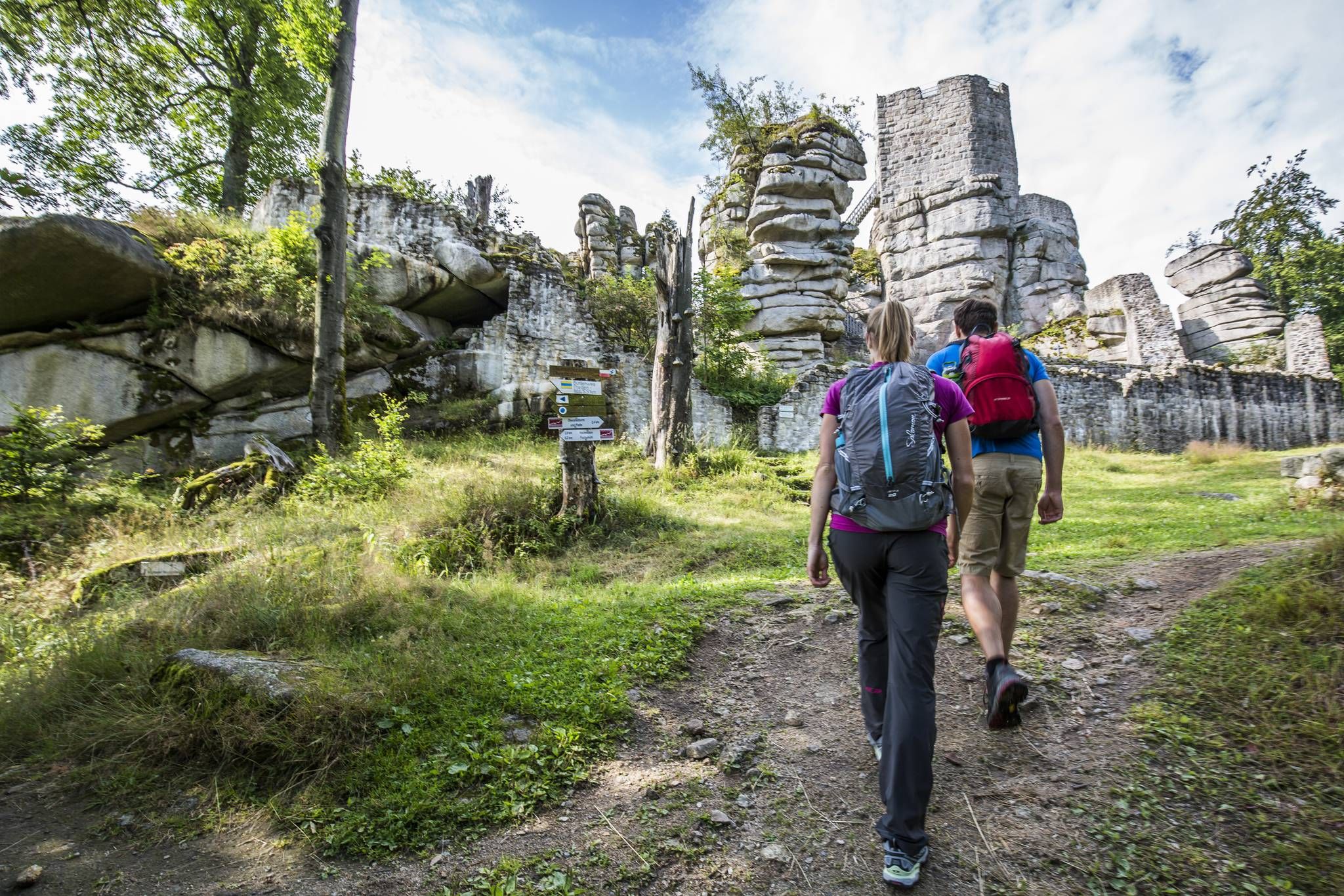
Thousands of kilometres of hiking fun – long-distance hiking trails in Bavaria
Water & Art – inspiring Tours around Weilheim & Murnau
Winter in Upper Bavaria – 8 wonderful hikes
The Art Loop — Wasser-Radlwege Oberbayern
Fairytale landscapes & alpine foothills - hiking in the Tölzer Land in Bavaria
Cycling along rivers and lakes in Bavaria
Autumn hikes around Munich
Other adventures around Lake Starnberg


Tips from the Community

From Tutzing, a magnificent view opens up of the glittering Lake Starnberg and the majestic Alps in the background.
2
0


The manor house is a castle-like cubic structure with suggested side wings and corner turrets in strictly symmetrical, late-classical forms, two-tone exposed brickwork with flat hipped and gable roofs. It was built in 1866/1867 according to plans by the architect Georg Dollmann,[1] who worked for Ludwig II from 1868 onwards and designed several palace buildings for him. The manor house is located on the shore of the lake amidst a large park landscape, which was first designed by the court garden director Carl von Effner.[6] Source: https://de.wikipedia.org/wiki/Schloss_Seeseiten
3
0
The former country house of Ludwig von der Pfordten was designed by Georg von Dollmann and built in 1866/67.[1] It is one of the largest and most important villas on Lake Starnberg. It was purchased in 1872 by Rudolf Knosp, a Württemberg commercial councillor and co-founder of the "Baden Anilin and Soda Factory" (BASF).[2] Through his daughter, the later Henriette Baroness von Simolin-Bathory (née Knosp), the castle came into the possession of her son Rudolf von Simolin-Bathory. He bequeathed it to his illegitimate daughter Rudolfine von Simolin-Bathory Domeneck, who married Captain Le Tanneux von Saint Paul. Francine Le Tanneux von Saint Paul married August von Finck Jr.;[3][4] thus the property came into the possession of the von Finck family.[5] Source https://de.wikipedia.org/wiki/Schloss_Seeseiten
4
1

Right next to the boat ramp there is a small jetty, from where you have a great view of the jetty and Lake Starnberg
3
0

From the jetty you have a really beautiful view over the lake in the evening, and if the weather is good you can even see the mountains in the background.
2
1
Right next to the boat ramp there is a small jetty, from where you have a great view of the jetty and Lake Starnberg
2
1

Top view, top location, a real highlight with great impressions.
3
1
Frequently Asked Questions
What are some of the most historically significant castles around Lake Starnberg?
Lake Starnberg is rich in history, particularly with connections to Bavarian royalty. Notable castles include Schloss Starnberg, a medieval castle transformed into a Renaissance complex; Schloss Berg, infamous as King Ludwig II's last residence; and Schloss Possenhofen, where Empress Elisabeth of Austria (Sisi) spent her childhood summers. Additionally, Roseninsel features a royal villa known as the Casino, a cherished retreat for Ludwig II.
Which castles around Lake Starnberg offer public access or tours?
While many castles are privately owned, some parts are accessible. The Renaissance garden of Schloss Starnberg is open to the public. On Roseninsel, the Casino functions as a small museum and is open from May to October, accessible by ferry. Although Schloss Berg is private, its former grounds are a public park, and a votive chapel marks the spot of Ludwig II's death. Schloss Possenhofen is private, but its picturesque exterior and surrounding public grounds are enjoyable, and the Empress Elisabeth Museum at the historic Possenhofen Railway Station offers insights into Sisi's life.
Can I visit Schloss Starnberg?
The building of Schloss Starnberg now houses the Starnberg Tax Office and its interiors are not accessible to the public. However, its beautiful Renaissance garden remains open for visitors to enjoy, offering benches and picturesque views of Lake Starnberg.
What makes Roseninsel (Rose Island) a unique place to visit?
Roseninsel is the only island in Lake Starnberg and is home to the charming royal villa known as the Casino. It's famous for its vibrant rose garden, redesigned with historical rose varieties. The island also has deep historical significance, with prehistoric pile dwellings dating back to 4,600 BC, earning it a UNESCO World Heritage listing. The Casino, a private retreat for King Ludwig II, is now a museum open from May to October. You can learn more about its history on Wikipedia or plan your visit via Tutzing Tourism.
Is Schloss Berg open to the public?
No, Schloss Berg is a private residence and is not open to the public. It currently serves as the private residence of Franz, Duke of Bavaria. However, the former castle grounds have been converted into a public park, and a votive chapel along with a memorial cross in the lake mark the spot of King Ludwig II's death, which can be visited. You can find more historical context on Wikipedia.
Are there hiking or cycling routes near the castles around Lake Starnberg?
Yes, the area around Lake Starnberg offers numerous routes for outdoor activities. For hikers, there are easy trails like the 6.5 km 'View of Lake Starnberg – Possenhofen Castle loop from Possenhofen' or the 5.7 km 'Höhenried Castle – Lake Starnberg loop from Bernried am Starnberger See'. Cyclists can enjoy routes such as the 'View over Lake Starnberg – Scenic view of Lake Starnberg loop from Starnberg', a moderate 49.7 km ride. You can find more options in the Easy hikes around Lake Starnberg guide or the Road Cycling Routes around Lake Starnberg guide.
What natural features or viewpoints can I enjoy near the castles?
Many castles offer stunning views of Lake Starnberg and the surrounding landscape. For example, Schloss Starnberg's Renaissance garden provides picturesque lake views. You can also find dedicated viewpoints like the View of Lake Starnberg and the Alps, which offers expansive vistas of the lake and, on clear days, the Alps. The public grounds around Schloss Possenhofen also provide peaceful nature walks and beautiful lakeside settings.
Are there family-friendly activities at the castles or nearby?
While the interiors of many castles are not publicly accessible, their grounds and surrounding areas are often family-friendly. The public park at Schloss Berg and the recreational grounds around Schloss Possenhofen are great for family outings. Roseninsel, with its beautiful rose garden and ferry ride, is also a charming destination for families. Many nearby hiking trails, such as those listed in the Easy hikes around Lake Starnberg guide, are suitable for families.
When is the best time of year to visit the castles around Lake Starnberg?
The region is beautiful year-round, but the best time to visit depends on your interests. Spring and summer (May to September) offer pleasant weather for exploring castle gardens, enjoying lake activities, and hiking. Roseninsel's Casino and rose garden are open from May to October. Autumn brings beautiful foliage, while winter can offer a serene, picturesque landscape, though some attractions might have reduced hours or be closed.
Can I bring my dog to the castle grounds or nearby trails?
While specific castle policies vary, many public parks and trails around Lake Starnberg are dog-friendly. For example, the public park at Schloss Berg and the recreational grounds around Schloss Possenhofen are generally accessible with dogs on a leash. Always check local signage for specific rules regarding pets in gardens or nature reserves.
What do visitors enjoy most about the castles around Lake Starnberg?
Visitors frequently appreciate the blend of rich history, stunning architecture, and beautiful natural surroundings. The connection to Bavarian royalty, particularly King Ludwig II and Empress Sisi, is a major draw. Many enjoy the picturesque views of Lake Starnberg from castle grounds, the serene atmosphere of places like Roseninsel, and the opportunity for peaceful walks and outdoor activities in the surrounding parks and trails. The community has shared over 150 photos and given more than 1700 upvotes to these highlights.
Are there any 'hidden gems' or less-known castles worth seeing?
While not 'hidden' in the traditional sense, some castles are admired more from a distance or offer unique features. Seeseiten Castle, for instance, is considered a gem with a prime location on the lake, admired for its impressive architecture even if only from afar. Seeburg Castle on Lake Starnberg, built in a neo-Romanesque style, is another impressive building in a prime location, now leased to a Christian organization.
Most popular routes around Lake Starnberg
Most popular attractions around Lake Starnberg

Get inspired with the komoot mobile app


Explore more
Looking for the best castles somewhere else? Discover other guides around Lake Starnberg:
