Top 7 Natural Monuments around Mono City
Best natural monuments around Mono City are defined by a landscape shaped by ancient geological processes and unique ecosystems. The region features saline lakes with distinctive tufa formations, volcanic craters, and glacial basins. These natural features provide a range of outdoor exploration opportunities. The area is known for its significant geological landmarks and diverse natural attractions.
Best natural monuments around Mono City
- The most popular natural monuments is Mono Basin Scenic Area Visitor Center, a facilities highlight that offers information about the Mono Basin area. It provides insights into Mono Lake, permits, and trails in the adjacent Sierra Valleys.
- Another must-see spot is Shepherds' Mono Tufa Cave, a cave carved into soft volcanic tufa rock. This historical site was used by shepherds for shelter while grazing livestock.
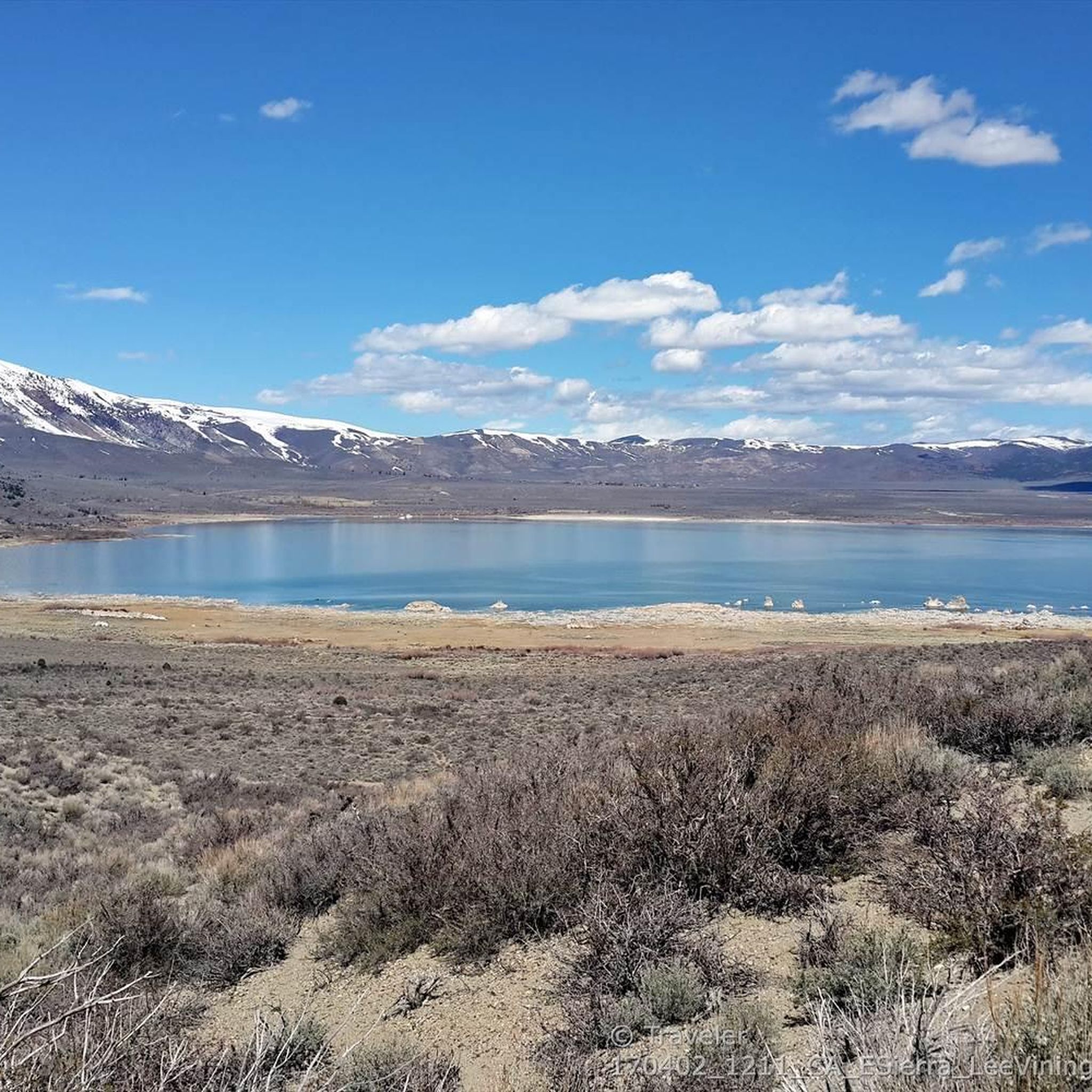
- Visitors also love Mono Lake Tufa State Natural Reserve, a lake known for its spectacular tufa towers. This reserve protects calcium-carbonate spires and knobs formed by the interaction of freshwater springs and alkaline lake water.
- Mono City is known for its unique lakes, volcanic features, and scenic trails. Visitors can explore a variety of natural monuments, from saline lakes with tufa formations to volcanic craters and alpine basins.
- The natural monuments around Mono City are appreciated by the komoot community, with 7 upvotes and 16 photos shared by visitors.
Last updated: September 29, 2026
Mono Basin Scenic Area Visitor Center
Highlight • Rest Area
Displays explain the unique biology of the salty, alcaline water, the purchase of all water rights of the valley by the water-hungry city of Los Angeles and the drastic dropping of lake water levels after completion of the celebrated Mulholland system of canals and pipe tunnels that dried out the lake and the entire Owens valley downstream in favor of the far-away metropolis. Legal battles led to small compromises in the 1990s to raise lake levels slightly and keep minimal water for local use, but it is far from sufficient to restore the damaged natural balance.
Tip by

Mono Lake Tufa State Natural Reserve
Highlight • Lake
parks.ca.gov/?page_id=514
Tip by
Sign up now to discover places like this
Get recommendations on the best single tracks, peaks, & plenty of other exciting outdoor places.
Shepherds' Mono Tufa Cave
Highlight • Cave
Tip by
Black Point
Highlight • Volcano
Tip by

Tioga Peak
Highlight • Summit
Tip by
Sign up for free to discover even more natural monuments around Mono City.
Already have an account?
Start today with a free account
Your next adventure awaits.
Popular around Mono City
Tips from the Community

One of the many interesting rock formations in Mono Lake Tufa State Natural Reserve. The cave was used by shepherds as shelter while their cattle grazed in the nearby plains.
0
0

Tioga Peak is only two miles outside of Yosemite National Park. The peak and turn-around point of this hike is at 11526 ft. The high altitude climb may be slower going but the views pay off!
0
0
There are two ways to get to Black Point Volcano. On the west side, you take the easy to follow road around, but not quite to the summit. There is still a good view over Mono Lake and the Sierras. On the east side, you can take an unmarked route to the slot canyon and to the summit. Proper directional skills and equipment should be used for all route-finding.
0
0

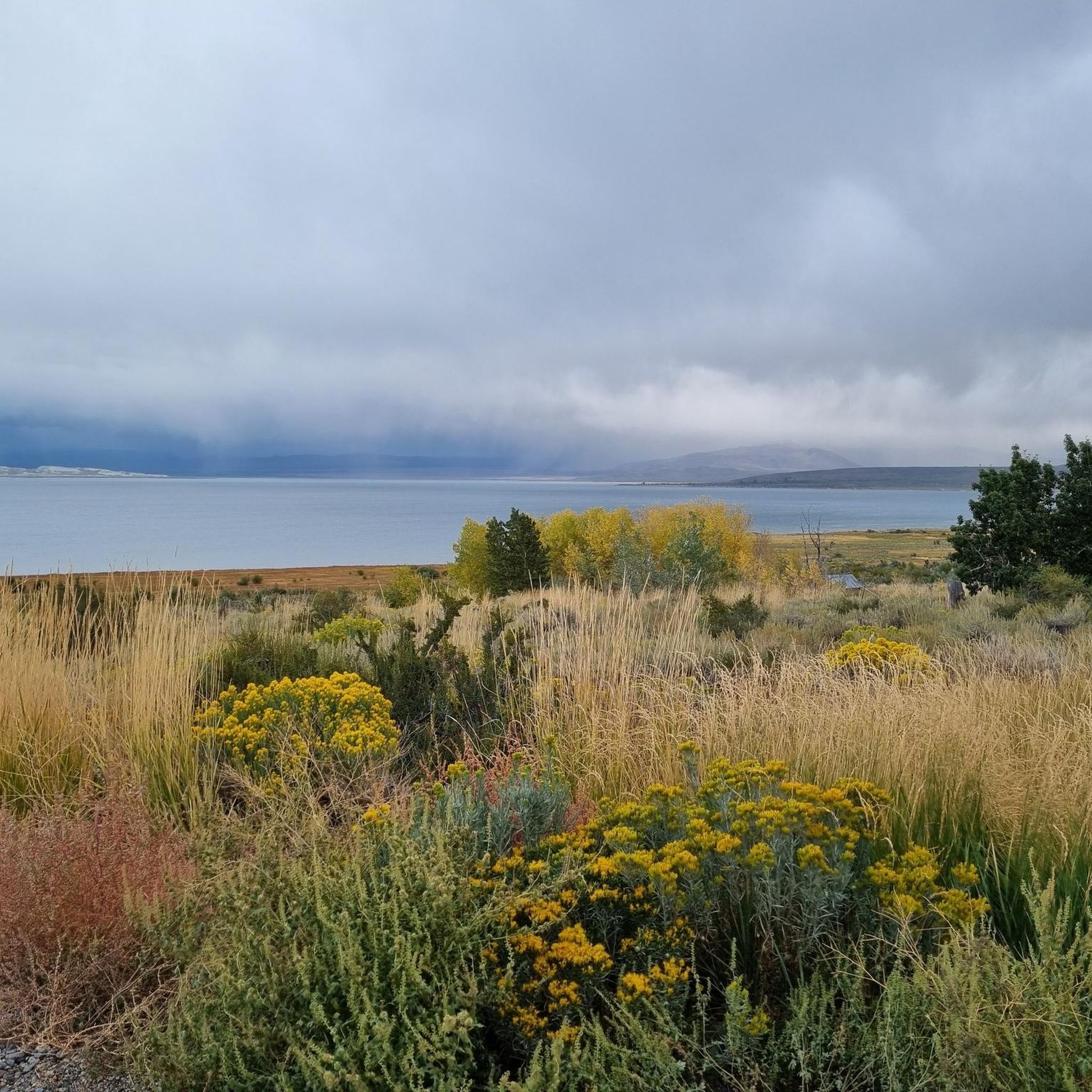
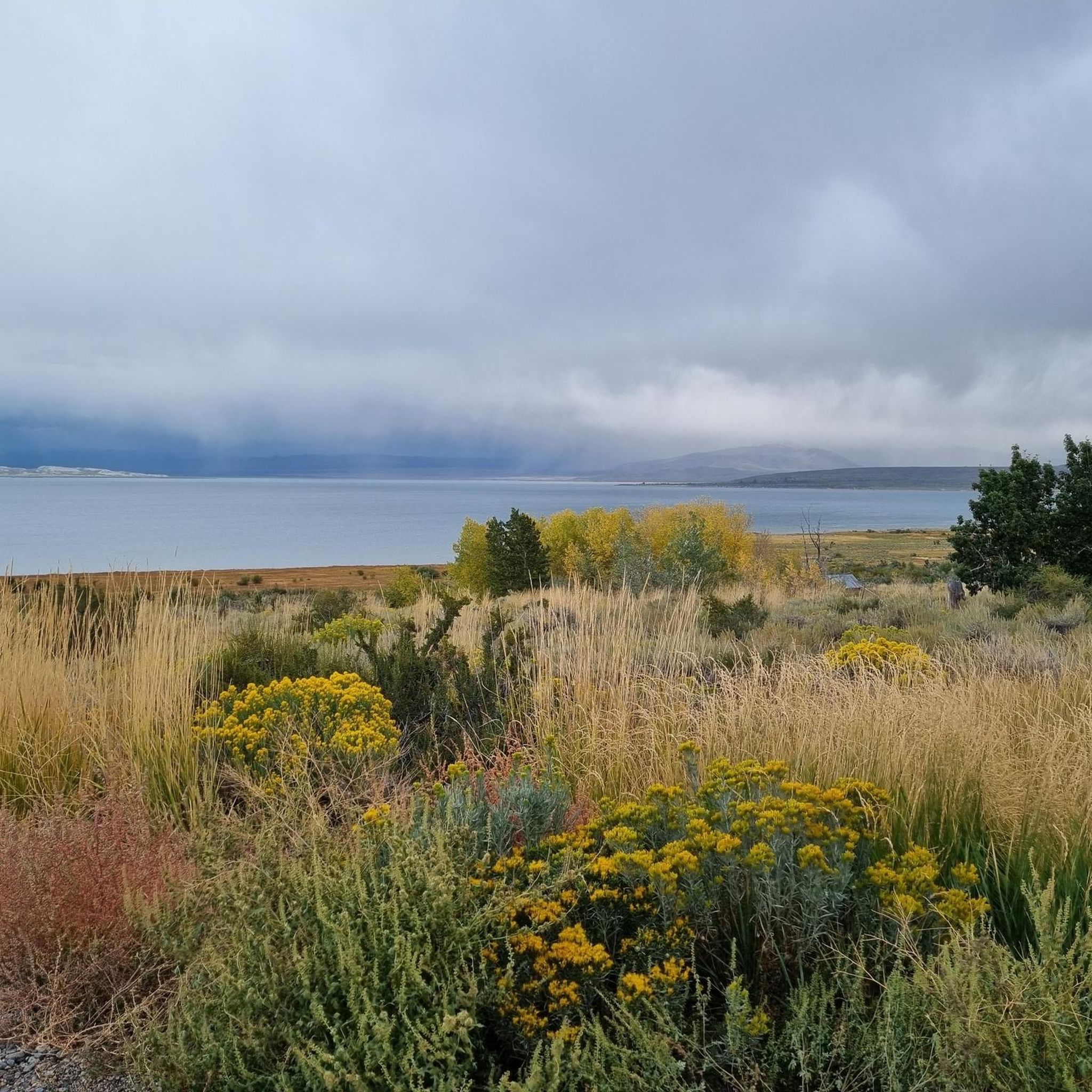
The alkaline salt lake at Lee Vining is a biotope of its own. Due to the high salt content and pH, there are many rare specialized animals, such as u.a. the salt flies. However, the city is disturbed by the city of Los Angeles in its natural sense, as the city taps into the freshwater inflows. As a result, the water level has dropped. Now begins a rethinking, hopefully in time.
2
0

The reserve was established to preserve the spectacular "tufa towers," calcium-carbonate spires and knobs formed by interaction of freshwater springs and alkaline lake water. It also protects the lake surface itself as well as the wetlands and other sensitive habitat for the 1 – 2 million birds that feed and rest at Mono Lake each year. Hiking, photography, bird watching, swimming, boating, and cross-country skiing are popular in and around the lake. http://www.parks.ca.gov/?page_id=514
0
0
Cool cave carved into the soft volcanic tufa rock near Mono Lake as shelter by shepherds grazing their livestock here in the last century.
3
0
Central visitor center serving the entire Mono Basin area. Usually closed in winter (Dec-Mar) with great info about Mono Lake, permits, and the trails in the adjacent Sierra Valleys between Tahoe, Yosemite, and Bishop. Displays explain the unique biology of the salty, alcaline water, the purchase of all water rights of the valley by the water-hungry city of Los Angeles and the drastic dropping of lake water levels after completion of the celebrated Mulholland system of canals and pipe tunnels that dried out the lake and the entire Owens valley downstream in favor of the far-away metropolis. Legal battles led to small compromises in the 1990s to raise lake levels slightly and keep minimal water for local use, but it is far from sufficient to restore the damaged natural balance.
5
0
Frequently Asked Questions
What are some unique natural features to explore around Mono City?
Mono City is renowned for its diverse natural features, including the otherworldly tufa towers of Mono Lake Tufa State Natural Reserve, which are calcium-carbonate spires formed by the interaction of freshwater springs and alkaline lake water. You can also explore volcanic landscapes like Panum Crater, a rhyolitic plug-dome volcano, or the dramatic Black Point volcano. The region also boasts picturesque alpine lakes such as those found along the June Lake Loop and within the Mammoth Lakes Basin.
Are there family-friendly natural monuments around Mono City?
Yes, several natural monuments are suitable for families. The Mono Lake Tufa State Natural Reserve offers easy interpretive trails, like the one-mile self-guided nature trail at South Tufa, and opportunities for birdwatching. The Mono Basin Scenic Area Visitor Center is also family-friendly, providing information and expansive views. The June Lake Loop offers numerous spots for picnicking, fishing, and easy strolls around the lakes.
What kind of wildlife can I spot around Mono City's natural monuments?
The natural monuments around Mono City are rich in wildlife. Mono Lake is a vital habitat for 1 to 2 million migratory birds, including California gulls, phalaropes, and grebes, which feed on brine shrimp and alkali flies. In the higher elevations and wilderness areas like the Hoover Wilderness, you might spot deer, various bird species, and smaller mammals. Keep an eye out for wildflowers in season, especially around alpine lakes.
When is the best time to visit the natural monuments around Mono City?
The best time to visit largely depends on the activities you plan. Summer (June to September) is ideal for hiking, boating, and exploring all areas, including the higher elevation lakes. Fall (October) offers spectacular autumn foliage, especially along the June Lake Loop, and pleasant hiking weather. Spring (April to May) brings wildflowers and fewer crowds, though some higher elevation roads and trails may still be snow-covered. Winter (November to March) transforms the area into a snowy wonderland, perfect for cross-country skiing and snowshoeing, though accessibility to some sites may be limited.
Are there any historical natural monuments in the Mono City area?
Yes, the Shepherds' Mono Tufa Cave is a notable historical natural monument. This cave, carved into soft volcanic tufa rock near Mono Lake, was historically used by shepherds for shelter while grazing livestock. Additionally, the obsidian found at Panum Crater highlights its historical importance, as early indigenous people used this volcanic glass for tools.
What are the best hiking opportunities near Mono City's natural monuments?
The region offers diverse hiking opportunities. You can find easy trails around Mono Lake Tufa State Natural Reserve, such as the Mono Lake Trail. For more challenging routes, consider the Rim Trail at Panum Crater for panoramic views or trails within the Mammoth Lakes Basin and Hoover Wilderness, like the Virginia Lakes Trail to Blue Lake. For a comprehensive list of hiking routes, you can explore the Hiking around Mono City guide.
What outdoor activities can I do near the natural monuments around Mono City?
Beyond hiking, the natural monuments around Mono City offer a wealth of outdoor activities. Mono Lake's saline waters provide unique buoyancy for swimming, and kayaking or canoeing are popular. The June Lake Loop and Mammoth Lakes Basin are excellent for fishing, boating, paddleboarding, and cycling. In winter, these areas transform into popular spots for skiing and snowshoeing. For cycling enthusiasts, check out the Road Cycling Routes around Mono City guide.
Where can I find information about permits or visitor services for the natural monuments?
The Mono Basin Scenic Area Visitor Center is the central hub for information. It provides insights into Mono Lake, permits, and trails in the adjacent Sierra Valleys. You can also find valuable information regarding the Mono Lake Tufa State Natural Reserve on the official California State Parks website: parks.ca.gov/monolake/.
Are there accessible natural monuments for visitors with limited mobility?
The Mono Basin Scenic Area Visitor Center offers accessible facilities and expansive views of Mono Lake. The South Tufa area of Mono Lake Tufa State Natural Reserve has a boardwalk trail that provides access to the tufa towers, making it more accessible for visitors with limited mobility. It's always recommended to check specific trail conditions and accessibility details before visiting.
Can I bring my dog to the natural monuments around Mono City?
While many outdoor areas in Mono County are dog-friendly, specific rules apply to natural monuments and protected areas. For instance, dogs are generally allowed on leash in many parts of the Mono Lake Tufa State Natural Reserve, but may be restricted from certain sensitive bird nesting areas or beaches. Always check local regulations for each specific monument or trail, and ensure your dog is on a leash and you clean up after them.
What is the Mammoth Lakes Basin known for?
The Mammoth Lakes Basin, located minutes from the town of Mammoth Lakes, is an outdoor enthusiast's paradise. It features over a dozen alpine lakes, including Twin Lakes, Lake Mary, and Lake George, nestled below jagged peaks. It's known for extensive opportunities for fishing, hiking, biking, and paddling across its numerous lakes and 50 miles of nature trails. In winter, it's a popular spot for cross-country skiing and snowshoeing.
Are there any less crowded natural monuments to visit around Mono City?
While popular sites like Mono Lake can draw crowds, you can find quieter experiences. Exploring the Hoover Wilderness, which includes serene spots like Blue Lake, often provides a more secluded experience, especially on less-traveled trails. Panum Crater, while popular, can offer moments of solitude, particularly if you venture onto the Rim Trail. Visiting during off-peak seasons (spring or late fall) or on weekdays can also help avoid larger crowds.
Most popular routes around Mono City
Most popular attractions around Mono City

Get inspired with the komoot mobile app


Explore more
Extend your search for the best caves by checking out these guides of the top ones around Mono City:
