Attractions and Places To See in Chippewa National Forest - Top 16
Best attractions and places to see in Chippewa National Forest include a vast natural area in northern Minnesota, characterized by over 1,300 lakes and 400,000 acres of wetlands. This forest lies at the intersection of three major vegetative communities, supporting diverse ecosystems and a significant bald eagle population. It features numerous archaeological sites, historic buildings, and places of cultural significance, many linked to the Ojibwe people. The region offers a variety of natural features and cultural sites for exploration.
Best attractions and places to see in Chippewa National Forest
- The most popular attractions is North Way Beach Visitor Center, a facilities highlight located near a beach. This visitor center serves as a starting point for the Migizi trail and offers information from rangers.
- Another must-see spot is Joyce Estate, a historical site built between 1917 and 1935. Known as Nopeming, meaning "place of rest" in Ojibwe, this estate once included over 40 buildings and is now a National Historic Site.
- Visitors also love Lost 40 Interpretive Trail, a trail winding through 300-400 year old pine trees. This unique area was spared from logging due to a surveying error in 1882 and is popular for birdwatching and wildlife viewing.
- Chippewa National Forest is known for its extensive lakes, historical sites, and diverse trail systems. Visitors can explore natural monuments, cultural landmarks, and family-friendly facilities throughout the region.
- The attractions in Chippewa National Forest are appreciated by the komoot community, with 4 upvotes and 3 photos shared by visitors.
Last updated: September 28, 2026
Shingobee Junction
Highlight • Trail
Tip by

North Way Beach Visitor Center
Highlight • Rest Area
You will get all the necessary information from the rangers. The place is only open in summer.
Translated by Google •
Tip by

Sign up now to discover places like this
Get recommendations on the best single tracks, peaks, & plenty of other exciting outdoor places.
Shingobee Recreation Area Chalet
Highlight • Mountain Hut
Tip by

Joyce Estate
Highlight • Historical Site
More information on the Joyce Estate and hiking trails near Trout Lake can be found at the National Park Service site: fs.usda.gov/Internet/FSE_DOCUMENTS/fseprd579120.pdf
Tip by
Mud Lake
Highlight • Lake
This grain, which can be damaged by high or irregular water flows, is ecologically and culturally important to the region.
Members of the Ojibwe tribe still harvest the traditional way today.
Translated by Google •
Tip by
Sign up for free to discover even more attractions in Chippewa National Forest.
Already have an account?
Start today with a free account
Your next adventure awaits.
Other adventures in Chippewa National Forest

Tips from the Community

This visitor center is located near a beach and is the starting point of the Migizi trail. It may be a good idea to further explore the shores and forests of Pike Bay Lake along its paths. You will get all the necessary information from the rangers. The place is only open in summer.
0
0
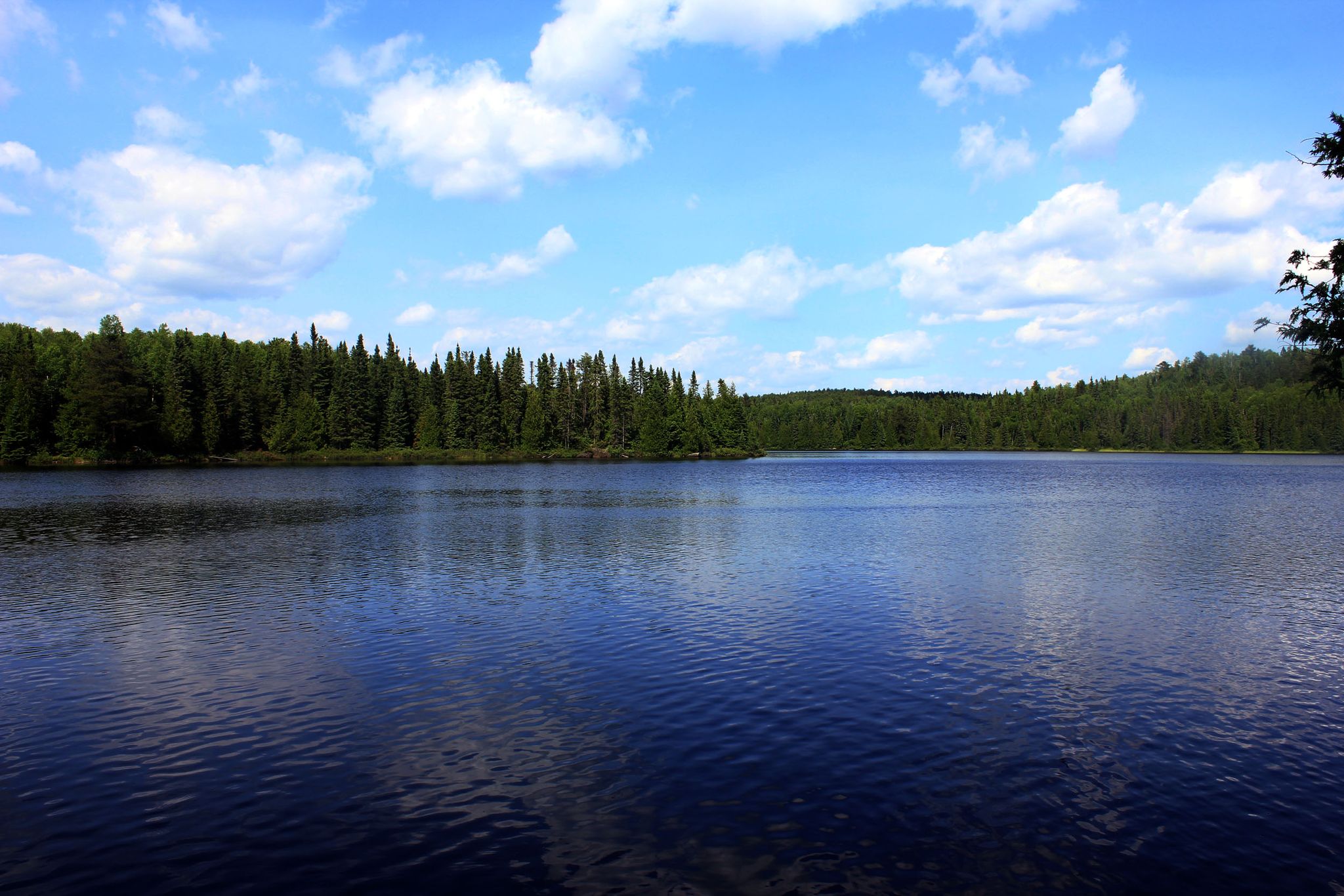
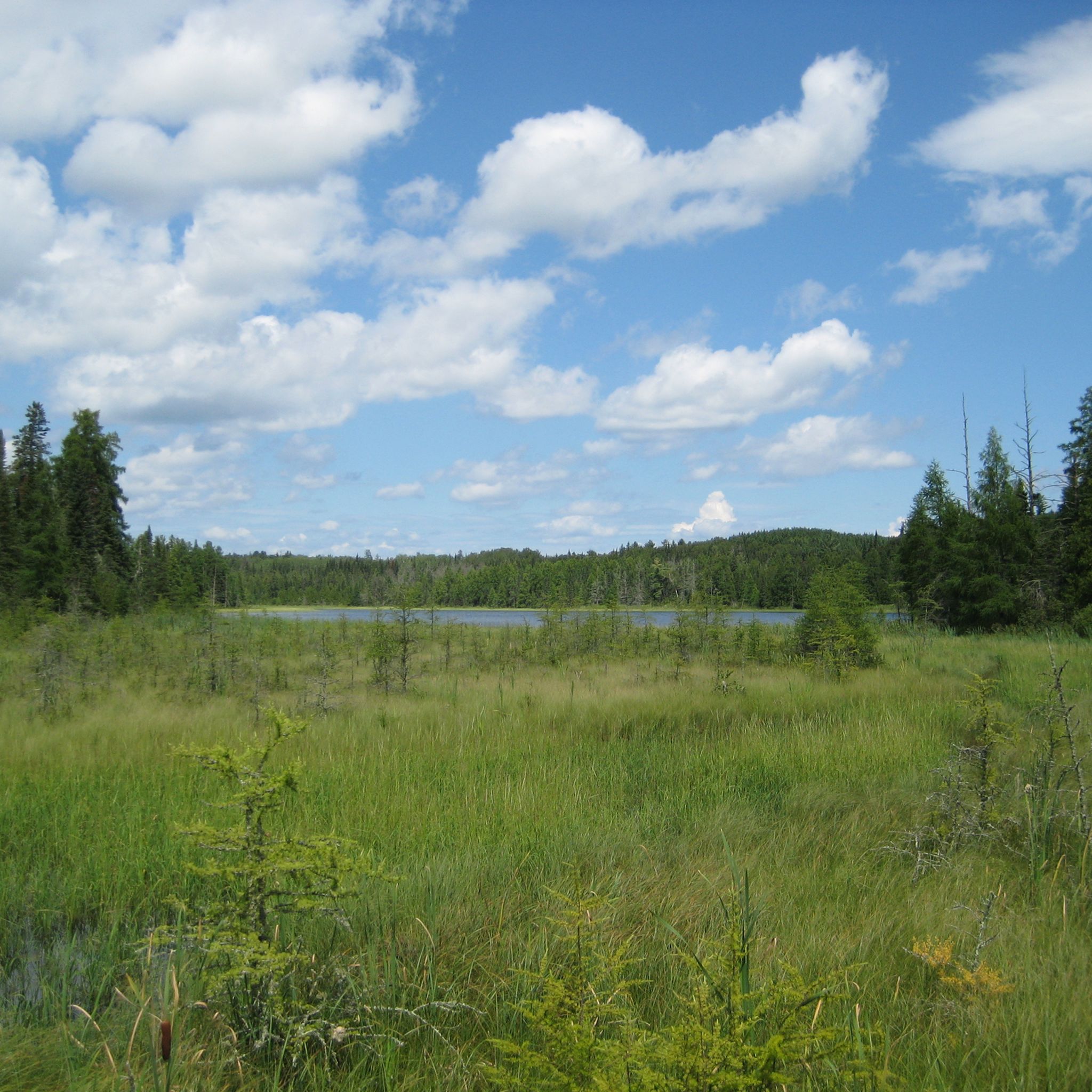
The combined Mud and Goose Lakes, which are adjacent to each other on the Leech River, represent the third largest wild rice harvest acreage in Minnesota. This grain, which can be damaged by high or irregular water flows, is ecologically and culturally important to the region. Members of the Ojibwe tribe still harvest the traditional way today.
1
0

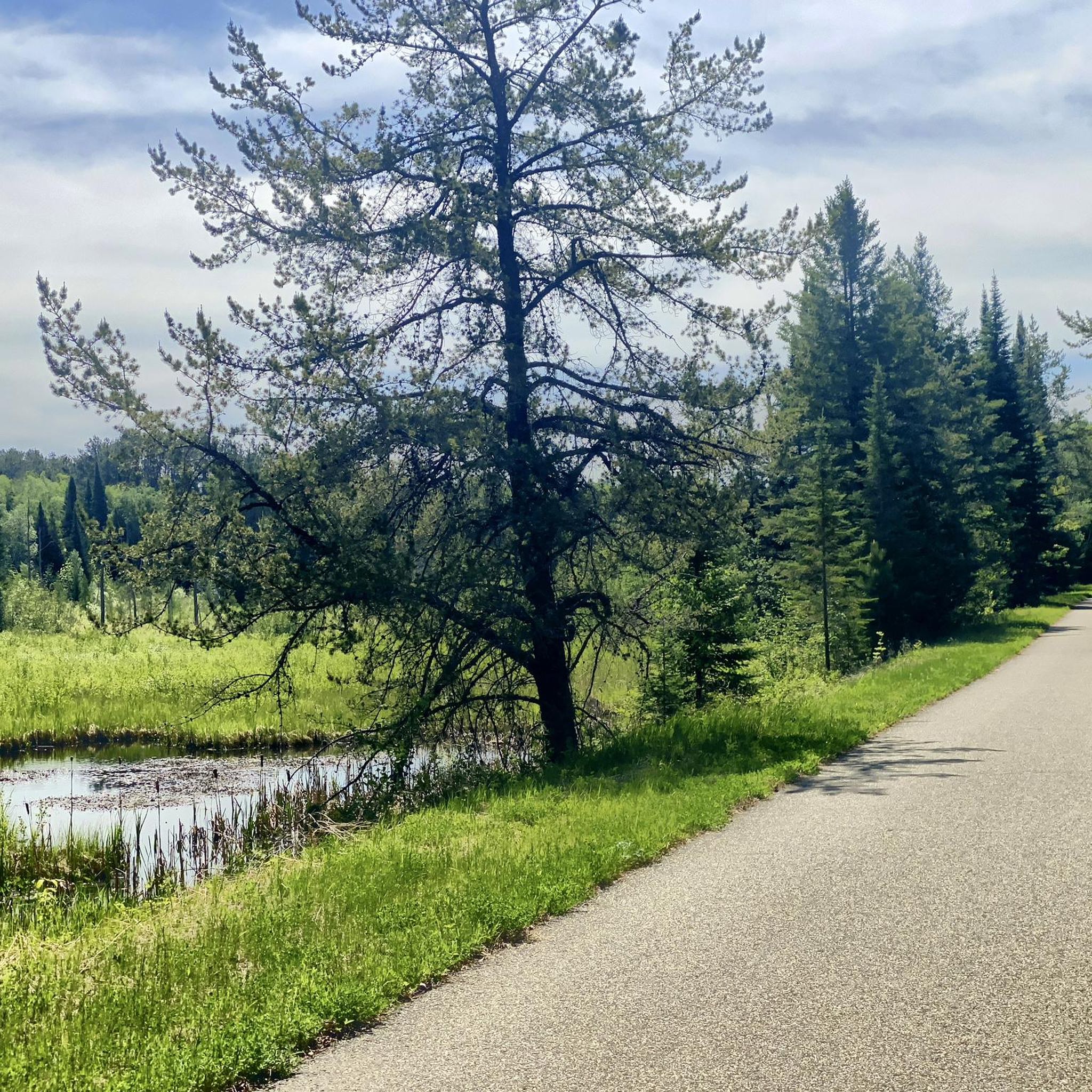
This is the Junction of the Paul Bunyan Trail, heading west toward Akeley, Minnesota and the Shingobee Trail, heading north to Walker, Minnesota.
3
0

The Shingobee Recreation Area is a great spot for hiking, snowshoeing, and skiing. Public restrooms are available. If you come here for a winter hike with kids consider bringing a sled for the sledding hill! The warming chalet is open for winter activities, though it may be temporarily closed for Covid.
0
0
The Joyce Estate was built between 1917 and 1935 by lumber baron David Joyce. The estate included a golf course, airplane hangar, and over 40 buildings. The family called it Nopeming, meaning "place of rest" in Ojibwe, and used the estate until 1972. More information on the Joyce Estate and hiking trails near Trout Lake can be found at the National Park Service site: https://www.fs.usda.gov/Internet/FSE_DOCUMENTS/fseprd579120.pdf
0
0
Frequently Asked Questions
What are some popular natural features to explore in Chippewa National Forest?
The forest is renowned for its vast natural beauty, including over 1,300 lakes and 400,000 acres of wetlands. You can visit Lost 40 Interpretive Trail, which features ancient 300-400 year old pine trees, perfect for birdwatching and wildlife viewing. Another significant natural area is Mud Lake, known for its wild rice harvest and cultural importance to the Ojibwe people. The forest also boasts a high population of bald eagles, especially near larger lakes and the Mississippi River.
Are there historical sites to visit in Chippewa National Forest?
Yes, the forest is rich in history. You can explore the Joyce Estate, a National Historic Site built by lumber baron David Joyce, which once comprised over 40 buildings. Another significant site is Camp Rabideau, one of the best-preserved Civilian Conservation Corps (CCC) camps. The Old Cut Foot Sioux Ranger Station, built in 1908, was the first ranger station east of the Mississippi River.
What kind of hiking trails can I find in Chippewa National Forest?
Chippewa National Forest offers hundreds of miles of diverse trails. For easy hikes, consider routes like the Hiking Club Trail or the Norway Beach Nature Trail. You can find more options and details in the Easy hikes in Chippewa National Forest guide. The Lost 40 Interpretive Trail is a popular one-mile loop through old-growth pines, suitable for families.
Are there family-friendly attractions in Chippewa National Forest?
Absolutely! The North Way Beach Visitor Center is a great starting point, located near a beach on Cass Lake, offering ranger information and access to the Migizi Trail. The Lost 40 Interpretive Trail is also family-friendly, providing an easy walk through ancient forests. Many lakes offer opportunities for swimming, boating, and fishing, which are popular family activities.
What are the best opportunities for wildlife viewing in the forest?
Chippewa National Forest is a prime location for wildlife viewing. It hosts the highest breeding population of Bald Eagles in the lower 48 states, with over 150 pairs often seen near larger lakes. Other wildlife includes black bears, timber wolves, white-tailed deer, moose, loons, and osprey. Dawn and dusk are generally the best times for spotting animals.
Can I go cycling in Chippewa National Forest?
Yes, the forest provides excellent cycling opportunities. The Migizi Trail is a 19-mile paved loop around Pike Bay, ideal for biking. The Heartland Trail, a 50-mile paved trail, also passes through the area. For more road cycling routes, you can check the Road Cycling Routes in Chippewa National Forest guide.
What is the significance of Mud Lake and Goose Lake?
Mud Lake and Goose Lake are ecologically and culturally significant as they represent the third-largest wild rice harvest acreage in Minnesota. This grain is traditionally harvested by members of the Ojibwe tribe, highlighting the deep cultural heritage of the region.
Where can I find visitor information and facilities?
The North Way Beach Visitor Center, located near a beach on Cass Lake, is an excellent place to get information from rangers. It also serves as a starting point for the Migizi trail. The Chippewa National Forest Supervisor's Office, a historic log lodge built by the CCC, also provides information.
What unique natural areas should I visit in the forest?
Don't miss the Lost 40 Interpretive Trail, a Minnesota Scientific and Natural Area where 300-400 year old red and white pines were preserved due to a surveying error. This unique ecosystem offers a glimpse into the region's ancient forests.
Are there any scenic drives in Chippewa National Forest?
Yes, several scenic byways wind through the forest, offering beautiful views. These include the Lake Country Scenic Byway, Edge of the Wilderness National Scenic Byway, Avenue of the Pines State Scenic Byway, and Ladyslipper Scenic Byway, providing picturesque routes to explore the diverse landscapes.
What is the best time of year to visit Chippewa National Forest?
The best time to visit depends on your interests. Summer is ideal for water activities like fishing, boating, and swimming, with visitor centers like North Way Beach Visitor Center open. Spring and fall offer excellent opportunities for hiking, birdwatching, and enjoying wildflowers or autumn foliage. Winter provides opportunities for cross-country skiing and snowshoeing.
What is the significance of the Chippewa National Forest to the Ojibwe people?
The Chippewa National Forest holds deep cultural significance for the Ojibwe people, who have inhabited the area for over 10,000 years. The forest was formed from lands set aside for the Leech Lake Band of Ojibwe, with 90% of the Leech Lake Indian Reservation overlapping the forest. There are over 3,000 heritage sites, and traditional practices like wild rice harvesting at Mud Lake continue today.
Most popular routes in Chippewa National Forest
Most popular attractions in Chippewa National Forest

Get inspired with the komoot mobile app


Explore more
Still not found the Highlight you’re looking for? See guides of the top attractions in other regions:
