The best cycling routes around Gaasperplas
4.4
(3481)
45,044
riders
639
rides
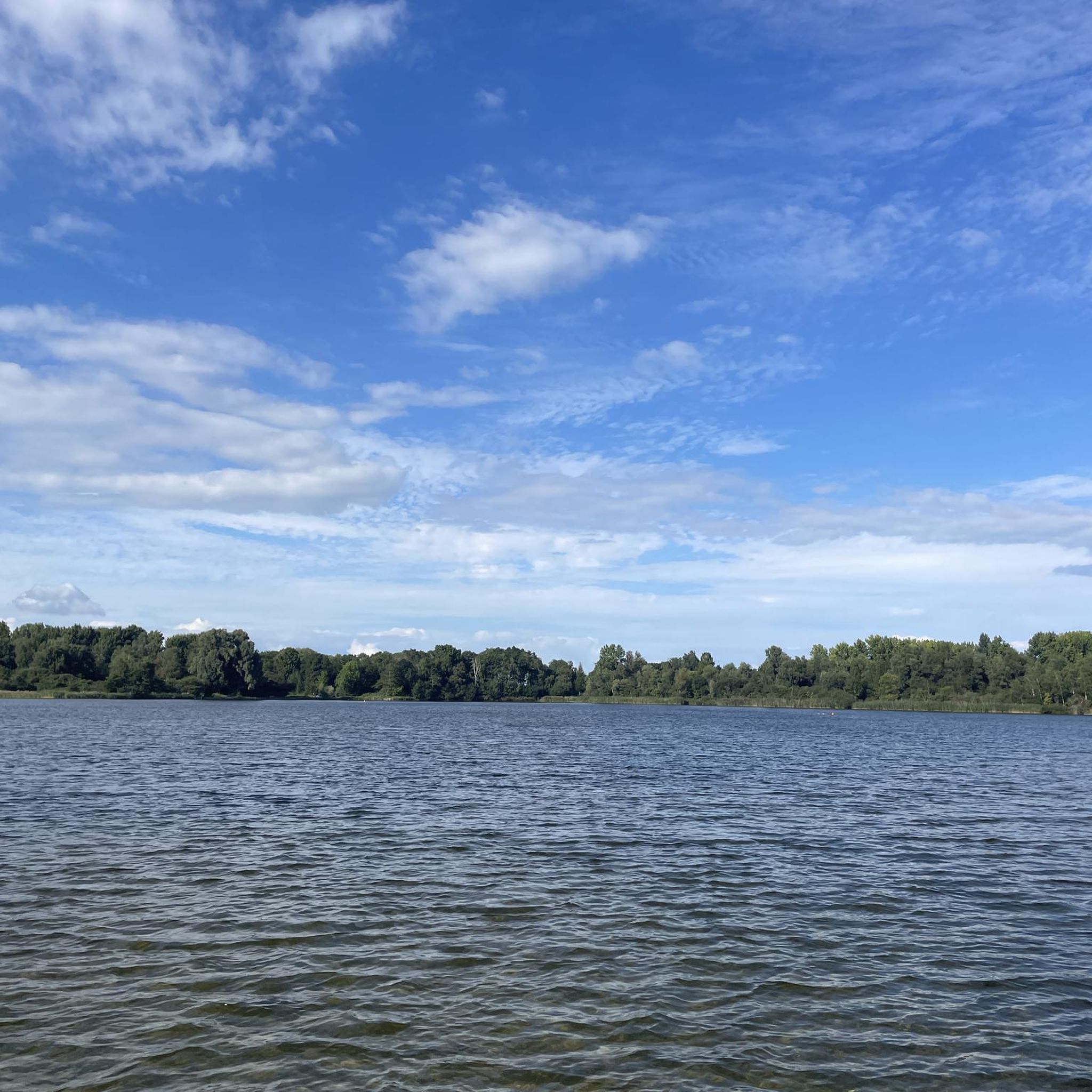
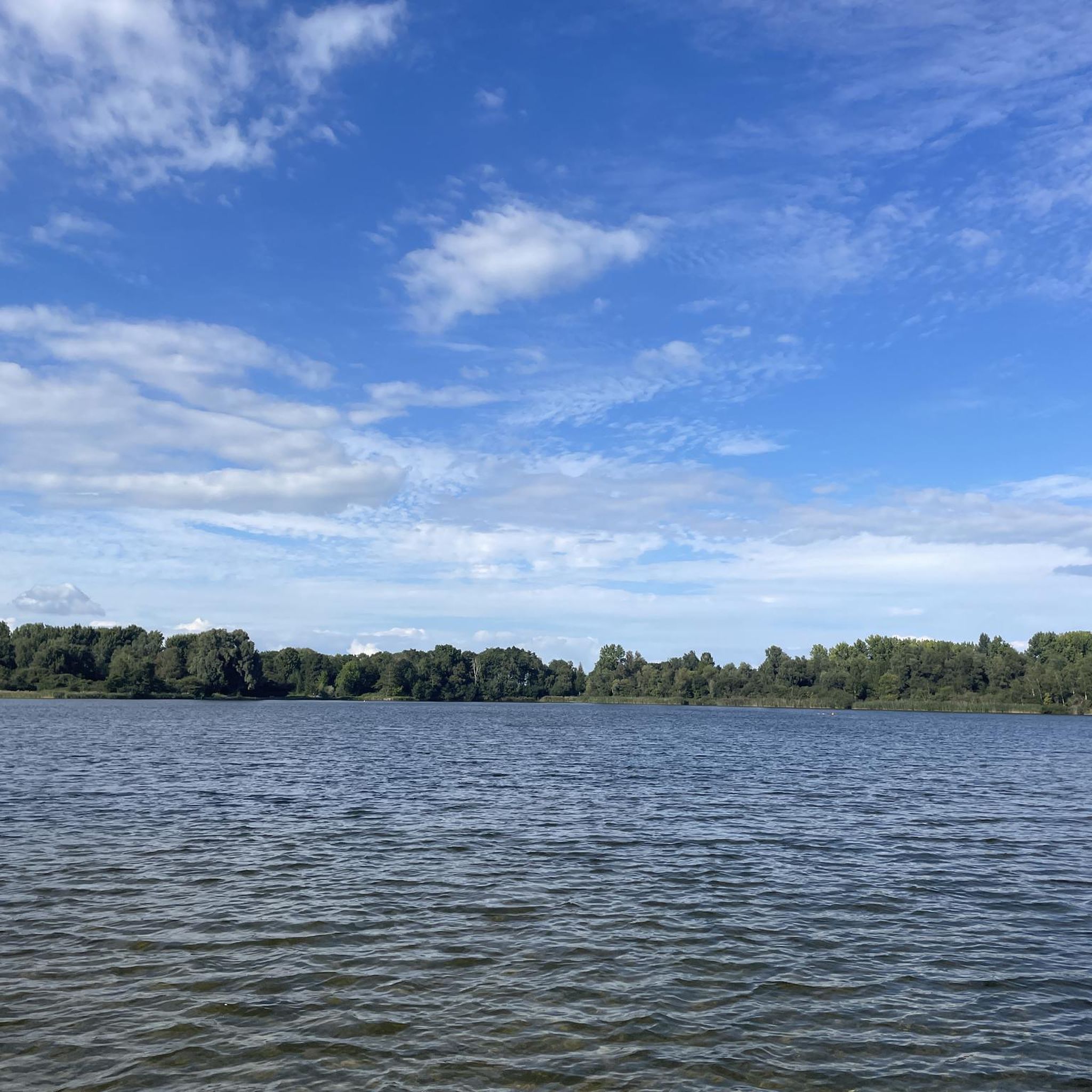
Touring cycling around Gaasperplas centers on an artificial lake surrounded by extensive public parks and woodlands. The area features mostly flat terrain with numerous paved paths, making it suitable for easy rides. These routes often extend beyond the immediate park, connecting to the city center of Amsterdam and showcasing its skyline and canals. The landscape is characterized by blue-green waters and lush green spaces, providing a serene backdrop for outdoor activities.
Best touring cycling routes around Gaasperplas
- The most popular touring cycling route is Magere Brug (Skinny Bridge) – VOC Ship Amsterdam loop from Gaasperplas, a 15.8 miles (25.4 km) trail that takes 1 hour 34 minutes to complete. This route connects the natural setting of Gaasperplas with iconic Amsterdam landmarks.
- Another top favourite among local touring cyclists is Skyline of Amsterdam – Amsterdam Canals loop from Gaasperplas, an easy 13.8 miles (22.3 km) path. This route offers views of the city's skyline and canals, departing from the park's green spaces.
- Local touring cyclists also love the Baambrugge Village Drawbridge – Liniebrug Nigtevecht loop from Gaasperplas, a 22.4 miles (36.1 km) trail leading through varied landscapes including villages and waterways, often completed in about 2 hours 5 minutes.
- Touring cycling around Gaasperplas is defined by its artificial lake, public parks, and connecting routes to urban centers. The network offers options for different ability levels, from short loops within the park to longer journeys into the surrounding region.
- The routes in Gaasperplas are highly rated by the komoot community with an average score of 4.5 stars from over 3700 reviews. More than 47000 touring cyclists have used komoot to explore Gaasperplas's varied terrain.
Last updated: July 1, 2026
4.4
(18)
148
riders
Easy bike ride. Great for any fitness level. Mostly paved surfaces. Suitable for all skill levels.
4.8
(4)
77
riders
22.3km
01:19
40m
40m
Easy bike ride. Great for any fitness level. Mostly paved surfaces. Suitable for all skill levels.

Sign up for free
5.0
(4)
58
riders
16.1km
00:58
30m
30m
Easy bike ride. Great for any fitness level. Mostly paved surfaces. Suitable for all skill levels.
4.9
(7)
38
riders
6.82km
00:25
10m
10m
Easy bike ride. Great for any fitness level. Mostly paved surfaces. Suitable for all skill levels.
4.8
(4)
23
riders
Moderate bike ride. Good fitness required. Mostly paved surfaces. Suitable for all skill levels.
Get access to more routes and recommendations from other explorers.
Sign up for free
Already have an account?
Our route recommendations are based on thousands of hikes, rides, and runs completed by other people on komoot.
Start today with a free account
Your next adventure awaits.
Login or Signup

Tips from the Community

For over 100 years, Oosterpark has been a place for residents and visitors of Amsterdam East to relax, exercise, and socialize. https://www.amsterdam.nl/leefomgeving/parken-recreatiegebieden/oosterpark/
1
0

The cast-iron bridge dates from 1877 and was built by the iron foundry "De Prins van Oranje" from The Hague. The bridge, which has a limited load-bearing capacity, connects the Rijksstraatweg and Zand en Jaagpad with Brugstraat. The rising section consists of two cast-iron posts supporting an openwork cast-iron hammer. The entire structure has been listed in the national monuments register since 2001. (https://nl.wikipedia.org/wiki/Dorpsbrug_Baambrugge)
3
0
A nice little town with a few places to eat and the usual shops. Unfortunately, there's quite a lot of traffic.
2
0

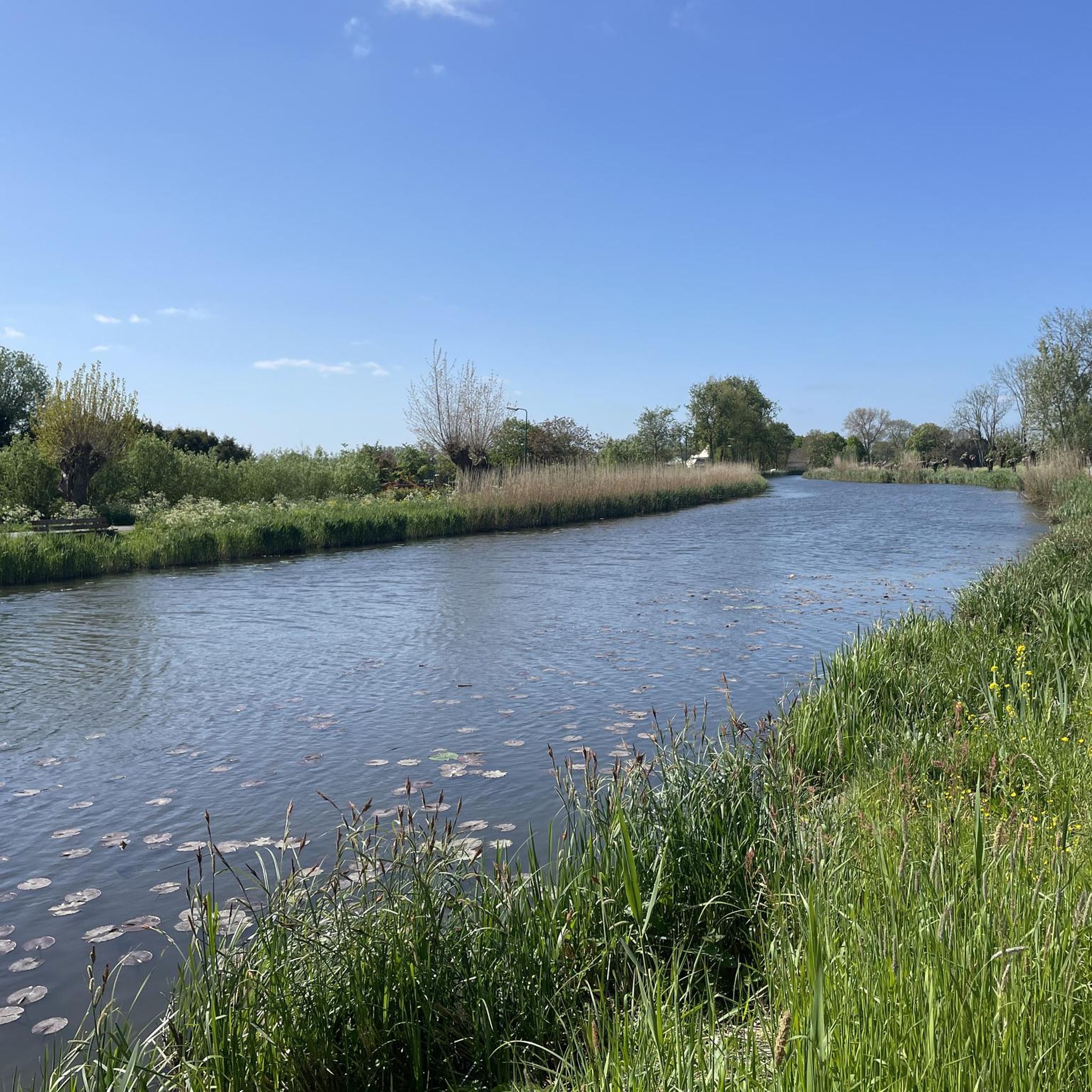
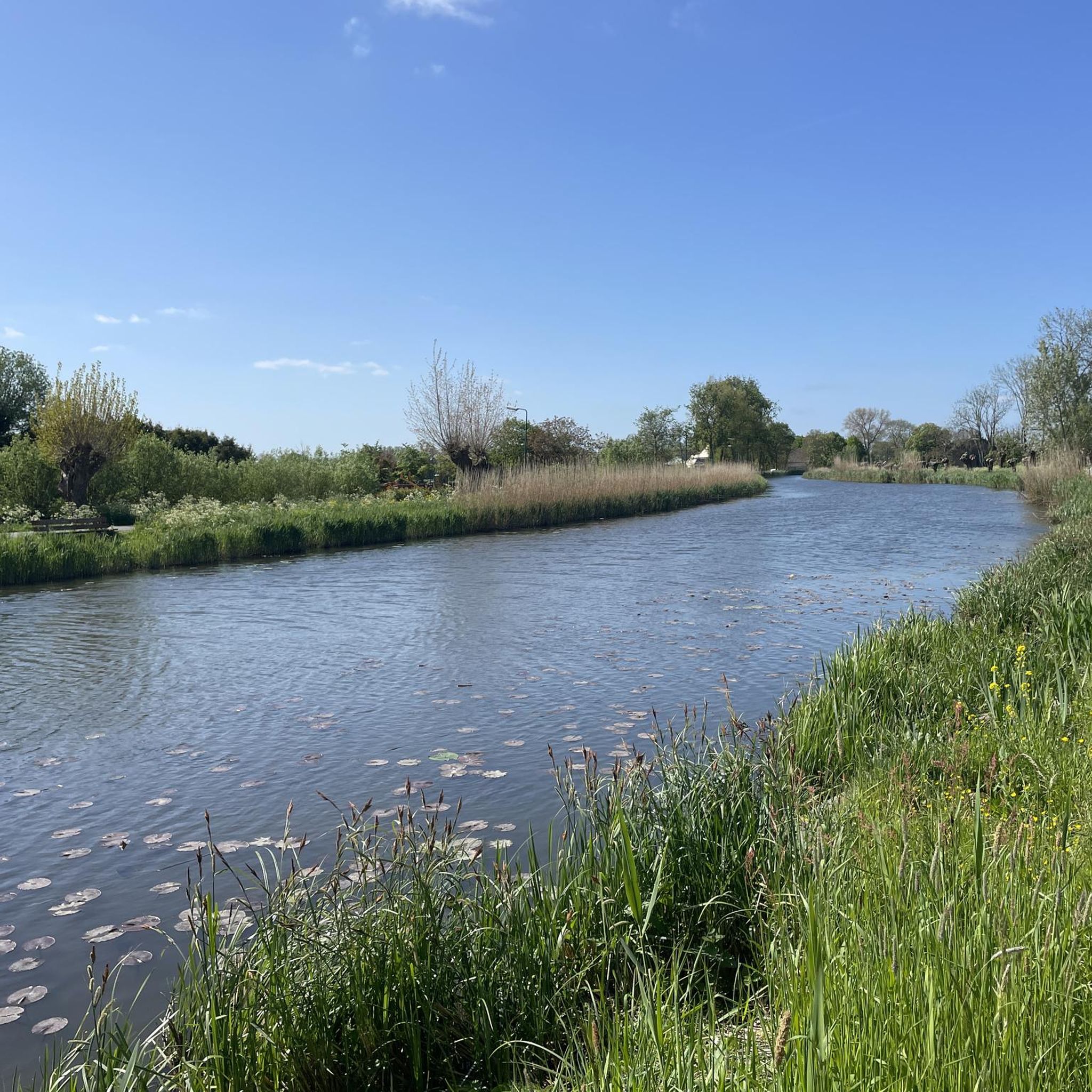
Amsterdam has an extensive network of canals and numerous bridges. The city has more bridges than Paris (over 1,281) and is a UNESCO World Heritage Site because of its canals and bridges.
1
0


Nice cafe, pretty building and some grueling history, if you ask for it...
0
0


Frequently Asked Questions
What kind of terrain can I expect on touring cycling routes around Gaasperplas?
The touring cycling routes around Gaasperplas are predominantly flat, featuring mostly paved paths. The area is characterized by extensive public parks and woodlands surrounding an artificial lake, offering a serene and picturesque backdrop for your ride. Some routes extend beyond the immediate park, connecting to urban centers like Amsterdam, where you'll encounter cityscapes and canals.
Are there many easy touring cycling routes in Gaasperplas for beginners?
Yes, Gaasperplas is very suitable for beginners. Out of over 600 touring cycling routes available, more than 450 are rated as easy. These routes offer gentle rides on mostly paved surfaces, perfect for those new to touring cycling or looking for a relaxed experience. An example of an easy route is the Gaasperplaspad loop from Gaasperplas, which keeps you within the park's scenic surroundings.
What are some interesting landmarks or natural features to see while cycling around Gaasperplas?
Gaasperplas itself is an artificial lake surrounded by lush green spaces, offering blue-green waters and quiet corners. You can spot swans and various duck species. For specific points of interest, consider visiting the South Shore Beach, Gaasperplas for a break, or the unique Artwork “The Window of the Water”. Many routes also extend to iconic Amsterdam landmarks like the Skinny Bridge or offer views of the city's skyline and canals.
Are there any circular touring cycling routes around Gaasperplas?
Yes, there are several circular touring cycling routes available. These loops allow you to start and end your ride at the same point, making logistics easier. A popular option that stays within the park is the Gaasperplaspad loop from Gaasperplas. Other circular routes extend further, connecting the park with surrounding villages or city attractions.
Can I bring my dog on the touring cycling routes in Gaasperplas?
Yes, Gaasperplas is generally dog-friendly. The park features a dedicated Dog Meadow at Gaasperplas with a small beach, perfect for your canine companion. While cycling, ensure your dog is on a leash and that you adhere to any local regulations regarding pets in public spaces. Many of the wide, paved paths are suitable for cycling with a dog alongside.
What is the best time of year to go touring cycling in Gaasperplas?
Gaasperplas is enjoyable for touring cycling throughout much of the year. Spring and summer offer pleasant weather for exploring the lush green spaces and enjoying the lake. The park also hosts seasonal events during warmer months. While winter cycling is possible, be mindful of colder temperatures and potential icy conditions on paths. The natural beauty of the park and its connection to urban routes make it appealing in various seasons.
Are there family-friendly touring cycling routes suitable for children?
Absolutely. Gaasperplas is an excellent destination for family cycling. The park's extensive network of over 5 kilometers of mostly paved, flat paths provides a safe and enjoyable environment for children. Many of the easy-rated routes are perfect for families. The area also offers facilities like a public beach and designated areas for family gatherings, making it a great day out for all ages.
Where can I park my car when visiting Gaasperplas for a cycling trip?
Gaasperplas is well-equipped with parking facilities. There are designated parking areas around the park, making it convenient to access the cycling routes. Given its location in Amsterdam-Zuidoost, it's easily accessible by car, and you'll find spots to park before starting your touring cycling adventure.
How can I reach Gaasperplas using public transport?
Gaasperplas is conveniently located in Amsterdam-Zuidoost and is easily accessible by public transport. You can reach the area via metro or bus services, which have stops close to the park. This makes it a great option for those who prefer not to drive or are visiting from the city center.
What do other touring cyclists enjoy most about cycling in Gaasperplas?
The touring cycling experience around Gaasperplas is highly rated by the komoot community, with an average score of 4.5 stars from over 3,700 reviews. Cyclists often praise the area for its diverse landscapes, combining serene natural parks with routes that connect to iconic Amsterdam landmarks. The abundance of easy, paved paths and the opportunity to explore both nature and urban sights are frequently highlighted as key attractions.
Are there any longer touring cycling routes that extend beyond the immediate Gaasperplas area?
Yes, many touring cycling routes from Gaasperplas extend into the wider region, offering longer journeys. For example, the Baambrugge Village Drawbridge – Liniebrug Nigtevecht loop from Gaasperplas is a moderate 22.4-mile (36.1 km) trail that leads through varied landscapes, including charming villages and waterways. Another option is the Lange Vecht Bridge, Weesp – Weesp loop from Gaasperplas, which takes you to the historic town of Weesp.
Most popular routes around Gaasperplas
Most popular attractions around Gaasperplas

Get inspired with the komoot mobile app


Explore more
Browse the best Cycling routes in other regions.
