Attractions and Places To See around Carbajales De Alba - Top 17
Attractions and places to see around Carbajales De Alba include historical landmarks, cultural sites, and natural features in the province of Zamora. This village, capital of the Tierra de Alba region, is known for its traditional architecture and rich embroidery heritage. The surrounding area features significant natural beauty, including large reservoirs and natural parks. Visitors can explore a blend of historical sites and outdoor activities.
Best attractions and places to see around Carbajales De Alba
- The most popular attractions is…
Last updated: August 22, 2026
Ricobayo Dam
Highlight (Segment) • Monument
Completed in 1934, it was …
Translated by Google •
Tip by

Church of San Pedro de la Nave
Highlight • Religious Site
Translated by Google •
Tip by
Sign up now to discover places like this
Get recommendations on the best single tracks, peaks, & plenty of other exciting outdoor places.
Sign up for free
Ricobayo Reservoir
Highlight • Lake
Translated by Google •
Tip by

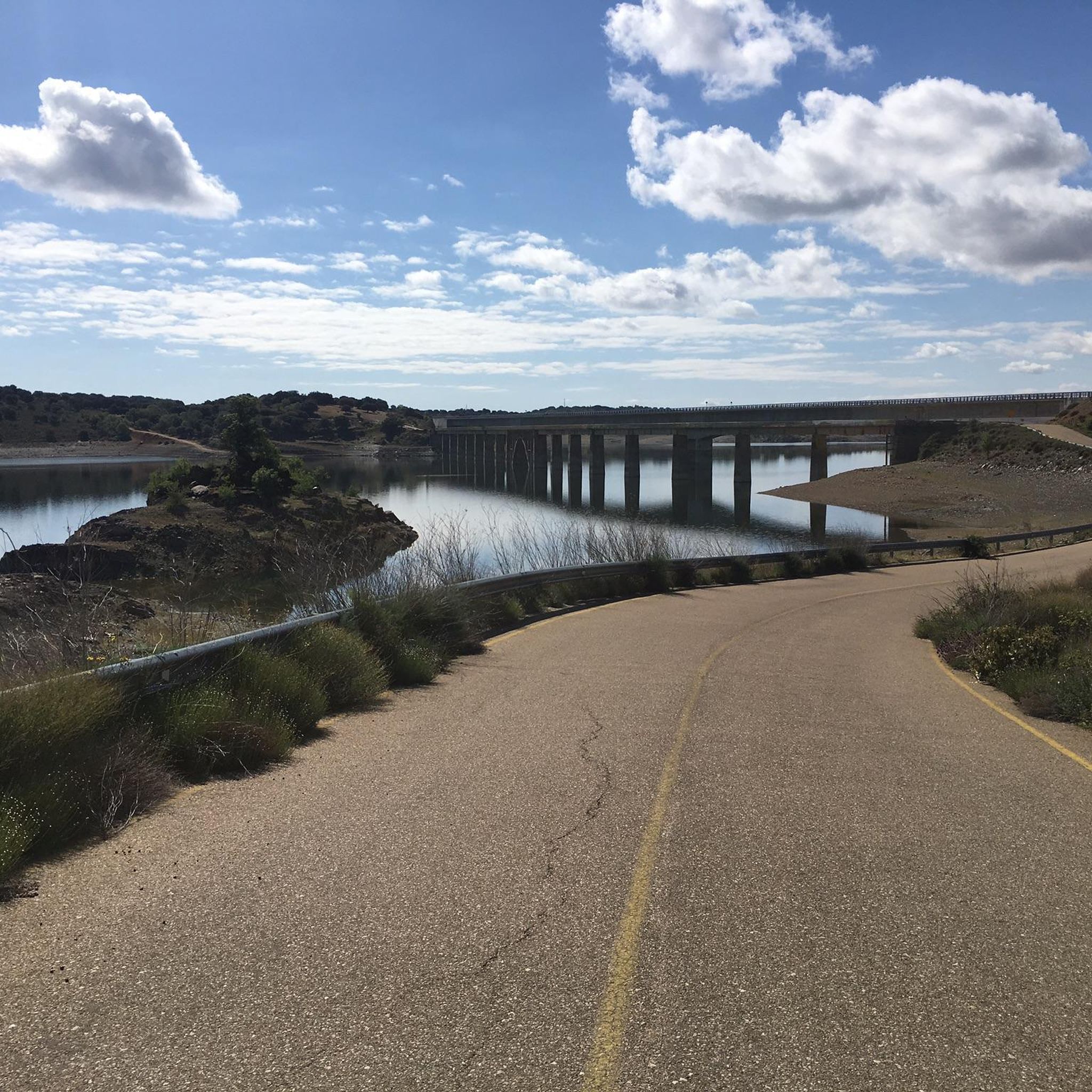
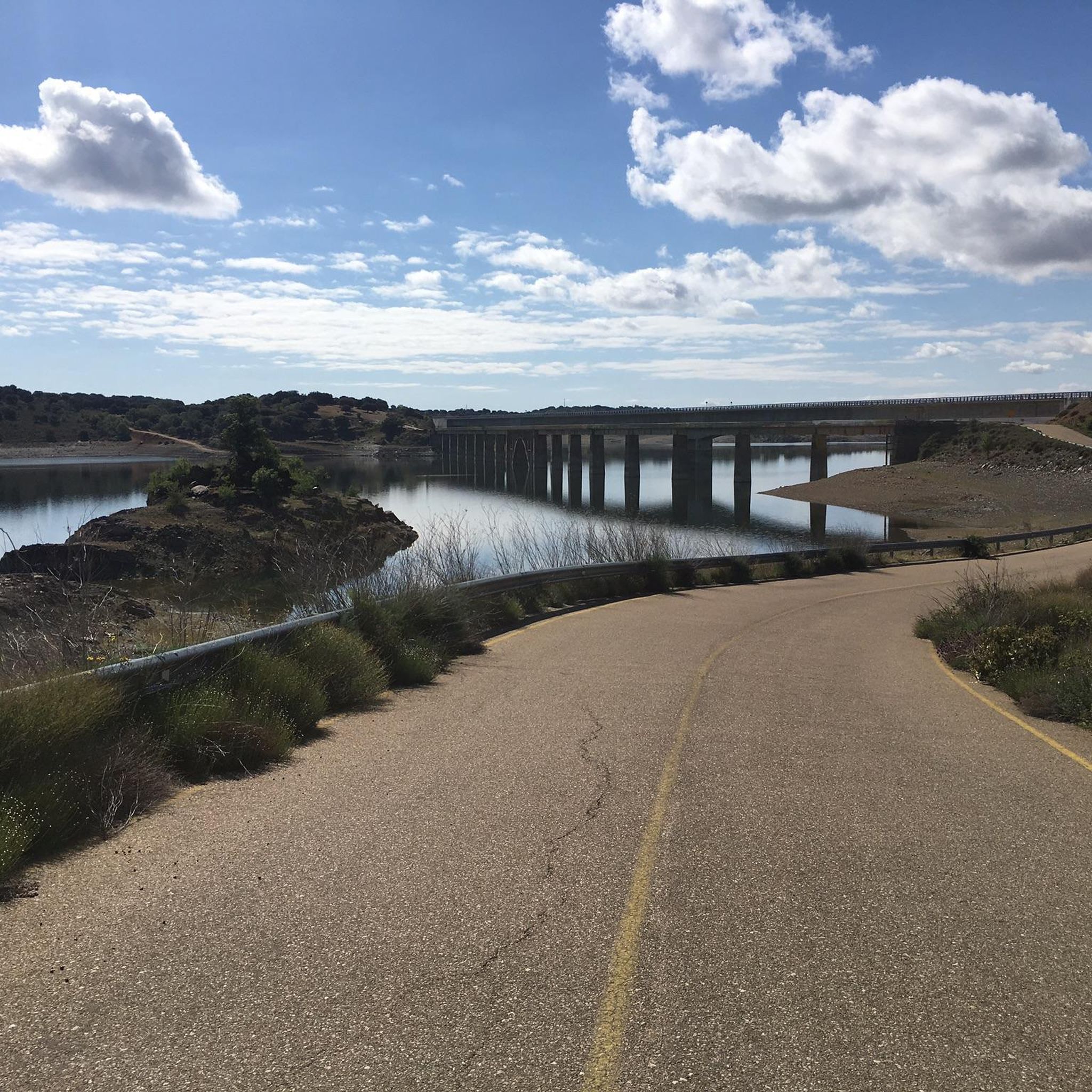
Valdoradas Bridge
Highlight • Bridge
Translated by Google •
Tip by
Cadozos Waterfall
Highlight • Waterfall
Translated by Google •
Tip by
Sign up for free to discover even more attractions around Carbajales De Alba.
Sign up for free
Already have an account?
Start today with a free account
Your next adventure awaits.
Login or Signup
Tips from the Community

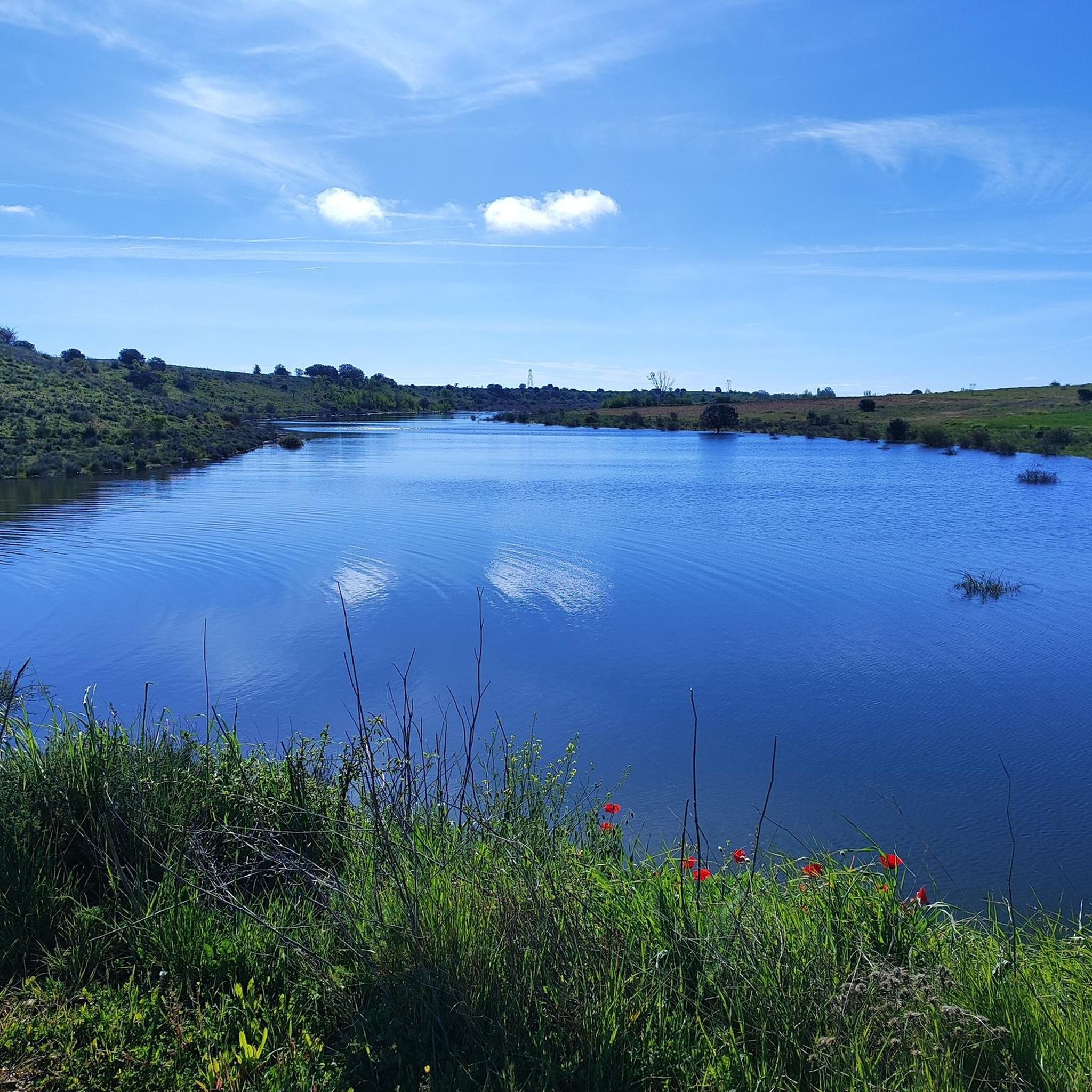
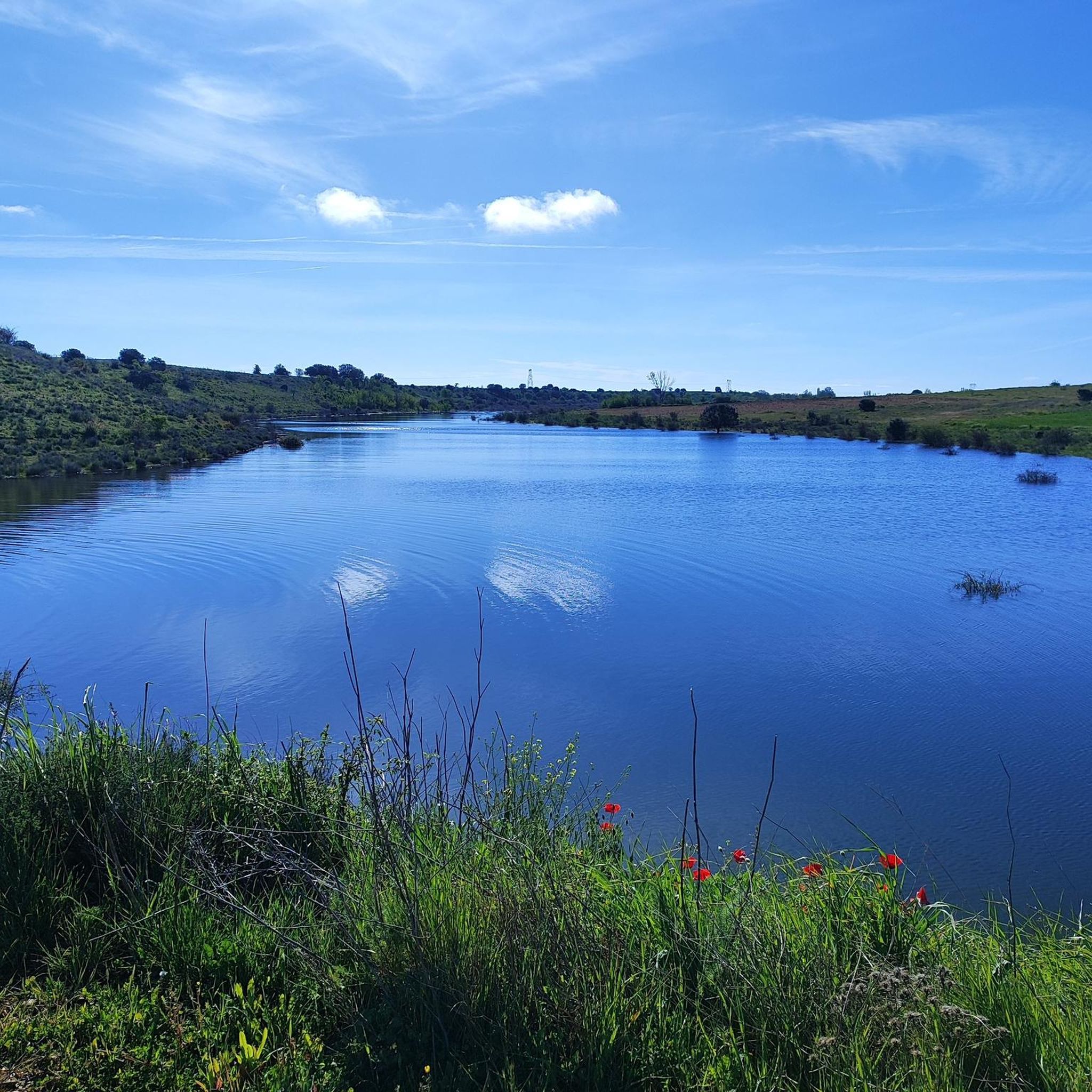
What to see and do Viewpoints: There are scenic viewpoints along the road and in the surrounding area offering views of the dam and reservoir. Ricobayo Reservoir: Ideal for water sports, fishing, and hiking. Natural surroundings: Very close to the Arribes del Duero Natural Park, with its spectacular landscapes.
2
0
The Ricobayo Dam is located on the Esla River, in the province of Zamora (Castilla y León), and is part of the Iberdrola hydroelectric system. Completed in 1934, it was one of the major hydraulic engineering projects of the 20th century in Spain.
2
0
The Ricobayo Reservoir, also known as Salto de Ricobayo or Embalse del Esla, is an impressive hydroelectric engineering project located on the Esla River, less than 1 km from Ricobayo de Alba, in the municipality of Muelas del Pan. The reservoir is located in the area known as the Arribes del Esla, a deep geographic depression with spectacular landscapes.
1
0
The Cadozos Waterfall, located in Muelas del Pan (Zamora), is a little-known but very special natural spot, ideal for hiking and nature lovers. It's a seasonal waterfall, meaning its flow depends on rainfall, being most spectacular in spring or after days of heavy rain.
1
0

Visigothic church (7th century) of San Pedro de la Nave. It originally stood on the banks of the Esla River, but the construction of the Ricobayo reservoir threatened to flood it. Historian Manuel Gómez Moreno managed to have it dismantled from its original location and moved stone by stone between 1930 and 1932 to the nearest town: El Campillo, where it can be seen today.
0
0
The Church of San Pedro de la Nave is a 7th century Visigoth temple located in the town of El Campillo, municipality of San Pedro de la Nave-Almendra, in the province of Zamora, Spain. It was declared a National Monument on April 22, 1912. The construction of the temple dates back to the end of the 7th century and the beginning of the 8th century, possibly between the years 680 and 711, which makes it one of the last works of Visigothic art. Originally, it was located on the banks of the Esla River, but when the Ricobayo reservoir was built, it was moved stone by stone to the current location.
3
0

In one of the meanders of the Ricobayo Reservoir we find this small town which is accompanied by the Iglesia de San Pedro de la Nave. Old and remote town of Campillo.
0
0

Impressive church with a very strange and unique history. It was relocated here stone by stone when the reservoir was built in the 1930s. The church was built in the shape of a cross. Go inside to see the incredible engraving of the ship.
2
0
Frequently Asked Questions
What natural attractions can I explore near Carbajales de Alba?
The region offers several natural highlights. You can visit the impressive Ricobayo Reservoir, one of Spain's largest, which is great for aquatic activities like fishing and canoeing. Nearby, you'll find the Cadozos Waterfall, a beautiful seasonal waterfall. The area is also close to the stunning Parque Natural de los Arribes del Duero, known for its breathtaking canyon views.
Are there historical landmarks to visit in Carbajales de Alba?
Yes, Carbajales de Alba is rich in history. You can explore the 17th-century Fuerte de San Carlos, a star-shaped defensive building, and the significant Iglesia de San Pedro with its distinctive clock tower. Other notable architectural sites include the Ayuntamiento (Town Hall) with its Doric columns and the facade of the Palacio del Marqués de Tábara. Don't miss El Charicico, the old public wash house, offering a glimpse into the village's past.
What cultural experiences does Carbajales de Alba offer?
Carbajales de Alba is renowned for its traditional embroidery. You can delve into this heritage at the Museo Taller de Bordados (Embroidery Workshop Museum), which showcases the intricate process of creating the vibrant 'Carbajalina' costumes, recognized internationally for their craftsmanship.
Are there hiking opportunities around Carbajales de Alba?
Absolutely. The area around Carbajales de Alba offers diverse hiking trails. You can find routes like the 'Route of the Perones and Cadozos waterfall' or 'La Palia Waterfall - round trip from Valdoradas bridge'. For more options and detailed routes, explore the Hiking around Carbajales De Alba guide.
Can I go cycling near Carbajales de Alba?
Yes, the region is suitable for cycling. There are various routes for both road cycling and touring bicycles. You can find routes that explore the Tierra de Alba and the Ricobayo Reservoir. For detailed cycling routes, refer to the Road Cycling Routes around Carbajales De Alba and Cycling around Carbajales De Alba guides.
What is special about the Church of San Pedro de la Nave?
The Church of San Pedro de la Nave is a remarkable 7th-century Visigothic temple. It holds a unique history, as it was famously moved stone by stone from its original location on the Esla River to its current site when the Ricobayo reservoir was constructed. It's a significant historical and architectural monument.
Are there family-friendly attractions or activities in the area?
Yes, several attractions are suitable for families. The Church of San Pedro de la Nave is considered family-friendly due to its unique history. The Valdoradas Bridge offers excellent views and has parking nearby, making it an easy stop. The Ricobayo Reservoir provides opportunities for water activities like fishing and canoeing, which can be enjoyed by families.
Where can I get good views of the Ricobayo Reservoir?
For excellent panoramic views of the Ricobayo Reservoir, visit the Valdoradas Bridge, which spans the reservoir. Another impressive viewpoint is at the Ricobayo Dam itself, offering spectacular views of its huge concrete structure within the deep river gorge.
What is the best time of year to visit Carbajales de Alba for outdoor activities?
The natural features like the Cadozos Waterfall are most spectacular in spring or after periods of heavy rain, when water flow is highest. Generally, spring and autumn offer pleasant temperatures for hiking and cycling, avoiding the peak heat of summer.
What is the traditional architecture like in Carbajales de Alba?
Carbajales de Alba is known for its well-preserved traditional architecture. The village features charming stone houses and cobbled streets, reflecting its pre-Roman and Roman origins. This traditional style contributes to the serene rural atmosphere, making it an ideal destination for rural tourism.
What local culinary traditions can I experience in Carbajales de Alba?
The village is particularly known for its traditional bread, which is made with natural yeast and baked in a wood-fired oven. This culinary tradition is a testament to the area's ancient heritage and offers a unique local flavor.
Most popular attractions around Carbajales De Alba

Get inspired with the komoot mobile app


Explore more
Still not found the Highlight you’re looking for? See guides of the top attractions in other regions:
