The best road cycling routes around Carbajales De Alba
4.5
(2)
218
riders
26
rides
Road cycling routes around Carbajales De Alba traverse a diverse landscape characterized by a mosaic of fields and hills, offering varied terrain for cyclists. The region features significant natural elements, including large reservoirs and the Esla River. Notable natural features include the Ricobayo Dam and Reservoir, which provides views from its vast structure within a deep river gorge. The area's varied gradients and scenic backdrops make it suitable for road cycling.
Best road cycling routes around Carbajales De Alba
- The…
Last updated: July 7, 2026
3
riders
48.4km
02:10
510m
510m
This moderate 30.0-mile road cycling route offers scenic views of the Ricobayo reservoir and the ermita de la Virgen del Castillo.
2
riders
67.3km
03:15
790m
790m
This moderate 41.8-mile road cycling route around Embalse de Ricobayo offers scenic views of the dam and reservoir, taking about 3 hours and

Sign up for free
73.0km
03:36
960m
960m
This difficult 45.3-mile route near Vegalatrave follows the Río Aliste through villages and historical sites, best suited for mountain bikin
10
riders
97.1km
04:37
1,310m
1,310m
Hard road ride. Very good fitness required. Some segments of this route may be unpaved and difficult to ride.
5
riders
54.7km
02:41
660m
660m
Moderate road ride. Good fitness required. Mostly well-paved surfaces and easy to ride.
Get access to more routes and recommendations from other explorers.
Sign up for free
Already have an account?
Our route recommendations are based on thousands of hikes, rides, and runs completed by other people on komoot.
Start today with a free account
Your next adventure awaits.
Login or Signup
Popular around Carbajales De Alba
Tips from the Community

Tábara is a Spanish municipality of about 830-950 inhabitants located in the province of Zamora, within the autonomous community of Castile and León. This small village stands at an altitude of 749 meters and is the capital of the Tierra de Tábara comarca. It represents a center of great historical-cultural importance, as well as being a fundamental stop for pilgrims traveling the Camino Sanabrésl
1
0

It's located in the heart of the Arribes del Duero Natural Park, an area of great scenic beauty and biodiversity. Things to do nearby: Viewpoints: The viewpoint at the bridge itself and others nearby, such as the one in Villadepera. Hiking trails: Paths through the Arribes, ideal for photography and birdwatching. Charming villages: Villadepera, Pino del Oro, and other towns in the area. From the bridge, you can admire the granite cliffs of the Duero River and the deep riverbed that marks the natural border with Portugal.
2
0
The Requejo Bridge, also known as the Pino Bridge, is a jewel of historical engineering located in Villadepera (Zamora) over the Duero River, within the Arribes del Duero Natural Park. Year of inauguration: 1914. Designed by the engineer José Eugenio Ribera, a pioneer in the use of reinforced concrete in Spain. It was built to connect the Aliste and Sayago regions, facilitating communication between Zamora and Portugal.
2
0
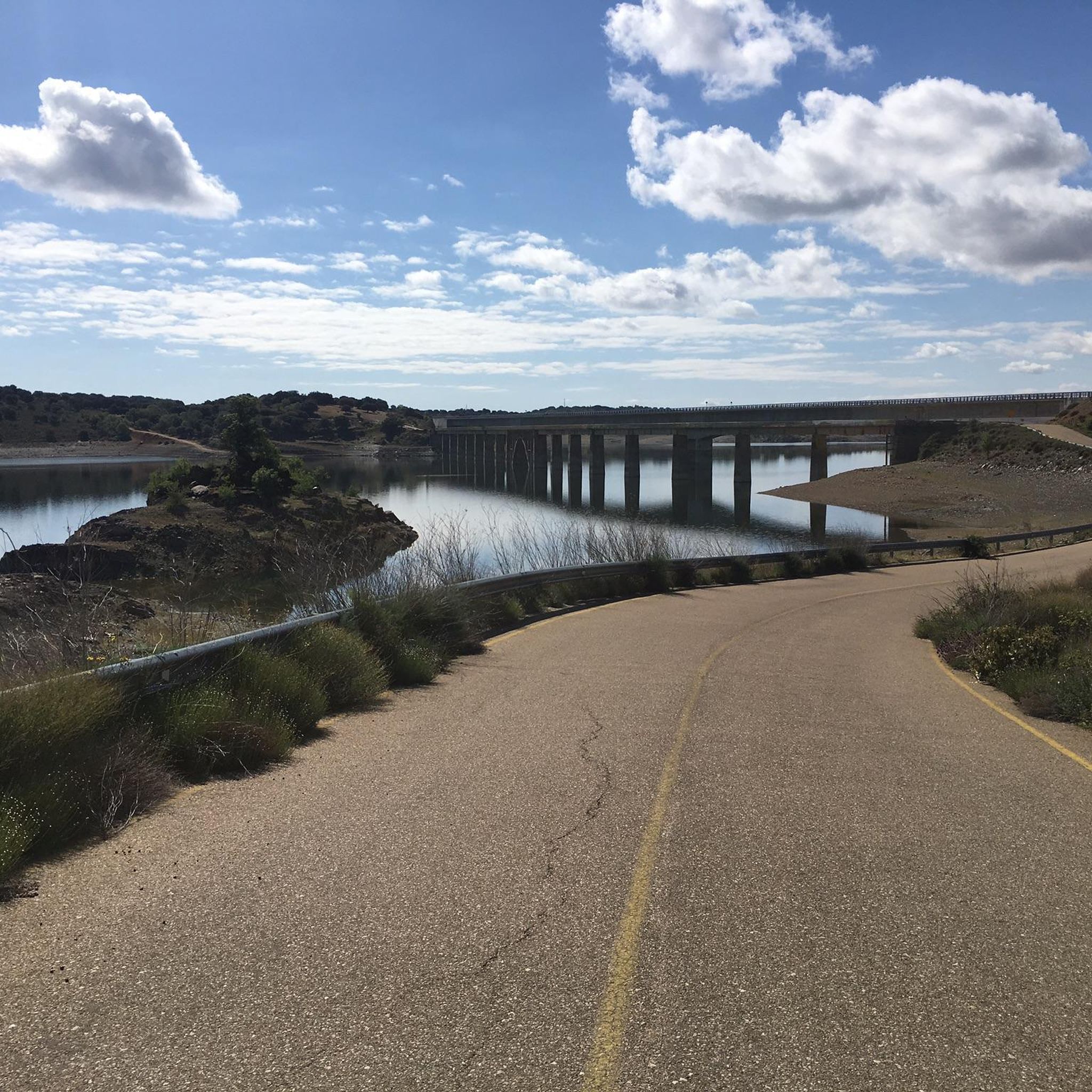
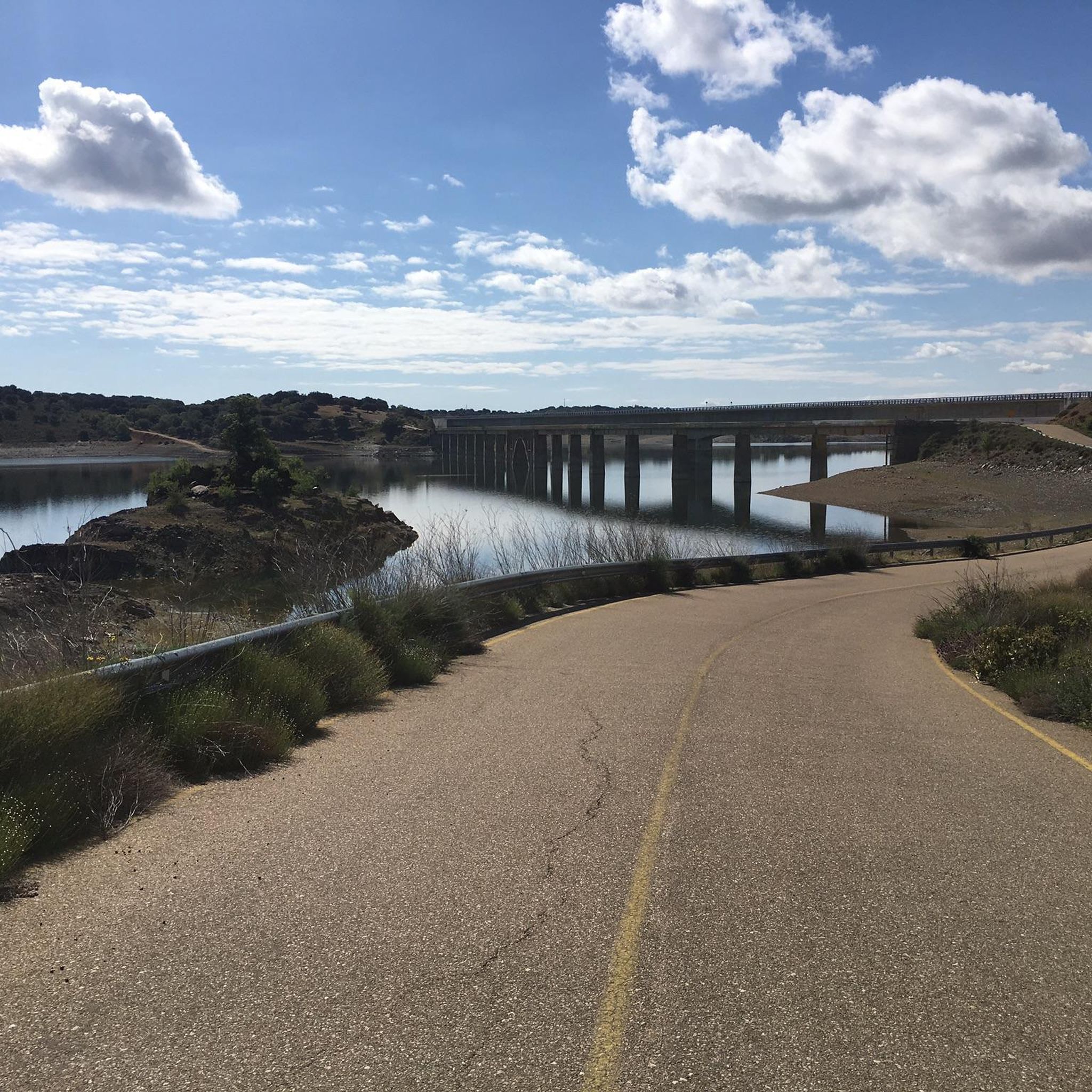
What to see and do Viewpoints: There are scenic viewpoints along the road and in the surrounding area offering views of the dam and reservoir. Ricobayo Reservoir: Ideal for water sports, fishing, and hiking. Natural surroundings: Very close to the Arribes del Duero Natural Park, with its spectacular landscapes.
2
0
The Ricobayo Dam is located on the Esla River, in the province of Zamora (Castilla y León), and is part of the Iberdrola hydroelectric system. Completed in 1934, it was one of the major hydraulic engineering projects of the 20th century in Spain.
2
0
Tábara, located in the northwest of the province of Zamora (Castilla y León), is a town with a rich medieval history, a stunning natural setting, and a significant cultural heritage. Origins: These date back to the Bronze Age and Roman period. Middle Ages: It was an important monastic center with the Monastery of San Salvador de Tábara, founded by Saint Froilán in the 9th century at the behest of Alfonso III.
10
0

Visigothic church (7th century) of San Pedro de la Nave. It originally stood on the banks of the Esla River, but the construction of the Ricobayo reservoir threatened to flood it. Historian Manuel Gómez Moreno managed to have it dismantled from its original location and moved stone by stone between 1930 and 1932 to the nearest town: El Campillo, where it can be seen today.
0
0
The Church of San Pedro de la Nave is a 7th century Visigoth temple located in the town of El Campillo, municipality of San Pedro de la Nave-Almendra, in the province of Zamora, Spain. It was declared a National Monument on April 22, 1912. The construction of the temple dates back to the end of the 7th century and the beginning of the 8th century, possibly between the years 680 and 711, which makes it one of the last works of Visigothic art. Originally, it was located on the banks of the Esla River, but when the Ricobayo reservoir was built, it was moved stone by stone to the current location.
3
0
Frequently Asked Questions
How many road cycling routes are available in Carbajales De Alba?
There are over 25 road cycling routes around Carbajales De Alba, offering a variety of experiences for different skill levels. The komoot community has explored these routes over 200 times.
What is the general difficulty level of road cycling routes in Carbajales De Alba?
The road cycling routes in Carbajales De Alba primarily range from moderate to difficult. You'll find 18 moderate routes and 11 challenging routes, providing options for both intermediate and experienced cyclists.
What kind of landscapes can I expect to see while road cycling in Carbajales De Alba?
Road cycling in Carbajales De Alba takes you through a diverse landscape characterized by a mosaic of fields and rolling hills. You'll also encounter significant natural features like large reservoirs, most notably the Ricobayo Reservoir, and the Esla River, offering varied gradients and scenic backdrops.
Are there any notable landmarks or natural features to see along the road cycling routes?
Yes, the region boasts several impressive landmarks and natural features. You can cycle past the impressive Ricobayo Dam, enjoy panoramic views of the vast Ricobayo Reservoir, and cross the scenic Valdoradas Bridge. The historic Church of San Pedro de la Nave is also a point of interest.
Can I cycle past the Ricobayo Dam?
Absolutely. The Ricobayo Dam is a prominent feature in the area, and many routes are designed to offer spectacular views of its vast concrete structure within the deep river gorge. For example, the Ricobayo Reservoir – Ricobayo Dam loop specifically includes this impressive landmark.
Are there any waterfalls accessible by road bike?
Yes, the Cadozos Waterfall is a known natural attraction in the vicinity of Carbajales De Alba. While not directly on every road cycling route, it's a highlight that can be incorporated into your cycling plans.
Are there challenging road cycling routes for experienced riders?
Yes, for experienced riders seeking a challenge, there are 11 difficult routes available. One such route is the Ricobayo Reservoir Loop, which covers 73 km and features significant elevation gain, often completed in about 3 hours 36 minutes.
Are there circular road cycling routes in the area?
Many of the road cycling routes around Carbajales De Alba are designed as loops, allowing you to start and finish in the same location. Examples include the Ricobayo Reservoir and Tierra de Alba Loop and the Ricobayo Reservoir Loop.
What are some scenic viewpoints along the road cycling routes?
The region offers numerous scenic viewpoints, particularly around the Ricobayo Reservoir. The Ricobayo Dam itself provides spectacular views, and the Valdoradas Bridge offers excellent vistas of the reservoir and its surrounding environment.
What do other cyclists say about road cycling in Carbajales De Alba?
The road cycling routes in Carbajales De Alba are highly rated by the komoot community, with an average score of 4.5 stars from 2 reviews. Cyclists often praise the varied terrain, the scenic beauty of the reservoirs, and the opportunities for both moderate and challenging rides.
Are there any long-distance road cycling routes near Carbajales De Alba?
Yes, the area is known for offering longer routes. For instance, the region has been a stage in the Zamora Cycling Tour, indicating its suitability for competitive and long-distance road cycling. You can find routes up to 73 km, such as the challenging Ricobayo Reservoir Loop.
What is the best time of year for road biking in Carbajales De Alba?
While specific seasonal weather details are not provided, regions in Spain with a 'mosaic of fields and hills' typically offer pleasant cycling conditions during spring and autumn. These seasons generally provide milder temperatures and less extreme weather, making them ideal for exploring the varied terrain.
Most popular attractions around Carbajales De Alba

Get inspired with the komoot mobile app


Explore more
Browse the best Road cycling routes in other regions.
