Attractions and Places To See around Esplegares - Top 16
Best attractions and places to see around Esplegares, a small municipality in Guadalajara, Castile-La Mancha, offer a tranquil escape with historical and natural points of interest. The area is characterized by its connection to the Alto Tajo Natural Park, featuring Scots pine forests and the Rio Ablanquejo. Its name originates from the abundance of lavender, reflecting the rich flora including savory, thyme, and rosemary. Diverse wildlife, including various bird species and mammals, inhabits the region.
Best attractions and places to…
Last updated: July 2, 2026
Monasterio de la Buenafuente del Sistal
Highlight • Religious Site
Translated by Google •
Tip by

Hundido de Armallones
Highlight • Gorge
Translated by Google •
Tip by

Sign up now to discover places like this
Get recommendations on the best single tracks, peaks, & plenty of other exciting outdoor places.
Sign up for free
Stone Waterfall (Cascada de Piedra) in Parque Natural del Alto Tajo
Highlight • Waterfall
Translated by Google •
Tip by

Ruins of the Inesperada Salt Factory
Highlight • Monument
Translated by Google •
Tip by
Ruins of Ocentejo Castle
Highlight • Castle
Translated by Google •
Tip by
Sign up for free to discover even more attractions around Esplegares.
Sign up for free
Already have an account?
Start today with a free account
Your next adventure awaits.
Login or Signup
Tips from the Community

A beautiful village at the entrance of the Alto Tajo. With its ruined castle, its church, its square and its landscapes, it is an ideal place to admire nature.
0
0
On the right bank of the Tagus River, in the area of Hundido de Armallones, very close to the strait of La Tormellera, there is a curious waterfall of Piedra de Tuffa, which has been formed by the flow of water and time. It has great beauty.
0
0
A curious place where the collapse of the side cliffs, as a consequence of the Lisbon earthquake, closed the Tagus River for several days, interrupting the flow of water. Today, there are still a large number of huge rocks at the bottom of the Tagus. It is worth visiting.
0
0
On the banks of the Tagus River, at a crossroads, it is an ideal place to take a break on the route. If you approach the riverbank, you will be surprised by its majesty and bravery.
0
0
The Monastery of Buenafuente del Sistal, of Cloistered Cistercian nuns, is a haven of Peace in the hustle and bustle of daily life. Taking advantage of its inn, you can spend a few days of peace there and away from the busy life of the cities. I highly recommend it to you. The landscapes are extraordinary.
1
0

Former Cistercian monastery of the Common Observance, female, located in the town of La Buenafuente del Sistal. It remains active with a small community. After many years of lethargy, it revived in 1971. It is a renewed center of spirituality.
2
0
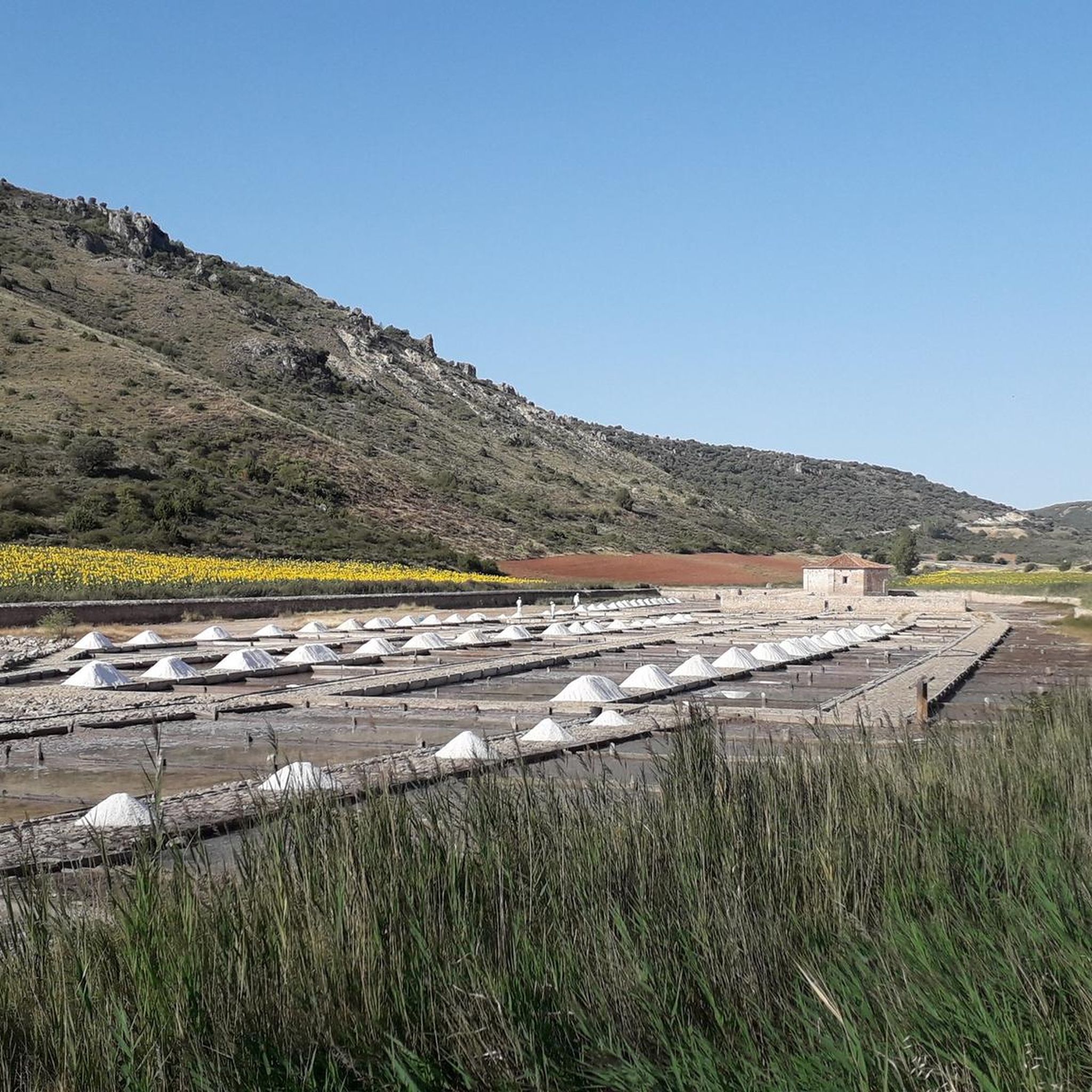
Ruins of an old factory located at the intersection between the Tagus River and the Ablanquejo River. During the 19th century, this factory used both the brackish waters of a stream that flows into the Tagus and the rock salt that existed in the surrounding limestone rocks.
3
0
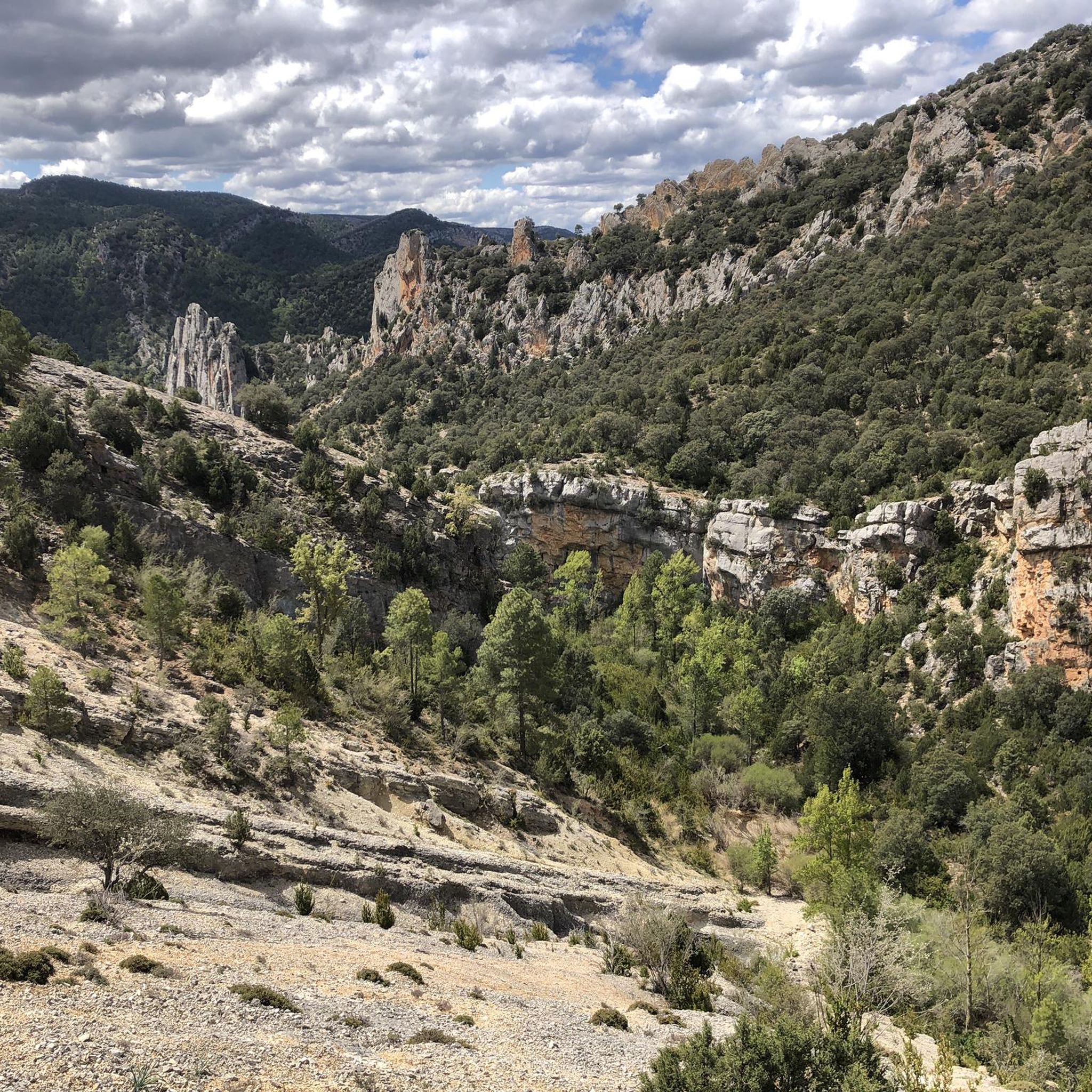
One of the most impressive enclaves in the Alto Tajo protected area. In this place, the force of the Tagus River is revealed, which has eroded for thousands of years a deep canyon with vertical walls in which numerous birds nest.
2
0
Frequently Asked Questions
What historical sites can I explore in and around Esplegares?
Esplegares and its surroundings are rich in history. You can visit the Ruins of the Inesperada Salt Factory, a 19th-century industrial site that utilized local salt resources. The village also features the historic Iglesia de la Asunción de Nuestra Señora with its Romanesque baptismal font, and the ancient "Pozo Beber" (Drinking Well) of Arab construction. Further afield, explore the prehistoric engravings at Cueva de los Casares, considered one of the most important caves in central Spain for its archaeological significance.
Are there any natural attractions or features to see near Esplegares?
Yes, the southernmost part of Esplegares belongs to the Alto Tajo Natural Park, characterized by Scots pine forests. The Rio Ablanquejo forms part of the border, and the area is known for its diverse flora, including lavender, savory, thyme, and rosemary. Wildlife such as eagles, owls, deer, and otters can also be found. You can also visit the Tagüenza Bridge, a slender stone bridge in a privileged natural setting.
What kind of outdoor activities can I do around Esplegares?
The region offers various outdoor activities, especially hiking and cycling. For hiking, you can explore routes like the 'Pico del Alar – circular by Salinas de la Inesperada' or the 'Cueva de los Casares and Valley of Miracles Loop'. Cyclists can enjoy routes such as 'Sigüenza – Church of Santa María loop' for road cycling or 'Ablanque loop' for touring bicycles. You can find more details on these and other routes in the hiking guide and cycling guides for Esplegares.
Are there family-friendly attractions or activities in the area?
Yes, Buenafuente del Sistal is listed as a family-friendly highlight, offering a peaceful atmosphere and a monastery with a hostel. The natural surroundings of the Alto Tajo Natural Park also provide opportunities for family walks and exploring nature, though specific family-friendly trails should be checked for difficulty.
What is the best time of year to visit Esplegares?
The area is known for its abundance of lavender (espliego), which gives the village its name. Visiting during late spring or early summer would likely offer the best experience to see the flora in bloom. The Alto Tajo Natural Park is also enjoyable during spring and autumn for hiking, with milder temperatures.
Are there any unique cultural sites or traditions in Esplegares?
Esplegares has several cultural points of interest. The Ermita de Santa Catalina, once the church of the disappeared village of Villar del Gato, hosts an annual pilgrimage. You can also find the ruins of the Ermita de Santa Quiteria and a monument to the former Ermita de San Andrés. Remnants of old calderas used for distilling lavender reflect the historical importance of this plant to the region's culture.
What can I expect when visiting Buenafuente del Sistal?
Buenafuente del Sistal is a settlement known for its peaceful atmosphere and a monastery that also functions as a hostel. Visitors describe it as a 'special place and full of peace,' making it an ideal spot for a tranquil retreat. It's recommended to contact them in advance if you plan to stay at the hostel.
What is the significance of the Cueva de los Casares?
Cueva de los Casares is highly significant for its large number of prehistoric engravings, making it one of the most important caves in the center of the Iberian Peninsula for its archaeological value. It features three interconnected rooms with various types of animal depictions, some in relief.
Can I find any viewpoints with scenic landscapes near Esplegares?
While Esplegares itself is a small village, the surrounding region, particularly the Alto Tajo Natural Park, offers incredible landscapes. The road leading to Sacecorbo, for example, passes through the ZEPA of the Alto Tajo and provides stunning views with its undulating terrain. The Tagüenza Bridge is also situated in a privileged natural setting, offering picturesque views of the Tagus River.
What kind of wildlife can be observed in the Esplegares area?
The diverse natural environment around Esplegares, especially within the Alto Tajo Natural Park, supports a rich variety of wildlife. This includes amphibians, various bird species such as eagles, owls, and nightingales, and mammals like deer, wolves, and otters. Fish and reptiles are also present in the area's ecosystems.
Are there any historical industrial ruins to visit?
Yes, you can visit the Ruins of the Inesperada Salt Factory. This 19th-century factory, located at the intersection of the Tagus and Ablanquejo rivers, utilized brackish waters and rock salt from the surrounding limestone. It's an ideal place to take a break and observe the majesty of the river.
What do visitors enjoy most about the attractions around Esplegares?
Visitors appreciate the tranquil escape offered by the region, its rich history, and natural beauty. Highlights like Buenafuente del Sistal are praised for their peaceful atmosphere. The historical significance of sites like the Ruins of the Inesperada Salt Factory and the archaeological importance of Cueva de los Casares are also highly valued by the komoot community.
Most popular attractions around Esplegares

Get inspired with the komoot mobile app


Explore more
Still not found the Highlight you’re looking for? See guides of the top attractions in other regions:
