Attractions and Places To See around Alcaracejos - Top 20
Best attractions and places to see around Alcaracejos, a town located in the Valle de los Pedroches in the north of Córdoba province, offers a blend of historical, cultural, and natural attractions. The region is characterized by its diverse landscape, including riverside forests, quartzite ridges, Mediterranean mountains, and dehesas. Its rich heritage is evident through its architecture and traditions, while the surroundings provide opportunities to connect with nature.
Best attractions and places to see around Alcaracejos
- The most popular attractions…
Last updated: July 7, 2026
Malos Pasos Spring
Highlight • Natural Monument
Translated by Google •
Tip by

Alcaracejos Town Center
Highlight • Settlement
Translated by Google •
Tip by

Sign up now to discover places like this
Get recommendations on the best single tracks, peaks, & plenty of other exciting outdoor places.
Sign up for free
Camino Mozarabe de Santiago
Highlight (Segment) • Trail
Translated by Google •
Tip by
Plaza Mayor De la Villa de Dos Torres
Highlight • Historical Site
Translated by Google •
Tip by

Casa de las Tiras of Añora
Highlight • Historical Site
Añora is also famous for its festival of the Cruces de Mayo, when the town is filled with colour and joy.
Translated by Google •
Tip by

Sign up for free to discover even more attractions around Alcaracejos.
Sign up for free
Already have an account?
Start today with a free account
Your next adventure awaits.
Login or Signup
Popular around Alcaracejos
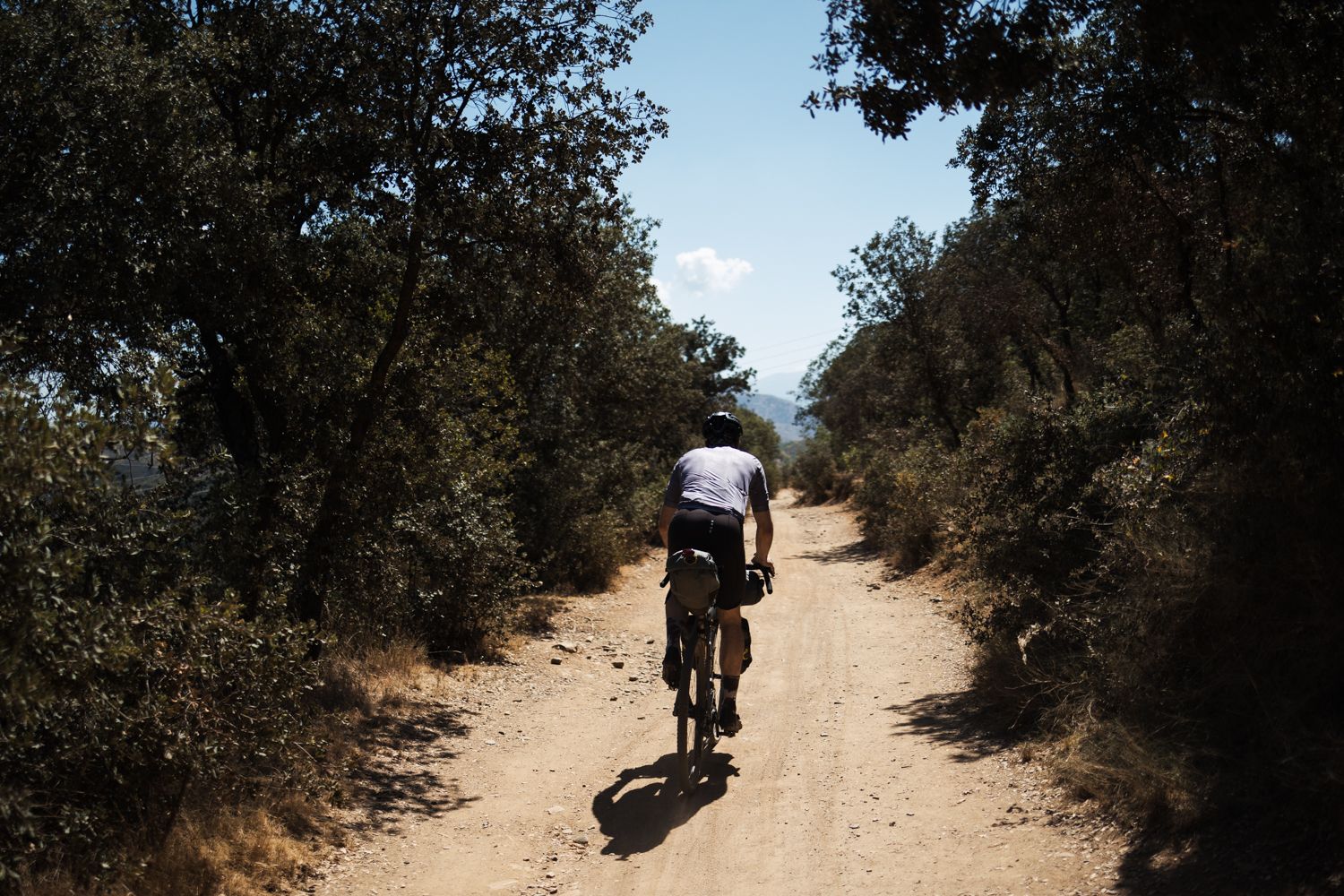
Mozarabic Way to Santiago – Gravel between two worlds
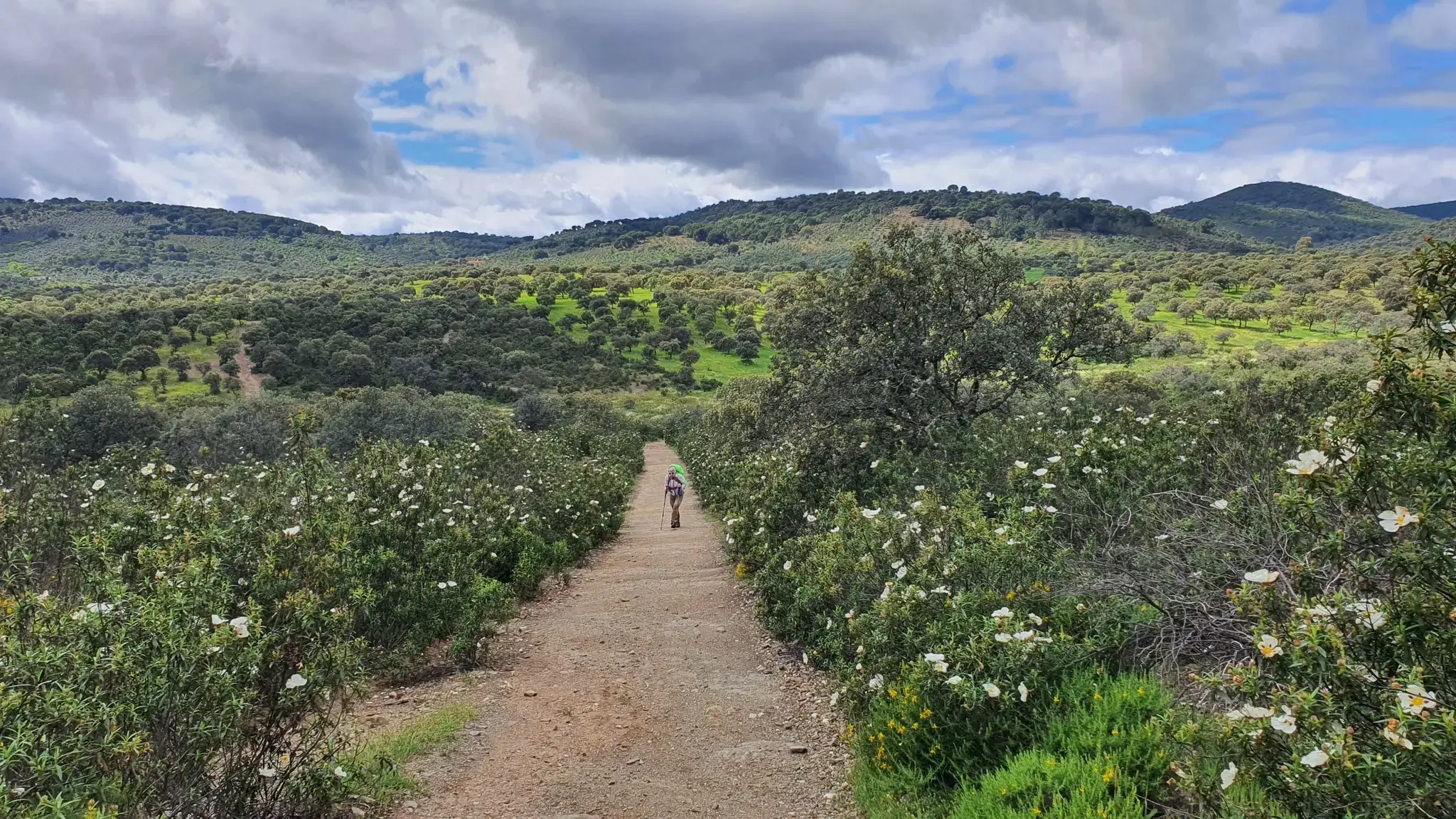
Pastures, Pedroches and farmhouses — Cañada Real Soriana (GR 40)
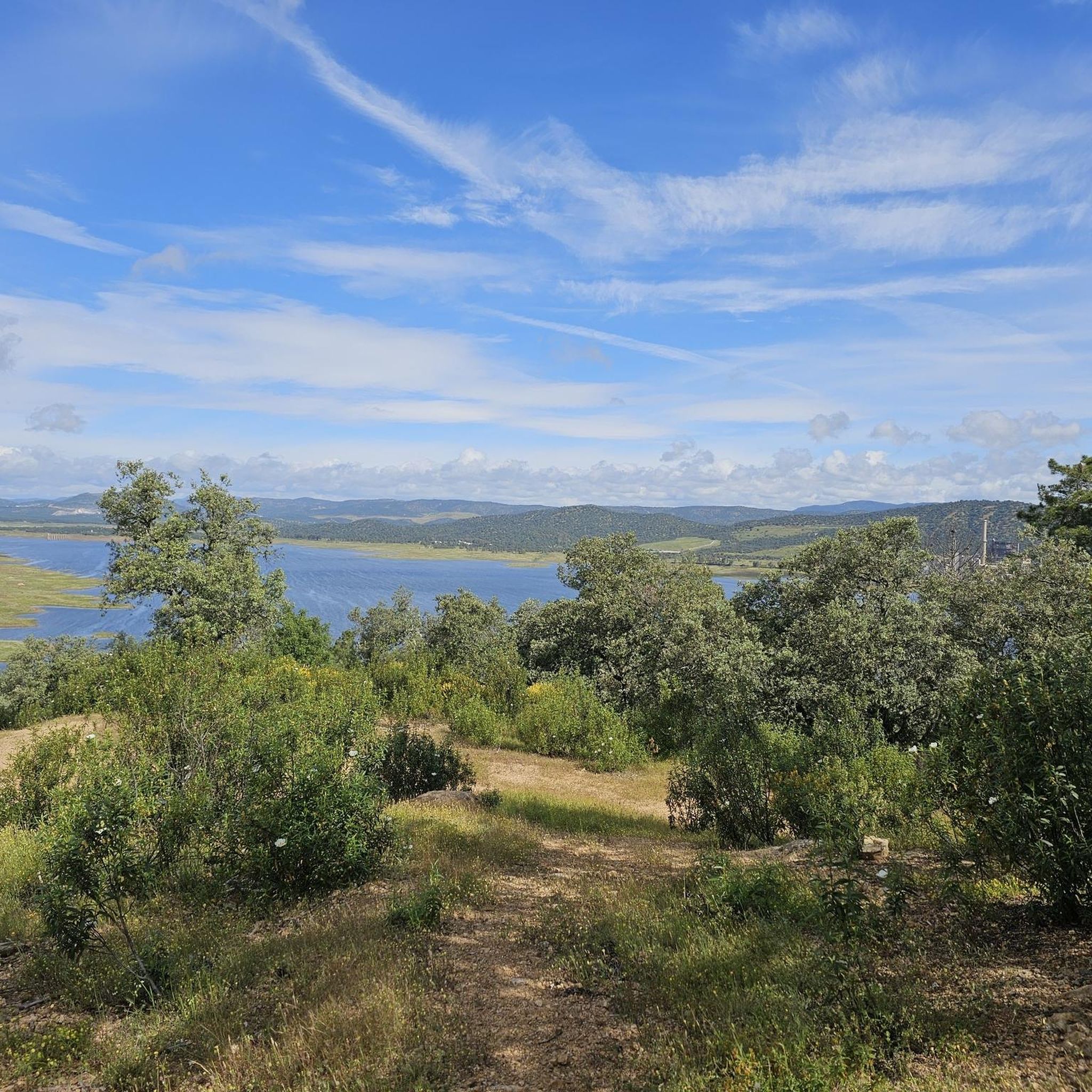
Cycling around Alcaracejos
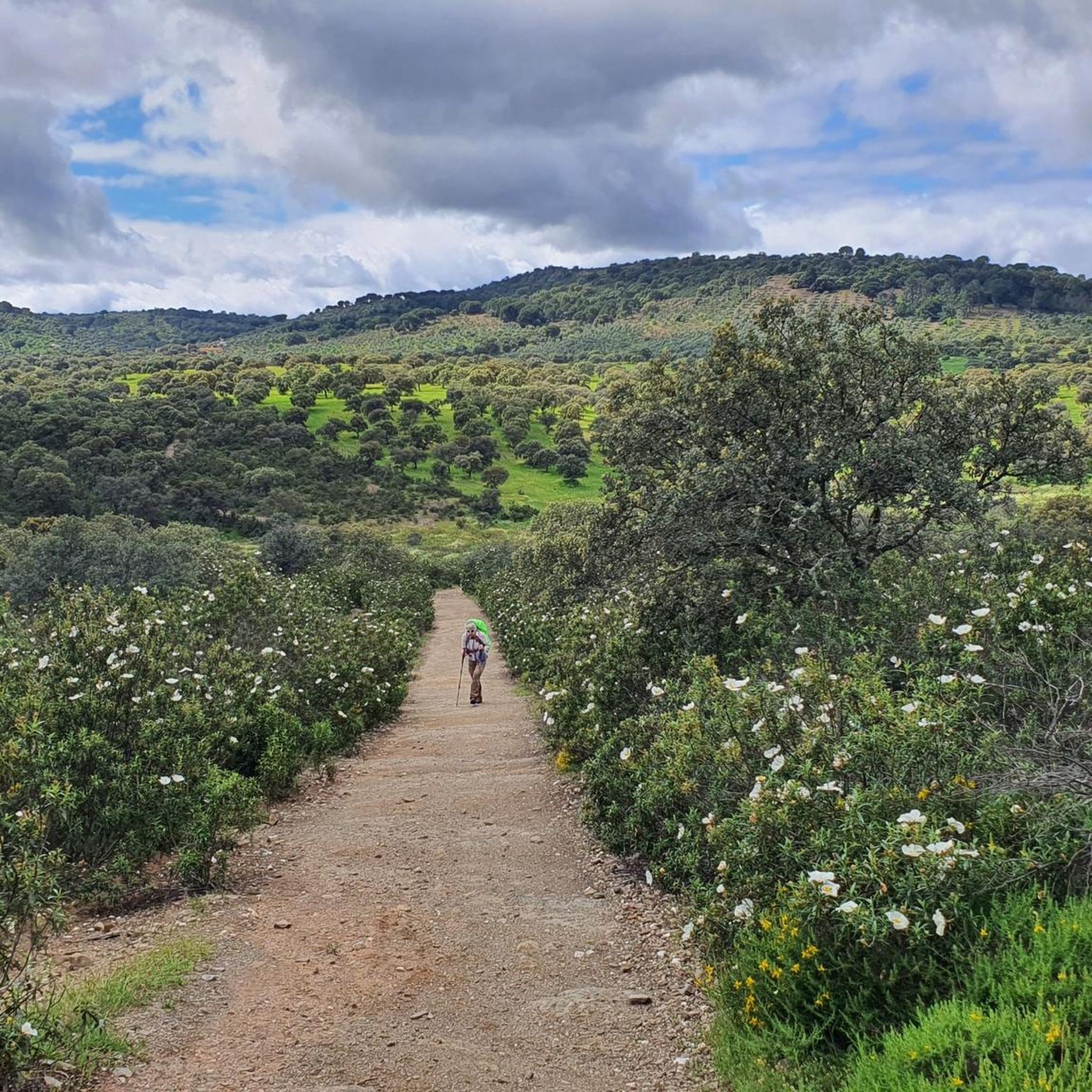
Road Cycling Routes around Alcaracejos
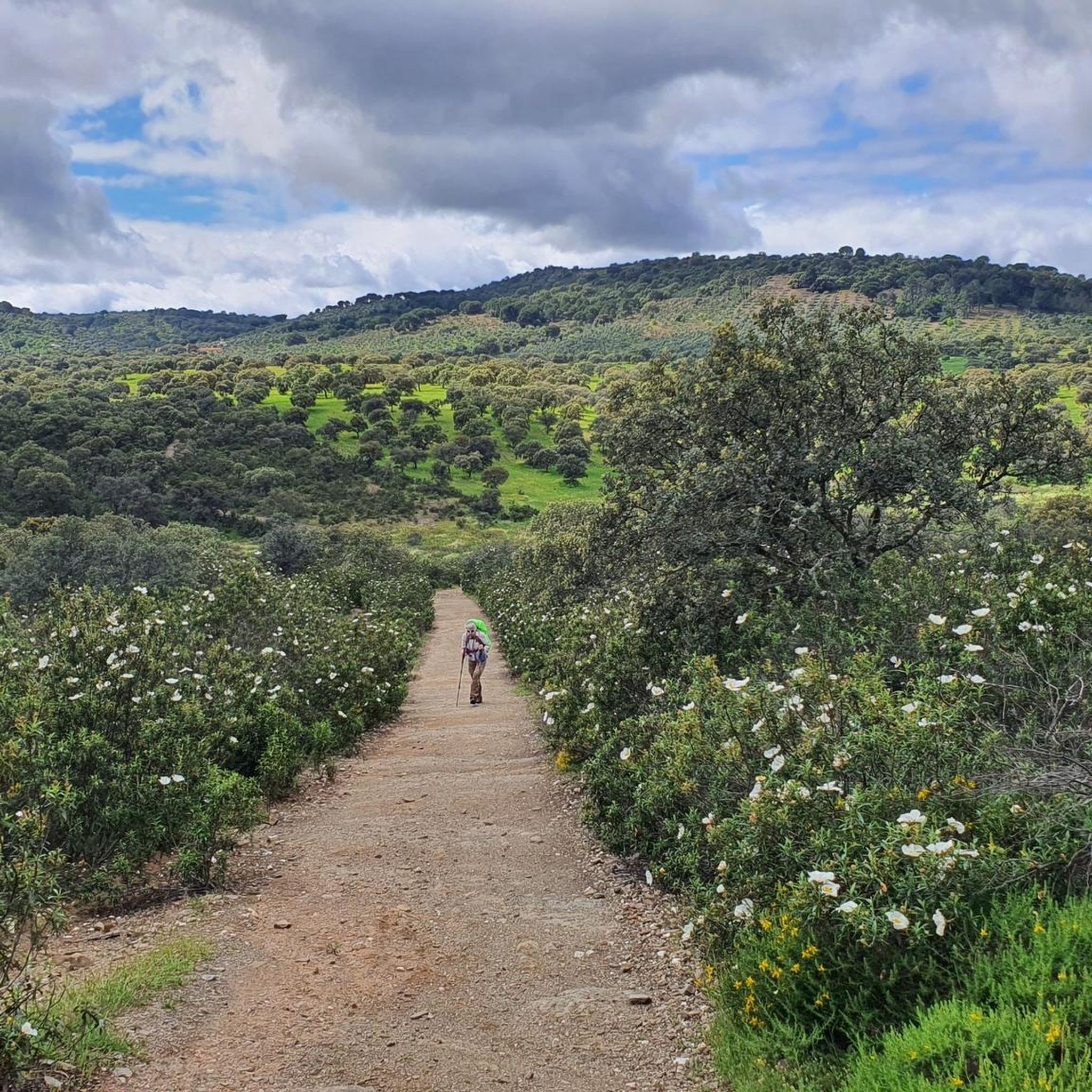
Hiking around Alcaracejos
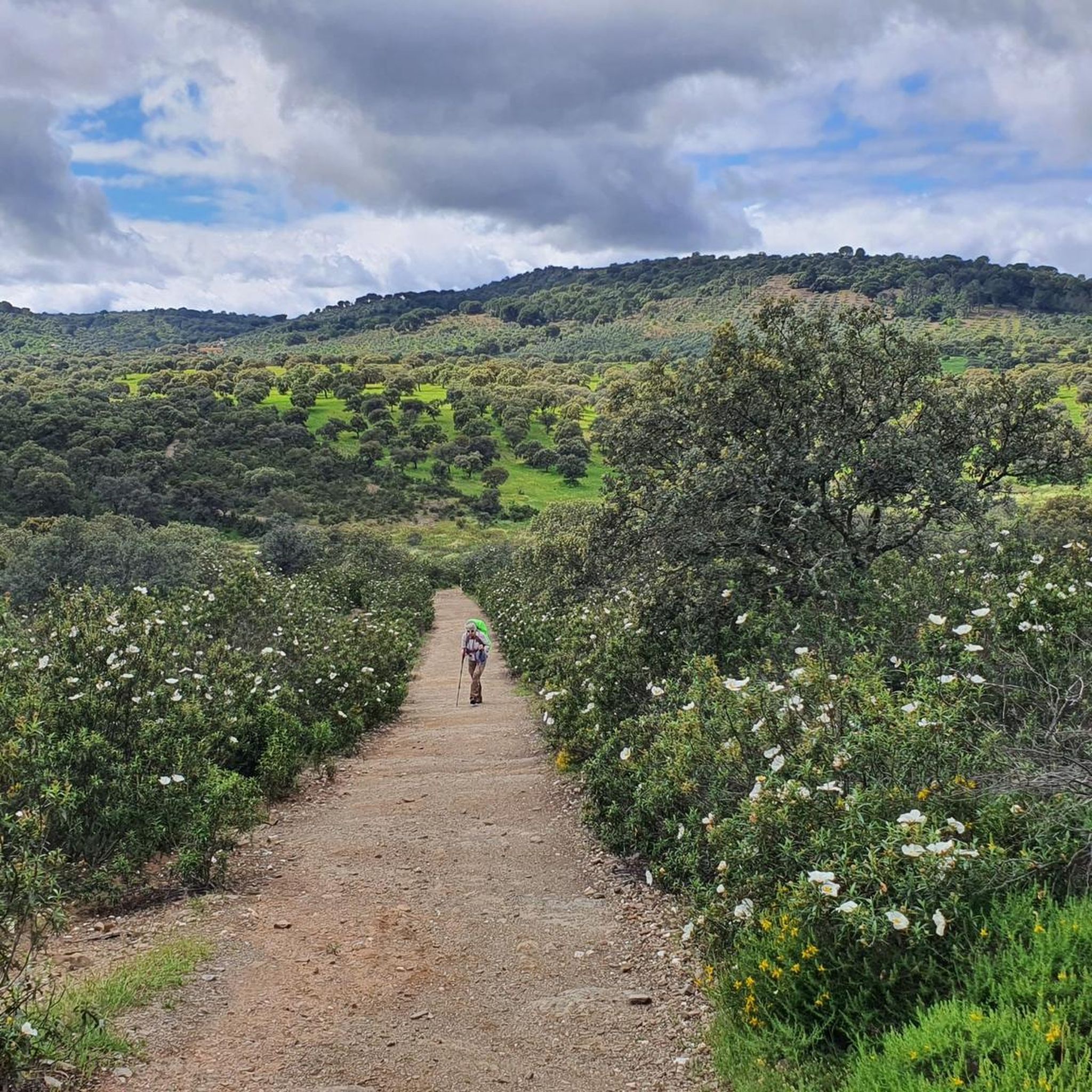
MTB Trails around Alcaracejos
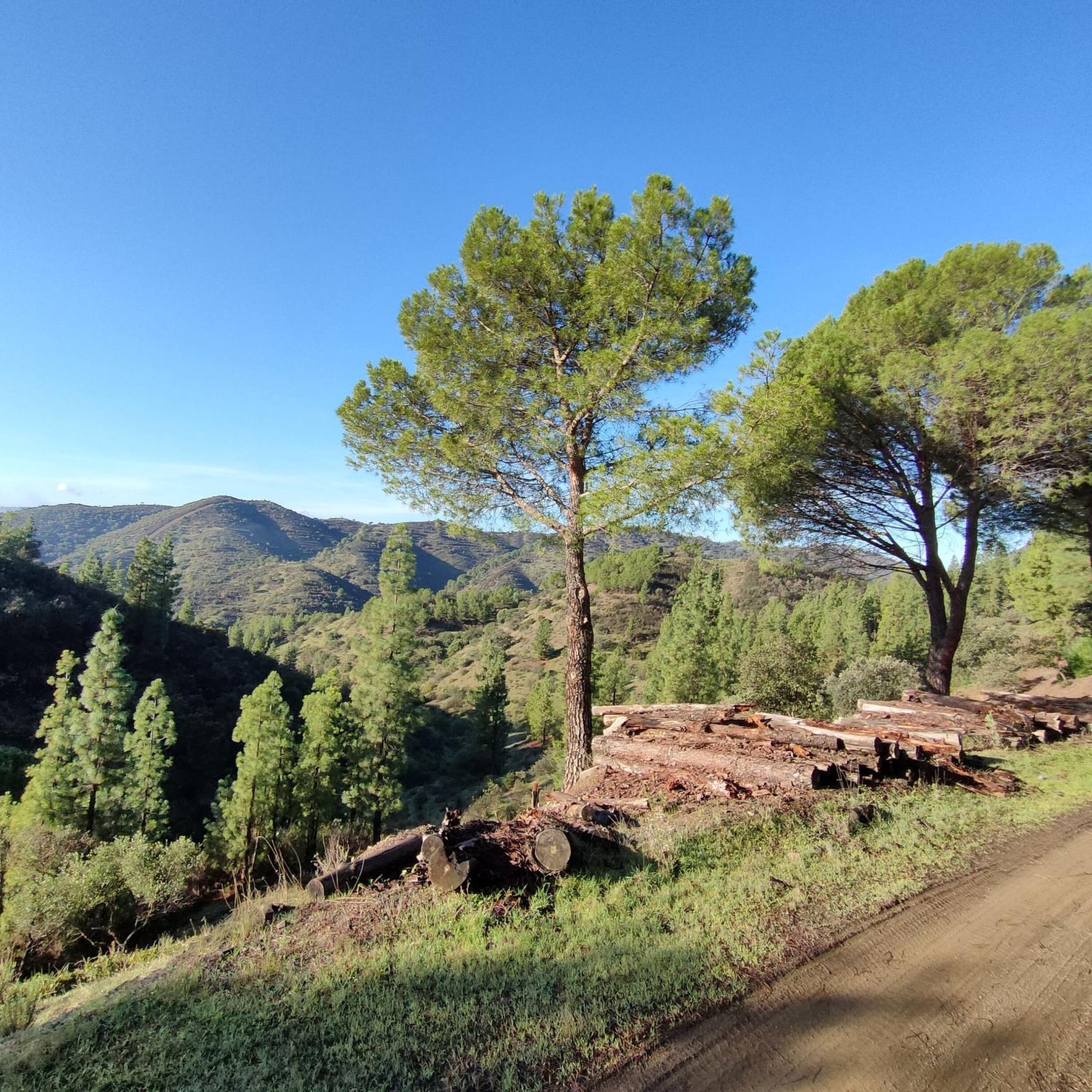
Running Trails around Alcaracejos

Gravel biking around Alcaracejos


Tips from the Community

Dos Torres is one of the most charming villages in Los Pedroches. It stands out for: Its traditional architecture of lime, granite, and wrought iron, very well preserved in the historic center. A tranquil, authentic, and rural atmosphere, ideal for getting away from it all. A historical heritage that combines Roman remains, medieval legacy, churches of great artistic value, and unique natural spaces. Its location amidst spectacular meadows makes it perfect for nature lovers. Overall, it is a small village but surprisingly rich in history, tranquility, and architectural beauty.
1
0
Añora is a charming municipality in the region of Los Pedroches, in the north of the province of Córdoba. Añora is also famous for its festival of the Cruces de Mayo, when the town is filled with colour and joy.
5
0
The Fuente de Malos Pasos is a fascinating place that is located next to the Cañada Real Soriana and the Mozárabe Camino de Santiago in Villaharta. The Fountain of Malos Pasos is a special place where history and nature intertwine. If you ever have the opportunity to visit it, enjoy its beauty and the freshness of its waters.
1
1

In this area of the Camino Mozarabe it is hillier again and it becomes lonelier. You should plan your milestones well.
1
0

This fountain is located on the outskirts of Villaharta, inside a small shelter whose opening is conditioned by the Espiel town hall. Its waters are considered mineral-medicinal, and for this reason four spas were built in ancient times.
3
0
The GR 48 coincides in many sections with the Mozarabic Way of Santiago, which in its longest version runs 1,420 kilometers from Almería to Santiago de Compostela.
3
0

This town was born on the basis of the union between the two populations: Torrefranca and Toremilano (hence the name of Dos Torres). In the Plaza de Villa there is a small candy store that is open every day. On the outskirts there is a small Hermitage of San Sebastián with a viewpoint next to it.
3
1
The term Añora has its origin in the Arabic word naura, which means waterwheel. According to scholars, the term refers to the waterwheel of an orchard that was in the vicinity of the place currently occupied by the municipality. And it was around the aforementioned orchard where the first inhabitants of the town gathered. In relation to the historical period in which the first residents settled in the place, even though it is not easy to document the exact date, it is believed that it was at the end of the 14th century and the beginning of the 15th.
4
0
Frequently Asked Questions
What historical and cultural sites can I explore in Alcaracejos?
Alcaracejos offers a rich tapestry of history and culture. You can visit the Alcaracejos Town Center, which reflects a long mining tradition. Other notable sites include the Parroquia de San Andrés, the Ermita de la Magdalena, and the unique Museo de la Matanza, which showcases traditional pig slaughter practices. The Centro Termal Los Pedroches, housed in a converted silo, also blends history with modern wellness.
Are there any significant natural features or viewpoints around Alcaracejos?
Yes, the region boasts diverse natural beauty. You can visit the Malos Pasos Spring, a natural monument with mineral-medicinal waters. The Ermita de San Sebastián, located atop "El Santo" hill, offers panoramic views of the town and its surroundings. The area also features riverside forests along the Guadalbarbo and Cuzna rivers, dehesas, and pine forests, providing varied landscapes to enjoy.
What outdoor activities can I do near Alcaracejos?
Alcaracejos is excellent for outdoor enthusiasts. You can explore various hiking trails, including sections of the historic Camino Mozarabe de Santiago. For more structured routes, consider the hiking guide Hiking around Alcaracejos, which features trails like the moderate 'Pozoblanco — round trip via the Puente Santamaría'. Cycling and gravel biking are also popular, with routes available in the guides Cycling around Alcaracejos and Gravel biking around Alcaracejos.
Are there family-friendly attractions in the Alcaracejos area?
Absolutely. The Plaza Mayor De la Villa de Dos Torres is a charming historical site known for its unique arcades and a small candy store, making it a pleasant stop for families. The Casa de las Tiras of Añora, with its distinctive granite block houses, offers an interesting architectural experience that can be enjoyed by all ages.
What is the best time of year to visit Alcaracejos for outdoor activities?
The diverse landscape of Alcaracejos makes it enjoyable throughout the year. Autumn and winter are particularly good for exploring the pine forests, especially for mycology enthusiasts, as mushrooms and fungi are abundant. Spring and early summer offer pleasant temperatures for hiking and cycling before the peak heat of summer.
What is the significance of the Camino Mozárabe de Santiago in this region?
The Camino Mozarabe de Santiago is a historic pilgrimage route that passes through Alcaracejos. This section of the trail often coincides with the GR 48, offering hikers and pilgrims a chance to experience a significant cultural and historical journey through the region's varied landscapes. It's known for its hilly terrain and opportunities for solitude.
Can I find any ancient or archaeological remains in the area?
Yes, Alcaracejos has a rich history with archaeological significance. The area has evidence of Roman presence, particularly related to copper, lead, and silver mining. Neolithic remains have also been discovered in locations such as La Atalayuela and the Peñón del Lazarillo, offering glimpses into the region's ancient past.
What makes the architecture of Alcaracejos unique?
Alcaracejos features popular architecture adapted to the local terrain and materials. Granite, slate, and quartzite are prominently used, giving the buildings a distinctive character. You can see examples in the small farmhouses in the mountains and larger haciendas that were once olive oil mills. The Casa de las Tiras of Añora, nearby, is a prime example of this regional style with its granite block houses and white-painted joints.
Are there any accessible attractions in Alcaracejos?
Yes, some attractions in the area are noted for their accessibility. The Alcaracejos Town Center and the Casa de las Tiras of Añora are both considered wheelchair accessible, allowing a broader range of visitors to enjoy these cultural and historical sites.
What are the main rivers in the Alcaracejos municipality and what do they offer?
The Guadalbarbo and Cuzna rivers flow through the Alcaracejos municipality. These rivers are notable for their riparian forests and provide suitable paths for hiking. The areas around these rivers are recognized as Special Conservation Areas (ZEC) and Sites of Community Importance (LIC), highlighting their ecological significance and natural beauty for exploration.
What are 'dehesas' and why are they important in the Alcaracejos region?
Dehesas are unique wooded pasturelands characteristic of the Alcaracejos region. They are crucial for the local economy, particularly for the production of Iberian ham, as they provide the ideal environment for raising Iberian pigs. These landscapes are also vital for biodiversity, supporting a wide range of flora and fauna, including various types of oak.
Most popular routes around Alcaracejos

Get inspired with the komoot mobile app


Explore more
Still not found the Highlight you’re looking for? See guides of the top attractions in other regions:
