The best road cycling routes around Alcaracejos
3.8
(3)
629
riders
58
rides
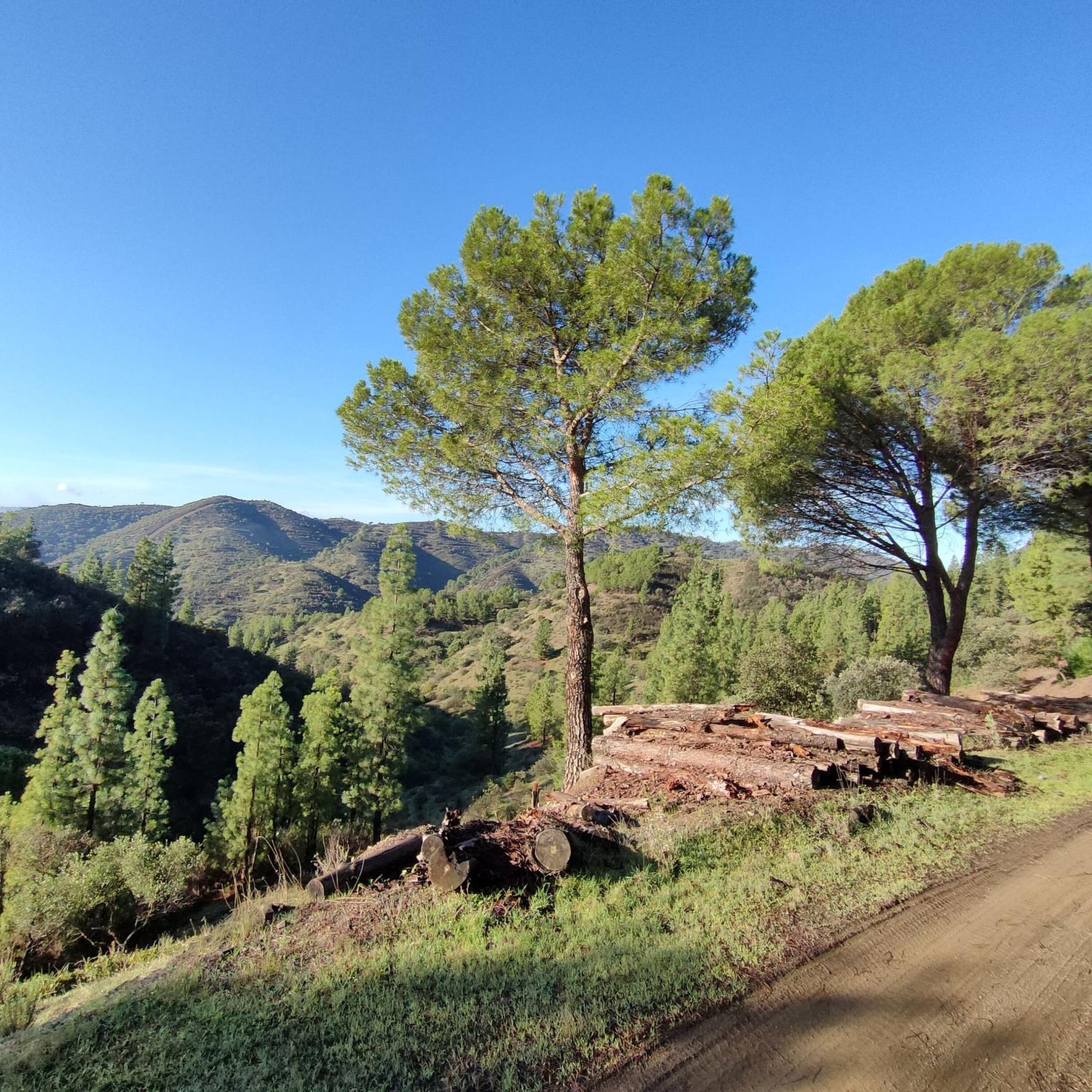
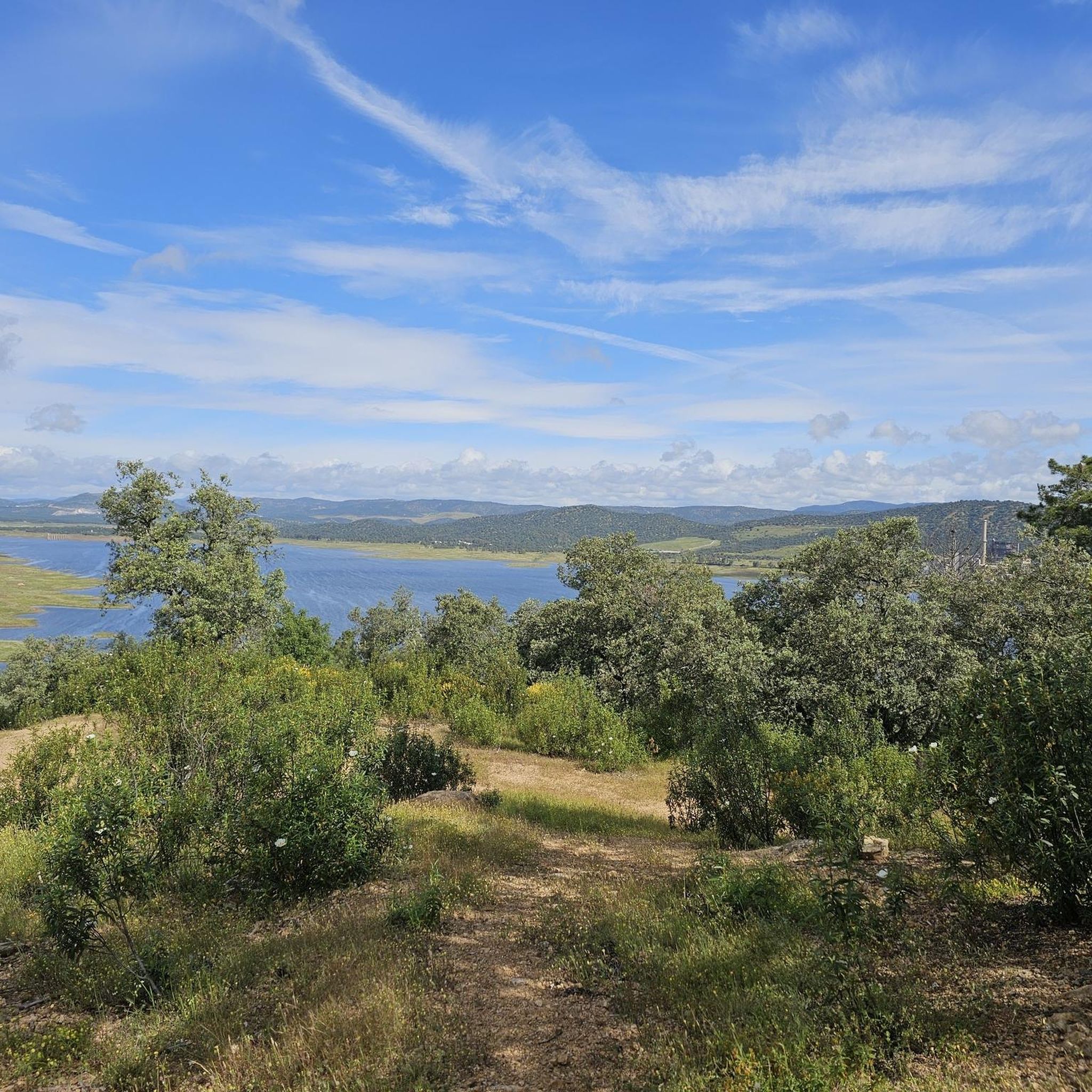
Road cycling around Alcaracejos offers diverse landscapes within the Los Pedroches Valley, characterized by extensive holm oak meadows (dehesas) and Mediterranean forests. The region includes parts of the Sierra Morena, with elevations like Sierra de La Chimorra and Calatraveño providing challenging climbs. Cyclists encounter varied terrain, from undulating dehesas to mountain olive groves and riverine forests along the Guadalbarbo and Cuzna rivers. This mosaic of landscapes ensures a range of road cycling experiences.
Best road cycling routes around Alcaracejos
- The…
Last updated: May 14, 2026
3
riders
52.8km
02:16
420m
420m
Moderate road ride. Good fitness required. Mostly well-paved surfaces and easy to ride.
38
riders
90.6km
03:47
580m
580m
Moderate road ride. Good fitness required. Mostly well-paved surfaces and easy to ride.

Sign up for free
21
riders
90.0km
04:02
970m
970m
Hard road ride. Very good fitness required. Mostly well-paved surfaces and easy to ride.
22
riders
45.9km
01:57
290m
290m
Easy road ride. Great for any fitness level. Mostly well-paved surfaces and easy to ride.
4.5
(2)
19
riders
48.2km
02:01
300m
300m
Moderate road ride. Good fitness required. Mostly well-paved surfaces and easy to ride.
Get access to more routes and recommendations from other explorers.
Sign up for free
Already have an account?
Our route recommendations are based on thousands of hikes, rides, and runs completed by other people on komoot.
Start today with a free account
Your next adventure awaits.
Login or Signup



Tips from the Community

Dos Torres is one of the most charming villages in Los Pedroches. It stands out for: Its traditional architecture of lime, granite, and wrought iron, very well preserved in the historic center. A tranquil, authentic, and rural atmosphere, ideal for getting away from it all. A historical heritage that combines Roman remains, medieval legacy, churches of great artistic value, and unique natural spaces. Its location amidst spectacular meadows makes it perfect for nature lovers. Overall, it is a small village but surprisingly rich in history, tranquility, and architectural beauty.
1
0
Although sometimes referred to as a "medieval bridge," the known and documented historical bridge of Dos Torres is the Santa Ana Bridge, located near the Hermitage of Our Lady of Loreto. It dates from the 16th century, making it a Renaissance-late medieval bridge, but not strictly medieval in the strict sense (classical Middle Ages).
2
0
Dos Torres is one of the most charming villages in Los Pedroches. It stands out for: Its traditional architecture of lime, granite, and wrought iron, very well preserved in the historic center. A tranquil, authentic, and rural atmosphere, ideal for getting away from it all. A historical heritage that combines Roman remains, medieval legacy, churches of great artistic value, and unique natural spaces. Its location amidst spectacular meadows makes it perfect for nature lovers. Overall, it is a small village but surprisingly rich in history, tranquility, and architectural beauty.
1
0

The Hermitage of San Antonio, located at the northern end of Pozoblanco, dates back to the 16th century and was restored in the 18th century, preserving its portico and lintelled doorway. From this spot, you can enjoy beautiful sunsets and it houses historical and cultural artifacts of great interest.
1
0
Añora is a charming municipality in the region of Los Pedroches, in the north of the province of Córdoba. Añora is also famous for its festival of the Cruces de Mayo, when the town is filled with colour and joy.
5
0

Wooded park next to García street in the municipality of Torrecampo. The park joins the Hermitage Virgen de Gracia and the Church of San Sebastián.
1
0

It is a charming town with cobbled streets and a beautiful old town that is worth getting off the bike and visiting.
2
0

Small and quiet town that until 1833 belonged to Extremadura. To get to know its nooks and crannies, the town council proposes to walk the Ruta del Agua (1 km) to discover a typical urban landscape of the Valley of Los Pedroches. The route begins at the Cruz de la Fuente Vieja, to continue through the Pozo de la Fuente Vieja, Pozo del Morconcillo, Fuente Plaza Doña María Josefa Fernández and ends at the Pozo del Verdinal, where there is a 19th century waterwheel. The route ends at the Peñalá corner.
2
0
Frequently Asked Questions
How many road cycling routes are available around Alcaracejos?
There are over 50 road cycling routes around Alcaracejos, offering a wide range of experiences for different skill levels. You'll find 11 easy, 26 moderate, and 22 difficult routes to explore.
What kind of terrain can I expect on road cycling routes in Alcaracejos?
Road cycling in Alcaracejos offers a diverse mix of terrain. You'll encounter extensive holm oak meadows (dehesas) with picturesque, undulating stretches, Mediterranean forests, and mountain olive groves. The region includes parts of the Sierra Morena, with elevations like Sierra de La Chimorra and Calatraveño providing challenging climbs and rewarding descents. Riverine forests along the Guadalbarbo and Cuzna rivers also add to the varied scenery.
Are there any easy road cycling routes suitable for beginners in Alcaracejos?
Yes, Alcaracejos offers several easy road cycling routes. An excellent option for gentle gradients through agricultural areas and open woodlands is the Pozoviejo Square – Dos Torres loop from Pozoblanco, an easy 45.9 km path.
What are some challenging road cycling routes for experienced cyclists in the area?
For experienced cyclists seeking a challenge, the region offers routes with significant elevation gain. The Dos Torres – Villanueva de Córdoba loop from Dos Torres is a difficult 92.1 km trail that leads through varied terrain with substantial climbs, often completed in about 4 hours 11 minutes.
What natural features or landmarks can I see along the road cycling routes?
As you cycle, you'll pass through the emblematic dehesa landscapes, Mediterranean forests, and riverine areas. Notable natural features include the quartzite ridges around Peñón del Lazarillo. For a unique stop, consider visiting the Malos Pasos Spring, known for its mineral-medicinal waters.
Are there any cultural or historical points of interest accessible by road bike?
Yes, Alcaracejos and its surroundings offer charming cultural and historical sites. You can cycle through the Alcaracejos Town Center, known for its traditional architecture. The Camino Mozárabe de Santiago also runs through the area, offering a route rich in heritage, though sections may be better suited for gravel bikes or hiking.
When is the best time of year for road cycling in Alcaracejos?
The Los Pedroches Valley, where Alcaracejos is located, is ideal for road cycling during spring and autumn when temperatures are milder. These seasons offer pleasant conditions to enjoy the extensive dehesas and Mediterranean forests. Summers can be very hot, while winters are generally mild but can have cooler, wetter days.
Are there any circular road cycling routes around Alcaracejos?
Yes, many routes in the area are circular, allowing you to start and end in the same location. A popular moderate circular route is Pozoblanco — circular from Villanueva del Duque, which covers 52.8 km and traverses the characteristic dehesa landscape.
What do other road cyclists enjoy most about cycling in Alcaracejos?
The area is highly rated by the komoot community, with an average score of 3.75 stars. Cyclists often praise the diverse landscapes, from the picturesque holm oak dehesas to the challenging mountain sections, and the constantly changing scenery that makes each ride unique.
Can I find routes that pass through the wider Los Pedroches Valley?
Absolutely. Alcaracejos is situated in the heart of the Los Pedroches Valley, and many road cycling routes will take you through its characteristic landscapes. The region's mosaic of dehesas, Mediterranean forests, and olive groves defines the cycling experience here, offering long stretches of natural beauty.
Are there any routes that offer a good mix of dehesa and mountain scenery?
Yes, the region is unique for encompassing various landscapes. Routes often transition from the undulating dehesas to the foothills of the Sierra Morena, providing a dynamic cycling experience. For example, the Villaralto – Alcaracejos Town Center loop from Alcaracejos offers a moderate 48.2 km ride that showcases a blend of these terrains.
Most popular routes around Alcaracejos
Most popular attractions around Alcaracejos

Get inspired with the komoot mobile app


Explore more
Browse the best Road cycling routes in other regions.
