The best gravel rides around Alcaracejos
5.0
(5)
57
riders
16
rides
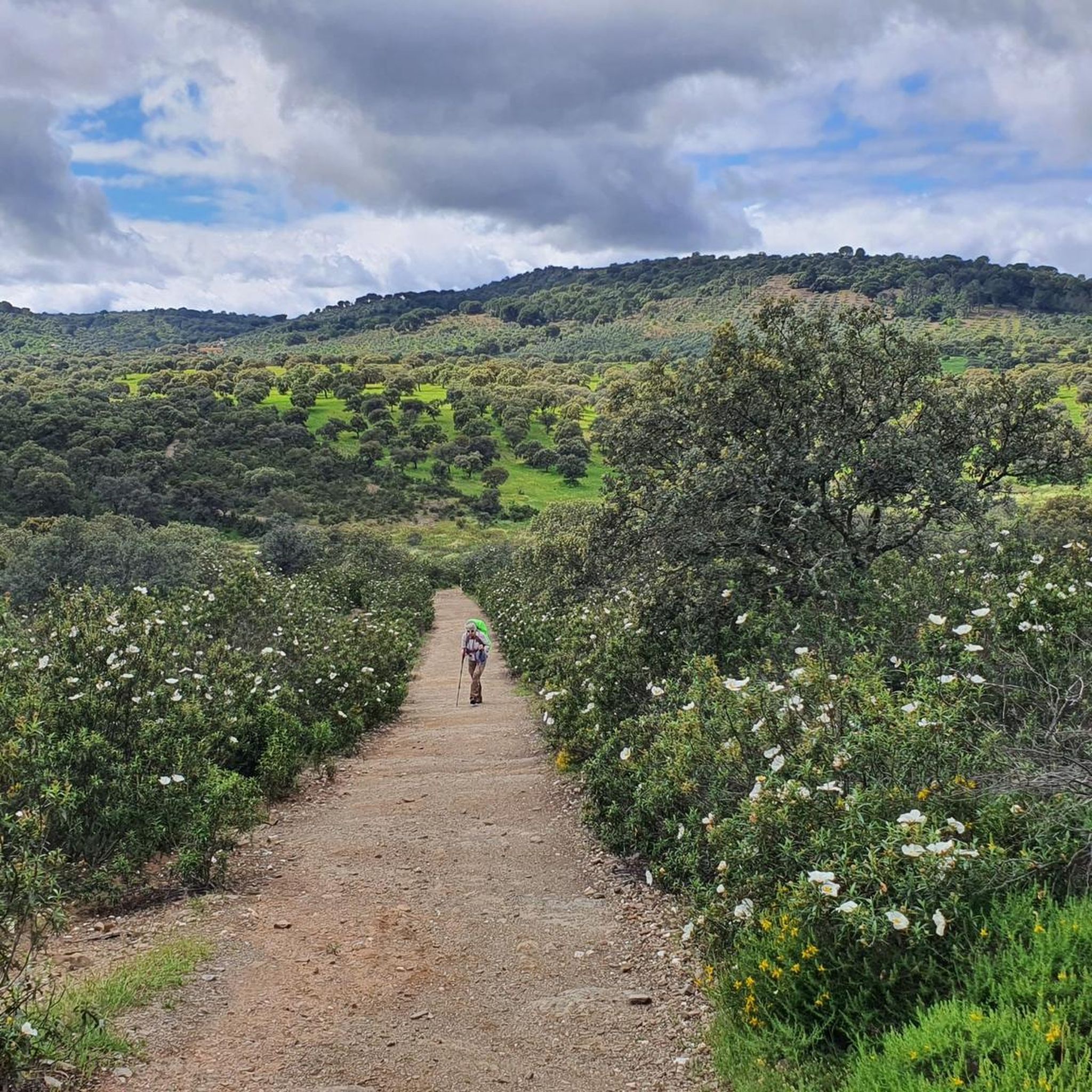
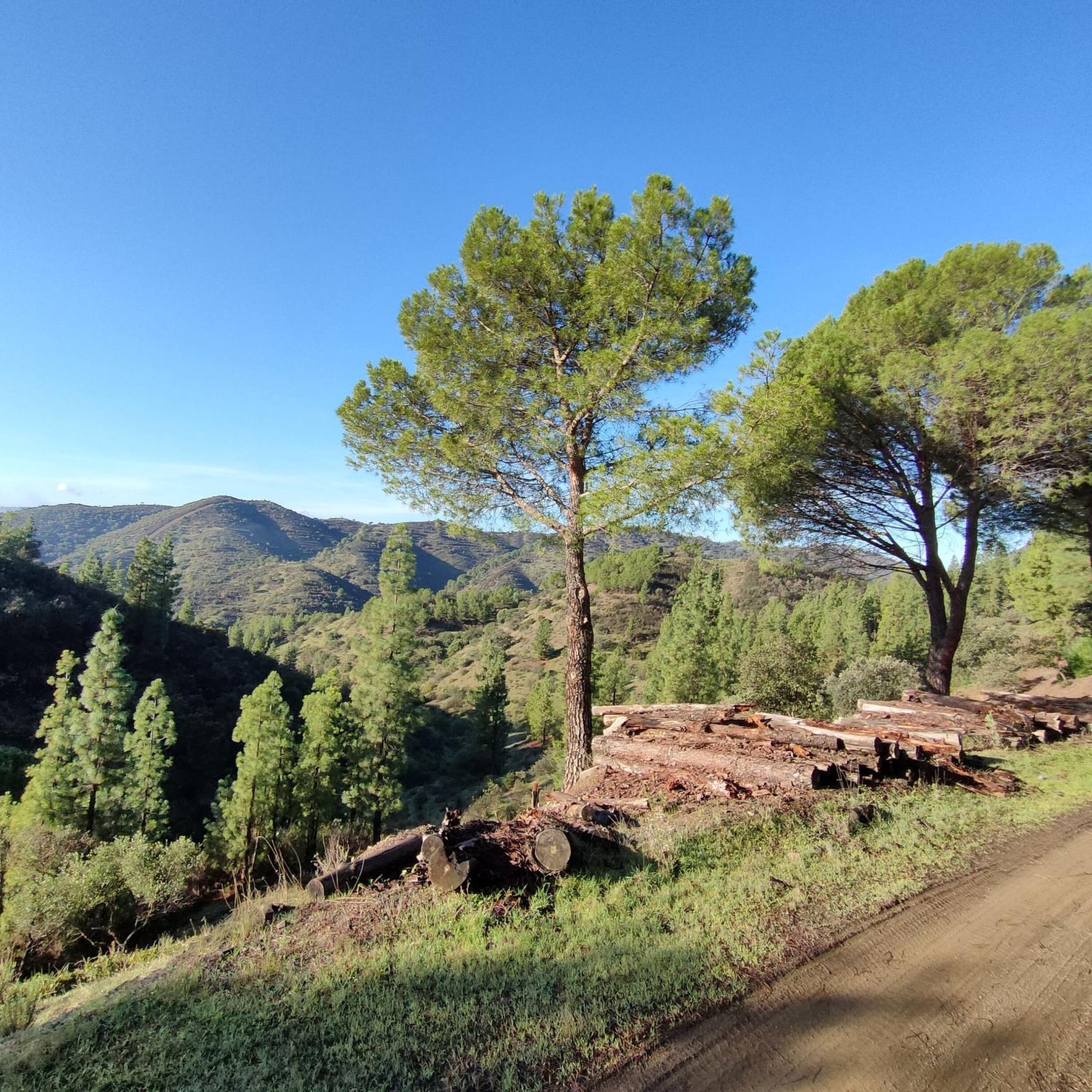
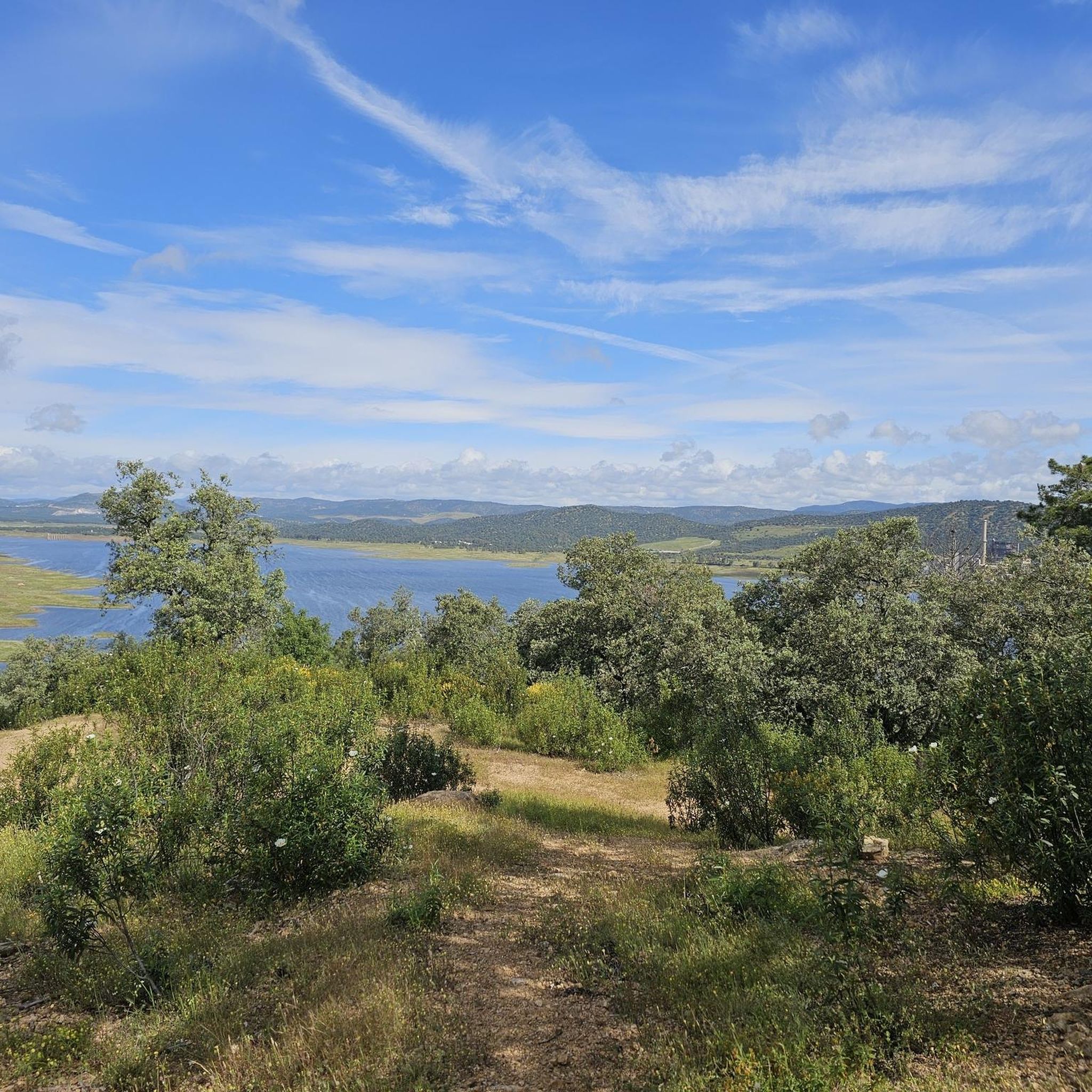
Gravel biking around Alcaracejos offers diverse landscapes within the Los Pedroches region, at the foothills of Sierra Morena. The terrain features extensive dehesas with holm and cork oaks, original Mediterranean mountains, and fertile olive groves. Riders can explore trails along the Cuzna and Guadalbarbo rivers, which are flanked by riparian forests, and navigate through areas with pine forests and Mediterranean scrub. This variety provides a range of surfaces and elevations suitable for gravel cycling.
Best gravel bike trails around Alcaracejos
…Last updated: May 22, 2026
5.0
(1)
27
riders
117km
07:58
1,160m
1,160m
Hard gravel ride. Very good fitness required. Mostly paved surfaces. Suitable for all skill levels.
6
riders
58.0km
04:31
470m
470m
Hard gravel ride. Very good fitness required. Mostly paved surfaces. Suitable for all skill levels.

Sign up for free
2
riders
80.1km
05:45
730m
730m
Hard gravel ride. Very good fitness required. Mostly paved surfaces. Suitable for all skill levels.
5.0
(1)
5
riders
47.3km
03:03
310m
310m
Moderate gravel ride. Good fitness required. Mostly paved surfaces. Suitable for all skill levels.
5.0
(1)
5
riders
44.9km
02:55
270m
270m
Moderate gravel ride. Good fitness required. Mostly paved surfaces. Suitable for all skill levels.
Get access to more routes and recommendations from other explorers.
Sign up for free
Already have an account?
Our route recommendations are based on thousands of hikes, rides, and runs completed by other people on komoot.
Start today with a free account
Your next adventure awaits.
Login or Signup


Tips from the Community

Dos Torres is one of the most charming villages in Los Pedroches. It stands out for: Its traditional architecture of lime, granite, and wrought iron, very well preserved in the historic center. A tranquil, authentic, and rural atmosphere, ideal for getting away from it all. A historical heritage that combines Roman remains, medieval legacy, churches of great artistic value, and unique natural spaces. Its location amidst spectacular meadows makes it perfect for nature lovers. Overall, it is a small village but surprisingly rich in history, tranquility, and architectural beauty.
1
0
Although sometimes referred to as a "medieval bridge," the known and documented historical bridge of Dos Torres is the Santa Ana Bridge, located near the Hermitage of Our Lady of Loreto. It dates from the 16th century, making it a Renaissance-late medieval bridge, but not strictly medieval in the strict sense (classical Middle Ages).
2
0
Although the exact date of its construction is unknown, tradition indicates that it was built in the mid-15th century, possibly thanks to a woman from Los Pedroches who promoted the construction of the first hermitage. According to legend, the image of the Virgin was found by a shepherd from Pedroche in a holm oak near the sanctuary at the beginning of the 15th century.
2
0
The Sanctuary of Our Lady of Luna is one of the most emblematic sites in the Los Pedroches Valley, deeply linked to the religious and cultural traditions of Pozoblanco and Villanueva de Córdoba. The sanctuary is located in the Dehesa de la Jara, in the municipality of Navarredonda, a natural holm oak grove characteristic of Los Pedroches. It is situated 15 km from Pozoblanco and 10 km from Villanueva de Córdoba.
2
0
Although the exact date of its construction is unknown, tradition indicates that it was built in the mid-15th century, possibly thanks to a woman from Los Pedroches who promoted the construction of the first hermitage. According to legend, the image of the Virgin was found by a shepherd from Pedroche in a holm oak near the sanctuary at the beginning of the 15th century.
2
0
The Sanctuary of Our Lady of Luna is one of the most emblematic sites in the Los Pedroches Valley, deeply linked to the religious and cultural traditions of Pozoblanco and Villanueva de Córdoba. The sanctuary is located in the Dehesa de la Jara, in the municipality of Navarredonda, a natural holm oak grove characteristic of Los Pedroches. It is situated 15 km from Pozoblanco and 10 km from Villanueva de Córdoba.
2
0

The EL SOLDADO lead mines, located three kilometers from Villanueva del Duque, operated uninterruptedly from 1906 to 1932.
0
0
Next to Villanueva del Duque and the Vía Verde Minera.
0
0
Frequently Asked Questions
How many gravel bike trails are available around Alcaracejos?
There are over a dozen gravel biking routes around Alcaracejos, offering a variety of experiences. These include 1 easy, 12 moderate, and 4 difficult trails, ensuring options for different skill levels.
What kind of terrain can I expect on gravel bike trails in Alcaracejos?
Gravel biking in Alcaracejos features a diverse landscape. You'll encounter extensive dehesas with holm and cork oaks, original Mediterranean mountains, fertile olive groves, and tranquil riparian forests along the Cuzna and Guadalbarbo rivers. Some areas also have pine forests and Mediterranean scrub, providing varied surfaces and elevations.
Are there any family-friendly gravel biking routes in Alcaracejos?
Yes, Alcaracejos offers options suitable for families. While most routes are moderate to difficult, there is at least one easy route available. The diverse landscapes, including open dehesas and riverside trails, can provide enjoyable experiences for families looking for less strenuous rides.
What are some notable natural features or landmarks to see along the gravel trails?
You can explore several interesting natural and historical sites. The Malos Pasos Spring, a natural monument with mineral-medicinal waters, is a unique stop. You might also encounter sections of the historic Mozarabic Way of Santiago, which traverses the region.
What is the best time of year for gravel biking in Alcaracejos?
Alcaracejos benefits from a warm climate throughout the year, making it an ideal destination for outdoor activities. Spring and autumn generally offer the most pleasant temperatures for gravel biking, avoiding the peak heat of summer while still enjoying mild weather.
Are there any circular gravel biking routes in the area?
Yes, many of the gravel routes around Alcaracejos are designed as loops. For example, the challenging Alcaracejos Town Center – Pozoviejo Square loop from Alcaracejos is a popular option, as is the moderate Dos Torres – Alcaracejos Town Center loop from Pozoblanco.
What do other gravel bikers say about the trails in Alcaracejos?
The gravel biking routes in Alcaracejos are highly rated by the komoot community, with an average score of 5.0 stars from over 5 reviews. Many of the 65+ gravel bikers who have explored the area praise the varied terrain, from open dehesas to Mediterranean mountains, and the engaging cycling experience.
Can I find routes that pass through historical or cultural sites?
Absolutely. The region is rich in history. You can find routes that pass through charming villages like Añora and Dos Torres, which offer cultural immersion. The Plaza Mayor De la Villa de Dos Torres is a notable historical site. Additionally, the area is dotted with protohistoric, Iberian, Roman, and Islamic archaeological sites.
Are there any routes that offer significant elevation changes for a challenge?
Yes, the Mediterranean mountains in the region, such as the Sierra de La Chimorra and Barranco de la Calera, provide more rugged and technical sections with significant elevation changes. The Chimorra mountain pass reaches 950 meters, offering panoramic views and a challenging climb for experienced riders.
Where can I find a moderate gravel biking route?
A great moderate option is the Santa Ana Bridge – Pozoviejo Square loop from El Viso. This 47.3 km path offers a balanced ride with manageable elevation changes, typically taking around 3 hours to complete.
What kind of wildlife might I encounter on the trails?
The varied landscapes and distinct microclimates contribute to rich biodiversity. Cyclists can observe diverse birdlife, especially along the riparian forests of the Cuzna and Guadalbarbo rivers, which act as vital reservoirs of flora and fauna. The dehesa landscape also supports a unique ecosystem.
Are there any long-distance gravel biking opportunities?
Yes, a significant portion of the historic Mozarabic Way of Santiago, a 1,420-kilometer pilgrimage route, traverses the region. This offers a culturally rich and long-distance gravel biking experience for those seeking an extended adventure.
Most popular routes around Alcaracejos
Most popular attractions around Alcaracejos

Get inspired with the komoot mobile app


Explore more
Browse the best Gravel rides in other regions.
