Attractions and Places To See around El Viso De San Juan - Top 20
Best attractions and places to see around El Viso De San Juan include a blend of historical landmarks, cultural sites, and natural features within the La Sagra region of Toledo. The area is characterized by its extensive agricultural lands, hilly landscapes, and the Guadarrama River, which supports significant biodiversity. Visitors can explore traditional architecture, ancient fortresses, and well-preserved riverside forests. This region offers opportunities for historical exploration and nature observation, particularly birdwatching.
Best attractions and places to see around El…
Last updated: July 6, 2026
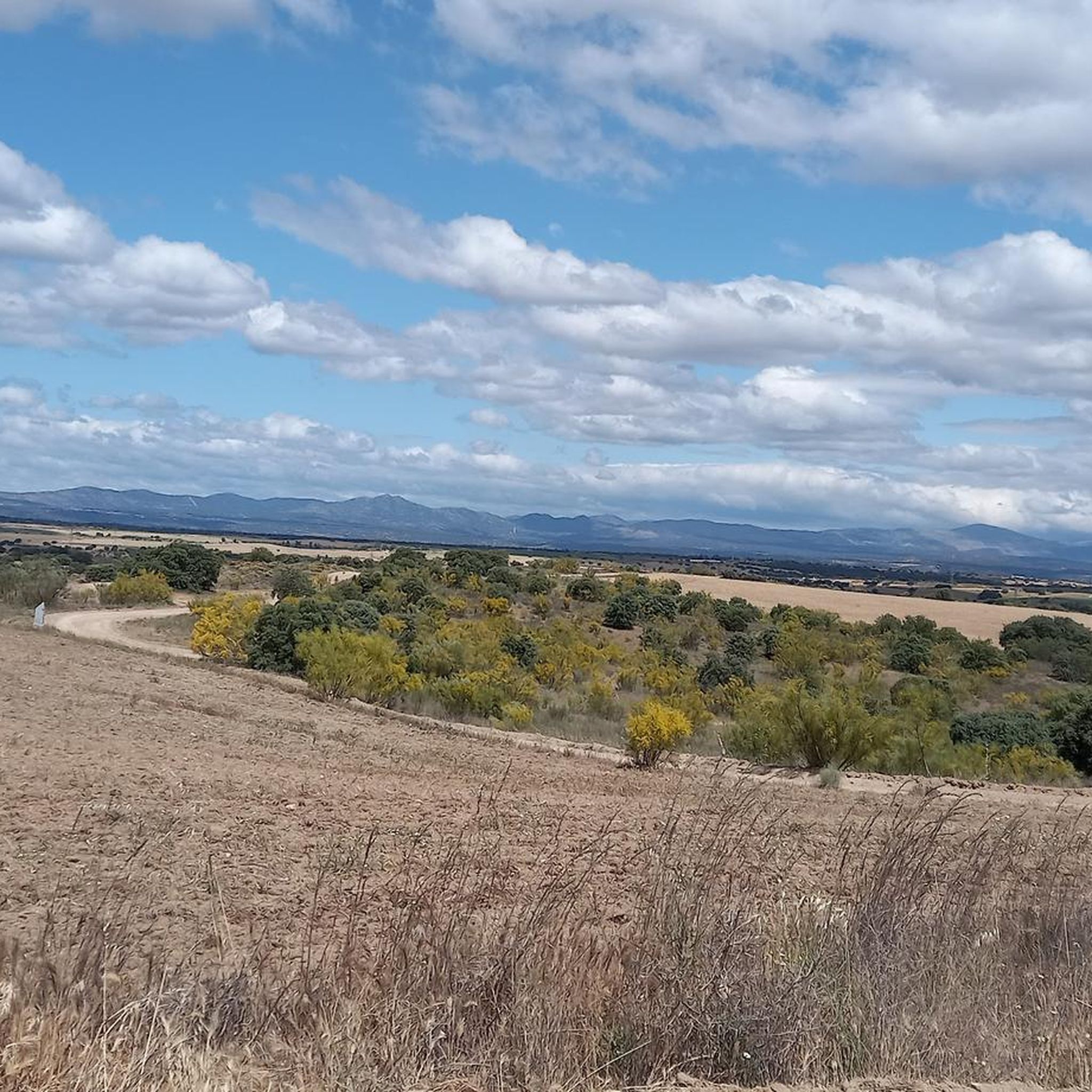
Mortirolo Climb of Batres
Highlight • Climb
It is a …
Translated by Google •
Tip by

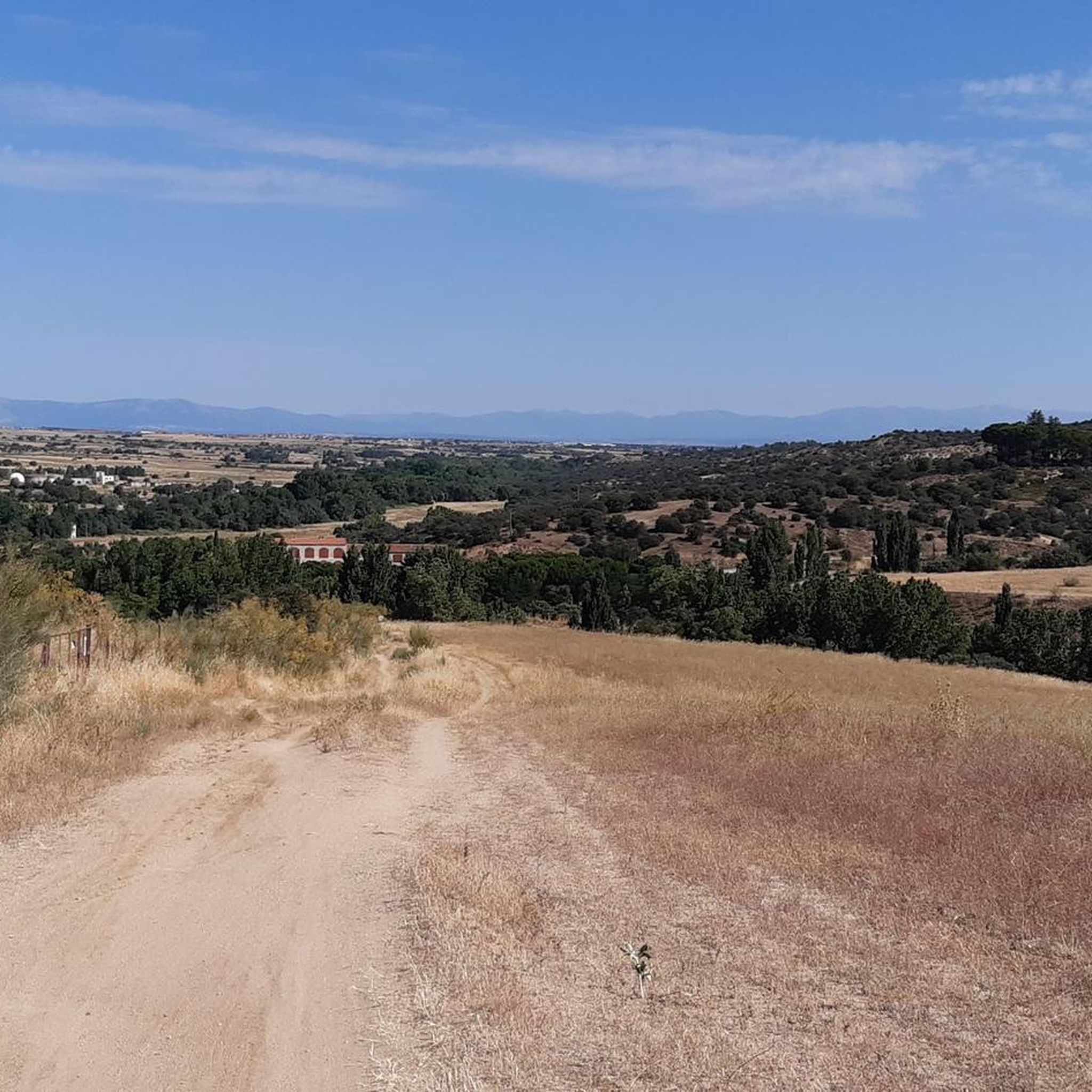
Arched Stone Bridge in Casarrubuelos Park
Highlight • Bridge
Translated by Google •
Tip by

Sign up now to discover places like this
Get recommendations on the best single tracks, peaks, & plenty of other exciting outdoor places.
Sign up for free
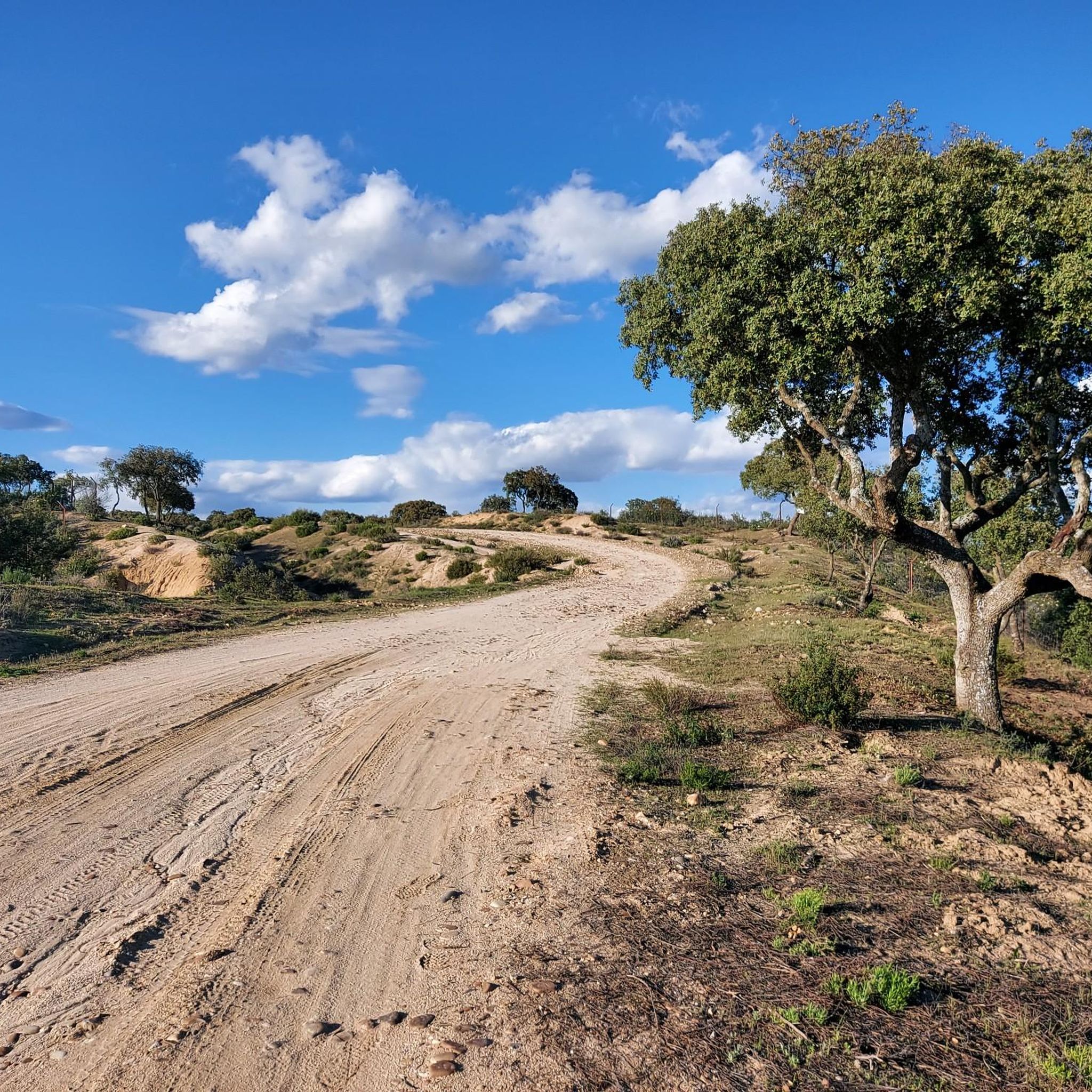
Casarrubios del Monte Historical Center
Highlight • Historical Site
Translated by Google •
Tip by

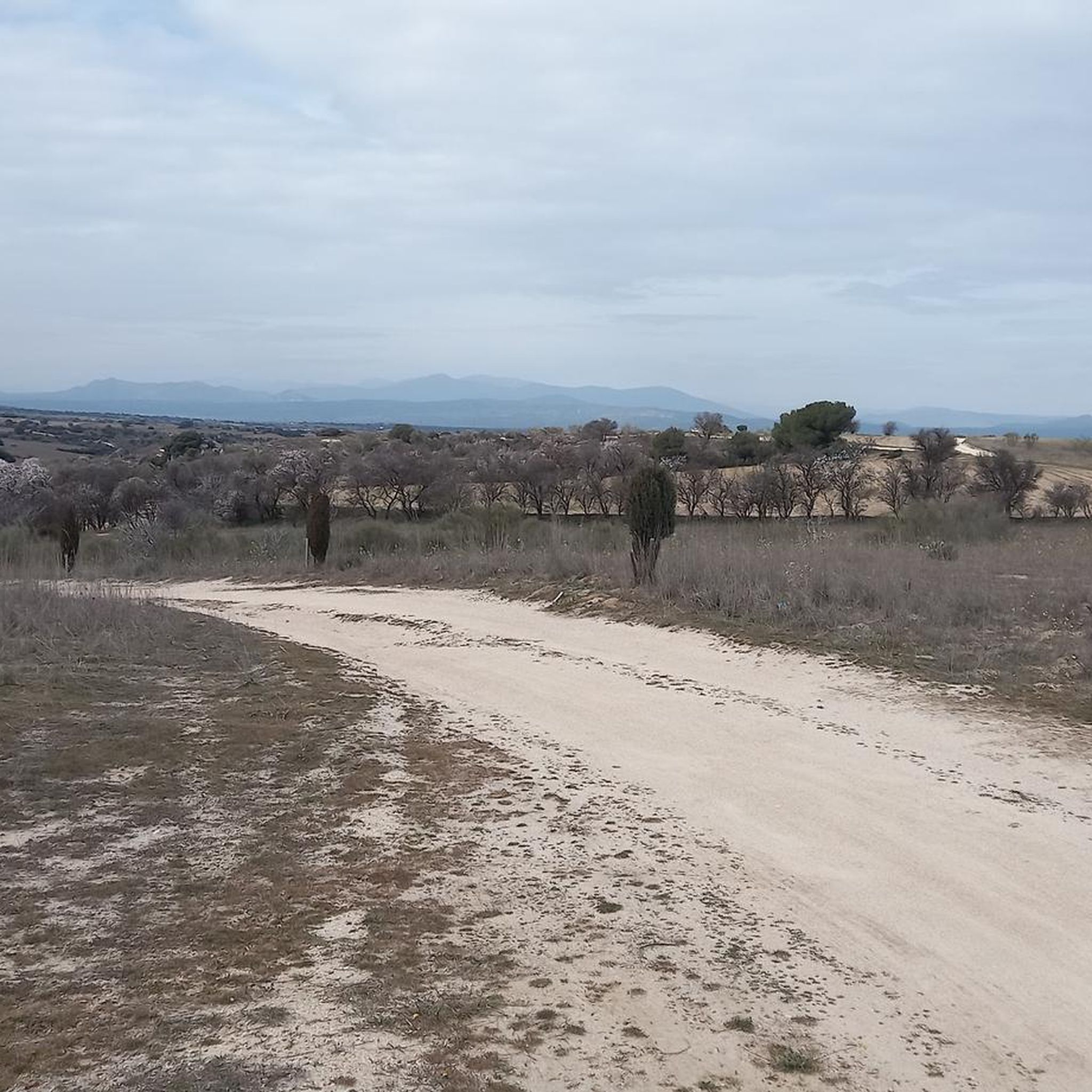
Convent of Santa María de la Cruz
Highlight • Religious Site
Translated by Google •
Tip by
Molino Doble de Río
Highlight • Historical Site
Translated by Google •
Tip by

Sign up for free to discover even more attractions around El Viso De San Juan.
Sign up for free
Already have an account?
Start today with a free account
Your next adventure awaits.
Login or Signup

Tips from the Community

There are some tables but it's a dry place, watch out if it's hot, it's fine for stopping on the route and having a snack but don't ask for much more... And with all the rain this winter, the grass might be so high that you can't stop at the tables
0
0


The convent is very beautiful and has a huge elm tree at the entrance, but unfortunately it is dry.
0
0

Going up the main road is a fairly wide track with a good surface
0
1

Friends: it is prohibited to ride a bike on this track, it is exclusively pedestrian, although it may not seem like it, but the prohibition is properly signposted. Whether you come from Carranque/Ugena, or from Torrejón/A42, you have to enter Casarrubuelos and cross the town through the urban area. I repeat: it is prohibited to travel on this road.
1
0
Be very careful if you go with small children! THE MOUTHS CAN BE ACCESSED EASILY AND THE FALL IS HIGH. CAREFUL
0
0

This monastery was one of the richest in Castile during the 15th century, later it was looted during the independence war in the 19th century and destroyed during the civil war. Today it is still active and rebuilt.
1
1

Convent in good condition Conservation.
0
0
Frequently Asked Questions
What historical landmarks can I explore in El Viso de San Juan?
El Viso de San Juan offers several historical landmarks. You can visit the Church of Santa María Magdalena, which dates back to the 15th century and features ancient Roman capitals. The ruins of Castillo de Olmos, an ancient Islamic stronghold from the 9th-10th centuries, are also worth exploring about 6 km from the town center. Additionally, the Convent of Santa María de la Cruz, a historically significant monastery, is active and rebuilt today.
Are there any natural features or viewpoints to enjoy around El Viso de San Juan?
Yes, the area is rich in natural beauty. The Guadarrama River and its surroundings are particularly noteworthy for their biodiversity and well-preserved riverside forests. You can also find natural viewpoints along the various hiking and cycling routes. For cyclists, the Mortirolo Climb of Batres offers rewarding views from the top after a challenging ascent.
What outdoor activities are available near El Viso de San Juan?
The region is ideal for outdoor enthusiasts. You can explore a network of five hiking and cycling routes that traverse hilly landscapes and offer opportunities for birdwatching. There are also dedicated guides for various activities, including Hiking around El Viso De San Juan, MTB Trails around El Viso De San Juan, and Gravel biking around El Viso De San Juan.
Are there family-friendly attractions in the area?
Absolutely. The Arched Stone Bridge in Casarrubuelos Park is an exclusively pedestrian area with a fountain and tables, making it a perfect spot for families to relax. The Casarrubios del Monte Historical Center is also considered family-friendly, offering an easy and enjoyable exploration of its Mudejar-style castle and historical monuments.
Where can I experience traditional architecture in El Viso de San Juan?
Strolling through the streets and squares of El Viso de San Juan will reveal various examples of traditional architecture. The town has maintained its historical urban structure. You can also visit the Old Town Hall, a building of historical interest, and the Old Wash House and Water Spout in the 'El Prado de la Fuente' estate, which showcases mid-19th-century local infrastructure.
What is the best time to visit El Viso de San Juan for outdoor activities?
While specific seasonal recommendations are not provided, the region's extensive agricultural areas and natural landscapes suggest that spring and autumn would offer pleasant temperatures for hiking, cycling, and birdwatching. These seasons typically avoid the extreme heat of summer and the colder, wetter conditions of winter, making outdoor exploration more comfortable.
Are there opportunities for birdwatching in El Viso de San Juan?
Yes, the area is a haven for birdwatchers. The riverside forests along the Guadarrama River are a valuable natural corridor for numerous bird species. Around 200 species have been identified, including rare and endangered birds like the great bustard, little bustard, Montagu's harrier, and lesser kestrel. The region is particularly important for lesser kestrel breeding colonies.
Can I find easy hiking trails near El Viso de San Juan?
Yes, there are easy hiking options available. For example, the 'Mortirolo Climb of Batres – Trails of Monte de Batres loop from El Molino' is an easy 5.6 km route. You can find more details and other routes in the Hiking around El Viso De San Juan guide.
What is unique about the <a href="https://www.komoot.com/highlight/3929073" target="_blank" rel="noopener">Casarrubios del Monte Historical Center</a>?
The Casarrubios del Monte Historical Center is notable for its 14th-century Mudejar-style castle, which is unique in Toledo. It also features a roll of justice, signifying the mayor's historical jurisdiction. The town is surrounded by typical Toledo steppe landscapes of cereal fields and olive groves, offering a glimpse into the region's agricultural heritage.
What is the <a href="https://www.komoot.com/highlight/1600719" target="_blank" rel="noopener">Mortirolo Climb of Batres</a>?
The Mortirolo Climb of Batres is a well-known cycling climb in the area, approximately two kilometers long with an average gradient of four percent. It offers a challenging ascent for cyclists and provides beautiful views from the top. It's a popular spot for those looking for an adrenaline rush on the descent.
Are there any hidden gems or lesser-known spots to discover?
Beyond the main attractions, consider visiting the Hermitage of San Francisco de Asís, an 18th-century hermitage located outside the town center. Another interesting site is the Valdemajuelo Fountain, likely built in the late 19th or early 20th century, which was primarily intended to supply livestock and can be found along the Valseco or River path.
What kind of local cuisine can I expect in El Viso de San Juan?
Visitors should not miss the opportunity to sample the local and regional cuisine of La Sagra. While specific dishes are not detailed, the region is known for its traditional Spanish gastronomy, often featuring local produce from its extensive agricultural areas.
Most popular routes around El Viso De San Juan

Get inspired with the komoot mobile app


Explore more
Still not found the Highlight you’re looking for? See guides of the top attractions in other regions:
