The best gravel rides around El Viso De San Juan
4.0
(2)
69
riders
38
rides
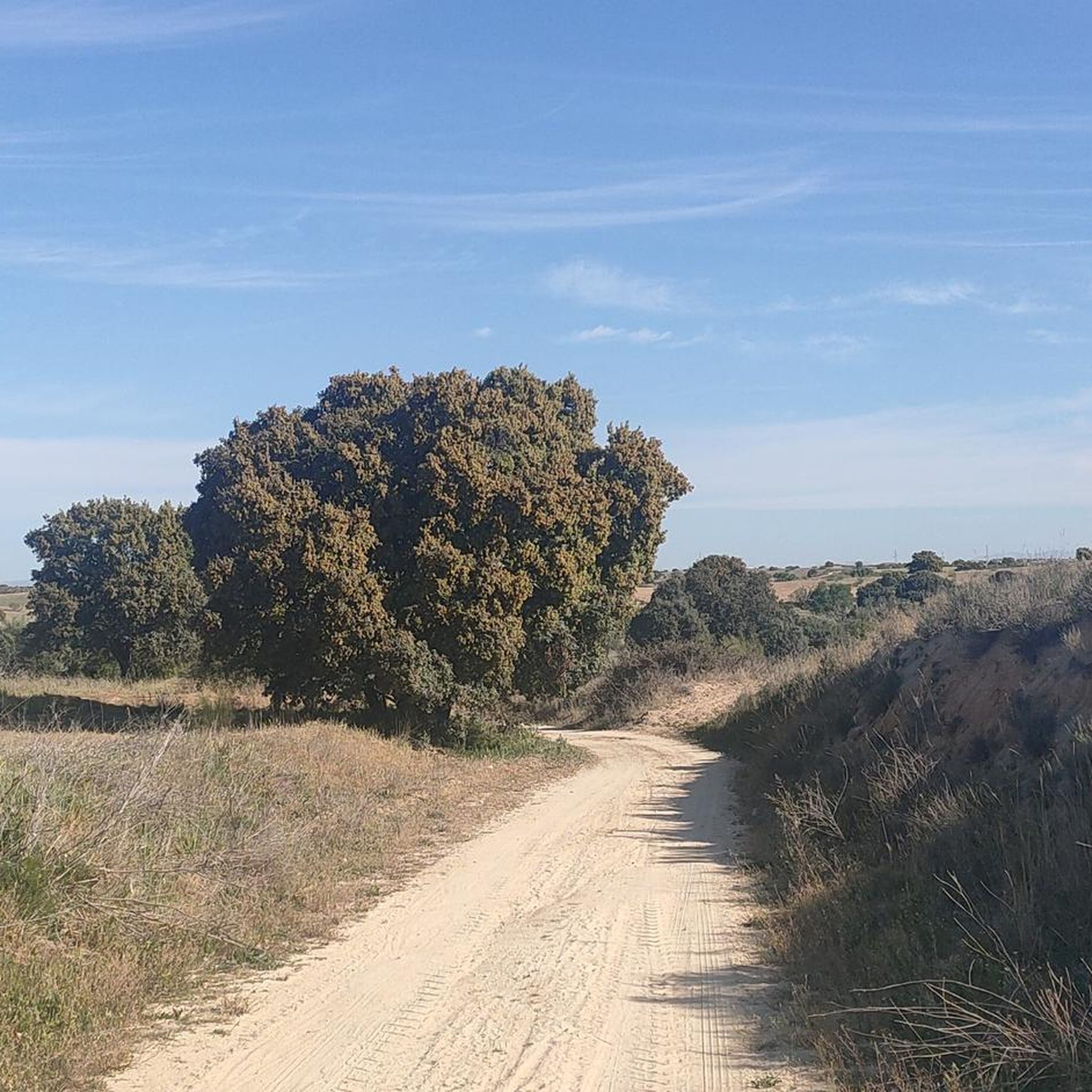
Gravel biking around El Viso De San Juan offers routes through the northern part of Toledo province, characterized by rolling landscapes and diverse ecosystems. The region features extensive agricultural areas with fields of cereal, vineyards, and olive groves, providing varied terrain for cyclists. The Guadarrama River meanders through the municipality, offering paths along its banks through well-preserved riparian forests. Natural viewpoints provide panoramic vistas of the Sierra de Guadarrama and Montes de Toledo.
Best gravel bike trails around El Viso…
Last updated: July 8, 2026
14
riders
58.4km
05:03
450m
450m
Hard gravel ride. Very good fitness required. You may need to push your bike for some segments of this route.
4.0
(2)
14
riders
Moderate gravel ride. Good fitness required. Mostly paved surfaces. Suitable for all skill levels.

Sign up for free
7
riders
34.6km
02:41
140m
140m
Moderate gravel ride. Good fitness required. Mostly paved surfaces. Suitable for all skill levels.
13
riders
42.9km
03:04
160m
160m
Moderate gravel ride. Good fitness required. Mostly paved surfaces. Suitable for all skill levels.
6
riders
Hard gravel ride. Very good fitness required. Mostly paved surfaces. Suitable for all skill levels.
Get access to more routes and recommendations from other explorers.
Sign up for free
Already have an account?
Our route recommendations are based on thousands of hikes, rides, and runs completed by other people on komoot.
Start today with a free account
Your next adventure awaits.
Login or Signup
Tips from the Community

You cannot enter. It can be seen from the outside.
0
0
There are many paths for your tours.
0
1

The Surroundings: An immense forest park of 150 hectares housing several bodies of water: the Laguna de Mari Pascuala (the largest and busiest), the Laguna de la Recomba (more natural and tranquil), and the Laguna de los Sisones. Historical Origin: The park occupies the site of the old village of Polvoranca, a medieval settlement that became deserted in the 19th century due to diseases such as the plague and malaria (caused by stagnant water). The Ruins: The symbol of the place is the Church of San Pedro Apóstol (1655), a baroque jewel now in ruins, which fuels legends of a "cursed village" and is a refuge for storks and kestrels. Nature: It is a key point for birdwatching (mallards, coots, grebes) and has a botanical garden with species from five continents.
0
0
lo beupqueño ep nuhabía bajes tnande odlugar so oiruC
0
0

A historic bridge used by the Almorox train line
0
0

The convent is very beautiful and has a huge elm tree at the entrance, but unfortunately it is dry.
0
0
ruins of the ancient town of Polvoranca from the year 1650
0
1

The Church of San Pedro Apóstol de Polvoranca is a church located in Polvoranca Park, in the municipality of Leganés (Madrid). It dates back to the Modern Age, having been built during the 17th century. It is Baroque in style, despite its Romanesque forms. In 1998, the church was classified as a Protected Building by the Leganés City Council, and in 2014, it was included on the Red List of Heritage due to its long-standing state of disrepair. In 1575, Juan Chacón Ponce de León, of ancient ancestry, and Ana de Ossorio purchased the land from the Count of Orgaz, thus creating the Polvoranca estate, later annexed to the town of Leganés in 1849. After raising sufficient funds with the financial support of church members, Juan Chacón was charged with beginning construction, which was completed in 1655. Although the church is Baroque in style, Art History Professor María Dolores Domech clarifies: "Its semicircular arches indicate Romanesque architecture, although it was built at a later period." The floor plan is a Latin cross with a single nave, consisting of side chapels and a coffered barrel vault. The architects were Francisco de Mora and his nephew, Juan Gómez de Mora, who enjoyed great prestige in the capital because they were part of the Court of the Minor Austrians.[3] It was dedicated to San Cosme and San Damián, but after the subsequent abandonment of the town and therefore of the church, their images were taken to the parish of Leganés until the war broke out, as they were destroyed by the Republican side. Some very fine reproductions still remain.
1
0
Frequently Asked Questions
How many gravel bike trails are there in El Viso De San Juan?
El Viso de San Juan offers a wide selection of gravel bike trails, with over 30 routes available for exploration. These routes cater to various skill levels, including easy, moderate, and difficult options.
What kind of landscapes can I expect on gravel bike trails in El Viso de San Juan?
The gravel bike trails in El Viso de San Juan traverse diverse and scenic landscapes. You'll ride through rolling agricultural areas featuring fields of cereal, traditional vineyards, and centenary olive groves. Many routes also follow the Guadarrama River, offering paths through well-preserved riparian forests with lush groves of poplars, willows, and elms. You can also expect to see natural vegetation like broom, thyme, and holm oaks, with some routes leading to viewpoints offering panoramic vistas of the Sierra de Guadarrama and Montes de Toledo.
Are there any easy gravel bike trails suitable for beginners or families?
Yes, El Viso de San Juan has several easy gravel bike trails perfect for beginners or families looking for a relaxed ride. There are 5 easy routes available, providing gentle terrain to enjoy the region's beauty. For example, the area offers routes that lead through agricultural fields and local villages, providing a pleasant experience without significant challenges.
Can I find circular gravel bike routes in the area?
Absolutely. Many of the gravel bike routes in El Viso de San Juan are designed as loops, allowing you to start and finish in the same location. Popular circular options include the Cerro de Batallones – Convent of Santa Juana loop from Cubas de la Sagra, which is a longer, more challenging ride, or the Ugena Main Square – El Laguito loop from Ugena, a moderate trail through agricultural fields.
What are some of the more challenging gravel routes for experienced riders?
For experienced gravel bikers seeking a challenge, El Viso de San Juan offers several difficult routes. One notable option is the Cerro de Batallones – Convent of Santa Juana loop from Cubas de la Sagra, a 59.1 km trail that traverses rolling agricultural landscapes. Another demanding ride is the Bridge over the Guadarrama River – Iron Bridge of Móstoles loop from Illescas, which covers 76.8 km with significant elevation changes.
What natural attractions or historical sites can I see along the gravel trails?
While gravel biking in El Viso de San Juan, you can encounter several interesting natural and historical points. Along the Guadarrama River, you might spot various bird species, including raptors and steppe birds, especially during spring. Historically, the area features sites like the ruins of the Olmos Castle near the Guadarrama River. You can also find highlights such as the Mortirolo Climb of Batres or the Arched Stone Bridge in Casarrubuelos Park. The Casarrubios del Monte Historical Center is also nearby.
When is the best time of year to go gravel biking in El Viso de San Juan?
The ideal seasons for gravel biking in El Viso de San Juan are spring and autumn. During these times, the temperatures are more pleasant, making for a more comfortable riding experience. Spring also offers the chance to witness the natural spectacle of male great bustards displaying and observe various bird species in the riparian forests.
Are there any routes that follow the Guadarrama River?
Yes, the Guadarrama River is a significant natural feature of the region, and several gravel routes follow its course. These trails often pass through well-preserved riparian forests, offering shaded and scenic paths. A great example is the Iron Bridge of Móstoles – Guadarrama River Greenway loop from Cubas de la Sagra, which directly follows the river.
What do other gravel bikers say about the trails in El Viso de San Juan?
The gravel biking routes in El Viso de San Juan are highly regarded by the komoot community, holding an average rating of 4.0 stars. Over 40 gravel bikers have used komoot to explore the area, often praising the varied terrain, from rolling agricultural landscapes to serene riverine ecosystems, and the rewarding panoramic views from natural viewpoints.
Are there options for longer gravel rides in the region?
Yes, for those looking for longer adventures, El Viso de San Juan offers several extended gravel routes. The Bridge over the Guadarrama River – Iron Bridge of Móstoles loop from Illescas is a substantial 76.8 km ride, while the Cerro de Batallones – Convent of Santa Juana loop from Cubas de la Sagra covers 59.1 km, providing ample distance for a full day out.
Are the gravel trails in El Viso de San Juan dog-friendly?
While specific regulations for dogs on every trail may vary, many rural and agricultural paths in the El Viso de San Juan area are generally accessible for dogs, especially if kept on a leash. When riding through riparian forests or near wildlife habitats, it's particularly important to keep dogs under control to protect the local fauna. Always ensure your dog is well-behaved and that you clean up after them.
Where can I park my car when starting a gravel bike ride?
Many of the gravel routes in El Viso de San Juan start from nearby towns like Cubas de la Sagra or Ugena. These towns typically offer public parking areas where you can leave your car before beginning your ride. For example, routes like the Iron Bridge of Móstoles – Guadarrama River Greenway loop start from Cubas de la Sagra, where parking options are usually available.
Most popular routes around El Viso De San Juan
Most popular attractions around El Viso De San Juan

Get inspired with the komoot mobile app


Explore more
Browse the best Gravel rides in other regions.
