The best road cycling routes around Pozanco
76
riders
8
rides
Road cycling around Pozanco offers varied terrain within the Ávila province, characterized by a mix of plains and mountainous areas. This region provides routes with significant elevation changes, including challenging climbs in areas like the Sierra de Gredos, alongside flatter options across open plains. Cyclists can expect well-paved, quiet roads that traverse landscapes featuring holm oak groves and pastures.
Best road cycling routes around Pozanco
- The most popular road cycling route is Mingorría loop from Zorita de Los Molinos,…
Last updated: June 28, 2026
22
riders
44.2km
02:02
520m
520m
Moderate road ride. Good fitness required. Mostly well-paved surfaces and easy to ride.
22
riders
53.7km
02:34
720m
720m
Moderate road ride. Good fitness required. Some segments of this route may be unpaved and difficult to ride.

Sign up for free
17
riders
57.3km
02:42
650m
650m
Moderate road ride. Good fitness required. Mostly well-paved surfaces and easy to ride.
12
riders
68.0km
03:00
600m
600m
Moderate road ride. Good fitness required. Mostly well-paved surfaces and easy to ride.
3
riders
64.9km
02:43
440m
440m
Moderate road ride. Good fitness required. Mostly well-paved surfaces and easy to ride.
Get access to more routes and recommendations from other explorers.
Sign up for free
Already have an account?
Our route recommendations are based on thousands of hikes, rides, and runs completed by other people on komoot.
Start today with a free account
Your next adventure awaits.
Login or Signup
Popular around Pozanco
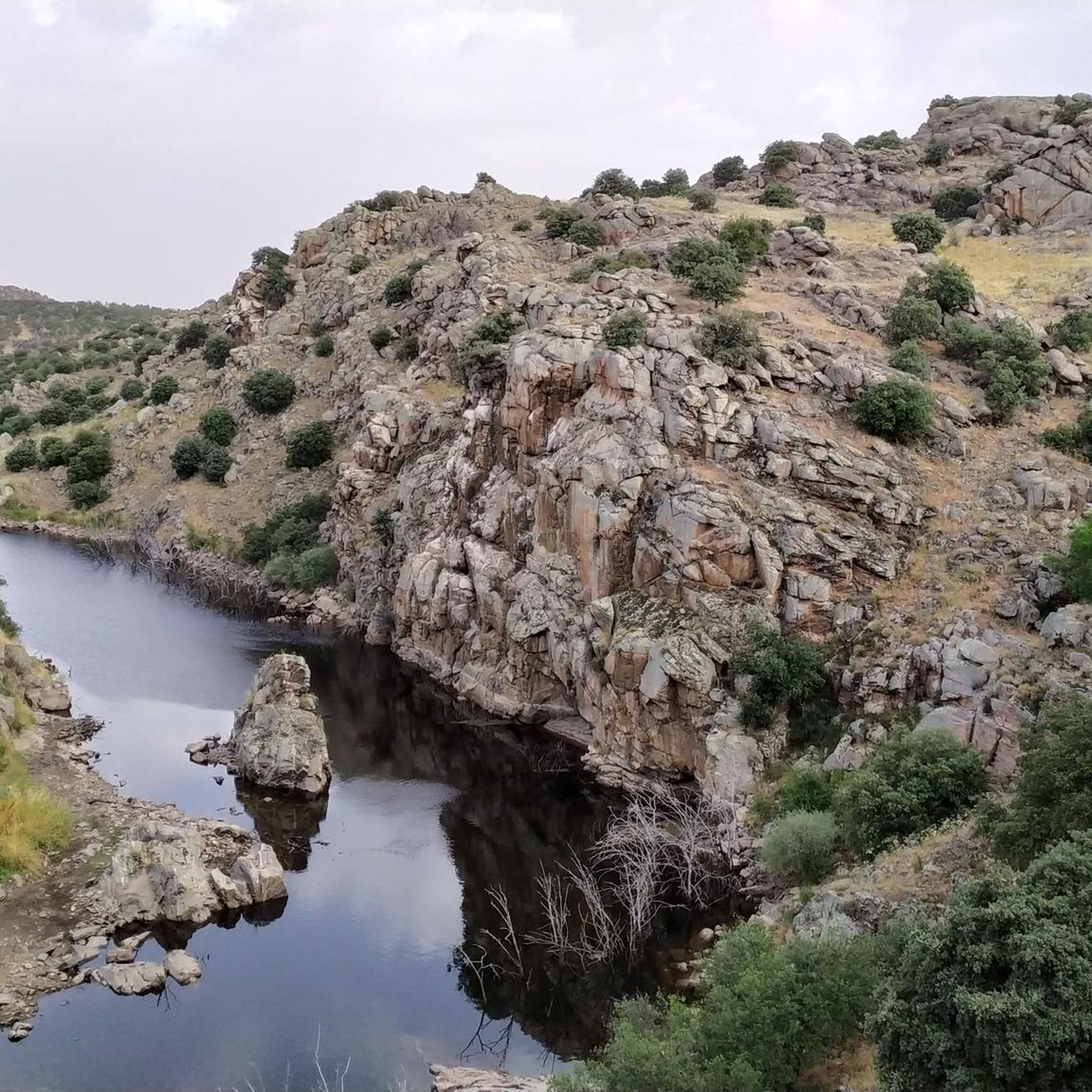
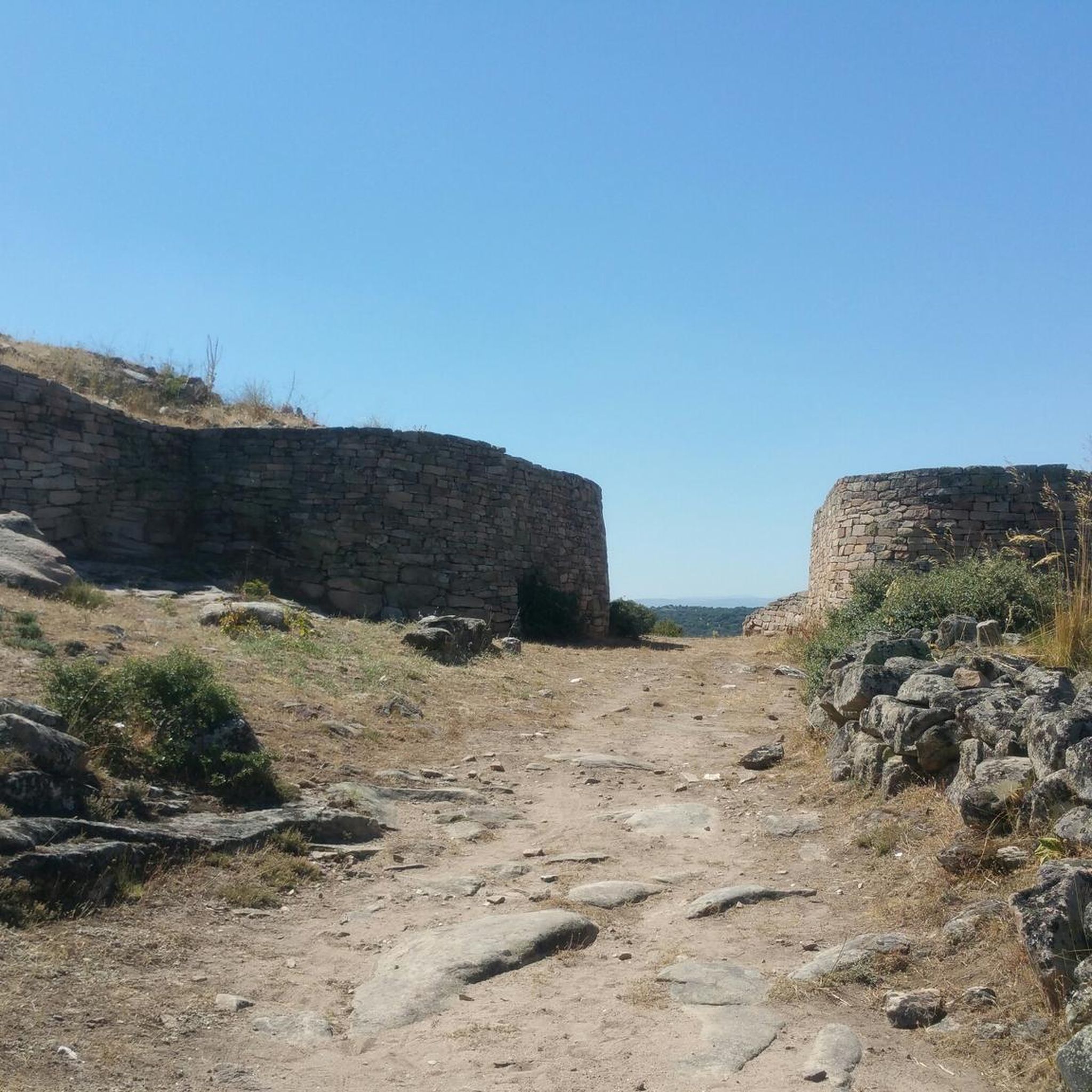
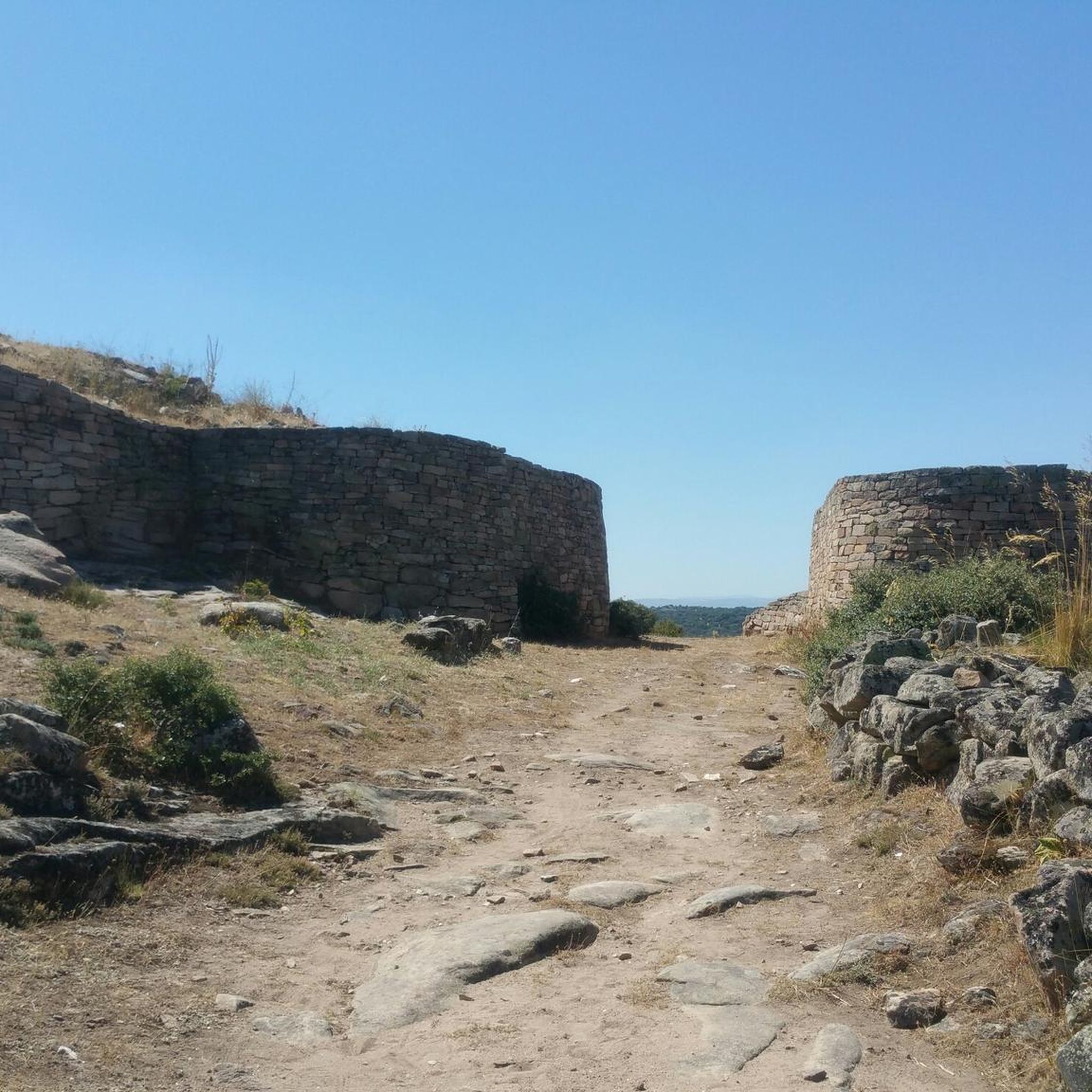
Tips from the Community

The bridge located in Moñibas (Segovia) is a small stone bridge, very characteristic of traditional Castilian rural architecture.
4
0
The Walls of Ávila are an impressive medieval fortification that surrounds the old town of Ávila, in Castile and León. These walls, built in the 11th century, are one of the best-preserved walled enclosures in Spain and were declared a UNESCO World Heritage Site in 1985.
11
0
This bridge was built to facilitate crossing the Adaja River and connect the Roman city of Ávila with the opposite bank. Although only the hidden abutments on the edges of the original Roman bridge remain, the bridge visible today dates back to the 12th century.
13
0

The truth is that it is a wonderful viewpoint of Ávila.
1
0
Half a century ago, the Avila town of Las Berlanas suffered a catastrophe of hitherto unknown proportions. A flood devastated the municipality and one of its main surroundings, El Burgo, in addition to ending the lives of two people. To commemorate this tragic event, a monument has been erected that remembers the victims and the catastrophe, but also the efforts of the people of Berlin to improve themselves.
3
0
Aveinte, a name with historical roots, has a fascinating legend dating back to ancient times. Many centuries ago, at the dawn of the Middle Ages, there was a small town in what we know today as Aveinte. The inhabitants of this place were simple people, dedicated mainly to agriculture and livestock. They lived in harmony with nature and worshiped the gods of the earth and sky. One day, during a time of drought and scarcity, the locals gathered in the town square to pray for rain and good harvests. The wise old man of the place, known as Adventius, led the ceremony. With his wrinkled hands and deep voice, he spoke words of supplication to heaven. Legend has it that, at that crucial moment, a mysterious figure appeared among the clouds. He was a luminous being, dressed in white robes and silver hair. The villagers were amazed and knelt before this heavenly presence. The being addressed Adventius and spoke to him in an ancient language that only he understood. “For your devotion and the faith of your people, I will grant a blessing,” he said. “From now on, every twenty years, the waters of the river that runs through Aveinte will overflow, fertilizing the land and ensuring abundant harvests.” Thus the name Aveinte was born, which means “advent” or “arrival” in honor of the heavenly visit. Since then, every twenty years, the river overflows and renews the earth, fulfilling the promise of the luminous being. The inhabitants of Aveinte keep this tradition alive and celebrate “Aveinte” with joy and gratitude. The legend has been passed down from generation to generation, and the town's name remains a reminder of its connection to the divine and renewed hope. So, when you walk through the cobblestone streets of Aveinte, remember this story and the magic that surrounds its name. 🌟🏡
2
0

Anyone visiting Avila should definitely visit this viewpoint. You won't find a better view of Avila and especially the imposing wall.
1
0
Old Roman bridge that is well preserved and still allows visitors to walk across the river. It's impressive how well the Romans built these structures and how well they were planned to still stand 2000 years later. There's not much to see on the other side, but there are nice views of the western side of the walled city
1
0
Frequently Asked Questions
How many road cycling routes are available around Pozanco?
There are 7 road cycling routes around Pozanco, all rated as moderate difficulty, offering a good balance of challenge and accessibility for most road cyclists.
What kind of terrain can I expect on road cycling routes near Pozanco?
The Pozanco area, situated within the Ávila province, offers diverse terrain. You'll find routes traversing open plains, rolling hills, and some with significant elevation changes as you approach mountainous areas like the Sierra de Gredos. The roads are generally well-paved and quiet, passing through picturesque landscapes of holm oak groves and pastures.
Are there challenging climbs for experienced road cyclists in the Pozanco area?
While all routes listed are rated as moderate, the region's proximity to the Sierra de Gredos means you can find routes with notable ascents. For example, the Cardeñosa – Cardeñosa loop from Mingorría features over 750 meters of elevation gain, providing a good workout amidst scenic countryside.
What scenic views or historical landmarks can I see along the road cycling routes?
Many routes offer stunning natural environments with green fields and holm oak groves. You can also incorporate historical sites into your ride. For instance, the Walls of Ávila – Views of Ávila loop from Cardeñosa de Ávila provides views of historical sites. A notable attraction nearby is the Castro de Las Cogotas, an Iron Age archaeological site, which can be a worthwhile stop.
Are there any circular road cycling routes around Pozanco?
Yes, all the road cycling routes around Pozanco are designed as loops, allowing you to start and finish at the same point. Examples include the popular Mingorría loop from Zorita de Los Molinos and the longer Bridge loop from Urb. Coto de Puenteviejo.
What is the best time of year for road cycling in Pozanco?
The region is particularly beautiful in spring and early summer when green fields are dotted with wildflowers. The climate in Castile and León generally offers pleasant conditions for cycling during these seasons. While winter cycling is possible, be mindful of cooler temperatures.
Are there any road cycling routes suitable for families with children?
All the listed routes around Pozanco are rated as moderate, with distances ranging from 44 km to 68 km and significant elevation gains. While suitable for active families with older, experienced cycling children, they might be challenging for very young or beginner cyclists. Consider the fitness level of all participants.
What do other road cyclists enjoy most about cycling in Pozanco?
Over 80 road cyclists have explored the routes around Pozanco using komoot. They often appreciate the region's varied terrain, which includes both open plains and rolling hills, as well as the quiet, well-paved roads that make for an enjoyable and safe cycling experience.
Are there places to stop for refreshments or to explore traditional villages along the routes?
Yes, the routes often pass through or near traditional villages like Cardeñosa, Mingorría, and Vega de Santa Maria. These offer opportunities for rest stops and to experience local culture, though specific cafes or restaurants would need to be checked locally.
What is the longest road cycling route available around Pozanco?
The longest route in this guide is the Bridge loop from Urb. Coto de Puenteviejo, covering approximately 68 kilometers (42 miles) with over 600 meters of elevation gain.
Can I find routes that offer a mix of flat sections and ascents?
Absolutely. The region's diverse geography ensures routes that combine both. For example, the Moñibas Bridge loop from Estación de Sanchidrián offers a balanced profile with around 414 meters of elevation gain over 64 kilometers, allowing for both steady pedaling and some climbing.
Most popular attractions around Pozanco

Get inspired with the komoot mobile app


Explore more
Browse the best Road cycling routes in other regions.
