Attractions and Places To See around Manzaneque - Top 20
Best attractions and places to see around Manzaneque include its notable medieval castle and historic church, set within a landscape characterized by the foothills of the Montes de Toledo. The area features extensive olive groves and vineyards, with remnants of Mediterranean forest in its southern parts. The Riansares stream traverses the municipality, contributing to the rural environment. Manzaneque offers a glimpse into traditional rural life and is known as a "Pueblo Olivarero" due to its olive production.
Best attractions and…
Last updated: May 9, 2026
Almonacid Castle
Highlight • Castle
Translated by Google •
Tip by

Castle of the Counts of Orgaz
Highlight • Castle
Translated by Google •
Tip by
Sign up now to discover places like this
Get recommendations on the best single tracks, peaks, & plenty of other exciting outdoor places.
Sign up for free
Los Yébenes
Highlight • Settlement
Historical and Cultural Heritage
Churches of Santa María and San Juan Bautista: Both from the 16th century, in Mudejar …
Translated by Google •
Tip by
Orgaz
Highlight • Settlement
Translated by Google •
Tip by
Mascaraque
Highlight • Settlement
Translated by Google •
Tip by
Sign up for free to discover even more attractions around Manzaneque.
Sign up for free
Already have an account?
Start today with a free account
Your next adventure awaits.
Login or Signup



Tips from the Community

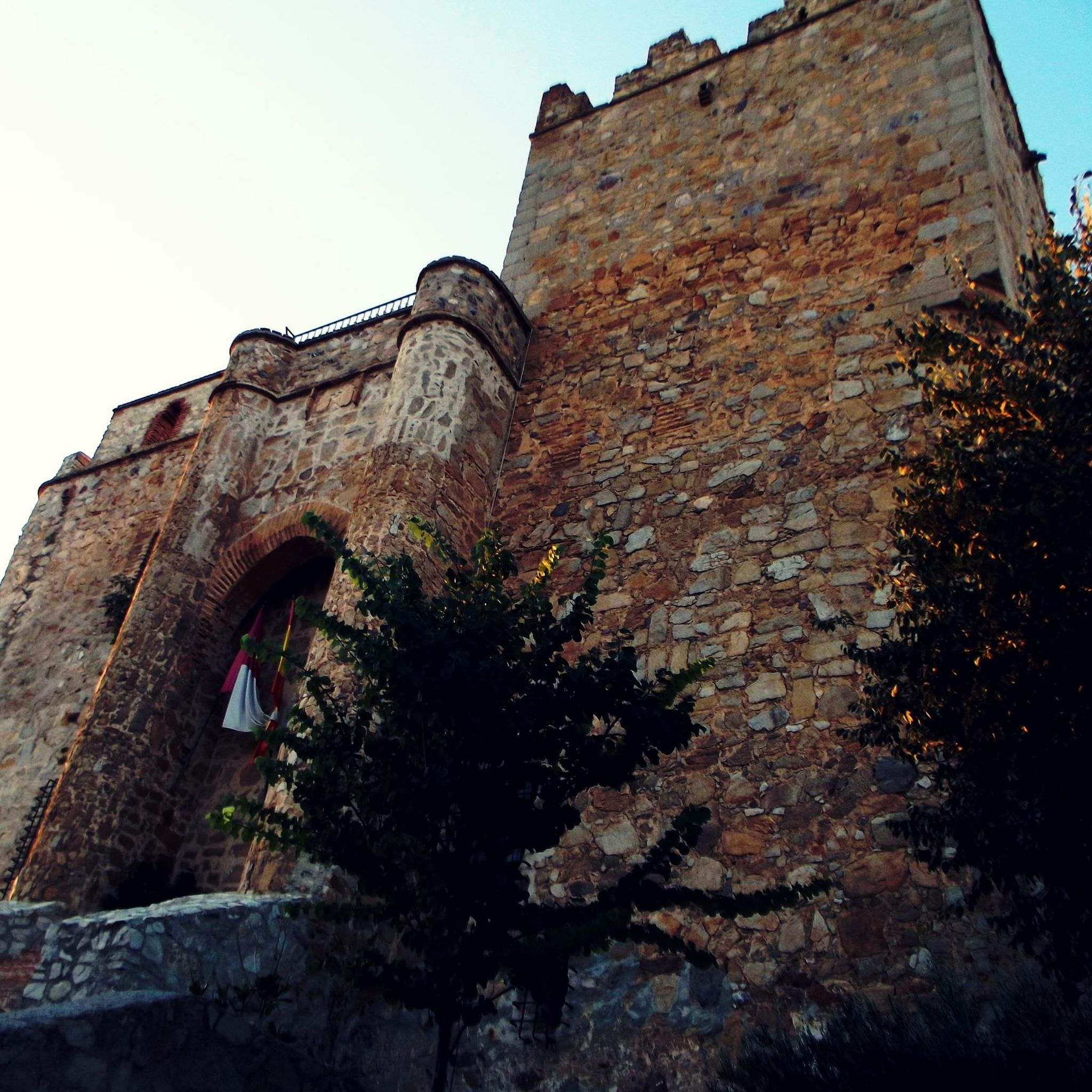
Currently, it is not possible to climb to the castle because a tower has collapsed.
0
1

Mascaraque Castle is one of the town's main attractions. Origin: It was built in the 14th century on the site of an earlier Muslim fortification. Historical Owners: It was renovated by the Padilla family, who were associated with the Comuneros in the 15th century. Architecture: The keep is a prominent feature, which, according to tradition, was "demolish" (lowered) by order of the Catholic Monarchs after the Revolt of the Comuneros. Interesting Details: Pentacles or Seals of Solomon can be seen on its walls, symbols that fuel legends of protection and mystery. Current Status: It is privately owned, so the interior is not open to the public, but the exterior is impressive and well worth seeing.
1
0
Mascaraque stands out for its authentic and tranquil atmosphere, ideal for those seeking a historical getaway without the crowds. Its historical heritage—centered on the castle, the church, and several hermitages—offers a rich cultural experience alongside a friendly local life. The rural surroundings reinforce this feeling of disconnection: olive groves, vineyards, and nature trails complete the appeal. In short, a destination with its own unique identity, highly valuable for lovers of heritage and charming villages.
2
0
It is located next to the Tourist Information office.
7
0
It is located next to the Tourist Information office, where they provide information about guided tours.
4
0
Los Yébenes is a fascinating destination in the Montes de Toledo! Historical and Cultural Heritage Churches of Santa María and San Juan Bautista: Both from the 16th century, in Mudejar and late Gothic styles. Guadalerzas Castle: A medieval fortress that still preserves its imposing structure. Windmills: Located in the "Crestería Molinera" (Molinera Ridge), these windmills stand out for their panoramic views and historical value. The Tío Zacarías Mill preserves its original machinery. Natural Science Museum: With an impressive blue whale skeleton. Hunting and Nature Museum: Showcases the hunting tradition of the area. Hoploteca – Museum of Ancient Weapons: A tour of the evolution of weapons in different contexts.
31
0
Los Yébenes is a fascinating destination in the Montes de Toledo! Historical and Cultural Heritage Churches of Santa María and San Juan Bautista: Both from the 16th century, in Mudejar and late Gothic styles. Guadalerzas Castle: A medieval fortress that still preserves its imposing structure. Windmills: Located in the "Crestería Molinera" (Molinera Ridge), they stand out for their panoramic views and historical value. The Tío Zacarías Mill preserves its original machinery. Natural Sciences Museum: With an impressive blue whale skeleton. Hunting and Nature Museum: Showcases the hunting tradition of the area. Hoploteca – Museum of Ancient Weapons: A tour of the evolution of weapons in different contexts.
19
1

Built during the Middle Ages next to the western entrance gate to the town of Orgaz, it was for years a key element in the settlement's defense and surveillance functions. Although we now know it as the Castle of the Counts of Orgaz, when it was built, the castle belonged to the Lords of Orgaz. The Lordship of Orgaz was established in 1220 when Ferdinand III granted Ferdinand Juan de Alfariella, who had purchased the town of Orgaz from the Church of Santo Tomé, the title of Lord. Orgaz did not become a County until 1520 when the title of Count of Orgaz was granted to Álvaro Pérez de Guzmán by King Charles I.
0
2
Frequently Asked Questions
What historical landmarks can I explore in Manzaneque?
Manzaneque is rich in history. The town's central landmark is the 15th-century Manzaneque Castle, which now houses the Town Hall. You can also visit the Parish Church of the Assumption of Our Lady, rebuilt in 1820 in an imitation Renaissance style, and the Ermita de San Sebastián.
Are there other notable castles or historical sites near Manzaneque?
Yes, beyond Manzaneque itself, you can explore several impressive castles. The Castle of the Counts of Orgaz is a beautifully preserved 14th-century residential fortress. Another significant site is Almonacid Castle, a 14th-century military stronghold whose silhouette is visible from many kilometers away.
What natural features characterize the landscape around Manzaneque?
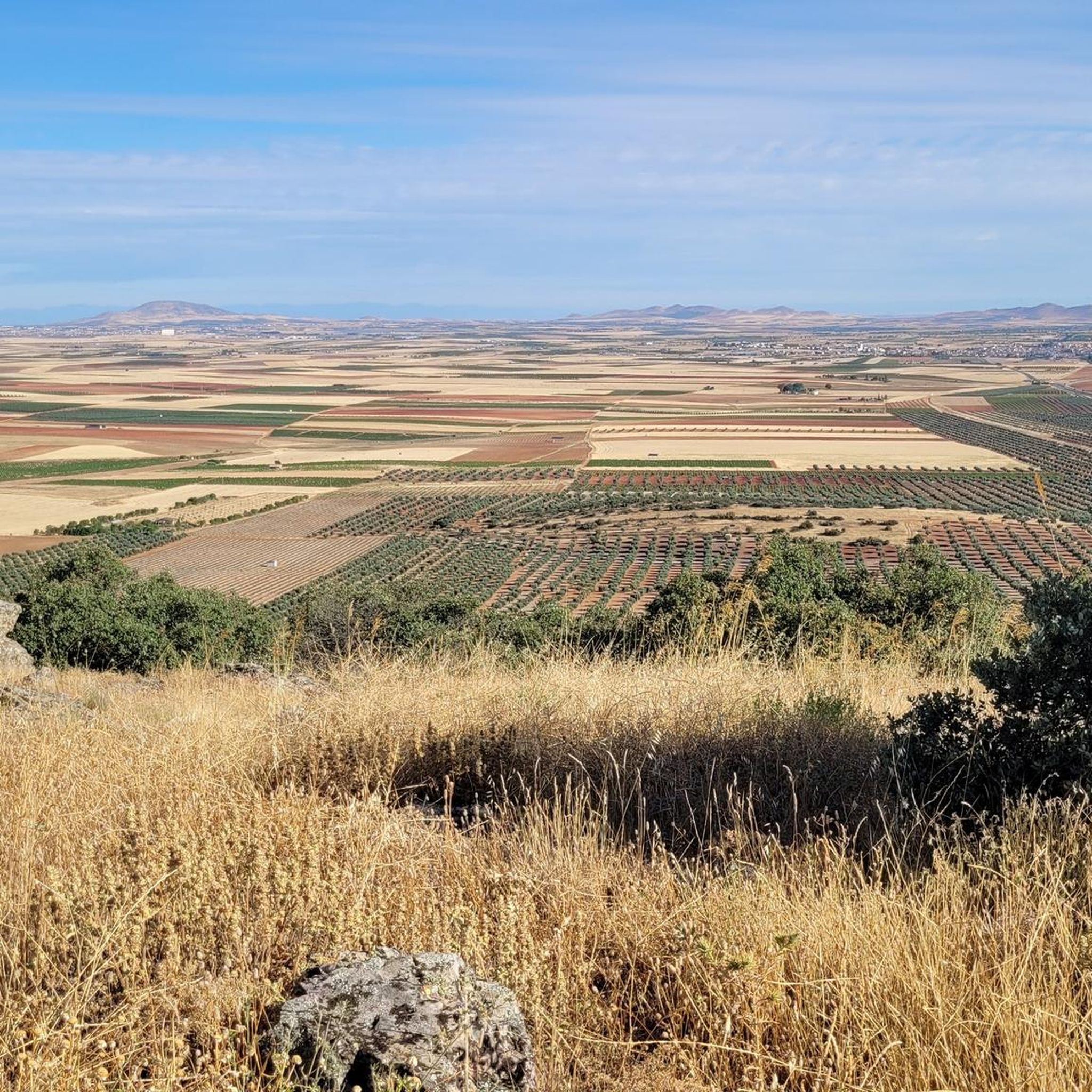
The area around Manzaneque offers varied natural landscapes. While the town is mostly flat, the southern part of its territory features the foothills of the Montes de Toledo. You'll find extensive olive groves and vineyards, remnants of Mediterranean forest with holm oaks and scrubland, and the Riansares stream, which traverses the municipality.
What kind of outdoor activities can I do near Manzaneque?
The rural environment around Manzaneque is ideal for outdoor activities. You can enjoy easy walks or cycling along natural paths through olive groves and vineyards. For more structured activities, consider exploring the hiking trails such as the 'Cliffs of Los Yébenes Trail' or the 'Moracantá and Peña Manaera Trail'. You can find more details on these and other routes in the Hiking around Manzaneque guide.
Are there family-friendly attractions in the Manzaneque area?
Absolutely. Many of the historical sites are suitable for families. For instance, the Castle of the Counts of Orgaz is listed as family-friendly. Additionally, the settlement of Los Yébenes offers historical and cultural heritage, including windmills and museums, which can be engaging for all ages.
What is the best time of year to visit Manzaneque?
Manzaneque can be enjoyed throughout the year. The spring and autumn months generally offer pleasant weather for exploring the historical sites and engaging in outdoor activities like hiking and cycling. Summers can be warm, ideal for enjoying the local rural life, while winters are milder, allowing for continued exploration of the town's heritage.
What is unique about Manzaneque's agricultural identity?
Manzaneque is known as a 'Pueblo Olivarero,' signifying its strong connection to olive production. The local terrain is characterized by extensive olive groves and vineyards, which are not only vital to the area's agricultural identity but also contribute to the picturesque rural landscape.
Can I find running trails near Manzaneque?
Yes, there are several running trails available. Options include the 'Los Riscos de Yebenes - circular trail run by windmills' and various loops around Los Yébenes and Mora. These trails offer different distances and difficulty levels. More information can be found in the Running Trails around Manzaneque guide.
Are there any charming towns or settlements to visit nearby?
Beyond Manzaneque, you can visit Orgaz, a quaint historic town with well-preserved architecture and monuments like the Church of Santo Tomás Apóstol. Another option is Los Yébenes, known for its historical and cultural heritage, including 16th-century churches and windmills.
What kind of cycling routes are available in the Manzaneque region?
The Manzaneque area offers a variety of cycling routes, particularly for road cycling. You can find routes like the 'Consuegra, Urda y Puerto del Comendador' loop or the 'Orgaz, Marjaliza Pass, and Los Yébenes Loop'. These routes vary in distance and difficulty, providing options for different skill levels. Explore more in the Road Cycling Routes around Manzaneque guide.
What is the significance of Manzaneque Castle today?
The 15th-century Manzaneque Castle is not only a significant cultural heritage site but also serves a practical purpose today. After undergoing restoration in the early 20th century and further work in the 1970s, it now houses the Town Hall, making it a living part of the community's administrative life.
Where can I learn more about the history of Manzaneque Castle?
For more in-depth historical details about Manzaneque Castle, including its construction by Don Íñigo de Ávalos and its subsequent owners, you can refer to resources like Wikipedia.
Most popular attractions around Manzaneque

Get inspired with the komoot mobile app


Explore more
Still not found the Highlight you’re looking for? See guides of the top attractions in other regions:
