The best walks and hikes around Manzaneque
4.8
(5)
27
hikers
12
hikes
Hiking around Manzaneque, situated in the Montes de Toledo mountain range, offers diverse landscapes for outdoor enthusiasts. The region is characterized by the Sierra de Nambroca, featuring elevations up to 944 m and geological formations of granite, gneiss, and quartzite. Hikers will encounter Mediterranean forests dominated by holm oaks and gall oaks, alongside rolling hills and cultivated olive groves in lower areas. Elevated points provide panoramic views of the surrounding plains and the wider Montes de Toledo.
Best hiking trails…
Last updated: June 27, 2026
4.5
(4)
13
hikers
15.4km
04:25
370m
370m
Moderate hike. Good fitness required. Mostly accessible paths. Sure-footedness required.
9.17km
02:34
180m
180m
Moderate hike. Good fitness required. Easily-accessible paths. Suitable for all skill levels.

Sign up for free
1
hikers
10.3km
02:39
50m
50m
Moderate hike. Good fitness required. Easily-accessible paths. Suitable for all skill levels.
10.2km
02:48
170m
160m
Moderate hike. Good fitness required. Easily-accessible paths. Suitable for all skill levels.
24.5km
06:51
480m
480m
Hard hike. Very good fitness required. Mostly accessible paths. Sure-footedness required.
Get access to more routes and recommendations from other explorers.
Sign up for free
Already have an account?
Our route recommendations are based on thousands of hikes, rides, and runs completed by other people on komoot.
Start today with a free account
Your next adventure awaits.
Login or Signup


Tips from the Community

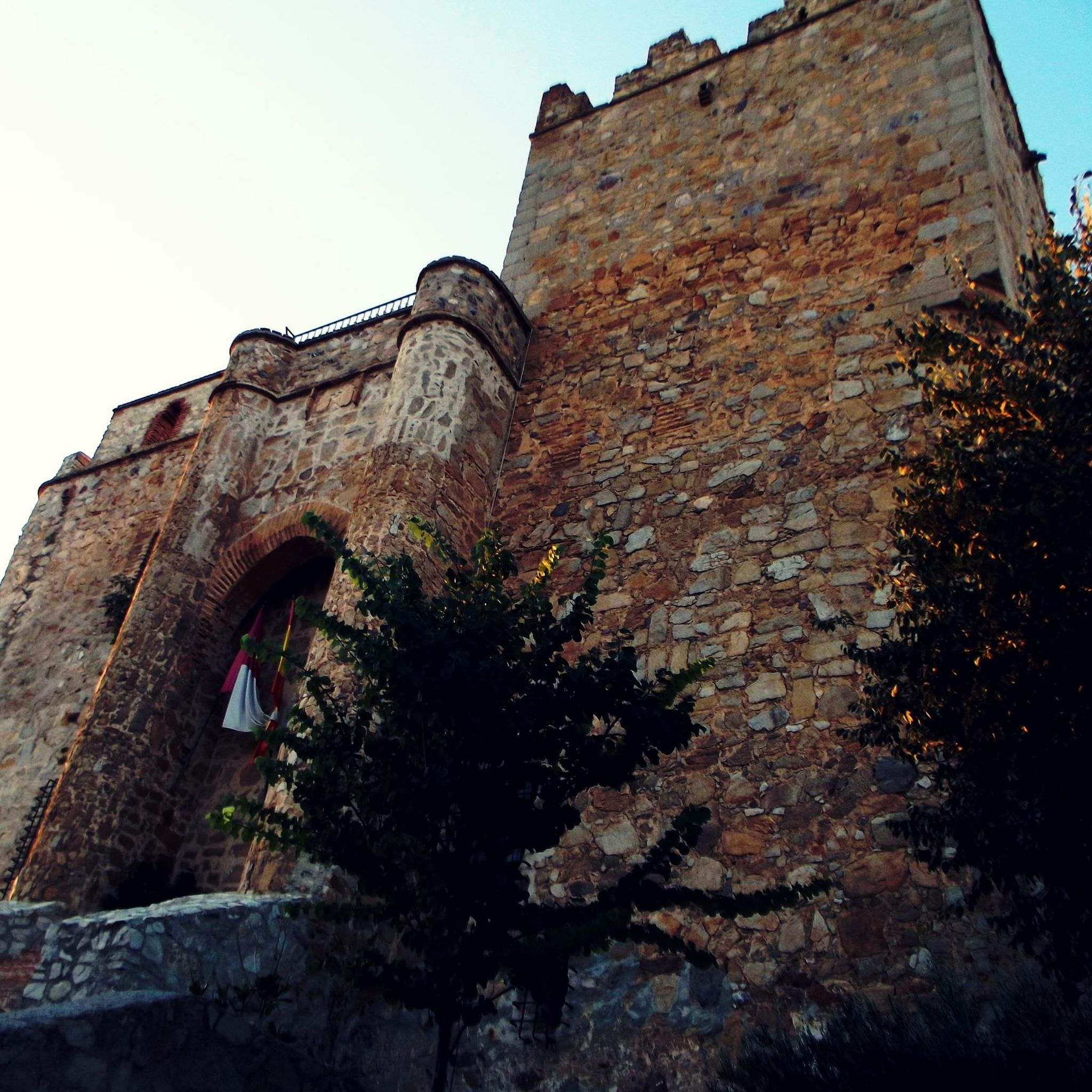
The castle is in ruins, but it's worth climbing for the panoramic views from its location.
1
0

Located in the Plaza de la Constitución, in the historic Town Hall in the Neo-Mudéjar style, designed by Ezequiel Martín Martín and built between 1927–1928, with a striking brick facade, masonry panels, horseshoe arches and ceramic decorations, culminating in a circular tower topped with a bulbous dome (tiled, from 1930).
3
0
The windmills of Los Yébenes, in the province of Toledo, are a historic and scenic site worth visiting for their cultural, architectural, and natural value. The windmills date back to the 16th century, although the first documentary references date back to the 19th century. They are horizontal-axis windmills with movable caps, typical of La Mancha. It is believed that Miguel de Cervantes saw them as a child while passing through the area, drawing inspiration for his work Don Quixote de la Mancha. [turismo.lo...yebenes.es]
5
0
The complex consists of four windmills, two of them fully restored, plus a miller's house, also reconstructed. The Tío Zacarías windmill is particularly noteworthy, as it features all the machinery for milling just as it was done in the 16th century. This type of construction is very common in the nearby region of La Mancha.
1
0
The Town Hall is perhaps the most unique building in the municipality, representing a beautiful metaphor with its name and use. Its architect was Ezequiel Martín Martín, and its construction began in 1927 and was completed practically a year later in 1928. The tile-clad tower was completed in 1930.
9
0

These were the first windmills of the day, a good climb from the north along a rather broken path. The windmills and the views make it worth the climb to them.
1
0
The windmills of Los Yébenes are silhouetted on the hills of the mountain range, in a watchtower known as the “Crestería Molinera”. The Tío Zacarías mill stands out, like the El Torrecilla mill, for having all the complete machinery to grind as it was done in the past. Guided tours are available, although I think they require reservation at the Tourist Office.
1
0

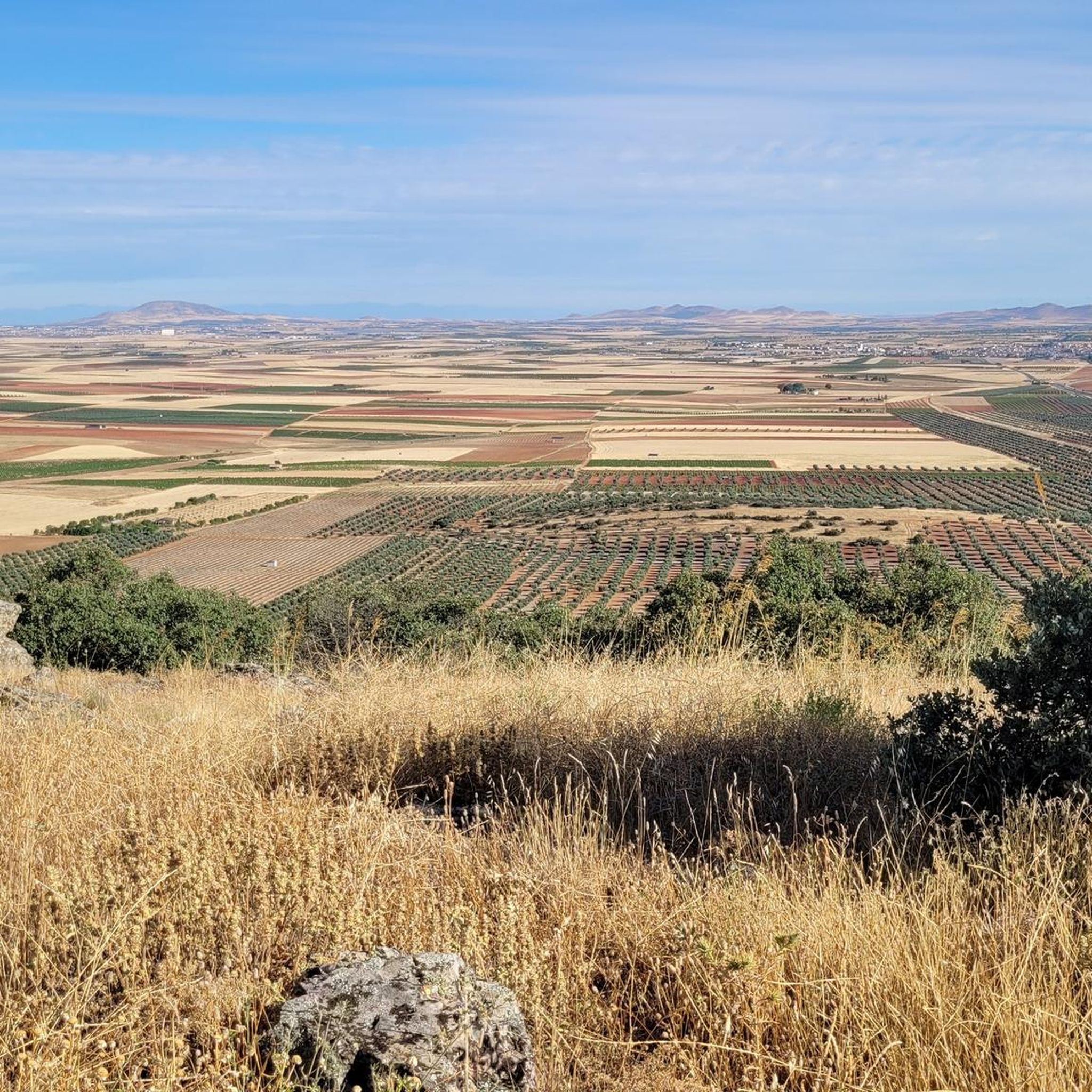
One of the viewpoints along the route, to enjoy the views of the surrounding landscape. From them we can see the Castle of Mora, the Castle of Almonacid, the Sierra de Nambroca, Pico de Noez.
2
0
Frequently Asked Questions
What kind of terrain and landscapes can I expect when hiking in Manzaneque?
Hiking in Manzaneque offers a diverse landscape primarily defined by the Sierra de Nambroca, part of the Montes de Toledo mountain range. You'll encounter Mediterranean forests dominated by holm oaks and gall oaks, along with aromatic undergrowth like thyme and rosemary. The geological makeup includes granite, gneiss, and quartzite crests. In lower areas, cultivated olive groves add to the scenic beauty, and the landscape features rolling hills and diffuse erosion valleys.
Are there easy hiking options available in Manzaneque?
Yes, Manzaneque offers hiking options suitable for various skill levels. There are 2 easy routes available, perfect for those looking for a more relaxed walk with minimal elevation gain. These paths are generally accessible and provide a gentle introduction to the region's natural beauty.
Are there any challenging hikes for experienced trekkers in Manzaneque?
For experienced trekkers seeking a challenge, Manzaneque does offer more demanding routes. There is 1 difficult trail, such as the Route Peñas Negras (PR-TO 1) — circular from Mora, which covers over 24 km and involves significant elevation changes, requiring good fitness and sure-footedness.
What kind of views can I expect on hikes around Manzaneque?
From elevated points within the Sierra de Nambroca, such as Cerro Marica, hikers can enjoy expansive panoramic vistas. These views typically include the surrounding plains, vast olive groves, and the broader Montes de Toledo mountain range in the distance, offering a true sense of the region's natural grandeur.
Are there any circular hiking routes in Manzaneque?
Yes, there are circular hiking routes available. For instance, the Route Peñas Negras (PR-TO 1) — circular from Mora is a notable circular option, allowing you to start and end your journey in the same location while exploring the varied landscapes.
What historical sites or landmarks can I see while hiking in the area?
The region around Manzaneque offers a blend of natural beauty and historical interest. On trails like those in the Sierra de Nambroca, you might encounter historical elements such as trenches and bunkers from the Spanish Civil War near summits. Additionally, you can explore nearby castles like Almonacid Castle or the Castle of the Counts of Orgaz, which are significant landmarks in the vicinity.
What is the best time of year to go hiking in Manzaneque?
Given Manzaneque's continental Mediterranean climate, the best times for hiking are typically spring (March to May) and autumn (September to November). During these seasons, temperatures are milder, and the natural scenery is vibrant, making for more comfortable and enjoyable outdoor experiences. Summers can be very hot, and winters can be chilly, though hiking is possible year-round with appropriate preparation.
Are there family-friendly hiking trails in Manzaneque?
While specific 'family-friendly' designations aren't always explicit, the 2 easy routes available in Manzaneque are generally suitable for families. These trails feature minimal elevation gain and accessible paths, making them a good choice for outings with children or those preferring a less strenuous walk.
Can I hike with my dog in Manzaneque?
Generally, hiking with dogs is permitted on trails in the Manzaneque area. However, it's always recommended to keep your dog on a leash, especially in areas with wildlife or livestock, and to follow local regulations regarding pet waste. Ensure your dog is well-behaved and capable of handling the trail conditions.
What do other hikers enjoy the most about hiking in Manzaneque?
The hiking routes in Manzaneque are highly rated by the komoot community, with an average score of 4.8 stars from over 5 reviews. Reviewers often praise the diverse Mediterranean landscapes, the panoramic views from elevated points, and the varied terrain that offers options for different ability levels.
Are there any trails that feature windmills or unique natural formations?
Yes, some trails in the broader region showcase unique features. For example, the Cliffs of Los Yébenes Trail is known for its panoramic views and diverse Mediterranean landscapes, which can include historical windmills. The Sierra de Nambroca itself is characterized by its granite, gneiss, and quartzite crests, resulting from ancient geological processes.
How long do hikes around Manzaneque typically take?
The duration of hikes around Manzaneque varies significantly depending on the route and your pace. For instance, the Cliffs of Los Yébenes Trail takes approximately 4 hours 25 minutes to complete, while the Castillo de Peñas Negras from Mora can be completed in about 2 hours 34 minutes. Longer, more challenging routes like the Route Peñas Negras (PR-TO 1) — circular from Mora can take over 6 hours.
Most popular attractions around Manzaneque

Get inspired with the komoot mobile app


Explore more
Browse the best Hikes in other regions.
