The best road cycling routes around Manzaneque
132
riders
12
rides
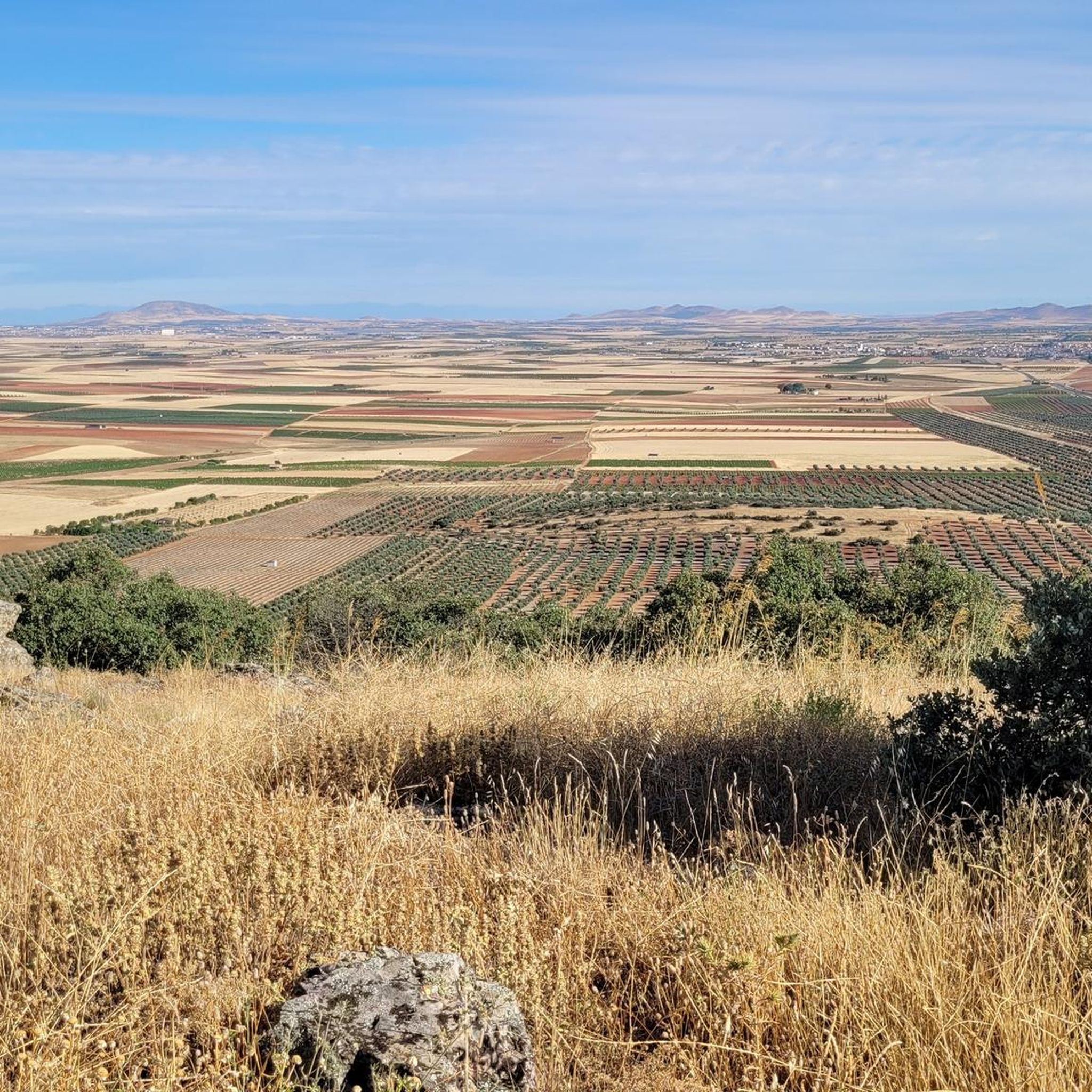
Road cycling routes around Manzaneque traverse a landscape characterized by rolling terrain and agricultural areas, connecting various towns and villages. The region features a mix of gentle gradients and more challenging climbs, including passes such as Puerto del Comendador and Marjaliza Pass. Road cyclists can expect routes that wind through open countryside, offering varied elevation profiles. The area provides a network of roads suitable for different cycling abilities.
Best road cycling routes around Manzaneque
- The most popular road cycling route…
Last updated: July 2, 2026
14
riders
32.1km
01:30
410m
410m
Cycle a moderate 19.9-mile (32.1 km) circular route from Orgaz, tackling the scenic Paso de Los Yébenes and Puerto de Marjaliza in Montes de
13
riders
98.6km
04:13
830m
830m
Moderate road ride. Good fitness required. Mostly well-paved surfaces and easy to ride.

Sign up for free
5
riders
32.8km
01:26
300m
300m
Easy 20.4-mile road cycling route from Mora to Villanueva de Bogas, offering views of the historic Castillo de Peñas Negras.
2
riders
46.7km
01:54
200m
200m
Easy road ride. Great for any fitness level. Mostly well-paved surfaces and easy to ride.
31
riders
69.5km
03:14
480m
480m
Moderate road ride. Good fitness required. Mostly well-paved surfaces and easy to ride.
Get access to more routes and recommendations from other explorers.
Sign up for free
Already have an account?
Our route recommendations are based on thousands of hikes, rides, and runs completed by other people on komoot.
Start today with a free account
Your next adventure awaits.
Login or Signup



Tips from the Community

L'Arco de San Huberto is a charming point of interest and a natural/historical monument located in the Sierra de Los Yébenes (Montes de Toledo, Spain). The place is traditionally linked to the Capilla de San Huberto, protector of hunters, and is a much-appreciated stop on excursions in the surroundings. To reach and enjoy this corner of nature, you can use specific routes depending on your sport.
0
0

Located in the Plaza de la Constitución, in the historic Town Hall in the Neo-Mudéjar style, designed by Ezequiel Martín Martín and built between 1927–1928, with a striking brick facade, masonry panels, horseshoe arches and ceramic decorations, culminating in a circular tower topped with a bulbous dome (tiled, from 1930).
3
0
Mascaraque Castle is one of the town's main attractions. Origin: It was built in the 14th century on the site of an earlier Muslim fortification. Historical Owners: It was renovated by the Padilla family, who were associated with the Comuneros in the 15th century. Architecture: The keep is a prominent feature, which, according to tradition, was "demolish" (lowered) by order of the Catholic Monarchs after the Revolt of the Comuneros. Interesting Details: Pentacles or Seals of Solomon can be seen on its walls, symbols that fuel legends of protection and mystery. Current Status: It is privately owned, so the interior is not open to the public, but the exterior is impressive and well worth seeing.
1
0
Mascaraque stands out for its authentic and tranquil atmosphere, ideal for those seeking a historical getaway without the crowds. Its historical heritage—centered on the castle, the church, and several hermitages—offers a rich cultural experience alongside a friendly local life. The rural surroundings reinforce this feeling of disconnection: olive groves, vineyards, and nature trails complete the appeal. In short, a destination with its own unique identity, highly valuable for lovers of heritage and charming villages.
2
0
It is located next to the Tourist Information office.
7
0
The Church of Santa María Magdalena in Ajofrín (Toledo) Construction: Late 15th and early 16th centuries, built on the site of an earlier 12th-century church. Style: Transitional between Mudéjar Gothic and Renaissance. Floor Plan: Single nave in the shape of a Latin cross, with a square transept and deep transepts. Interior Details: Ribbed vaulting supported by corbels decorated with figures (birds with human heads). Choir loft above a segmental arch decorated with spheres. Recent discovery of an Isabelline coffered ceiling (1480), polychrome with vegetal motifs.
6
0
It is located next to the Tourist Information office, where they provide information about guided tours.
4
0
La Umbría del Madroñal is a recreational and natural area located in the municipality of Orgaz (Toledo), within the Montes de Toledo mountain range. It is an ideal place for hiking and enjoying nature, with several marked trails and a protected environment.
4
0
Frequently Asked Questions
How many road cycling routes are available around Manzaneque?
There are 13 road cycling routes documented on komoot for the Manzaneque area. These routes offer a variety of experiences, from easier loops to more challenging rides with significant climbs.
What is the best season for road cycling in Manzaneque?
The region's climate, characterized by open countryside and agricultural areas, generally makes spring and autumn ideal for road cycling. These seasons offer pleasant temperatures, avoiding the intense heat of summer and potential chill of winter, providing comfortable conditions for exploring the varied terrain.
Are there road cycling routes suitable for beginners in Manzaneque?
Yes, Manzaneque offers several routes suitable for beginners. For example, the Mora and Villanueva de Bogas Loop is an easy 20.4-mile (32.8 km) trail through agricultural lands. Another accessible option is the Ajofrin, Orgaz y Mora – circular desde Mascaraque, an easy 29-mile (46.7 km) route.
Where can I find challenging climbs for advanced road cyclists near Manzaneque?
For advanced road cyclists seeking climbs, the region features passes such as Puerto del Comendador and Marjaliza Pass. The Consuegra, Urda y Puerto del Comendador — circular desde los Yébenes route, a 61.3-mile (98.6 km) ride, includes the Puerto del Comendador and significant elevation gain. The Orgaz, Marjaliza Pass, and Los Yébenes Loop offers a mix of climbs and descents, incorporating the Marjaliza Pass.
What kind of scenery can I expect on road cycling routes around Manzaneque?
Road cycling routes around Manzaneque primarily traverse open countryside and agricultural areas. You can expect varied elevation profiles, from gentle gradients to more challenging climbs, connecting various towns and villages. The landscape offers views of rolling terrain and rural Spanish scenery.
Are there any circular road cycling routes in the Manzaneque area?
Yes, many of the road cycling routes around Manzaneque are circular, allowing you to start and end in the same location. Examples include the popular Consuegra, Urda y Puerto del Comendador — circular desde los Yébenes, the Orgaz, Marjaliza Pass, and Los Yébenes Loop, and the Mora and Villanueva de Bogas Loop.
What historical landmarks or attractions can I see near the road cycling routes?
The Manzaneque area is rich in historical sites. Along or near many routes, you can explore various castles and settlements. Notable attractions include Almonacid Castle, the Castle of the Counts of Orgaz, and the charming towns of Los Yébenes, Orgaz, and Mascaraque.
Are there any hidden gem road cycling trails near Manzaneque that are less frequented?
While the guide highlights popular routes, the network of roads connecting towns like Mora, Orgaz, and Mascaraque offers many quieter sections. Exploring routes like the Orgaz – Umbría del Madroñal loop from Mora can lead you through less-traveled paths, providing a more serene cycling experience away from the main thoroughfares.
What are the typical distances and elevation gains for road cycling routes in Manzaneque?
Routes vary significantly in distance and elevation. You can find shorter, easier loops around 20 miles (32 km) with moderate elevation, such as the Mora and Villanueva de Bogas Loop (296m elevation gain). Longer, more challenging routes, like the Consuegra, Urda y Puerto del Comendador — circular desde los Yébenes, can extend over 60 miles (98 km) with significant climbs exceeding 800 meters of elevation gain.
What do other road cyclists enjoy most about road cycling in Manzaneque?
Road cyclists frequently praise the varied terrain, which includes both rolling hills and challenging climbs like Puerto del Comendador and Marjaliza Pass. The routes are appreciated for connecting historical towns and offering a good network of roads suitable for different ability levels, all set within open countryside and agricultural landscapes.
Are there family-friendly road cycling options in Manzaneque?
For families or those preferring less strenuous rides, the region offers easier routes with gentler gradients. The Mora and Villanueva de Bogas Loop is an easy 20.4-mile (32.8 km) trail that passes through agricultural lands, making it a good option for a more relaxed family outing. Similarly, the Ajofrin, Orgaz y Mora – circular desde Mascaraque is another easy route.
Most popular attractions around Manzaneque

Get inspired with the komoot mobile app


Explore more
Browse the best Road cycling routes in other regions.
