Attractions and Places To See around Guadahortuna - Top 15
Best attractions and places to see around Guadahortuna, a municipality in the northeast of Granada province, offer a mix of historical landmarks and natural beauty. Situated on the edge of the Río Guadahortuna, the area features a landscape of vast farmlands and notable elevations like Torrecilla's Hill. This region provides a tranquil environment for exploring its heritage and captivating scenery.
Best attractions and places to see around Guadahortuna
- The most popular attractions is Iznalloz, a settlement located above the…
Last updated: July 12, 2026
Iznalloz
Highlight • Settlement
Translated by Google •
Tip by

Puente del Hacho
Highlight • Bridge
Translated by Google •
Tip by
Sign up now to discover places like this
Get recommendations on the best single tracks, peaks, & plenty of other exciting outdoor places.
Sign up for free
Fuente Cabra
Highlight • Waterfall
When homes lacked a supply of drinking water, residents …
Translated by Google •
Tip by

Castillo de Huelma
Highlight • Castle
Translated by Google •
Tip by
La Teja Washhouse
Highlight • Structure
Translated by Google •
Tip by
Sign up for free to discover even more attractions around Guadahortuna.
Sign up for free
Already have an account?
Start today with a free account
Your next adventure awaits.
Login or Signup
Tips from the Community

This name is from an ancient spring that has supplied water to the town of Montejícar since the dawn of time. When homes lacked a supply of drinking water, residents came to this point to bring water to their homes since ancient times. Nowadays, homes have drinking water and the municipality has carried out water surveys near the spring so that its visible flow has decreased considerably because the drilling was carried out at a water table lower than the normal spring flow, in addition to the fact that rainfall has recently decreased considerably.
21
0
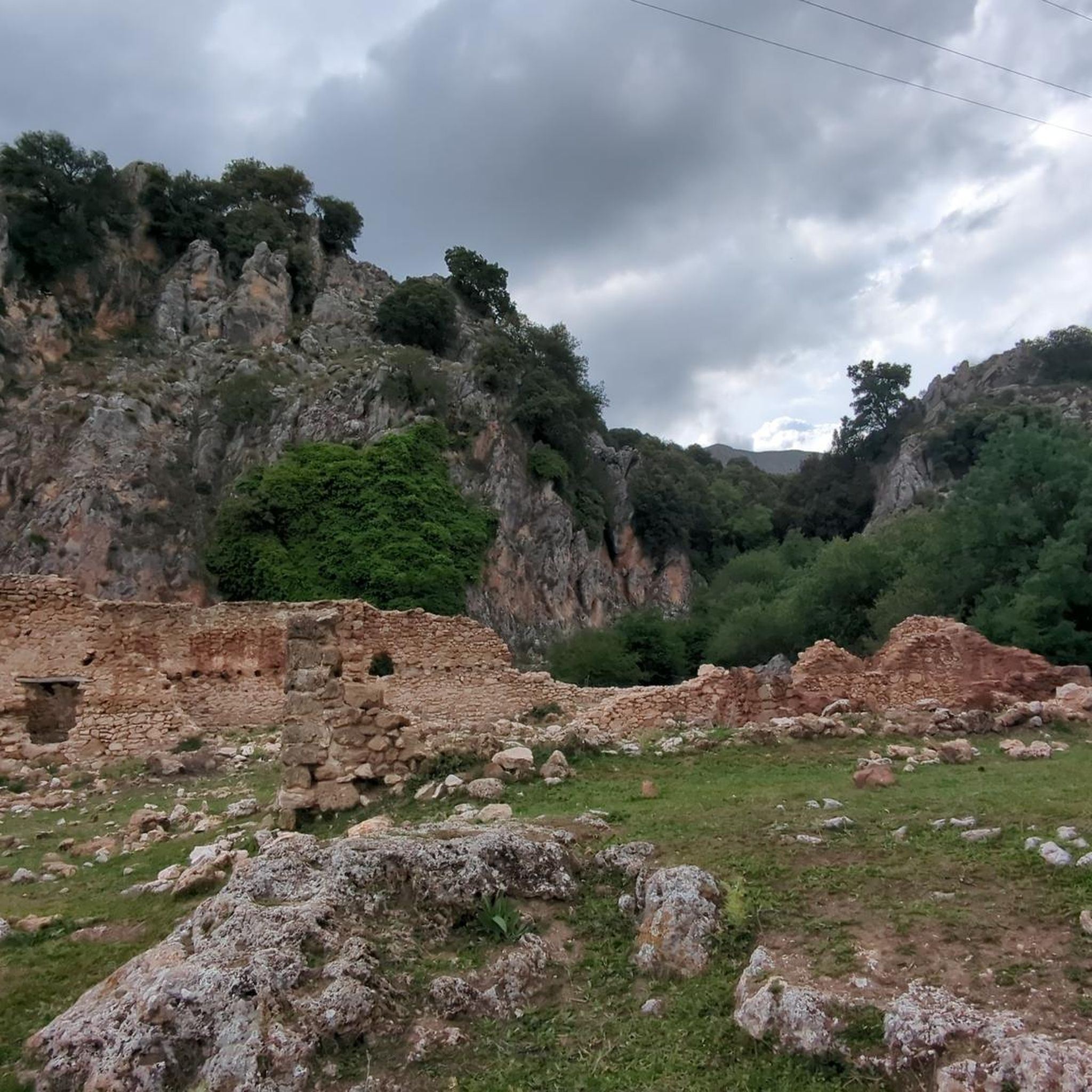
They are old laundries and springs called "La Teja" where the women of the town of Huelma used to wash clothes. They are located about two kilometers from the town and the spring is still flowing with water despite the severe drought that we are suffering in Andalusia in 2023.
7
0
From the top of the hill, Huelma Castle secretly monitors the movements of the town's citizens
8
0

The Puente del Hacho is a metallic viaduct that crosses the course of the Guadahortuna river. It is located between the towns of Guadahortuna and Alamedilla and is an impressive metal structure built at the end of the 19th century by French engineers.
1
0
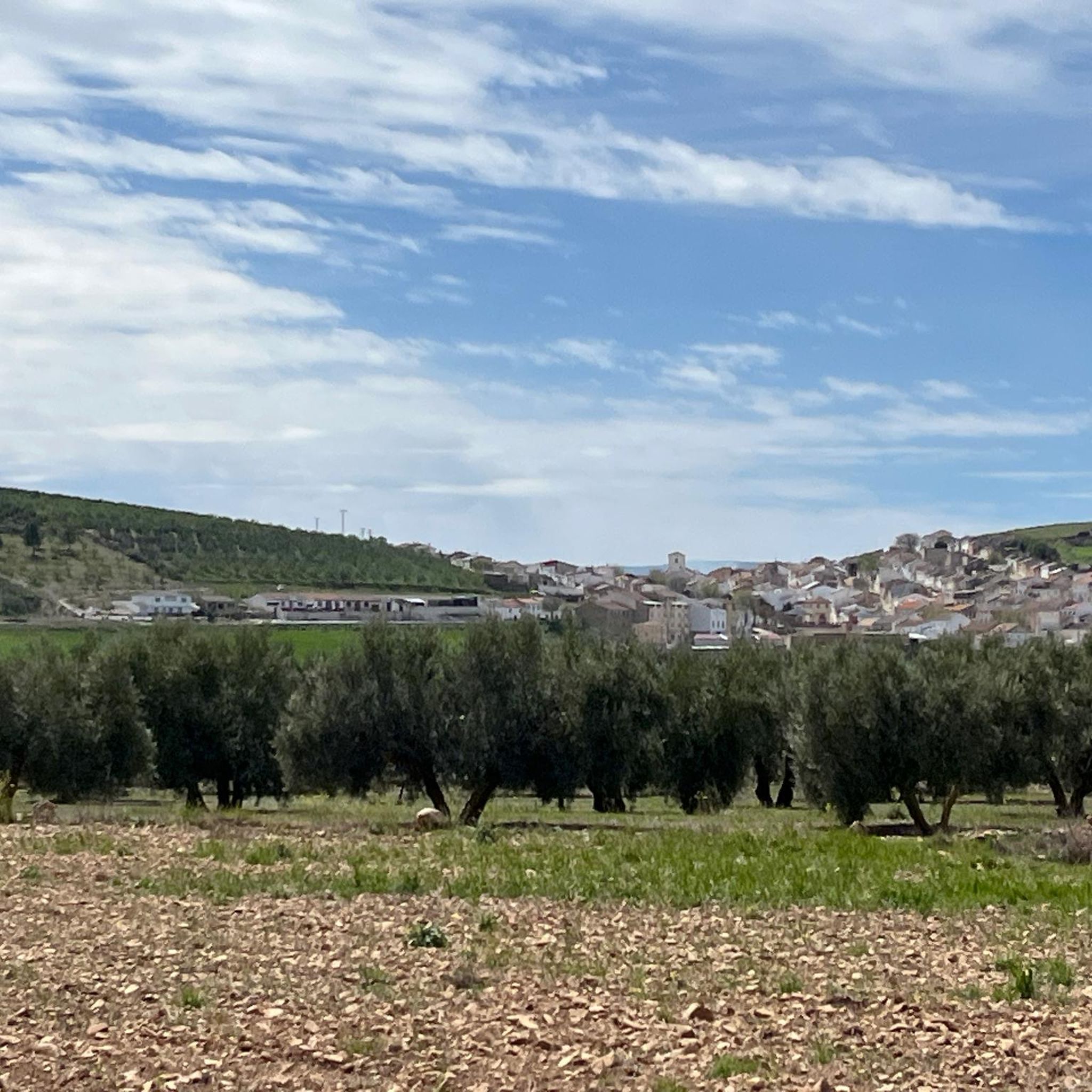
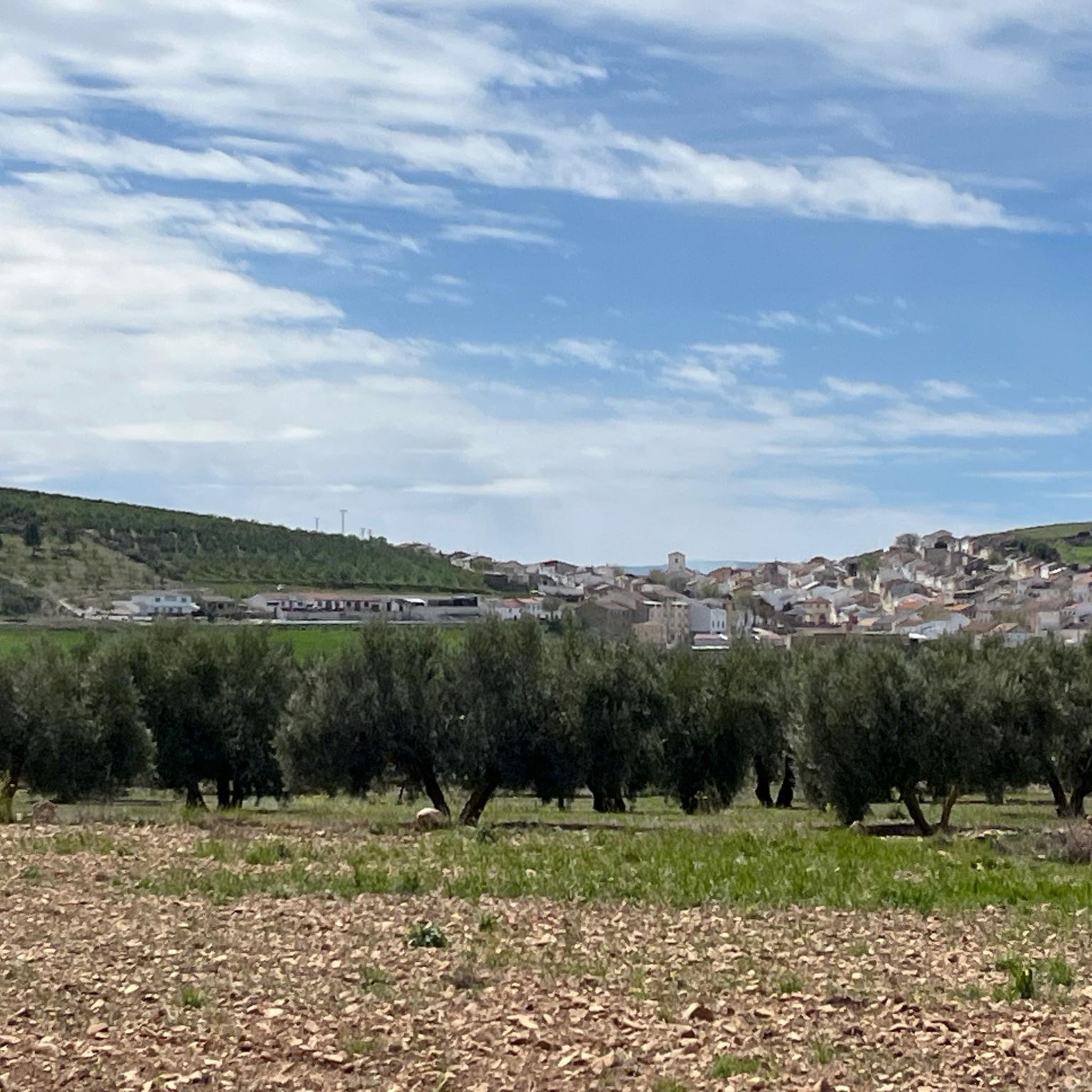
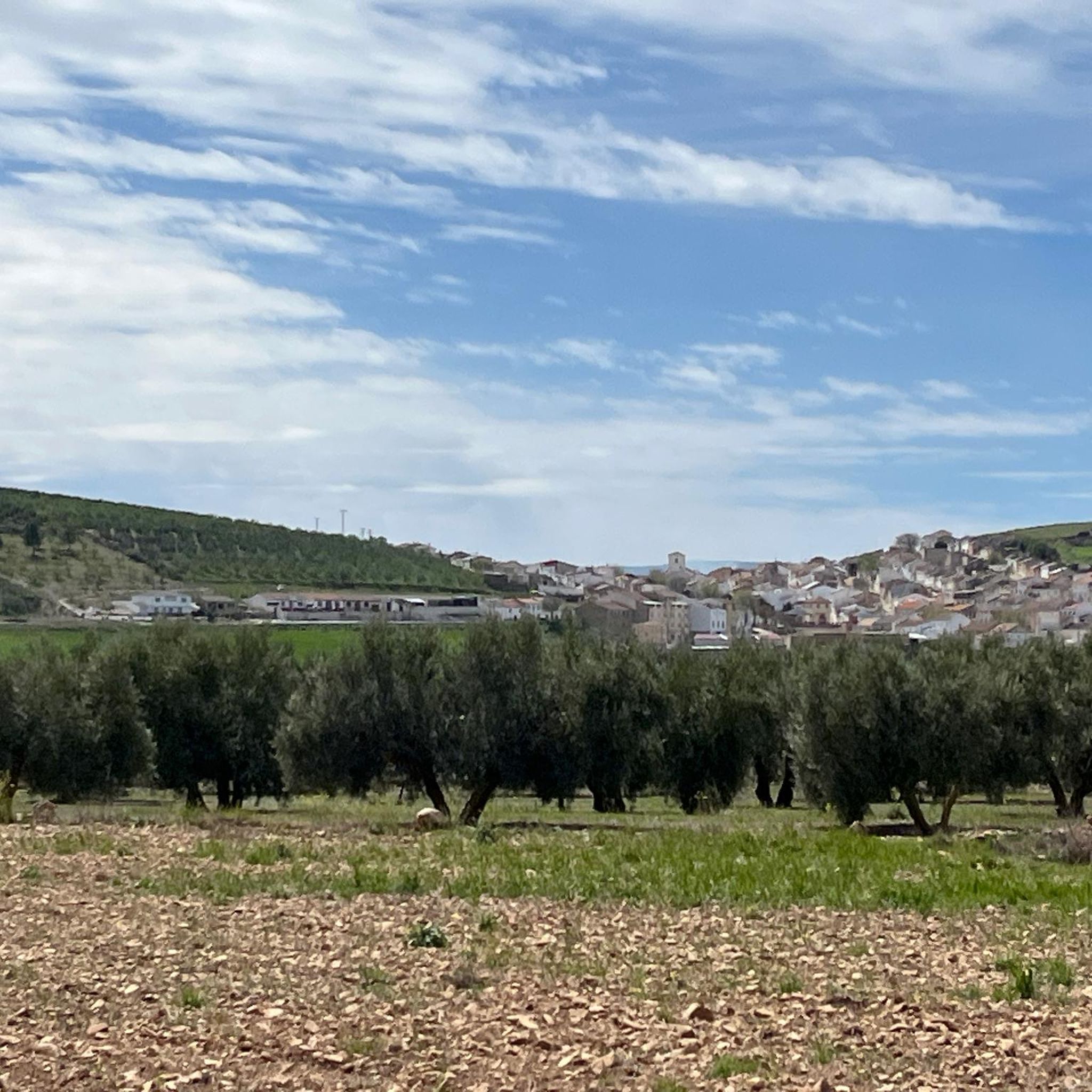
Iznalloz is a town located above the Tajo de la Hoz, followed by the Río Cubilles. The Sierra de Arana (which reaches more than two thousand meters), forms a southern wall where a valley descends that reaches the city of Granada.
0
0

It is the longest of the Spanish railway network. The project was entrusted to the studio of Gustave Eiffel, and it was his students and collaborators Duvel and Butilia who, under Eiffel's direction and supervision, completed it in the early 1890s. It is a metal structure 624.6 meters long and 49.85 meters high at its highest point, made exclusively with structural profiles of the type: angle, plate and “U”, sewn with rivets. The mentioned structure is formed by three differentiated beams supported on eleven pilasters. A central beam 486m long, with 8 spans of 60.75m each, which rests, except at its ends, on 7 metal piers with masonry plinths. The other two beams are two small access viaducts, the one on the Linares side with 102 m, formed by three spans of 34 m each, and the one on the Almería side with a single span of 34 m. Both rest on masonry piers, of which the internal pillars act as a common abutment for the central beam. At the ends of the bridge, the access viaducts rest on solid masonry abutments.
0
0
Nice fountain with waterfall. Very rich and fresh water. Although there is a sign of non-potable water to save the maintenance, it has been drunk since time immemorial by all the residents of Montejicar, and its quality is greatly appreciated.
1
0
Frequently Asked Questions
What historical landmarks can I explore in Guadahortuna?
Guadahortuna boasts a rich history. You can visit the 16th-century Iglesia Parroquial de Santa María la Mayor, known for its Renaissance portal and Mudejar coffered ceiling. Another significant site is the Hermitage of the Virgin of Loreto. Additionally, the impressive Puente del Hacho, a metallic railway bridge designed by Gustave Eiffel's studio in 1889, stands as a testament to late 19th-century industrial architecture.
Are there any notable natural features or viewpoints around Guadahortuna?
Yes, the region offers several natural highlights. The town itself is situated on the edge of the Río Guadahortuna, which flows through picturesque farmlands. For elevated views, you can explore areas around Torrecilla's Hill, the highest point at 1,227 meters, or other mountains like Altos del Navazuelo and Vergara. The nearby Fuente Cabra is an ancient spring with a waterfall, historically important for the town of Montejícar.
What kind of outdoor activities can I do near Guadahortuna?
The area around Guadahortuna is excellent for outdoor enthusiasts. You can find various routes for mountain biking, road cycling, and touring. For example, there are moderate MTB trails like the 'Mirador de la Escalerilla loop from Pedro Martínez' or 'Las Borregueras Olive Groves – Huelma loop from Huelma'. Road cyclists can tackle challenging routes such as 'Surrounding the Rio Guadahortuna — circular via Alamedilla and Dehesas de Guadix'. Explore more options on the MTB Trails around Guadahortuna, Road Cycling Routes around Guadahortuna, and Cycling around Guadahortuna guide pages.
Is Guadahortuna a good destination for nature lovers and wildlife spotting?
Absolutely. The region's landscape, characterized by the Río Guadahortuna and surrounding farmlands, offers a tranquil environment. Guadahortuna is also located along the road leading to the Parque Natural de Sierra Mágina. Within this natural park, the Valle del Frontil is particularly noted for its rich biodiversity, making it an ideal spot for nature enthusiasts and potentially for wildlife spotting.
Are there any family-friendly attractions or activities in the area?
While specific family-friendly activities are not extensively detailed, natural sites like Fuente Cabra, with its waterfall and fresh water, can be an enjoyable stop for families. Exploring the historic La Teja Washhouse, an old laundry facility with flowing springs, also offers a glimpse into local history in a relaxed setting.
What is the best time of year to visit Guadahortuna for outdoor activities?
Given the region's climate, spring and autumn generally offer the most pleasant weather for outdoor activities like hiking and cycling, with milder temperatures. Summers can be quite hot in Andalusia, which might be less ideal for strenuous activities, though mornings and evenings can still be enjoyable. Winters are typically mild but can be cooler and wetter.
What do visitors enjoy most about the attractions around Guadahortuna?
Visitors appreciate the blend of historical heritage and captivating natural scenery. The architectural marvel of the Puente del Hacho and the historical significance of sites like Iznalloz are highly regarded. The tranquility of the natural environment, including the Río Guadahortuna and the surrounding hills, also contributes to a memorable experience.
Can I find easy walking trails or circular routes near Guadahortuna?
While specific 'easy' or 'circular' walking trails are not explicitly detailed in the provided data, the general landscape of Guadahortuna's valley and the areas around the Río Guadahortuna offer opportunities for pleasant strolls. For more structured routes, you can check the various cycling and MTB guides for paths that might also be suitable for walking, keeping in mind their listed difficulty levels.
Are there any castles or viewpoints in the vicinity?
Yes, you can visit the Castillo de Huelma, which offers a viewpoint from the top of its hill. This castle secretly monitors the movements of the town's citizens, providing a historical and scenic stop.
What is Iznalloz and why is it a popular attraction?
Iznalloz is a settlement located above the Tajo de la Hoz, followed by the Río Cubilles. It's popular due to its picturesque setting, with the Sierra de Arana forming a southern wall and a valley descending towards Granada. It offers a mix of natural beauty and historical significance as a settlement.
What is the significance of the Puente del Hacho?
The Puente del Hacho is a metallic viaduct crossing the Guadahortuna river. Built in the late 19th century by engineers from Gustave Eiffel's studio, it is notable for being the longest metallic structure of the Spanish railway network, measuring 624.6 meters long and 49.85 meters high at its highest point. It's an impressive feat of engineering and a significant historical landmark.

Get inspired with the komoot mobile app


Explore more
Still not found the Highlight you’re looking for? See guides of the top attractions in other regions:
