Attractions and Places To See around Terrades - Top 20
Best attractions and places to see around Terrades are located in the Alt Empordà region of Catalonia, Spain. This area combines historical sites with natural landscapes, including the Muga River and the Mare de Déu del Mont mountain range. Visitors can explore ancient landmarks and engage with the diverse natural environment, which features forests and cherry orchards. The region provides numerous paths for hiking and mountain biking.
Best attractions and places to see around Terrades
- The most popular attractions is…
Last updated: August 29, 2026
Mare de Déu del Mont Summit
Highlight • Summit
Tip by

Dalí Theatre-Museum
Highlight • Monument
Translated by Google •
Tip by

Sign up now to discover places like this
Get recommendations on the best single tracks, peaks, & plenty of other exciting outdoor places.
Sign up for free
Old Bridge of Pont de Molins
Highlight • Bridge
Translated by Google •
Tip by

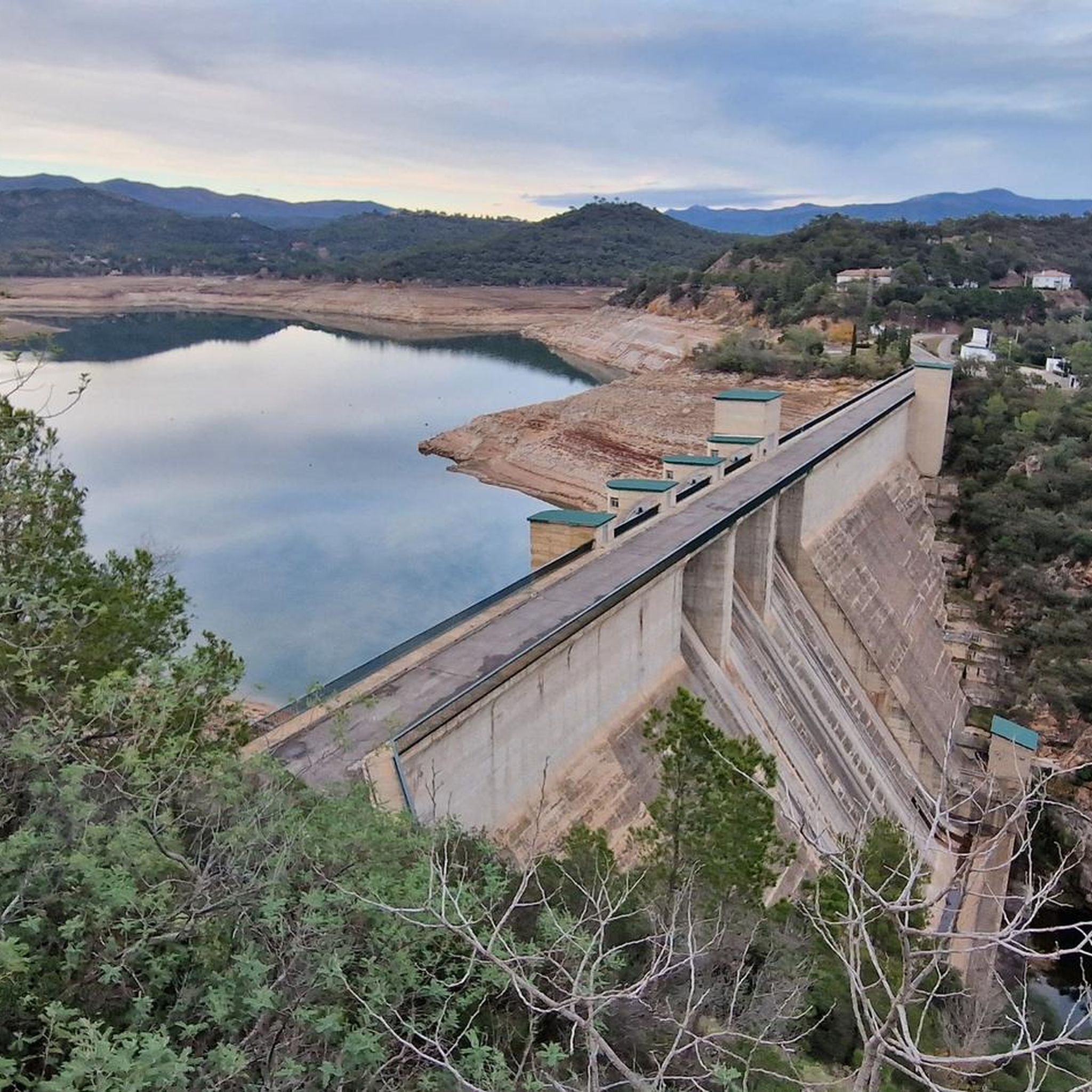
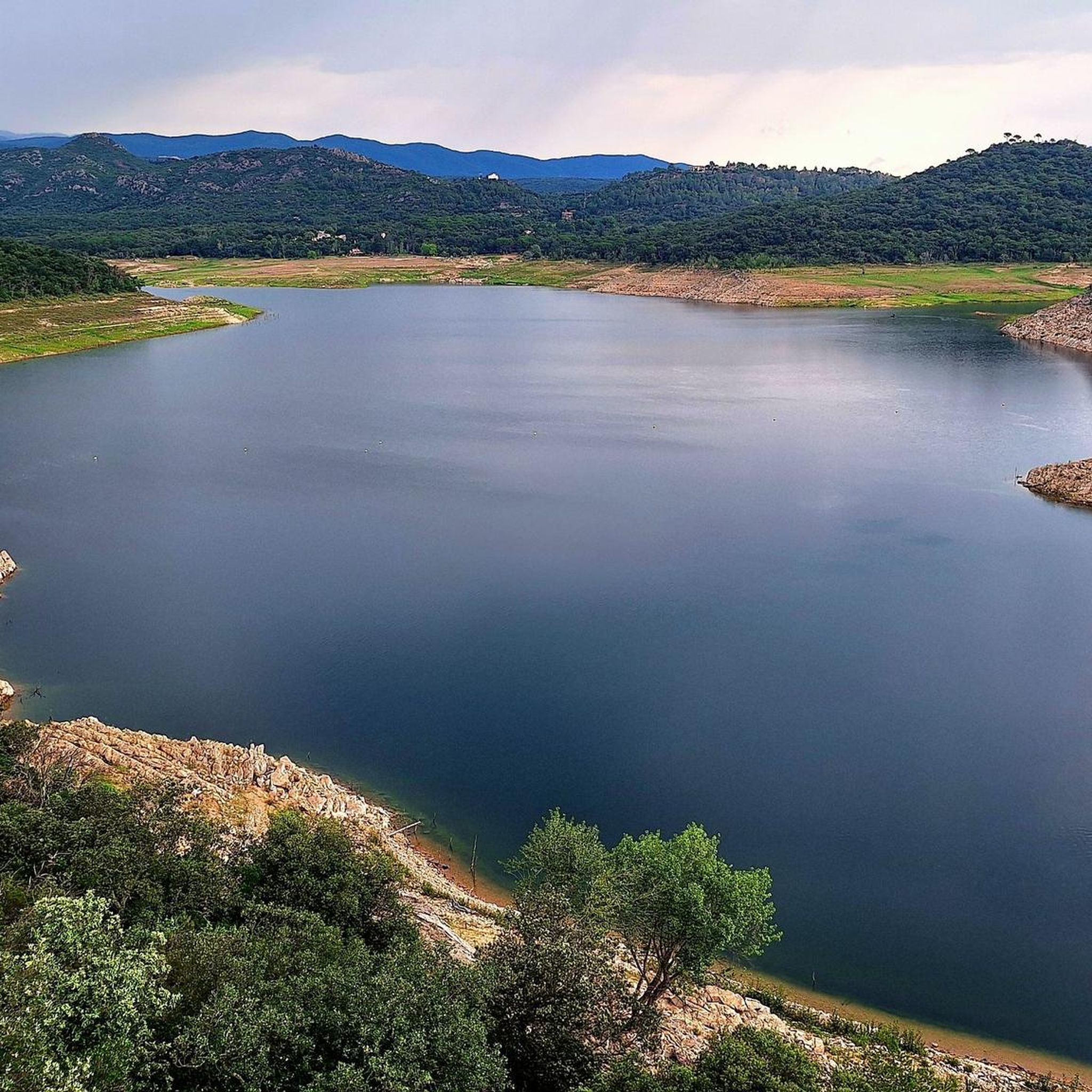
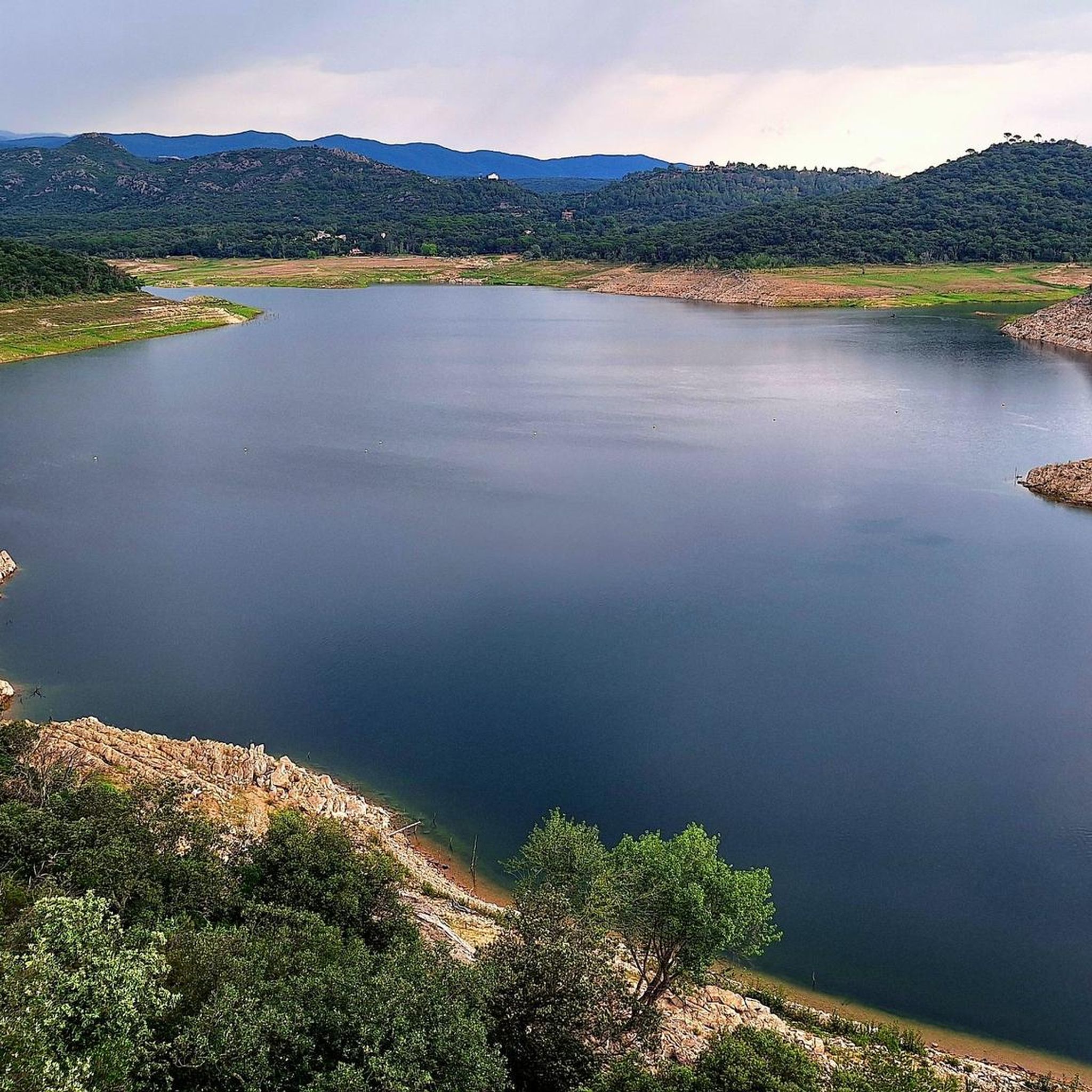
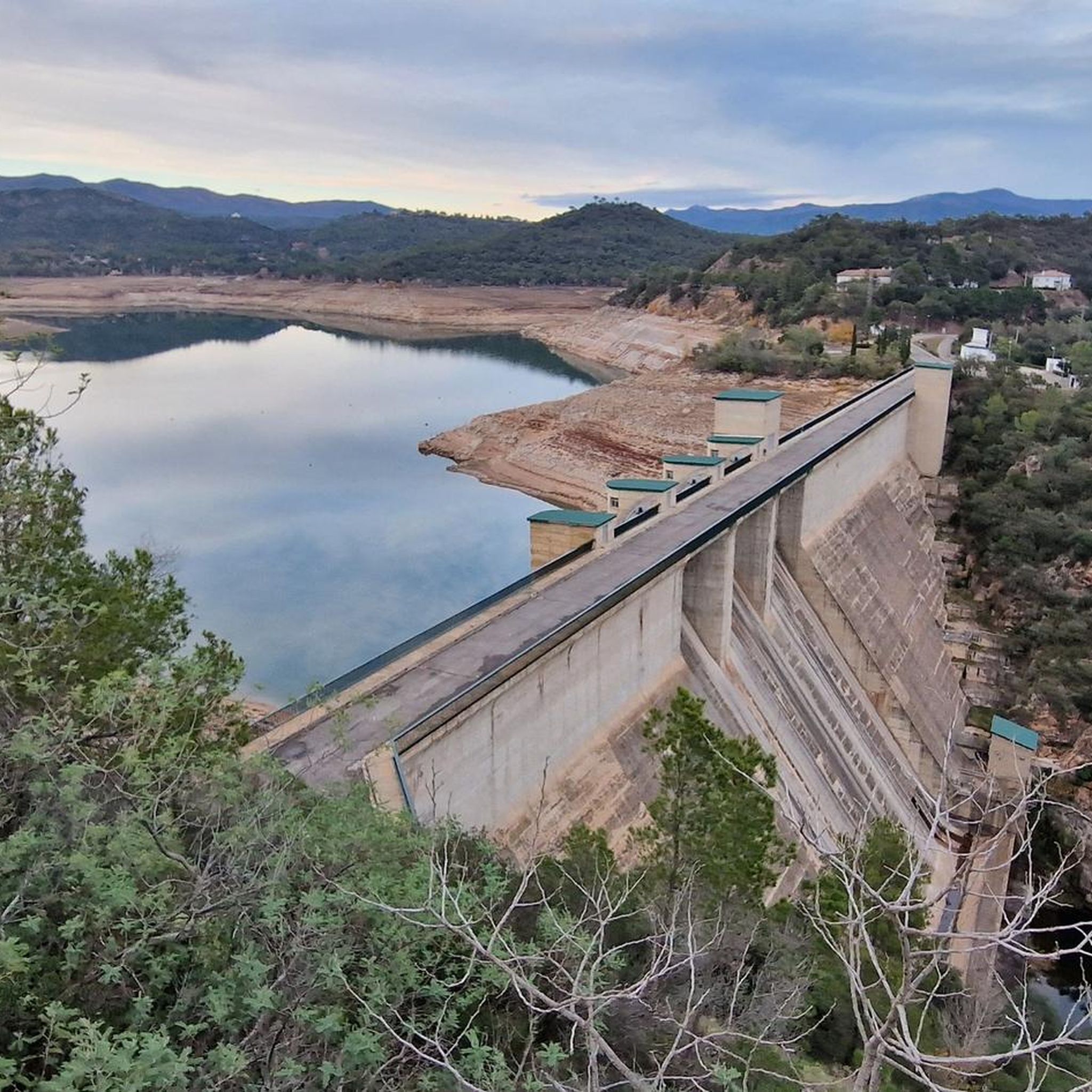
Darnius-Boadella Reservoir
Highlight • Lake
Translated by Google •
Tip by

Church of Sant Llorenç de la Muga
Highlight • Religious Site
santllorencdelamuga.cat/ca/Sant Llorenç de la Muga is located in the high Muga valley, in an area also known as the mountain Empordà or the Garrotxa d'Empordà due to its mountainous terrain.
Translated by Google •
Tip by
Sign up for free to discover even more attractions around Terrades.
Sign up for free
Already have an account?
Start today with a free account
Your next adventure awaits.
Login or Signup
Tips from the Community

The Dalí Theatre-Museum in Figueres (Girona) is one of the most emblematic works of the artist Salvador Dalí and a must-visit for surrealism lovers. Inaugurated in 1974, it was designed by Dalí himself over the remains of the old municipal theatre of Figueres. It is considered the largest surrealist object in the world and houses the most extensive collection of the artist's works.
3
0

The museum is not always open on Mondays. Be sure to check beforehand 👀
1
0

Sant Llorenc de la muga is considered one of the most beautiful towns in Catalonia and is always worth a visit!
0
0

Fanatical medieval village Where you will lose track Of time ⏲️ This town and its surroundings are so beautiful that you will surely fall in love with it 😍
0
0

There is a large Dali Museum in Figueres.
1
0

Nice place inside the museum 🤩
2
0

https://www.youtube.com/shorts/x3xhty0PfKEPinturas Murales: Inside the church, you can find mural paintings dating from the 13th and 14th centuries. These paintings depict religious scenes and provide a unique insight into medieval iconography. Place of Pilgrimage: The church has been a place of pilgrimage for centuries, and its religious and cultural importance has endured over time. Visitors flock to the place to admire its historic architecture and art. Location in a Natural Environment: Sant Llorenç de la Muga is located in an impressive natural environment, surrounded by mountains and picturesque landscapes. The church integrates perfectly into this environment, which adds to its appeal. Festival: The town of Sant Llorenç de la Muga celebrates its festival on August 10 in honor of San Lorenzo, the patron saint of the church. During this festival, processions and cultural activities are held that attract visitors from the region.
0
0
A few years ago, the route of the road was moved about 200 m to the east and a new bridge was built. Part of the three-arched structure from the 16th century is preserved from the old bridge. XVIII. The old town of Molins, also called Molins de Dalt, is located 1 km west of Pont de Molins. Near the church there is a small group of houses from the 17th and 18th centuries. The parish church of San Sebastián was completed in 1789, a date that appears on the door lintel. A few meters north of the canonical church of El Roble, is the sanctuary of the Virgen del Roble (17th century). We find the ruins of the monastery of Santa Maria del Roure 1 km north of Molins, at the top of a hill. It is worth highlighting the parish church of San Sebastián (18th century), and, near the Muga, in different places in the area, remains of old mills, the best preserved of those found to the left of the river, between Pont de Molins and Molins. Molins Castle is located in front of the Molins neighborhood. Several elements remain, such as the tower, walls and the remains of its Romanesque chapel. It was part of the defensive system of Llers (the term to which it belonged) and was one of the eleven castles that surrounded this town. It is known for the Buac tower. In this half-destroyed castle there are remains from the 11th-12th centuries.
1
0
Frequently Asked Questions
What natural landscapes and features can I explore around Terrades?
Terrades is rich in natural beauty. You can visit the Mare de Déu del Mont Summit, known for its extensive views over the Garrotxa, the Pyrenees, and the Mediterranean Sea. The Darnius-Boadella Reservoir, part of the Muga River, offers a large body of water for scenic views and is used for hydroelectric power and irrigation. The region also features diverse landscapes with forests and cherry orchards, especially beautiful during cherry blossom season.
Are there historical sites to visit in Terrades and the surrounding area?
Yes, Terrades boasts a rich history. You can explore the remains of the medieval Terrades Castle (Castell de Terrades or La Roca) and Palau-surroca Castle. The Old Bridge of Pont de Molins, a protected cultural asset with parts dating from the 16th to 18th centuries, is another significant historical landmark. Additionally, the Church of Sant Llorenç de la Muga features Romanesque structures and has been a pilgrimage site for centuries.
What kind of outdoor activities, like hiking or cycling, are available near Terrades?
The region around Terrades is ideal for outdoor enthusiasts. You'll find numerous paths for hiking and mountain biking. For hiking, consider routes like the 'Ancient Stone Bridge – Muga Nature Trail loop from Terrades' or 'Hiking loop from Terrades'. Cyclists can tackle challenging climbs such as the Mare de Déu del Mont or explore routes like the 'Old Bridge – Darnius-Boadella Reservoir loop from Darnius'. You can find more details on these and other routes in the hiking guide and cycling guide for Terrades.
Are there any family-friendly attractions around Terrades?
Families can enjoy several attractions. The Darnius-Boadella Reservoir offers a beautiful setting for a day out, and its waters are suitable for recreational activities like canoeing. The Old Bridge of Pont de Molins is an interesting historical spot that can be part of a pleasant walk. For a cultural experience, the Dalí Theatre-Museum in nearby Figueres is a unique and engaging destination for all ages.
When is the best time to visit Terrades for its natural beauty?
For a particularly stunning natural display, visit Terrades during mid to late April. This is when the cherry fields are in full bloom, offering spectacular views across the municipality, which is known for its cherry cultivation.
What cultural or unique experiences can I find near Terrades?
Beyond the natural landscapes, Terrades offers cultural depth. The Dalí Theatre-Museum in Figueres is a must-visit for art and culture enthusiasts, housing many works by Salvador Dalí. The historic urban core of Terrades itself, with its cobbled streets and old stone houses, provides a glimpse into its rich past and local traditions. Religious sites like the Hermitage of San Sebastián and the Sanctuary of Mare de Déu de la Salut also offer cultural insights.
What do visitors enjoy most about the attractions around Terrades?
Visitors frequently praise the extensive views from the Mare de Déu del Mont Summit, especially after a rewarding climb. The historical significance and well-preserved structures of sites like the Church of Sant Llorenç de la Muga and the Old Bridge of Pont de Molins are also highly appreciated. The overall blend of historical charm and natural beauty, offering diverse outdoor activities, is a common highlight for visitors.
Are there any challenging cycling routes in the Terrades area?
Yes, the region is known for challenging cycling. The climb to the Mare de Déu del Mont Summit is a notable example, considered a 'HC behemoth' and one of the longest climbs in the area, rewarding cyclists with incredible scenic vistas from the top. Other difficult cycling routes include the 'Pou de la Neu Pass – Puig del Faig loop from Darnius' and 'Céret Railway Bridge – Céret loop from Darnius'.
Where can I find impressive views around Terrades?
For magnificent views, head to the Mare de Déu del Mont Summit, which offers panoramic vistas over the Garrotxa, the Pyrenees, and the Mediterranean Sea. The Hermitage of Santa Magdalena also provides splendid views from its elevated location. The Darnius-Boadella Reservoir area also provides scenic viewpoints over the water and surrounding landscape.
What is the significance of the Muga River in the Terrades region?
The Muga River is a central natural feature of the Terrades region. It flows through the area, contributing to the scenic landscape and supporting the Darnius-Boadella Reservoir. The Old Bridge of Pont de Molins historically connected towns over the Muga, and the Church of Sant Llorenç de la Muga is situated in the high Muga valley, highlighting the river's importance to the local geography and history.
Are there any religious or spiritual sites worth visiting?
Yes, the area has several significant religious sites. These include the Hermitage of San Sebastián, believed to date back to the 12th century, and the Hermitage of Santa Magdalena, restored in the 15th century. The Sanctuary of Mare de Déu de la Salut, founded in 1681, is an important religious and architectural site. The Church of Sant Llorenç de la Muga, with its Romanesque origins, has also been a pilgrimage site for centuries.
Can I find any unique architectural structures in the area?
The region features several unique architectural structures. The Church of Sant Llorenç de la Muga stands out with its unusual floor plan, featuring two naves, a transept, and three apses, due to numerous historical modifications. The Old Bridge of Pont de Molins, with its preserved 16th to 18th-century arches, is another example of historical engineering.
Most popular routes around Terrades
Most popular attractions around Terrades

Get inspired with the komoot mobile app


Explore more
Still not found the Highlight you’re looking for? See guides of the top attractions in other regions:
