Attractions and Places To See around Xunqueira De Espadanedo - Top 20
Best attractions and places to see around Xunqueira De Espadanedo offer a blend of historical, cultural, and natural features within the Ribeira Sacra region of Ourense, Spain. This area is characterized by its significant heritage, including ancient monasteries and traditional crafts, set amidst a landscape of river canyons and lush forests. Visitors can explore numerous landmarks and viewpoints that showcase the region's natural beauty and rich history. The mountainous terrain and rivers also provide opportunities for outdoor activities, making it…
Last updated: October 10, 2026
Monastery of Santa Cristina
Highlight • Religious Site
Translated by Google •
Tip by

Monastery of Santo Estevo de Ribas de Sil
Highlight • Religious Site
Translated by Google •
Tip by

Sign up now to discover places like this
Get recommendations on the best single tracks, peaks, & plenty of other exciting outdoor places.
Monastery of San Pedro de Rocas
Highlight • Religious Site
Translated by Google •
Tip by

San Vítor de Barxacova Chapel and Necropolis
Highlight • Historical Site
Translated by Google •
Tip by
Cividade Viewpoint
Highlight • Viewpoint
Translated by Google •
Tip by

Sign up for free to discover even more attractions around Xunqueira De Espadanedo.
Already have an account?
Start today with a free account
Your next adventure awaits.

Tips from the Community

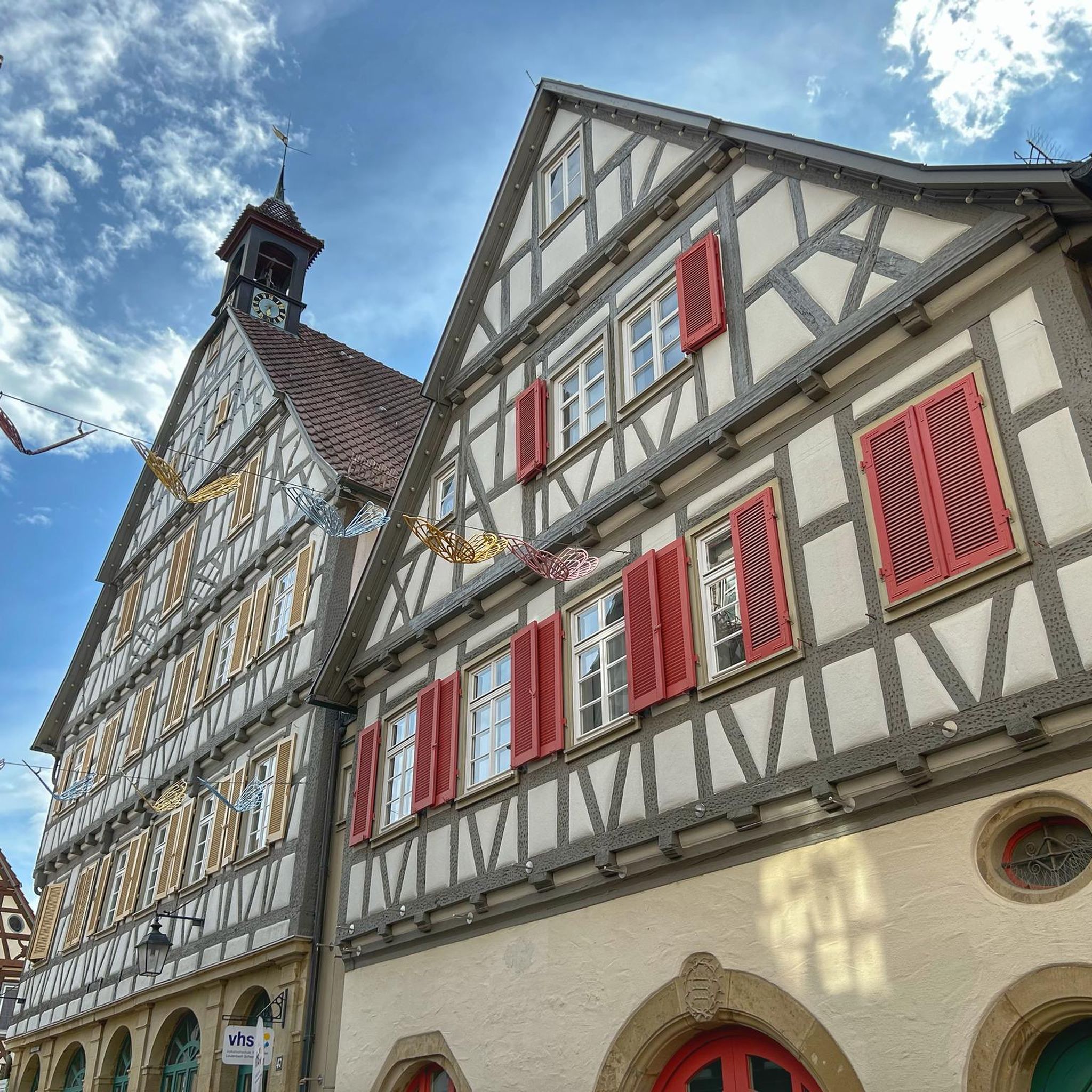
It is a magnificent example of rural Galician Romanesque architecture. The original building is from the 12th century, and preserves carvings from the 16th century and baroque altarpieces from the 18th century. The entrance to the cloister has a Romanesque doorway with lobed arches and a magnificent sculptural pantheon. The economic power of the monks of the Sil reached a notable splendour in the 12th century, when they received royal privileges and papal protection to expand the monasteries and sanctuaries on both banks of the Sil, a territory with a strong historical and cultural personality, called Rivoyra Sacrata at that time and known since then as Ribeira Sacra.
1
0

The Monastery of San Pedro de Rocas is one of the oldest and most unique monasteries in Galicia, located in the municipality of Esgos, in the province of Ourense. This monastery stands out for being partially excavated in the rock, which gives it a unique and mysterious character. The foundation of the monastery dates back to the 6th century, although most of the structures visible today date from the 9th and 10th centuries. The monastery church is composed of three naves excavated in the rock, with a series of anthropomorphic tombs also carved in the stone. Outside, you can see a bell tower that was added in the 15th century. San Pedro de Rocas is known not only for its architecture, but also for its natural environment, surrounded by forests and mountains, making it a place of great beauty and tranquility. The monastery has been declared a Historic-Artistic Monument and is an important tourist and pilgrimage destination.
6
2

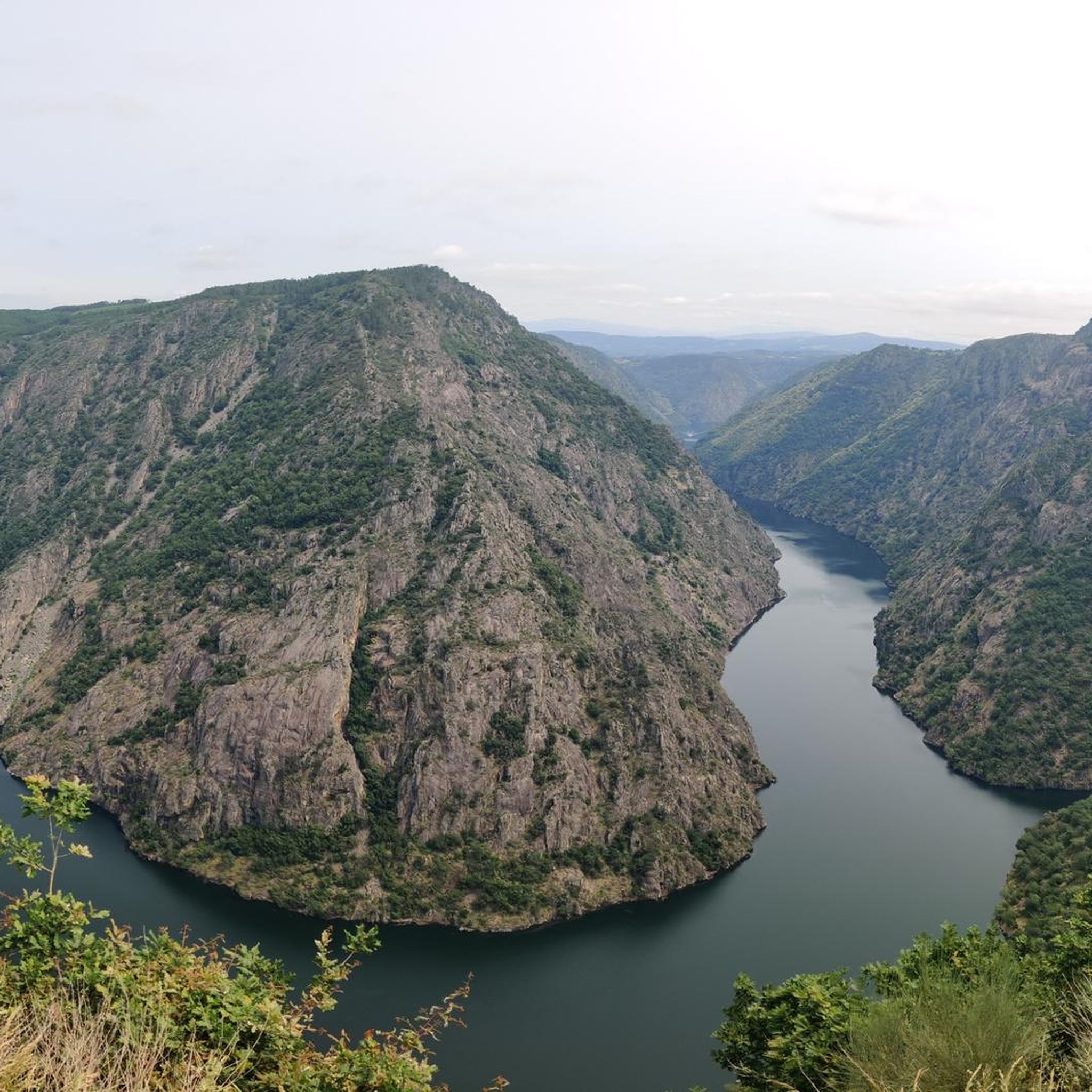
The viewing platform was designed by the Ola Estudio architectural studio, a Galician team specialising in landscape interventions and sustainable architecture. The viewing platform is built primarily from wood and Corten steel, durable and resistant materials that allow the structure to blend harmoniously with the natural environment. The use of Corten steel, which develops a protective patina that imitates rust, contributes to the rustic aesthetic of the Galician landscape.
1
0
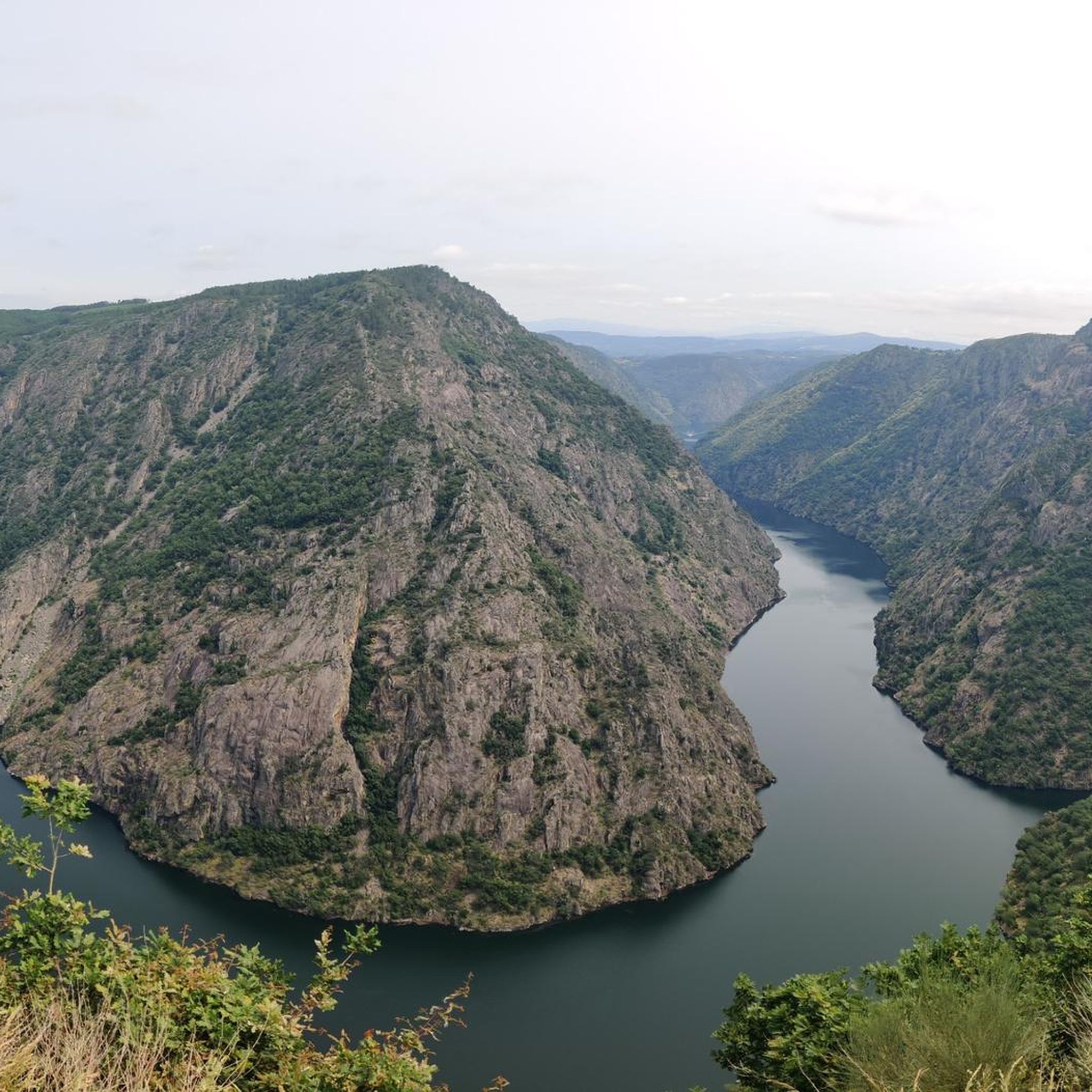
Designed to offer panoramic views of the Ribeira Sacra landscape, especially the Cabe River valley and the surrounding areas of the city. From this viewing point you can see the terraced vineyards, the hills and the lush forests that characterise the region.
1
0


The chapel and necropolis of San Vítor de Barjacoba (in Galician, Capela e necropole de San Vítor de Barxacova) is an archaeological complex located in the town hall of Parada de Sil, formed by the remains of a medieval chapel and a necropolis with excavated anthropomorphic tombs in stone. Many pieces of kitchen pottery were found, a conrad of Sancho IV of León, a real de vellón of Enrique II of Castile, and a ceiti of Alfonso V of Portugal. In one of the chapel's tombs a fragment of a human tibia appeared.
1
0
The monastery of Santo Estevo de Ribas de Sil is one of the most outstanding and spectacular complexes of the rich monumental heritage of Galicia. It was built between the 12th and 18th centuries. This monastery was important, because nine bishops retired to it and renounced their episcopal sees and chose the monastery to end their days throughout the 10th century and perhaps part of the 11th. The monastery kept his remains and as a souvenir it carried the nine miters on its shield. The church has a basilica plan, spacious and proportioned. It preserves the Romanesque apse with three apses, the central one being lower than the lateral ones, an unusual case in Galician Romanesque. The façade of the church is from the end of the 16th century or beginning of the 17th century. At the top there is a simple oculus that gives light to the interior and ends in a niche inside which is the image of Saint Stephen.
1
0

Spectacle to behold. Tour the viewpoints route by MTB or walking
1
0
Frequently Asked Questions
What historical and religious sites can I visit in Xunqueira De Espadanedo?
The region is rich in historical and religious heritage. You can explore the ancient Monastery of Santa Cristina, a magnificent example of rural Galician Romanesque architecture with origins in the 10th century. Another unique site is the Monastery of San Pedro de Rocas, partially excavated into rock and dating back to the 6th century. Don't miss the impressive Monastery of Santo Estevo de Ribas de Sil, known for its grand architecture and history as a retreat for nine bishops. The Cistercian Monastery of Santa María de Xunqueira de Espadanedo, a national monument, also offers a blend of Romanesque to Baroque styles.
Where can I find the best panoramic views of the Ribeira Sacra landscape?
For breathtaking panoramic views, visit the Cividade Viewpoint, which offers expansive vistas of the Ribeira Sacra landscape, including terraced vineyards and lush forests. The Pedra Longa Viewpoint provides stunning views of the Sil River Canyon and a majestic vertical monolith. Other notable viewpoints include Mirador Campo do Eirado, Mirador do Picouto, Mirador de Vilouxe, and the famous Balcóns de Madrid, all offering unique perspectives of the region's natural beauty.
Are there opportunities for hiking near the attractions in Xunqueira De Espadanedo?
Yes, the mountainous landscape and rivers provide excellent opportunities for hiking. You can find a variety of trails, such as the moderate Royal Trail of San Pedro de Rocas or the PR-G 98 Sil Canyon - Santa Cristina Trail. For more options, explore the hiking guide around Xunqueira De Espadanedo, which includes routes like the Monastery of Santa Cristina – Xariñas de Castro Viewpoint loop.
What kind of natural features can I explore in the area?
Beyond the stunning viewpoints, Xunqueira De Espadanedo is home to several picturesque waterfalls, including Pozo Negro, Fervenza Niñodaguia, and Fervenza Rego do Porto, which are formed by rivers winding through forests. You can also discover ancient 'snow houses' known as Neveiro – Casa da Neve do Campo do Eirado on the Meda mountain, reflecting traditional methods of snow preservation.
What traditional crafts or cultural experiences are available?
The region has a rich tradition of pottery. You can visit the Museum of Olería de Niñodaguia, a workshop-museum that showcases traditional Niñodaguia pottery and offers guided tours explaining the craft. Nearby, you might also find Hornos – Fornos Alfareiros de Niñodaguia, traditional pottery kilns that are occasionally still used for artisanal production.
Are there cycling routes available around Xunqueira De Espadanedo?
Absolutely. The area offers diverse cycling routes for various skill levels. Options include the moderate Maceda – Loop via Baños de Molgas or the challenging O Boqueiriño Viewpoint – Amandi loop. For a comprehensive list of routes, check out the cycling guide around Xunqueira De Espadanedo.
What archaeological sites can be found in the region?
For those interested in ancient history, the area holds archaeological treasures such as the Petroglifos do Carpazal. These ancient rock carvings, along with other megalithic structures like mámoas and pedrafitas, are hidden in the landscape, particularly near the high point of A Cabeza de Meda.
What do visitors enjoy most about the attractions in Xunqueira De Espadanedo?
Visitors frequently appreciate the blend of spiritual history, ancient crafts, and the striking natural beauty of the Ribeira Sacra region. The historical monasteries, the expansive views from the numerous viewpoints, and the serene natural surroundings are often highlighted as particularly enjoyable aspects.
Are there any family-friendly attractions or activities?
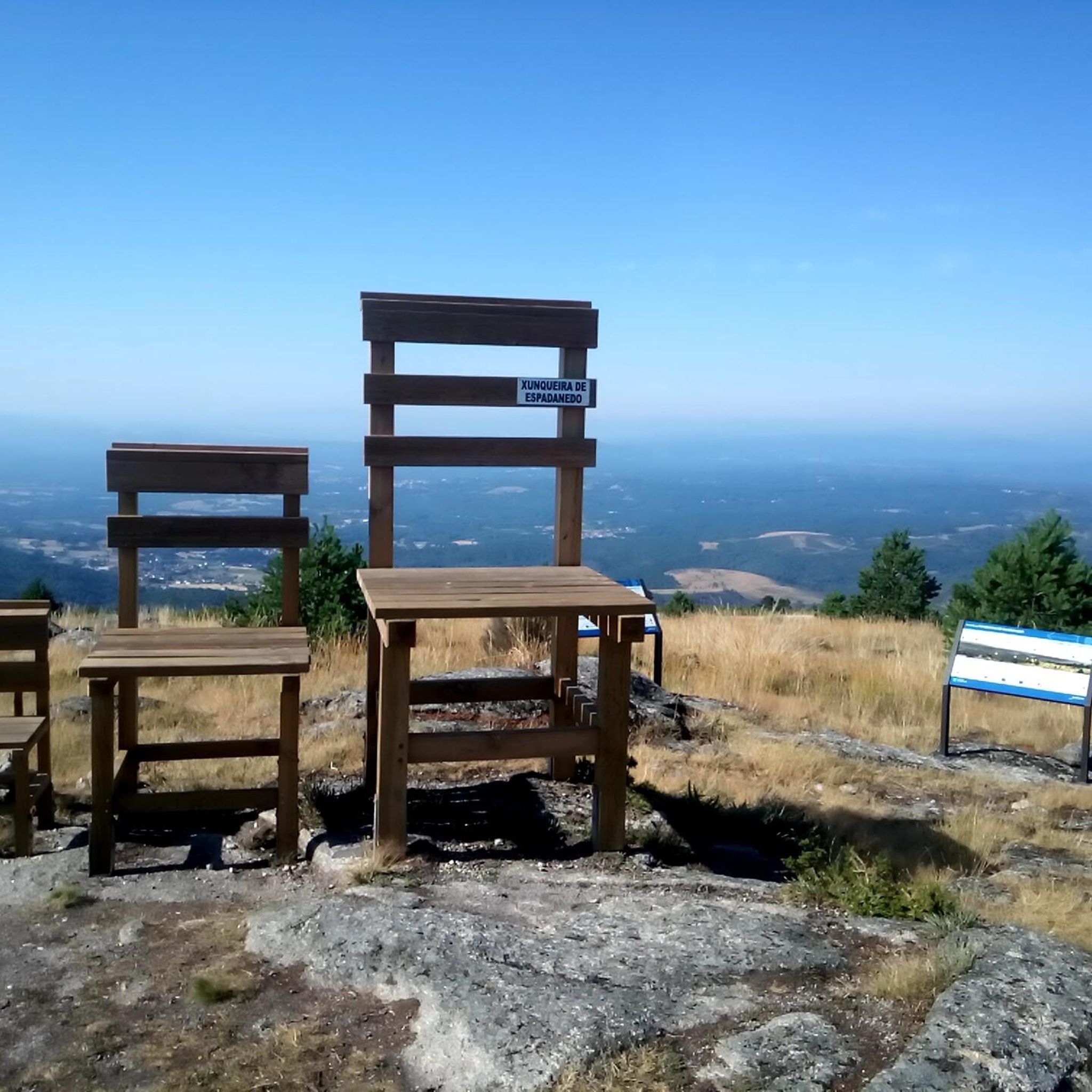
While many attractions are historical or natural, the Mirador Campo do Eirado features giant chairs, reminiscent of 'Goldilocks,' which can be a fun and engaging spot for families to enjoy the panoramic views of the interior Ribeira Sacra. Recreational areas like Área Recreativa de As Lagas also provide spaces to enjoy the natural environment.
What is the best time to visit Xunqueira De Espadanedo for outdoor activities?
The region's mountainous landscape and rivers make it ideal for outdoor activities. Spring and autumn generally offer pleasant temperatures for hiking, cycling, and exploring the viewpoints, with lush greenery or vibrant fall colors. Summers are also popular, especially for enjoying the natural features and recreational areas, though it can be warmer.
Can I find traditional Galician architecture in the area?
Yes, you can observe traditional Galician architecture, particularly in the form of Hórreos de Eiravedra. These traditional granaries are excellent examples of the area's rich cultural heritage and offer a glimpse into historical rural life.
Are there running trails available near the attractions?
Yes, there are several running trails for different fitness levels. You can find routes like the moderate Monasterio de San Pedro de Rocas – circular by the Camino Real, or more challenging options such as the Ribeira Sacra Natural Trail. Explore the running trails guide around Xunqueira De Espadanedo for detailed information.
Most popular routes around Xunqueira De Espadanedo
Most popular attractions around Xunqueira De Espadanedo

Get inspired with the komoot mobile app


Explore more
Still not found the Highlight you’re looking for? See guides of the top attractions in other regions:
