The best walks and hikes around Xunqueira De Espadanedo
4.7
(174)
1,052
hikers
42
hikes
Hiking around Xunqueira De Espadanedo offers access to the diverse landscapes of the Ribeira Sacra region. The area is characterized by deep river canyons, including the Sil River and Cabe River valleys, featuring terraced vineyards and lush forests. Mountainous terrain, such as Cabeza da Meda and the Serra de Pena Corneira, provides varied elevation, while rivers like the Mao offer accessible walkways. The region combines natural beauty with historical sites, including ancient monasteries.
Best hiking trails around Xunqueira De Espadanedo
- The most popular hiking route is Royal Trail of San Pedro de Rocas, a 5.2 miles (8.3 km) trail that takes 2 hours 30 minutes to complete. This moderate route leads through tranquil forests to the historic Monastery of San Pedro de Rocas.
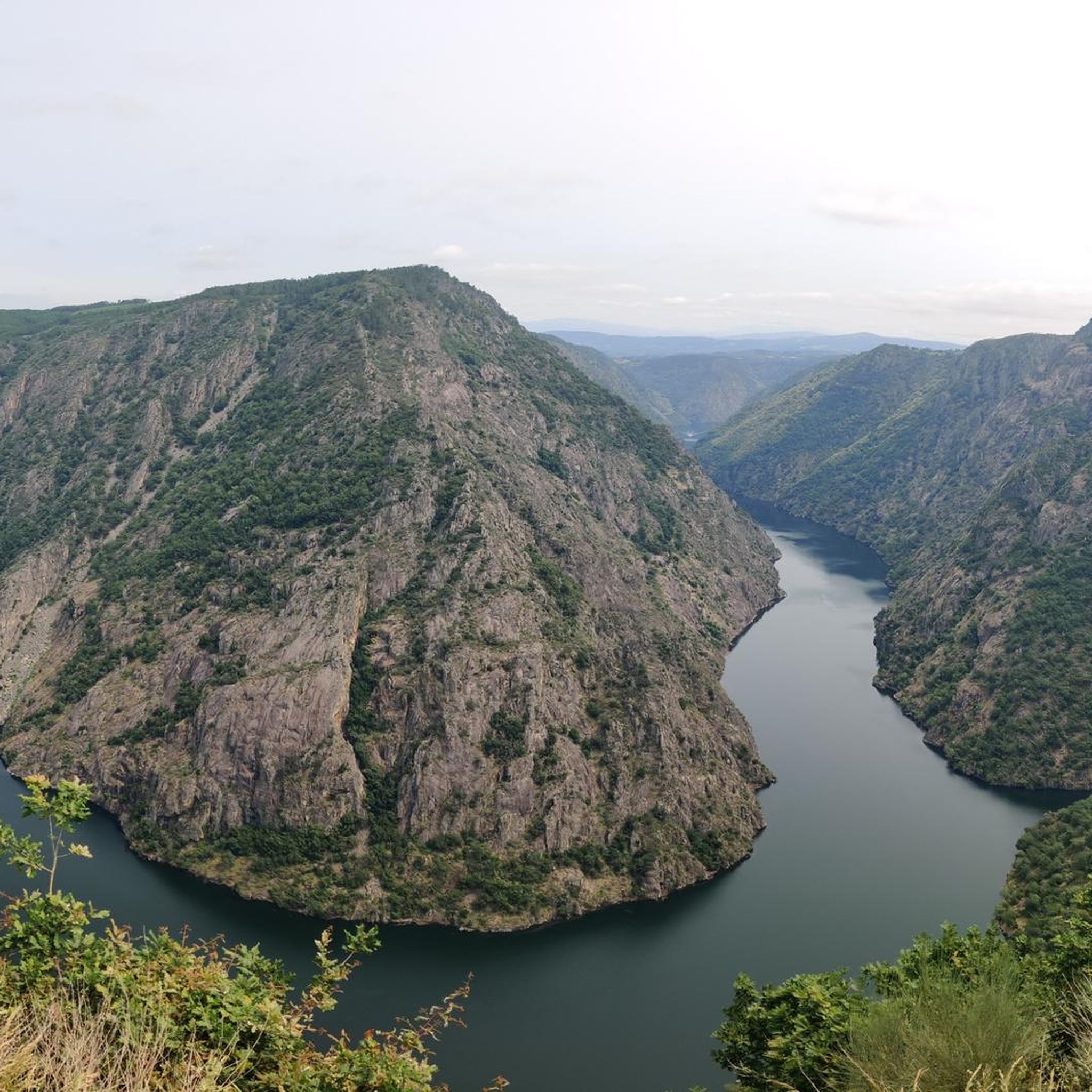
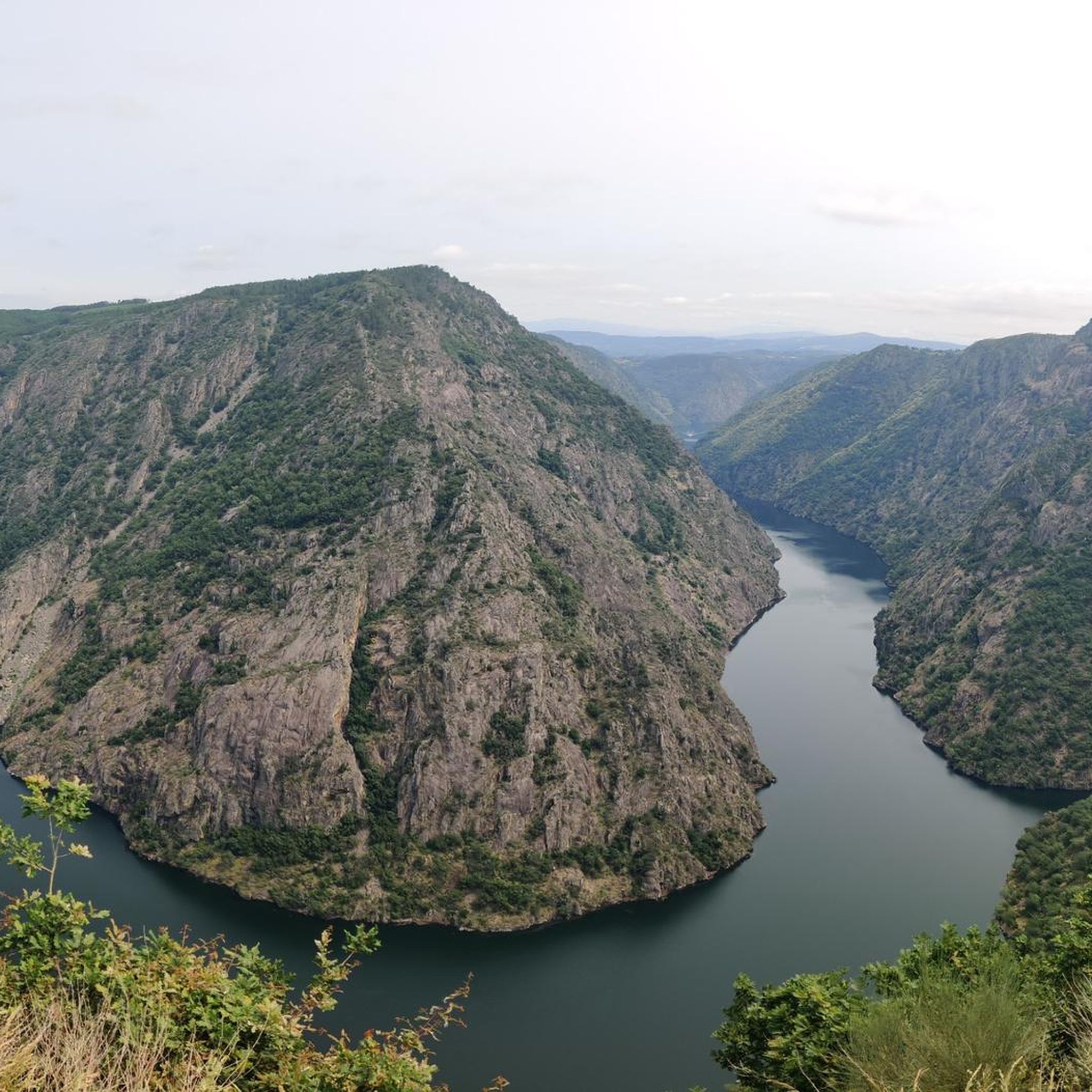
- Another top favourite among local hikers is PR-G 98 Sil Canyon - Santa Cristina Trail, a moderate 10.4 miles (16.8 km) path. This trail offers expansive views of the Sil River Canyon and passes by the Monastery of Santa Cristina.
- Local hikers also love the Monastery of Santa Cristina – Xariñas de Castro Viewpoint loop from Parada de Sil, a 7.5 miles (12.1 km) trail leading through river valleys and past viewpoints, often completed in about 4 hours 1 minute.
- Hiking around Xunqueira De Espadanedo is defined by terraced vineyards, dramatic river canyons, and ancient monasteries nestled within forests. The network offers options for different ability levels, from easy strolls to more challenging moderate routes.
- The routes in Xunqueira De Espadanedo are highly rated by the komoot community with an average score of 4.7 stars from more than 160 reviews. More than 1000 hikers have used komoot to explore Xunqueira De Espadanedo's varied terrain.
Last updated: July 4, 2026
4.8
(12)
72
hikers
8.29km
02:30
280m
290m
Hike the Royal Trail of San Pedro de Rocas, a moderate 5.2-mile loop through forests to an ancient rock-carved monastery.
4.6
(5)
16
hikers
16.8km
04:57
490m
490m
Hike the moderate 10.4-mile Ribeira Sacra trail to the Pé do Home viewpoint for spectacular views of the Sil Canyon and terraced vineyards.

Sign up for free
4.8
(35)
247
hikers
Moderate hike. Good fitness required. Mostly accessible paths. Sure-footedness required.
4.8
(10)
54
hikers
7.12km
02:03
160m
160m
Moderate hike. Good fitness required. Mostly accessible paths. Sure-footedness required.
5.0
(7)
21
hikers
5.04km
01:28
140m
140m
Easy hike. Great for any fitness level. Easily-accessible paths. Suitable for all skill levels.
Get access to more routes and recommendations from other explorers.
Sign up for free
Already have an account?
Our route recommendations are based on thousands of hikes, rides, and runs completed by other people on komoot.
Start today with a free account
Your next adventure awaits.
Login or Signup

Tips from the Community

Camp site with an astonishing view on the Ribeira Sacra
0
0

The PR-G 98 takes the Santa Cristina detour along an ancient country path dug into the mountainside centuries ago in remote and steep places, like the remains of the stone villages that appear during the journey through this enchanted world. Remains of mills, houses, wineries, “sequeiros” and a multitude of constructions with mossy walls emerge from the small natural steps of the terrain that are suitable for building a building. The rest of the surroundings are a forest of chestnut and oak trees, old and gnarled, forgotten by man and time, placed everywhere forming a magnificent forest of enormous trees that hide the views of the Sil gorge. The river is close but practically unreachable.
0
0
The As Fontiñas viewing point is an excellent window into the best-preserved natural ecosystems in the Sil Canyon, a mysterious and balanced mix of water, stone, forest and space. The course of the Gavias stream reaches the edge of the cliffs from the fields of Requián and before entering the Sil River it plunges down a crazy and dizzying succession of rocky steps. In one of them it creates the Pozo da Ovella waterfall, a giant's cauldron that demonstrates the energy of the water when it falls furiously down the walls of the great Sil gorge.
0
1
The petos de ánimas or “soul piggy banks” are an artistic expression of medieval popular architecture linked to the cult of the dead and beliefs about life and death. In the religious reform of the 16th century, the concept of Purgatory appeared as an alternative to save the “souls in torment” who wandered around waiting to be condemned, suppressing the idea of eternal punishment. The petos de ánimas reached their highest artistic quality in the 18th century, they are at crossroads and form part of the ethnographic heritage of the Galician rural environment. In the municipality of Parada de Sil there are petos de ánimas in Requián, Teimende, Casa do Vento, Cimadevila, O Couto and O Coutiño, with two striking ornamental pinnacles on the stone chapel.
0
0
The trail begins in the Plaza do Barquilleiro, in Parada de Sil, a must-see in the essential landscapes of the Sil Canyon and the Ribeira Sacra to discover fantasy forests, river balconies, traditional wineries and the ancient monastery of Santa Cristina, a notable landmark in the Benedictine foundations spread across the great river canyon in the interior of Galicia.
0
1
The Balconies of Madrid have a history that speaks of emigration, dreams and human adventures in unknown lands. The original name of Os Torgás was changed when the people of the Ourense villages of the Ribeira Sacra hung themselves from the cliffs of the River Sil to say goodbye to their loved ones who were leaving for Madrid and other lands in the south with the dream of a new life. The viewing points form small steps hanging over the river gorge and cause a special fascination. The breeze in the air carries the aromas of vineyards hanging on steep rocky terraces and melodies of elves emerging from enchanted forests, descendants of the primitive mythological beings who resisted the sacralisation of their plant kingdom by the monks and long before by the Roman legions. The walls of the Sil Canyon are a monumental sculpture five hundred metres high made of fierce, bare granite, a fortress of living rock up to the edge of the viewing points that filter the wind, the lights and the eternal songs of all the people who have passed through this fantastic natural balcony to say goodbye or find someone.
1
1
It is a magnificent example of rural Galician Romanesque architecture. The original building is from the 12th century, and preserves carvings from the 16th century and baroque altarpieces from the 18th century. The entrance to the cloister has a Romanesque doorway with lobed arches and a magnificent sculptural pantheon. The economic power of the monks of the Sil reached a notable splendour in the 12th century, when they received royal privileges and papal protection to expand the monasteries and sanctuaries on both banks of the Sil, a territory with a strong historical and cultural personality, called Rivoyra Sacrata at that time and known since then as Ribeira Sacra.
1
0

The Monastery of San Pedro de Rocas is one of the oldest and most unique monasteries in Galicia, located in the municipality of Esgos, in the province of Ourense. This monastery stands out for being partially excavated in the rock, which gives it a unique and mysterious character. The foundation of the monastery dates back to the 6th century, although most of the structures visible today date from the 9th and 10th centuries. The monastery church is composed of three naves excavated in the rock, with a series of anthropomorphic tombs also carved in the stone. Outside, you can see a bell tower that was added in the 15th century. San Pedro de Rocas is known not only for its architecture, but also for its natural environment, surrounded by forests and mountains, making it a place of great beauty and tranquility. The monastery has been declared a Historic-Artistic Monument and is an important tourist and pilgrimage destination.
6
2
Frequently Asked Questions
What are the typical difficulty levels of hikes in Xunqueira de Espadanedo?
Xunqueira de Espadanedo offers a range of hiking difficulties. Out of 42 total routes, there are 18 easy trails, 22 moderate trails, and 2 difficult trails. This variety ensures options for different fitness levels and preferences.
What kind of terrain can I expect on the hiking trails in Xunqueira de Espadanedo?
The terrain in Xunqueira de Espadanedo is diverse, reflecting its location within the Ribeira Sacra. You can expect to encounter dramatic river canyons, particularly along the Sil and Cabe rivers, with their iconic terraced vineyards. Trails also lead through lush forests, mountainous areas like Cabeza da Meda, and past unique granite formations in the Serra de Pena Corneira.
Are there any notable landmarks or viewpoints along the hiking trails?
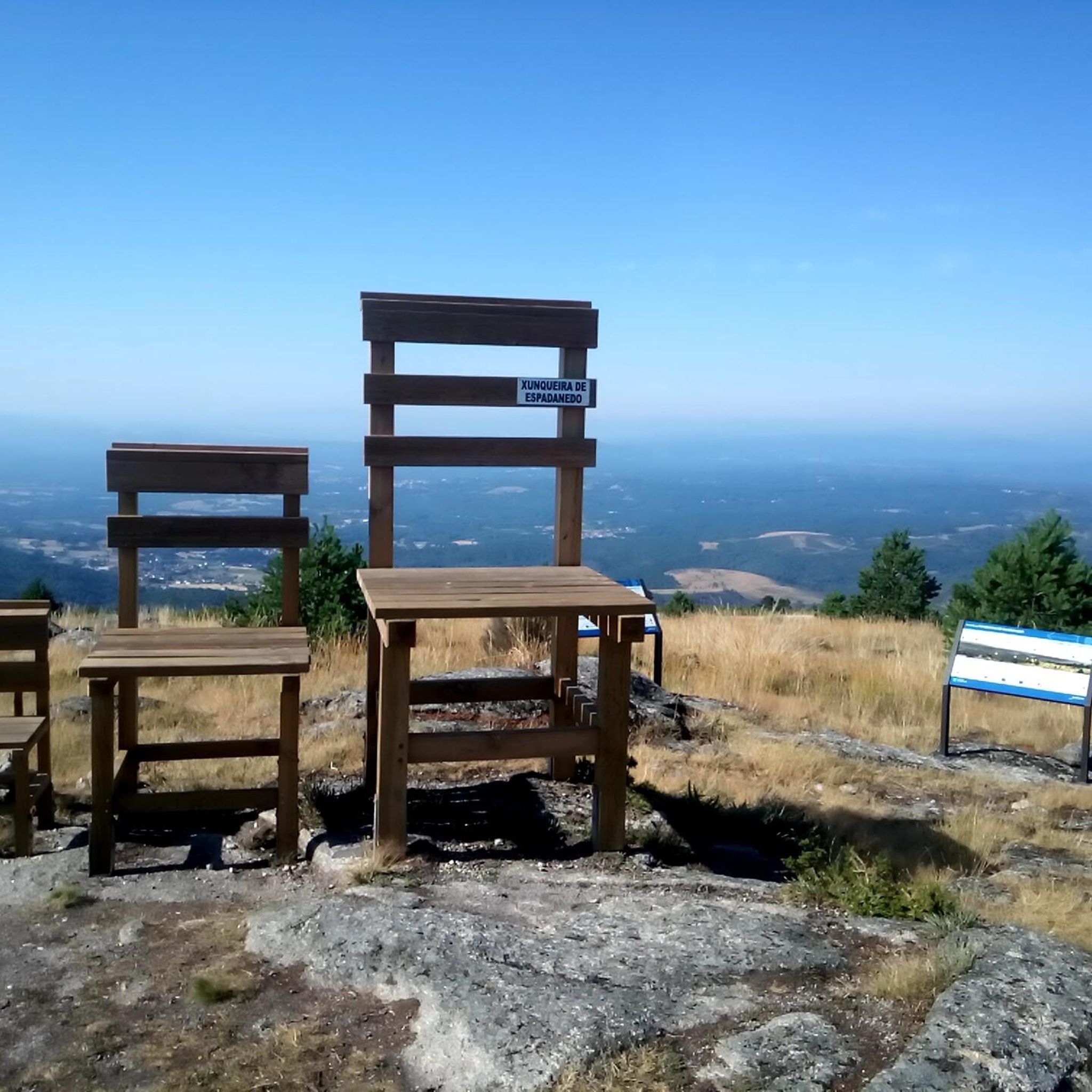
Yes, the region is rich in landmarks and viewpoints. Many trails offer stunning panoramic views from 'miradores' such as Cividade Viewpoint, Pedra Longa Viewpoint, and O Boqueiriño Viewpoint. These spots provide sweeping vistas of the river canyons and terraced vineyards.
Can I visit historical sites while hiking in Xunqueira de Espadanedo?
Absolutely. The area is home to several ancient monasteries nestled within its natural settings. You can explore the 10th-century Monastery of Santa Cristina or the 6th-century Monastery of San Pedro de Rocas, which is partially excavated into rock. The 12th-century Monastery of Xunqueira de Espadanedo itself is also a significant landmark.
Are there any family-friendly hiking options in the area?
Yes, there are several easy trails suitable for families. For instance, the Parada de Sil – Foxo do Lobo (Wolf Trap) loop from Parada de Sil is an easy 4.8 km route that can be completed in about 1 hour 24 minutes, offering an accessible outdoor experience.
What do other hikers enjoy the most about hiking in Xunqueira de Espadanedo?
The area is highly rated by the komoot community, with an average score of 4.7 stars from over 160 reviews. Hikers often praise the stunning views of the Sil River Canyon, the tranquility of the ancient forests, and the unique blend of natural beauty with historical monasteries.
Are there any circular hiking routes available?
Yes, many routes in Xunqueira de Espadanedo are designed as loops. An example is the Monastery of Santa Cristina – Xariñas de Castro Viewpoint loop from Parada de Sil, a moderate 12.1 km trail that takes about 4 hours to complete, offering diverse scenery.
Can I bring my dog on the hiking trails?
Many trails in Xunqueira de Espadanedo are suitable for dogs, especially those that pass through natural landscapes and forests. It's always recommended to keep dogs on a leash and ensure they are well-behaved, particularly when encountering wildlife or other hikers. Always check local regulations for specific areas.
What is the best season to hike in Xunqueira de Espadanedo?
The region is beautiful year-round, but spring and autumn are particularly popular. In spring, the landscape is lush and green, while autumn brings vibrant colors to the vineyards and forests. Summer can be warm, making early morning or late afternoon hikes preferable, especially along shaded river paths.
Are there any trails that follow rivers or offer waterside views?
Yes, the region is defined by its rivers. The Mao walkways, for instance, offer a specific route along the Mao river. Many trails, such as the PR-G 98 Sil Canyon - Santa Cristina Trail, provide expansive views of the Sil River Canyon, showcasing the dramatic riverine environment.
How many hiking trails are available in Xunqueira de Espadanedo?
There are over 40 hiking trails available in Xunqueira de Espadanedo, offering a wide range of options for exploring the diverse landscapes of the Ribeira Sacra region.
Are there any archaeological sites to discover while hiking?
Yes, the area around Cabeza da Meda conceals ancient archaeological remains, such as the Petroglifo do Carpazal. Exploring these sites adds an element of historical discovery to your walks in the region.
Most popular routes around Xunqueira De Espadanedo
Most popular attractions around Xunqueira De Espadanedo

Get inspired with the komoot mobile app


Explore more
Browse the best Hikes in other regions.
