Attractions and Places To See around Herradón De Pinares - Top 20
Attractions and places to see around Herradón De Pinares are situated in a deep valley carved by the Gaznata River, surrounded by pine forests and mountains. This municipality in Ávila, Castile and León, offers a mix of historical landmarks and natural features. Visitors can explore ancient transhumance routes, diverse flora, and significant cultural sites. The area is known for its natural beauty and local heritage, providing varied experiences for outdoor enthusiasts.
Best attractions and places to see around Herradón De…
Last updated: May 21, 2026
Campo Azálvaro Cycle Path
Highlight (Segment) • Cycleway
Showing Translation
Tip by

Cueva Mingubela Rock Art
Highlight • Cave
Translated by Google •
Tip by

Sign up now to discover places like this
Get recommendations on the best single tracks, peaks, & plenty of other exciting outdoor places.
Sign up for free
Puerto de la Lancha
Highlight • Mountain Pass
Translated by Google •
Tip by

Hermitage of Our Lady of Sonsoles
Highlight • Religious Site
Translated by Google •
Tip by
El Herradón
Highlight • Settlement
Translated by Google •
Tip by
Sign up for free to discover even more attractions around Herradón De Pinares.
Sign up for free
Already have an account?
Start today with a free account
Your next adventure awaits.
Login or Signup

Tips from the Community

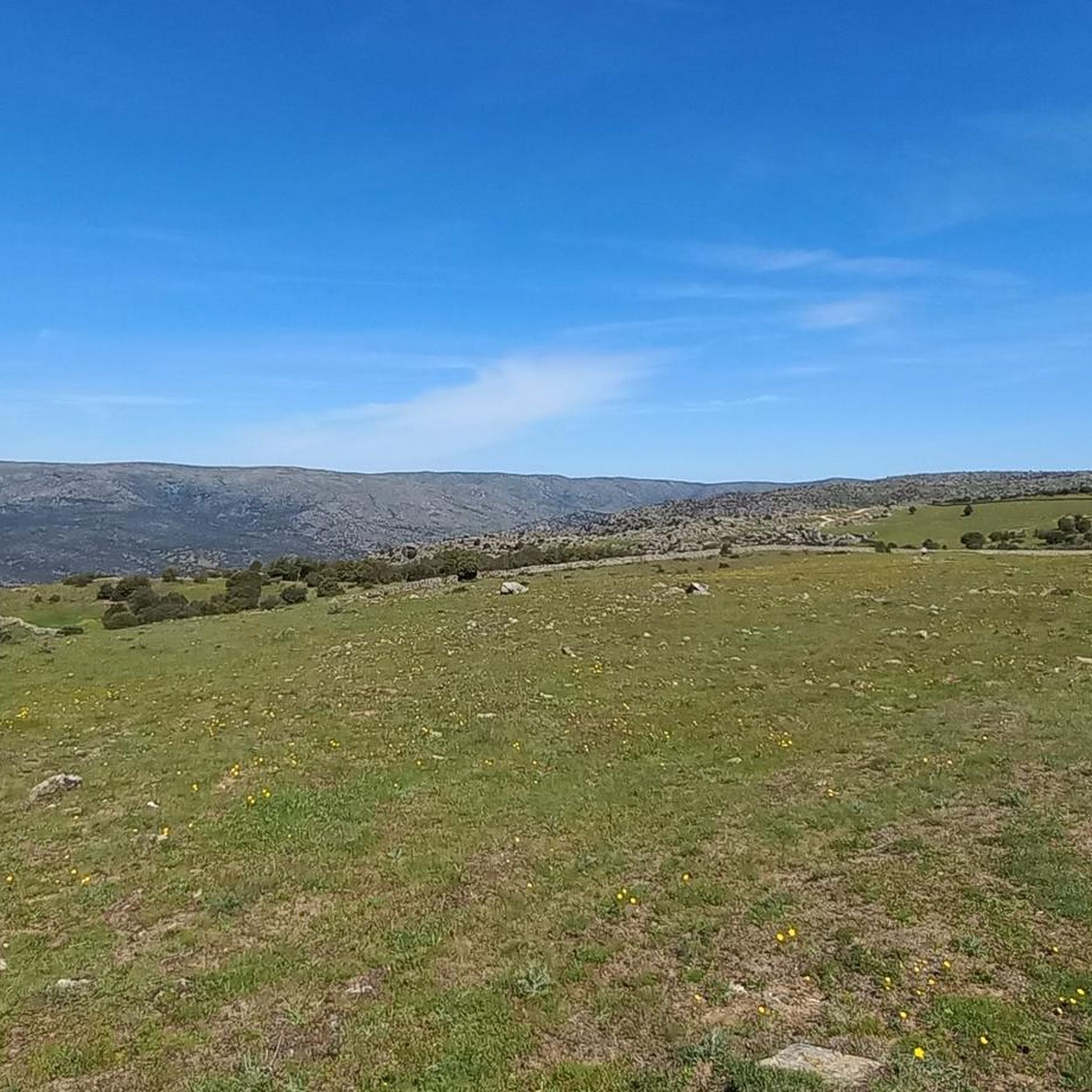
from the camper parking approx. 10km to the high plateau. with a considerable climb. doable with an e-bike. but once you arrive at the top, you find yourself in a magnificent, quiet and peaceful environment. wonderfully beautiful.
0
0

Mingubela Cave, also known as Peña Mingubela, is a fascinating rock shelter located near the small village of Ojos Albos in Ávila, Spain. This site is known for its ancient cave paintings, which depict various figures, including warriors, some of whom are shown holding shields or in prayer positions. The cave is divided by a stone column, which adds to its unique structure. If you are interested in visiting, it is important to note that the cave is only accessible on foot and the path can be quite steep, so it is advisable to bring a flashlight and seek precise directions from locals. Additionally, there are several hiking trails in the area, such as the circular trail from Ojos Albos that includes La Atalaya and Mingubela Cave.
5
0

Stage 2. Ávila/Madrid 140 km. 2,500 m positive. On the way back to Madrid we followed the route of the Camino de Santiago de Levante to the Alberche River with some variations to maintain cyclability and an acceptable average. The yellow arrows on the Jacobean route point towards Santiago de Compostela and at some intersections it is not easy to see them in the opposite direction. The track is essential to follow these “author” routes. The route leaves Ávila along the plain of the Chico River to Tornadizos de Ávila and continues along the cattle trails from the sources of the Tornadizos River to some spectacular pastoral meadows in the hills of El Cabezuelo. The final stretch of the climb follows a path that has good cyclability with good grinding technique and expertise on mountain trails. The path passes a gate with yellow arrows and goes down to the port of Boquerón, between the Cuerda de los Polvisos and the Malagón mountain range, one of the entrances to the great Herradón de Pinares grave. The descent along the Camino de Santiago is an uncomfortable and complicated trial with the bags due to the pavement and the vegetation and to maintain the pace we go down the road gliding over a deceptive landscape, we pass through El Herradón and continue to San Bartolomé de Pinares. The climb through the cobblestone streets of the town is tough and the exit through the forks of the Camino de Levante ends with an infernal wall, until the slope ends on a hill adorned with a milestone of the Jacobean route that has indications of the distances to different places. in the world, from Ávila and Madrid to Beijing or New Zealand.
0
0
The hermitage, built in granite stone, flint and brick masonry, consists of three naves. On the main altar, where the image of Sonsoles is located, a ribbed vault rises. Although its predominant style is baroque, it also presents Gothic elements due to renovations and reconstructions over time. The current hermitage was the work of Martín de Solózano in the 15th century, who was commissioned to demolish the previous building. The image of Our Lady of Sonsoles, created and hidden before the Muslim invasion, has been venerated since the 13th century. Illustrious personalities of Spain, such as Saint Teresa of Jesús and the painter Valeriano Domínguez Becquer, have visited this sanctuary. Even the then infante Don Juan Carlos de Borbón visited it in 1960. If you ever have the opportunity, I recommend visiting this place full of history and devotion. 🙏🌟
4
0

A few kilometers south of the old city you reach the Sanctuary. The building that remains today dates back to the 15th century and replaces an older monastery that was located on this land. There is a nice picnic area for you to rest and eat something outdoors before heading back to town.
1
0

On the other side of the Arroyo del Corral is this well-known cave where cave paintings are found. Just above it, we can find Peña de la Mora.
0
1
Small town that is crossed by the Río de la Gaznata and that is surrounded by mountains that reach almost a thousand meters called Cuerda de los Polvisos.
2
0
In the middle of the Sierra de Ojos Albos is a mountain at the foot of which, hidden, is this cave with ancient rock paintings. The peak is called Peña de la Mora and the cave in the direction of Arroyo del Corral Hondo.
2
0
Frequently Asked Questions
What natural features can I explore in Herradón de Pinares?
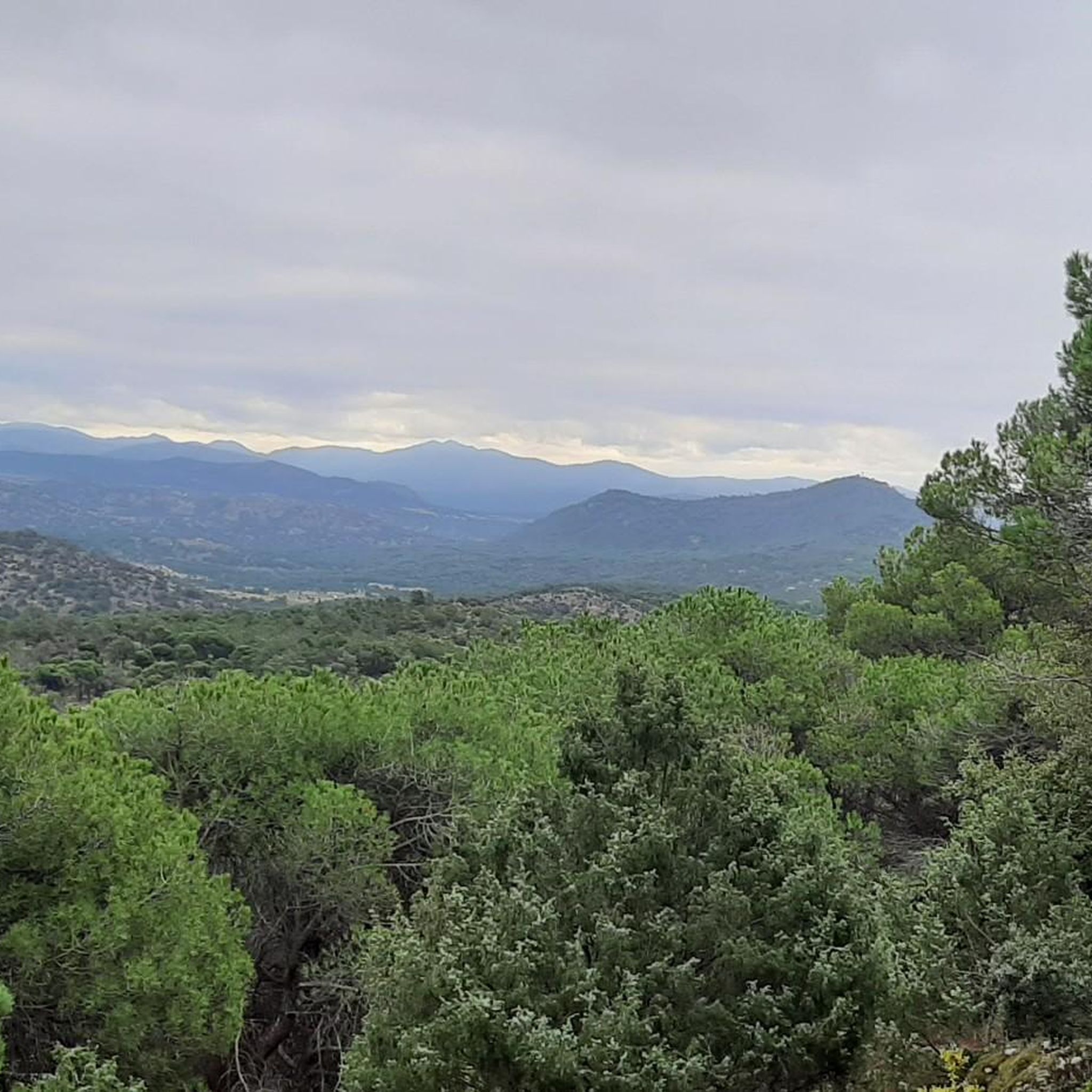
Herradón de Pinares is nestled in the deep valley carved by the Gaznata River, which flows into the Alberche River. The area is rich in pine forests, such as the Pinar de la Pedriza and Pinar de la Cañada, which are home to diverse flora including unique species like the red pine and endemic plants like Santolina oblongifolia. You can also enjoy panoramic views from spots like Puerto de la Lancha.
Are there historical or cultural sites to visit in the area?
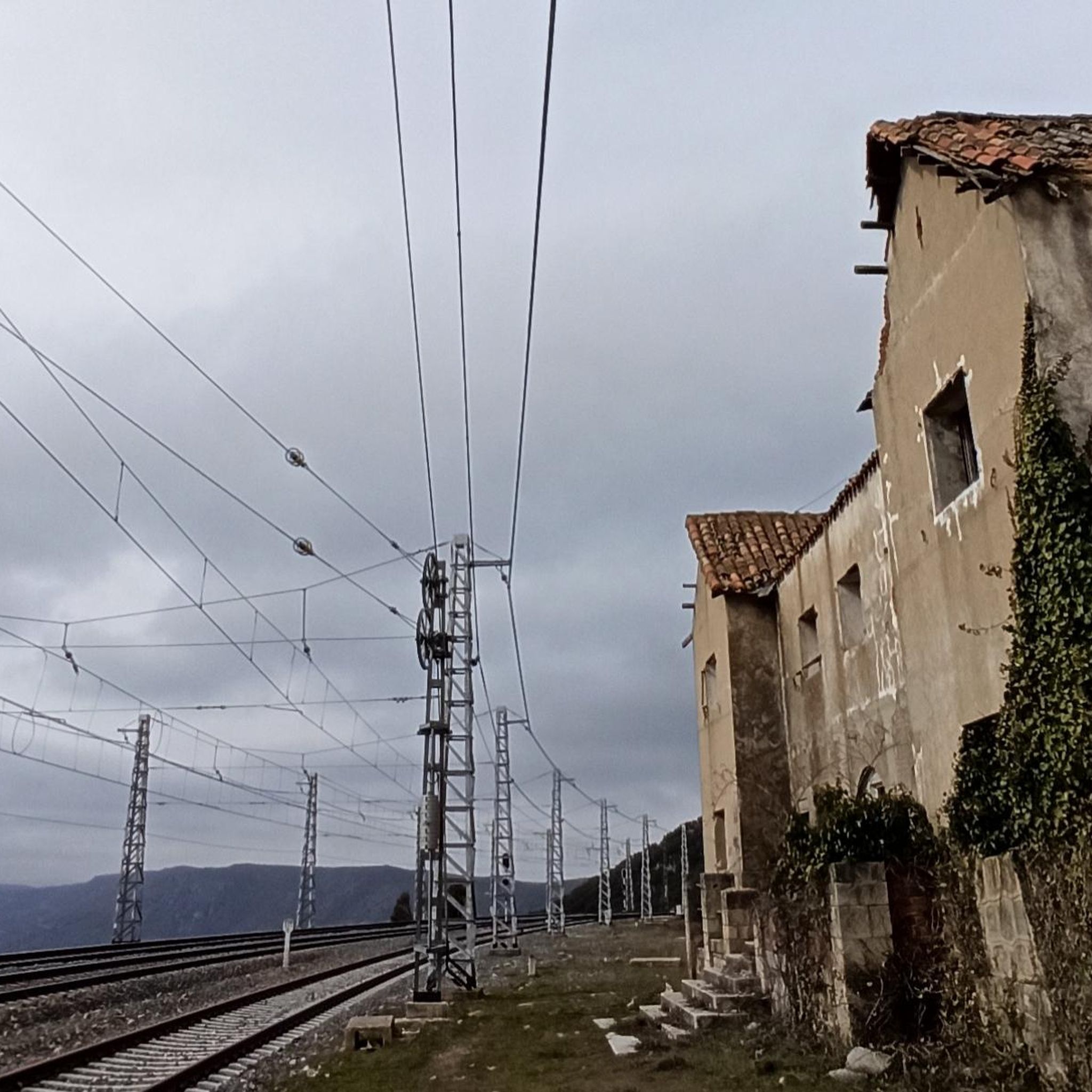
Yes, Herradón de Pinares offers several historical and cultural sites. The Hermitage of Our Lady of Sonsoles is a significant religious building with Baroque and Gothic elements, visited by historical figures like Saint Teresa of Jesús. Other notable sites include the Isabeline Gothic Iglesia de Santa María la Mayor, the picturesque Roman Bridge over the Gaznata River, and the 18th-century Town Hall in Plaza Mayor. The Station of Navalgrande also offers historical interest as one of Spain's highest railway stations.
What kind of outdoor activities are available around Herradón de Pinares?
The natural surroundings of Herradón de Pinares are ideal for various outdoor activities. You can find numerous routes for hiking, cycling, and running. The area's roads are also suitable for rallies. For specific routes, you can explore options like the hiking trails, road cycling routes, and running trails available in the region.
Can I find good hiking trails near Herradón de Pinares?
Absolutely. The area is well-suited for hiking, with routes like 'El Herradón - La Cañada por la Gaznatilla' which starts at the Iglesia de Santa María la Mayor and follows the Gaznata Stream. There are also seven well-marked routes exploring the diverse flora and fauna. For more options, check out the hiking guide for Herradón de Pinares, which includes trails like the 'Navalperal de Pinares Reservoir Trail' and 'Dolmen del Prado de las Cruces Trail'.
Are there cycling routes suitable for different skill levels?
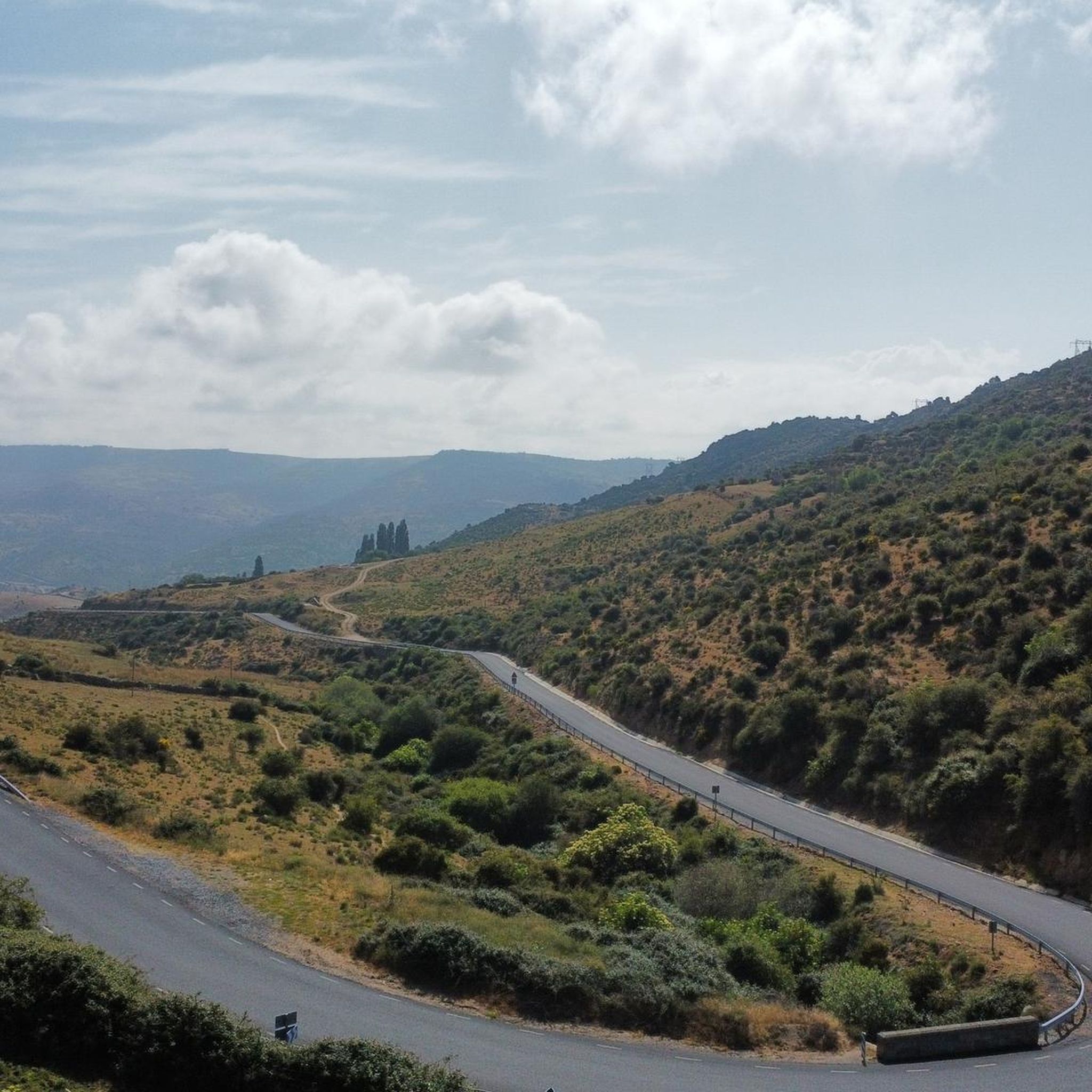
Yes, the local roads and paths cater to various cycling preferences. The Campo Azálvaro Bike Path offers an asphalted section in good condition, providing a quiet environment for cycling, especially towards the plateau. For more challenging rides, the Puerto de la Lancha offers a tough but scenic route through the Sierra de Guadarrama. You can find a range of options in the road cycling guide for Herradón de Pinares.
Is Herradón de Pinares a good place for birdwatching?
Yes, the Gaznata Valley is recognized as a crucial migratory corridor for birds, making Herradón de Pinares an excellent location for birdwatching throughout the year. Its unique position as the only transversal valley in the Central System contributes to its rich biodiversity.
Are there any family-friendly attractions or activities?
The region offers several family-friendly options. The Hermitage of Our Lady of Sonsoles has a nice picnic area for families to rest and eat outdoors. The village of El Herradón itself, with its cobbled streets and old buildings, offers a charming environment for a family stroll. Many of the easier hiking and walking routes are also suitable for families.
What is the best time of year to visit Herradón de Pinares for outdoor activities?
The area's natural beauty can be enjoyed throughout the year, but for outdoor activities like hiking and cycling, spring and autumn generally offer the most pleasant weather with mild temperatures. The rich biodiversity, especially for birdwatching, can be appreciated year-round due to the Gaznata Valley's role as a migratory corridor.
What is the <a href="https://www.komoot.com/highlight/989705" target="_blank" rel="noopener">Scenic Road to El Hoyo de Pinares</a> known for?
The Scenic Road to El Hoyo de Pinares is known for its beautiful views. As it climbs towards the town of El Hoyo de Pinares, it offers panoramic vistas of the surrounding mountains and extensive pine forests, making it a popular spot for those seeking picturesque landscapes.
How can I experience the historical transhumance routes in the area?
The ancient transhumance route known as the Cañada de la Mesta Leonesa Oriental passes near La Cañada, one of the localities forming the municipality. You can explore sections of this route, which highlight the area's historical connection to traditional livestock migration, by following local walking and hiking paths that intersect or run parallel to it.
What makes the village of <a href="https://www.komoot.com/highlight/5454680" target="_blank" rel="noopener">El Herradón</a> a unique place to visit?
El Herradón is a small town characterized by its cobbled streets and old buildings, giving visitors the feeling of walking through an 'art exhibition.' It is crossed by the Río de la Gaznata and surrounded by mountains, offering a blend of historical charm and natural beauty. It's a great spot to experience the local heritage and serene atmosphere.
Are there any unique natural features or plants in the pine forests of Herradón de Pinares?
Yes, the pine forests, such as Pinar de la Pedriza and Pinar de la Cañada, are notable for their diverse flora. They are home to unique species like the red pine (Pino Bermej) and endemic plants such as Santolina oblongifolia, also known as 'botón de oro.' These forests contribute significantly to the region's natural beauty and ecological value.
Most popular attractions around Herradón De Pinares

Get inspired with the komoot mobile app


Explore more
Still not found the Highlight you’re looking for? See guides of the top attractions in other regions:
