Attractions and Places To See around Otero De Herreros - Top 20
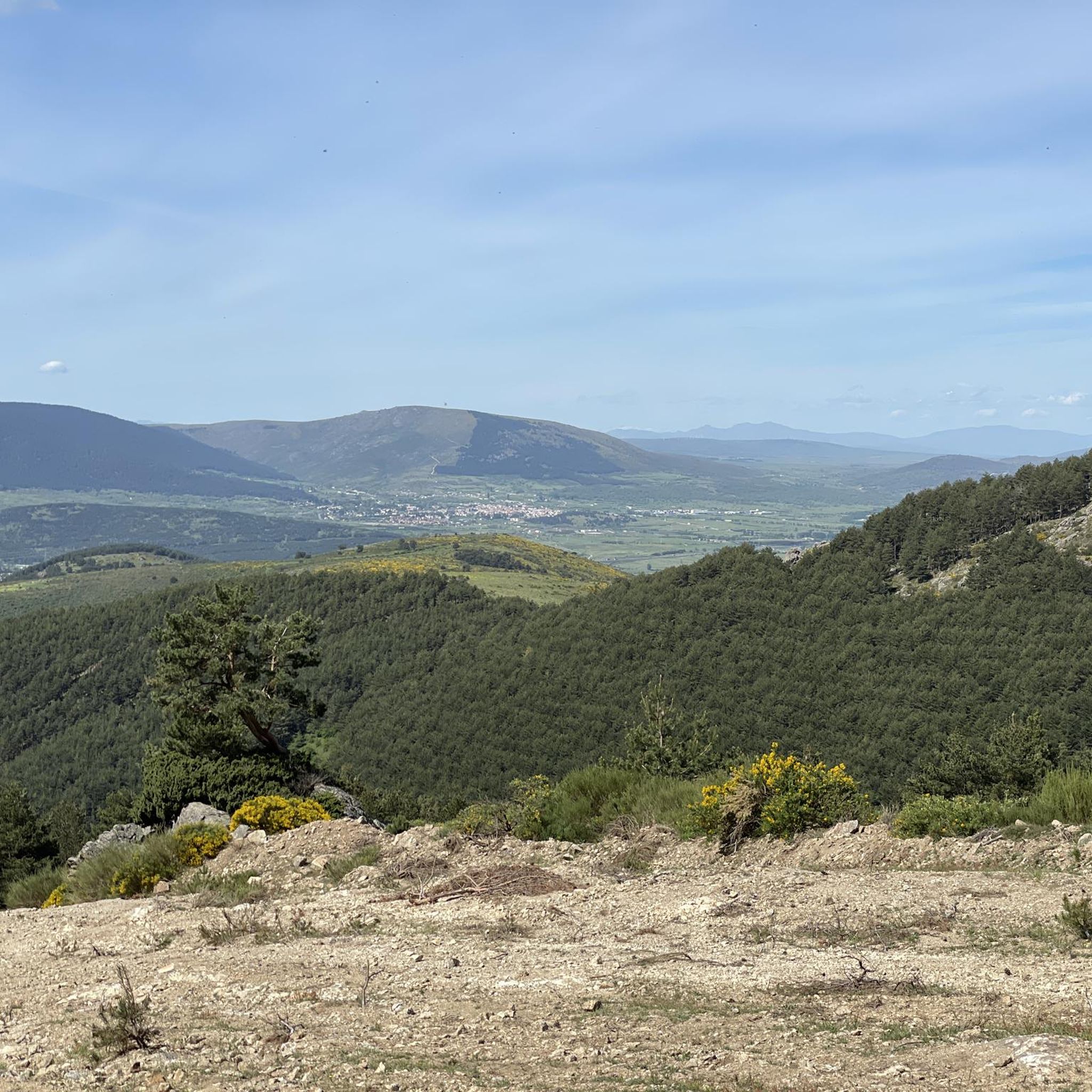
Best attractions and places to see around Otero De Herreros, a municipality in Segovia, Spain, offers a blend of history, culture, and natural beauty. It is situated within the Sierra de Guadarrama National Park, providing significant natural and scenic value. The area features ancient Roman mining sites, religious buildings, and diverse natural landscapes. Visitors can explore rolling hills, open spaces, and various hiking opportunities.
Best attractions and places to see around Otero De Herreros
- The most popular attractions is Fuente…
Last updated: November 6, 2026
Roman Road of Puerto de la Fuenfría
Highlight • Historical Site
Translated by Google •
Tip by

Fuente de la Reina
Highlight • Natural Monument
Translated by Google •
Tip by

Sign up now to discover places like this
Get recommendations on the best single tracks, peaks, & plenty of other exciting outdoor places.
Los Corralitos Meadow
Highlight • Forest
Translated by Google •
Tip by
Camilo José Cela Sundial
Highlight • Monument
Translated by Google •
Tip by

Alto del León
Highlight • Mountain Pass
Translated by Google •
Tip by
Sign up for free to discover even more attractions around Otero De Herreros.
Already have an account?
Start today with a free account
Your next adventure awaits.

Tips from the Community

Key Facts: Cela Sundial Location: It is located in the Pradera de Navarrulaque (Cercedilla), at an altitude of about 1,670 meters, right on the Carretera de la República. History: Inaugurated in 1995, it is a tribute to the writer (a great lover of the mountains and author of Cuadernos del Guadarrama) and to the first hikers who traversed these mountains. Curiosity: It is an analemmatic sundial. This means it does not have a fixed needle; you are the clock yourself. You have to stand on the current date marked on the ground, and your own shadow will indicate the time on the stone pieces surrounding you. Surroundings: It is on a beautiful route that passes by the Ducha de los Alemanes and the Miradores de los Poetas. I love this sundial in honor of Cela. It's super original because you interact with it to know the time. It's in a privileged spot in the Sierra de Cercedilla, surrounded by pine trees and with a lot of peace. A "rural monument" with a lot of charm that I never tire of visiting on my hikes through the Valle de la Fuenfría.
0
0

Beautiful trail that leaves Alto del León and descends to the Arcipreste or de los Lomitos path.
0
0

If the Queen drank this water, it is because it is good and fresh.
0
1
incredible layout of the Roman road,
0
0
We verify that it marks the Solar time perfectly.
1
0

Fuente de la Reina, modest in terms of flow, but with historical importance. This fountain has satisfied numerous travelers since ancient times.
1
0
Fuente la Reina from La Pradera de Navalhorno is a climb in the Castilla y León region. It has a length of 11.1 kilometers and a climb of 476 vertical meters with a slope of 4.3% on average, which implies a difficulty level of 331. The top of the climb is located at 1644 meters. From the Madrid side the climb is done along a mountain track.
0
0

This ancient Roman road, called Calzada borbónica, was the main route used to connect northern and southern Spain between the 1st and 18th centuries AD. An engineering feat for its time, this magnificent paved path nevertheless causes pain to the feet of today's trail runners.
0
0
Frequently Asked Questions
What historical sites can I explore around Otero de Herreros?
Otero de Herreros is rich in history. You can visit the ancient Roman mining site of Cerro de los Almadenes, which has remains from the Augustan era and even earlier. Other significant historical landmarks include the Iglesia Parroquial de los Santos Justo y Pastor with its late Gothic and Renaissance architecture, and the Ermita de San Roque, an Asset of Cultural Interest known for its frescoes. Don't miss the Roman Road of Puerto de la Fuenfría, one of the best-preserved Roman road sections in the Community of Madrid.
Are there natural attractions or viewpoints to visit in the area?
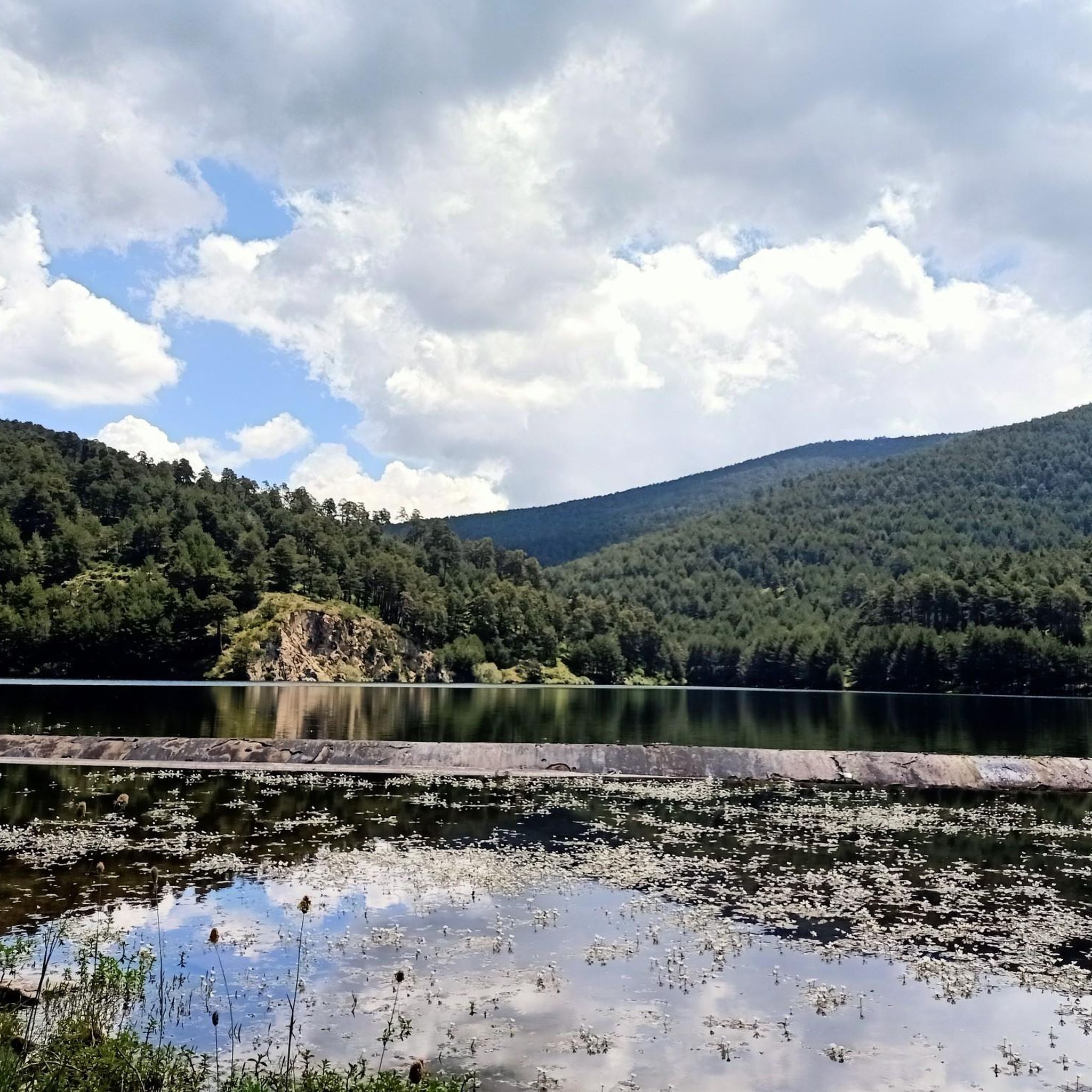
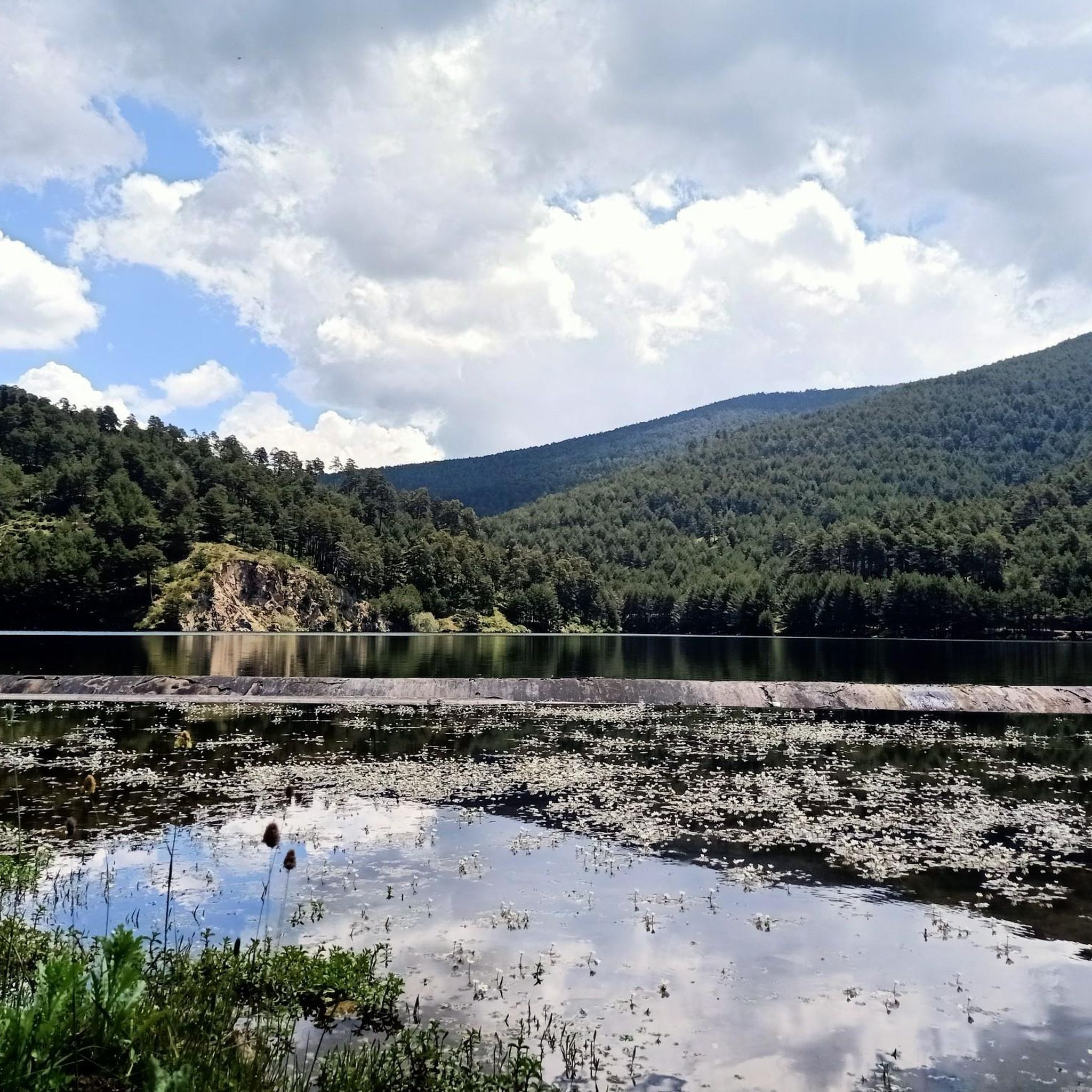
Yes, Otero de Herreros is nestled within the Sierra de Guadarrama National Park, offering significant natural beauty. You can enjoy the wooded area of El Quejigal for nature walks, or take a stroll around the tranquil Embalse de Revenga. For refreshing natural water, visit Fuente de la Reina, a natural monument sheltered by trees. The Alto del León (Puerto de los Leones) also offers panoramic views and serves as a starting point for various trails.
What outdoor activities are available near Otero de Herreros?
The region is ideal for outdoor enthusiasts. You can find numerous opportunities for hiking, running, and cycling. For hiking, explore trails like the G.R 88 or the Cañada Real Soriana Occidental “Vera de la Sierra”. If you're interested in running, check out the Running Trails around Otero De Herreros guide, which includes routes like the 'Los Ángeles Reservoir loop'. Cyclists can find routes in the Cycling around Otero De Herreros guide, such as 'La Garganta del río Moros — circular de La Estación de El Espinar'.
Are there any family-friendly places to visit around Otero de Herreros?
Absolutely. Many natural spots are suitable for families. The Embalse de Revenga is perfect for a relaxed stroll or a family picnic. The Fuente de la Reina is a pleasant stop for fresh water during an excursion. The Los Corralitos Meadow, with its tall pine trees, offers a serene environment for contemplation and walks, and is listed as family-friendly. The Camilo José Cela Sundial is also a curious and engaging spot for all ages.
Where can I find easy hiking trails near Otero de Herreros?
While many trails offer varying difficulties, the general area around Otero de Herreros, particularly within the Sierra de Guadarrama National Park, has paths suitable for different fitness levels. For specific easy options, look for routes that pass through meadows or along reservoirs. The Los Corralitos Meadow offers gentle walking paths. For more detailed route information, explore the Running Trails around Otero De Herreros guide, as some running routes can also be enjoyed as easy walks.
What is the best time of year to visit Otero de Herreros for outdoor activities?
The Sierra de Guadarrama region, including Otero de Herreros, is beautiful year-round. Spring and autumn offer pleasant temperatures for hiking and exploring the natural landscapes, with vibrant foliage or blooming wildflowers. Summer is ideal for enjoying the shade of wooded areas like El Quejigal or finding refreshment at Fuente de la Reina. Winter can be picturesque, especially for those who enjoy snowy landscapes, but requires appropriate gear for hiking.
Are there any unique cultural or religious landmarks in the municipality?
Beyond the main parish church, the Ermita de la Virgen de la Adrada is a notable religious site. Located in a beautiful poplar grove, its construction dates back to the late 15th century and houses a 16th-century altarpiece. Local legend attributes its origin to an appearance of the Virgin. The Ermita de San Roque, also known as El Humilladero, features interesting frescoes depicting the final moments of Christ's life and a stone Via Crucis outside.
Can I find places for gravel biking near Otero de Herreros?
Yes, the area offers excellent opportunities for gravel biking. You can explore routes that take you through diverse landscapes. Check out the Gravel biking around Otero De Herreros guide for specific routes, including longer ones like the 'Royal Palace of Riofrío – Fuentemilanos Airfield loop' or the 'Ermita de San Antonio – Río Moros Cliff loop'.
What is the significance of the Camilo José Cela Sundial?
The Camilo José Cela Sundial is a unique monument dedicated to the Nobel Prize winner, Camilo José Cela, who was a great admirer of the Sierra de Guadarrama. This curious sculpture, made of granite blocks, symbols, and signs in the shape of a crescent, indicates solar time by using a person's shadow. It's located along a route that also passes by the monument dedicated to the First Walkers of the Sierra de Guadarrama.
What do visitors enjoy most about the attractions around Otero de Herreros?
Visitors particularly appreciate the blend of history and natural beauty. The ancient Roman sites offer a glimpse into the past, while the natural monuments like Fuente de la Reina provide refreshing stops. The panoramic views from spots like Alto del León are highly rated. The tranquility of the natural surroundings and the historical significance of places like the Roman Road of Puerto de la Fuenfría are also frequently highlighted.
Are there any specific natural wooded areas for walks?
Yes, El Quejigal is a notable natural wooded area close to Otero de Herreros. It is characterized by its oak and holm oak trees, making it an excellent spot for excursions and peaceful nature walks. Additionally, the Los Corralitos Meadow features tall, ancient pine trees, offering a serene atmosphere for strolling and enjoying the forest.
What is the history behind the Alto del León mountain pass?
The Alto del León, also known as Puerto de los Leones, is a historic mountain pass that has been used since ancient times to cross the Sierra de Guadarrama. Its original road layout dates back to 1749. Throughout history, it has been a contested area and a vital route for merchants, travelers, and pilgrims. Today, it remains a lively pass between Madrid and Segovia, offering stunning views and access to hiking trails.
Most popular routes around Otero De Herreros
Most popular attractions around Otero De Herreros

Get inspired with the komoot mobile app


Explore more
Still not found the Highlight you’re looking for? See guides of the top attractions in other regions:
